2027 Is Grand Canyon University's Online EdD in Adult Learning: Qualitative Research Worth It? What Students Should Know

Co-Founder and Chief Data Scientist
Choosing an online EdD in Adult Learning: Qualitative Research program often hinges on balancing career goals with program flexibility and academic rigor. With online education enrollment rising by over 15% according to the National Center for Education Statistics, many professionals seek programs that align with evolving workforce demands and adult learner needs.
The challenge lies in identifying whether Grand Canyon University's offering meets expectations for qualitative research depth, practical application, and post-graduation opportunities in fields like training design or adult education leadership. This article analyzes these factors to help prospective students weigh the program's value against their unique professional and educational priorities.
Key Points About Grand Canyon University's Online EdD in Adult Learning: Qualitative Research Program
- The online EdD in Adult Learning: Qualitative Research at Grand Canyon University has a 60% acceptance rate, indicating a moderately selective admission that balances competitiveness and accessibility.
- Total tuition costs $37,212, with graduates' earnings to debt ratio of 1.91x, reflecting moderate cost with a return linked to a median alumni salary of $42,186.
- Faculty focus and employer recognition support alumni progression in education leadership, highlighting workforce relevance despite a niche academic specialization.
What makes Grand Canyon University's online EdD in Adult Learning: Qualitative Research program stand out?
Grand Canyon University's online EdD in Adult Learning: Qualitative Research program appeals to students needing flexibility without sacrificing academic rigor. Its large enrollment and staffing provide extensive support but can also mean a less personalized experience compared to smaller institutions. Working professionals balancing multiple responsibilities may benefit from the asynchronous format and pacing options.
Meanwhile, those seeking intensive mentorship should consider the average 43% graduation rate as indicative of a demanding curriculum requiring persistence. The program's specialization in qualitative research methods aligns well with roles in educational leadership, organizational development, and policy analysis, where nuanced understanding of adult learning is crucial.
Unlike more generic EdD offerings, it places practical application front and center through resources like virtual libraries and interactive forums. This focus can enhance employability for candidates targeting positions that demand sophisticated qualitative inquiry, but the tradeoff involves committing to a challenging study load and leveraging institutional scale rather than one-on-one faculty engagement.
Is it difficult to get admitted to Grand Canyon University's online EdD in Adult Learning: Qualitative Research program?
Admission to most EdD programs in adult learning with a qualitative research focus tends to be moderately competitive, balancing academic standards with accessibility. The specialization narrows the applicant pool, which can ease direct competition but also raises expectations for candidates to demonstrate relevant research alignment and professional intent.
Hiring managers in educational leadership roles often interpret admission difficulty as a proxy for candidate preparedness, making a program's selectivity a factor in evaluating graduate qualifications. Grand Canyon University's online EdD in Adult Learning: Qualitative Research reflects this moderate selectivity with a 60% acceptance rate. Out of nearly 48,000 applicants, approximately 29,000 gain entry annually, illustrating neither a highly restrictive nor overly permissive admission environment.
The required standardized test scores-SAT verbal 540 to 620, math 518 to 555, and ACT scores from 19 to 124-signal a baseline academic competence that supports program rigor without setting prohibitive barriers for well-prepared candidates. This balance means applicants must be deliberate in preparation but not deterred by exclusivity.
One recent graduate recalled applying late in the cycle, facing uncertainty about test retake timing amid personal obligations. "Waiting weeks for score results felt like a gamble," they said, "but knowing the acceptance rate wasn't razor-thin allowed me to stay hopeful." Their experience underscores the practical tradeoff: the program is sufficiently selective to uphold standards yet accessible enough to reward focused, timely application strategies.
How does the curriculum of Grand Canyon University's online EdD in Adult Learning: Qualitative Research program stay aligned with current industry trends?
A curriculum stays relevant when it evolves alongside changes in industry standards, employer expectations, and professional best practices. Programs that regularly update coursework, incorporate current tools and methodologies, and emphasize practical, career-ready skills help prepare graduates for today's workforce and future industry.
- Advanced Methodologies: The curriculum's emphasis on sophisticated qualitative research techniques equips students to design and execute studies that generate nuanced insights into adult learning environments. This directly corresponds to employer needs for evidence-based program evaluation and development.
- Dissertation Practicality: The required dissertation centers on original qualitative research, fostering skills in critical analysis and real-world problem solving. This hands-on focus mirrors industry situations where data must translate into actionable programmatic improvements or policy shifts.
- Leadership and Ethics Integration: Including courses on organizational leadership and ethical issues prepares graduates to navigate the strategic and moral complexities inherent in adult education, an increasingly important dimension as learning contexts grow in diversity and scale.
The alignment of Grand Canyon University's EdD program with industry trends is well articulated through these curriculum components. For prospective students, especially those comparing doctoral options, understanding this alignment is critical because it informs employability and the practical utility of the degree across education, corporate training, or policy sectors.
Those seeking further options for affordable, career-oriented leveling in higher education might consider exploring the cheapest online colleges that accept FAFSA near me to weigh financial feasibility alongside curricular relevance.
How much does Grand Canyon University's online EdD in Adult Learning: Qualitative Research program cost?
The total tuition and fees for the online EdD in Adult Learning: Qualitative Research program at Grand Canyon University stand at $17,450 annually, with an estimated total cost including books, room, board, and other expenses reaching $37,212. These figures reflect a flat-rate tuition model that does not vary by residency, which can simplify budgeting for students regardless of location. However, additional costs such as supplies, which typically run about $1,100 yearly, and living expenses should factor into financial planning.
Financial aid plays a critical role in offsetting these expenses. While detailed data specific to EdD in Adult Learning students is limited, approximately 99% of undergraduates at Grand Canyon University receive aid averaging $7,744. Institutional grants and tuition reimbursement programs through corporate partnerships further support eligible students.
Evaluating the real cost of Grand Canyon University online EdD tuition and fees thus requires considering both nominal charges and available financial assistance to determine net affordability. When compared with national averages for online doctoral programs in Adult Learning and Qualitative Research, Grand Canyon's cost structure leans toward the moderate end of the spectrum.
Many comparable programs impose varied fees based on residency, credits, or technology, which can elevate total expenses unpredictably. In contrast, Grand Canyon's flat-rate pricing offers predictability but may still be higher than some public university options, meaning students should assess how these tuition costs align with expected career outcomes and institutional reputation.
For those weighing the cost of earning an EdD in Adult Learning: Qualitative Research at Grand Canyon University against alternative programs, examining financial aid availability, program format, and total expenditures is essential. Those considering less expensive options should also consult resources identifying easy college degrees online in related fields, which might offer different tradeoffs in rigor or applicability depending on professional goals.
What are the admission requirements for Grand Canyon University's online EdD in Adult Learning: Qualitative Research program?
Admission to Grand Canyon University's online EdD in Adult Learning: Qualitative Research is selective, reflecting a balance between academic standards and practical readiness. Prospective students should assess this process carefully, as meeting these criteria influences transfer options and program fit.
The following points outline essential admission elements that impact eligibility and preparation.
- Educational Background: Applicants must have completed high school or hold a GED, accompanied by a reviewed secondary school GPA. While specific ranks and college-preparatory completion are suggested, they are not mandatory but strengthen candidacy.
- Language Proficiency: Submission of TOEFL scores is required if applicable, ensuring candidates possess sufficient English skills for doctoral-level communication and research demands.
- Supporting Documentation: Letters of recommendation and competency demonstrations, including assessments like Wonderlic or WISC-III, are encouraged to augment applications, indicating professional and cognitive readiness.
- Transfer Credit Policy: Transfer students face moderate difficulty; the university accepts multiple credit types-from ACE to AP-facilitating flexibility but requires adherence to unlisted thresholds for passing grades and credit limits.
- Entrance Exams: Beyond language tests, no compulsory standardized doctoral entrance exams or portfolios are stated; however, verbal and quantitative test score ranges provide insight into expected academic capability.
What is the ROI of attending Grand Canyon University's online EdD in Adult Learning: Qualitative Research program?
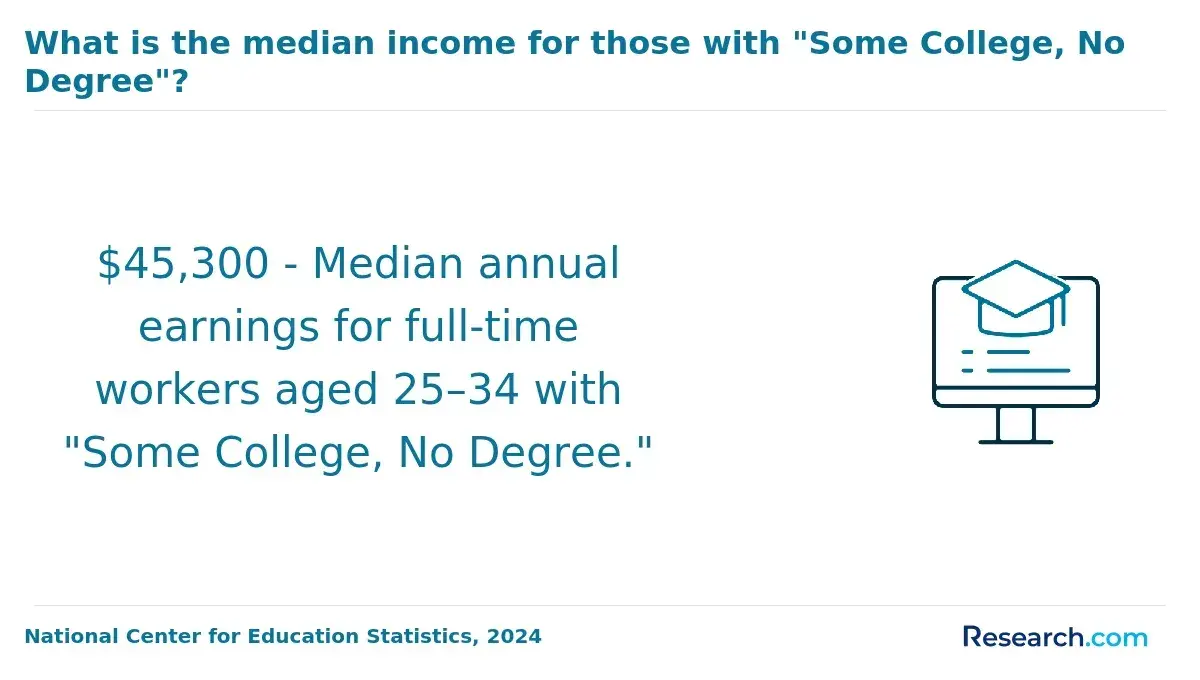
The return on investment for Grand Canyon University's online EdD in Adult Learning: Qualitative Research program reveals a cautious tradeoff between cost and salary advancement. Annual expenses approaching $37,000, including tuition and living costs, contrast with a median graduate salary steady at around $42,000. This relatively flat salary trajectory over a decade means financial gains are moderate and may not offset the total educational expense quickly.
Adjustments to ROI can occur if students leverage scholarships or financial aid to reduce upfront costs, which significantly influences debt burden and repayment timelines. The median student debt of just over $22,000 yields an earnings-to-debt ratio under 2, suggesting cautious optimism but limited immediate financial leverage. Graduates often enter sectors like higher education administration and workforce development agencies where leadership roles value accumulated experience more than rapid salary increases, affecting long-term earning potential.
For prospective students, the decision hinges on weighing stable but modest economic returns against career aspirations in adult learning and qualitative research fields. This program's ROI aligns with roles emphasizing leadership and organizational impact, though it may not deliver high financial returns found in other specialties. Understanding these dynamics is critical before committing substantial resources to this specific doctoral pathway.
Is there a high student satisfaction for Grand Canyon University's online EdD in Adult Learning: Qualitative Research program?
Student satisfaction in Grand Canyon University's online EdD in Adult Learning: Qualitative Research program reflects a complex balance between institutional support and the realities of rigorous, self-directed study. The university offers student-led groups and mentorship programs, which help remote learners create networking opportunities and access peer guidance, an important factor in maintaining motivation during doctoral work.
However, these resources only partially offset challenges related to the inherently demanding nature of asynchronous study and uneven school-life integration. Many students appreciate the program's flexibility, allowing them to juggle work and family responsibilities while pursuing advanced education. Yet, this flexibility can also become a double-edged sword, where time management difficulties and the absence of real-time interaction result in feelings of isolation or struggle to keep pace.
Despite formal efforts to retain students, the moderate graduation rate suggests that satisfaction is often tied to an individual's ability to adapt to these demands rather than institutional accommodations alone. A graduate of the program recalled grappling with the decision to enroll amidst a full-time job and parenting duties: "I knew the flexibility would let me study late at night, but I worried about losing momentum when deadlines felt so far apart."
Over time, connecting with online peer mentors became crucial to maintaining accountability. While the workload was intense, having that community support ultimately made the difference between persisting and dropping out, enhancing their overall satisfaction with the program despite initial hesitation.
How does Grand Canyon University help online EdD in Adult Learning: Qualitative Research graduates secure employment?
Success in securing employment after completing an online EdD in Adult Learning: Qualitative Research often hinges on the institution's ability to connect graduates with relevant professional opportunities. Grand Canyon University's career services embody this understanding, as data indicates that career support can boost employment outcomes by about 25% compared to graduates without such resources.
This advantage is particularly important in education fields where network access and timely job information dictate hiring prospects. For prospective students weighing the operational benefits of this program, it helps to consider specific resources that facilitate entry into the workforce.
Below are some of the key job placement resources for online EdD in Adult Learning: Qualitative Research graduates at Grand Canyon University:
- Virtual Career Fairs: These events link students with employers seeking expertise in adult education, enabling remote networking that can lead to interviews before program completion, reducing time to employment.
- Resume Workshops: Focused sessions improve application materials so graduates present their skills clearly and align with employer expectations, directly affecting callbacks and job matches.
- Job Placement Portal: A tailored online platform lists openings targeted to adult learning researchers, streamlining the job search process and keeping candidates informed of relevant roles.
- Alumni Mentorship: Access to a network of graduates who provide career advice and connections helps navigate hiring nuances in educational research sectors.
Grand Canyon University's emphasis on ongoing alumni engagement aligns with industry trends showing approximately 70% of education jobs being filled through networks and institutional support. For candidates evaluating an EdD, considering how a program's employment services integrate with long-term career strategy is crucial.
Students interested in condensed graduate programs might compare options such as a 6-months master's degree online to gauge timing and employment impacts relative to GCU's program.
What are the career outcomes for recent graduates of Grand Canyon University's online EdD in Adult Learning: Qualitative Research?
Career outcomes critically shape the value of an EdD in Adult Learning: Qualitative Research from Grand Canyon University, especially given the specialized skill set it provides for adult education environments. Graduates must weigh the qualitative advantages of expertise in instructional leadership and research against relatively modest salary potentials inherent to education roles compared to healthcare or administrative fields.
This balance impacts long-term financial and professional decisions, highlighting the importance of exploring realistic job prospects and earnings before enrollment. For those evaluating career advancement opportunities for Grand Canyon University EdD in Adult Learning graduates, specific examples clarify the landscape.
Careers with typical roles and compensation include:
- Education Leadership Roles: Positions such as instructional coordinators and program designers involve managing curriculum and training initiatives aimed at enhancing adult learner outcomes. Average earnings in related teacher education fields hover around $34,800, reflecting sector norms rather than top-tier executive pay.
- Adult Education Administration: This pathway focuses on overseeing adult learning programs in various institutions, demanding skills in qualitative research to optimize learner engagement. Salaries align closely with specialized teaching roles, averaging near $32,500.
- Curriculum Development Specialists: These professionals design and assess educational materials for adult learners, relying heavily on qualitative insights. Compensation generally parallels that seen in special education, around $35,000 annually.
- Healthcare Education Integration: Some graduates merge educational expertise with healthcare, moving into administrative or nurse education settings. These roles offer higher earnings-nursing administration can yield around $78,900-though they require additional sector-specific knowledge.
Given these outcomes, prospective students should consider their own priorities regarding salary versus academic or organizational influence. For practical insight, exploring a military online college could offer alternative frameworks for career planning and credential evaluation in adult learning contexts.
How do I know if Grand Canyon University's online EdD in Adult Learning: Qualitative Research program is the right fit for my goals?
Deciding whether Grand Canyon University's online EdD in Adult Learning: Qualitative Research aligns with your goals requires weighing multiple factors that reflect your academic focus and professional objectives. For example, an adult education professional aiming to develop specialized qualitative research skills for policy analysis might prioritize deep methodological training and faculty mentorship, while a working administrator could value program flexibility and support more highly.
Many factors make a program worth it, and this determination is highly dependent on individual academic and career goals. Consider these key criteria when evaluating the program:
- Curriculum Alignment: Ensure the program's courses and research components emphasize qualitative methods within adult learning contexts. This alignment is crucial to build practical, specialized expertise rather than a general education research background.
- Flexible Delivery and Support: Assess whether the program's online format complements your learning style and life commitments, including workload and faculty accessibility. Adequate academic support is essential for mastering complex qualitative techniques remotely.
- Reputation and Outcomes: Review the program's accreditation, faculty qualifications, and alumni trajectories. Graduate success in niche educational research or leadership roles indicates the degree's practical value within the workforce.
- Access to Research Resources: Confirm the availability of qualitative data analysis tools, seminars, and mentorship opportunities that directly aid dissertation completion and research proficiency.
Prospective students looking for flexible options with frequent start dates might compare this program to others on lists of online colleges with weekly start dates, which can better accommodate varying schedules. Carefully matching goals with Grand Canyon University EdD qualitative research demands, reflecting on how these operational factors translate into effective learning and relevant credentials post-completion.
What Graduates Say About Grand Canyon University's Online EdD in Adult Learning: Qualitative Research Program
- Elijah: "Studying at Grand Canyon University gave me a structured yet flexible environment to complete the EdD in Adult Learning: Qualitative Research while managing my full-time job. The program's emphasis on practical research applications helped me create a portfolio that many employers found valuable, especially since licensure isn't heavily weighted in my field. Although I faced stiff competition for leadership roles, the degree opened doors to consulting projects and remote positions that fit my career goals well."
- Rhett: "After finishing the EdD in Adult Learning: Qualitative Researchh at Grand Canyon University, I found that employers preferred candidates with diverse experience over just credentials, so I focused on internships and certifications during the program. The coursework was demanding but worthwhile, providing me with a solid foundation in qualitative methods that directly informs my current role. Navigating salary growth hasn't been straightforward without licensure, but the degree helped me pivot into workforce development, where flexibility and remote work matter most."
- Marcus: "My time at Grand Canyon University was pivotal for advancing in adult education, especially because the EdD in Adult Learning: Qualitative Research balanced theory and real-world challenges. I noticed that despite the degree, many organizations prioritized hands-on experience and portfolios, so I strategically supplemented my studies with projects that employers could tangibly assess. While progression towards administrative roles can be slow without licensure, the program equipped me to make informed career moves and better understand the complex hiring realities in our field."
Other Things You Should Know About Degrees
The EdD in Adult Learning: Qualitative Research at Grand Canyon University is designed with asynchronous coursework, which benefits working adults by allowing study on their own schedules. However, the program requires consistent weekly engagement and significant time for research projects and dissertation work, which can limit flexibility during peak personal or professional busy periods. Prospective students should prioritize their time-management skills, as balancing full-time work and rigorous doctoral-level assignments can be challenging without disciplined planning.
Faculty support is primarily delivered through virtual channels, with assigned mentors guiding students through coursework and dissertation phases. While accessibility is generally good, some students have noted variability in responsiveness and the depth of mentorship experience depending on the advisor assigned. Those seeking frequent, personalized faculty engagement should proactively communicate and manage expectations early in the program to ensure sufficient guidance.
In 2027, the qualitative research focus in Grand Canyon University's Online EdD program is highly applicable for careers in adult education, training, and development. It equips students with critical analysis skills and the ability to conduct in-depth studies, making it versatile in various educational and organizational settings.
The dissertation in this EdD program is a substantial, multi-phase commitment demanding original research that can take several semesters to complete. Grand Canyon University provides structured support such as research seminars and committee guidance, but much of the work depends on the student's initiative and time investment. For individuals with limited time availability or less experience managing long-term projects, prioritizing dissertation planning and seeking peer or institutional support early are critical to avoid delays.
References
- Grand Canyon University Reviews https://www.gradreports.com/colleges/grand-canyon-university
- 25 Cheapest Online EdD Programs of 2025 https://www.eddprograms.org/schools/affordable-online-doctor-of-education-programs/
- Trends for the Future of Education: How Cairn’s EdD Equips You to Lead https://cairn.edu/trends-for-the-future-of-education-how-cairns-edd-equips-you-to-lead/
- How much does it cost to get an EdD from GCU? | BestAccreditedColleges.org https://bestaccreditedcolleges.org/articles/careers-and-education/how-much-does-it-cost-to-get-an-edd-from-gcu.html
- Online EdD Programs in Adult Education, Career Education, Lifelong Learning https://www.onlineeddprograms.com/specializations/adult-education
- Career Services https://georgian.edu/academics/career-services/
- Careers https://www.gce.com/careers.html
- Grand Canyon University Ranking: What You Need To Know https://www.staging.westernautisticschool.vic.edu.au/vic-news/grand-canyon-university-ranking-what-you-need-to-know-1767648806