2027 Is Arizona State University's Online MS in Organizational Leadership Worth It? What Students Should Know

Co-Founder and Chief Data Scientist
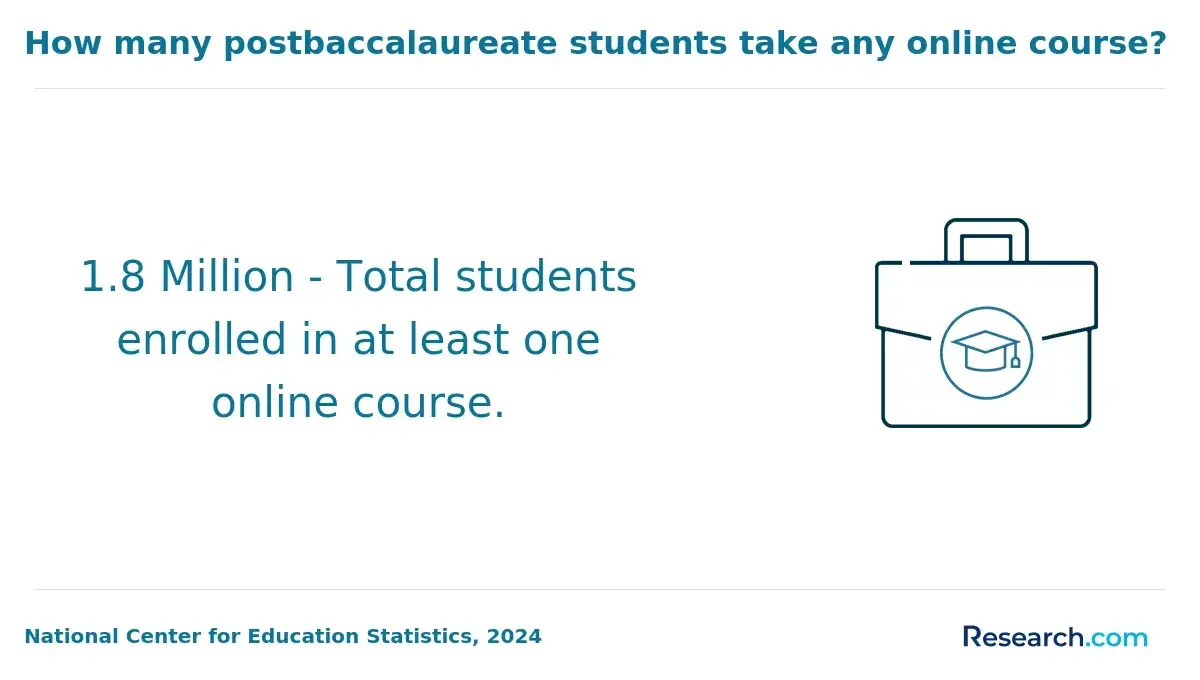
Choosing the right online ms in organizational leadership program often hinges on balancing career goals with program flexibility and reputation. With online graduate enrollment growing by over 8% annually according to the National Center for Education Statistics, accessibility and format convenience are increasingly vital. However, students must also consider whether curricular depth and leadership competencies align with evolving employer expectations for strategic decision-making. For those weighing arizona state university's offering, the question becomes how well the program fosters applied leadership skills and supports career mobility in diverse industries. This article examines these factors to clarify if asu's online ms in organizational leadership matches your academic and professional priorities.
Key Points About Arizona State University's Online MS in Organizational Leadership Program
- The online MS in Organizational Leadership program at Arizona State University has a 90% acceptance rate, offering broad access but requiring students to evaluate if it matches their career urgency and readiness.
- The total tuition of $34,845 paired with a 3.21x earnings to debt ratio indicates a strong financial return, emphasizing the program's value relative to typical mid-career salaries of $62,668.
- Employers recognize alumni leadership skills cultivated by experienced faculty at Arizona State University, boosting graduates' workforce competitiveness across diverse sectors.
What makes Arizona State University's online MS in Organizational Leadership program stand out?
The value of Arizona State University's online MS in Organizational Leadership lies in its adaptability for working professionals who must balance education with careers. Offering both full-time and part-time options, the program accommodates varied schedules, allowing students to progress at a pace that fits their commitments. This flexibility is critical for mid-career individuals who require practical application alongside theoretical learning rather than rigid academic timelines.
ASU's program excels in providing interactive, practice-oriented learning through live virtual sessions and collaborative projects, which simulate real workplace dynamics. Such structuring helps develop critical leadership skills like ethical decision-making and strategic communication that employers increasingly demand.
Given its 68% graduation rate, the program shows a reliable success track record, reflecting both the rigor and support that can matter in job market outcomes.
For students able to commit significant time, the program's larger institutional resources-staffing of 14,448 and enrollment near 80,000-support a rich digital environment with diverse peer and faculty engagement. This scale-driven resource access distinguishes ASU's offering, making it more than a flexible degree but a platform fostering sustained leadership growth aligned with current organizational needs.
Is it difficult to get admitted to Arizona State University's online MS in Organizational Leadership program?
Admission to most MS in Organizational Leadership programs can be competitive, particularly at institutions with selective criteria emphasizing standardized test scores, professional experience, or prior academic achievements. These hurdles often limit access and increase uncertainty around acceptance, potentially extending the application timeline and requiring significant preparation.
In contrast, Arizona State University's online MS in Organizational Leadership presents a notably lower barrier to entry, with an acceptance rate of 90%. The university processes a high volume of applications, admitting 62,084 out of 68,840 annually, reflecting an intentionally inclusive admissions strategy.
The absence of SAT or ACT requirements reduces entry friction, allowing applicants from varied academic or professional backgrounds to apply without the stress of standardized exams.
This approach can serve candidates who prioritize fast, accessible enrollment over exclusivity but might raise questions about employer perceptions of selectivity and rigor. For applicants weighing program prestige against expedient admission, ASU's model offers a practical tradeoff: broad access balanced against the need for students to demonstrate leadership competencies through other means post-admission.
How does the curriculum of Arizona State University's online MS in Organizational Leadership program stay aligned with current industry trends?
Arizona State University's online MS in Organizational Leadership curriculum reflects a deliberate response to evolving employer demands, where graduates must demonstrate fluency in complex organizational dynamics and strategic leadership. Unlike programs focused predominantly on theory, ASU integrates practical applications that prepare students for decision-making challenges faced by leaders in diverse industries.
For instance, graduates often enter roles requiring them to drive change in decentralized or virtual teams, which necessitates not only theoretical knowledge but adaptive skills and emotional intelligence.
The following factors clarify how this program aligns with current industry trends:
- Experiential Learning: By embedding project-based assignments and case studies, the coursework simulates real-world leadership scenarios, effectively bridging academic concepts with practical problem-solving essential for operational effectiveness.
- Industry-Relevant Content: Courses emphasize leadership theory alongside organizational development and ethical decision-making, addressing the competencies employers prioritize, including conflict resolution and diversity management.
- Adaptability Focus: The curriculum acknowledges the shifting nature of work by incorporating instruction on leading virtual teams and technology adoption, counterbalancing more static leadership content found in some degrees.
These curriculum choices position ASU's MS in Organizational Leadership to meet industry standards for advanced leadership roles, though prospective students should weigh the program's emphasis on applied learning against other degrees that might offer deeper specialization in analytics or sector-specific management.
Those exploring options like understanding what is the easiest masters degree to get online might find ASU's program demands a more robust application of both skills and theory. Overall, the program's promise lies in its balanced approach to preparing graduates for the complex realities of contemporary organizational leadership, especially in environments requiring both strategic insight and hands-on management skills.
How much does Arizona State University's online MS in Organizational Leadership program cost?
The direct tuition cost for Arizona State University's online MS in Organizational Leadership program stands at $12,051 annually, excluding expenses like books and supplies which average $1,320. While the total annual cost for students-covering tuition, fees, room, and board-reaches approximately $34,845, online students largely avoid location-based price variation due to ASU's flat-rate tuition model.
This approach eliminates the often burdensome out-of-state fees that can significantly increase the cost of an online organizational leadership master's degree in Arizona, making budgeting more predictable for geographically dispersed learners.
Financial aid opportunities at ASU can materially alter the effective cost for many students. Although the cited average aid figures primarily derive from undergraduate recipients, the availability of institutional grants, corporate tuition reimbursement partnerships, and specific scholarships targeting graduate programs can reduce net expenses.
For candidates weighing enrollment decisions, detailed exploration of aid packages is crucial, as these funds directly influence the return on investment from the program amidst the broader expense environment.
Compared to typical tuition rates across the country, ASU's base cost positions it on the lower end of the spectrum, where many comparable programs exceed $15,000 annually. This pricing advantage, combined with the absence of out-of-state surcharges, creates a financially competitive offering in a field where affordability varies widely.
Yet, prospective students should consider the tradeoffs implicit in tuition rates versus program reputation, network access, and employer recognition when deciding if ASU's online MS in Organizational Leadership aligns with their career expectations.
For students exploring pathways aligned with shifting workforce demands, cost is only one component in a complex equation. Navigating options among easy college degrees online or specialized graduate programs involves balancing affordability with practical value, outcome relevance, and strategic fit within their professional development plan.
What are the admission requirements for Arizona State University's online MS in Organizational Leadership program?
Prospective students must carefully assess the admission requirements for Arizona State University's online MS in Organizational Leadership, as understanding these criteria affects both eligibility and preparation strategy. For example, candidates without a traditional college background might need to rely more on transfer credits or alternative credentials.
The nuances of transfer credit policies and English proficiency expectations also influence how quickly one can enter and progress through the program. Below are the core admission elements worth considering:
- Educational Background: Applicants must hold a high school diploma or an equivalent certificate like the GED, ensuring foundational academic readiness.
- English Proficiency: Submission of TOEFL scores is necessary for those whose first language is not English, reflecting the need to handle advanced coursework and communication demands.
- Recommendations and Tests: Though letters of recommendation, admission tests, and competency demonstrations such as Wonderlic or WISC-III are suggested, they are not mandatory, providing some flexibility for applicants with diverse profiles.
- Technology Access: Students need ongoing access to a computer, but the school offers leasing or purchase options, acknowledging the practical challenges of online learning.
- Transfer Credit Policies: The program accepts various transfer credits including ACE evaluations, CLEP, DSST/Dantes, and AP credits. However, students should confirm specific credit limits and grade requirements, as this impacts time-to-degree and cost efficiency.
What is the ROI of attending Arizona State University's online MS in Organizational Leadership program?
The return on investment for Arizona State University's online MS in Organizational Leadership hinges on weighing the program's significant annual cost against graduates' earning potential. At an estimated $34,845 annually-including tuition and living expenses-this program demands a substantial financial commitment. However, graduates report a median starting salary of $62,668, which remains stable a decade after completion. This earnings consistency suggests the degree supports long-term financial resilience rather than temporary salary boosts typical in other disciplines.
Practical ROI depends heavily on variables beyond sticker price. Students who secure scholarships or employer tuition assistance reduce upfront debt, improving financial outcomes. Conversely, those facing median debt levels near $19,500 must consider whether their career trajectory will sustain repayment without narrowing job flexibility.
Given that organizational leadership roles often cluster in healthcare, education, and consulting sectors-fields where salary growth can vary substantially-graduates should critically assess how well their networks and experience align with market demands.
Ultimately, alumni earnings-to-debt ratios around 3.2x indicate the program can yield reasonable economic returns under optimal conditions, especially when paired with strategic job placement. Prospective students should weigh cost against sector-specific salary trends and personal financial aid opportunities to determine if this MS in Organizational Leadership fits their career and financial goals.
Is there a high student satisfaction for Arizona State University's online MS in Organizational Leadership program?
The overall student satisfaction for Arizona State University's online MS in Organizational Leadership is nuanced, reflecting the typical tradeoffs of online programs in terms of support and engagement. While flexibility stands out as a critical advantage-enabling students to juggle professional and personal responsibilities-this strength can create a sense of isolation absent in face-to-face settings, which some students find challenging.
Employers in leadership roles increasingly value practical skills and peer interaction, so the relative scarcity of direct faculty engagement may affect those seeking deeper mentorship or networking opportunities.
Arizona State University compensates with a robust infrastructure, including numerous student organizations and virtual mentoring designed to foster community among remote learners. This network offers important academic and professional support, softening the isolation many online students face.
However, the program's rigor demands consistent time management and self-motivation, which not all students find manageable alongside competing commitments. The 68% graduation rate suggests a significant portion of enrollees encounter challenges that impede completion, underscoring the need to carefully weigh personal readiness before enrollment.
How does Arizona State University help online MS in Organizational Leadership graduates secure employment?
Institutions significantly influence graduates' employment prospects by providing targeted resources and connections, especially in fields like organizational leadership where networking and visibility are critical. At Arizona State University, online MS in Organizational Leadership graduates benefit from structured support that addresses these hiring realities. For instance, leveraging alumni mentorships can make the difference between competing candidates with similar academic backgrounds.
Industry data support this approach, indicating that 85% of graduates using career services and mentorship programs secure relevant roles within six months of graduation. This impact highlights the importance of practical career interventions alongside academic content.
Below are key employment-support opportunities offered by Arizona State University that directly affect job outcomes for these students.
- Virtual Career Fairs: These online events connect students with hiring managers and recruiters from a range of industries, enabling real-time engagement without geographic constraints. Such direct access increases employment chances before or immediately after graduation.
- Resume Workshops: Focused sessions refine students' presentation of skills and leadership experiences to meet employer expectations, which is crucial given the competitive applicant pool for leadership positions.
- Alumni Mentorship Program: This network links current students with experienced alumni in leadership roles, facilitating tailored career advice and often job referrals that can accelerate entry into relevant roles.
- Career Services Accessibility: Online MS in Organizational Leadership students can utilize ASU's career services from any location, ensuring ongoing support aligned with evolving workforce demands.
These support mechanisms reflect how career services and employment resources for ASU online MS in Organizational Leadership students are structured to mitigate common barriers to employment. For prospective candidates evaluating the degree's ROI, incorporating these services into their decision-making can be critical.
Students seeking an option focused on cost-effectiveness might also compare ASU's offerings with other affordable online master's programs to determine which best balance career service availability with tuition investment.
What are the career outcomes for recent graduates of Arizona State University's online MS in Organizational Leadership?
Graduates from Arizona State University's online MS in Organizational Leadership often find themselves navigating leadership roles that demand a blend of interpersonal skills and strategic decision-making. Choosing this program means preparing for positions where managing teams and driving organizational change are routine-factors that employers weigh heavily during hiring.
For individuals seeking steady employment prospects, examining job placement rates for asu online MS in organizational leadership alumni reveals a pattern of opportunities concentrated in sectors such as business administration, nonprofit management, and project coordination. This context is crucial for weighing the program's return on investment.
Below are typical career outcomes that illustrate potential pathways and compensation levels.
- Organizational Development Manager: Overseeing strategies to enhance company culture and operational efficiency, this role focuses on communication and change management. Salaries average around $51,500, reflecting market rates for mid-level leadership in business administration.
- Human Resources Manager: This position involves managing recruitment, compliance, and employee relations within diverse industries. Earnings typically align with the broader management spectrum, often varying by experience and sector.
- Project Leader: Managing project lifecycles to ensure goal achievement involves strong coordination and decision-making. Leadership professionals in this area, especially those with expertise in quantitative methods, can see salaries near $57,700.
- Business Operations Supervisor: Handling day-to-day operations with operational oversight, this role offers a midpoint salary around $41,500, which is competitive compared to related fields like small business operations.
Prospective students concerned about upfront costs and enrollment may also consider exploring no application fee colleges to reduce initial financial barriers, which can be found here. Thoughtful consideration of these career outcomes and expenses helps clarify the practical value of pursuing this advanced degree.
How do I know if Arizona State University's online MS in Organizational Leadership program is the right fit for my goals?
Determining if Arizona State University's online MS in organizational leadership program aligns with your goals depends largely on your academic focus and career aspirations, as the program's value is not universal but situational. For instance, an aspiring manager wanting practical change management skills may find significant benefit, while someone targeting a policy role might encounter limitations in curriculum scope.
Several core aspects need thorough consideration before deciding, including:
- Curriculum Relevance: Evaluate whether course offerings address contemporary leadership challenges and skills that suit your intended career path, such as strategic thinking or ethical leadership. A mismatch here risks investing time in content that won't directly enhance your professional capabilities.
- Program Flexibility: Since this is an online program, understand the class delivery format and its compatibility with your schedule. Balancing work or family commitments demands either asynchronous options or structured synchronous sessions that fit without undue disruption.
- Accreditation and Faculty Expertise: Confirm the program holds recognized accreditation and that instructors bring both academic and practical leadership experience. This affects the degree's credibility and the broadness of your professional network post-graduation.
- Career Support Services: Investigate availability of targeted career assistance such as coaching or internships. Lack of these can create obstacles in translating the degree into tangible job market advantages, particularly in competitive sectors.
- Financial Tradeoffs: Reflect on tuition costs relative to potential salary gains or promotion opportunities after completing the program. This evaluation helps avoid overinvestment in credentials whose return may not match your financial or career ambitions.
When deciding how to choose Arizona State University MS in organizational leadership offerings, keep in mind that your specific background and professional goals shape what "worth it" truly means. For those considering shorter or more specialized study periods, exploring 6 month certificate programs might provide relevant alternatives to weigh alongside a full master's degree program.
What Graduates Say About Arizona State University's Online MS in Organizational Leadership Program
- Layla: "Studying the MS in Organizational Leadership at Arizona State University offered me the flexibility to balance work and education, which was crucial since I was transitioning careers. While the program didn't guarantee immediate promotion, it equipped me with practical leadership frameworks that I used to strengthen my portfolio and demonstrate value in management interviews. I've found that employers tend to weigh hands-on experience alongside these skills, and the online format made it easier to gain relevant remote work opportunities while completing my degree."
- June: "Arizona State University's organizational leadership program challenged my assumptions about career growth in this field. I realized that without licensure or specific certifications, there are salary growth ceilings in some sectors, so I've focused on lateral moves to broaden my expertise. The coursework was rigorous and thoughtfully designed, which gave me confidence, but navigating hiring realities required me to complement the degree with targeted internships and networking to stand out in a competitive market."
- Adeline: "From a practical standpoint, the MS in Organizational Leadership at Arizona State University helped me pivot from a purely operational role into strategic planning. The online program delivered insights I applied directly to workplace challenges, especially around team dynamics and change management. However, I noticed that many employers prioritize candidates with demonstrated leadership impact over just degree credentials, so I made sure to build measurable outcomes into my resume during and after the program to enhance my career progression."
Other Things You Should Know About Degrees
The online MS in Organizational Leadership at Arizona State University is designed for working professionals, but the workload is substantial and requires disciplined time management. Weekly assignments, group projects, and case studies demand consistent effort, making it challenging to balance with a demanding full-time job without adjusting other commitments. Prospective students should prioritize their schedule flexibility before enrolling to avoid burnout and subpar academic performance.
While the program includes group work and discussion boards, it lacks structured networking events or direct access to industry leaders compared to traditional on-campus programs. This means students may need to proactively build professional connections independently. If your goal is to leverage networking as a core benefit, complementing the program with external leadership forums or local professional groups is advisable.
Although not strictly required for admission, having some leadership experience significantly enhances the ability to engage with the coursework and apply material effectively. Students without such a background may find certain assignments more abstract and challenging, which can delay practical understanding. It is recommended that applicants seek at least minimal leadership roles or related professional development before or during the program to maximize learning outcomes and relevance.
References
- What Can You Do With a Master's in Organizational Leadership? https://www.umassglobal.edu/blog-news/what-can-you-do-with-a-masters-in-organizational-leadership
- Master’s in Organizational Leadership vs. MBA https://www.warnerpacific.edu/blog/masters-in-organizational-leadership-vs-mba/
- Master’s Degree in Organizational Leadership | Mercer University https://professionaladvancement.mercer.edu/academic-programs/graduate-and-professional/organizational-leadership/
- Arizona State University (ASU) https://www.princetonreview.com/college/arizona-state-university-1023376
- Inside Online Master’s in Organizational Leadership: Find a Program https://www.onlinemastersdegrees.org/best-programs/business/organizational-leadership/
- M.S. in Organizational Leadership | ACE https://ace.edu/degree-programs/masters-degrees/masters-business/master-of-science-in-organizational-leadership/
- Is a Master’s Degree in Organizational Leadership Worth It? | CSU Global https://csuglobal.edu/blog/is-a-masters-degree-in-organizational-leadership-really-worth-it
- Organizational Leadership (Master of Science) Costs https://www.creighton.edu/cost-aid/find-costs/organizational-leadership-ms-costs
- Top 10 Rankings of Arizona State University - Smart Edu Link https://www.smartedulink.com/blog-details/top-10-rankings-of-arizona-state-university/r/recS9FgQ3Hp1zDOWC
- Choosing Between a Master's in Organizational Leadership and an MBA https://claremontlincoln.edu/news-blog/organizational-leadership-mba/