2027 Online Religious and Christian Studies Bachelor's Degree Programs With No Prerequisites

Co-Founder and Chief Data Scientist
Many adults with bachelor's degrees in unrelated fields struggle to enter the religious and Christian studies sector without prior coursework or prerequisites. Traditional programs often demand specific backgrounds, limiting access for career changers or those seeking personal enrichment. The U. S. Bureau of Labor Statistics projects a 5% growth in community and social service jobs, including ministry and counseling roles, through 2031, reflecting rising demand for qualified professionals. This article explores flexible online religious and Christian studies bachelor's degree programs requiring no prerequisites, guiding prospective students toward accessible, accredited options that accommodate varied educational histories and career objectives.
Key Benefits of Online Religious and Christian Studies Bachelor's Degree Programs With No Prerequisites
- Online Religious and Christian Studies bachelor's programs with no prerequisites offer flexible scheduling that accommodates working professionals balancing career and family commitments.
- These programs enable accelerated skill development by allowing students to start immediately, avoiding delays from prerequisite coursework.
- Students can earn accredited credentials on personalized timelines and budgets, supported by financial aid and credit transfer opportunities tailored to diverse life circumstances.
What Does 'No Prerequisites' Mean for Online Religious and Christian Studies Bachelor's Degree Programs, and Who Benefits Most?
The term "no prerequisites" as it applies to online religious and christian studies bachelor's degree programs means students can enroll without prior college coursework, standardized test scores, or specific academic requirements. This is distinct from open admission policies, which generally accept anyone with a high school diploma or equivalent, and from low-barrier enrollment that may still impose minimal application conditions. Programs with no prerequisites remove formal entry barriers, creating accessible pathways for diverse learners pursuing these degrees.
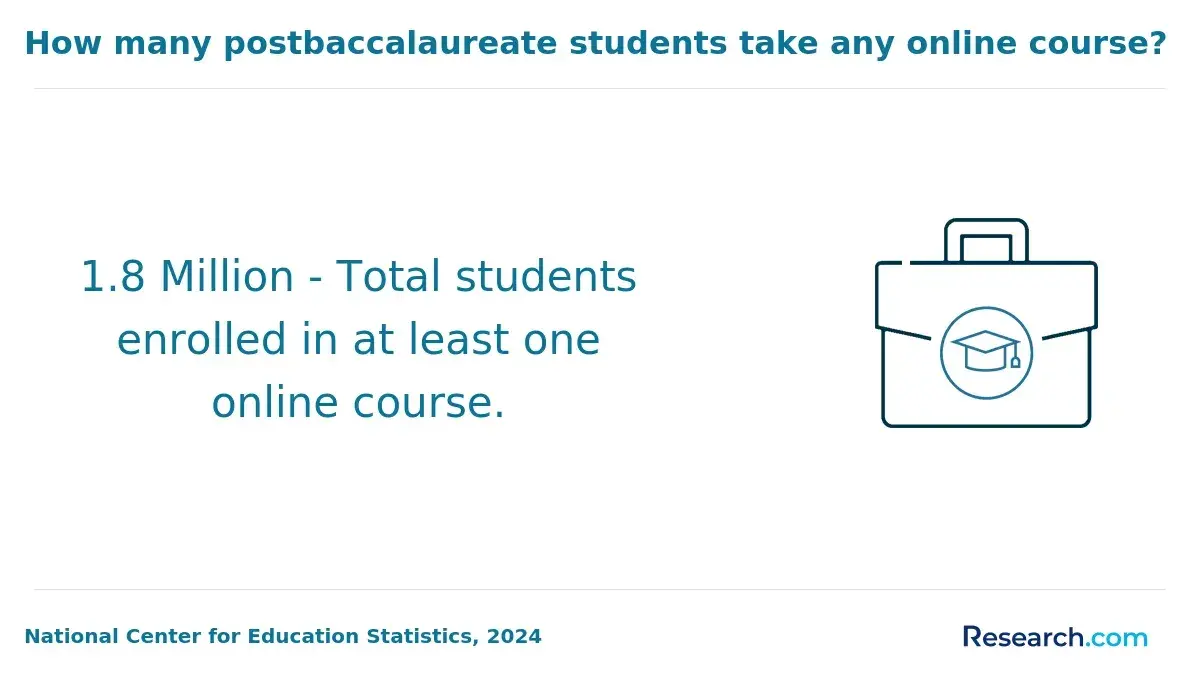
Such no-prerequisite programs particularly benefit career changers seeking a fresh start in ministry or theology, working adults balancing employment and family, returning learners resuming paused studies, and first-generation college students facing traditional educational challenges. Data from the National Center for Education Statistics (NCES) show a steady rise in non-traditional student enrollment-those age 25 and older, attending part-time, or working full-time-highlighting the growing demand for flexible, accessible religious and christian studies programs.
This comprehensive guide explores key aspects that prospective students should consider when evaluating online religious and christian studies bachelor's degree with no prerequisites. It covers admission policies, institutional offerings, program quality, financial aid availability, support services, credit transfer opportunities, and projected career outcomes. Additionally, for those interested in quick foundational learning, institutions often provide options like an online associate degree that can complement or precede bachelor's study.
- Admission Accessibility: Clear explanation of no-prerequisite policies and how they eliminate traditional academic hurdles while preserving educational quality and rigor.
- Target Student Groups: Insight into career changers, adult learners, and first-generation students who thrive in these programs, emphasizing their unique needs and experiences.
- Program Quality: Information on accreditation and quality assurance measures ensuring rigorous education despite flexible entry standards.
- Support and Resources: Overview of financial aid, academic advising, and technological assistance designed to enhance student success in online learning environments.
Which Accredited Online Religious and Christian Studies Bachelor's Programs Accept Students With No Prior College Coursework?
Several regionally accredited institutions offer online religious and Christian studies bachelor's degree programs designed to accept students with no prior college coursework. These schools maintain open-enrollment or low-barrier admission policies, ideal for working adults, first-generation students, and career changers seeking accessible education pathways. Admission requirements generally waive prerequisites outright or provide foundational courses to prepare students for degree-level work, supporting a smooth transition into higher education.
- Liberty University: This prominent Christian university offers a fully online religious studies bachelor's program with minimal admission standards. Liberty waives prior college coursework for applicants holding a high school diploma or equivalent. The curriculum emphasizes biblical studies, theology, and ministry, supported by extensive academic advising, financial aid options, and online resources to serve a large remote student population.
- Grand Canyon University: Grand Canyon provides an online Christian studies bachelor's degree with open access for students without previous college credits. Their admissions highlight flexibility and foundation courses available to build necessary academic skills. The university is regionally accredited, offers helpful credit transfer policies, career services, and schedules suited for adult learners.
- Southern New Hampshire University: Known for diverse online degrees, SNHU accepts students into its religious studies bachelor's program directly from high school or with no prior college experience. Foundational general education courses support academic readiness. SNHU delivers robust student support including financial aid counseling and online tutoring while focusing on post-graduate career development.
- Wilmington University: Wilmington's online religious studies bachelor's program welcomes applicants without previous college coursework. The school offers bridge courses to build key academic skills when needed. Regionally accredited, Wilmington provides generous financial aid packages and emphasizes credit transfer flexibility to accommodate diverse educational backgrounds.
- Union Institute & University: This institution offers an accredited online bachelor of arts in religious studies with open admission policies for students lacking prior college credits. Union Institute supports nontraditional students with personalized advising and pathways through foundational courses, enabling adult learners to balance education with life commitments.
These accredited online Christian studies bachelor's programs with open enrollment share important features: regional accreditation ensuring academic quality; flexible admissions that eliminate prior coursework barriers; comprehensive student support services including financial aid and advising; and foundation or bridge courses to ease students' academic transition. Prospective students should carefully verify accreditation status, curriculum rigor, credit transfer policies, and available student resources to select legitimate no-prerequisite programs that support success. For those seeking affordable options, exploring the cheapest online bachelors degree programs can provide additional guidance on cost-effective pathways.
2026 Update: Checking Denominational Fit and Ministry Pathways
For 2026, this section adds a student-focused check on how well no-prerequisite online religious and Christian studies programs align with a learner’s faith background, ministry goals, and long-term service plans.
- Review the school’s statement of faith, denominational affiliation, or theological tradition.
- Check whether courses emphasize biblical studies, theology, ministry leadership, missions, counseling, or general religious studies.
- Ask whether the degree supports your intended path, such as church work, nonprofit service, chaplaincy preparation, or graduate study.
- Confirm whether internships, practicums, or local ministry placements are available online or in your community.
- Understand that a bachelor’s degree may not automatically meet ordination, licensing, or denominational credential requirements.
- Look for community features such as online chapel, cohort discussions, mentoring, or faculty ministry experience.
Comparing these fit factors helps students choose an accessible program that supports both academic progress and personal calling.
How Do Open-Admission Policies in Online Religious and Christian Studies Programs Differ From Traditional Selective Admissions?
Open admission policies in online religious and Christian studies bachelor's programs allow nearly all applicants who meet basic criteria-usually a high school diploma or equivalent-to enroll without evaluating GPA, test scores, or previous coursework. This is different from selective admissions, which screen candidates based on academic records or interviews, rolling admissions that accept students on a continual basis until capacity is met, and conditional admissions requiring remedial work or probationary status. Schools like Liberty University and Baker College openly publish their open-admission practices through their admissions web pages and IPEDS data, making their inclusivity transparent.
- Expanded Access: Open admission eliminates common entry barriers, welcoming students from a broad spectrum of educational backgrounds, including those who have taken breaks from school or are returning to education later in life.
- Diverse Academic Preparedness: Because incoming students vary widely in readiness, many programs offer developmental courses, tutoring, or orientations designed to strengthen foundational skills needed for success.
- Enhanced Student Support: Institutions often provide strong advising, mentoring, and career counseling to guide students through challenges that arise from varying levels of academic preparation.
- Balancing Challenges: While open access increases opportunity, students should carefully assess whether the program's support and curriculum match their career aims and academic needs.
- Maintaining Quality: Accredited programs uphold recognized educational standards, ensuring degrees earned through open admission carry credibility despite less restrictive entry.
According to a 2023 National Center for Education Statistics report, almost 40% of online undergraduate theology and religious studies programs use open or low-barrier admissions to better serve adult learners and growing demand.
One professional who enrolled in an online religious and Christian studies bachelor's program with no prerequisites shared that the openness of admission was a lifeline during his career change. "I didn't have recent academic experience, so I feared rejection," he said, highlighting how removal of rigid entry requirements gave him hope. He appreciated the developmental classes that helped build study habits and academic confidence, although he found balancing coursework with work and family challenging. He emphasized that ongoing support services were crucial to staying motivated, sharing, "Without mentoring and personalized guidance, I might have dropped out." His experience illustrates how open-admission policies can provide second chances but require commitment and self-advocacy to navigate the program successfully.
What Are the Typical Enrollment Requirements for No-Prerequisite Online Religious and Christian Studies Bachelor's Programs?
Applicants should assemble transcripts, clearly state academic goals, and confirm language documentation in advance to streamline admissions.
- Proof of High School Completion: Even without formal prerequisites, most programs require official proof of high school graduation or an equivalent like a GED to confirm foundational readiness for college-level religious and Christian studies degrees without prior coursework.
- Age Requirements: Candidates typically need to be 17 or 18 years old. Some programs offer dual-enrollment options that let younger students begin college courses early, provided they have parental consent and school approval. This supports smoother transitions into full degree pathways.
- English Language Proficiency: Since coursework is mainly in English, non-native speakers usually must verify proficiency through standardized tests such as TOEFL or IELTS or show prior study experience in English to meet enrollment criteria for no-prerequisite online Christian studies programs.
- Application Essentials: Most institutions, particularly public ones, ask for a completed application, personal essays, and basic contact info. Private nonprofit colleges sometimes request letters of recommendation or conduct interviews, but these steps are less frequent in open-admission programs.
- Alternative Enrollment Routes: For students lacking traditional diplomas, earning a GED serves as a common credential. Dual-enrollment agreements with high schools create opportunities for working adults and first-generation students to commence their studies earlier in low-barrier Religious and Christian Studies degrees.
Those seeking reputable, accessible options can consult best online accredited universities offering support and credit transfer options tailored for career changers and adult learners.
Are No-Prerequisite Online Religious and Christian Studies Bachelor's Programs Available at Regionally Accredited Universities?
Regionally accredited universities offering online religious and Christian studies bachelor's degree programs with no prerequisites do exist, but they remain uncommon due to the academic standards involved. Regional accreditation is vital because it confirms the institution meets stringent quality benchmarks verified by agencies acknowledged by the U.S. Department of Education and the Council for Higher Education Accreditation (CHEA). This status influences how credits transfer between colleges, how employers view your degree, and eligibility for federal financial aid.
Unlike national accreditation, which tends to be granted to schools focused more on vocational or religious training with limited credit transferability, regional accreditation holds greater prestige and acceptance. Students seeking accessible programs without prior coursework should still verify that their chosen school's religious and Christian studies program is covered under the regional accreditation scope to ensure long-term academic and professional benefits.
Before applying, prospective students can use this checklist to confirm accreditation legitimacy:
- Accrediting Body: Ensure the university is regionally accredited by a recognized agency listed in the U.S. Department of Education or CHEA databases.
- Program Coverage: Confirm the religious and Christian studies program falls within the institution's regional accreditation scope.
- Credit Transfer: Verify that credits can transfer to other regionally accredited schools for possible graduate programs or changes in study.
- Financial Aid: Check eligibility for federal grants, loans, and scholarships tied to regional accreditation.
A professional who completed her online religious and Christian studies degree without prior requirements shared that enrolling was initially daunting due to uncertainties about how employers would view the program and whether the credits would be respected if she pursued further education. However, choosing a regionally accredited institution eased those worries and offered her access to federal aid, which was critical. "It wasn't just about getting the degree," she reflected, "but knowing it opened doors, validated my effort, and fit into my career goals made all the difference." Her experience underscores that while no-prerequisite routes exist, accreditation quality remains foundational for lasting value.
How Do Students Without Academic Prerequisites Catch Up in Online Religious and Christian Studies Bachelor's Courses?
Programs admitting students without formal prerequisites often incorporate specialized academic supports to strengthen essential skills and facilitate academic success.
- Developmental Courses: Foundational classes targeting academic writing, research techniques, and introductory theology help learners build critical competencies. For instance, Liberty University provides an Academic Foundations course that equips students with study strategies tailored for theological education.
- Tutoring Services: Many institutions offer online tutoring focused on areas like biblical languages and religious ethics. Regent University operates virtual tutoring centers staffed by experts who assist students with course content and academic challenges.
- Peer Mentoring: Partnering new enrollees with experienced peers helps ease the transition to online learning. Grand Canyon University's mentoring program fosters both academic guidance and social connection, enhancing student engagement.
- Self-Assessment Tools: Prospective students can evaluate their readiness using tools from the Online Learning Consortium before applying. Early identification of skill gaps encourages timely access to resources and builds student confidence.
- Retention Benefits: Data from the 2023 National Survey of Student Engagement shows that students who leverage academic supports experience retention rates approximately 30% higher than those who do not, demonstrating the measurable impact of these interventions.
Reviewing program websites and consulting academic advisors before applying can clarify available support options. Students who actively seek tutoring and mentoring often find smoother academic progress and improved outcomes in no-prerequisite religious and Christian studies online programs.
What Support Services Help No-Prerequisite Students Succeed in Online Religious and Christian Studies Bachelor's Programs?
No-prerequisite online religious and christian studies bachelor's programs often provide comprehensive student support services tailored to help diverse learners manage their education alongside work and family commitments.
- Academic Advising: Students receive personalized guidance on degree requirements, course selection, and pacing. Advisors accommodate part-time study and credit transfers to create flexible, individualized plans.
- Mental Health Resources: Many programs offer virtual counseling and wellness services to support emotional well-being, helping students balance study stress with other life responsibilities.
- Disability Accommodations: Nationally accredited programs typically ensure equitable access through extended deadlines, screen-reader compatibility, and exam proctoring options tailored to diverse student needs.
- Career Counseling: Dedicated career services assist with job exploration, resume preparation, and interview skills, focusing on opportunities in ministry, education, nonprofits, and related fields.
- Asynchronous & Virtual Support: Online learners access help any time via asynchronous communication tools and live virtual appointments-crucial for those managing multiple roles across different time zones.
- Retention Impact: Research shows that robust student support services reduce online dropout rates by over 30%, significantly boosting degree completion chances. Programs highly ranked by U.S. News Best Online Bachelor's Programs consistently emphasize such services as critical for student success.
Can Transfer Credits or Prior Learning Assessments Replace Prerequisites in Online Religious and Christian Studies Programs?
Transfer credits and Prior Learning Assessments (PLA) are valuable tools for students in online Religious and Christian Studies bachelor's degree programs, allowing them to replace prerequisite coursework and accelerate degree completion. Many institutions accept exams such as CLEP (College-Level Examination Program) and DSST (DANTES Subject Standardized Tests), which measure foundational knowledge and can earn between 3 to 12 credits per exam. This flexibility benefits working adults and career changers who can use their existing knowledge to bypass introductory classes.
- Transfer Credit Policies: Accredited online Religious and Christian Studies programs typically accept transfer credits from previous college coursework, requiring official transcripts and course descriptions. Some schools allow as many as 90 transfer credits toward a 120-credit degree, significantly reducing time and cost.
- Prior Learning Assessments (PLA): PLA programs assess skills gained outside traditional classrooms, including CLEP and DSST exams. Institutions such as Thomas Edison State University and Excelsior College are recognized for their accommodating PLA policies, enabling prerequisite waivers through documented competencies.
- ACE Credit Recommendations: The American Council on Education framework facilitates credit recognition for military training, workplace experience, and professional certifications relevant to Religious and Christian Studies, further expanding credit transfer options.
- Documenting Prior Learning: Students must provide detailed evidence such as portfolios, syllabi, training certificates, or exam results. Early communication with academic advisors is crucial to ensure credits meet degree requirements and maximize prerequisite waivers.
- Recent Trends: Data from the National Center for Education Statistics reveals that over 60% of adult learners in bachelor's programs used transfer credits or PLA options, highlighting a shift toward more flexible degree pathways.
For students seeking accessible degree options, policies that allow transfer credits in online Religious and Christian Studies programs to replace prerequisites are often paired with no-prerequisite admissions, creating low-barrier routes into higher education. This flexibility is essential for first-generation students and working adults. To explore further educational opportunities, consider programs like an online masters in child psychology, which also embrace similar credit transfer and assessment policies.
What Is the Average Time to Completion for No-Prerequisite Online Religious and Christian Studies Bachelor's Degree Programs?
The average time to complete online religious and Christian studies bachelor's degree programs with no prerequisites typically follows the traditional 120-credit-hour framework required for undergraduate degrees. The duration depends heavily on the pace of enrollment, length of academic terms, and acceptance of prior credits, all of which influence the speed at which a student progresses toward graduation.
- Standard Credit Requirements: A bachelor's degree in religious and Christian studies usually requires about 120 semester credit hours. Full-time students generally complete this in four years, while part-time enrollment or interruptions can extend the timeline.
- Enrollment Pace and Term Length: Many accredited online programs offer accelerated completion through flexible options such as eight-week terms, year-round classes, and competency-based formats where students advance by demonstrating mastery rather than seat time. Institutions like Liberty University and Southern New Hampshire University provide such pathways, enabling completion in as little as two to three years.
- Prior Credit Impact: Transfer credits from previous college work or CLEP exams can shorten the program length. However, most no-prerequisite religious and Christian studies degrees admit students starting from zero, making the programs accessible to adult learners and first-generation college students.
- Open vs. Selective Admission: IPEDS data indicate that open-admission online programs with low entry barriers often experience lower graduation rates within traditional timelines compared to selective-admission schools. Yet, they significantly improve access for nontraditional learners.
- Cost and Opportunity Considerations: Time to completion directly affects total tuition and opportunity costs. Faster programs reduce financial burden and time away from employment, making pace a crucial factor in program comparison for working adults.
For those exploring alternative education routes, it is helpful to consider easy certifications to get which can complement a degree or offer quicker entry into new career fields.
How Does Tuition Compare Between No-Prerequisite and Standard Online Religious and Christian Studies Bachelor's Programs?
Tuition Rates
Online religious and Christian studies bachelor's programs with open-admission policies generally charge lower per-credit-hour tuition compared to selective programs. These more accessible programs are often offered by community colleges or public universities aiming to broaden educational opportunity, resulting in more affordable tuition rates.
Additional Fees
Some no-prerequisite programs require students to complete developmental or foundational courses before entering core religious and Christian studies classes. These extra fees can increase the overall cost, making the total expense higher than the advertised per-credit tuition alone.
Institutional Type
Private and selective institutions typically command higher tuition due to their funding models, campus resources, and prestige. In contrast, open-admission programs tend to be affiliated with publicly funded schools, contributing to their usually lower sticker prices.
Program Delivery Format
Fully online no-prerequisite programs often leverage flexible, scalable instructional models that can reduce expenses. Selective offerings may incorporate additional features such as faculty mentoring or specialized research opportunities, which can justify their elevated costs.
Total Degree Costs
When comparing programs, it is crucial to assess all expenses including extra course fees, technology charges, and credit transfer policies. Evaluating the entire cost of earning the degree provides a clearer perspective than solely focusing on per-credit tuition rates.
Which Online Religious and Christian Studies Bachelor's Programs Allow Students To Start Without A High School Diploma Or GED?
Many accredited online religious and Christian studies bachelor's programs welcome applicants holding a high school equivalency credential like a GED or HiSET, allowing broader access for non-traditional students and career changers. These programs often feature open-admission or low-barrier enrollment policies that simplify the application process by accepting GED scores in place of a traditional diploma.
- Admissions Flexibility: A number of programs treat GED or HiSET completion as meeting basic eligibility requirements, enabling students to apply without additional formal prerequisites. Official test scores are typically submitted along with the application.
- Conditional Enrollment: Some schools offer provisional admission, requiring students to finish foundational or remedial courses before starting their religious and Christian studies core curriculum to boost academic preparedness.
- Accreditation Verification: It's essential to confirm that programs hold regional or national accreditation, ensuring credits are transferable and federal financial aid remains available throughout the degree.
- International Student Support: Applicants educated outside the U.S. often need credential evaluations verifying equivalency to a U.S. GED or diploma-a process that varies by institution but is critical for eligibility.
- Support Services: These programs generally provide academic advising, tutoring, and career counseling tailored to assist GED holders in successfully navigating degree requirements and career planning.
- Financial Aid Access: Accredited institutions usually offer FAFSA and other financial aid options to GED recipients, helping to reduce the financial burden associated with online religious and Christian studies degrees.
What Graduates Say About Their Online Religious and Christian Studies Bachelor's Degree Program With No Prerequisites
- Jase: "I chose the online Religious and Christian Studies bachelor's degree program with no prerequisites because I wanted a flexible schedule that fit my busy life as a working professional. The affordable tuition made it possible for me to pursue my passion without financial strain, which was a major factor in my decision. This program has truly opened doors, allowing me to transition into ministry leadership roles I never thought possible."
- Kyro: "Reflecting on my journey, the lack of prerequisites in the religious and christian studies program gave me confidence to start fresh without previous college experience. The reasonable cost meant I could invest in my future without taking on overwhelming debt. Since graduating, I've noticed a significant boost in my career opportunities, especially in community outreach and counseling settings."
- Aaron: "From a professional standpoint, enrolling in the online religious and christian studies degree with no prerequisites was a strategic move to build credentials while balancing family life. The program's cost-effectiveness and comprehensive curriculum made it an excellent value for the investment. The knowledge I gained has enhanced my effectiveness in faith-based nonprofit work-strengthening both my leadership skills and my resume."
Other Things You Should Know About Religious and Christian Studies Degrees
Yes, students need a reliable internet connection, a laptop or desktop with updated software, and access to online learning platforms. Some programs recommend specific software or hardware, which details are provided upon enrollment or during orientation.
Most programs do not require one fixed translation, but coursework usually specifies a standard version such as the NIV, ESV, or NRSV in the syllabus. Some classes also require access to a study Bible and an academic writing style guide, such as APA or Turabian.
References
- Online Degrees For People Who Want To Build A Career Out of Their Faith https://www.academicinfo.net/blog/2023-03-05-online-degrees-for-people-who-want-to-build-a-career-out-of-their-faith/
- College without a High School Diploma with C4L Academy https://chartercollege.edu/news-hub/enroll-college-without-high-school-diploma-through-c4l-academy/
- 2025 Christian Studies Tuition - Online https://www.collegetuitioncompare.com/majors/38.0203/christian-studies/
- How Long Does it Take To Finish Seminary? https://www.faithonview.com/how-long-does-it-take-to-finish-seminary/
- [PDF] Is the Lower Cost Worth the High Price? - Free Download PDF https://silo.tips/download/is-the-lower-cost-worth-the-high-price
- Christian Studies (BS) | Online - Cairn University https://cairn.edu/christian-studies-online/
- How many years does seminary take? https://alphabiblecollege.org/how-many-years-does-seminary-take/
- How Long Does It Take to Get a Degree in the Bible? https://visionbiblecollege.edu.au/how-long-does-it-take-to-get-a-degree-in-the-bible/
- ᐈ Exploring the Benefits and Opportunities of Christian Degrees eNews https://www.4guysfromrolla.com/exploring-the-benefits-and-opportunities-of-christian-degrees/
- Is Online Christian Education Right for You? | 5 Signs You’re Ready - Calvary Chapel University https://calvarychapeluniversity.edu/2025/06/is-online-christian-education-right-for-you/