2027 Online Religious and Christian Studies Bachelor's Degree Programs With Weekly Start Dates

Co-Founder and Chief Data Scientist
Professionals seeking to transition into religious and Christian studies often face rigid enrollment dates that delay their career shifts-especially those juggling full-time jobs or family commitments. This inflexibility can stall progress and reduce motivation. Fortunately, programs with weekly start dates address this barrier, allowing students to begin coursework at their convenience.
According to recent education industry data, enrollment in online religious and Christian studies bachelor's degrees with flexible start dates has grown by 25% annually over the past three years. This article explores these programs' key features and how they offer adaptable, accredited pathways for career changers in this evolving field.
Key Benefits of Online Religious and Christian Studies Bachelor's Degree Programs With Weekly Start Dates
- Online religious and Christian studies bachelor's programs with weekly start dates provide unmatched flexibility-ideal for working professionals and career changers balancing multiple commitments.
- These programs eliminate lengthy waits seen in traditional semester systems, letting students enroll and begin coursework within days of acceptance.
- Accelerated enrollment removes barriers to returning students, enabling timely progress toward a regionally accredited degree that supports diverse career and ministry goals.
What Are Weekly Start Dates in Online Religious and Christian Studies Bachelor's Programs, and How Do They Differ From Traditional Term-Based Enrollment?
Weekly or rolling start dates in higher education allow students to enroll and begin courses at the start of any week throughout the year, offering far more flexibility than traditional semester-based enrollment windows. Unlike programs that require students to wait months for fixed semester start dates, weekly start models eliminate long delays between application and the first day of class. This gives students greater control over their academic timeline, allowing them to start promptly and adjust pacing as needed.
Institutions like Western Governors University and Purdue Global exemplify continuous enrollment models, where students can register and begin classes any week, supported by ongoing assessments and accelerated curriculum pathways. These weekly start dates for online Christian studies bachelor's programs are especially advantageous for adult learners balancing careers and family obligations, enhancing accessibility and reducing time to degree completion.
Comparing the differences between weekly enrollment and traditional term-based Christian studies programs reveals that rolling starts break courses into smaller units, enabling faster progression and more personalized scheduling. Learners can enroll in successive courses without waiting for the next semester, which helps maintain momentum and motivation.
For those seeking to maximize speed and savings, prior learning assessments and generous transfer credit policies can reduce costs and shorten degree timelines. Additionally, it's helpful to research tuition estimates and financial aid options carefully. Working professionals may also explore related pathways, such as medical assistant programs accelerated, to diversify career opportunities.
- Flexible Enrollment: Weekly start dates remove rigid academic calendars, allowing students to begin classes without waiting months for a new term, which helps maintain motivation and momentum.
- Accelerated Progress: Continuous start models allow students to complete their degree faster by enrolling in successive courses without breaks between terms.
- Tailored Scheduling: Online programs with weekly intakes accommodate diverse lifestyles, enabling working adults to manage studies alongside job and family duties effectively.
- Student Control: Learners gain autonomy over their academic timeline, choosing when to start or pause their studies based on personal circumstances without penalty.
Which Accredited Institutions Offer Online Religious and Christian Studies Bachelor's Degree Programs With Weekly or Rolling Start Dates?
For working adults and returning learners seeking flexibility, several accredited institutions offer online religious and Christian Studies bachelor's degree programs with weekly or rolling start dates. These options ease enrollment barriers common in traditional semester schedules and are ideal for students balancing career and family commitments.
- American Public University System (APUS): APUS provides an online Bachelor of Arts in Religious Studies with tuition around $285 per credit. The program features multiple start dates each month, practically rolling enrollment, and financial aid tailored to military and civilian students. APUS holds regional accreditation and supports transfer credits.
- Columbia International University: CIU offers a Bachelor of Arts in Christian Studies online at approximately $300 per credit with near-weekly start dates. This regionally accredited institution centers its curriculum on Christian values and welcomes transfer credits to accelerate degree completion.
- Southwestern Assemblies of God University (SAGU): SAGU's online Bachelor of Science in Christian Ministry charges about $345 per credit hour and provides rolling weekly start dates. Accredited regionally, SAGU offers clear policies for transfer students and various financial aid options.
- Norwich University: Norwich features an online Bachelor of Liberal Arts in Religion and Anthropology at roughly $350 per credit. Weekly enrollments and veteran-friendly policies complement its regional accreditation, supporting individualized academic pacing.
- Liberty University: Liberty's Bachelor of Science in Biblical and Religious Studies is regionally accredited and costs about $390 per credit. Weekly start dates and generous transfer credit acceptance, along with prior learning assessments, help students accelerate progress.
When evaluating top colleges with online Christian and religious studies bachelor's degrees and flexible enrollment options, students should verify accreditation, tuition rates, and transfer policies. Maximizing savings and speed is possible through frequent start dates, prior learning assessments, and transfer credits. These programs offer alternative pathways for adult learners to advance academically and professionally compared to traditional semester-based programs.
For those interested in expanding their career opportunities beyond religious studies, exploring healthcare administration degrees can provide complementary options given the growing demand in that field.
How Do Weekly Start Dates in Online Religious and Christian Studies Programs Benefit Working Adults and Non-Traditional Students?
Weekly start dates in online religious and Christian studies bachelor's programs break down the rigid timing barriers common in traditional semester schedules, allowing students to start almost immediately after acceptance. This approach prevents losing momentum-often caused by waiting weeks or months before a new semester begins-helping learners maintain enthusiasm and commitment to their educational goals.
- Immediate Enrollment: Weekly start dates eliminate delays tied to fixed semester deadlines, enabling students to begin coursework as soon as they are ready to learn, which decreases dropout risks linked to long waiting periods.
- Flexible Scheduling: Balancing work, family, and schooling is challenging for adult learners. The ability to enroll weekly offers the freedom to start classes based on personal calendars rather than waiting for a single enrollment window.
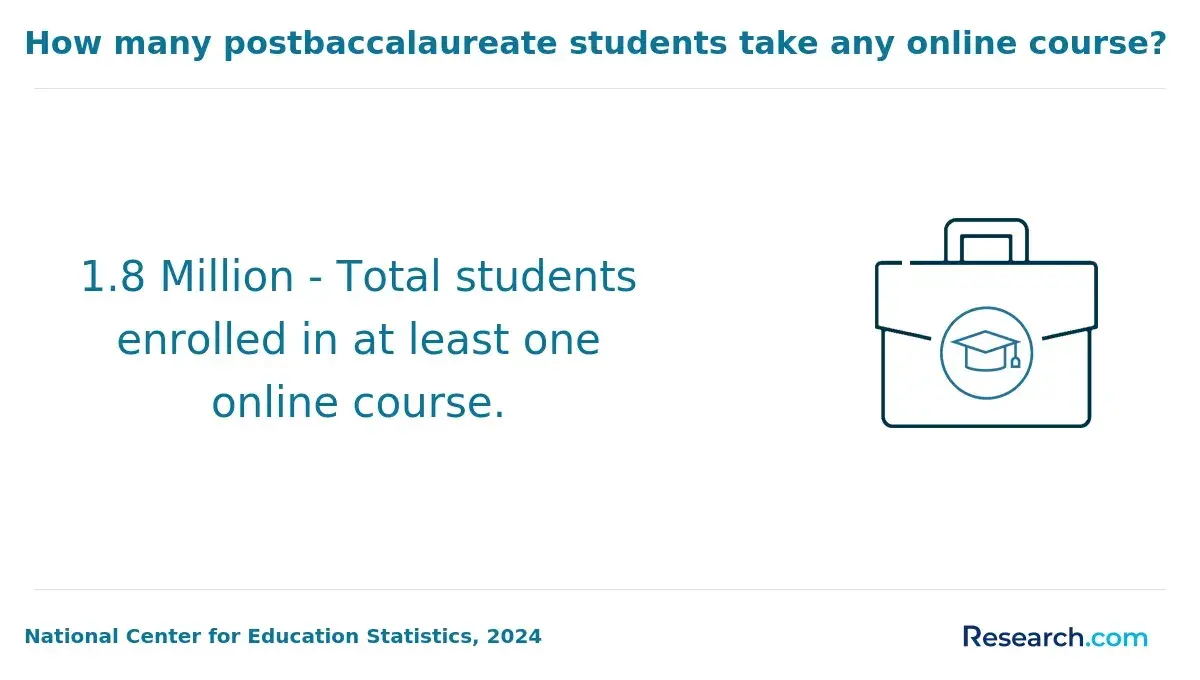
- Enhanced Persistence: Research from the National Center for Education Statistics and the Lumina Foundation highlights that flexible program formats like rolling start dates boost student retention and graduation rates by accommodating diverse life situations common among non-traditional students.
- Accelerated Career Impact: Starting sooner allows students to progress more quickly toward degree completion, resulting in faster entry or advancement in religious and Christian studies-related careers and reducing overall educational expenses.
A professional who enrolled in a self-paced online religious and Christian studies bachelor's program with weekly start dates shared that this flexibility was a game changer. "I was juggling a full-time job and family commitments, so waiting months for a semester to start wasn't realistic," he explained. Being able to enroll immediately after acceptance helped him keep up momentum and avoid the frustration of long delays. He noted, "This approach gave me greater control over pacing my education while adapting to life's unpredictability. It felt empowering rather than restrictive, making it easier to stay focused and complete my degree on my terms."
What Is the Total Tuition Cost for Online Religious and Christian Studies Bachelor's Programs That Allow Weekly Enrollment?
Total Tuition Estimates: Online religious and Christian studies bachelor's degree programs with weekly enrollment generally require about 120 credit hours. Tuition rates fluctuate widely, averaging from $200 to $450 per credit hour, resulting in total costs between $24,000 and $54,000. These amounts reflect the diverse pricing models among accredited programs nationwide.
Flat-Rate Tuition Options: Several institutions utilize flat-rate or block tuition pricing, charging a fixed fee for a credit range each term instead of per credit hour fees. This approach can reduce expenses for students taking heavier course loads or advancing quickly, making it an appealing choice within the landscape of average tuition fees for accredited online Christian studies bachelor's degrees with rolling start dates.
In-State Tuition Benefits: Some online programs offer in-state tuition universally, regardless of where students reside. These cost-effective options especially benefit out-of-state learners by lowering tuition barriers and enhancing affordability across the board.
Additional Costs: Beyond tuition, students must consider supplementary fees such as technology charges, course materials, and occasional registration expenses. These extra costs often add several hundred dollars per term, increasing the total financial commitment.
Financial Aid and Credit Transfers: Many programs support transfer credits and prior learning assessments that can shorten degree timelines and reduce expenses. Exploring scholarships, grants, and federal aid early is advisable. For those seeking accelerated paths, programs like the 6 month LPN program highlight how flexible start dates can enhance speed to completion.
How Quickly Can Students Complete an Online Religious and Christian Studies Bachelor's Degree When Enrolling Through a Weekly Start Option?
Credit Load Flexibility: Many programs enable students to enroll in several courses each term. This option benefits both full-time and part-time learners by allowing motivated students to take on heavier credit loads to speed up degree completion.
Prior Learning Credit: Acceptance of transfer credits and prior learning assessments-sometimes up to 90 credits-greatly shortens the time required to graduate. Returning students can leverage past academic or professional experience to reduce coursework.
Self-Paced Options: Some programs offer competency-based or self-paced learning models, letting students progress quickly through familiar material. This flexibility can significantly reduce total months to degree, especially for disciplined learners.
Full-Time vs. Part-Time Completion: Full-time students generally earn their degrees within three to four years, while part-time students usually take four to six years. Weekly start dates eliminate delays caused by fixed semester schedules, enabling immediate course enrollment and faster progress.
Rolling Enrollment Advantages: Weekly or rolling start dates break down barriers of traditional academic calendars by allowing continuous enrollment throughout the year. This supports steady momentum without gaps that prolong graduation timelines.
A professional who completed a self-paced online religious and Christian studies bachelor's degree reflected that the ability to start any week was a game changer. Managing family responsibilities alongside work made fixed semesters difficult, but weekly start dates meant she never waited to register. "It was challenging balancing life, but knowing I could jump in immediately kept me motivated," she said. She also valued the option to progress at her own pace-fast at times, slower when needed-without feeling rushed or behind. Her experience underscored how flexible scheduling and credit recognition can empower adults to achieve their educational goals efficiently, even when juggling multiple priorities.
What Admission Requirements Must Students Meet to Enroll in an Online Religious and Christian Studies Bachelor's Program With a Weekly Start Date?
Online religious and Christian studies bachelor's programs with weekly or rolling start dates often have flexible admission practices to accommodate a diverse range of students. Most institutions require at least a high school diploma or GED equivalency, while a minimum GPA-typically around 2.0-is sometimes requested but not universally enforced. Standardized tests like the SAT or ACT are frequently optional or waived, especially in programs aimed at adult learners or career changers.
Many of these programs operate under open or rolling admissions policies, allowing students to enroll any week throughout the year instead of waiting for traditional semester dates. This approach reduces entry barriers but may come with less stringent academic standards compared to more selective programs. Consequently, students might encounter varying levels of academic support depending on the institution's admission selectivity.
Applicants with non-traditional backgrounds or gaps in education can improve their chances by showcasing relevant work experience, volunteer involvement, or continuing education. Admissions counselors are often available to help prospective students build a compelling application, emphasizing motivation and readiness rather than solely prior academic achievements.
According to recent data from the National Center for Education Statistics, over 60% of U.S. postsecondary institutions now provide rolling or multiple start-date options, reflecting a widespread shift towards more accessible and flexible enrollment.
- Open Admissions Policies: Numerous online religious and Christian studies programs allow continuous enrollment, minimizing GPA and test score requirements to broaden access for adult learners.
- High School Diploma or GED Required: Proof of secondary education remains the foundational criterion for eligibility across most institutions.
- Standardized Testing Often Optional: Programs frequently waive SAT or ACT scores, especially those targeting non-traditional students.
- Support for Non-Traditional Applicants: Highlighting relevant experience and seeking guidance from admissions advisors can strengthen applications for those returning after educational gaps.
- Growing Rolling Enrollment Trend: The majority of colleges now offer flexible start dates year-round, enabling students to begin promptly without traditional delays.
How Do Online Religious and Christian Studies Programs With Weekly Starts Handle Transfer Credits From Previous College Coursework?
Online bachelor's degree programs in religious and Christian studies with weekly or rolling start dates often provide flexible transfer credit policies that significantly benefit adult learners and working professionals. These programs typically accept transfer credits from regionally accredited community colleges and four-year institutions, and many also recognize military training and employer-based learning through standardized frameworks. Notably, universities such as Liberty University and Southern New Hampshire University allow up to 90 transfer credits, substantially reducing time and tuition costs for students with relevant prior coursework or experience.
The American Council on Education (ACE) credit recommendation system plays a critical role in converting non-traditional learning-like military training and corporate education-into academic credit. This system enables faster degree completion and greater affordability, especially for students with professional or military backgrounds. Prospective students are strongly advised to request a detailed transcript evaluation before enrolling, as this clarifies how many credits transfer and exactly what remains to complete their religious and Christian studies bachelor's degree. Such evaluations prevent unexpected academic or financial hurdles and help optimize degree planning.
Reflecting the increasing demand for flexible programs, the National Center for Education Statistics (NCES) reports a 12% rise in online degree enrollments in recent years. This trend highlights how weekly-start programs are meeting the diverse needs of modern students with adaptable and efficient pathways.
- Flexible Credit Acceptance: Most programs accept transfer credits from accredited colleges, military training, and workplace learning, enabling quicker degree completion.
- ACE Credit Equivalencies: The ACE system helps convert non-traditional learning into academic credit, benefiting adult learners with prior professional experience.
- Generous Transfer Limits: Some universities permit up to 90 credits transfer, offering notable cost and time savings for students with prior college coursework.
- Transcript Evaluation Importance: Requesting a pre-enrollment evaluation clarifies applicable credits and remaining degree requirements, aiding academic and financial decisions.
- Rising Online Enrollment: A 12% increase in online degrees underscores the growing demand for flexible, weekly-start programs that accommodate working adults.
What Financial Aid and Scholarship Options Are Available for Students Enrolling in Weekly-Start Online Religious and Christian Studies Programs?
Federal financial aid options for students in online religious and Christian studies bachelor's degree programs with weekly start dates include Pell Grants, subsidized and unsubsidized Stafford loans, and Federal Work-Study programs. Although these aid programs typically follow the traditional academic year calendar, institutions offering rolling or weekly term starts often adapt their financial aid disbursement to match these schedules-allowing students to receive aid regardless of when they begin.
According to College Board's Trends in Student Aid, the average undergraduate financial aid package totals about $14,000 annually, combining grants, loans, and work-study, though amounts vary by income and enrollment. Students pursuing online religious and Christian studies financial aid options may also access scholarships from religious organizations, nonprofit foundations, and universities. These targeted scholarships specifically support theological or ministry education and online learners.
Completing the Free Application for Federal Student Aid (FAFSA) early is essential, as many institutional scholarships and grants are awarded on a first-come, first-served basis. FAFSA requires financial information from students and their families and can be submitted online at fafsa.gov starting October 1 each year. Some programs may require separate scholarship applications or letters of recommendation.
To explore aid options beyond religious studies, students may also consider resources like online medical assistant programs FAFSA approved, which demonstrate how federal aid supports diverse online learners.
- Federal Aid Eligibility: Pell Grants, Stafford loans, and work-study are available to online students in weekly-start programs with aid distribution tailored to rolling enrollment terms.
- Average Aid Packages: Most undergraduates receive around $14,000 yearly from combined sources, with variations based on individual financial and enrollment circumstances.
- Targeted Scholarships: Specific scholarships exist for religious and Christian studies students from faith-based groups and institutions supporting theology and ministry education.
- FAFSA Importance: Early FAFSA submission is crucial to access grants and scholarships often awarded on a first-come, first-served basis.
- Application Process: FAFSA requires tax documents and financial information and is completed online; some programs may request additional scholarship materials.
What Accreditation Standards Should a Weekly-Start Online Religious and Christian Studies Bachelor's Program Meet to Ensure Employer and Transfer Recognition?
When choosing an accredited online religious and Christian studies bachelor's programs with employer recognition and weekly start dates, accreditation is a crucial factor. Regional accreditation is widely considered the gold standard because it is granted by seven regional bodies officially recognized by the U.S. Department of Education. These agencies uphold high academic standards, making their credits more easily transferable and accepted by graduate schools.
The seven regional accrediting bodies are the Middle States Commission on Higher Education, New England Commission of Higher Education, Higher Learning Commission, Northwest Commission on Colleges and Universities, Southern Association of Colleges and Schools Commission on Colleges, Western Association of Schools and Colleges Senior College and University Commission, and the WASC Senior College and University Commission. Among these, programs with weekly enrollment windows are commonly accredited by the Higher Learning Commission or the Southern Association of Colleges and Schools.
Students should always verify transfer credit acceptance standards for weekly start online religious and Christian studies degrees through the U.S. Department of Education's accreditation database before enrolling. Institutions accredited only by national agencies often focus on vocational or faith-based training, which may not meet the academic rigor expected by most employers or regionally accredited universities. This can limit opportunities for credit transfer or admission to graduate religious and Christian studies programs.
- Regional vs. National Accreditation: Regional accreditation is more respected and widely accepted for credit transfer and graduate study, while national accreditation may limit these opportunities.
- Seven Regional Bodies: These agencies oversee academic quality across specific U.S. regions and provide accreditation recognized by the Department of Education.
- Common Accrediting Bodies: Weekly-start online programs often hold accreditation from the Higher Learning Commission or Southern Association of Colleges and Schools.
- Verify Accreditation: Confirm program status using the official U.S. Department of Education database before enrolling to ensure transfer and employment recognition.
- Credit Transfer Risks: Attending a nationally accredited-only school may hinder credit transfer or acceptance into graduate religious and Christian studies programs.
To maximize the value of your degree, consider programs that offer mechanisms like prior learning assessments and generous transfer credit acceptance, which help reduce tuition costs and accelerate completion. For related studies in health fields, see this resource on the online kinesiology degree.
How Is Coursework Structured in Online Religious and Christian Studies Bachelor's Programs With Weekly Starts Compared to Semester-Based Formats?
Online religious and Christian studies programs with weekly start dates typically deliver content through asynchronous video lectures, allowing students to engage on their own time within each week. Weekly deadlines for assignments and active participation in discussion boards encourage steady progress and peer interaction. Digital collaboration tools such as forums and group chats replace standard face-to-face conversations, fostering community connection despite the virtual setting.
Unlike traditional semester-based courses that last around 15 weeks, these accelerated programs usually run five to eight weeks, demanding strong self-discipline and careful time management. This rapid pace promotes critical thinking, biblical interpretation, and ethical reasoning skills, which are central to religious and Christian studies. However, the condensed format offers fewer opportunities for in-depth research or prolonged debates compared to longer semesters.
Mental preparation through structured weekly planning and logistical readiness-such as ensuring stable internet and a distraction-free study space-are crucial to staying on track. According to the National Center for Education Statistics, enrollment in flexible accelerated programs has grown by 12% from 2018 to 2023, reflecting rising interest in adaptable learning paths.
- Flexible Course Delivery: Asynchronous lectures and online discussions enable students to balance studies with personal and professional responsibilities.
- Accelerated Terms: Five- to eight-week modules require quicker mastery of material and regular submissions, reinforcing discipline and focus.
- Skill Development: The format enhances critical analysis of theology, biblical texts, and ethical issues, sharpening core competencies.
- Limitations Of Condensed Learning: Reduced time may restrict deep research and extended scholarly interaction commonly found in semester-based studies.
- Preparation Techniques: Effective time management, consistent engagement, and reliable technology are vital to succeeding in these fast-paced programs.
Can Students Earn Credit Through CLEP, DSST, or Prior Learning Assessment in Weekly-Start Online Religious and Christian Studies Programs?
Credit by Examination programs such as the College Board's CLEP and DSST exams provide students with opportunities to earn academic credit by demonstrating mastery of foundational knowledge. These tests are widely recognized through the American Council on Education's (ACE) credit recommendations, allowing learners to bypass certain courses, accelerate degree progress, and lower tuition costs. Prior Learning Assessment (PLA) processes further enhance flexibility by accepting evidence like professional certifications, military training transcripts, or portfolio submissions, converting real-world experience into academic credit.
Many online Religious and Christian Studies programs with weekly start dates offer generous PLA options, often accepting multiple forms of prior learning documentation. Institutions typically limit PLA credits to 30-40% of degree requirements to balance standards with learner advancement. Effective portfolio submissions include detailed explanations, official certificates, and endorsement letters, and must be submitted to the school's designated prior learning office for evaluation. Early consultation with academic advisors is crucial to clarify deadlines and policy details.
- Credit by Examination Advantages: CLEP and DSST enable testing out of introductory courses, hastening degree completion and reducing educational expenses.
- Flexible PLA Policies: Schools generally accept varied evidence such as portfolios and military transcripts, broadening credit pathways for adult learners.
- Limits on PLA Credits: Most programs cap PLA at 30-40% of degree credits, safeguarding academic rigor while rewarding prior knowledge.
- Documentation Best Practices: A strong PLA submission includes comprehensive descriptions, official credentials, and supervisor recommendations.
- Evaluation Procedures: Students submit PLA materials to prior learning offices and should engage advisors early to ensure compliance with school-specific rules.
What Graduates Say About Online Religious and Christian Studies Bachelor's Degree Programs With Weekly Start Dates
- Jesse: "Choosing the online religious and Christian Studies bachelor's degree program with weekly start dates allowed me to jump into my studies without waiting for traditional semester schedules-it gave me the flexibility I needed as a working professional. The affordability of the program was a huge relief, especially since I was funding it myself. Since graduating, I've seen real growth in my career, with new opportunities opening up in ministry leadership roles that I hadn't previously considered."
- Karen: "Reflecting on my time in the online religious and Christian Studies program, the weekly start dates made it easy to balance my education with family life and work commitments. The cost was manageable and definitely worth it for the quality of education I received. Professionally, this degree helped me deepen my understanding of theological concepts, which has been invaluable in my counseling career."
- Aaron: "I selected the online religious and Christian Studies bachelor's degree because of its flexible weekly start options-this feature meant I didn't have to put my career on hold to further my education. The program's cost was competitive and aligned with my budget, making it a smart investment. Earning this degree has strengthened my credentials and expanded my professional network, which has been key to advancing within nonprofit organizations."
Other Things You Should Know About Religious and Christian Studies Degrees
Online Religious and Christian Studies programs with weekly start dates offer flexibility to working adults by allowing them to begin their studies at any time, fitting classes around job commitments. This scheduling removes the barrier of traditional semester start dates, making it easier to balance education, work, and personal responsibilities.
Programs offering weekly start dates in Religious and Christian Studies generally maintain competitive tuition rates that align with or slightly undercut the national average for undergraduate liberal arts degrees. The cost per credit hour can vary from about $200 to $450, depending on whether the institution is public or private and if it offers accelerated or competency-based learning options. Weekly start models often incorporate flexible payment plans but may not always include extensive financial aid compared to traditional schedules.
Many online Religious and Christian Studies programs with weekly start dates offer comprehensive student support services, including academic advising, tutoring, career counseling, and technical help desks. Some schools provide virtual chapel services or spiritual mentorship relevant to the discipline. Orientation sessions and peer mentoring programs are also common to help students acclimate quickly to the accelerated pacing. These resources aim to increase retention by fostering both academic and personal growth in an online context.
References
- Jessup Playbooks: Transitioning to a 7-Week Course Schedule: Why 7-Week Courses? https://libguides.pvcc.edu/7-week-course-schedule/why-7-week-courses
- Accreditation of Online Courses | European Association for Higher Education Advancement https://www.eahea.org/international-online-course-accreditation.html
- IIHSR University https://iihsruniversity.edu.pl/bachelor-of-theology
- How To Transfer To An Online Christian School Midyear Without Losing Credits - NorthStar Academy Online Christian School https://www.northstar-academy.org/transfer-to-online-christian-school-midyear/
- The Exciting Benefits Of Online Christian Colleges | Christian Learning & News https://www.christianlearning.com/the-exciting-benefits-of-online-christian-colleges/amp/
- The Guide To Transferring to CCU Online | CCU Online https://www.ccu.edu/blogs/cags/2019/10/ccu-transferring-credits/
- Affordable, accredited Christian online degree programs | NationsUniversity https://nationsu.edu/lp-affordable-accredited-online-degree-programs/
- Transfer Students https://globalcu.edu/transfer-students/
- Credit Hours https://mission.edu/academics/online-degrees/biblical-studies-bachelors-online/
- Bachelor of Arts in Religious Studies - HamptonU Global https://home.hamptonu.edu/online/religious-studies/