2027 Accredited Online Fire Science Degree Programs With No GRE or GMAT Requirements

Co-Founder and Chief Data Scientist
Choosing an online fire science degree is often less about taking a test and more about proving readiness for leadership, investigation, prevention, or emergency management roles. Many accredited programs now waive or omit GRE and GMAT requirements, which matters for working firefighters and public safety professionals who need a faster, lower-friction application path.
The Bureau of Labor Statistics reported a May 2024 median wage of $59,530 for firefighters, showing why advancement-focused education can matter. This guide explains which no-test programs to consider, how admissions work, what quality signals to check, and how to compare cost, flexibility, and career value.
Key Things You Should Know
- Many accredited online fire science bachelor's programs are test-free by design, while several related online master's programs in fire and emergency services state that GRE or GMAT scores are not required.
- No-GRE or no-GMAT admissions does not mean open admission; schools usually weigh accredited prior coursework, GPA, public safety experience, recommendations, résumés, and purpose statements more heavily.
- Cost and outcomes still matter: graduate federal Direct Unsubsidized Loans first disbursed in the 2024-2025 aid year carried an 8.08% interest rate, so students should compare total tuition, transfer credit, employer tuition support, and career relevance before enrolling.
Which Accredited Online Fire Science Degree Programs Do Not Require the GRE or GMAT?
The clearest answer is that most accredited online undergraduate fire science programs do not require the GRE or GMAT because those exams are graduate admissions tests. At the graduate level, many professional fire science, fire and emergency services, public safety, homeland security, and emergency management programs have also removed standardized test requirements, especially when applicants bring field experience.
The table below summarizes examples of accredited U.S. online programs that are commonly relevant to fire science students and that publish no GRE, no GMAT, or undergraduate test-free admissions pathways. Admissions policies can change, so students should confirm the current requirement directly with the school before applying.
| School | Online program example | Degree level | Institutional accreditation | GRE or GMAT position | Best fit |
| University of Florida | Fire and Emergency Sciences | Master's | Southern Association of Colleges and Schools Commission on Colleges | GRE commonly listed as not required for the online professional pathway | Fire officers, emergency services leaders, and prevention professionals seeking graduate study |
| Oklahoma State University | Fire and Emergency Management Administration | Master's | Higher Learning Commission | GRE commonly listed as not required | Students interested in fire administration, emergency management, and public safety leadership |
| Anna Maria College | Fire Science and Emergency Services | Master's | New England Commission of Higher Education | GRE or GMAT commonly not required | Working fire service professionals seeking an applied graduate credential |
| Eastern Kentucky University | Fire Protection Administration or Fire, Arson and Explosion Investigation | Bachelor's | Southern Association of Colleges and Schools Commission on Colleges | GRE and GMAT not applicable to bachelor's admission | Students seeking fire administration, prevention, investigation, or promotion preparation |
| University of Cincinnati | Fire Science and Emergency Management | Bachelor's | Higher Learning Commission | GRE and GMAT not applicable to bachelor's admission | Firefighters and emergency services personnel completing a bachelor's degree online |
| Purdue Global | Fire and Emergency Management | Bachelor's | Higher Learning Commission | GRE and GMAT not applicable to bachelor's admission | Adult learners who need multiple start dates and online scheduling flexibility |
| American Public University | Fire Science Management | Bachelor's | Higher Learning Commission | GRE and GMAT not applicable to bachelor's admission | Military-affiliated students, firefighters, and public safety personnel seeking transfer-friendly options |
| Columbia Southern University | Fire Administration | Bachelor's | Southern Association of Colleges and Schools Commission on Colleges | GRE and GMAT not applicable to bachelor's admission | Students seeking an online, career-focused fire administration curriculum |
A no-test fire science program may be test-free, meaning scores are not reviewed at all, or test-optional, meaning applicants may submit scores but are not required to do so. For most fire science students, especially those with fire service experience, GPA, certifications, and leadership history are more relevant than standardized exams.
Why Have Accredited Online Fire Science Degree Programs Eliminated GRE and GMAT Requirements?
Accredited online fire science programs have moved away from GRE and GMAT requirements because the applicant pool is often made up of working adults, firefighters, investigators, inspectors, military personnel, EMTs, emergency managers, and public safety administrators. These applicants may have stronger evidence of readiness in their professional records than in a standardized test score.
This shift is part of a wider trend in online professional education. Schools increasingly design admissions around prior academic performance, work history, writing ability, and career alignment, similar to what students may see when comparing another online professional pathway such as an accelerated master's program social work. The common theme is that adult learners are often better evaluated through evidence of applied experience and academic persistence.
For fire science specifically, schools may see more value in an applicant's incident command experience, National Fire Academy coursework, hazmat training, prevention assignments, paramedic background, military service, or fire officer credentials. A standardized business exam such as the GMAT is rarely aligned with the field, and the GRE may add cost and delay without clearly improving the school's ability to identify prepared applicants.
There is also a practical access issue. Many fire service professionals work 24-hour shifts, rotating schedules, mandatory overtime, or disaster-response assignments. Removing test requirements can reduce barriers for qualified applicants who can succeed academically but cannot easily pause work and family responsibilities to prepare for a graduate exam.
What Admissions Criteria Matter Most Without GRE or GMAT Scores?
Without GRE or GMAT scores, admissions committees usually focus on evidence that the applicant can complete college-level or graduate-level work and contribute meaningfully to a public safety learning environment. The strongest application shows both academic readiness and a clear connection between the degree and the applicant's professional goals.
Students should expect programs to review several materials together rather than relying on one deciding factor. The following criteria usually matter most because they help schools judge readiness without a standardized exam:
- Prior GPA and completed coursework: A bachelor's applicant may need a high school diploma, GED, transfer credits, or prior college coursework, while a master's applicant usually needs a bachelor's degree from an accredited institution.
- Public safety or related work experience: Firefighting, EMS, dispatch, emergency management, inspection, investigation, military, law enforcement, or municipal administration experience can strengthen the file.
- Professional certifications: Firefighter I or II, EMT, paramedic, Fire Officer, Fire Inspector, Fire Investigator, NIMS, ICS, hazardous materials, and National Fire Academy coursework may support career alignment.
- Résumé quality: The résumé should translate shift duties, command responsibilities, training, community risk reduction, inspections, investigations, and leadership into academic admissions language.
- Statement of purpose: The essay should explain why the degree is needed, what specialization fits the applicant, and how online study will fit around work obligations.
- Recommendations: Letters from chiefs, captains, training officers, supervisors, faculty, or emergency management leaders can validate professionalism and readiness.
- Transfer credit and prior learning: Some schools review fire academy training, military transcripts, ACE-recommended credit, or previous college work to reduce time to completion.
Applicants from adjacent fields should not assume they are automatically unqualified. For example, someone with records management, municipal operations, payroll, grant administration, or office coordination experience may be able to show relevant organizational skills; students exploring that kind of pathway may also compare an administrative assistant associate degree before deciding whether fire administration is the right next step.
Are No-GRE or No-GMAT Online Fire Science Degree Programs Easier to Get Into?
No-GRE and no-GMAT programs are often easier to apply to, but they are not automatically easier to get into or complete. The main difference is that the application removes a testing hurdle; the school may still enforce GPA thresholds, prerequisite coursework, bachelor's degree requirements, writing standards, interview expectations, or professional experience preferences.
This distinction matters because "no test required" can mean several different things. The table below explains how the admissions pathway affects applicants and when submitting scores may still be useful.
| Admissions model | What it means | How it affects the applicant | When it may make sense |
| Test-free | The program does not require or consider GRE or GMAT scores | Applicants must rely on GPA, experience, essays, recommendations, and credentials | Best for experienced professionals whose work record is stronger than test performance |
| Test-optional | Applicants may submit scores, but they are not required | Strong scores can support the file, but weak scores can usually be omitted | Useful if scores are recent and clearly strengthen a lower GPA or limited experience |
| Test waiver | The school may waive the test if the applicant meets certain criteria | Applicants must document eligibility, such as GPA, graduate credits, or professional experience | Best when the program is attractive but the test can be waived through existing qualifications |
| Test-required | GRE or GMAT scores are required for admission review | Applicants must plan for exam registration, preparation, and score reporting | May make sense for applicants targeting a highly specific research-oriented graduate program |
Fire science is not the only field where "easier to apply" and "easier to complete" are different. Students comparing an MSW degree, public administration degree, or emergency management program often face the same issue: admissions flexibility helps, but academic writing, field-specific judgment, and time management still determine success.
If the program is test-optional, applicants should submit GRE or GMAT scores only when the scores improve the application. If the scores are average, old, or unrelated to the program's priorities, a stronger résumé, clearer statement of purpose, and better recommendations may be more persuasive.
Does Skipping the GRE or GMAT Affect Academic Quality or Accreditation?
Skipping the GRE or GMAT does not reduce academic quality or accreditation by itself. Accreditation is based on institutional review, academic governance, faculty qualifications, student services, financial stability, assessment practices, and other quality controls, not on whether a program requires standardized graduate exams.
The most important quality signal is institutional accreditation from an accreditor recognized by the U.S. Department of Education or the Council for Higher Education Accreditation. For fire science students, institutional accreditation matters because it can affect federal financial aid eligibility, credit transfer, graduate school admission, employer tuition reimbursement, and whether a degree is accepted for promotion or civil service requirements.
Students should also distinguish between institutional accreditation and program-specific recognition. Some fire-related programs align their curricula with fire service standards, National Fire Academy models, emergency management competencies, or public safety leadership expectations. Those alignments can be valuable, but they do not replace institutional accreditation.
Employers generally do not evaluate a degree by asking whether the student took the GRE or GMAT. They are more likely to care whether the school is accredited, whether the degree is relevant, whether the applicant has appropriate certifications, and whether the person can perform in leadership, prevention, investigation, training, planning, or emergency response contexts.
Which Students Benefit Most From Online Fire Science Degree Programs Without GRE or GMAT Requirements?
No-GRE or no-GMAT online fire science programs are especially useful for students whose strongest qualifications come from work, service, and applied training rather than standardized testing. They can also benefit applicants who need to apply quickly because of promotion lists, tuition reimbursement deadlines, military transition timelines, or family obligations.
The best fit is usually a student who can document readiness in one or more practical ways. These groups often benefit most from the no-test model:
- Working firefighters seeking promotion: A bachelor's or master's degree may support advancement into lieutenant, captain, battalion chief, training, prevention, or administrative roles, depending on local rules.
- Fire inspectors and investigators: Students focused on code enforcement, arson investigation, community risk reduction, or life safety education may benefit from specialized online coursework.
- Emergency services and EMS professionals: Paramedics, EMT supervisors, emergency planners, and dispatch leaders may use the degree to move toward broader public safety management.
- Military and veteran students: Military training, leadership experience, and emergency response assignments may transfer well into fire administration or emergency management study.
- Adult learners returning to school: Applicants with older transcripts or long gaps in enrollment may prefer programs that evaluate recent work performance, not test scores.
- Students balancing rotating shifts: Online asynchronous courses can be more realistic than campus attendance or exam preparation schedules.
A no-test fire science degree is not ideal for everyone. If your goal is the fastest possible credential in any field rather than a public safety career path, it may be worth comparing broader quick degree programs before committing to a specialized fire science curriculum.
How Do Tuition and Financial Aid Compare for No-GRE Online Fire Science Degree Programs?
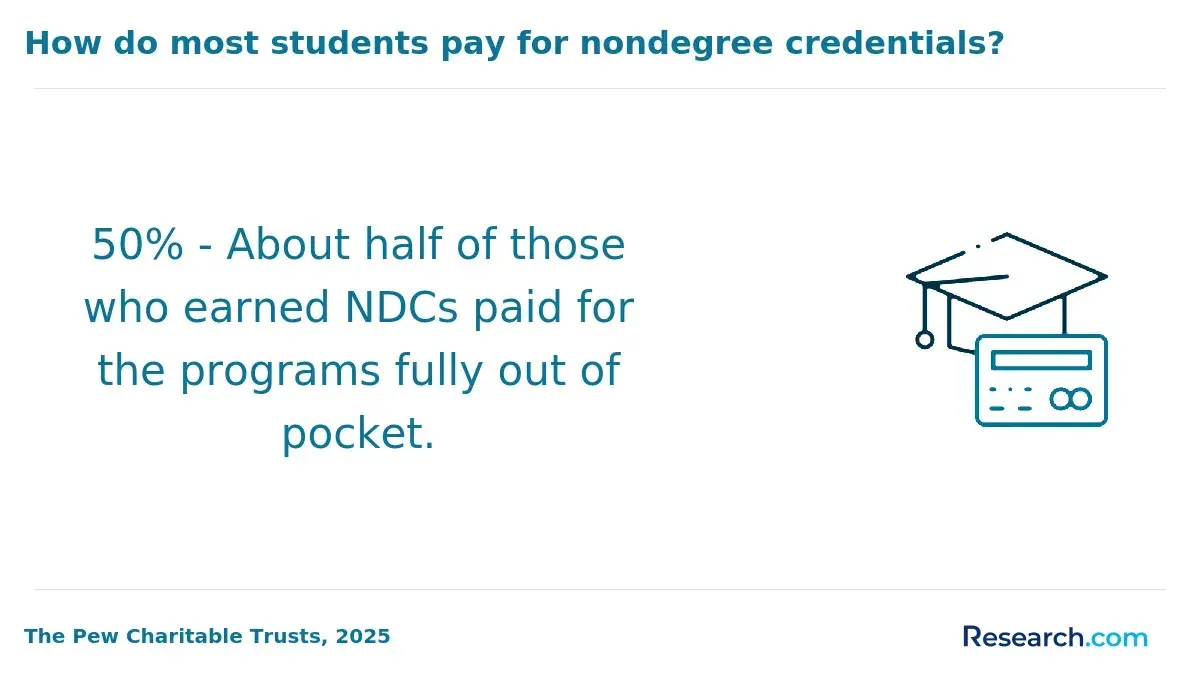
Tuition for no-GRE online fire science programs varies widely by degree level, residency rules, institution type, transfer credit, course load, and whether the student receives employer or union education benefits. The absence of a test requirement may reduce upfront application costs, but it does not automatically make the degree inexpensive.
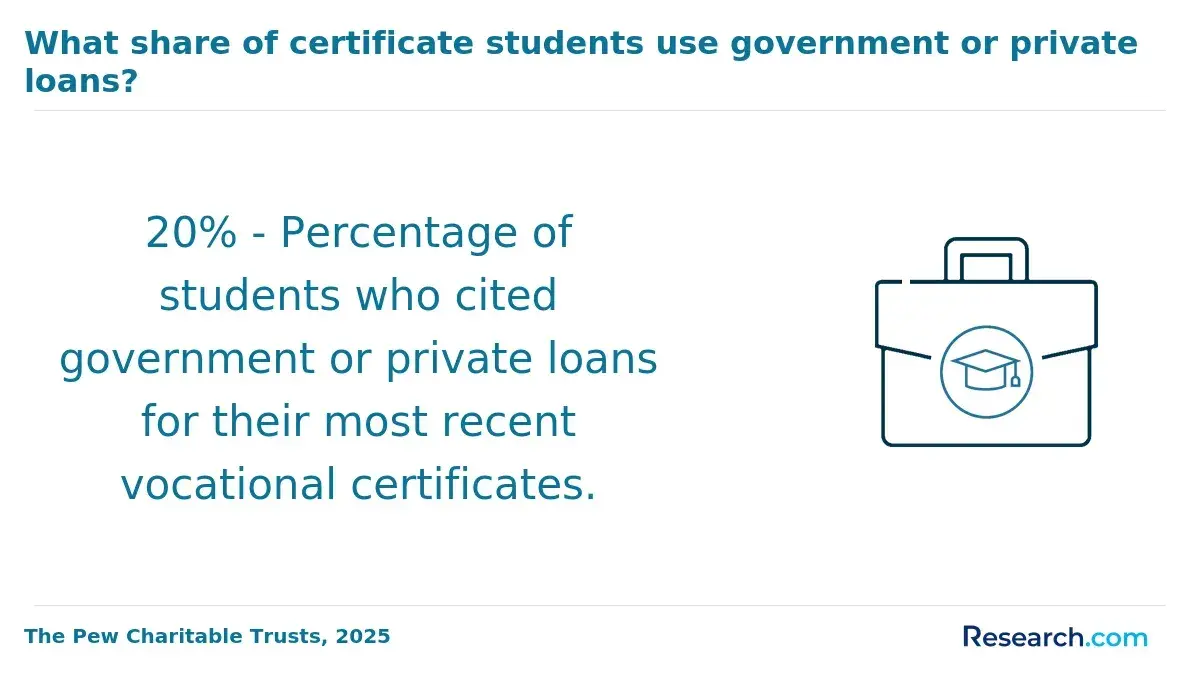
Financing choices deserve careful attention. For graduate students, federal Direct Unsubsidized Loans first disbursed in the 2024-2025 aid year had an 8.08% fixed interest rate, which means borrowing more than necessary can significantly increase the real cost of a master's degree over time. Students should compare the net cost after transfer credits, scholarships, tuition reimbursement, and out-of-pocket payment options.
The table below shows the main cost factors that can change the value of a no-test online fire science degree. It is designed to help students look beyond the advertised per-credit tuition rate.
| Cost factor | Why it matters | What to ask the school |
| Per-credit tuition | The base price determines most of the bill, especially in graduate programs with fewer transfer options | Is tuition charged the same for online, in-state, and out-of-state students? |
| Transfer credit | Accepted credits can shorten the program and lower total tuition | How many credits can I transfer from community college, fire academy training, military transcripts, or prior college work? |
| Fees | Technology, graduation, course, transcript, and distance learning fees can add to the total | What is the full estimated program cost, not just tuition? |
| Employer reimbursement | Fire departments, municipalities, unions, and agencies may reimburse approved coursework | Does the program meet my employer's reimbursement or promotion requirements? |
| Course load flexibility | Part-time study may help cash flow, while accelerated study may reduce time away from advancement opportunities | Can I pause, reduce my course load, or take one course at a time during peak work periods? |
| Books and materials | Some online programs use low-cost or embedded digital materials, while others require separate purchases | Are books, simulations, software, or proctoring costs included? |
Students should complete the FAFSA if they plan to use federal aid and should ask whether scholarships are available for firefighters, first responders, veterans, transfer students, or public service employees. The strongest financial decision is usually the program that combines accreditation, relevant curriculum, manageable debt, and a schedule the student can actually complete.
What Career Outcomes Can Graduates Expect From No-GRE Online Fire Science Degree Programs?
Career outcomes depend on degree level, certifications, local civil service rules, union agreements, rank structure, prior experience, and the labor market in the student's region. A fire science degree can support advancement, but it does not replace required academy training, state certifications, EMT or paramedic licensure, promotional exams, or department-specific experience requirements.
The Bureau of Labor Statistics reported a May 2024 median annual wage of $77,030 for fire inspectors and investigators. That figure can help students understand the economic context for prevention and investigation pathways, but it should not be treated as a guaranteed outcome because pay varies by municipality, seniority, overtime, education incentives, and collective bargaining agreements.
Common roles connected to fire science education include firefighter, fire officer, fire inspector, fire investigator, fire prevention specialist, training officer, emergency management specialist, fire marshal's office staff member, safety coordinator, and public safety administrator.
Bachelor's programs often support entry-to-midlevel advancement, while master's programs are more likely to fit students pursuing command staff, emergency services administration, policy, higher education, consulting, or senior leadership roles.
Students should match the degree concentration to the career they want. Fire administration fits leadership and promotion goals; fire investigation fits arson, origin and cause, and evidence-focused work; fire prevention fits code enforcement and community risk reduction; emergency management fits planning, mitigation, disaster response coordination, and interagency operations.
What Common Application Mistakes Reduce Admission Chances to No-GRE Online Fire Science Degree Programs?
Applicants often reduce their chances by treating no-GRE or no-GMAT admissions as a shortcut. The better approach is to use the missing test requirement as an opportunity to make the rest of the application more specific, credible, and aligned with the program.
The most common mistakes are avoidable if applicants review requirements early and build a complete admissions file. Watch for these issues before submitting:
- Choosing a program only because it has no test requirement: Accreditation, curriculum, cost, transfer credit, schedule, and employer recognition matter more than the absence of the GRE or GMAT.
- Ignoring GPA rules: Some schools still require a minimum GPA or additional review for applicants below the preferred threshold.
- Submitting a generic personal statement: A strong statement connects the applicant's fire service experience, career goals, and chosen concentration.
- Underusing professional experience: Applicants should quantify leadership, training, inspections, incident response, grant work, public education, and interagency coordination when possible.
- Forgetting official transcripts: Delayed transcripts are a common reason applications remain incomplete near deadlines.
- Assuming all fire academy credits transfer: Transfer policies vary, and some schools require ACE recommendations, official documentation, or department-approved training records.
- Overlooking state or employer requirements: A degree may support advancement, but local promotion systems may require exams, certifications, rank experience, or residency.
- Missing financial aid timing: Students who wait too long may miss scholarship, reimbursement, or FAFSA-related deadlines.
Before applying, contact admissions and ask whether the test policy is permanent, whether there are GPA-based conditions, and how professional certifications are evaluated. A short conversation can prevent wasted time and help you submit a stronger file.
How Should Students Compare Accredited Online Fire Science Degree Programs Without GRE or GMAT Requirements?
Students should compare no-GRE and no-GMAT online fire science programs by fit, not just convenience. The best program is the one that matches the student's career goal, accepts the right transfer credits, fits the work schedule, has clear accreditation, and offers a cost structure that does not create unnecessary debt.
A practical comparison process should include both academic and career questions. Use these steps to narrow your list before applying:
- Verify institutional accreditation: Confirm the school is accredited by a recognized institutional accreditor and that the degree is eligible for federal aid if you need it.
- Confirm the test policy in writing: Ask whether the GRE or GMAT is not required, optional, waived under certain conditions, or temporarily suspended.
- Match the curriculum to your goal: Choose fire administration for leadership, investigation for origin-and-cause work, prevention for code and life safety, or emergency management for planning and response coordination.
- Calculate total program cost: Include tuition, fees, books, transfer credits, reimbursement, scholarships, loan interest, and the number of credits still required.
- Review online format: Check whether courses are asynchronous, synchronous, accelerated, cohort-based, self-paced, or offered in short terms that fit shift work.
- Ask about transfer and prior learning credit: Fire academy, National Fire Academy, military, community college, and prior university credits can change both cost and timeline.
- Evaluate support services: Look for advising, writing help, career services, veteran support, online library access, and faculty responsiveness.
- Check employer alignment: If the degree is for promotion or reimbursement, confirm that your department, city, agency, or union recognizes the program.
Some students discover that a broader public safety, emergency management, organizational leadership, or interdisciplinary studies degree fits better than a fire science major. If you want flexibility across multiple career paths, comparing the most affordable online interdisciplinary studies programs may help you decide whether a specialized or customizable degree offers better value.
Other Things You Should Know About Fire Science
An online fire science degree can support your knowledge and advancement, but it usually does not replace fire academy training, physical ability testing, background checks, medical exams, EMT requirements, or local hiring rules. Entry requirements are set by departments and states.
An associate degree may fit entry-level or transfer goals, a bachelor's degree often supports promotion and administration pathways, and a master's degree is better suited to senior leadership, emergency services management, teaching, policy, or specialized public safety roles.
Most online fire science degrees focus on theory, leadership, prevention, investigation, emergency management, codes, and administration. Hands-on firefighting skills are usually completed through a fire academy, department training, or state certification process.
It may, but policies vary by school. Ask whether the program accepts ACE-recommended credits, Joint Services Transcript credits, National Fire Academy coursework, state fire academy training, or prior learning assessments before enrolling.
References
- 2026 Most Affordable Online Fire Science Degrees https://www.onlineu.com/most-affordable-colleges/fire-science-degrees
- Online Associate in Fire Science | AcademicEarth.org https://academicearth.org/associate-in-fire-science/
- Fire Science Technology AS https://www.hcfl.edu/academics/subjects/law-criminal-justice-security/fire-science-technology
- Fire Science Degree Programs in Colorado: Firefighter Training https://www.firescience.org/fire-science-degrees-and-programs/colorado/
- Fire Science Technology - Human Services | Ozarks Technical Community College https://ozarkstech.edu/programs/human-services/fire-science-technology/
- Getting Your Fire Science Associate Degree Online | Become With Lantern https://www.learnhowtobecome.org/best-online-associates-in-fire-science-degree-programs/
- Firefighters Enrolled in Fire Science Courses https://www.hhloans.com/types-of-financial-aid/firefighters-enrolled-in-fire-science-courses/
- Fire Science - Associate of Applied Science (AAS) https://catalog.cocc.edu/degrees-and-certificates/fire-science/fire-science-aas/