
2027 Cheapest Accredited Online Fire Science Degree Programs That Accept FAFSA

Co-Founder and Chief Data Scientist
Choosing an online fire science degree is usually a cost-and-career decision, not just an admissions decision. Federal Student Aid lists the maximum Pell Grant at $7,395 for the 2025-26 award year, which can meaningfully reduce tuition for eligible students but will not automatically cover every program cost. This guide is for firefighters, emergency services personnel, career changers, and transfer students who want an accredited, FAFSA-eligible program with a realistic out-of-pocket price. You will learn how to compare tuition, aid, accreditation, transfer credits, and career value before enrolling.
Key Things You Should Know
- The cheapest FAFSA-eligible online fire science options are often public degree-completion or associate-to-bachelor's programs, but the lowest advertised tuition is not always the lowest net cost after fees, transfer credits, grants, and residency rules.
- FAFSA eligibility means the school and program can participate in federal aid, not that every student will receive grants; the 2025-26 maximum Pell Grant is $7,395, while federal loan limits depend on dependency status and grade level.
- For ROI, compare total borrowing with career targets: BLS 2024 wage data places fire inspectors and investigators at about $79,000 median annual pay, while firefighter pay varies widely by state, department, overtime, rank, and union contract.
Which Are the Cheapest Accredited Online Fire Science Degree Programs That Accept FAFSA?
The cheapest accredited online fire science degree programs that accept FAFSA are usually found at public universities, public community colleges, and a smaller group of nationally or regionally accredited online institutions. Because tuition changes frequently and financial aid is individualized, the most useful comparison is published tuition before aid, institutional accreditation, degree level, and whether the school participates in Title IV federal student aid.
The table below highlights affordable online fire science or closely related fire and emergency services administration programs that publicly identify as accredited institutions and generally participate in federal student aid. Use it as a shortlist, then confirm current tuition, program eligibility, and your aid package directly with each school.
| School | Online fire science-related degree | Accreditation type to verify | Published cost signal before aid | Best fit |
| Fayetteville State University | BS in Fire and Emergency Services Administration | Regional institutional accreditation | Low public university tuition, especially for North Carolina residents and NC Promise-eligible pricing | Transfer students seeking a low-cost bachelor's completion path |
| University of Florida Online | BS in Fire and Emergency Services | Regional institutional accreditation | Low in-state online tuition; higher out-of-state tuition | Florida residents or transfer students who want a large public research university |
| Columbia Southern University | Associate or bachelor's in fire science-related fields | Institutional accreditation recognized by the U.S. Department of Education | Flat online tuition commonly marketed below many private nonprofit rates | Working adults who need flexible monthly or asynchronous study |
| American Public University | BS in Fire Science Management | Regional institutional accreditation | Moderate per-credit online tuition, with lower rates for some military-affiliated students | Military, veteran, and public safety students comparing online flexibility |
| Waldorf University | BS in Fire Science Administration | Regional institutional accreditation | Moderate online tuition with transfer-friendly bachelor's completion options | Fire service professionals with prior college, academy, or training credits |
| Eastern Kentucky University | BS in Fire Protection Administration | Regional institutional accreditation | Public online tuition that may be competitive for fully online students | Students who want a public safety-focused university with multiple fire-related tracks |
| Purdue Global | BS in Fire and Emergency Management | Regional institutional accreditation | Standard online tuition with possible credit for prior learning | Adult learners who value structured online terms and transfer evaluation |
When you compare these schools, do not stop at the price per credit. Ask whether you are entering as a first-time student, transfer student, firefighter with academy training, or military-affiliated learner because each status can change the real cost.
Students who are mainly trying to finish quickly should also compare fire science with other quick degree programs, especially if their target role does not specifically require a fire science credential.
How Does FAFSA Eligibility Work for Online Fire Science Degree Programs?
FAFSA eligibility works at two levels: the institution must be approved to participate in federal student aid, and your specific program must be an eligible degree or certificate program. A school may accept FAFSA for most degrees but not for every short certificate, noncredit training course, or continuing education program.
Before you enroll, verify eligibility in a sequence rather than relying on marketing language. The safest process is to check the school, the program, and your personal eligibility separately.
- Find the school's federal school code and confirm that it appears in the Federal Student Aid school search tool.
- Ask the financial aid office whether the exact online fire science degree, concentration, or degree-completion track is Title IV eligible.
- Confirm whether your enrollment level will be full time, three-quarter time, half time, or less than half time because aid amounts can change by enrollment intensity.
- Submit the FAFSA and review the school's official aid offer before committing to a payment plan.
- Ask whether grants, scholarships, loans, and work-study apply to online students in the same way they apply to campus students.
A common mistake is assuming "accepts FAFSA" means "affordable for me." FAFSA is an application, not a grant by itself. Your aid depends on your Student Aid Index, dependency status, enrollment level, remaining lifetime Pell eligibility, satisfactory academic progress, and the school's cost of attendance.
How Much Does an Online Fire Science Degree Cost After Financial Aid?
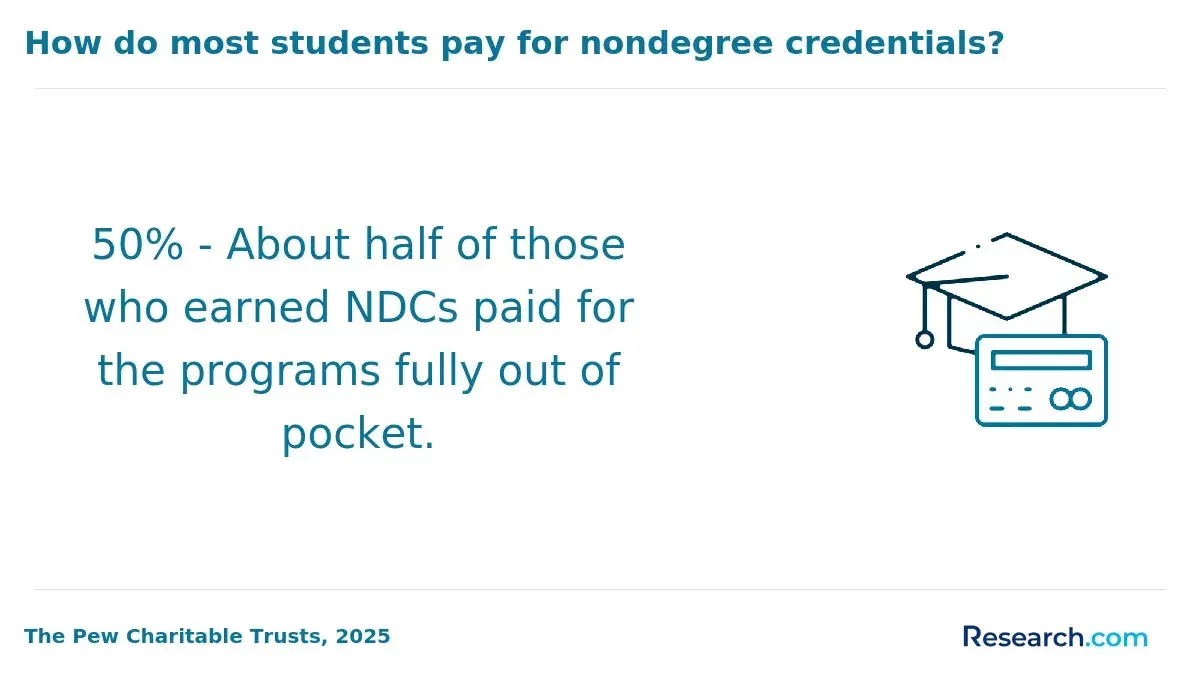
An online fire science degree can cost very little after aid for a Pell-eligible student at a low-tuition public institution, but it can also require borrowing if the student chooses a higher-priced private program, transfers few credits, or studies part time. The right number to compare is net cost: tuition, required fees, books, technology charges, and remaining living or transportation costs minus grants and scholarships.
The table below shows how different affordability scenarios can play out. These are planning categories, not promises, because each school calculates cost of attendance and aid differently.
| Cost scenario | What drives the cost | How FAFSA can help | What to watch |
| Lowest out-of-pocket path | Public in-state tuition, high transfer credit, Pell eligibility | Grants may cover a large share of direct tuition and fees | Residency rules and whether the online rate is truly in-state |
| Moderate-cost adult learner path | Flat online tuition, partial transfer credit, part-time enrollment | Pell and loans may be prorated based on enrollment level | Taking too few credits can extend time and increase fees |
| Higher-cost flexible private path | Private online tuition, limited transfer credit, accelerated scheduling | Federal loans may cover costs if grants are limited | Borrowing can rise quickly if tuition is higher than grant aid |
| Employer-supported path | Department tuition reimbursement or union education benefit | FAFSA can combine with employer aid if school policy allows | Reimbursement may arrive after you pay the bill |
To estimate your real price, request a degree audit and aid estimate before enrolling. A cheap program that accepts only a small number of transfer credits can cost more than a higher-tuition program that accepts academy training, prior college coursework, military credit, or standardized exam credit.
Which Affordable Online Fire Science Degree Programs Offer the Best Value?
The best-value affordable online fire science degree is not always the absolute cheapest one. Value improves when the program is accredited, FAFSA-eligible, transfer-friendly, aligned with your career goal, and structured so you can finish without unnecessary repeated courses.
Use the following value criteria when narrowing your list. These factors matter because the cheapest program can become expensive if it slows your completion or does not match the roles you want.
- Lowest verified net price: Compare the aid offer, not just the advertised tuition rate.
- Generous transfer policy: Prior college, fire academy, emergency services training, military learning, and professional certifications may reduce required credits.
- Relevant curriculum: Look for courses in fire prevention, fire behavior, incident command, emergency management, public administration, risk reduction, and leadership.
- Flexible format: Asynchronous classes and multiple start dates can help shift workers continue progressing.
- Career alignment: A firefighter seeking promotion may need different coursework than a student targeting code enforcement, fire inspection, emergency management, or public safety administration.
If your main goal is maximum credit flexibility rather than a narrowly fire-focused curriculum, compare fire science with the most affordable online interdisciplinary studies programs. For students with many completed credits, an interdisciplinary degree can sometimes finish faster, although it may be less targeted for fire service advancement.
Are the Cheapest Online Fire Science Degree Programs Properly Accredited?
The cheapest online fire science degree should still be properly accredited. For federal financial aid, the most important requirement is institutional accreditation from an agency recognized by the U.S. Department of Education, along with Title IV participation. Programmatic recognition can be useful, but it is not the same as institutional accreditation.
Fire science students should understand the main quality markers before comparing prices. These terms are often used together, but they do different things.
| Quality marker | What it means | Why it matters |
| Institutional accreditation | The college or university is accredited by a recognized accreditor | Usually required for federal aid, transferability, and employer confidence |
| Title IV participation | The school can administer federal student aid | Required if you plan to use FAFSA-based grants or federal loans |
| FESHE alignment or recognition | Curriculum may align with national fire and emergency services higher education models | Helpful for curriculum relevance, but not a replacement for institutional accreditation |
| IFSAC or Pro Board certification pathways | Training or certification standards used in fire service education | Important for some technical credentials, but separate from degree accreditation |
| State authorization | The school is approved to deliver online education to students in your state | Can affect whether you are allowed to enroll from your location |
Red flags include vague phrases such as "fully recognized" without naming an accreditor, pressure to enroll before receiving an aid offer, unclear transfer policies, or a program that promises promotion or employment. A degree can support advancement, but hiring, promotion, certification, and salary decisions depend on departments, civil service rules, state requirements, and experience.
What FAFSA Grants and Federal Aid Can Pay for an Online Fire Science Degree?
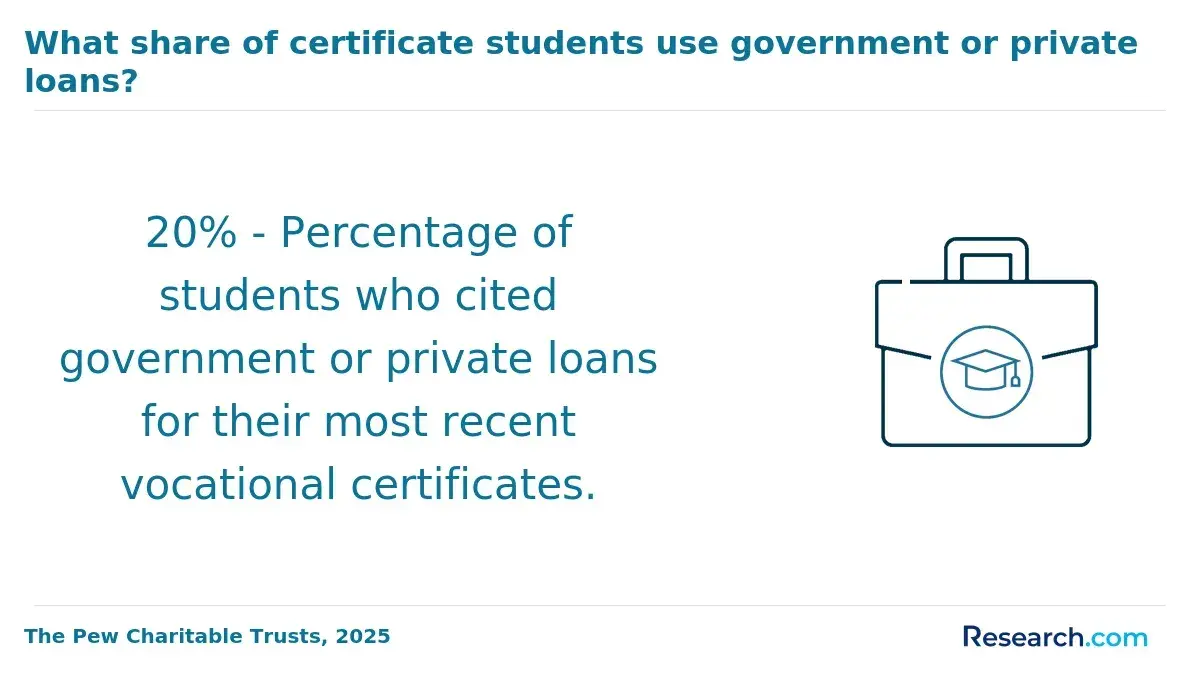
FAFSA can open access to several forms of federal aid for eligible online fire science students. Grants reduce cost without repayment, while loans must be repaid with interest, so the most affordable plan prioritizes gift aid and uses borrowing carefully.
The main federal aid categories are listed below. The right mix depends on your eligibility, enrollment level, school cost of attendance, and whether you are classified as dependent or independent.
- Federal Pell Grant: Need-based grant aid for eligible undergraduate students, with a 2025-26 maximum award of $7,395.
- Federal Supplemental Educational Opportunity Grant: Campus-based grant aid for students with high financial need, available only at participating schools with limited funds.
- Direct Subsidized Loan: Undergraduate loan based on financial need, with the federal government paying interest during certain enrollment periods.
- Direct Unsubsidized Loan: Undergraduate or graduate loan that is not need-based, with interest generally accruing from disbursement.
- Federal Work-Study: Part-time employment funding at participating schools, though online students should ask whether remote or local placements are available.
Students should also ask about state grants, firefighter association scholarships, union benefits, department tuition reimbursement, military tuition assistance, GI Bill benefits, and public safety foundation awards. These can reduce borrowing, but each source has its own deadline, renewal rule, and eligible-program requirement.
How Do Transfer Credits Lower the Cost of an Online Fire Science Degree?
Transfer credits can be the biggest cost reducer in an online fire science degree because most programs charge by the credit. A student who transfers an associate degree or receives credit for academy training may need far fewer courses than a first-time student starting from zero.
The table below shows common transfer sources and how they can affect cost. The exact credit awarded depends on the school's evaluation, your transcripts, credit age, grades, and whether the credits match degree requirements.
| Transfer source | Possible benefit | Main limitation |
| Community college associate degree | Can satisfy lower-division general education and elective requirements | Some credits may transfer as electives rather than major requirements |
| Fire academy training | May convert documented training into elective or technical credit | Not every school awards academic credit for academy completion |
| Military training | Joint Services Transcript or ACE-reviewed learning may reduce required credits | Credit depends on institutional policy and degree fit |
| Professional certifications | May support prior learning credit in fire service or emergency management areas | Often requires documentation, fees, or portfolio review |
| Prior four-year college coursework | Can shorten time to completion if grades and course equivalencies meet standards | Major courses may have recency or upper-division requirements |
Ask for a preliminary transfer evaluation before you accept admission. If you are still considering an associate-level route first, reviewing an administrative assistant associate degree can also show how different online associate programs structure general education, career-focused credits, and transfer planning, even though the career field is different.
Which Students Benefit Most From a Low-Cost Online Fire Science Degree With FAFSA?
A low-cost online fire science degree with FAFSA is most useful for students who already work in or near public safety and need a credential that supports advancement, specialization, or administrative eligibility. It can also work for career changers who want academic preparation in fire prevention, risk reduction, emergency services leadership, or disaster response.
The degree tends to fit these student profiles best. Compare your situation to the list before choosing a program primarily because it is cheap.
- Working firefighters: A flexible online bachelor's can support promotion pathways where departments value college credit, leadership training, or degree completion.
- Fire inspectors or prevention specialists: Coursework in codes, investigations, risk analysis, and community risk reduction may align well with technical advancement.
- Emergency services personnel: EMTs, paramedics, dispatch supervisors, and emergency management staff may benefit from broader public safety administration courses.
- Transfer students: Students with an associate degree, academy training, or military experience may complete a bachelor's at a much lower total cost.
- Budget-sensitive adult learners: FAFSA-eligible programs can make college more accessible, especially when paired with employer reimbursement or state grants.
Students should avoid choosing fire science only because it is affordable if their true goal is counseling, clinical social services, or human services casework. In that case, an MSW degree may be a more relevant long-term credential, even though it leads to a very different licensing and career path.
How Does the Cost of an Online Fire Science Degree Affect Career ROI?
Cost has a direct effect on ROI because fire science careers often involve public-sector pay scales, promotion exams, overtime rules, union contracts, and department-specific requirements. A low-cost accredited program can improve ROI by reducing debt, but only if the degree fits roles where education is valued.
BLS 2024 wage data shows why the target role matters. Firefighter compensation varies widely by location and seniority, while fire inspectors and investigators have a national median wage of about $79,000; emergency management leadership roles can also require experience plus education rather than a degree alone. The practical takeaway is that students should compare the degree cost with the specific job ladder they are pursuing, not with a broad national average.
A more expensive program may be worth considering when it accepts substantially more transfer credit, has a stronger fit for your promotion requirements, offers better advising for public safety professionals, or allows you to graduate sooner without leaving work. A cheaper program may be the better choice when it is accredited, aid-eligible, transfer-friendly, and accepted by your employer or civil service system.
If your broader goal is public-service leadership rather than fire service advancement, compare ROI against adjacent paths such as an accelerated master's program social work, emergency management, public administration, occupational safety, or homeland security. The best investment is the credential that matches the job requirements you are actually trying to meet.
How Should Students Choose the Cheapest FAFSA-Eligible Online Fire Science Degree?
To choose the cheapest FAFSA-eligible online fire science degree, compare programs in the order that affects your real cost and career value. Start with eligibility and accreditation, then move to net price, transfer credit, flexibility, and outcomes.
Use this checklist before enrolling. It is designed to help you avoid the most common affordability mistakes.
- Confirm institutional accreditation through a recognized accreditor and verify the school's Title IV participation.
- Ask whether the exact online fire science degree is FAFSA-eligible, not just whether the college accepts FAFSA.
- Request a written estimate of tuition, required fees, books, technology charges, and any course-specific costs.
- Submit the FAFSA early and compare official aid offers from multiple schools.
- Request a transfer credit review before paying deposits or registering for classes.
- Ask your employer, union, department, or military education office whether the program qualifies for reimbursement or education benefits.
- Compare total credits remaining, not just cost per credit.
- Check whether online courses are asynchronous, synchronous, accelerated, or term-based so the schedule fits shift work.
- Ask how many students complete the program and what support services are available for online learners.
- Estimate your likely borrowing and monthly repayment before accepting federal loans.
The strongest choice is usually the program with the lowest verified net cost that still meets your career objective. If a school cannot clearly answer questions about accreditation, FAFSA eligibility, total cost, or transfer credit, treat that as a warning sign and keep comparing options.
Other Things You Should Know About Fire Science
Often, yes. Many online fire science programs are designed for working public safety professionals, but you should confirm whether courses are asynchronous or require live attendance at fixed times.
Not by itself. Firefighter hiring usually depends on local department requirements, physical ability testing, civil service exams, medical clearance, background checks, academy completion, and certifications.
Degree programs usually focus on academic subjects such as fire prevention, leadership, investigation, emergency management, and administration. Hands-on suppression training is commonly handled through fire academies or department training programs.
Not always. Online enrollment can depend on state authorization rules, so confirm that the school is approved to serve students in your state before applying.
References
- Fire Science Technology - Human Services | Ozarks Technical Community College https://ozarkstech.edu/programs/human-services/fire-science-technology/
- Earn Your Fire Science Degree Online https://waldorf.edu/lp/online-fire-science-degree/
- Types of Financial Aid https://www.hhloans.com/types-of-financial-aid/
- KC online Fire Science degree program named best in Texas, No. 3 in nation - Kilgore College https://www.kilgore.edu/news_and_events/kc-online-fire-science-degree-program-named-best-in-texas-no-3-in-nation/
- Scholarships - IAFF https://www.iaff.org/scholarships/
- Fire Science and Forestry Financial Aid | FireScience.org https://www.firescience.org/fire-and-forestry-scholarships/
- How to Apply for NFFF Scholarships - National Fallen Firefighters Foundation https://www.firehero.org/resources/family-resources/programs/scholarships/how-to-apply-for-nfff-scholarships/
- Top 10 Scholarships for Firefighting to Apply for in March 2026 https://bold.org/scholarships/by-major/firefighting-scholarships/
- Best Online Fire Science Degrees https://www.onlineu.com/degrees/fire-science
- Getting Your Fire Science Associate Degree Online | Become With Lantern https://www.learnhowtobecome.org/best-online-associates-in-fire-science-degree-programs/


