2027 Academy of Art University Online Degree Costs Compared: Which Programs Are Most Affordable?

Co-Founder and Chief Data Scientist
A prospective student faces a maze of online tuition rates when considering Academy of Art University. Base tuition can differ widely across programs, yet digital fees and supply costs often remain hidden until late in the enrollment process. This obscures the true financial burden of distance learning. Meanwhile, recent national data shows that online programs typically carry 15% higher ancillary fees compared to on-campus equivalents, raising the stakes for students seeking transparency and affordability.
Navigating this complexity demands more than comparing sticker prices. Programs in design or multimedia arts at Academy of Art University often vary significantly in total net cost after factoring in required technology fees and materials. This article breaks down specific online degree costs and highlights which offerings deliver the best value based on realistic expense estimates and practical outcomes, guiding students toward informed, financially sound decisions.
Key Points About Academy of Art University Online Degree Costs and Affordability
- The total tuition cost at Academy of Art University is $54,754, but the overall cost of attendance reported by the Federal Scorecard is $47,195, reflecting variations in included fees and living expenses that affect budgeting accuracy.
- Books and supplies add approximately $1,090, a non-negligible expense that online and on-campus students must include when assessing total program investment.
- Tuition per credit varies by program; business and healthcare degrees generally have higher fees than liberal arts digital degrees, emphasizing the importance of program choice for cost-efficiency in relation to career goals.
How Much Does an Online Degree Cost at Academy of Art University?
Online degrees at Academy of Art University carry a substantial tuition rate of roughly $960 per credit hour, positioning the total tuition near $115,200 for a typical 120-credit bachelor's program before fees. This upfront expense is higher than many public and nonprofit institutions, which often offer lower per-credit rates and more aggressive financial aid, especially for in-state students. Unlike these alternatives, Academy of Art's uniform tuition removes residency pricing advantages but may limit net savings for local students.
A cost-conscious learner comparing total degree expenditure should weigh more than just sticker price. For example, a student seeking flexibility and employer-relevant credentials in design might value the university's specialized offerings and access to industry-standard resources, despite premium pricing. However, the 5% annual inflation trend in tuition for asynchronous online programs noted by the National Center for Education Statistics raises concerns about future affordability, especially compared to institutions with synchronous models or tuition freezes.
The price at Academy of Art University partially reflects program quality and niche artistic focus, but students must critically assess whether available financial aid, transfer credit acceptance, and post-graduation earnings offset the high nominal cost. For many, the substantial investment demands clear evidence of career outcomes and practical value in creative industries before justifying the financial burden.
Which Online Degree Programs at Academy of Art University Are the Most Affordable?
Associate degree programs at Academy of Art University offer the most affordable online options, primarily due to lower tuition rates and credit hour requirements. These programs typically require around 60 credits and carry tuition approximately 20-30% less per credit hour than comparable bachelor's degrees in fields like Graphic Design and Web Design.
Budget-conscious learners should note that reduced fees and fewer required credits further contribute to lower overall costs in associate programs. However, affordability depends not only on sticker price but also on factors such as transfer credit policies and residency rules, which can significantly alter the final expenses and time to completion for each student.
According to UPCEA's 2024 report, the median tuition for digital design programs nationwide ranges between $400 and $600 per credit hour. Academy of Art University's associate offerings fall near the lower end of this spectrum, making them attractive for practical cost savings. Yet, students must balance this against program flexibility, available support services, and how well the degree prepares them for current industry demands.
While bachelor's degrees often require higher tuition due to specialized resources in digital arts, they may offer stronger market validation and career outcomes despite higher upfront expenses. Students evaluating affordability should weigh these tradeoffs carefully, considering both immediate cost pressures and long-term employability when choosing a program.
How Do Online Bachelor's, Master's, and Doctoral Program Costs Compare at Academy of Art University?
Online degree costs at Academy of Art University reflect a clear hierarchy where bachelor's programs are the most affordable option, closely aligned with typical national pricing trends. Bachelor's tuition is approximately $790 per credit hour, while master's tuition exceeds $945 per credit hour, and doctoral tuition reaches or surpasses $1,000 per credit hour. These differences correspond to program maturity levels, specialization, and cohort sizes. For example, a student seeking a bachelor's degree with about 120 credits undertakes a longer timeline but generally faces a lower overall tuition burden than a graduate student pursuing fewer credits at higher rates.
Financial realities must account for required fees. All levels incur professional and technology fees of roughly $250 per term, adding to the total cost. Doctoral candidates have additional residency and portfolio fees, which raise their expenses beyond per-credit fees. Importantly, graduate programs sometimes offer competitive fellowships and assistantships unavailable to undergraduates, but these are not guaranteed and do not negate the base tuition differences. National data shows online graduate tuition averages nearly 20% higher than online undergraduate programs, signaling consistent market stratification that affects budgeting decisions for prospective students. Below is a breakdown of key cost factors affecting affordability at Academy of Art University online programs.
- Bachelor's Tuition Rate: The cost per credit is the lowest among degree levels, making it ideal for students prioritizing upfront affordability. However, the longer credit requirement means total program length is extended, which may increase indirect costs like time out of the workforce.
- Master's Tuition Premium: Higher credit-hour pricing leads to significantly increased tuition despite fewer credits than bachelor's programs. This cost level benefits students targeting advanced skills with quicker completion but requires stronger financial planning.
- Doctoral Cost Escalation: The highest tuition rate reflects specialized instruction and small class sizes. Additional residency and portfolio fees increase total expenses, suitable mainly for students with specific professional advancement goals needing doctoral credentials.
- Mandatory Fees Impact: A consistent $250 per term fee affects all degree levels, slightly elevating overall costs. These fees cover technology and professional services vital to online learning experiences but add a fixed recurring expense for all enrollees.
- Financial Aid Variability: Graduate students may access competitive fellowships or assistantships that reduce net costs, but undergraduates have limited access. The uncertainty of aid availability means most students must consider sticker prices carefully before committing.
The Academy of Art University online bachelor's, master's, and doctoral program tuition comparison highlights practical tradeoffs between affordability and program intensity. Students balancing cost against career goals should also consider workforce returns. In some industries, the higher upfront expense of graduate degrees may justify the investment with salary uplift, but those seeking the fastest degree to get online with reasonable costs might find the bachelor's path more accessible.
What Is the Cost Per Credit Hour for Online Programs at Academy of Art University?
The cost per credit hour for online programs at Academy of Art University underscores a key affordability challenge, especially when comparing undergraduate and graduate options. Undergraduate tuition stands at about $895 per credit hour, while graduate courses come at a higher rate near $1,095 per credit hour. This tuition split reflects the premium placed on specialized graduate instruction, yet mandatory technology and infrastructure fees also contribute additional costs. Residency status does not affect pricing since the university charges a uniform rate for all online students. There are no tuition discounts or increases tied to part-time enrollment, so the net cost to attend Academy of Art University remains consistent across credit loads. Given that national averages for online undergraduate credit hours run between $300 and $600, Academy's rates sit substantially higher, requiring students to weigh these costs carefully against program outcomes and career goals. The recent CHLOE report highlights that competency-based education models often offer markedly lower credit costs of $200-$400, signaling that Academy's pricing model may be less financially flexible for students seeking cheaper pathways. Below is a concise breakdown of key tuition and fee categories for online programs at Academy of Art University.
- Undergraduate Tuition: At $895 per credit hour, tuition is above national averages for online undergraduate courses. This makes it a considerable investment best suited for students targeting foundational art and design credentials with direct application to creative industries.
- Graduate Tuition: Priced around $1,095 per credit hour, these programs demand a higher financial commitment typically justified by specialized curriculum and advanced skills development needed in competitive fields.
- Mandatory Fees: Technology and infrastructure fees apply per credit hour but remain modest compared to tuition. These fees are uniform for all students and add to the overall expense but are unlikely to create major affordability hurdles alone.
- Residency-Independent Pricing: Online tuition rates do not vary by student location, meaning non-residents face no premium and in-state students receive no discount, simplifying budgeting and financial planning for all enrollees.
- Part-Time Enrollment Policy: Tuition costs remain fixed regardless of credit load, so part-time students pay the same per-credit rate without discounts, which may affect affordability for those balancing studies with work or other commitments.
The average net price students pay Academy of Art University reflects these factors, requiring prospective students to assess the tradeoffs between upfront costs and expected career returns. For those oriented toward best degrees to make money, this upfront expense must be balanced against the value of network access, portfolio development, and the professional reputation earned through Academy's online programs.
What Additional Fees and Expenses Should Online Students Expect at Academy of Art University?
The real cost of an online degree at Academy of Art University extends beyond tuition, where mandatory fees and other expenses can substantially affect affordability depending on program and study habits. For example, a student enrolled in a graphic design online program who chooses digital textbooks may reduce upfront material costs. However, recent inflation of about 7% in digital material prices, reported by the Journal of Distance Education Technology, means these yearly savings are shrinking, impacting budgets more than anticipated. Understanding these fees is essential, especially when combined with variable administrative expenses like graduation fees or proctored exam charges that often catch students off guard. Below are key additional costs students should anticipate to more accurately evaluate total investment.
- Books and Supplies: Estimated at $1,090, this covers textbooks, software, and art supplies. Costs vary by discipline, and opting for digital formats can reduce expenses, albeit with recent inflation pushing prices upward.
- Technology Fees: These modest charges support access to essential digital platforms for online learning. Fees are typically stable but non-negotiable and required each term regardless of course load.
- Graduation Fees: Charged at program completion, these fees cover administrative processing and diploma issuance. They are generally fixed but can be substantial compared to other administrative fees and are unavoidable for degree conferral.
- Proctored Exam Charges: Remote testing often involves separate fees not included in tuition. These add hidden costs that scale with the number of exams and can surprise students who underestimate testing frequency.
- Travel and Residency Requirements: Some programs require in-person residencies or portfolio reviews that incur travel costs. These can be significant but vary widely by specialization and offer little room for financial flexibility.
Does Academy of Art University Offer Financial Aid, Scholarships, and Tuition Discounts for Online Students?
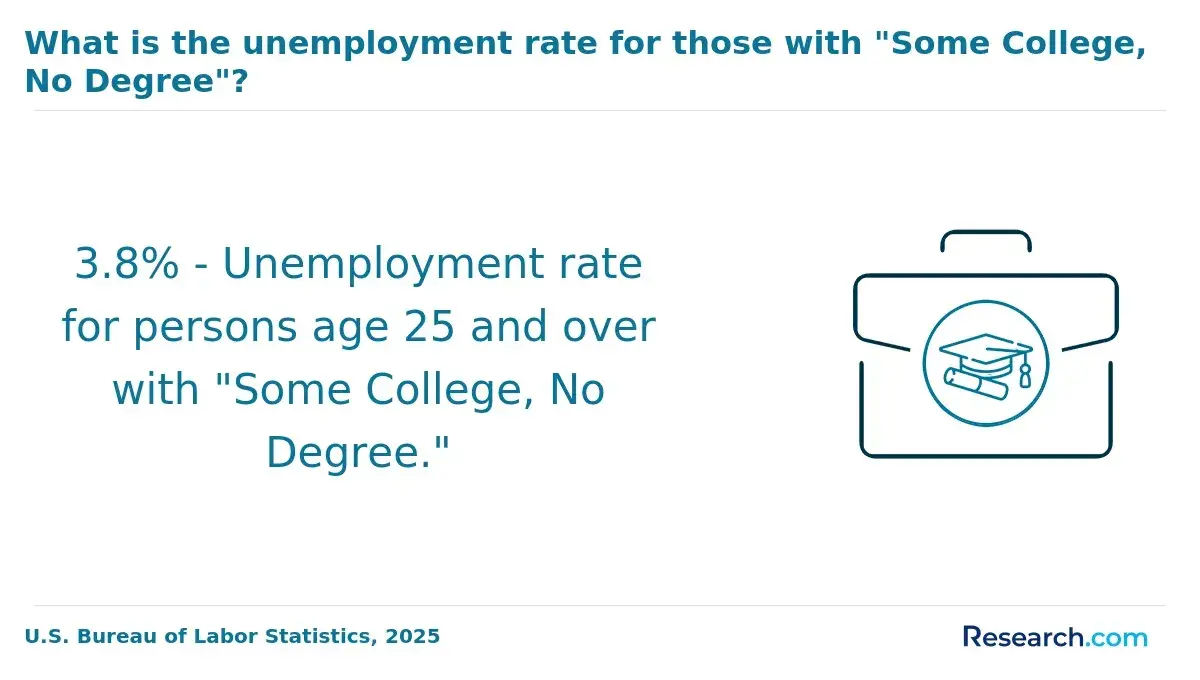
Academy of Art University provides federal aid, institutional scholarships, and some tuition discounts for online students, but these supports translate unevenly across learner profiles. Nearly 78% of undergraduates receive financial assistance, mostly FAFSA-based, with an average award of $12,096 influencing net costs significantly depending on enrollment and residency.
Employer-sponsored tuition reimbursement and military benefits also reduce expenses for qualifying students. However, online learners generally encounter fewer institutional tuition discounts than on-campus peers, reflecting a broader trend in distance education affordability.
For example, a part-time student relying solely on FAFSA aid and transfer credits may pay substantially more out-of-pocket than a full-time enlistee using military benefits coupled with an employer's tuition plan. This variability underscores that net price depends heavily on individual circumstances and program demands.
Students should verify eligibility criteria, application deadlines, and renewal policies for scholarships and aid before enrolling. Monitoring total net costs by factoring in grants, discounts, and outside funding offers clearer financial insight than base tuition alone.
"Early on, I almost stopped because the software licensing fee wasn't listed in the materials," recalled a recent online graduate. "I relied on employer tuition assistance and a small institutional scholarship that, combined with military education benefits, helped me manage everything without crippling debt. Checking every deadline and rule was stressful but necessary to keep costs down."
Do In-State and Out-of-State Students Pay Different Online Tuition Rates at Academy of Art University?
Academy of Art University charges a flat tuition rate for all online students, regardless of residency, with no difference between in-state and out-of-state tuition. This uniform pricing structure means the total online program cost is $54,754, eliminating location-based tuition variations commonly seen elsewhere. Such a model is relatively uncommon, as about 65% of public universities apply a non-resident premium to online tuition, reflecting findings from a 2024 National Center for Education Statistics analysis.
This approach affects affordability for different student groups, including military, transfer, and working adults. Without lower in-state rates or reciprocity agreements like SARA, local students do not benefit from typical discounts. However, 78% of students receive financial aid that substantially reduces out-of-pocket expenses, softening the impact of the consistent tuition rate. Compared to public institutions with tiered pricing, Academy's model provides predictable budgeting but may limit savings for residents.
Students weighing the Academy of Art University online tuition differences should also consider potential hidden fees, transfer credit acceptance, and employer partnerships which are not clearly outlined and may vary. For example, a working adult might find the flat rate easier to plan for but should confirm all supplemental costs before enrollment. When comparing with other options, prospective students should examine the total cost alongside financial aid eligibility and program value.
Before enrolling, verifying residency rules, aid availability, and the full breakdown of program expenses is essential. This diligence ensures better long-term returns considering career outcomes. For insight into peers' choices, consult most popular online colleges to understand competitive pricing and support structures.
How Does Academy of Art University Compare to Other Universities for Online Degree Affordability?
Comparing the online degree affordability of Academy of Art University with other institutions requires weighing tuition patterns, financial aid availability, and career outcomes against peer public and private universities. Unlike many public schools that offer reduced in-state rates, Academy's sticker price is typically higher, but this is offset by the fact that 78% of students receive financial aid, which can significantly lower their net cost. Additionally, affordability for transfer students, military members, and working adults varies uniquely here due to targeted support programs that are less common at comparable online programs. The true value depends largely on total cost after aid and how well the degree's creative industry reputation translates into employment. The following points outline key factors shaping Academy of Art University's affordability and value.
- Financial Aid Penetration: With 78% of students receiving aid, Academy's net tuition is often lower than the sticker price suggests. This aid availability narrows the affordability gap with some public online programs, enhancing value for students needing financial support.
- Private vs. Public Tuition Dynamics: Private institution tuition tends to run about 30% higher than public counterparts nationally. Academy's higher base rates reflect this trend, requiring students to depend more on aid or discounts to remain competitive with public alternatives.
- Residency Pricing Impact: Unlike many public universities that charge lower in-state tuition, Academy's pricing does not differ by residency, simplifying cost expectations but removing the usual in-state discount benefit that reduces out-of-pocket expenses at public institutions.
- Program Credit Requirements: Variability in credit hours for programs affects total costs directly. Prospective students must evaluate program length as longer curricula can offset per-credit savings seen elsewhere.
- Targeted Discount Programs: Specific aid for military personnel, transfer students, and working adults can improve affordability. These targeted discounts help level the playing field versus public universities that may offer lower sticker tuition but less tailored support.
- National Cost Benchmarking: The National Center for Education Statistics indicates that median annual tuition for private online colleges is about 30% higher than publics but aid and program length reduce this difference in practice. This context is critical for judging whether Academy's higher sticker price can translate into cost-effective investment.
- Creative Industry Employability: Graduates' employment prospects in specialized creative fields justify part of the upfront cost for some students. The strength of Academy's industry connections can yield returns that offset its premium pricing compared to more generalized public programs.
One Academy of Art University graduate explained, "I almost dropped out because the software licensing fee wasn't in the brochure, and that caught me off guard financially. I compared my options carefully; public schools had lower sticker prices but didn't offer the same focused art instruction or financial aid targeting working adults like me. Balancing tuition with aid, I felt Academy was the best fit for my schedule and career goals, even if the initial costs seemed steep." This highlights the practical challenges and decision tradeoffs students face when weighing Academy's online degree affordability against alternatives.
Which Online Degrees at Academy of Art University Offer the Best Value for Money?
Online degrees at Academy of Art University in Drafting/Design Engineering Technologies/Technicians and Computer Software and Media Applications deliver the best value by balancing affordability, academic rigor, and career outcomes. These programs require fewer total credits and focus on technical skills that employers actively seek, leading to alumni salaries averaging over $42,000. Conversely, creative degrees like Graphic Communications often result in median earnings near $28,000, which may not justify their longer duration and higher costs. Program length, credit transfer flexibility, and credential level significantly influence affordability and return on investment. A practical example involves a student comparing affordability: choosing a tech-based program reduces the debt burden and improves job prospects more than selecting creative arts degrees with lower market demand. Below are key factors shaping value for prospective online learners at Academy of Art University.
- Drafting/Design Engineering Technologies Alumni Salaries: Averaging $44,238, this program's shorter credit load and strong technical focus attract students aiming for quicker workforce entry and better wage growth.
- Computer Software and Media Applications Earnings: Graduates earn around $42,476, reflecting steady demand in tech fields and benefiting students prioritizing market-relevant skills.
- Creative Arts Salary Limitations: Programs like Graphic Communications yield median incomes near $28,000, often not offsetting tuition and fees, making them less cost-effective for budget-conscious students.
- Earnings-to-Debt Ratio of 1.26x: Indicates moderate ROI at Academy of Art University; students should consider this when weighing higher-cost degrees.
- Transfer Credit Flexibility: Facilitates affordability for students joining with prior credits, especially in shorter, tech-focused pathways.
- Program Length and Credential Level Impact: Longer, higher-level programs can dilute financial returns despite potential academic benefits.
- STEM-Adjacent Online Degree Trends: A 2024 study from the National Center for Education Statistics confirms higher earnings-to-debt ratios in technology-oriented fields compared to arts programs, underscoring the financial advantage of certain Academy of Art degrees.
Cost-conscious students searching for value should explore the most affordable Academy of Art University online degree options, as these programs combine manageable tuition with better employment prospects, unlike less cost-effective arts degrees. For those specifically seeking the cheapest online university in USA, focusing on programs with strong workforce alignment is crucial.
What Is the Return on Investment of an Online Degree From Academy of Art University?
The return on investment for an online degree from Academy of Art University is modest when compared to some alternative digital learning models. Graduates earn a median income of $39,008 with an earnings to debt ratio of 1.26x, suggesting they earn just over their debt annually. This ratio indicates manageable debt but a limited financial premium over repayment costs.
Total costs are driven by tuition, fees, and program length, which often exceeds four years depending on transfer credits and enrollment status. This upfront expense can prolong time-to-degree, delaying financial benefits. Comparing these metrics to online programs in high-demand fields or accelerated formats often reveals quicker pathways to wage premiums and career mobility.
Fields like design or creative arts may offer less direct salary growth, affecting cost versus career outcomes of Academy of Art University online programs. Georgetown CEW's recent research shows that net present value for online degrees varies widely by discipline, with many online learners facing delayed career advancement despite longer-term earnings gains. This dynamic is critical for evaluating the true ROI beyond sticker price and initial debt.
Prospective students should carefully weigh moderate earnings and the debt burden against personal goals and market demand. For those prioritizing faster returns, options such as quick certifications that pay well may offer more immediate benefits in certain employment sectors.
What Do Graduates Say About the Cost and Value of Academy of Art University Online Degrees?
- Nicholas: "When I started comparing online programs at Academy of Art University, I quickly realized the sticker price for tuition wasn't the whole story. Mandatory fees and textbook costs added up, especially since some courses had strict sequencing that extended the program length for part-time students like me. Still, their flexible transfer credit policy allowed me to bypass several introductory classes, which ultimately brought the total cost down and sped up my graduation. Having the degree helped me land a design job faster than I expected, proving that digging into the fine print was well worth the effort."
- Garrett: "Affordability was my primary concern when selecting an online program at Academy of Art University, so I carefully analyzed cost per credit and residency requirements. I found that while some cheaper options had lower credits per term, the longer program length actually made them more expensive in the long run. Financial aid and scholarships played a big role in making the program I chose manageable. Ultimately, the accreditation and strong academic support convinced me that investing a bit more upfront was the safer path-and it paid off with solid outcomes when I transitioned to the workforce."
- Blake: "At first, I was skeptical about online programs at Academy of Art University because advertised tuition figures seemed misleading once you factored in mandatory fees and limited transfer credits. After comparing multiple tracks, I realized that some programs' overall costs were surprisingly close once you considered part-time enrollment options and textbook expenses. I appreciated that the university's online format gave me the flexibility to balance work and study, which meant I could avoid loans and still graduate on time. Having that degree has opened doors in my creative career without the crushing debt I feared."
Other Things You Should Know About Academy of Art University Degrees
The online courses at Academy of Art University offer flexibility but also vary in pacing, which can impact your total cost. Slower pacing may allow spreading out tuition payments and reduce short-term financial strain, but it can also extend the time to graduation, potentially increasing indirect costs like lost income or prolonged living expenses. Students prioritizing quicker entry into the workforce should consider programs with more intensive pacing to limit incidental costs and maximize return on time invested.
Yes, many online programs at Academy of Art University require specialized software, hardware, or art supplies which can add significant unbudgeted expenses. These costs are often ongoing, linked to course-specific projects or software licenses. Prospective students need to factor these into the affordability assessment because they can materially increase total expenditures beyond standard tuition and fees, especially for programs in animation, graphic design, or similar fields.
Transferring credits can decrease the total number of credits needed, reducing overall tuition costs, but Academy of Art University has specific policies that can limit the number of transferable credits, especially for specialized courses. Students should carefully evaluate which credits will be accepted to avoid unexpected extended enrollment and cost. Prioritizing programs or courses with generous credit transfer policies can improve affordability by shortening time and credit requirements.
References
- Basics of In-State vs. Out-of-State Tuition – Nationwide https://www.nationwide.com/lc/resources/personal-finance/articles/in-state-out-state-tuition
- Academy of Art University Tuition and Financial Aid https://www.prepscholar.com/sat/s/colleges/Academy-of-Art-University-tuition-financial-aid
- Average In-State vs. Out-of-State Tuition [2025]: Cost Comparison https://educationdata.org/average-in-state-vs-out-of-state-tuition
- Do Academy of Art University Degree hold much value? https://diplomasproduct.com/academy-of-art-university-degree/
- Academy of Art University ROI & Earnings https://collegeroi.org/roi/college/academy-of-art-university/
- Academy of Art University https://www.mymajors.com/college/ca/academy-of-art-university/tuition/
- Does College Pay Off? A Comprehensive Return On Investment Analysis - FREOPP https://freopp.org/whitepapers/does-college-pay-off-a-comprehensive-return-on-investment-analysis/
- Academy of Art University: 2026 Rankings, Admissions Process & Campus Life https://amberstudent.com/blog/post/academy-of-art-university
- Academy of Art University ROI: Is It Worth It? https://www.campusroi.com/schools/academy-of-art-university/
- 329 Academy of Art University scholarships 2026-27 [Updated] https://www.wemakescholars.com/university/academy-of-art-university/scholarships