2027 Is The Chicago School's Online PhD in Counselor Education and Supervision Worth It? What Students Should Know

Co-Founder and Chief Data Scientist
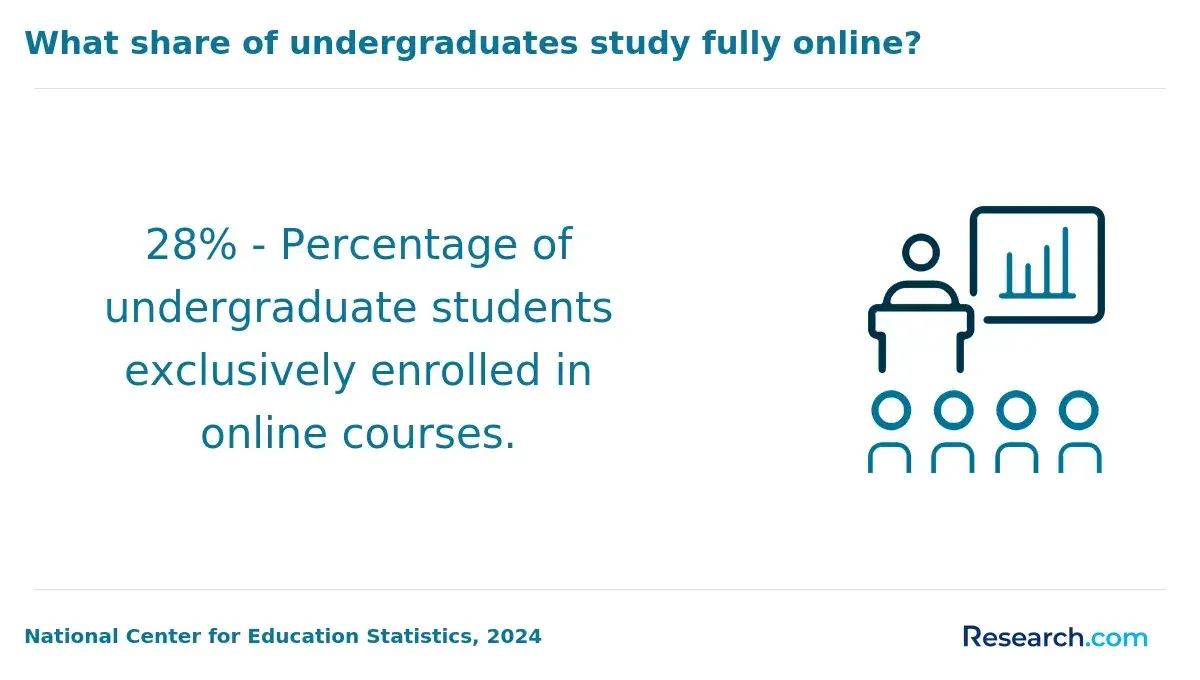
Choosing an online PhD in Counselor Education and Supervision program involves balancing flexibility with rigorous training that meets licensure and academic standards. Recent data from the National Center for Education Statistics shows a significant enrollment increase in doctoral programs online, reflecting growing demand for accessible, advanced counseling education.
This trend highlights the need to evaluate whether a program like The Chicago School's aligns with both evolving professional requirements and individual learning styles. Candidates must consider practicalities such as faculty expertise, practicum opportunities, and supervisory mentorship. This article examines key factors impacting the value of The Chicago School's online PhD in Counselor Education and Supervision and guides readers through informed decision-making.
Key Points About The Chicago School's Online PhD in Counselor Education and Supervision Program
- The Chicago School's online PhD in Counselor Education and Supervision has a 33% acceptance rate, indicating moderate selectivity that may extend time to admission due to competitive application standards.
- Graduates earn a median salary of $56,899, yielding an earnings-to-debt ratio of 2.84x, which suggests the investment supports sustainable career advancement in counseling and supervision roles.
- A well-regarded program by employers in mental health, it leverages faculty expertise and alumni success, impacting professional credibility but requires consideration of tuition totaling $47,948.
What makes The Chicago School's online PhD in Counselor Education and Supervision program stand out?
The Chicago School's online PhD in Counselor Education and Supervision stands out primarily for balancing rigorous academic demands with flexible scheduling tailored to working professionals. Practitioners engaged full-time in clinical or academic roles benefit from asynchronous coursework, letting them pursue advanced research and supervisory skills without disrupting existing job responsibilities.
This flexibility is especially relevant given many employers' expectations for doctoral candidates to demonstrate both current applied expertise and scholarly depth. The program's integration of synchronous video sessions and collaborative projects addresses a common shortfall in online doctorates-limited real-time interaction-offering students vital networking and mentorship opportunities despite geographical separation.
With an enrollment of 1,243 students and a staff of 103, the student-to-faculty ratio facilitates personalized guidance, crucial for developing advanced supervisory competencies. These features make the PhD in Counselor Education and Supervision a distinct option for those balancing professional, academic, and personal demands.
Is it difficult to get admitted to The Chicago School's online PhD in Counselor Education and Supervision program?
Admission to doctoral programs in counselor education and supervision is generally competitive due to the specialized nature of the field and the high standards expected of candidates who will train future clinical supervisors and educators. Programs typically seek applicants who demonstrate both academic aptitude and leadership potential, which narrows the available spots relative to applicants.
This competitive landscape reflects broader workforce trends where employers favor doctoral graduates with proven scholarly ability and practical insight into counselor training. The Chicago School's online PhD in Counselor Education and Supervision exemplifies this competitiveness with an acceptance rate of 33%, admitting just 9 out of 27 yearly applicants.
This selectivity underscores a moderate barrier to entry, positioning the program as more stringent than many comparable online offerings where admission may be less restrictive. The program's decision not to require standardized tests like the SAT or ACT indicates a selective emphasis on alternative credentials, such as prior academic and professional experience, which can better predict success in advanced counselor education roles.
How does the curriculum of The Chicago School's online PhD in Counselor Education and Supervision program stay aligned with current industry trends?
Alignment with evolving professional expectations is crucial for any PhD in Counselor Education and Supervision, as employers increasingly seek candidates proficient in both applied leadership and culturally responsive supervision. The Chicago School's online PhD in Counselor Education and Supervision curriculum relevance in the United States is underscored by its integration of advanced research skills and ethical leadership, positioning graduates to navigate complex supervisory roles effectively.
To understand how this program reflects real-world demands, consider that many clinical supervision positions now require demonstrated competence in evidence-based practices alongside multicultural advocacy-areas explicitly addressed in this program. The following factors illustrate the core elements that enable The Chicago School counselor education program with professional standards:
- Research Proficiency: Emphasizing rigorous methodologies equips students to contribute scholarly insights that inform counseling education, moving beyond theoretical knowledge to applied research that impacts practice and policy.
- Multicultural Counseling and Social Justice: By incorporating social justice and cultural competence throughout the curriculum, the program addresses the growing demand for supervisors who are adept at leading diverse teams and advocating for equitable client outcomes.
- Practical Supervision Experience: The inclusion of supervisory practica and applied research opportunities ensures that graduates do not merely understand theory but develop the hands-on skills critical for effective leadership in varied clinical environments.
While these emphases make the program responsive to contemporary trends, prospective students should weigh the tradeoff between the flexibility of an online format and the intensity of experiential components demanded by employer standards. For those exploring affordable doctoral programs with strong alignment to workforce needs, cheap doctoral programs may offer valuable alternatives depending on specific professional goals. Overall, the Chicago School's curriculum maintains relevance by mirroring industry changes, but candidates must consider how its structure fits their personal and career contexts before committing.
How much does The Chicago School's online PhD in Counselor Education and Supervision program cost?
The Chicago School online PhD tuition fees reflect a significant financial commitment, with the total annual cost nearing $48,000. This encompasses tuition, fees, books, room, board, and other necessary expenses. However, the base tuition and fees alone are approximately $20,844 annually, which is an important figure when evaluating direct academic costs. Students should anticipate that additional costs for supplies and living expenses will increase the overall budget beyond tuition, affecting affordability for many prospective learners.
Regarding the cost of PhD in Counselor Education and Supervision program at The Chicago School, financing options partially mitigate the expense. About 53% of undergraduates receive financial aid averaging $7,237, suggesting some institutional support structures exist, though direct data on aid for the online PhD is limited. The school does not impose separate technology fees nor offers flat in-state tuition for online students, meaning residency and specific financial aid eligibility may influence the final price. For many, navigating these variables is essential to understanding the net cost and making a viable enrollment decision.
Comparatively, tuition for Counselor Education and Supervision doctoral programs nationally often meets or exceeds this school's pricing, placing The Chicago School within a competitive bracket relative to peers. That said, students must weigh this against program distinctiveness and long-term career value-especially since employer expectations frequently emphasize outcomes and applied competencies over cost alone. Those balancing affordability with credential recognition will find these differences crucial for practical decision-making, especially when considering workforce implications in counseling and supervision roles.
Prospects should evaluate costs alongside potential career returns, including relevance to what degrees make the most money, as this illustrates broader economic context affecting career trajectories post-graduation. The variable structure of costs and aid, combined with national tuition trends, underscores the need for strategic planning around the Chicago School online PhD tuition fees to optimize long-term professional and financial outcomes.
What are the admission requirements for The Chicago School's online PhD in Counselor Education and Supervision program?
Admission to The Chicago School's online PhD in Counselor Education and Supervision involves a selective process that balances academic readiness with professional experience. Unlike programs emphasizing standardized tests, this degree forgoes SAT or ACT scores, reflecting a shift toward evaluating candidates by broader professional and academic criteria.
This approach aligns with workforce demands where demonstrated practical experience and relevant background often outweigh test results. Understanding these criteria is crucial, as insufficient preparation or weak documentation could delay or prevent admission. The following details outline the essential components applicants must prepare to meet admission standards.
- Letters of Recommendation: Applicants must submit multiple letters that attest to their academic abilities and professional conduct, typically from supervisors or faculty familiar with their counseling experience. These letters provide insight into an applicant's potential for doctoral-level work and leadership in counseling education.
- Personal Statement: This narrative outlines the candidate's professional goals, motivations, and alignment with the program's expectations. It is a critical tool for evaluators to assess clarity of purpose and commitment to advancing counselor education.
- Professional Resume: A detailed resume that summarizes relevant experience in counseling or education fields is required, highlighting career progression and practical skills vital to doctoral success.
- Transfer Credits Review: Transcript evaluation is conducted to assess eligibility for transferring credits, with a cap on how many can apply toward the degree. Only courses meeting minimum grade standards typically qualify, ensuring foundational knowledge is earned through the program.
- Supplementary Materials: Depending on individual backgrounds, applicants may need to provide portfolios or evidence of practical achievements, emphasizing real-world competence beyond academic records.
What is the ROI of attending The Chicago School's online PhD in Counselor Education and Supervision program?
Assessing the ROI of attending The Chicago School's online PhD in Counselor Education and Supervision requires weighing the substantial upfront cost against stable but moderate earning potential in a specialized academic and public sector market. With annual costs nearing $48,000-including tuition, fees, and living expenses-students face significant financial commitment.
However, median alumni salaries starting and ten years post-graduation hover around $56,900, suggesting earnings largely plateau rather than sharply increase, reflecting typical compensation trends in counselor education and mental health supervision roles. Graduate debt averaging $20,000 results in a graduate earnings-to-debt ratio of approximately 2.8x, a reasonable figure but one that depends heavily on external factors.
Prospective students who secure scholarships or grants can improve their cost-to-benefit balance markedly, while those relying solely on loans face tighter margins. Employment outcomes also vary; stable demand exists in academic institutions and state mental health agencies, but these roles often come with capped salary growth compared to private sector alternatives. Realistically, ROI hinges on personal financing strategies and the ability to leverage the degree for roles aligned with public or institutional employers rather than expecting rapid income escalation.
Is there a high student satisfaction for The Chicago School's online PhD in Counselor Education and Supervision program?
Student satisfaction with The Chicago School's online PhD in Counselor Education and Supervision hinges on a balance between accessible support and the inherent demands of remote doctoral study. While precise satisfaction metrics are unavailable, the program's moderately sized faculty and student body foster a community that can enable personalized academic attention-an important factor as doctoral candidates juggle research, professional obligations, and personal life.
This dynamic can mitigate common distance education challenges that often include isolation and time-management pressures. The school's investment in student-led organizations and online mentoring reflects efforts to create engagement and guidance structures critical for remote learners.
Such resources can enhance student resilience and professional networking, though success frequently depends on individual discipline and the ability to leverage these supports effectively. Feedback from enrolled students often centers on the flexibility afforded by the program, which boosts the feasibility of managing demanding schedules but requires proactive organization to avoid falling behind.
How does The Chicago School help online PhD in Counselor Education and Supervision graduates secure employment?
Employment outcomes for graduates of online doctoral programs in counseling depend heavily on structured institutional support that facilitates early and targeted connections with relevant employers. For candidates of The Chicago School's online PhD in Counselor Education and Supervision program, leveraging such resources can mean the difference between an extended job search and securing a competitive position soon after graduation.
Data indicates that graduates engaging with active career services and alumni networks increase their chances of employment within six months by approximately 20%. Below are several avenues through which The Chicago School aims to enhance career placement services for its online PhD in Counselor Education and Supervision graduates.
- Virtual Job Fairs: These events connect students directly with organizations specializing in counseling and academic roles, providing real-time opportunities to interact with hiring managers and streamline the recruitment process before program completion.
- Resume Workshops: Targeted online sessions help candidates customize their credentials to meet the specific demands of counseling and supervision employers, a critical step in overcoming hiring biases toward practical experience over academic credentials alone.
- Job Placement Portal: A specialized online platform centralizes openings in the counseling and education sectors, offering a curated job search experience that reduces the time and effort required to identify fitting roles.
- Alumni Mentorship Programs: Formalized mentor-mentee pairings connect doctoral candidates with experienced professionals, facilitating insider insight into career pathways and opening doors to roles that often depend on strong professional endorsements.
An understanding of how these components interact is essential for prospective students assessing whether the program's employment support justifies the investment. Furthermore, navigating these services can be complemented by exploring broader educational opportunities like 6 week college courses, which may offer supplementary skills beneficial for evolving job market demands.
What are the career outcomes for recent graduates of The Chicago School's online PhD in Counselor Education and Supervision?
Graduates of The Chicago School's online PhD in Counselor Education and Supervision often pursue specialized roles where their expertise directly impacts training and ethical standards in counseling. The program's career outcomes are a vital factor when assessing its value, especially considering the tradeoff between academic rigor and initial compensation.
Unlike clinical therapy positions, these careers emphasize oversight and development within educational or mental health institutions, which can mean slower salary growth initially but strong potential for leadership and academic appointments. For example, recent graduates might start with salaries around $35,532 in related fields like general psychology, reflecting entry to mid-level earnings before advancing through experience and position tenure.
These realities matter when weighing if the program aligns with long-term professional and financial goals. The landscape of advanced counseling careers also requires practical navigation of institutional hiring preferences and geographic salary variations. Below are key career paths commonly attained by those completing The Chicago School online counselor education doctoral program with notable distinctions in role and compensation.
- Counselor Educator: This role involves teaching at accredited institutions and developing counseling curricula to prepare future practitioners. Salaries can vary widely but often increase with tenure and academic rank, representing a pathway into higher education leadership.
- Clinical Supervisor: Focused on overseeing practicum and direct client work, clinical supervisors guide less-experienced counselors in clinical settings. This role balances administrative duties with hands-on clinical oversight.
- Program Director: Charged with managing counseling programs within community organizations or universities, program directors coordinate curriculum, compliance, and staffing. Compensation generally reflects the administrative scope and institutional budget.
The practical employment implications of the PhD in Counselor Education and Supervision in Chicago highlight distinct employer expectations and the importance of strategic career planning. For students exploring options such as self paced degrees, exploring comprehensive resources can clarify how this degree fits broader professional contexts like academic or clinical leadership self paced degrees.
How do I know if The Chicago School's online PhD in Counselor Education and Supervision program is the right fit for my goals?
Determining if The Chicago School's online PhD in Counselor Education and Supervision aligns with your career goals hinges on multiple practical considerations rather than institutional reputation alone. Many students find that such a program's true value depends heavily on how well the curriculum, mentorship, and professional outcomes intersect with their long-term objectives in counselor education or clinical supervision.
Misalignment can result in extended time-to-degree or limited job market returns. That said, several key factors must be evaluated carefully before committing; these include but are not limited to:
- Program Specialization Fit: Assess whether the program's focus on contemporary counseling theories and supervisory skills directly supports your intended role, such as academic faculty or licensed clinical supervisor. A mismatch here may hinder your ability to meet licensure requirements or niche employment demands.
- Learning Format and Engagement: Consider your adaptability to a fully online environment that requires self-discipline, proactive technology use, and frequent virtual interaction with faculty and peers. The presence of synchronous sessions or cohort-based models can enhance networking and mentorship opportunities.
- Faculty Expertise and Accessibility: Evaluate the active roles of faculty in clinical practice and research, as their real-world guidance and connections are critical for doctoral success and future academic or clinical placement.
- Alignment with Licensure and Certification: Confirm the program's curriculum and credentialing support meet regional professional standards for supervisor or counselor educator roles. Without this, your degree might carry limited employability in regulated states.
- Financial Investment vs. Career Benefit: Weigh the program cost against anticipated advantages like eligibility for leadership roles or improved earning potential while investigating scholarships, assistantships, or payment flexibility to manage financial risk.
Because choosing to pursue an advanced degree like this involves nuanced tradeoffs, understanding how The Chicago School online PhD in Counselor Education and Supervision fits your professional objectives requires a candid appraisal of these factors.
In some cases, alternative online programs may offer better alignment or support depending on your specialization or regional requirements. Those seeking examples of credible and accessible programs can explore online degree programs for seniors, which provide a broader perspective on flexible learning options and career outcomes.
What Graduates Say About The Chicago School's Online PhD in Counselor Education and Supervision Program
- Abigail: "Studying at The Chicago School's PhD in Counselor Education and Supervision program gave me a deep understanding of counseling theories, but the practical emphasis on supervision helped me navigate a unique hiring landscape. Employers in my area often favored candidates with robust portfolios and hands-on internship experiences over those solely with licensure. This program allowed me to build that experience and enter supervisory roles faster, though I quickly learned salary growth without a counseling license can be limited in clinical settings."
- Camila: "The structure of The Chicago School's PhD in Counselor Education and Supervision worked well with my life, especially because the flexibility of the online format meant I could continue working while studying. After graduating, the degree opened doors to remote and university teaching positions that didn't require licensure but valued my doctoral expertise. However, I found that advancing into some leadership roles still depended heavily on certifications and specific clinical experience, so I tailored my career path accordingly."
- Jocelyn: "Looking back, my experience in the PhD in Counselor Education and Supervision program at The Chicago School prepared me well for the realities of the field. While the academic rigor was intense, it was the focus on supervision theory and ethical decision-making that has been most applicable in the workplace. Post-graduation, competing for certain clinical educator roles meant balancing licensure credentials with demonstrated supervisory skills, so I made strategic career pivots that leveraged the program's emphasis on evidence-based practices and faculty mentorship."
Other Things You Should Know About Degrees
The program offers asynchronous coursework to accommodate working professionals, but students must commit to demanding dissertation timelines and rigorous supervision practicums. This hybrid intensity means managing full-time jobs alongside the program can be challenging, especially during dissertation phases. Prioritizing time management skills is essential to prevent burnout and ensure steady progress toward degree completion.
Faculty interaction primarily occurs through scheduled video meetings and online discussions rather than in-person engagement. This structure may limit spontaneous mentorship opportunities and immediate feedback, which some students might find less supportive compared to traditional on-campus programs. Prospective students should weigh how comfortable they are with remote academic relationships when considering their learning preferences.
The program's emphasis on counselor education and supervision aligns with national accreditation standards, but state-specific licensure requirements can vary widely. Graduates aiming to practice clinically or supervise counselors in certain states should verify compatibility with regional regulatory boards. It is advisable to consult state licensing bodies early in the program to avoid unexpected barriers in career planning.
References
- Career Development | The Chicago School https://www.thechicagoschool.edu/in-the-community/student-life/career-development/
- Components of a High-Quality Doctoral Program in Counselor Education and Supervision - The Professional Counselor https://tpcjournal.nbcc.org/components-of-a-high-quality-doctoral-program-in-counselor-education-and-supervision/
- PhD in Counselor Education & Supervision | Palo Alto University https://paloaltou.edu/academic-programs/phd-counselor-education-and-supervision
- 55+ Doctorate and PhD Programs in School Counseling https://schoolcounselingmasters.org/school-counseling-phd-programs/
- Counselor Education and Supervision (PHD) | East Texas A&M University, ETAMU https://www.etamu.edu/programs/counselor-education-supervision-phd/
- Counselor Education and Supervision PhD Admission Requirements - Graduate Admissions - Adams State University https://www.adams.edu/admissions/graduate/counselor-ed-phd/
- Ph.D. in Counselor Education and Supervision Careers | CCU Online https://www.ccu.edu/blogs/cags/category/counseling/jobs-you-can-get-with-a-phd-in-counselor-education-and-supervision/
- 7 Best PhD in Counseling Programs in Illinois (2026 Guide) - Counseling Illinois https://counselingillinois.org/phd-programs/
- Ph.D. in Counselor Education and Supervision https://www.ucumberlands.edu/academics/graduate/phd-counselor-education-and-supervision
- Career Seeker Services - Chicago Cook Workforce Partnership https://chicookworks.org/career-seeker-services/