2027 Engineering Degree Popularity by Gender, Region, and Degree Level

Co-Founder and Chief Data Scientist
A student comparing engineering programs across states notices stark differences in gender representation and degree levels. In 2024, women earned just 24% of bachelor's degrees in engineering nationwide, a figure that varies widely by region and specialty. This disparity affects peer networks, access to mentorship, and local workforce demands. Regions with higher enrollment often attract more employers, influencing job opportunities tied directly to the degree's perceived quality.
Furthermore, the selection between associate, bachelor's, or master's paths reflects diverse industry expectations and educational access barriers, complicating student decisions beyond surface enrollment counts. This article analyzes engineering degree popularity by gender, region, and degree level to clarify these complex patterns and support informed educational and career choices.
Key Things to Know About Engineering Degree Popularity by Gender, Region, and Degree Level
- Male students represent nearly 80% of engineering bachelor's enrollments in 2024, indicating persistent gender imbalances that may limit diverse perspectives essential for innovation and inclusive workforce culture.
- Regions with strong industrial bases, such as the Midwest US, report higher engineering master's completions, reflecting employer demand for advanced technical skills but highlighting geographical barriers to program accessibility.
- Graduate engineering enrollments have risen 12% since 2022, suggesting increased recognition of specialization benefits, though higher costs and extended duration pose tradeoffs that influence student timing and financial planning.
- Key Things to Know About Engineering Degree Popularity by Gender, Region, and Degree Level Key Things to Know About Engineering Degree Popularity by Gender, Region, and Degree Level
- How Does Job Market Demand Influence Engineering Degree Popularity? Market Demand and Degree Popularity
- How Does Online Engineering Degree Enrollment Compare to Traditional Campus Programs? Online vs. Campus Enrollment
- What Degree Level Is Most Common Among Engineering Students? Most Common Degree Levels
- How Do Enrollment Trends Differ Between Associate, Bachelor's, Master's, and Doctoral Engineering Degrees? Enrollment Trends by Degree Level
- How Popular Is the Engineering Degree Compared to Other College Majors? Degree Popularity vs. Other Majors
- Why Is the Engineering Degree More Popular in Certain States and Regions? Regional Popularity Drivers
- What Demographic Groups Are Driving Growth in Engineering Degree Programs? Growth by Demographic Groups
- What Is the Future Outlook for Engineering Degree Enrollment by Gender, Region, and Degree Level? Future Outlook
- How Have Engineering Degree Enrollment Trends Changed Over the Past Decade? Enrollment Trends
- Where Is the Engineering Degree Most Popular Across the United States? Geographic Popularity Analysis
How Does Job Market Demand Influence Engineering Degree Popularity?
Labor market demand shapes engineering degree popularity in nuanced ways that reflect more than straightforward job availability. Regions with concentrated industries-such as Texas with its energy sector or California's technology hubs-demonstrate increased enrollment in related engineering disciplines like electrical or mechanical engineering, aligning with localized workforce needs. However, while job openings grow in these fields, enrollment can lag due to factors like demanding licensure processes, the need for practical training, and perceived barriers for underrepresented groups, especially women, who remain underenrolled despite demand shifts. The U.S. Bureau of Labor Statistics projects an 8% growth in engineering employment by 2032, yet this does not uniformly translate to equal gender or regional participation.
Degree level also mediates how labor market trends impact program popularity, particularly as emerging specialties require advanced skills. Master's and doctoral engineering programs attract candidates targeting sectors where research and innovation predominate, such as AI and renewable energy, where workforce shortages demand specialized expertise and practical experience. This stratification means prospective students must weigh whether a bachelor's degree suffices for entry or if graduate education enhances employability in cutting-edge fields. Linking enrollment decisions to these realities, students might also explore non-engineering options with related skill sets; for example, those interested in broader social impact might consider a masters in social work where labor demand signifies expanding roles in healthcare and community services. Understanding these cross-sector dynamics aids evaluation of engineering degree job market demand in North America with a grounded, decision-relevant perspective.
Finally, labor market signals only partially explain engineering degree popularity, as social and educational policy environments modulate participation across gender and regional lines. Employer preferences for co-op programs or internships influence enrollment patterns, privileging institutions that embed practical experience, yet high tuition and academic rigor deter some potential candidates. These barriers often disproportionately affect women and students from less industrialized regions, where job market patterns differ markedly. As a result, assessing the impact of labor market trends on engineering degree popularity requires integrating recruitment realities with enrollment tradeoffs, underscoring that labor demand alone does not predict the full scope of educational choices or workforce diversity outcomes.
How Does Online Engineering Degree Enrollment Compare to Traditional Campus Programs?
Online engineering degree programs have expanded enrollment predominantly among non-traditional students such as working adults and those in remote locations, contrasting with traditional campus programs that maintain strength through full-time, younger undergraduates who depend on hands-on labs and face-to-face collaboration. According to the 2024 National Center for Education Statistics data, nearly 30% of undergraduate engineering students now take partly or fully online courses, up from less than 15% a decade ago. This shift reflects differentiated accessibility, with online pathways mitigating geographic and scheduling barriers but often requiring greater self-directed learning, which can affect retention and completion depending on institutional supports. Gender dynamics also play a role; the faster growth of women's participation online is gradually narrowing the enrollment gap seen on campuses, suggesting modality influences demographic trends within the field.
Graduate-level engineering degrees lag in online adoption due to the higher demand for integrated research and lab components that online settings struggle to replicate fully, although hybrid models with on-campus residencies are gaining traction to bridge this gap. The differing student profiles and educational demands between online and campus programs have practical implications for prospective students weighing flexibility against the depth of experiential learning valued by many employers. For instance, professionals living in underserved regions may find online degrees the only viable option, while those seeking immersive technical training might prioritize traditional campuses despite the logistical challenges. Recognizing these tradeoffs helps clarify how enrollment trends reflect more than preference-they shape the breadth and nature of engineering talent development across regions and career stages.
A recent graduate recounted hesitating between an online degree and a local campus program because the nearest university's engineering program involved a two-hour commute and rigid class schedules conflicting with his full-time job. While initially skeptical about online learning quality and worried about missing peer interactions, he found that flexible online coursework allowed him to continue working and supporting his family without relocating. Despite still valuing in-person lab experience, the practical benefits of accessibility and time management ultimately guided his choice, illustrating how real-world constraints can direct enrollment decisions beyond perceived program popularity or prestige.
What Degree Level Is Most Common Among Engineering Students?
The predominance of the bachelor's degree among engineering students reflects its central role as the minimum qualification for most technical and professional engineering positions. Data from the National Center for Education Statistics for the 2023-2024 academic year shows that about 70% of engineering graduates hold a bachelor's degree, highlighting its function as the primary gateway into the engineering workforce. This emphasis is driven by industry standards that favor bachelor's credentials for licensure eligibility and entry into certified engineering roles, making associate or graduate-level credentials less common choices for many students focused on direct employability.
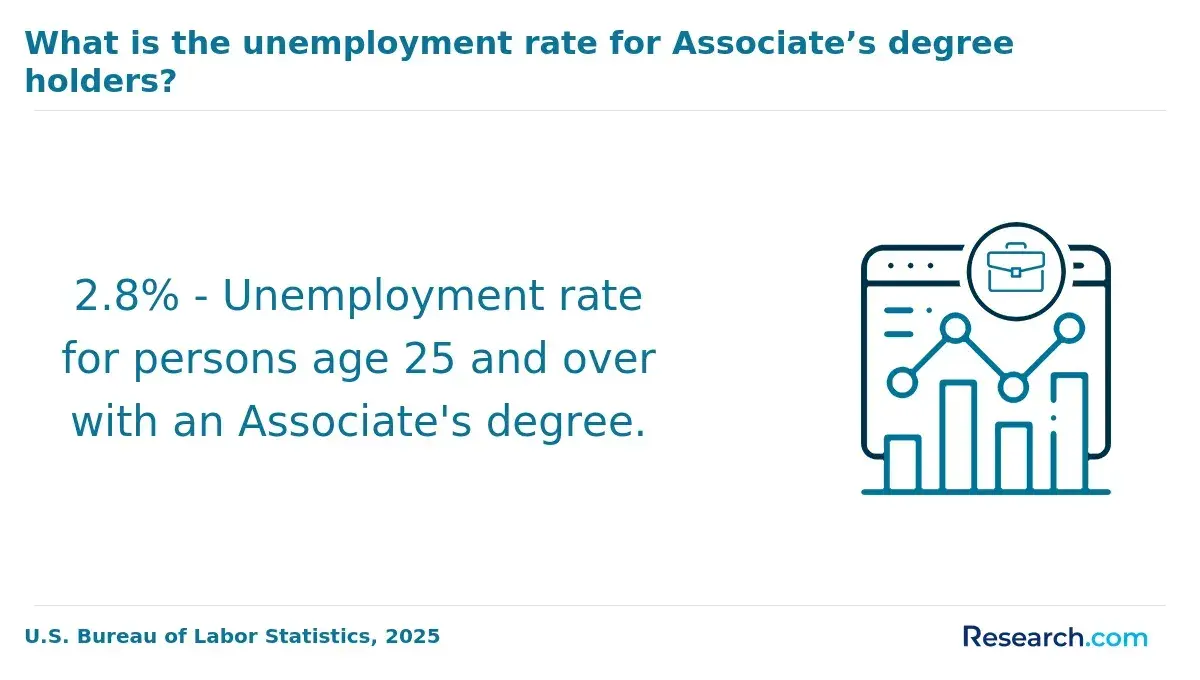
Associate degrees attract a narrower segment of students aiming for quicker workforce entry or intending to transfer into bachelor's programs, but they represent less than 10% of completions due to their limited scope and technical orientation. Master's degrees, accounting for roughly 15-18% of engineering graduates, cater mainly to those seeking specialization or advancement in emerging areas such as robotics and renewable energy. These programs are often pursued part-time alongside employment, reflecting a growing, but still secondary, preference among engineering students balancing work and study commitments.
Doctoral pathways remain the least common, comprising only 2-3% of engineering completions and appealing primarily to candidates targeting research-driven careers in academia or national labs. The rigorous demands and narrower labor market for PhDs reinforce this low prevalence. Prospective and current students should weigh these enrollment patterns against their own career goals, recognizing that while bachelor's degrees dominate for broad employability, advanced degrees have distinct roles tied to specialization and research intensity within the evolving engineering landscape.
How Do Enrollment Trends Differ Between Associate, Bachelor's, Master's, and Doctoral Engineering Degrees?
Enrollment patterns across associate, bachelor's, master's, and doctoral engineering degrees reveal distinct decision-making factors tied to career outcomes and workforce demands. Associate degrees tend to attract a diverse, often local student population focused on immediate technical employment or serving as a cost-effective stepping stone toward higher credentials. In contrast, bachelor's programs dominate enrollment due to their central role in qualifying students for professional engineering roles and licensure; however, regional differences-such as the faster growth seen in Southern and Western U.S. states driven by expanding tech sectors-highlight how local economies shape educational choices and demographics.
Graduate-level enrollment illustrates a growing emphasis on specialization and experience integration, with master's programs increasing near 6% annually as working professionals seek niche skills in fields like biomedical and environmental engineering, reflecting increasing demand across healthcare systems and sustainability sectors. Doctoral engineering enrollment remains steady but concentrated in research universities attracting international candidates aiming at academic and high-level R&D careers, underscoring the competitive nature and narrower accessibility of this path compared to other degree levels. These enrollment trends, including gender disparities where men form about 75% of bachelor's enrollees, impact educational planning and program selection for prospective students trying to align their goals with labor market realities.
Prospective students contemplating their educational paths should consider these nuances and tradeoffs, especially with varied program goals and outcomes. For those balancing work and study, options like a 1 year executive MBA online highlight the value of flexible, advanced credentials. Understanding how enrollment patterns vary across associate, bachelor's, master's, and doctoral engineering degrees in the United States assists in making informed decisions aligned with personal and professional trajectories.
How Popular Is the Engineering Degree Compared to Other College Majors?
Popularity rankings for engineering degrees often mask important distinctions in program accessibility, specialization breadth, and industry alignment that matter more for student outcomes than enrollment size alone. While engineering accounts for roughly 8% of bachelor's degrees awarded in the US, placing it among the top five fields according to 2024 National Center for Education Statistics data, its relative steadiness in growth contrasts with fluctuations seen in business or health professions. Many employers value engineering graduates for specialized skill sets, yet engineering's rigorous curriculum and concentration in math and science filter enrollment, resulting in smaller yet more focused cohorts compared to majors with broader appeal.
Gender and regional disparities further complicate perceptions of popularity. Women receive only about one-fifth of engineering bachelor's degrees, revealing persistent recruitment and retention challenges despite growing program availability at graduate levels. Regional clusters in states like California and Texas reflect local labor demand in technology and manufacturing, which influences both program expansion and student choice. For prospective students, the popularity of engineering should be weighed against these nuances-high demand in certain markets does not guarantee uniform opportunities nationwide, nor does larger enrollment imply easier access to specialized training.
An engineering graduate from the Midwest recalls feeling uncertain when enrolling, noting that their initial cohorts were noticeably smaller than those in business or social sciences, which sparked doubts about program appeal and career prospects. Conversations with advisors highlighted regional demand differences, affirming that while the major wasn't as crowded, it offered concentrated expertise aligned with local industries. This experience underscored the importance of understanding enrollment patterns beyond popularity metrics, focusing instead on how program scale and specialization might shape networking and job placement opportunities.
Why Is the Engineering Degree More Popular in Certain States and Regions?
The popularity of engineering degrees varies notably by state and region due to the interplay of local industry concentration, employer demand, and accessible educational resources. For example, states like Texas and Michigan leverage their strong manufacturing and automotive sectors to sustain higher enrollment in engineering programs, reflecting regional workforce needs. These localized demand patterns influence where students choose to study and work, as graduates often find that degree value and networking opportunities align closely with regional industry prominence. Understanding these dynamics helps clarify why engineering degree popularity by state regions is not solely a matter of student preference but a practical response to economic and labor market realities.
State educational policies and investments in STEM infrastructure also play a significant role in shaping regional enrollment trends. Flagship universities and technical colleges that offer accredited engineering disciplines increase local access, encouraging more students to complete these degrees. Meanwhile, demographic factors such as younger populations or population growth bolster enrollment in certain regions, while aging workforces can either drive demand for new engineers or cause declines if younger talent migrates away. Additionally, the rise of online learning has begun to alleviate some geographic constraints, although employers may still favor graduates from local institutions to meet specific regional requirements and networks-an important consideration for students deciding where to pursue their education.
These regional factors influencing engineering degree enrollment have practical implications for students weighing program options and career pathways. Prospective and current engineering students should assess how local industry demands and program availability impact not only educational access but also long-term employability and professional connections. Decisions around degree specialization, institution choice, and even supplementary credentials-such as an accelerated master's in psychology online in complementary fields-can be informed by these regional variations, underscoring the importance of context-aware, outcome-focused planning.
What Demographic Groups Are Driving Growth in Engineering Degree Programs?
The rising participation of women in engineering programs, now accounting for roughly 25% of bachelor's graduates, reflects more than just demographic change; it signals shifts in employer expectations and institutional outreach that prioritize diverse talent pipelines. This increase affects classroom dynamics, peer collaboration, and retention strategies, underscoring the ongoing need for universities to adapt support mechanisms to address historical barriers that female students still encounter. While this growth offers expanded perspectives and problem-solving approaches valued by many industries, prospective students should weigh how program culture and resource availability might shape their educational experience.
Geographic growth predominantly in Southern and Western states aligns closely with regional economic expansion in technology sectors, which fuels demand for local engineering talent and influences enrollment patterns. This concentration creates localized hiring ecosystems but may also intensify competition and pressure on institutions to scale capacity rapidly, occasionally challenging program quality and personalized instruction. Additionally, the demographic diversification seen in these areas, particularly the rising share of Hispanic and Native American students, signals evolving workforce needs that industry and academic partnerships must address to foster equitable professional pathways.
Adult and online learners increasingly drive enrollment growth, reflecting workforce transitions and the necessity for flexible learning modalities amid rapid technological advances. However, the predominantly undergraduate participation of first-generation college students highlights a critical gap in graduate-level accessibility and retention, suggesting that support services and career advising require calibration to sustain these students beyond initial degree completion. These shifts compel educators and employers to recognize varied student motivations and obstacles, tailoring program delivery and recruitment to better align with evolving labor market demands and learner circumstances.
What Is the Future Outlook for Engineering Degree Enrollment by Gender, Region, and Degree Level?
Engineering degree enrollment is poised to increase unevenly, with growth concentrated in regions experiencing economic expansion and among graduate-level programs emphasizing professional skills acquisition. While bachelor's degrees still represent the majority of engineering students, the accelerating demand for advanced qualifications-driven by employer preferences for specialization and applied experience-is likely to elevate master's degree enrollment, especially through online formats that accommodate working professionals. This shift signals a practical tradeoff: individuals pursuing engineering degrees must weigh the benefits of deeper expertise against the time and financial commitments required, with graduate study becoming more relevant for career advancement in complex or interdisciplinary engineering roles.
Gender disparities remain a significant factor shaping access and participation in engineering education. Women comprise about 31% of undergraduate engineering students nationally, a figure that has grown modestly but reflects ongoing structural and cultural barriers. These gender imbalances, combined with limited K-12 STEM outreach targeting girls, suggest that closing this gap will remain a gradual process. Regional characteristics further complicate this landscape; Sun Belt states are witnessing enrollment surges tied to expanding tech and manufacturing sectors, whereas many rural and economically stagnant areas face declining or static participation due to constrained institutional resources and fewer local employment prospects. Students and workforce stakeholders must consider how these demographic and geographic realities affect program availability, networking opportunities, and labor market trajectories within engineering fields.
How Have Engineering Degree Enrollment Trends Changed Over the Past Decade?
Shifts in engineering degree enrollment trends in the United States over the past decade reveal important nuances for students and workforce stakeholders focusing on gender, region, and degree level. While total bachelor's completions increased about 15% from 2014 to 2024, this growth is unevenly distributed. Notably, women's participation edged upward from roughly 20% to 25%, reflecting meaningful yet incomplete progress in addressing gender imbalances that persist within STEM fields. These changes are influenced by targeted outreach, scholarships, and evolving cultural norms, but retention challenges remain, especially when viewed alongside varied regional outcomes.
Regional disparities complicate the national picture. Enrollment growth clusters in technology-heavy states like California, Texas, and Michigan, driven by labor market opportunities favoring engineering graduates. Conversely, rural and economically disadvantaged areas experience stagnation or declines, resulting from limited program availability and institutional resources that restrict student access. Increased demand for graduate-level engineering education, particularly master's degrees, also signals an emerging trend toward specialization and adaptation to employer expectations for advanced technical skills.
These enrollment trends underscore the importance of strategic educational decisions and workforce alignment for prospective students and professionals analyzing engineering degree enrollment trends in the United States over the past decade. Considering program availability, regional economic context, and gender disparities is essential, especially as online and hybrid formats grow but vary in effectiveness. Students should critically compare disciplinary options, including related fields like the graphic design bachelor degree, to ensure their chosen pathway aligns with long-term employability and shifting labor demands.
Where Is the Engineering Degree Most Popular Across the United States?
Engineering degree popularity clusters in states and regions where local economic structures and workforce demands align closely with the technical skills graduates offer. Areas with strong manufacturing, technology, and energy sectors naturally sustain higher degree completion rates, as seen in parts of the Mountain West and Midwest. These regions not only provide a pipeline of employment opportunities but also concentrate specialized educational programs and research funding, factors essential for sustained student interest and practical training. The regional variations highlight how the availability of programs and industry presence directly influence the distribution of engineering degree enrollment across the US.
The top regions for engineering degree enrollment across the US reflect this interplay between workforce demand and institutional capacity. East Coast metropolitan hubs, supported by research universities and federal agencies, maintain high degree output, especially for advanced levels, which benefits students seeking cutting-edge opportunities. Conversely, Southern states, despite emerging technology corridors, register relatively lower per capita completions, partially due to fewer established research centers and alternative labor market focuses. Geographic concentration affects networking environments and degree value perceptions, which prospective students must consider when evaluating where to study or launch careers.
Such regional disparities also shape demographic patterns within engineering fields, influencing access and diversity in educational attainment. For those exploring technical career choices, including related paths like forensic career paths, understanding these dynamics is critical to aligning educational investments with realistic employment outcomes.
References:
- 40 Different Types of Engineering Degrees https://typesofengineeringdegrees.org/
- College Numbers Down, Degrees Up: Understanding the Post-2010 Enrollment Shift — The Burning Glass Institute https://www.burningglassinstitute.org/bginsights/college-numbers-down-degrees-up-understanding-the-post-2010-enrollment-shift
- U.S. Degree Attainment - Society of Women Engineers https://swe.org/research/2026/us-degree-attainment/
- Slow Growth Continues in Engineering Degrees, Among Underrepresented Groups https://www.nspe.org/career-growth/pe-magazine/january-2020/slow-growth-continues-engineering-degrees-among
- How Have the Top 25 Most Popular College Majors Changed Over Time? - StudentChoice.org https://www.studentchoice.org/news/how-have-the-top-25-most-popular-college-majors-changed-over-time/
- Most Popular Engineering Majors in the U.S. — Weil College Advising https://www.weilcollegeadvising.com/blog/most-popular-engineering-majors-in-the-u-s
- From A levels to engineering – exploring the gender gap in higher education https://www.engineeringuk.com/research-and-insights/our-research-and-evaluation-reports/from-a-levels-to-engineering-exploring-the-gender-gap-in-higher-education/
- Online Degree vs. Traditional: Choosing the Right Path https://beal.edu/online-degree-vs-traditional/
- Major changes: Gender shifts in undergraduate studies over time https://aibm.org/research/major-changes-gender-shifts-in-undergraduate-studies-over-time/
- Online Degree vs. Traditional | University of Arkansas Grantham https://www.uagrantham.edu/blog/pros-cons-online-degree-vs-traditional-university/
Other Things You Should Know About Engineering
Gender imbalances remain prominent in many engineering programs, especially in fields like mechanical or electrical engineering, where males often outnumber females significantly. This disparity can affect collaboration styles, participation levels, and even the design of course materials, which may unconsciously cater to majority demographics. Prospective students should consider how these dynamics might influence their classroom experience and seek programs with demonstrated commitments to inclusive environments, as this often correlates with richer peer learning and broader perspectives in problem-solving.
Regions with higher gender diversity in engineering programs often have stronger support networks, mentorship opportunities, and targeted resources for underrepresented groups. Conversely, programs in less diverse areas might offer smaller class sizes or more personalized faculty attention but risk reinforcing existing biases or isolation. Students prioritizing a collaborative and inclusive culture may benefit more from geographically diverse programs, while others focused on receiving more individualized instruction might accept the tradeoff of a homogenous environment.
Advanced degree levels like master's and doctoral programs involve a sharper specialization and significantly greater research or project workload compared to bachelor's degrees. Students should anticipate a shift from broad foundational learning to in-depth problem-solving within niche areas, which demands self-directed study and often independent innovation. Those weighing career outcomes should consider whether specialized expertise aligns with their goals, as not all engineering roles require or reward advanced degrees equally, and the intense time commitment may delay entry into the workforce.
Students in underrepresented gender groups face complex choices between programs recognized for diversity and inclusion and those prized solely for academic prestige. Prioritizing diversity-rich programs can provide better social support, reduce imposter syndrome, and improve retention, which are crucial for long-term success. However, higher-ranked programs may offer better industry connections and resources. A balanced approach is to evaluate how diversity initiatives translate into real support and opportunities rather than accepting reputational claims, ensuring the chosen program fosters both belonging and career advancement.