2027 Remote Work Report for Engineering Graduates: Flexible Roles, Pay, and Hiring Trends

Co-Founder and Chief Data Scientist
Graduates entering the remote job market often face a maze of options without a clear map. Engineering graduates must assess which flexible roles match their skill sets while navigating varied pay scales influenced by company size, location, and project scope. Recent data shows 42% of US Engineering employers prefer hybrid or fully remote hires, signaling a shift in recruitment approaches.
This trend affects which specialties command higher pay and which require in-person presence. This article breaks down remote Engineering roles, compensation benchmarks, and hiring trends to help graduates make informed decisions and align expectations with practical employment realities.
Key Points About Working Remotely for Engineering Graduates
- Remote engineering roles offer average salaries between $70,000 and $110,000, varying by specialization and experience, which emphasizes the need to target high-demand technical niches for better compensation.
- Typical flexible roles include software development, systems design, data analysis, and quality assurance, while hands-on fields like civil or mechanical engineering remain limited in remote opportunities.
- Graduates should develop strong digital communication and collaboration tool proficiency to align with employers that value established remote workflows, as hiring cycles for remote positions often require demonstrable remote work readiness.
- Key Points About Working Remotely for Engineering Graduates Key Points About Working Remotely for Engineering Graduates
- Are there remote work opportunities in the Engineering industry? Remote Opportunities
- Which Engineering niches offer remote roles? Which Engineering niches offer remote roles?
- What entry-level Engineering roles allow remote work? Entry-Level Roles
- What is the average salary of Engineering graduates who are working remotely? Average Salary
- Do remote Engineering jobs pay the same as on-site roles? Pay Comparison
- What benefits do remote Engineering employees receive? What benefits do remote Engineering employees receive?
- Where can Engineering graduates look for remote jobs? Where to Find Jobs
- What do Engineering employers look for in candidates? What do Engineering employers look for in candidates?
- How can Engineering graduates prepare for remote roles? Preparing for Remote Roles
- How can Engineering graduates if remote roles are a good fit for them? How can Engineering graduates if remote roles are a good fit for them?
Are there remote work opportunities in the Engineering industry?
Remote work options for entry-level Engineering graduates remain limited, reflecting the hands-on nature of many roles. Only about 20% of early-career Engineering positions are fully remote, while roughly 50% offer hybrid models. This split shows that employers seek a balance between flexible work and access to physical resources.
Flexible arrangements vary widely depending on regional labor laws and company workflows. For instance, firms in states with strong on-site safety regulations may limit remote shifts, while others leverage cloud-based tools and simulation software to enable distributed collaboration. Such distinctions affect candidates' practical experience and mentorship availability.
A 2024 industry survey found 68% of Engineering firms expect employees to spend at least half their time on-site. This expectation highlights the cautious adoption of remote work compared to other sectors, emphasizing that early-career engineers often require in-person training and equipment access to develop critical skills.
Graduates considering remote roles must weigh location freedom against fewer hands-on opportunities. The evolving market demands adaptability but retains clear preferences for hybrid or on-site presence to meet precise technical and collaborative needs within Engineering disciplines.
Which Engineering niches offer remote roles?
Remote roles in Engineering are concentrated in niches where workflows rely primarily on digital tools, data interpretation, and design tasks rather than physical presence. This flexibility aligns with employer expectations around productivity in distributed environments. For example, software engineers working on application development can collaborate asynchronously using version control and cloud platforms, making remote setups practical and efficient. Below are some of the top remote-friendly Engineering niches that highlight why their tasks suit flexible work arrangements.
- Software Engineering: Focuses on coding, system architecture, and software development. These tasks are inherently digital and thrive with remote collaboration tools, contributing to a 17.5% increase in remote job openings.
- Systems Engineering: Involves managing complex processes and integrating systems via simulation software. Remote work fits well due to heavy reliance on virtual coordination rather than hands-on activities.
- Electrical Engineering: Centers on circuit design and embedded systems programming. Remote testing and simulation technologies enable flexible work options, supported by recent 11.2% growth in remote roles.
- Civil and Structural Engineering: Traditionally on-site, but subfields like Building Information Modeling (BIM) and infrastructure planning can be done remotely as they depend on digital modeling software. This area has seen a 9.8% growth in remote hiring.
- Environmental Engineering: Specialists use remote sensing and predictive modeling for data analysis and consulting, contributing to a 14.3% rise in remote job placements.
Manufacturing and Mechanical Engineering commonly require on-site prototyping and testing, which limits remote opportunities. Graduates exploring flexible remote careers should consider these distinctions along with the practicalities of leveraging the relevant software tools. For comprehensive insights on degrees with strong remote potential, explore the best bachelor degrees to get in fields compatible with remote Engineering roles. This targeted approach helps align career planning with evolving labor market demands in remote Engineering niches.
What entry-level Engineering roles allow remote work?
Entry-level Engineering roles that allow remote work require candidates to combine technical proficiency with strong digital communication skills. These positions suit graduates who can deliver project components independently while staying engaged through virtual collaboration tools. The growing presence of flexible remote roles for new Engineering graduates reflects employer recognition that many foundational tasks in software development, systems design, and data management can be managed offsite.
Below is a summary of common remote entry-level Engineering jobs in the US.
- Junior Software Engineer: Focuses on coding and debugging within agile teams, typically requiring knowledge of platforms like GitHub and AWS. Remote work is facilitated by cloud-based version control and collaboration tools that enable asynchronous development and code reviews.
- Systems Analyst: Involves evaluating client needs, defining system specifications, and documenting workflows. Proficiency in project management software such as JIRA or Confluence allows analysts to coordinate and communicate effectively from remote locations.
- CAD Designer: Produces detailed 2D and 3D technical drawings using AutoCAD or SolidWorks. The ability to share and revise models online supports remote workflows without loss of precision or collaboration quality.
- Quality Assurance Engineer: Conducts automated and manual testing using tools like Selenium and TestRail. Coordination with dispersed development teams is achievable through integrated testing platforms and cloud reporting.
- Data Engineer: Extracts, transforms, and loads data pipelines via Python frameworks and cloud services. Remote access to databases and analytics environments allows these engineers to deliver critical data assets without onsite presence.
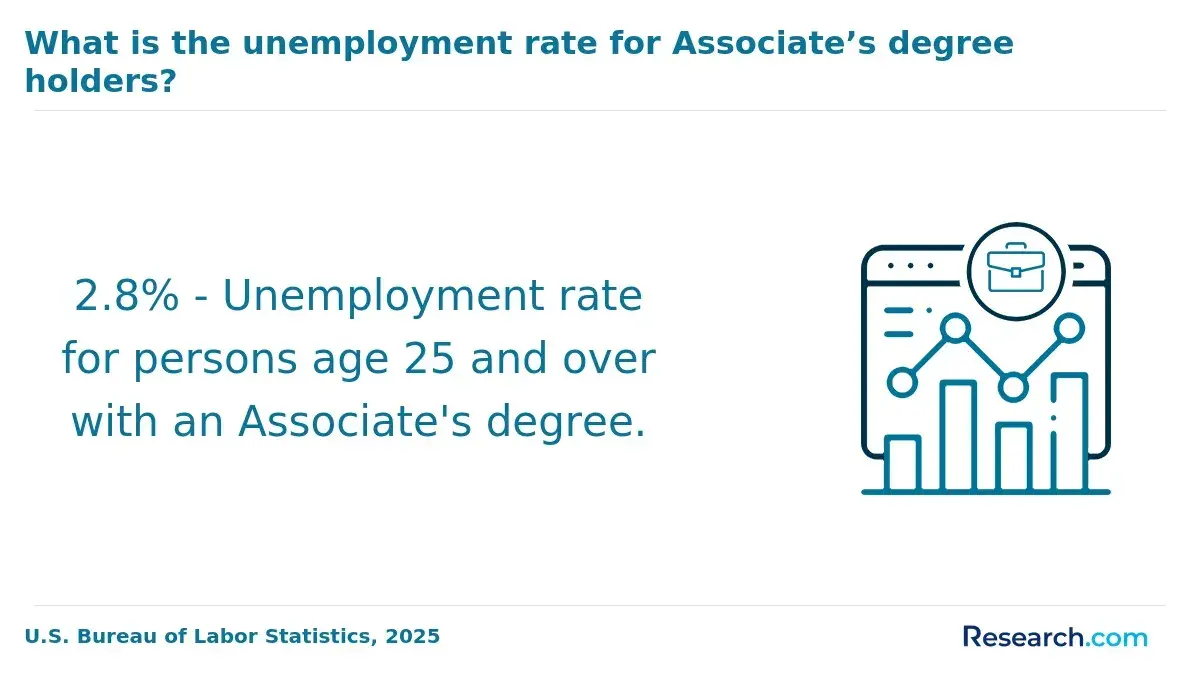
Proficiency in cloud computing, Microsoft Teams, Slack, and Zoom is typically expected across these roles. Certification programs such as AWS Certified Cloud Practitioner or Certified SOLIDWORKS Associate further validate readiness for remote work. A recent study shows 38% of entry-level Engineering job listings mention remote or hybrid options, signaling increased but not yet universal flexibility for new graduates. This trend matters because early-career engineers must balance gaining remote-friendly skills with opportunities for hands-on mentorship and onsite training.
Prospective applicants exploring remote paths should consider specific role demands carefully. For graduates uncertain about when to transition to remote work, programs offering specialized credentials may facilitate smoother remote employment after foundational onsite experience. For those interested in flexible educational routes supporting remote readiness, reviews of the most affordable online school counseling degrees can offer insight into accessible online training models relevant to technical and soft skills development.
What is the average salary of Engineering graduates who are working remotely?
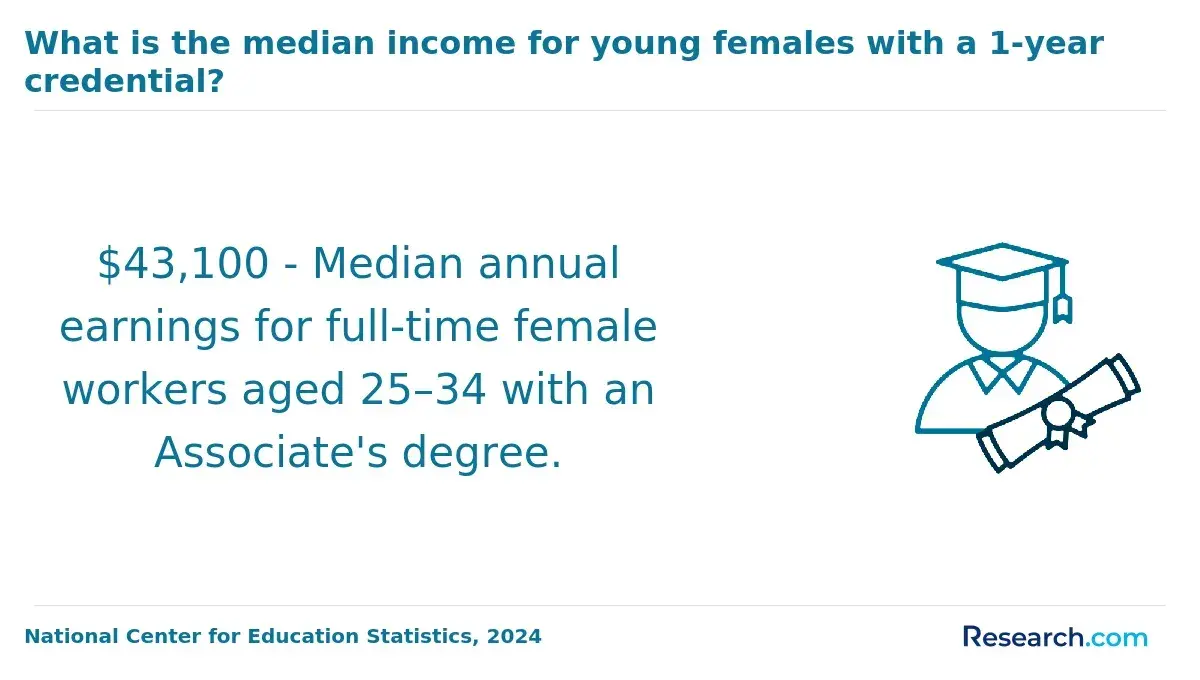
Engineering graduates working remotely typically start with median salaries between $70,000 and $78,000 annually. Entry-level compensation in remote roles aligns closely with traditional office pay but reflects increasing remote acceptance. This range sets a practical expectation for entry-level talent evaluating remote Engineering options.
Salary variation depends strongly on technical requirements and certifications tied to roles. Specialized skills and practical experience can push earnings higher, emphasizing the need for focused development beyond general Engineering degrees. Certification programs and niche expertise often determine who commands top-tier remote salaries.
Compared to related fields like computer science or information technology, remote salaries for Engineering graduates are somewhat competitive but usually slightly lower at entry level, often falling short of the $75,000-plus typical in those industries. This suggests graduates must weigh role flexibility against pay scale differences carefully.
Recent data indicate about 35% of entry-level engineers now hold roles with some remote flexibility, highlighting a growing hiring trend. Access to remote work opportunities may also increase through additional credentials such as 6-week online courses with certificates, which can enhance employability in this evolving job market.
Do remote Engineering jobs pay the same as on-site roles?
Remote engineering roles typically pay about 7.5% less than on-site positions, reflecting an often significant compensation gap. This difference exists despite overall packages balancing travel savings with increased home-office support. Such figures from a recent workforce study highlight that remote work rarely equals on-site pay in absolute terms.
Salary disparities largely depend on local market adjustments. Employers commonly base pay on geographic location rather than a national standard. For example, a graduate living in a lower-cost region faces reduced earnings compared to someone on-site in a high-cost urban center, even when performing comparable work remotely.
Compensation structures also vary by company policy. In some cases, reduced travel stipends offset increased home-office budgets, creating trade-offs rather than straightforward pay cuts. Graduates must assess these mixed components to understand their effective remuneration rather than focusing solely on base salary.
This fragmented approach affects long-term career income trajectories. Awareness of locational pay tendencies and company-specific remote policies shapes decision-making, especially when flexibility clashes with earning potential for engineering graduates considering remote roles.
What benefits do remote Engineering employees receive?
Remote Engineering employees gain access to benefits that address both traditional needs and the unique challenges of off-site work. These packages are often designed to maintain engagement and productivity in settings where physical separation can hinder routine collaboration. For example, a junior engineer recently chose between two offers based on which employer provided a robust home office stipend coupled with mental health support, recognizing that these perks would directly impact daily workflow and wellbeing. Below are key benefits commonly offered by companies to remote Engineering staff.
- Home Office Stipends: Many companies allocate monthly allowances, averaging $125 according to recent data, to offset expenses like equipment, furniture, and reliable internet. This compensation reduces the financial burden of creating an effective workspace and signals the employer's commitment to worker productivity.
- Flexible Time-Off Policies: Remote roles increasingly include adaptable vacation and sick leave options, allowing engineers to balance personal and professional demands without rigid schedules. Flexibility is crucial given the potential for blurred boundaries in remote settings.
- Healthcare and Retirement Plans: Standard benefits remain foundational, providing remote employees with essential coverage and future security. These offerings reduce turnover by meeting core financial and health needs consistently.
- Certification Reimbursement: Companies often support continued education through paid certifications, helping early-career engineers sustain competitive technical skills and advance despite physical distance from onsite learning opportunities.
- Mental Health Resources: A growing number of firms provide virtual counseling and wellness tools, addressing isolation risks linked to remote work and promoting sustained engagement and resilience among Engineering professionals.
A senior remote engineer shared that the home office stipend was decisive when accepting their role, easing initial anxieties about up-front equipment costs. They noted, "Having that financial support felt like the company understood the realities of remote work, which made me more confident about my long-term fit there." They also found flexible time-off essential for managing burnout, adding a layer of control over their work-life balance that onsite roles rarely offered. This combination of benefits shaped not only their productivity but their overall sense of inclusion and value as a remote team member.
Where can Engineering graduates look for remote jobs?
Engineering graduates must strategically combine broad visibility with specialized channels to successfully find remote jobs. For example, a recent graduate focusing on hardware design may find thousands of applicants on general job boards like Indeed but would gain a competitive edge by leveraging niche platforms or professional associations. Notably, recruitment data shows only about 30% of online applications through generic sites convert to interviews for entry-level remote engineering roles, emphasizing the need to diversify search methods. The following list outlines key resources that balance scale with targeted opportunities.
- Indeed and Glassdoor: These general job boards aggregate extensive remote engineering listings across various disciplines. Their strength lies in volume and accessibility, providing a starting point for broad searches. However, they often suffer from high application traffic, which dilutes candidate visibility and response rates.
- AngelList: Focused on startup companies, AngelList targets software engineers and related fields. It matches candidates directly with founders and HR teams who prioritize remote flexibility. This platform is effective for graduates seeking dynamic roles where deep technical and entrepreneurial alignment matters.
- GitHub Jobs: Leveraging developer profiles and contributions, GitHub Jobs connects engineers to remote roles emphasizing software and embedded systems. Its community-driven nature enables employers to assess candidates' practical skills beyond resumes, improving match quality for specialized positions.
- LinkedIn Networking: More than a job board, LinkedIn focuses on relationship-building with recruiters and passive talent scouts. It works well for those exploiting referrals or niche postings that are not publicly advertised. Graduates actively engaging in relevant groups may find opportunities overlooked by broad applications.
- Professional Associations (IEEE, ASME): These organizations provide exclusive job listings and insider access to sector-specific remote positions. Membership embeds candidates in a trusted network where referrals and hidden openings flourish, which often leads to roles unattainable through commercial platforms.
What do Engineering employers look for in candidates?
Effective remote hiring for Engineering roles demands candidates with specialized fluency that aligns closely with project requirements and the challenges of distributed work. For example, a software engineer collaborating across time zones must independently handle integration of cloud-based services while coordinating updates asynchronously. Employers value a blend of technical skills and practical demonstrations that predict sustained success in remote settings. Below are key qualifications that hiring managers prioritize when screening candidates for remote Engineering roles.
- Advanced Programming Languages: Mastery of languages like Python or C++ is essential. Assessments often focus on coding challenges that reveal an applicant's ability to develop robust algorithms and scalable solutions, skills necessary for complex, modular project components executed remotely.
- Cloud Platform Proficiency: Knowledge of AWS, Azure, or similar platforms is increasingly a baseline. Employers verify this through portfolio examples and simulated cloud deployments, as remote teams rely heavily on cloud infrastructure for collaborative and continuous integration tasks.
- DevOps and Automation Tools: Competence with Docker, Kubernetes, and CI/CD pipelines is critical. Practical tests evaluate candidates on managing containerized environments and automation workflows, ensuring efficient software delivery despite geographic separation.
- Technical Certifications and Portfolio Milestones: Certifications in cybersecurity or data analytics add measurable value. Recruiters give weight to project-based portfolios that showcase hands-on experience, prioritizing demonstrable skills over formal academic credentials, reflecting the shift in Remote Engineering job requirements for recent graduates.
- Version Control and Collaborative Practices: Proficiency with tools like Git is vital. Real-world problem-solving tests and portfolio reviews confirm candidates can manage asynchronous contributions, maintain code integrity, and adapt independently without constant oversight.
A landmark industry study found 78% of remote Engineering hires were screened using cloud computing proficiency as a key benchmark, while over 65% demonstrated expertise through hands-on portfolios rather than formal diplomas. This underscores the practical orientation shaping Engineering employers' expectations.
Graduates exploring remote roles should strategically build their skills and portfolios in alignment with these priorities. For those weighing educational pathways, consulting masters degrees that make the most money can be a useful guide to balance formal credentials and marketable skills.
How can Engineering graduates prepare for remote roles?
Engineering graduates vying for remote roles must combine technical skills with remote work fluency to stand out. A real-world example is a recent graduate who secured a remote software development position by mastering collaborative tools and assembling a project portfolio that highlighted independent problem-solving.
Below are key strategies for remote work preparation for Engineering graduates, emphasizing actionable readiness steps and their value in flexible remote Engineering roles.
- Master Remote Collaboration Tools: Become proficient in digital tools like Git, Jira, and cloud platforms. These tools streamline version control, project tracking, and communication, enabling graduates to integrate seamlessly into dispersed teams without direct supervision.
- Pursue Specialized Certifications: Engage in targeted training such as DevOps, cybersecurity fundamentals, or data analytics. This bridges the gap between theoretical knowledge and remote-specific skills. Graduates completing these programs can increase their likelihood of hire by around 27.5%, underscoring the competitive advantage of remote-readiness credentials.
- Build a Relevant Project Portfolio: Create independent projects simulating real-world remote challenges. Include detailed documentation and version control to demonstrate autonomy and clear communication, essential for employers who can't assess candidates in person.
- Optimize Home Workstation Setup: Ensure reliable high-speed internet, quality webcams, and noise-cancellation devices. Addressing practical barriers to remote productivity signals professionalism and readiness beyond just coding abilities.
- Develop Remote-Friendly Soft Skills: Focus on time management and written communication. These are critical differentiators in evaluations since successful remote work depends heavily on structured self-discipline and clear asynchronous interaction.
For those also considering roles beyond Engineering, exploring jobs for introverts that pay well might provide additional pathways aligned with skills suited for remote work environments.
How can Engineering graduates if remote roles are a good fit for them?
Engineering graduates must critically assess their personal work habits and professional expectations to determine if remote roles are a sustainable fit. For example, an early-career mechanical engineer found remote work challenging due to limited immediate access to mentors and hands-on collaboration, which delayed project troubleshooting. Such experiences highlight the need to weigh specific criteria before committing to a distributed role.
The following factors provide a structured approach to evaluating compatibility with remote Engineering positions:
- Self-Discipline and Time Management: Remote positions demand strict adherence to schedules and independent prioritization as there is no direct supervision. Graduates should honestly evaluate their ability to create and maintain productive routines without external prompts. This trait is critical to prevent slipping productivity and missed deadlines.
- Communication Proficiency: Since remote teams rely heavily on written and asynchronous communication, clear, concise, and frequent information sharing is essential. Graduates must be comfortable with various digital collaboration tools and be willing to over-communicate to avoid misunderstandings that could stall projects.
- Technical Infrastructure Readiness: Reliable internet access and appropriate hardware and software are foundational. Candidates must verify they have consistent connectivity and the technical setup to handle specialized Engineering software and large data transfers without frequent interruptions.
- Comfort with Limited Social Interaction: Remote work reduces spontaneous team interactions that contribute to idea exchange and mentorship. Graduates should assess how isolation might affect their motivation, learning opportunities, and overall job satisfaction.
- Adaptability to Asynchronous Workflows: Remote Engineering teams often span multiple time zones requiring flexible availability and tolerance for delayed responses. Graduates need to evaluate their willingness to adjust work hours and expectations around immediate feedback.
- Clarity on Employer Expectations: Knowing the organization's policies on responsiveness, availability, and off-hours communication helps prevent burnout. Graduates should seek clarity on these norms during interviews to align personal boundaries with employer demands.
- Work-Life Boundary Management: A 2024 study noted that 42% of remote Engineering employees struggled with blurred work-life boundaries, leading to stress and turnover. Graduates must honestly assess their ability to separate work from personal life to maintain long-term engagement.
One Engineering online degree program graduate recalled hesitating before accepting a fully remote role at a midsize firm because of concerns about missing team support. They initially tried strict scheduling and daily wrap-up emails to clarify progress and block distractions. Over time, they found remote work suited their preference for focused, uninterrupted effort and flexible hours, which improved their productivity and reduced commute stress. This pragmatic trial-and-error helped confirm that remote work aligned with their workflow preferences and professional development goals.
References
- Should You Study Engineering? Personality Quiz https://eduadvisor.my/quiz/engineering-career-quiz
- Top Schools with Online Engineering Degree Programs https://www.onlineengineeringprograms.com/
- 8 Ways to Determine Whether an Engineering Career Could Be Right for You https://jheng.com/8-ways-to-determine-whether-an-engineering-career-could-be-right-for-you/
- What to Look for in Your Engineering College | All Engineering Schools https://www.allengineeringschools.com/engineering-careers/article/choosing-engineering-college/
- How To Know If You Should Major In Engineering https://engineeringexpectations.com/how-to-know-if-you-should-major-in-engineering/
- Good engineering schools and engineering colleges in the US — Lantern College Counseling https://www.lanterncollegecounseling.com/insights/college-application-process-for-engineering-majors
- Competitiveness https://theroadtoengineering.com/2019/06/13/competitiveness/
- Top Free Online Resources Every Engineering Student Should Know https://www.tcetmumbai.in/top-free-online-resources-for-engineering-students.html
- Top Online Resources Every Engineering Student Should Use https://ineducationonline.org/2026/06/01/top-online-resources-every-engineering-student-should-use/
Other Things You Should Know About Engineering
Remote Engineering roles often depend heavily on virtual teamwork, which can slow down decision-making and problem-solving due to delayed feedback or miscommunication. Graduates should evaluate if they are comfortable with asynchronous work and have strong self-management skills, as prolonged coordination gaps can lead to productivity losses. Prioritizing roles that use well-established collaboration tools and have clear communication protocols can mitigate these challenges effectively.
Remote roles frequently reduce opportunities for spontaneous mentorship and immediate technical guidance, which can delay skill acquisition for recent graduates. This means you may need to seek out structured feedback sessions or be proactive in requesting support to maintain your learning curve. Those who thrive in remote settings often supplement mentorship gaps through online communities or formal training to compensate for less direct oversight.
Remote Engineering employees may face slower visibility and fewer informal networking opportunities critical for promotion decisions, especially in organizations that prioritize in-person presence. Graduates should consider if their target companies demonstrate a track record of equitable advancement for remote staff or have formalized virtual growth pathways. Prioritizing employers with transparent evaluation processes can safeguard against career stagnation due to physical distance.
Remote positions often blur the line between professional and personal time, increasing risk of burnout for Engineering graduates who are still establishing their work routines. It is essential to evaluate your ability to set and maintain clear work schedules, as inconsistent boundaries can reduce long-term job satisfaction and performance. Graduates should seek roles with defined expectations around availability and encourage employers that respect off-hours to protect their well-being.