2027 How to Become a Mental Health Counselor in Connecticut

Co-Founder and Chief Data Scientist
Becoming a mental health counselor in Connecticut means preparing for a licensed clinical role in a state where access to care remains a serious concern. Connecticut has met only 17.78% of its mental health shortage-area need (Health Resources and Services Administration, 2024), and one in four residents reported between one and 13 days of poor mental health in the past month (CT Data Collaborative, n.d.). For students and career changers, that creates both an opportunity and a responsibility: the path is meaningful, but it is also regulated, supervised, and academically demanding.
This guide explains how to become a Licensed Professional Counselor (LPC) in Connecticut, what education and supervised experience are required, where counselors work, which specializations may fit your goals, and how to evaluate the career’s salary, demand, costs, burnout risks, and advancement options. It is designed for prospective graduate students, counseling interns, associate counselors, and professionals considering a move into Connecticut’s behavioral health workforce.
Quick answer: How do you become a mental health counselor in Connecticut?
To become a licensed mental health counselor in Connecticut, you generally need to earn a relevant bachelor’s degree, complete a qualifying master’s degree in counseling or a closely related clinical field, obtain the Professional Counselor Associate credential before earning post-degree clinical hours, complete at least 3,000 hours of supervised clinical experience over not less than two years, pass the National Clinical Mental Health Counselor Examination (NCMHCE) or the National Counselor Examination (NCE), and apply for LPC licensure through the Connecticut Department of Public Health.
Key Things You Should Know About Becoming a Mental Health Counselor in Connecticut
- Connecticut continues to face a meaningful need for behavioral health professionals, especially as residents report anxiety, depression, substance use concerns, and difficulty accessing care.
- The projected growth rate for mental health counselors in Connecticut is 20% from 2020 to 2030, making the field a strong option for students seeking a service-oriented career with long-term demand.
- Mental health counselors in Connecticut earn an average annual salary of approximately $61,100, although compensation can vary by setting, specialization, experience, caseload, and whether the counselor works in private practice.
- The LPC pathway requires a master’s degree, 3,000 hours of supervised post-degree experience, and a passing score on the required licensure examination.
- Career growth often depends on supervised clinical quality, specialization, networking, continuing education, and the ability to manage workload and burnout.
| Decision point | What it means in Connecticut | Why it matters |
| Graduate education | You need a qualifying master’s degree for LPC licensure. | Your program must prepare you for clinical practice, supervision, and examination requirements. |
| Supervised experience | You must complete at least 3,000 hours of supervised clinical experience over not less than two years. | This is where you develop applied counseling skills and build eligibility for independent licensure. |
| Examination | Connecticut accepts the NCMHCE or the NCE for licensure. | Choosing the right exam preparation plan can reduce delays in your licensing timeline. |
| Career setting | Counselors may work in community agencies, hospitals, schools, private practices, or integrated health settings. | The setting affects salary, schedule, supervision quality, client population, and burnout risk. |
| Specialization | Options include substance abuse counseling, behavioral disorder counseling, marriage and family therapy, and school counseling. | A focused specialty can improve job fit and help you serve a clearly defined client population. |
- What does a mental health counselor do in Connecticut?
- What steps are required to become a mental health counselor in Connecticut?
- How should Connecticut students prepare for counseling careers?
- Why does practicum and internship experience matter?
- Which counseling specializations are available in Connecticut?
- How can Connecticut counselors move into advanced roles?
- Is Connecticut a strong state for mental health counseling careers?
- How strong is demand for counselors in Connecticut?
- What professional development options support long-term growth?
- What are the education requirements for marriage counseling in Connecticut?
- How can counselors reduce burnout and sustain their careers?
- Can LPCs move into school psychology roles?
- What financial support options may help counseling students and professionals?
- How is telehealth changing counseling work in Connecticut?
- What ethical and legal issues should Connecticut counselors understand?
- Can mental health counselors become school counselors?
- What are Connecticut’s continuing education and renewal expectations?
- What jobs can mental health counseling graduates pursue in Connecticut?
- What challenges should future counselors expect?
- Why specialize in substance abuse counseling in Connecticut?
What is the role of a mental health counselor in Connecticut?
Mental health counselors in Connecticut assess, diagnose, and treat emotional, behavioral, and psychological concerns through counseling and psychotherapy. They may support clients dealing with anxiety, depression, trauma, grief, relationship conflict, substance use, major life transitions, and stress related to school, work, family, or health. With around 31.7% of adults facing mental health disorders (KFF, 2023), counselors are part of a larger response to a clear public health need.
The work is not limited to one type of client or one clinical setting. A counselor in Hartford may work with adults experiencing acute stress and housing instability, while a clinician in a smaller town may serve families with limited access to specialty care. Others may work with children, older adults, veterans, college students, couples, or clients in recovery from substance use disorders.
In practice, a Connecticut mental health counselor may spend the day conducting intake assessments, developing treatment plans, providing individual or group therapy, documenting clinical notes, coordinating care with physicians or social workers, responding to crises, and consulting with supervisors or interdisciplinary teams. In private practice, counselors also manage scheduling, billing, referrals, and compliance responsibilities.
| Core responsibility | What it looks like in practice | Skills required |
| Assessment | Gathering client history, symptoms, risks, strengths, and treatment goals. | Clinical interviewing, cultural humility, risk assessment, documentation. |
| Treatment planning | Creating measurable goals and choosing appropriate counseling approaches. | Case conceptualization, ethical decision-making, evidence-informed care. |
| Therapy delivery | Providing individual, family, couple, or group counseling. | Active listening, empathy, boundary setting, intervention skills. |
| Care coordination | Collaborating with medical providers, schools, social service agencies, or recovery programs. | Communication, referral planning, confidentiality management. |
| Crisis response | Identifying safety risks and helping clients access urgent support when needed. | Calm judgment, legal awareness, supervision use, crisis intervention. |
- Client diversity: Connecticut counselors must be ready to serve clients from different cultural, linguistic, socioeconomic, and regional backgrounds.
- Settings vary widely: LPCs may work in schools, community mental health centers, hospitals, correctional environments, substance use programs, college counseling centers, and private practices.
- Access remains a major issue: Workforce shortages and service gaps mean counselors may face full caseloads and clients with complex, overlapping needs.
The role is best suited to people who can combine compassion with structure. Counseling requires emotional presence, but it also demands recordkeeping, ethical judgment, professional boundaries, and the ability to work within licensing rules and agency policies.
What are the steps to pursue mental health counseling in Connecticut?
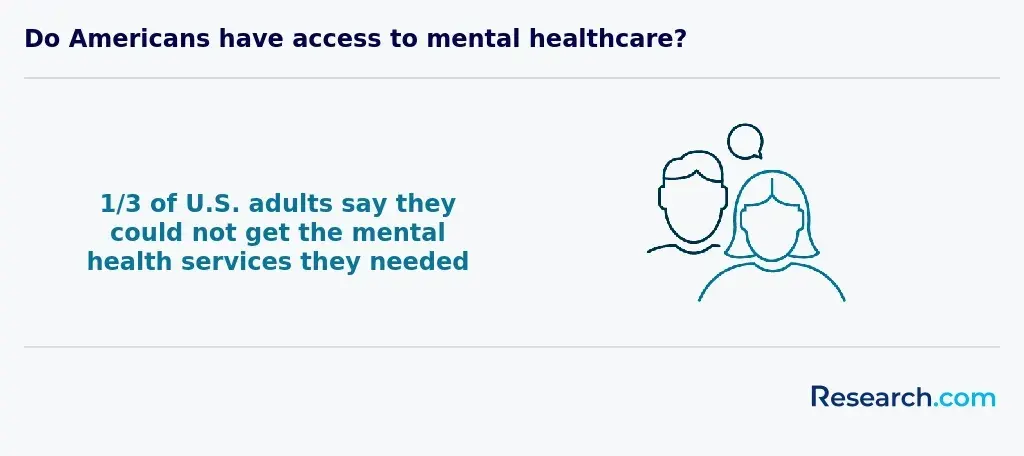
The Connecticut LPC pathway is structured because counselors provide clinical care to vulnerable clients. Each stage builds toward independent practice: undergraduate preparation, graduate education, supervised clinical work, examination, and licensure application. Because one-third of American adults are unable to access the mental health services they need (KFF, 2023), the pathway is not just a credentialing process; it is part of preparing a workforce capable of delivering competent care.
- Complete a bachelor’s degree. Most future counselors begin with an undergraduate major in psychology, counseling, social work, human services, sociology, or a related field. A bachelor’s degree alone does not qualify you for LPC practice, but it prepares you for graduate-level study in human development, research, ethics, and abnormal psychology.
- Earn a qualifying master’s degree. Connecticut LPC candidates need graduate education that prepares them for clinical mental health counseling. When comparing programs, look for coursework in counseling theory, assessment, diagnosis, ethics, multicultural counseling, group counseling, lifespan development, and clinical techniques. Students comparing related helping professions can review broader therapist education requirements to understand how counseling differs from psychology, social work, and therapy roles.
- Complete practicum and internship training. Graduate programs typically include supervised fieldwork so students can begin applying counseling skills before graduation. These experiences help students understand client care, documentation, supervision, crisis protocols, and professional expectations.
- Obtain the Professional Counselor Associate credential. Before earning the post-degree supervised clinical experience required for LPC licensure, candidates must apply for the Professional Counselor Associate credential.
- Accumulate supervised clinical hours. Connecticut requires at least 3,000 hours of supervised clinical experience, usually completed in not less than two years. Supervision quality matters; the best placements provide consistent feedback, exposure to ethical issues, and opportunities to work with the population you hope to serve.
- Pass the licensing examination. Candidates must pass either the National Clinical Mental Health Counselor Examination (NCMHCE) or the National Counselor Examination (NCE). Plan exam preparation early, especially if you are working full time while completing supervised hours.
- Apply for LPC licensure. After education, supervised experience, and examination requirements are met, candidates submit the LPC application to the Connecticut Department of Public Health with required documentation.
| Stage | Typical purpose | Common mistake to avoid |
| Bachelor’s degree | Build academic foundation for graduate counseling study. | Assuming any major automatically prepares you for counseling graduate admissions. |
| Master’s program | Meet graduate education expectations for clinical counseling practice. | Choosing a program without checking licensure alignment. |
| Practicum and internship | Develop direct client skills under supervision. | Treating fieldwork as a graduation requirement rather than a career-building experience. |
| Associate credential | Begin the supervised post-degree phase properly. | Earning hours before confirming they count toward Connecticut requirements. |
| 3,000 supervised hours | Gain post-degree clinical competence before independent licensure. | Accepting poor supervision or unclear documentation practices. |
| Exam and LPC application | Demonstrate readiness and receive state authorization to practice. | Waiting until the last minute to gather transcripts, supervisor forms, and records. |
How can students in Connecticut prepare for a career in mental health counseling?
Students should prepare for Connecticut counseling careers long before submitting an LPC application. The strongest candidates use undergraduate and graduate years to clarify their population of interest, build clinical readiness, and learn how licensure works in the state where they plan to practice.
- Choose programs with licensure in mind. Look for graduate programs that clearly explain how their curriculum supports Connecticut LPC eligibility. Programs evaluated by the Council for Accreditation of Counseling and Related Educational Programs (CACREP) may be especially worth reviewing because CACREP standards are widely recognized in counselor education.
- Prioritize supervised fieldwork quality. Ask where students complete practicum and internship placements, what populations they serve, how supervision is handled, and whether sites often hire graduates.
- Develop counseling-adjacent experience early. Volunteer or work in crisis lines, residential programs, youth services, recovery organizations, advocacy groups, or community health settings. These experiences can help you confirm whether the work fits your temperament.
- Build professional connections. Organizations such as the Connecticut Counseling Association and the American Counseling Association can help students learn about conferences, ethics updates, supervision practices, and job markets.
- Explore specialties before choosing electives. Students interested in recovery work can research addiction counseling career options, especially because the state's opioid and drug overdose deaths are higher than the national figures (KFF, 2023).
A practical preparation strategy is to work backward from your intended setting. If you want to work in a hospital, seek crisis, intake, or integrated care exposure. If you want private practice eventually, learn about diagnosis, billing, documentation, and referral networks. If you want to serve children or adolescents, choose placements and electives that build competence with families, schools, and developmental concerns.
How important is practicum experience for mental health counselors in Connecticut?
Practicum and internship experiences are essential because they move counseling students from classroom theory into supervised client care. Connecticut requires aspiring counselors to complete a minimum of 100 hours of supervised practicum and 600 hours of internship. These requirements help students practice core counseling skills while still receiving structured feedback.
Fieldwork is also where students often learn what kind of counselor they want to become. A student may enter graduate school planning to work with adults in private practice, then discover a strong fit with adolescents, addiction recovery, trauma treatment, or community mental health. Strong practicum and internship placements also help students build references and professional confidence before the post-degree supervised phase.
- Skill development: Students learn intake interviewing, treatment planning, case notes, crisis procedures, group facilitation, and therapeutic boundaries.
- Professional identity: Fieldwork helps students understand the differences among counseling, social work, psychology, psychiatry, case management, and peer support roles.
- Employment connections: Many students use practicum and internship placements to identify agencies that may later offer associate-level positions.
- Ethical readiness: Supervised client work exposes students to confidentiality, mandated reporting, informed consent, documentation, and dual-relationship concerns.
| What to ask about a field placement | Why the answer matters |
| What client populations will I serve? | Your placement should match your career goals or expose you to useful clinical diversity. |
| How often will supervision occur? | Reliable supervision is critical for skill growth, safety, and licensure preparation. |
| Will I provide individual, group, family, or crisis services? | The types of services you provide shape your clinical confidence and future employability. |
| What documentation system will I use? | Accurate records are a major part of professional counseling practice. |
| Do former interns get hired? | A placement with a hiring pipeline can make the transition after graduation easier. |
What specializations can mental health counselors in Connecticut pursue?
Mental health counseling is a broad field, and specialization can help counselors align their work with a specific client population or treatment need. In Connecticut, common specialty areas include addiction treatment, behavioral disorder counseling, marriage and family work, and school-based counseling services. The right choice depends on your clinical interests, tolerance for crisis work, preferred setting, and long-term career goals.
| Specialization | Typical clients or focus | Average annual salary stated for Connecticut | Best fit for counselors who... |
| Substance Abuse Counseling | Clients experiencing drug, alcohol, or compulsive behavior concerns; families affected by addiction; recovery planning. | Approximately $60,859. | Want to work in recovery programs, community agencies, rehabilitation settings, or crisis-informed care. |
| Behavior Disorder Counseling | Clients with concerns such as ADHD, oppositional defiant disorder, conduct disorder, or behavioral regulation needs. | Around $54,246 per year. | Are interested in behavior plans, child and adolescent care, family systems, and structured interventions. |
| Marriage and Family Therapy | Couples, families, and individuals working through relational conflict, communication patterns, and family stressors. | $72,100. | Prefer relational work and want to understand clients within family and couple systems. |
| School Counseling | Students’ academic, social, emotional, and career development in educational environments. | $70,800 in the state. | Want to support children or adolescents in schools and collaborate with families and educators. |
When choosing a specialty, do not focus only on salary. Consider whether you want predictable hours, crisis intensity, long-term therapy relationships, family involvement, insurance-based practice, or agency-based teamwork. A high-paying niche may not be sustainable if the clinical population does not fit your strengths.
Counselors comparing state-level licensing and demand may also find related information useful, including Kansas LPC job growth, but Connecticut candidates should always confirm Connecticut-specific requirements before making program or licensure decisions.
This chart shows the top specialization choices of counseling students in the U.S.
How can mental health counselors in Connecticut advance their careers?
Career advancement for Connecticut mental health counselors usually comes from a combination of licensure status, clinical specialization, supervision experience, leadership ability, and professional reputation. The first major milestone is moving from associate-level supervised work to independent LPC licensure. After that, counselors can choose whether to deepen clinical practice, supervise others, lead programs, open a private practice, teach, consult, or move into policy and administration.
- Add advanced clinical training. Certifications or structured training in trauma-focused cognitive behavioral therapy (TF-CBT), Certified Clinical Trauma Professional (CCTP) preparation, crisis intervention, addiction treatment, couples therapy, or evidence-informed modalities can strengthen your practice.
- Move into supervision or program leadership. Experienced LPCs may become clinical supervisors, intake directors, program managers, compliance leads, or behavioral health administrators.
- Develop a niche private practice. Some counselors focus on trauma, perinatal mental health, LGBTQ+ clients, couples, grief, addiction recovery, or anxiety disorders. Private practice can provide autonomy but also requires business, insurance, documentation, and referral skills.
- Engage in professional associations. Groups such as the Connecticut Counseling Association can provide continuing education, networking, and awareness of state-level practice issues.
- Consider related therapy pathways. If your goals extend beyond LPC practice, reviewing how to become a therapist in Connecticut can help you compare adjacent credentials and practice options.
| Advancement route | When it makes sense | Trade-off to consider |
| Clinical specialization | You want deeper expertise with a defined population or treatment approach. | Training can require time, cost, and ongoing consultation. |
| Supervision | You enjoy mentoring newer clinicians and reviewing clinical decision-making. | You carry responsibility for supervisee development and client-care quality. |
| Private practice | You want more autonomy over clients, schedule, and therapeutic focus. | You must manage business operations, referrals, billing, and risk. |
| Agency leadership | You want to influence systems, programs, staffing, and service delivery. | Administrative duties may reduce direct client-care hours. |
| Teaching or research | You enjoy training future counselors or contributing to the evidence base. | Additional academic qualifications may be expected for some roles. |
Is Connecticut a good place to work as a mental health counselor?
Connecticut can be a strong state for mental health counselors, but whether it is the right place for you depends on your career goals, cost expectations, preferred client population, and licensing plans. The state has substantial need for services, competitive pay compared with many areas, and a range of employment settings. At the same time, the cost of living and the intensity of demand can affect job satisfaction.
- Salary potential: Mental health counselors in Connecticut earn an average salary of around $60,000 to $90,000 per year, which is higher than the national average of $60,080. However, pay varies by employer, specialization, licensure status, and practice model.
- Cost of living: Connecticut's cost of living is 13% higher than the national baseline of 100. Higher pay may not translate into higher disposable income if housing, transportation, student loans, and commuting costs are substantial.
- Counseling Compact participation: Connecticut is a member of the Counseling Compact, which can support practice mobility across participating states with a single license once applicable processes are in place.
- Public mental health focus: State initiatives addressing children’s mental health, clinic capacity, and access to services can create opportunities for counselors interested in community-based care and outreach.
Connecticut may be a good fit if you want to work in a state with clear behavioral health needs, multiple clinical settings, and opportunities to specialize. It may be less ideal if you need a low cost of living, want immediate independent practice without a supervised period, or prefer a less regulated career path.
What is the demand for mental health counselors in Connecticut?
Demand for mental health counselors in Connecticut is significant because the state faces both rising need and workforce-capacity challenges. Connecticut anticipates 600 annual job openings for mental health counselors from 2020 to 2030. That figure reflects both growth and replacement needs as employers seek clinicians in community agencies, hospitals, schools, treatment centers, and private practices.
The need is visible in state service-use data. According to the state’s Evaluation, Quality Management, and Improvement (EQMI) Division (2023), facilities funded by the Department of Mental Health and Addiction Services (DMHAS) recorded 27,168 admissions to mental health services, while state-operated clinics accounted for 11,478 admissions. These numbers show the scale of demand across public behavioral health systems.
- Community-based agencies: These employers often serve clients with complex needs, including co-occurring mental health, housing, family, financial, and substance use concerns.
- Hospitals and integrated care settings: Counselors may support crisis stabilization, discharge planning, behavioral health screening, and coordination with medical providers.
- Private practices: Independent and group practices offer opportunities for outpatient therapy, often with more control over specialty and schedule after full licensure.
- Schools and youth programs: Counselors with relevant preparation may support students and families facing academic stress, trauma, behavioral issues, and emotional concerns.
The U.S. behavioral health market is projected to reach $136.6 billion by 2032, but students should not interpret market growth as a guaranteed job or salary outcome. Hiring depends on licensure status, clinical experience, employer budgets, insurance networks, location, and specialization. Professionals comparing New England markets may also review Vermont LPC career advice, while still confirming Connecticut-specific rules.

What additional professional development opportunities exist for mental health counselors in Connecticut?
Professional development helps Connecticut counselors stay clinically current, maintain ethical standards, and adapt to client needs. Good continuing education should do more than satisfy renewal expectations; it should improve the counselor’s ability to treat specific conditions, serve diverse populations, manage risk, and collaborate with other providers.
- Clinical methods training: Counselors may pursue workshops in cognitive-behavioral interventions, trauma-informed therapy, mindfulness-based practices, motivational interviewing, group therapy, or crisis work.
- Population-specific training: Useful areas include child and adolescent counseling, older adult mental health, addiction recovery, perinatal mental health, grief, family systems, and culturally responsive care.
- Ethics and legal updates: Training in documentation, telehealth, confidentiality, mandated reporting, informed consent, and boundaries can reduce professional risk.
- Interdisciplinary learning: Counselors who want a broader view of therapy careers can review how to become a therapist and compare counseling with related clinical professions.
What are the specific marriage counselor education requirements in Connecticut?
Marriage counseling and marriage and family therapy overlap with mental health counseling, but they are not always the same credential path. Professionals who want to specialize in couple and family systems should study relationship dynamics, family development, conflict resolution, systemic assessment, ethics, and supervised clinical methods for working with more than one person in the room.
Connecticut candidates interested in this route should verify whether they are pursuing LPC practice with a couples-focused specialty or a separate marriage and family therapy credential. The education, supervision, and licensing expectations may differ. For a more focused explanation of the pathway, review the guide to marriage counselor education requirements in Connecticut.
How can mental health counselors effectively manage burnout in Connecticut?
Burnout is a real risk in counseling, especially in high-need environments where caseloads are heavy, clients face complex trauma, and administrative demands are constant. Burnout prevention should begin during training, not after a counselor is already exhausted.
- Use supervision actively. Supervision is not only for new clinicians. It is a place to review difficult cases, countertransference, ethical concerns, and clinical fatigue.
- Set clear workload boundaries. Counselors should monitor caseload size, crisis coverage, documentation time, and after-hours communication expectations.
- Build peer consultation. Trusted peers can help normalize challenges, provide perspective, and reduce isolation.
- Schedule recovery time. Emotional labor requires deliberate rest, not just fewer appointments.
- Reassess career fit periodically. If a setting or population is creating chronic distress, a change in role, schedule, specialty, or supervision may be needed.
Students planning their timeline should also consider how long the full training and supervised practice process may take. For a broader planning overview, see How long does it take to become a licensed mental health counselor?
Can mental health counselors transition to school psychology roles in Connecticut?
Mental health counselors may be well prepared for some school-based work, but school psychology is a distinct profession with its own training and certification expectations. School psychologists often conduct psychoeducational assessments, support special education processes, consult with teachers, and develop interventions tied to learning and school functioning.
An LPC who wants to become a school psychologist should expect additional graduate-level preparation and must confirm Connecticut-specific certification requirements. Clinical counseling experience can be valuable, especially with children and adolescents, but it does not automatically qualify someone for school psychology roles. For a detailed pathway overview, review How long does it take to become a school psychologist in Connecticut?.
What financial support options are available for mental health counselors in Connecticut?
Graduate counseling education, exam preparation, supervision costs, professional insurance, and continuing education can add up. Students and early-career counselors should research funding before enrolling, not after tuition bills arrive.
- School-based aid: Ask programs about scholarships, graduate assistantships, tuition discounts, payment plans, and employer partnerships.
- Professional association scholarships: Counseling organizations may offer student awards, conference scholarships, or training support.
- Loan forgiveness or service-based programs: Some options may support clinicians who work in underserved areas or public service settings, but eligibility rules must be checked carefully.
- Employer-funded training: Agencies may pay for continuing education, certifications, or supervision-related costs when training supports the role.
Students comparing helping-profession funding options may also find it useful to review social worker education requirements in Connecticut, since social work and counseling students often compare similar public-service career paths.
How is telehealth transforming mental health counseling in Connecticut?
Telehealth has changed how many Connecticut residents access counseling, especially clients who face transportation barriers, scheduling challenges, disability-related obstacles, or limited local provider availability. For counselors, telehealth can increase flexibility and reduce some office-related costs, but it also adds clinical, ethical, and technical responsibilities.
- Access: Remote counseling can help clients in both urban and rural areas connect with providers more easily.
- Clinical fit: Telehealth may work well for many outpatient clients, but it may not be appropriate for every crisis, risk level, diagnosis, or household situation.
- Privacy and technology: Counselors need secure platforms, clear informed consent, emergency protocols, and backup plans for connection failures.
- Training needs: Graduate programs and continuing education providers increasingly address digital counseling skills, telehealth boundaries, and remote documentation practices.
Students comparing academic preparation in psychology and related mental health fields may review the best psychology schools in Connecticut as part of a broader school-search process.
What are the ethical and legal considerations for mental health counselors in Connecticut?
Connecticut mental health counselors must practice within legal, ethical, and professional standards. These responsibilities protect clients, counselors, employers, and the public. Ethical competence is not limited to passing a course; it is a daily part of clinical judgment.
- Confidentiality: Counselors must protect client information while understanding exceptions such as safety concerns, mandated reporting, court orders, and coordinated care needs.
- Informed consent: Clients should understand services, fees, risks, benefits, confidentiality limits, telehealth policies, and complaint procedures.
- Documentation: Clinical records should be accurate, timely, secure, and consistent with legal and employer expectations.
- Scope of practice: Counselors should provide services only within their competence and seek supervision or referral when cases exceed their training.
- Boundaries and dual relationships: Small communities, school settings, and telehealth can create boundary complications that require careful handling.
- HIPAA and privacy compliance: Counselors must understand federal privacy standards and any applicable state requirements.
If you are trying to understand how to enter the field efficiently while still meeting regulatory requirements, review the quickest path to becoming a counselor in Connecticut.
Can mental health counselors pursue school counseling roles in Connecticut?
Mental health counselors can pursue school counseling, but school counseling has its own preparation and certification expectations. School counselors focus on students’ academic progress, social-emotional development, career planning, and school-wide support systems. LPC training can provide useful clinical skills, but it may not automatically meet school counselor requirements.
This transition may make sense for counselors who enjoy prevention, early intervention, collaboration with educators, and working within academic systems. It may be less appealing for counselors who prefer long-term psychotherapy, private practice autonomy, or adult outpatient clinical work. For a focused credential overview, see how to become a school counselor in Connecticut.
What are the continuing education and licensure renewal requirements in Connecticut?
Licensed counselors must keep their credentials current and maintain professional competence after initial licensure. Continuing education commonly covers clinical practice, ethics, law, diagnosis, supervision, telehealth, trauma, addiction, and culturally responsive care. Because requirements can change, counselors should verify current renewal rules directly with the Connecticut Department of Public Health and keep careful records of completed training.
A strong renewal strategy includes tracking deadlines, saving certificates, choosing training aligned with your specialty, and reviewing state guidance before assuming a course will count. For a dedicated overview of state expectations, see the guide to LPC license requirements in Connecticut.
Are there specialized career paths for mental health counselors in Connecticut?
Yes. Connecticut mental health counselors can build careers around specific populations, treatment models, or settings. Some remain in general outpatient counseling, while others specialize in addiction treatment, couples work, family therapy, trauma care, school-based services, crisis intervention, or employee assistance programs. If you are drawn to relationship-focused clinical work, learning how to become a marriage and family therapist in Connecticut can help you compare LPC practice with the MFT pathway.
The best specialty is not always the one with the highest salary. A sustainable choice should fit your clinical strengths, preferred pace, tolerance for crisis work, and desired work environment.
What careers are available to Mental Health Counseling graduates in Connecticut?
Graduates with clinical mental health counseling preparation may pursue several types of roles in Connecticut, especially after progressing through supervised experience and licensure. Job titles vary by employer, credential status, and client population. Some roles require LPC licensure, while others may be available at an associate or supervised level.
| Career path | Common work settings | What the work often involves |
| Mental Health Counselor | Community agencies, outpatient clinics, hospitals, private practices. | Assessment, treatment planning, therapy, crisis support, and documentation. |
| Substance Abuse Counselor | Recovery programs, rehabilitation centers, medication-assisted treatment settings, community clinics. | Addiction assessment, relapse prevention, group counseling, family support, and recovery planning. |
| Geriatric Counselor | Aging services, healthcare settings, long-term care, private practice. | Support for grief, chronic illness, isolation, caregiving stress, and life transitions. |
| Employee Assistance Program Counselor | Employer-sponsored programs, consulting organizations, telehealth platforms. | Short-term counseling, workplace stress support, referrals, crisis response, and wellness education. |
| Family and Relationship Therapist | Group practices, community agencies, family service organizations, private practice. | Helping couples and families improve communication, manage conflict, and address relational stress. |
| Social Services or Behavioral Health Team Member | Hospitals, schools, public agencies, nonprofits. | Care coordination, client support, referrals, and interdisciplinary collaboration. |
Connecticut offers many opportunities, but graduates should read job postings carefully. Some employers use broad titles such as “clinician,” “therapist,” or “behavioral health counselor,” and requirements may differ by licensure stage. Students comparing roles and compensation can also review broader information on counseling career salaries.
This chart identifies the highest-paying states for substance abuse, behavioral disorders, and mental health counselors in the U.S.
What challenges do mental health counselors face in Connecticut?
Mental health counseling in Connecticut can be rewarding, but it is not an easy career. Future counselors should understand the pressures before committing to graduate school, especially if they plan to work in high-need agencies or crisis-heavy settings.
| Challenge | How it can affect counselors | Better strategy |
| Limited access to care | High demand can lead to long waitlists, complex caseloads, and pressure to serve more clients than is clinically ideal. | Choose employers with realistic caseloads, strong supervision, and clear crisis protocols. |
| Licensure complexity | Education, examination, supervised hours, and documentation requirements can delay independent practice if misunderstood. | Track requirements from the start and confirm details with official state sources. |
| Economic constraints | Funding limits and insurance restrictions can shape session availability, staffing, and program resources. | Ask employers how productivity, billing, and documentation expectations are handled. |
| Burnout and vicarious trauma | Repeated exposure to client suffering can create emotional exhaustion and reduced job satisfaction. | Use supervision, peer consultation, boundaries, and manageable scheduling. |
| Continuing education costs | Ongoing training requires time and money, especially for specialized credentials. | Prioritize training tied to your population, employer needs, and long-term goals. |
Common mistakes include choosing a graduate program without checking licensure alignment, accepting a supervised role without clear documentation of hours, focusing only on tuition rather than total cost, assuming online training automatically meets Connecticut requirements, and relying on rankings without asking about practicum sites and graduate outcomes.
What are the unique benefits of specializing in substance abuse counseling in Connecticut?
Substance abuse counseling is a valuable specialization in Connecticut because addiction often intersects with trauma, family stress, medical needs, legal concerns, employment instability, and co-occurring mental health disorders. Counselors in this area may work with clients across the recovery continuum, from crisis stabilization and early treatment engagement to relapse prevention and long-term support.
- Clear community need: Substance use concerns remain a major behavioral health issue, creating demand for clinicians who understand addiction and recovery.
- Transferable clinical skills: Motivational interviewing, group counseling, relapse prevention, family education, and crisis intervention are useful across many counseling settings.
- Career flexibility: Addiction-focused counselors may work in community clinics, hospitals, rehabilitation programs, correctional settings, or private practice.
- Meaningful client impact: Effective substance abuse counseling can support recovery, family stability, health, employment, and long-term well-being.
Students considering this specialty should compare credential requirements, supervision expectations, and employer preferences. For a focused pathway, review how to become a substance abuse counselor in Connecticut.
Questions to ask before choosing a Connecticut counseling program
- Does the program clearly explain how it supports Connecticut LPC eligibility?
- What practicum and internship sites are available, and how are students matched?
- How many hours of direct client contact will I complete before graduation?
- Who provides supervision, and how often will I receive feedback?
- Does the curriculum prepare students for the NCMHCE or NCE?
- What are the total costs, including tuition, fees, books, commuting, technology, insurance, and exam preparation?
- Can I attend part time, and how would that affect my licensure timeline?
- What percentage of graduates secure supervised clinical roles after completing the program?
- Does the program offer training in telehealth, crisis response, ethics, and culturally responsive counseling?
- Are there scholarships, assistantships, employer partnerships, or loan-support options?
Key Insights
- Connecticut needs more qualified mental health professionals, but becoming an LPC requires careful planning, graduate education, supervised practice, examination, and state approval.
- The fastest route is not always the best route. A strong program, quality supervision, and relevant practicum experience can matter more than simply finishing quickly.
- Specialization should be chosen based on clinical fit, community need, work setting, and long-term sustainability—not salary alone.
- Connecticut offers meaningful opportunities in community agencies, hospitals, schools, recovery programs, employee assistance settings, and private practice, but the state’s cost of living and service demand should be weighed carefully.
- Burnout prevention is a career skill. Counselors who use supervision, maintain boundaries, pursue targeted training, and choose appropriate caseloads are better positioned for long-term practice.
- Before enrolling in any counseling program, verify licensure alignment, fieldwork quality, total cost, supervision structure, and exam preparation support.
Related Articles for Nearby States
- 2027 How to Become a Mental Health Counselor in New York
- 2027 How to Become a Mental Health Counselor in Rhode Island
- 2027 How to Become a Mental Health Counselor in Massachusetts
- 2027 How to Become a Mental Health Counselor in New Jersey
- 2027 How to Become a Mental Health Counselor in Pennsylvania
- 2027 How to Become a Mental Health Counselor in Vermont
- 2027 How to Become a Mental Health Counselor in New Hampshire
- 2027 How to Become a Mental Health Counselor in Delaware
- 2027 How to Become a Mental Health Counselor in Maryland
- 2027 How to Become a Mental Health Counselor in Maine
References:
- American Counseling Association. (2024). Counseling Workforce Survey Report. https://www.counseling.org/resources/research-reports/counseling-workforce-report
- Connecticut Department of Public Health. (n.d.). Professional Counselor Licensing. Retrieved September 2024, from https://portal.ct.gov/dph/practitioner-licensing--investigations/professional-counselor/professional-counselor-licensing
- Connecticut Evaluation, Quality Management, and Improvement Division. 2023 Annual Statistical Report. Department of Mental Health and Addiction Services. https://portal.ct.gov/-/media/dmhas/eqmi/annualreports/annualstatisticalreport2023.pdf
- CT Data Collaborative. (n.d.). Mental Health in Connecticut. Retrieved September 2024, from https://www.ctdata.org/mental-health-in-ct
- Health Resources and Services Administration. (2024, June 30). Designated health professional shortage areas statistics: Third quarter of fiscal year 2024. https://data.hrsa.gov/Default/GenerateHPSAQuarterlyReport
- KFF. (2023). Mental Health in Connecticut. https://www.kff.org/statedata/mental-health-and-substance-use-state-fact-sheets/connecticut
- U.S. Bureau of Labor Statistics. (2024, April 3). May 2023 state occupational employment and wage estimates - Connecticut. Occupational Employment and Wage Statistics. https://www.bls.gov/oes/current/oes_ct.htm
Other Things You Should Know About Mental Health Counseling in Connecticut
To become a mental health counselor in Connecticut by 2026, you need a master’s or doctoral degree in counseling or a closely related field from an accredited program. The coursework should cover essential areas, such as human development, counseling theories, and ethics.
Yes, to become a licensed mental health counselor in Connecticut, you must complete a supervised internship. This internship should be part of your graduate program and typically requires at least 700 hours of supervised clinical experience.
The Connecticut Department of Public Health licenses professional counselors through its Board of Examiners for Professional Counselors. Applicants must meet education, supervised experience, and exam requirements before receiving a Connecticut Licensed Professional Counselor, or LPC, credential.