2027 How to Become a School Psychologist in Connecticut - School Psychology Programs and Certifications Online & Campus

Co-Founder and Chief Data Scientist
Becoming a school psychologist in Connecticut requires more than earning a psychology degree. You must choose the right graduate preparation, complete supervised school-based training, document your experience, and meet Connecticut certification rules before you can practice in public school settings. This guide is for students, career changers, graduate applicants, and psychology professionals who want a clear view of the Connecticut pathway before investing time and money.
You will learn what degree is typically required, how the certification process works, what internship experience involves, what the job market looks like, and how to compare school psychology with related counseling, behavior analysis, special education, and mental health careers. The goal is practical: help you decide whether this career fits your goals and how to move forward without missing key requirements.
Quick Answer: How do you become a school psychologist in Connecticut?
To become a school psychologist in Connecticut, candidates generally complete graduate-level training in school psychology, including a master’s degree and specialist-level or doctoral preparation, complete required practicum and internship experiences, and apply for certification through the Connecticut State Department of Education. Candidates should expect at least 60 graduate credits, a supervised internship of at least 1,200 hours, and school-based training that prepares them to assess students, support mental health, consult with educators, and participate in special education processes.
| Step | What it usually involves | Why it matters |
| Earn the required graduate education | A master’s degree in psychology or a related area followed by an Ed.S., Ph.D., or Psy.D. in school psychology | Connecticut expects advanced preparation before school-based practice |
| Complete graduate coursework | At least 60 graduate credits in assessment, child development, intervention, ethics, counseling, and related areas | Coursework builds the technical and ethical foundation for working with students |
| Finish supervised field experience | A practicum and an internship of at least 1,200 hours, commonly in a school setting | Supervised practice shows that candidates can apply skills in real school environments |
| Apply for Connecticut certification | Submit documentation to the Connecticut State Department of Education | Certification is required before practicing as a school psychologist in Connecticut schools |
| Continue professional development | Workshops, graduate coursework, conferences, and specialized training | Ongoing learning supports certification renewal and better student services |
Key Things You Should Know About Becoming a School Psychologist in Connecticut
- Connecticut school psychologists work at the intersection of education, mental health, assessment, special education, family support, and crisis response.
- The typical preparation route is graduate-level school psychology training rather than a stand-alone bachelor’s degree.
- Internship quality matters. A strong placement should expose you to assessment, consultation, intervention, multidisciplinary meetings, and diverse student needs.
- Certification rules can change, so applicants should verify requirements directly with the Connecticut State Department of Education before applying.
- Related credentials in counseling, behavior analysis, special education, or family therapy can expand career options, but they do not automatically replace school psychologist certification.
- What are the educational requirements for school psychologists in Connecticut?
- What is the certification and licensing process for school psychologists in Connecticut?
- What are the internship and supervised experience requirements in Connecticut?
- What is the job market and career outlook for school psychologists in Connecticut?
- What are the challenges and rewards of being a school psychologist in Connecticut?
- What alternative career paths are available with a school psychology degree in Connecticut?
- What are the pathways for professional development and continuing education in Connecticut?
- What are the legal and ethical considerations for school psychologists in Connecticut?
- How can school psychologists expand their practice into counseling roles in Connecticut?
- How can cross-disciplinary training enhance school psychology practices in Connecticut?
- How can interdisciplinary collaboration boost career advancement for school psychologists in Connecticut?
- How can school psychologists influence education policy in Connecticut?
- Can school psychologists expand their expertise by obtaining a BCBA certification in Connecticut?
- How can school psychologists effectively collaborate with speech-language pathologists in Connecticut?
- What financial aid and scholarships are available for school psychology students in Connecticut?
- How do school psychologists support crisis intervention and emergency situations in Connecticut?
- How Can School Psychologists Leverage Telepsychology to Enhance Student Support?
- What other careers or licenses can school psychologists in Connecticut pursue?
- What are the professional organizations and resources for school psychologists in Connecticut?
- What are the trends and innovations in school psychology in Connecticut?
- How Can I Effectively Navigate the Psychology Licensure Requirements in Connecticut?
What are the educational requirements for school psychologists in Connecticut?
Connecticut school psychologist candidates need graduate preparation that combines psychology, education, assessment, intervention, consultation, ethics, and supervised practice. The most common route is a specialist-level program such as an Educational Specialist, or Ed.S., in School Psychology. Some candidates choose a doctoral route, such as a Ph.D. or Psy.D., especially if they want broader research, leadership, clinical, or university-based opportunities.
Typical education pathway
Required degrees: Candidates are generally expected to hold a master’s degree in psychology or a closely related field and then complete an Ed.S. or doctoral degree, such as a Ph.D. or Psy.D., in school psychology.
Graduate credit expectations: School psychology preparation usually includes a minimum of 60 graduate credits and a supervised internship of at least 1,200 hours.
Common coursework: Strong programs prepare students in several areas that directly connect to daily school practice.
- Child and adolescent development, including learning, behavior, and social-emotional growth
- Assessment, evaluation, and interpretation of psychological and educational data
- Counseling, consultation, prevention, and intervention strategies
- Special education processes, disability categories, and inclusive education
- Ethical practice, legal responsibilities, documentation, and professional standards
How long does the education pathway take?
The graduate route commonly takes about 3 to 4 years, depending on the program structure, enrollment status, transfer credit policies, and whether the student pursues specialist-level or doctoral training. Doctoral programs usually require a longer timeline because they add research, advanced clinical work, dissertation requirements, and broader professional preparation.
| Program option | Best fit | Important consideration |
| Ed.S. in School Psychology | Students who want the standard school-based practice route | Confirm that the program aligns with Connecticut certification expectations |
| Ph.D. in School Psychology | Students interested in research, policy, university teaching, or advanced leadership | Usually takes longer than specialist-level study |
| Psy.D. in School Psychology or Psychology | Students who want advanced applied training and broader psychological practice options | Licensure and school certification requirements should be reviewed separately |
| Related master’s program | Students exploring educational psychology, counseling, or behavioral health | May not qualify graduates for school psychologist certification by itself |
Practical experience is not optional. Programs such as those offered by the University of Connecticut emphasize fieldwork because school psychologists must be able to translate theory into real decisions about evaluations, interventions, crisis support, consultation, and student services.
-
: "
Practical tip: Build professional relationships during graduate school. Supervisors, faculty, internship coordinators, and district psychologists often become important sources of mentorship, references, and job leads.
"
Candidates should also verify testing requirements with the Connecticut State Department of Education and their graduate program. Some candidates may need to prepare for the Praxis School Psychologist exam as part of the certification or program completion process, so it is important to confirm the rule that applies to your specific pathway.
If your long-term goal includes higher-level research, leadership, or clinical opportunities, reviewing affordable online doctoral psychology programs can help you compare advanced education routes.
What is the certification and licensing process for school psychologists in Connecticut?
Connecticut certification is the formal process that allows qualified candidates to work as school psychologists in school settings. The process is document-heavy, so applicants should keep records of coursework, practicum hours, internship placement details, supervisor information, program approval status, and any required assessments from the beginning of graduate school.
Core certification steps
- Complete an approved graduate program: Candidates should graduate from a state-approved program at a regionally accredited institution. The preparation should lead to at least a master’s degree and include at least 45 semester hours of graduate coursework in areas such as evaluation methods, human development, counseling skills, and school-based services.
- Finish practicum and internship requirements: Connecticut preparation includes supervised practicum experience with school-aged children and a 10-month internship under the supervision of a certified school psychologist.
- Document special education preparation: Candidates must complete at least 36 clock hours in special education, with attention to exceptional children, inclusive settings, and teaching strategies for students with diverse needs.
- Confirm exam expectations: Connecticut’s process may not require a separate state-specific exam for school psychologists, but graduate programs or certification routes may include assessments or testing requirements. Candidates should confirm current rules before applying.
- Submit the application: After completing education and supervised experience, applicants submit certification materials to the Connecticut State Department of Education, including proof of program completion and field experience.
- Maintain certification: School psychologists must continue professional learning through workshops, advanced study, conferences, or other approved development activities.
Can you work as a school psychologist in Connecticut without certification?
No. A person should not present themselves or practice as a school psychologist in Connecticut schools without the required certification. Certification protects students, families, and districts by confirming that the professional has completed appropriate graduate preparation and supervised training.
| Requirement area | What to check before applying | Common documentation |
| Program approval | Whether the graduate program meets Connecticut expectations | Official transcript, program verification, institutional documentation |
| Graduate coursework | Whether courses cover assessment, development, counseling, consultation, and ethics | Transcript, course descriptions, advisor verification |
| Special education training | Whether at least 36 clock hours are documented | Training certificate, transcript notation, program letter |
| Internship | Whether the placement meets school-based supervision requirements | Supervisor verification, hour logs, internship evaluation |
| Application | Whether all state forms and fees are complete | State application, official records, supporting materials |
Applicants comparing licensure systems in other states can review the California psychology license process to understand how state rules can differ.
What are the internship and supervised experience requirements in Connecticut?
Internship is where school psychology training becomes practice. Connecticut candidates must complete a minimum of 1,200 hours of internship experience, and the internship must be conducted in a school setting. This experience is typically built into the graduate program and is supervised by qualified professionals who can evaluate the candidate’s readiness for independent school-based work.
What a strong internship should include
- Experience with students across different grade levels, learning profiles, and cultural backgrounds
- Participation in assessments, eligibility meetings, and intervention planning
- Consultation with teachers, administrators, parents, and related service providers
- Exposure to counseling, crisis response, behavioral support, and academic interventions
- Practice with documentation, confidentiality, legal compliance, and ethical decision-making
Supervised experience is broader than simply logging hours. It should include direct feedback, case review, observation, professional modeling, and gradual responsibility. A candidate who only completes narrow testing tasks may meet an hour requirement but still feel underprepared for the full scope of the job.
Paid vs. unpaid internships
Many school psychology internships are unpaid, but some paid placements exist, especially in larger school districts or programs supported by grants. Students should ask programs early about placement history, compensation patterns, travel expectations, and whether the school helps match students with internship sites.
| Question to ask before accepting an internship | Why it matters |
| Will I receive supervision from a certified school psychologist? | Proper supervision is essential for certification documentation and professional growth. |
| Will I work with diverse student populations? | Broader exposure strengthens assessment, consultation, and intervention skills. |
| Will I participate in both evaluations and interventions? | School psychologists need more than testing experience to be effective. |
| How are hours tracked and verified? | Incomplete records can delay certification. |
| Is the placement paid, unpaid, or grant-funded? | Financial planning matters during a full-time internship year. |
-
: "
A Connecticut school psychologist described internship as demanding but formative: “At first, the number of responsibilities felt intimidating. Supportive supervision helped me connect coursework to real students, real families, and real decisions.”
"
What is the job market and career outlook for school psychologists in Connecticut?
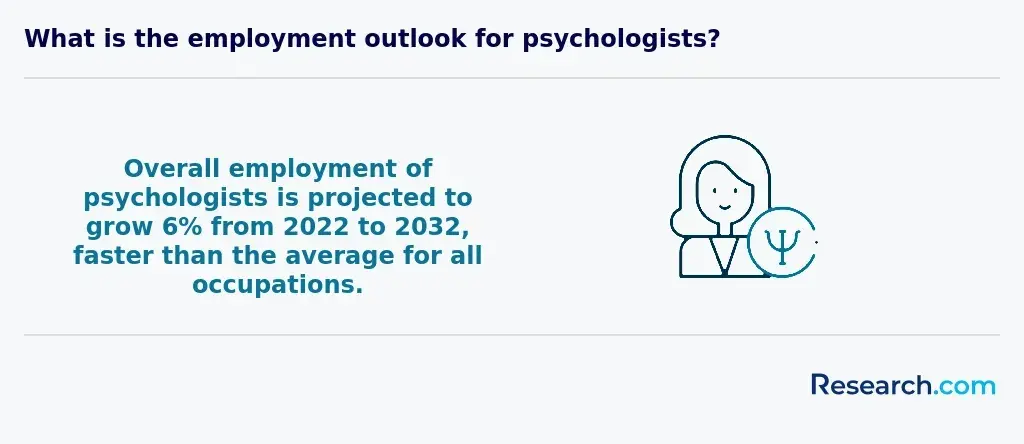
Connecticut schools continue to need professionals who can address student mental health, learning differences, behavior concerns, special education evaluations, and crisis prevention. The career outlook is shaped by district budgets, staffing shortages, student needs, retirements, and the growing expectation that schools provide more comprehensive mental health support.
Where school psychologists work
- Public K-12 school districts
- Private and independent schools
- Colleges and universities
- Educational support service agencies
- Local government programs focused on education or student services
Salary expectations in Connecticut
School psychologists in Connecticut can generally expect competitive compensation, typically ranging from $90,000 to over $100,000 annually. Actual pay depends on district salary schedules, years of experience, union agreements, credentials, region, contract length, and whether the role includes additional leadership or specialized responsibilities.
How competitive is the market?
Openings can be competitive in some urban and well-resourced districts, especially when many applicants have strong graduate preparation and internship experience. Candidates with specialist or doctoral preparation, bilingual skills, behavioral intervention expertise, crisis training, or experience with high-need populations may be better positioned.
| Career factor | What it means for candidates |
| Mental health demand | Schools increasingly look for professionals who can provide prevention, assessment, intervention, and consultation. |
| Special education needs | Evaluation and eligibility work remain central responsibilities in many districts. |
| Location | Opportunities and competition can vary by district and region. |
| Specialized training | Skills in autism, behavior analysis, bilingual assessment, trauma, and crisis response can strengthen applications. |
| Experience level | Internship quality and supervised fieldwork often influence entry-level readiness. |
Professionals aiming for advanced roles may want to compare master’s programs in educational psychology with school psychology programs to understand how each credential supports different career outcomes.
What are the challenges and rewards of being a school psychologist in Connecticut?
School psychology can be deeply meaningful, but it is not a low-stress career. Connecticut school psychologists may handle evaluations, crisis situations, parent meetings, student counseling, behavioral intervention, special education compliance, teacher consultation, and documentation within the same week. The workload can be intense, especially when caseloads are high.
Common challenges
- High caseloads: Large numbers of students can make it difficult to provide the depth of support each case deserves.
- Emotional strain: Students may present with trauma, anxiety, depression, family instability, behavioral crises, or learning struggles.
- Compliance pressure: Evaluation timelines, special education laws, confidentiality rules, and documentation requirements leave little room for errors.
- Role confusion: Some schools may overuse psychologists for testing while underusing their counseling, prevention, and consultation skills.
- Burnout risk: Constant crisis work without adequate support can lead to fatigue and disengagement.
Major rewards
- Helping students access appropriate services and accommodations
- Supporting families during difficult academic or mental health decisions
- Training teachers to use better behavioral and social-emotional strategies
- Improving school climate through prevention and intervention programs
- Seeing students gain confidence, stability, and academic progress over time
How to reduce burnout
- Use supervision and peer consultation rather than making difficult decisions alone.
- Set documentation systems early so reports, notes, and data do not pile up.
- Protect time for prevention and intervention work, not only evaluations.
- Maintain realistic boundaries with students, families, and school staff.
- Use professional development to refresh skills and avoid stagnation.
-
: "
One Connecticut practitioner summarized the trade-off this way: “The work can be heavy, particularly during back-to-back crises. But when a student begins to trust the process and you see real growth, the difficulty feels connected to a purpose.”
"
What alternative career paths are available with a school psychology degree in Connecticut?
A school psychology background can lead to several roles beyond the traditional public school psychologist position. The best alternative path depends on your credentials, whether you hold additional licenses, and whether you want to work in schools, clinics, agencies, higher education, consulting, or research.
| Career path | How school psychology training helps | Additional requirement to verify |
| Educational consultant | Assessment, intervention planning, and school systems knowledge support families and districts. | Business, contract, and professional liability considerations may apply. |
| Behavior intervention specialist | Training in data, behavior, and school collaboration translates well to intervention roles. | Some positions may prefer or require behavior analysis credentials. |
| Mental health program coordinator | School psychologists understand prevention, referral systems, and student support frameworks. | Clinical licensure may be needed for therapy-focused positions. |
| Higher education support services | Assessment and disability accommodation knowledge can apply to college settings. | Job requirements vary by institution. |
| Research or policy role | Training in data interpretation and intervention outcomes supports applied research. | Doctoral preparation may be preferred for some roles. |
Graduates interested in behavioral health roles outside school psychology can compare options such as an accredited master’s in behavioral psychology to see how behavioral science careers differ from school-based psychology practice.
What are the pathways for professional development and continuing education in Connecticut?
Professional development is not just a renewal obligation. It is how school psychologists stay effective as student needs, assessment tools, privacy expectations, special education rules, crisis protocols, and technology change. In Connecticut, ongoing learning can also help professionals move into leadership, specialization, training, consultation, or policy work.
Common continuing education options
- Workshops and conferences: State and national events often address behavioral interventions, crisis response, ethics, legal updates, trauma-informed practice, and social-emotional learning.
- Graduate coursework: Universities may offer advanced classes in neuropsychology, assessment, intervention design, research methods, or data-based decision-making.
- Online professional learning: Flexible courses can help working professionals study topics such as telepsychology, virtual consultation, cultural competence, and technology-supported assessment.
- Specialization training: Some school psychologists deepen expertise in autism, bilingual assessment, early childhood, crisis intervention, or behavioral consultation.
- Leadership and mentoring: Experienced professionals may supervise interns, support new psychologists, present at conferences, or contribute to district policy.
Students still choosing a program can review psychology colleges in Connecticut to compare local education options and training environments.
What are the legal and ethical considerations for school psychologists in Connecticut?
Legal and ethical practice is central to school psychology. Connecticut school psychologists work with sensitive student information, disability evaluations, mental health concerns, family issues, and crisis situations. A mistake in confidentiality, consent, documentation, or reporting can harm students and create legal risk for the school.
Key legal and ethical responsibilities
- Mandatory reporting: School psychologists are mandated reporters and must report suspected child abuse or neglect.
- Special education compliance: Assessments and services must align with laws such as the Individuals with Disabilities Education Act and Section 504 of the Rehabilitation Act.
- Confidentiality: Student records are protected by the Family Educational Rights and Privacy Act, commonly known as FERPA.
- Appropriate information sharing: Student information should be shared only with authorized individuals and only when legally and professionally appropriate.
- Informed consent and parent communication: Psychologists must understand when consent is required and how to explain evaluations and interventions clearly.
- Ethical conflict management: Professionals may need to balance student privacy, parent concerns, administrator requests, and safety obligations.
Common ethical dilemmas
| Situation | Why it is difficult | Better approach |
| A student discloses sensitive information | The psychologist must weigh confidentiality against safety and reporting duties. | Explain limits of confidentiality before services begin and consult when risk is unclear. |
| A parent disagrees with assessment findings | Families may feel defensive, worried, or unheard. | Use clear data, plain language, and collaborative problem-solving. |
| An administrator requests student details | Not every school employee has a legitimate need for all information. | Share only what is necessary for educational planning or safety. |
| Testing demand leaves little time for intervention | The role can become too evaluation-heavy. | Use data to advocate for balanced prevention, consultation, and intervention services. |
School psychologists can also prevent legal problems by training staff, improving referral systems, documenting interventions carefully, and helping schools respond to student risk before situations escalate.
How can school psychologists expand their practice into counseling roles in Connecticut?
School psychologists who want a broader counseling role should not assume their school credential automatically authorizes independent therapy practice. Expanding into counseling usually requires additional coursework, supervised clinical experience, and a separate credential that matches Connecticut rules. Professionals considering this direction can review the pathway for how to become a therapist in Connecticut to understand how licensed counseling differs from school psychology.
How can cross-disciplinary training enhance school psychology practices in Connecticut?
Students rarely arrive at school with problems that fit neatly into one professional category. Family stress, trauma, communication disorders, disability, behavior, mental health, and academic performance often overlap. Cross-disciplinary training helps school psychologists understand these interactions and collaborate more effectively with counselors, family therapists, social workers, speech-language pathologists, teachers, and medical providers. Reviewing marriage and family therapist education requirements in Connecticut can help school psychologists see how family systems training may complement school-based intervention work.
How can interdisciplinary collaboration boost career advancement for school psychologists in Connecticut?
Collaboration can make a school psychologist more valuable to districts and community partners. Professionals who work well with special education teams, behavioral specialists, pediatric providers, family therapists, and researchers can contribute to stronger evaluations, more coordinated intervention plans, and better student outcomes. Interdisciplinary experience may also support movement into leadership, program design, research, or specialized practice areas such as child psychology careers.
How can school psychologists influence education policy in Connecticut?
School psychologists can shape policy by bringing real student data, assessment expertise, and mental health knowledge into district and state conversations. They may serve on committees, contribute to staffing discussions, evaluate intervention outcomes, advocate for equitable services, and help schools revise crisis response or special education procedures. Professionals who understand special education from multiple angles may also strengthen their policy voice by exploring pathways such as special education certification online Connecticut.
Can school psychologists expand their expertise by obtaining a BCBA certification in Connecticut?
Yes, a school psychologist may choose to pursue Board Certified Behavior Analyst training if they want deeper expertise in behavior assessment and intervention. BCBA preparation can be especially useful for professionals working with students who have significant behavioral needs, autism-related supports, or intensive intervention plans. The credential has its own requirements, so interested professionals should review how to become a BCBA in Connecticut before assuming it fits their timeline or career goals.
How can school psychologists effectively collaborate with speech-language pathologists in Connecticut?
School psychologists and speech-language pathologists often evaluate the same student from different perspectives. A communication difficulty may affect behavior, literacy, classroom participation, social skills, or test performance. Joint planning can help teams avoid incomplete conclusions and create better intervention plans. Understanding Connecticut SLP license requirements can also help school psychologists make more informed referrals and coordinate services with speech-language colleagues.
What financial aid and scholarships are available for school psychology students in Connecticut?
Graduate school can be expensive, and school psychology students should plan funding before enrolling. Tuition is only one part of the cost. Students may also need to budget for fees, assessment materials, transportation to field sites, background checks, test preparation, unpaid internship time, and reduced work hours during intensive training.
Scholarship options to research
- Connecticut State University System Scholarships: Students enrolled in accredited programs may be eligible for institutional scholarship opportunities.
- Connecticut Association of School Psychologists Scholarship: CASP scholarship opportunities may support graduate students preparing for school psychology careers.
- University-based assistantships: Some programs may offer graduate assistant, research, teaching, or service roles that help offset costs.
- National scholarships: Students can also search for psychology, education, mental health, and special education scholarships.
How to apply for financial aid
- Complete the FAFSA: This is the starting point for federal and state financial aid eligibility.
- Ask the program about assistantships: Funding is often competitive and may require early application.
- Search Connecticut-specific grants: Some support may be available for internships, high-need fields, or graduate preparation.
- Apply for professional association scholarships: Organizations connected to school psychology may offer targeted awards.
- Compare total cost, not only tuition: Include fees, commute costs, internship expenses, and lost income during full-time fieldwork.
How much can a school psychology degree cost?
The average cost of a school psychology degree in Connecticut can range from $30,000 to $60,000, depending on the institution, program length, enrollment format, and student circumstances. Financial aid, scholarships, assistantships, employer support, and loan forgiveness programs can reduce the burden, but students should evaluate repayment carefully.
Loan forgiveness and high-need service
Some school psychologists who work in underserved or high-need districts may qualify for loan forgiveness after meeting service requirements. Students should confirm the exact eligibility rules, required employment setting, service period, loan type, and application process before counting on forgiveness as part of their financial plan.
Students looking for a faster undergraduate route before graduate study can compare quick and accessible psychology degree programs, while remembering that school psychologist certification still requires graduate preparation.
How do school psychologists support crisis intervention and emergency situations in Connecticut?
School psychologists are often part of a district’s crisis response system. Their work may include suicide risk response, threat assessment consultation, trauma-informed support, grief response, staff guidance, parent communication, and post-crisis recovery planning. They do not work alone; effective crisis response usually involves administrators, school counselors, nurses, social workers, local emergency services, and community mental health providers.
Professionals who want stronger counseling-based crisis skills may benefit from reviewing the requirements to be a school counselor in Connecticut and comparing how school counseling and school psychology roles overlap during emergencies.
How Can School Psychologists Leverage Telepsychology to Enhance Student Support?
Telepsychology can help schools extend support when distance, staffing shortages, scheduling barriers, or family access issues make in-person services difficult. In Connecticut, school psychologists using telepsychology must pay close attention to privacy, consent, platform security, documentation, emergency planning, and whether a virtual format is appropriate for the specific student and service.
Telepsychology may be useful for consultation, follow-up meetings, family collaboration, certain interventions, and multidisciplinary planning. It is not automatically appropriate for every evaluation or crisis situation. Professionals who want to expand digital counseling skills can compare related pathways such as the fastest way to become a counselor in Connecticut.
What other careers or licenses can school psychologists in Connecticut pursue?
Some Connecticut school psychologists later pursue additional credentials that allow them to work with families, adults, couples, or clinical populations outside the school system. For example, marriage and family therapy may appeal to professionals who want to address family systems, relationship patterns, and community-based mental health needs. Those considering this path should review MFT licensing requirements in Connecticut before choosing coursework or supervised experience.
| Additional pathway | Why a school psychologist might consider it | Important caution |
| Licensed professional counselor | Expands counseling opportunities beyond school-based services | Requires separate counseling licensure preparation |
| Marriage and family therapist | Builds expertise in family systems and relational treatment | School psychology training alone may not meet MFT requirements |
| BCBA | Strengthens behavior intervention and data-based treatment skills | Certification requirements are separate from school psychologist certification |
| Special education credential | Deepens understanding of instruction, disability services, and education policy | Teaching certification rules differ from school psychology rules |
What are the professional organizations and resources for school psychologists in Connecticut?
Professional organizations help school psychologists stay informed, connected, and supported. They can also provide advocacy, ethical guidance, professional learning, mentoring, and updates on state and national issues affecting student services.
- Connecticut Association of School Psychologists: CASP supports school psychologists through advocacy, professional development, networking, and state-focused resources.
- National Association of School Psychologists: NASP offers practice guidance, research, professional standards, publications, and national training resources.
- Mentoring networks: New school psychologists can benefit from experienced colleagues who help them navigate reports, meetings, caseloads, and ethical questions.
- Conferences and webinars: Professional learning events can cover social-emotional learning, intervention design, legal updates, crisis response, and behavioral supports.
- University partnerships: Graduate programs often host training, research, internship coordination, and networking opportunities for students and alumni.
Joining professional communities early can help students understand local district needs, internship expectations, and hiring patterns before graduation.
What are the trends and innovations in school psychology in Connecticut?
School psychology in Connecticut is being shaped by several changes in education and mental health practice. The role is expanding beyond testing alone toward prevention, early intervention, crisis readiness, consultation, family engagement, technology-supported services, and stronger collaboration across disciplines.
Important trends to watch
- Greater focus on student mental health: Schools increasingly expect psychologists to support anxiety, depression, trauma, emotional regulation, and crisis prevention in addition to academic concerns.
- More data-informed decision-making: Districts rely on assessment data, intervention response, and progress monitoring to guide services and resource allocation.
- Technology-supported practice: Digital tools can improve scheduling, documentation, data collection, consultation, and some remote services, but privacy and appropriateness must be considered.
- Social-emotional learning: School psychologists may help design or evaluate programs that build resilience, emotional awareness, peer relationships, and problem-solving skills.
- Interdisciplinary teams: Collaboration with counselors, social workers, speech-language pathologists, special educators, nurses, and community clinicians is becoming more central.
- Equity and cultural responsiveness: Assessment and intervention must account for language, culture, disability, family context, and unequal access to services.
Aspiring professionals who are still at the undergraduate stage can begin with an online bachelor’s degree in psychology, but they should plan early for the graduate-level preparation required for school psychology certification.
How Can I Effectively Navigate the Psychology Licensure Requirements in Connecticut?
The safest way to manage Connecticut licensure or certification requirements is to build a compliance file from the start. Keep syllabi, transcripts, practicum records, internship hour logs, supervisor credentials, evaluation forms, certificates from workshops, and all state correspondence. Do not wait until graduation to find out whether a course, placement, or supervisor meets the rule you need.
Practical checklist for candidates
- Confirm that your graduate program aligns with Connecticut school psychologist certification expectations.
- Ask your advisor how the program documents the 60 graduate credits and the supervised internship of at least 1,200 hours.
- Verify whether you need the Praxis School Psychologist exam or another assessment for your route.
- Track the required 36 clock hours in special education and keep proof of completion.
- Review application instructions directly from the Connecticut State Department of Education before submitting materials.
- Join professional organizations and attend state-focused workshops to learn about procedural updates.
Candidates pursuing broader psychology practice should separately review psychology licensure requirements in Connecticut, because psychology licensure and school psychologist certification are not the same credential.
Common mistakes to avoid when becoming a school psychologist in Connecticut
| Mistake | Why it can hurt you | Better decision |
| Choosing a graduate program without checking Connecticut alignment | You may graduate missing required coursework or field experience. | Ask for written confirmation that the program prepares students for Connecticut certification. |
| Focusing only on tuition | Internship costs, fees, travel, and reduced work hours can change the true cost. | Compare full cost of attendance and available funding. |
| Assuming any psychology master’s degree is enough | School psychology certification usually requires specialized preparation. | Choose a school psychology program if your goal is school-based practice. |
| Waiting to document internship hours | Missing records can delay or complicate certification. | Track hours, supervision, and activities weekly. |
| Ignoring special education training | School psychologists work closely with special education law and eligibility processes. | Make sure the required special education clock hours are completed and documented. |
| Assuming salary is guaranteed | Pay varies by district, experience, contract, and role. | Review district salary schedules and ask about contract length and benefits. |
Here's What Graduates Have to Say About Becoming a School Psychologists in Connecticut
-
: "
“Serving as a school psychologist in Connecticut has given me the chance to help students facing anxiety, learning differences, and family stress. The collaboration among educators and mental health professionals makes the work feel connected and meaningful.” — Sarah
"
-
: "
“Connecticut’s attention to school mental health has made my role feel important. I have been able to support emotional wellness programs and watch students become more confident and stable.” — Jonathan
"
-
: "
“This career let me combine education, advocacy, and mental health support. Working with families and helping students move forward academically and emotionally has been the most fulfilling part.” — Elise
"
Related Articles for Nearby States
- 2027 How to Become a School Psychologist in New York - School Psychology Programs and Certifications Online & Campus
- 2027 How to Become a School Psychologist in Rhode Island - School Psychology Programs and Certifications Online & Campus
- 2027 How to Become a School Psychologist in Massachusetts - School Psychology Programs and Certifications Online & Campus
- 2027 How to Become a School Psychologist in New Jersey - School Psychology Programs and Certifications Online & Campus
- 2027 How to Become a School Psychologist in Pennsylvania - School Psychology Programs and Certifications Online & Campus
- 2027 How to Become a School Psychologist in Vermont - School Psychology Programs and Certifications Online & Campus
- 2027 How to Become a School Psychologist in New Hampshire - School Psychology Programs and Certifications Online & Campus
- 2027 How to Become a School Psychologist in Delaware - School Psychology Programs and Certifications Online & Campus
- 2027 How to Become a School Psychologist in Maryland - School Psychology Programs and Certifications Online & Campus
- 2027 How to Become a School Psychologist in Maine - School Psychology Programs and Certifications Online & Campus
Key Insights
- Connecticut school psychologists typically need graduate-level school psychology preparation, not just a general psychology degree.
- The standard pathway includes at least 60 graduate credits and a supervised internship of at least 1,200 hours.
- Certification depends on documentation. Keep detailed records of coursework, special education training, internship hours, and supervisor verification.
- School psychology can offer strong purpose and competitive pay in Connecticut, typically ranging from $90,000 to over $100,000 annually, but caseloads and crisis responsibilities can be demanding.
- Students should compare programs based on state alignment, internship support, total cost, faculty expertise, and placement outcomes rather than reputation alone.
- Related credentials in counseling, BCBA practice, special education, speech-language collaboration, or family therapy can expand options, but each has separate requirements.
- The best preparation combines assessment skill, mental health knowledge, special education expertise, cultural responsiveness, ethical judgment, and collaboration.
References:
- portal.ct.gov (n.d.). Introduction to the Practice of School Psychology in Connecticut. CT.gov.
- bls.gov (03 Apr 2024). Occupational Employment and Wages, May 2023. U.S. Bureau of Labor Statistics.
Other Things You Should Know about How to Become a School Psychologist in Connecticut
To become a school psychologist in Connecticut in 2027, you must complete a graduate program in school psychology, typically resulting in a master's or specialist degree, which usually takes 2 to 3 years. Additionally, supervised internship experience is required.
In 2027, students in Connecticut can gain practical experience by completing internships or practicums through their school psychology graduate programs. These typically involve supervised work in schools to apply theoretical knowledge and develop professional skills in a real-world setting.