2027 Engineering Degree Enrollment Trends by Age Group: Traditional Students vs Adult Learners

Co-Founder and Chief Data Scientist
The demand for licensed professional engineers shapes enrollment patterns distinctly between traditional students and adult learners in engineering degree programs. With the National Society of Professional Engineers reporting a 9% increase in PE licensure applicants over the past five years, younger students often pursue full-time study aligned with licensure timelines, while adult learners balance credential upgrades amid career transitions.
Workforce shortages in critical sectors prompt varied enrollment motivations: early-career entrants prioritize foundational credentials, whereas mid-career professionals focus on specialization or certification renewals. This age-related divergence in enrollment reflects shifting industry needs and suggests a future workforce requiring flexible education models tailored to diverse professional trajectories.
Key Things to Know About Engineering Degree Enrollment Trends by Age Group
- Adult enrollment in engineering programs increased by 15% since 2023, reflecting demand for career transitions but often extending time to degree completion due to work-study balance constraints.
- Employers frequently prioritize traditional-age graduates for entry-level engineering roles, citing perceptions of updated technical skills, which may disadvantage older students despite comparable knowledge.
- Rising costs disproportionately impact nontraditional engineering students who face longer educational timelines without guaranteed credit transfers, affecting decisions on program affordability and accessibility.
- Key Things to Know About Engineering Degree Enrollment Trends by Age Group Key Things to Know About Engineering Degree Enrollment Trends by Age Group
- Which Age Groups Represent the Largest Share of Engineering Students? Students by Age Group
- Why Do Traditional Students Choose Engineering Degree Programs? Traditional Students
- Why Do Adult Learners Return to School for a Engineering Degree? Adult Learners
- How Do Academic Goals Vary Between Younger and Older Engineering Students? Academic Goals by Age Group
- How Do Financial Concerns Differ Between Traditional Students and Adult Learners? Financial Concerns by Age Group
- What Challenges Do Adult Learners and Traditional Students Face While Earning a Engineering Degree? Student Challenges by Age Group
- How Does Age Affect Engineering Degree Student Retention? Age and Student Retention
- Which Engineering Specializations Are Most Popular Among Adult Learners? Top Specializations for Adult Learners
- How Does Age Affect Job Opportunities for Engineering Graduates? Impact of Age in Job Opportunities
- What Do Current Engineering Enrollment Trends Reveal About Future Demand? What Do Current Engineering Enrollment Trends Reveal About Future Demand?
Which Age Groups Represent the Largest Share of Engineering Students?
Engineering programs attract students across various life stages, but enrollment concentration tends to cluster within particular age groups shaped by career timing, financial readiness, and distinct educational pathways. This age distribution reflects broader workforce entry patterns and systemic factors within higher education rather than simple academic preferences.
Variations in employability expectations, program delivery formats, and life circumstances influence which age segments dominate engineering enrollment.
- Ages 18-24: Traditional college-age students form the largest share of engineering enrollees, largely due to their direct transition from high school to full-time study. This group benefits from immersive campus environments, structured curricula, and fewer external obligations, allowing deep engagement with technical fundamentals. Employers often value recent degrees here as proxies for up-to-date skills and adaptability, reinforcing the prevalence of this demographic.
- Ages 25-34: Early-career adults represent a growing segment choosing engineering programs for career shifts or technical skill enhancement. Their enrollment often involves part-time or online formats designed to balance work and family commitments. While somewhat smaller in share, this group's participation is influenced by their immediate workforce needs and the flexibility of program accessibility.
- Ages 35 and older: Adult learners aged 35 and above compose a steadily increasing but comparatively smaller enrollment segment. Their engagement is frequently motivated by professional development or reskilling, constrained by competing responsibilities and less access to hands-on lab experiences. Employers may assess these credentials through the lens of relevant experience combined with educational attainment, which varies by industry.
The disparity between traditional students and adult learners underscores structural factors shaping enrollment. Traditional students' focus on full-time study connects to a clearer career trajectory and financial independence readiness. Conversely, adult learners prioritize flexible program delivery that accommodates complex life circumstances, often at the expense of immersive collaborative experiences.
These tradeoffs mirror labor market realities where employer expectations and industry-specific skill demands influence how each age group's education translates to job readiness.
For prospective engineering students considering alternatives like cheap online colleges that accept FAFSA, understanding these demographic trends and workforce alignment helps clarify which educational pathways best fit their stage in life and professional goals.
Why Do Traditional Students Choose Engineering Degree Programs?
Traditional students often select engineering degree programs as a strategic blend of academic interest and clear career signaling. These programs offer structured pathways that align closely with early career exploration, allowing students to build technical skills essential for entry into competitive labor markets.
The appeal partly stems from the consistent demand for engineering skills and the promise of mid-career salaries above $80,000 nationally, which validates the investment in rigorous academic training. For many, the choice also reflects a combination of intrinsic problem-solving interests and a pragmatic assessment of degree value, positioning them for well-defined career trajectories early in their college experience.
Beyond personal academic goals, enrollment patterns are heavily influenced by institutional recruitment strategies and guidance counseling that emphasize fields with measurable employment outcomes. Exposure to engineering fundamentals in high school or introductory college courses, alongside perceived job stability, reinforces students' commitment to these programs. Many traditional students arrive on campus already funneled through pipelines that link secondary education and early STEM advisement with engineering degree seekers.
This convergence of educational system design and labor market expectations shapes a cohort motivated by career motivations for traditional engineering students, which ultimately affects specialization choices, internship uptake, and long-term professional planning within their degree programs. For those evaluating flexible or alternative routes, exploring options like EdD programs can offer a comparative understanding of how other disciplines structure enrollment and career outcomes.
Why Do Adult Learners Return to School for a Engineering Degree?
Adult learners returning to pursue an engineering degree often do so driven by the need to enhance career mobility or achieve higher earning potential within established professions. According to the National Center for Education Statistics 2024 report, nearly 40% of students aged 25 and older identify salary improvement or advancement as their main reason for re-enrollment.
Unlike traditional students entering fields fresh from high school, these learners frequently aim to pivot within technical careers or meet formal credential thresholds necessary for promotion, particularly in engineering disciplines where updated qualifications are increasingly assumed as baseline requirements.
Additional factors shaping adult learners' decisions include the rise of employer-supported tuition programs and the availability of flexible delivery modes such as online or part-time study, designed to accommodate work and family commitments. Shifting industry standards demand ongoing skill upgrades, especially in fields like electrical, mechanical, and civil engineering, where technical competence must align with evolving regulatory and licensure expectations.
This combination of institutional accessibility and labor market credential inflation amplifies the appeal and necessity of returning to school to maintain competitiveness amid workforce disruptions and reskilling pressures.
How Do Academic Goals Vary Between Younger and Older Engineering Students?
Younger engineering students often approach their studies with broad exploratory goals, focusing on developing a solid foundation in technical skills that prepare them for entry-level positions or advanced education. They usually prioritize immersive campus experiences, internships, and networking opportunities to enhance their employability and understand emerging industry demands. This group tends to treat their academic journey as a first step into professional life, where acquiring a diverse knowledge base is critical.
According to a 2024 report from the National Center for Education Statistics, approximately 65% of traditional engineering students emphasize gaining practical experience through internships or cooperative programs, reflecting this hands-on orientation.
In contrast, adult learners returning to engineering pursue highly specific objectives driven by immediate career needs, such as obtaining certifications for managerial roles or shifting into new technical fields. Their learning priorities align with balancing education against ongoing work and family commitments, often requiring flexible schedules or online formats. This cohort generally focuses on skill upgrades that translate directly into measurable workplace outcomes, making credential completion and applicability to current roles central concerns.
The same 2024 data indicates that about 58% of adult engineering students value flexible class timings to integrate education with their professional and personal responsibilities.
One adult learner shared that after years in a technical role, they hesitated before applying due to concerns about juggling coursework with job demands. The rolling admissions timeline added pressure to decide quickly but also offered multiple submission opportunities. Strategic timing became crucial, as they waited to secure financial aid details while ensuring enough lead time for prerequisite preparations.
This experience highlighted the complex decision-making adult learners face, balancing urgency with the need for careful planning to successfully transition back into academia.
How Do Financial Concerns Differ Between Traditional Students and Adult Learners?
Traditional students pursuing an engineering degree typically depend on family support, federal loans, and scholarships to manage tuition costs and related expenses. Their financial concerns revolve around balancing part-time work with academic demands while anticipating the long-term impact of student debt, which averages about $30,000 at graduation according to the National Center for Education Statistics 2024 report.
These students face distinct challenges related to opportunity cost; while they may have fewer immediate financial obligations, the accumulation of debt can influence career choices and timing for major life events. Traditional students' financial behavior tends to prioritize securing internships and cooperative education experiences, recognizing that early academic decisions directly inform their employability and capacity to repay loans over time, a dynamic that shapes their educational financing strategies differently than adult learners.
Adult learners confront a more complex financial landscape as many balance full-time employment, family responsibilities, and existing financial commitments such as mortgages or childcare. Unlike traditional students, they are less likely to qualify for need-based aid, relying instead on employer tuition assistance programs, personal savings, or private loans-often with higher interest rates and stricter repayment terms. The 2024 Education Data Initiative survey indicates that 62% of adult engineering students face immediate income loss or reduced work hours as a primary financial barrier, emphasizing the opportunity cost of returning to school amid competing obligations.
These challenges compel many adult learners to seek flexible or accelerated degree programs and weigh the return on investment carefully, recognizing that their financial and career decisions are deeply intertwined with ongoing workforce participation and family economics. For those exploring options tailored to such realities, resources like degrees for moms going back to school provide targeted pathways.
The financial divergence between traditional students and adult learners in engineering programs significantly influences enrollment patterns and program selection, with each group prioritizing different factors in educational access and success. Traditional students often choose programs that maximize academic opportunities and work-study balance, generally accepting longer timeframes and higher debt loads in exchange for perceived prestige and career flexibility. In contrast, adult learners emphasize program accessibility, shorter completion times, and alignment with employer expectations, often valuing immediate skill application over purely academic credentials.
These variations reflect broader lifecycle financial planning considerations that shape how engineering education is structured and supported, highlighting the need for nuanced approaches to financial aid and program design that respond to the distinct economic realities faced by each group.
What Challenges Do Adult Learners and Traditional Students Face While Earning a Engineering Degree?
Traditional students entering engineering programs directly from high school typically confront intense academic recalibration as they transition into the demands of college-level coursework. This cohort often grapples with mastering challenging technical subjects like advanced mathematics and physics while simultaneously developing critical soft skills such as teamwork and effective communication. Time management can be difficult as these students adapt to structured schedules and increased academic expectations, with approximately 30% of first-year students nationally failing to persist due to adjustment challenges and limited social integration.
Their challenges stem largely from navigating a steep learning curve within a relatively narrow life context, where external responsibilities tend to be less pronounced but developmental uncertainties about career paths remain significant.
Adult learners face a distinct constellation of obstacles shaped by their simultaneous professional and personal commitments. Nearly half of engineering undergraduates aged 25 and older report managing full-time jobs alongside their studies, a factor that severely restricts their scheduling flexibility and capacity for engagement in experiential learning opportunities like internships. Many must also juggle caregiving and family responsibilities while self-funding their education amidst financial stress, with close to 60% delaying or pausing their degrees due to monetary pressures, according to recent surveys.
Furthermore, re-entering academic environments after extended absences can generate apprehension about outdated technical skills and adapting to evolving industry standards, adding layers of psychological and practical complexity absent for younger peers.
Recognizing these divergent challenges, educational institutions have incrementally introduced more flexible course formats, personalized advising, and support mechanisms tailored to both demographics' unique needs. Hybrid and evening classes, targeted financial aid counseling, and career services acknowledging the varied timelines and obligations of adult learners help mitigate some barriers while maintaining academic rigor for traditional students.
These differentiated approaches reflect a growing awareness that engineering program accessibility and retention hinge on calibrated support systems responsive to the distinctive lifecycle pressures influencing each student group's degree progression.
How Does Age Affect Engineering Degree Student Retention?
Retention challenges for younger engineering students often center on academic adjustment and motivation during early college stages. Many traditional students struggle to navigate the increased rigor and complex foundational coursework inherent to engineering programs, which can impact persistence even within their first year. Engagement with campus resources and peer networks plays a critical role here but varies widely by institution, influencing completion rates notably.
According to the 2024 National Center for Education Statistics, retention for first-time full-time engineering students under 25 averages around 70% entering their second year, reflecting both resilience and points of vulnerability in early academic integration.
Older engineering students, meanwhile, typically approach their studies with clearer professional objectives yet face distinctive retention barriers tied to external obligations. Adult learners balancing work, family, and financial commitments often enroll part-time or require flexible scheduling, factors that can extend degree timelines and increase dropout risk despite strong personal motivation. Institutional offerings like evening classes and online courses help, but uneven availability often limits efficacy.
The same 2024 data shows retention rates nearer 50% for learners aged 25 and above, underscoring the tension between commitment and capacity in sustaining engineering enrollment over time.
One engineering graduate recalled hesitating to submit their application early during a rolling admissions cycle, uncertain if preliminary coursework completed years earlier would still meet program criteria. Navigating admission timelines while working full-time created a palpable tension, and the lack of clear guidance on credit acceptance delayed their confirmation.
Only after a late-stage advisor meeting clarified acceptable prerequisites did the student formally enroll, illustrating how timing and institutional communication critically affect adult learner retention and degree progression.
Which Engineering Specializations Are Most Popular Among Adult Learners?
Adult learners pursuing engineering degrees often prioritize specializations that offer clear, applicable benefits aligned with their existing professional experience and immediate employment goals. These individuals typically seek programs that facilitate career mobility, skill updating, or transitions into high-demand sectors.
Unlike traditional students, adult learners gravitate toward engineering fields with tangible industry connections, practical training, and recognized certification pathways that support salary growth and job stability.
- Civil engineering: Its close association with public infrastructure and government projects appeals to adult learners aiming for stable, long-term roles. Prior experience in construction or public works often motivates re-skilling in this practical, project-focused specialty.
- Electrical engineering: Chosen by those looking to transition into technology-driven industries like telecommunications and energy systems, this specialization aligns well with professionals updating their technical skillsets amid rapid innovation.
- Mechanical engineering: Favored for its versatile applications in manufacturing, robotics, and automation, it supports adult learners balancing educational advancement with existing work and family duties by providing broad, adaptable competencies.
- Software engineering: Though requiring intense technology adaptation, it attracts career-changing adults targeting growing digital sectors, despite a steeper learning curve for some nontraditional students.
- Environmental engineering: Selected by learners seeking to leverage experience toward sustainability and regulatory compliance roles, but its theoretical demands can pose challenges for those prioritizing immediate workforce entry.
Data from the 2024 National Center for Education Statistics shows roughly 48% of engineering degree enrollments for students aged 25+ cluster in these areas, reflecting adult learners' focus on fields that maximize employment prospects and applied skills. These specialization choices embody a strategic approach to upskilling within established careers or pivoting to adjacent industries.
Deciding among the top engineering degree programs for adult learners in the US involves weighing how each specialization fits with previous work experience, planned career transitions, and the targeted return on educational investment. Those considering degree programs should also examine how their chosen specialization's practical scope matches their immediate and future professional objectives.
For related considerations in fields requiring continuous learning and adaptability, exploring options like online library science programs may offer complementary insights into managing career reinvention pathways.
How Does Age Affect Job Opportunities for Engineering Graduates?
For younger engineering graduates, typically those aged 18-24, access to entry-level positions is often facilitated by established internship pipelines and campus recruiting networks. Employers tend to prioritize these traditional-age students due to perceptions of greater long-term adaptability, willingness to engage in rotational assignments, and the potential for extended career development. These graduates benefit from early mentorship opportunities and broader professional connections, which can accelerate skill acquisition and industry integration.
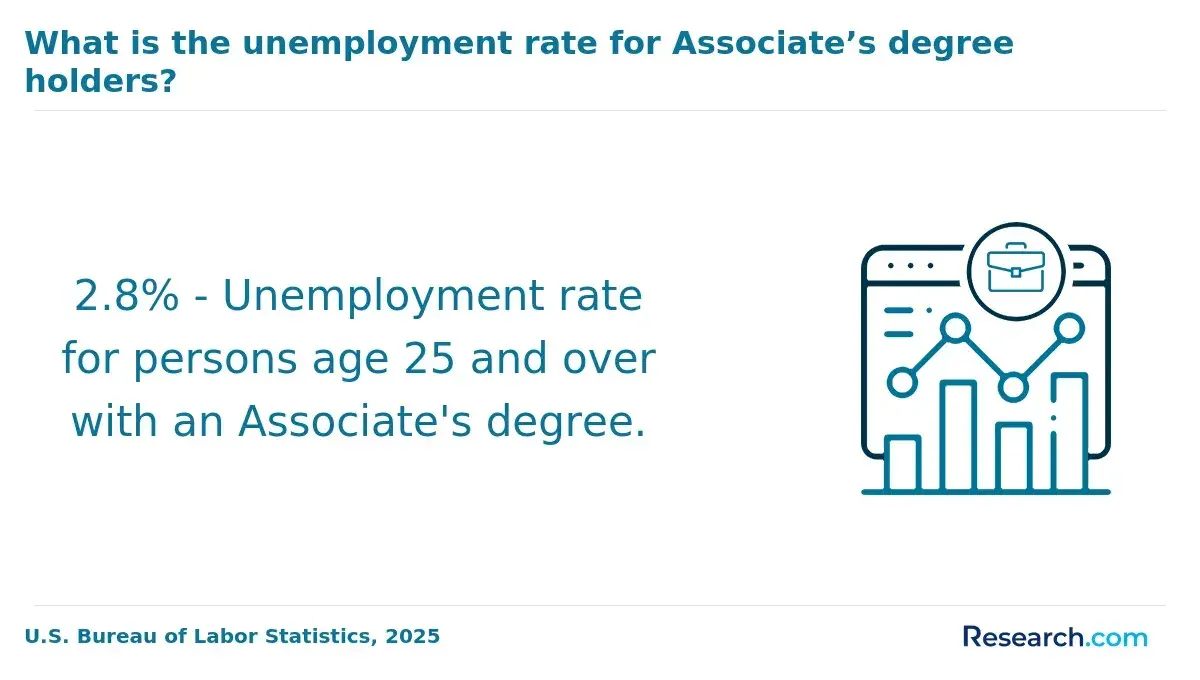
The age-related dynamics in engineering degree job prospects by age group reflect that graduates under 30 generally face unemployment rates near 3%, according to 2024 U.S. Bureau of Labor Statistics data, indicating a relatively favorable initial hiring environment for this cohort.
Conversely, older engineering graduates frequently enter the job market with prior work experience and transferable skills, which can provide advantages in specialized roles or rapid advancement. However, this group often encounters challenges tied to employer apprehensions about salary expectations, cultural fit, or long-term mobility commitment, contributing to unemployment rates approaching 6% for first-time graduates over 30.
Their job search may be prolonged due to less access to traditional internship pathways and smaller professional networks within the industry. Nonetheless, these adult learners, who often have clearer professional goals, must strategically demonstrate current technical competencies and adaptability to overcome persistent age-related biases. For prospective students weighing options, considering alternative credential formats such as 1 year MBA programs may provide complementary skills aligned with evolving workforce demands.
What Do Current Engineering Enrollment Trends Reveal About Future Demand?
Shifts in enrollment within engineering degree programs highlight evolving perceptions of career relevance and accessibility. Data from the National Center for Education Statistics in 2024 shows a 12% overall increase in engineering enrollments over five years, driven substantially by adult learners, who constitute about 40% of this growth. This contrasts with declining or stable numbers among traditional college-age students, reflecting changes in the student demographic profile and their motivations.
The growing interest among mid-career individuals suggests a reevaluation of engineering education's value, especially as flexible online and part-time options become more widespread to accommodate diverse learner needs.
These enrollment patterns mirror broader labor market signals, where technological advancements and workforce shortages intensify demand for engineering technical skills. The NSF's 2024 Science and Engineering Indicators report projects a 15% growth in related occupations by 2030, largely fueled by sectors attractive to career transitioners. Employers emphasize practical experience paired with updated credentials, prompting programs to adapt toward specializations aligned with emerging industry requirements.
As a result, the convergence of enrollment trends and market demand signals anticipates not only program expansion but also shifts toward flexible modalities and targeted specializations that better prepare graduates for evolving workforce realities.
References
- The Uncapped Potential: Engineering an Opportunity of a Lifetime https://www.nae.edu/323243/The-Uncapped-Potential-Engineering-an-Opportunity-of-a-Lifetime
- The End of the Traditional Student Era: Higher Ed’s New Enrollment Reality - Collegis Education https://collegiseducation.com/insights/end-of-traditional-student-era/
- 2025 zyBooks Guide to Improving Engineering Student Retention - zyBooks https://www.zybooks.com/2025-zybooks-guide-to-improving-engineering-student-retention/
- Adult students present unique challenges for two-year colleges https://www.ruffalonl.com/adult-students-present-unique-challenges-two-year-colleges/
- How Higher Education Institutions Can Address the Needs of Adult Learners https://www.higheredtoday.org/2022/04/18/how-higher-education-institutions-can-address-the-needs-of-adult-learners/
- Why college? A deep dive into adult learners’ journeys https://www.luminafoundation.org/news-and-views/why-college-a-deep-dive-into-adult-learners-journeys/
- 5 Reasons to Return to Education as an Adult https://ucr.rotherham.ac.uk/blog/5-reasons-to-return-to-education-as-an-adult/
- Traditional Vs. Non-Traditional Students in Higher Education https://moderncampus.com/blog/traditional-vs-non-traditional-students-in-higher-education.html
- Engineers 2030 - The future of engineering education and skills https://nepc.raeng.org.uk/policy-work/engineers-2030/the-future-of-engineering-education-and-skills-engineers-2030/
- Top 5 Reasons Why Adults Go Back to School https://www.georgefox.edu/adult-degree/articles/back-to-school-reasons.html
Other Things You Should Know About Engineering
Adult learners often juggle work, family, and other responsibilities alongside their studies, making the rapid pace and dense workload of traditional engineering programs more challenging. This can lead to increased stress and potentially longer completion times for adult students. As a practical implication, adult learners should prioritize programs with flexible scheduling, part-time options, or modular coursework to better manage these demands, whereas younger students may benefit more from immersive and fast-tracked formats that align with their fewer outside commitments.
Yes, employers often view adult learners as bringing valuable real-world experience, which can balance out perceived gaps in recent technical education or internship opportunities that younger students typically have. However, adult learners might face skepticism about their current technical fluency, so continuous skill updating and clear demonstration of recent hands-on experience are essential. For decision-making, adult learners should emphasize portfolio projects or certifications that showcase up-to-date engineering competencies to align with employer expectations.
Traditional students usually benefit from campus-based networking, internships, and student organizations that build industry connections early. Adult learners, particularly those enrolled in online or part-time programs, may find these opportunities limited, impacting access to internships and professional mentoring. Given the central role of networking in engineering career progression, adult learners should proactively seek industry events, alumni networks, or mentorships outside their academic programs to counterbalance this structural disadvantage.
In 2027, engineering degree programs observe a balanced enrollment between traditional students, typically aged 18-24, and adult learners aged 25 and above. Traditional students often enroll straight out of high school, while adult learners are primarily drawn due to career shifts or advancements, showing notable growth in online course options for flexibility. -- **Question** How does the pace and intensity of traditional engineering programs affect adult learners compared to younger students? **Answer** The fast-paced and intensive nature of traditional engineering programs can be challenging for some adult learners who may juggle other responsibilities like work and family. As a result, many institutions now offer part-time or online alternatives specifically designed to accommodate adult learners. -- **Question** Should adult learners expect different employer expectations regarding their engineering degree compared to traditional students? **Answer** Generally, employers expect the same foundational skills from both traditional students and adult learners. However, adult learners often bring diverse experiences that can enhance problem-solving skills and versatility, which some employers may find advantageous in multidisciplinary project environments. -- **Question** What tradeoffs exist between traditional and adult learners in networking opportunities within engineering degree programs? **Answer** Traditional students might have more networking opportunities through campus events and extracurricular activities. In contrast, adult learners often leverage professional networks built through work experience. However, the rise in online platforms and hybrid learning environments is bridging this gap by offering diverse networking options for all students.