2027 Fastest Accredited Online Engineering Technology Programs: Accelerated Degrees and Completion Times

Co-Founder and Chief Data Scientist
Choosing the fastest online engineering technology degree is really a timing, accreditation, and workload decision. The BLS reported a $91,420 median wage for architecture and engineering occupations in May 2024, which helps explain why adults with technical credits want faster degree-completion routes.
This guide is for students comparing accredited online engineering technology programs, especially transfer students and working technicians. You'll learn what "accelerated" actually means, which formats shorten graduation, and how transfer credits, prerequisites, course load, lab requirements, and fieldwork can change the advertised timeline.
Key Things You Should Know
- The fastest realistic path is usually a bachelor's-completion program for students with prior college or military technical credits; some accredited online engineering technology programs may be finished in about 12 to 24 months with 60 to 90 accepted transfer credits.
- Accelerated online terms commonly run 5 to 8 weeks, but shorter courses compress the same learning outcomes into fewer weeks; they are faster, not lighter.
- Programs that accept large transfer blocks, portfolio credit, credit by exam, military credit, or associate-degree pathways are often faster than programs that advertise short terms but require most of the 120 to 124 credits in residence.
Which Colleges Offer the Fastest Accredited Online Engineering Technology Programs?
The fastest accredited online engineering technology programs are usually not traditional four-year programs taken from the beginning. They are transfer-friendly bachelor's-completion programs, online programs with short academic terms, or adult-focused programs that evaluate military, technical, and prior college credit.
The table below compares well-known U.S. online options that can be fast for qualified students. Completion time depends heavily on accepted transfer credits, remaining upper-division requirements, course availability, and whether the program has programmatic accreditation such as ABET ETAC or another recognized technical accreditation.
| College or university | Online engineering technology option | Accreditation note | Why it may be fast | Realistic fast-track timeline |
| Excelsior University | Bachelor of Science in Electrical Engineering Technology or Nuclear Engineering Technology | Institutionally accredited; selected engineering technology programs have ABET ETAC accreditation | Very transfer-friendly adult-completion model; may evaluate military, industry, and prior college learning | About 12 to 24 months for students entering with substantial applicable credit |
| Embry-Riddle Aeronautical University Worldwide | Bachelor of Science in Engineering Technology | Institutionally accredited; engineering technology program is ABET ETAC-accredited | Online worldwide format, multiple start opportunities, and transfer evaluation for technical coursework | About 18 to 36 months for strong transfer students; longer for students starting with limited credit |
| Thomas Edison State University | Applied science and technology degree pathways related to electronics systems or technical studies | Institutionally accredited; students should verify current program-level status for the exact major | Designed for adult learners with transfer credit, exams, military learning, and prior learning assessment | About 12 to 30 months depending on how many degree requirements remain |
| University of Southern Mississippi | Online Industrial Engineering Technology | Institutionally accredited; students should verify current programmatic accreditation and state authorization | Online technical major with transfer pathways that may fit associate-degree holders | About 24 to 36 months for prepared transfer students |
| Indiana State University | Online engineering technology or technology management-related completion pathways | Institutionally accredited; programmatic accreditation varies by specific program | Online completion structure for students with technical coursework or an associate degree | About 24 to 36 months after transfer evaluation |
| National University | Engineering technology-adjacent online technical and manufacturing programs | Institutionally accredited; verify whether the exact program has programmatic engineering technology accreditation | Short course format and frequent starts can reduce calendar gaps | About 18 to 36 months for transfer students, depending on remaining credits |
The practical answer is that Excelsior, Embry-Riddle Worldwide, and Thomas Edison State University are often among the fastest for students who already have technical credits because they are built around adult degree completion. If you are starting with no college credit, however, a "fast" online bachelor's degree in engineering technology is still likely to take closer to three to four years because most programs require about 120 credits.
Career fit should also matter. Engineering technology programs typically prepare students for applied technical roles in testing, manufacturing, field service, automation, quality, electronics, aerospace support, and operations.
Students comparing technical bachelor's outcomes with other majors can use broader bachelor's degrees job outlook data to understand how engineering-related credentials fit into the larger labor market.
How Long Does It Take to Complete an Accredited Online Engineering Technology Degree?
"Completion time" means the calendar time from your first enrolled term to degree conferral, not just the number of course weeks. A program can advertise 8-week classes but still take several years if courses are sequential, if labs are offered only in certain terms, or if many transfer credits do not apply to the major.
The table below summarizes common online engineering technology timelines. Use it to separate the fastest realistic scenarios from timelines that apply only to students with unusually strong transfer credit.
| Student starting point | Typical credits remaining | Common online format | Fast realistic completion time | Who this timeline fits |
| No prior college credit | 120 to 124 credits | Full bachelor's degree with online general education, major courses, and labs or projects | About 3 to 4 years with year-round full-time enrollment | First-time college students who can sustain a heavy course load |
| Some college credit | 75 to 100 credits | Transfer-friendly bachelor's program with accelerated terms | About 2.5 to 3.5 years | Students whose credits satisfy general education and lower-division requirements |
| Associate degree in engineering technology or a related technical field | 45 to 70 credits | Bachelor's-completion program | About 18 to 30 months | Technicians moving into engineering technology, operations, or supervisory roles |
| Military technical training plus college credit | 30 to 75 credits after evaluation | Adult-completion program using military credit and prior learning assessment | About 12 to 30 months | Service members and veterans with ACE-recommended technical training |
| Second bachelor's student | Major and residency requirements only | Individualized completion plan | About 12 to 24 months | Students who already completed general education and electives |
The biggest difference between a two-year and four-year timeline is usually transfer applicability, not motivation. A student with 90 credits may still need two years if the remaining courses include calculus, physics, electronics labs, capstone prerequisites, and courses offered only once per year.
Students should also distinguish short terms from accelerated degree completion. An 8-week term helps only if the school offers enough courses each session, allows overlapping course loads, and does not delay technical prerequisites.
How Do Accelerated and Competency-Based Online Engineering Technology Programs Work?
Accelerated online engineering technology programs shorten the academic calendar by using shorter terms, year-round enrollment, transfer-friendly policies, or self-paced learning. Competency-based programs can move even faster for experienced students, but they require strong independent study habits and are less common in ABET-accredited engineering technology than in business or IT.
These formats affect time to graduation in different ways, so students should compare the mechanism behind the speed before enrolling:
| Format | How it works | How it can shorten time | Main trade-off |
| 5- to 8-week accelerated courses | Courses run in compressed sessions rather than 15- or 16-week semesters | Students may complete more courses per year if courses are offered continuously | Weekly workload is heavier, especially in math, lab, and design courses |
| Year-round enrollment | Students take courses in fall, spring, and summer | Reduces long academic breaks and can help full-time students finish sooner | Less recovery time between demanding technical courses |
| Bachelor's-completion model | Program assumes the student has an associate degree or major transfer credits | Focuses only on remaining upper-division, major, and residency requirements | Only fast if the prior credits match the degree plan |
| Competency-based education | Students progress by demonstrating mastery rather than sitting through fixed weekly schedules | Experienced students may move quickly through familiar material | May not be available for all engineering technology specialties or ABET-accredited pathways |
| Prior learning assessment | School evaluates documented professional, military, or technical learning | May reduce elective or technical-credit requirements | Usually requires documentation, fees, faculty review, and limits on applicable credits |
A faster format is best for students who can study consistently, handle quantitative courses, and complete labs or projects without needing frequent on-campus support. Students comparing pace across other accelerated fields may notice similar trade-offs in programs such as an accelerated masters in psychology, where compressed terms can shorten the calendar but intensify weekly expectations.
Before choosing a competency-based or accelerated plan, ask whether the school publishes a course rotation. A program with frequent start dates can still be slow if critical technical courses are locked behind annual prerequisites.
What Accreditation Should an Online Engineering Technology Program Have?
Accreditation is the quality-control issue that matters most when comparing fast online engineering technology degrees. At minimum, the college should hold institutional accreditation from an agency recognized by the U.S. Department of Education or CHEA. For many technical employers and graduate programs, programmatic accreditation may be equally important.
The table below explains the accreditation types you are most likely to encounter and how each one affects transferability, credibility, financial aid, and career mobility:
| Accreditation type | What it means | Why it matters for speed and outcomes |
| Institutional accreditation | The college or university meets broad academic and administrative standards | Usually required for federal financial aid, credit transfer, and graduate school recognition |
| ABET ETAC accreditation | The engineering technology program meets ABET Engineering Technology Accreditation Commission standards | Often preferred for applied engineering technology roles and may matter for some certifications or state-specific pathways |
| ATMAE accreditation | Applies to some industrial technology, manufacturing, and applied technology programs | May be relevant for manufacturing, quality, operations, and applied technical management pathways |
| State authorization | The school is allowed to offer online education to students in your state | Affects whether you can enroll and whether fieldwork, labs, or exams can be completed from your location |
The safest approach is to verify both the institution and the exact program name before applying. Do not assume that a university's campus program accreditation automatically applies to the online version, a different concentration, or a newly renamed degree.
A common mistake is choosing the fastest advertised degree and checking accreditation later. That can create problems if you want to transfer credits, apply to graduate school, use employer tuition assistance, or pursue roles where ABET-accredited coursework is preferred.
How Can Transfer Credits and Prior Learning Shorten an Online Engineering Technology Degree?
Transfer credit is the single biggest factor in fast online engineering technology completion. A student entering with an aligned associate degree may be halfway done, while a student with unrelated credits may still need most major prerequisites.
The list below shows the credit sources that can shorten a degree. Each source must still be evaluated against the specific degree plan, so "accepted by the university" does not always mean "applies to graduation."
- Associate degree transfer: An AAS, AS, or technical associate degree can satisfy lower-division technical, elective, or general education requirements when the curriculum aligns with the bachelor's plan.
- Military credit: ACE-recommended military training may apply to technical electives, leadership courses, electronics, maintenance, or applied technology requirements.
- Prior learning assessment: Portfolios, professional training, licenses, or employer-sponsored technical programs may be reviewed for credit, usually with documentation and faculty approval.
- Credit by exam: Exams such as CLEP, DSST, or institutional challenge exams may reduce general education or elective requirements.
- Industry credentials: Some schools evaluate certifications in manufacturing, quality, electronics, networking, project management, or safety for possible credit.
The table below gives a practical sense of how transfer credit changes the calendar. It is not a guarantee because schools apply residency rules, upper-division minimums, lab requirements, and major prerequisites differently.
| Accepted credits at entry | Approximate degree remaining | Possible completion pace | What to verify |
| 0 to 30 credits | Most of the bachelor's degree | About 3 to 4 years with full-time year-round study | General education sequence, math placement, and science prerequisites |
| 31 to 60 credits | Half to three-quarters of the degree | About 2 to 3 years | Whether prior courses satisfy major prerequisites or only electives |
| 61 to 90 credits | Upper-division major, residency, and capstone requirements | About 12 to 24 months if course sequencing is favorable | Residency minimum, upper-division credits, labs, and course rotation |
| More than 90 credits | Potentially only required major and institutional credits | About 12 to 18 months in the fastest cases | Maximum transfer limits and whether credits are too old for technical courses |
To move quickly, request an unofficial transfer estimate before applying and an official degree audit before committing. The fastest school on paper is not always the fastest school for your transcript.
What Are the Admission Requirements and Start Dates for Accelerated Online Engineering Technology Programs?
Admission requirements vary by school, but accelerated online engineering technology programs usually expect proof that the student can handle math, science, technical writing, and applied lab or project work. Many adult-completion programs are more flexible than traditional programs, but flexibility does not remove prerequisites.
Common admission and enrollment factors can affect how soon you actually start and how fast you move through the degree. Review these items before you build a graduation timeline:
- Prior college transcripts: Transfer-focused programs need official transcripts from every college attended, and delays in transcript processing can push back your start date.
- Math readiness: Placement into college algebra, precalculus, calculus, statistics, or physics can determine whether you can begin major courses immediately.
- Technical prerequisites: Electronics, CAD, programming, circuits, materials, manufacturing, or quality courses may need to be completed before upper-division courses.
- Minimum GPA: Some programs admit broadly, while others require a minimum GPA for transfer or major admission.
- Rolling or frequent starts: Monthly, 8-week, or multiple-term starts reduce waiting time, but not every course may be available every start date.
- State authorization: Online students must be eligible to enroll from their state, especially if labs, internships, or proctored exams are involved.
Engineering technology programs generally do not require admissions tests in the way some graduate programs once did. This test-optional trend is visible across online education, including flexible graduate options such as MBA no GRE programs, but engineering technology students still need to prove readiness through transcripts, prerequisites, or placement.
Start dates can be misleading. A school may let you begin next month, but if your first required technical course starts in the following term, your real degree clock is longer. Ask for a term-by-term plan before you enroll.
How Much Does a Fast Online Engineering Technology Degree Cost, and Is Financial Aid Available?
A fast degree is not automatically a cheaper degree. Shorter completion can reduce living costs and time away from higher-paying work, but accelerated terms may lead to heavier course loads, additional technology fees, lab kits, prior learning assessment fees, or tuition charged per credit.
For price context, College Board's 2024 pricing data reported average published tuition and fees of $11,610 for in-state students at public four-year institutions. Online engineering technology students should use that figure only as a benchmark because many online programs charge separate per-credit tuition, and private or out-of-state online rates can differ substantially.
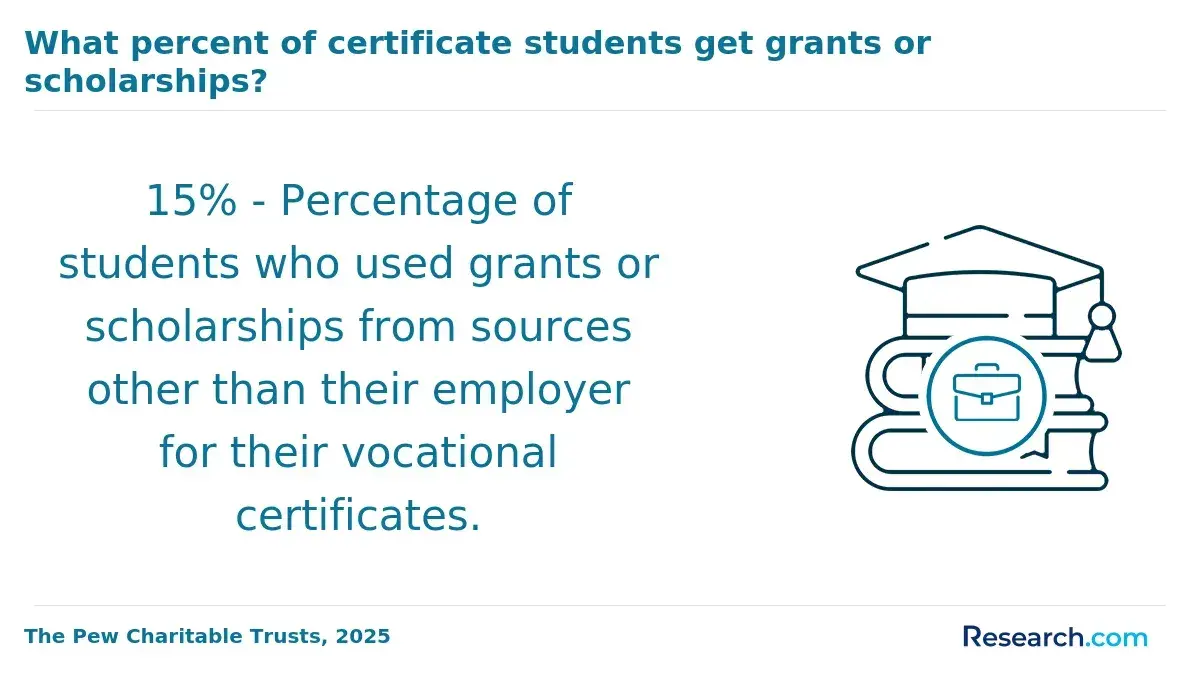
- Average published in-state tuition and fees at public four-year colleges: $11,610 for the academic year reported by College Board in 2024.
- Federal Pell Grant maximum for the 2024-25 award year: $7,395 for eligible undergraduate students.
- Typical bachelor's degree credit requirement: about 120 to 124 credits, so per-credit tuition matters more than the advertised annual price for many online students.
The table below summarizes cost factors that matter when speed is the priority. A lower sticker price may not be the best value if the program accepts fewer transfer credits or adds extra terms because courses are not available when needed.
| Cost factor | How it affects total cost | What to ask the school |
| Transfer-credit acceptance | More applicable credits can reduce both tuition and time | How many credits apply directly to my degree requirements? |
| Per-credit tuition | Determines the cost of remaining credits | Is online tuition different for in-state and out-of-state students? |
| Fees and materials | Technical programs may require software, lab kits, simulation tools, or proctoring | What fees should I expect each term? |
| Course availability | Missing a required course may add a term even if tuition per credit is low | Are required major courses offered every term? |
| Financial aid eligibility | Federal aid typically requires an eligible accredited institution and sufficient enrollment intensity | What aid applies if I take accelerated or year-round terms? |
| Employer tuition assistance | Can reduce out-of-pocket cost for working technicians | Does the program meet my employer's accreditation and grade requirements? |
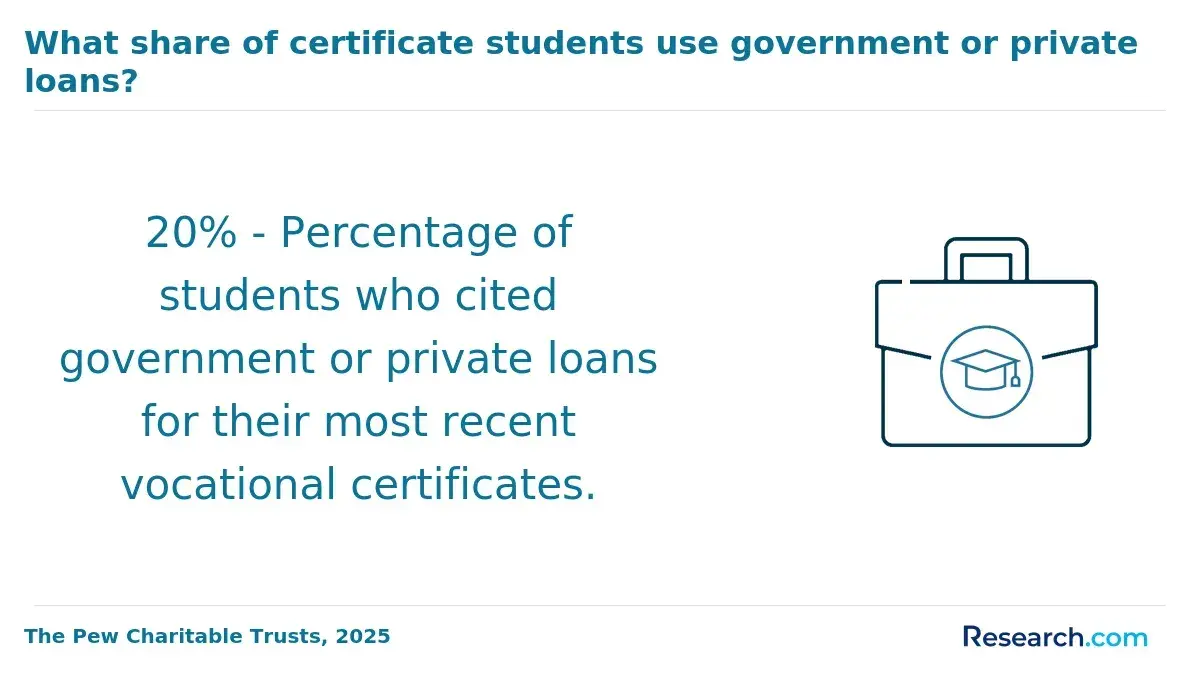
Financial aid may include federal grants, federal loans, state aid, institutional scholarships, military education benefits, and employer reimbursement. Students comparing long-term education spending may also want to review how affordability is evaluated in other advanced online pathways, such as the cheapest accredited online doctoral programs, because the same principles apply: accreditation, total credits, fees, and time to completion all matter.
Can You Work Full Time While Completing an Accelerated Online Engineering Technology Degree?
Yes, many online engineering technology students work full time, but the fastest timeline may not be realistic with a full-time job. Engineering technology courses often include math, technical labs, CAD or simulation work, reports, troubleshooting assignments, and team projects, which can make compressed terms demanding.
The table below compares common enrollment intensities. Use it to decide whether speed or sustainability should drive your plan.
| Enrollment pattern | Typical course load | Likely fit for full-time workers | Impact on completion time |
| Aggressive accelerated pace | Two or more courses in most short terms, including summers | Best for students with flexible work hours and strong technical preparation | Fastest, but highest burnout risk |
| Moderate full-time pace | One to two courses per short term or 12 credits in a standard semester | Possible for disciplined full-time workers | Often balances speed and manageability |
| Part-time pace | One course per term or fewer than full-time credits | Best for students with family, travel, shift work, or demanding jobs | Slower, but more sustainable |
| Stop-and-start enrollment | Terms skipped when work or family demands increase | Sometimes necessary, but risky for sequenced programs | Can add months or years if prerequisites are missed |
A slower plan may be the better choice if you are new to college math, returning after a long break, working rotating shifts, or taking lab-heavy courses. Finishing in 30 months with strong grades and less debt may be better than attempting an 18-month plan and withdrawing from key prerequisites.
To work full time and still move quickly, choose terms carefully. Pair a demanding course such as circuits, calculus, physics, or statistics with a lighter general education or writing course rather than stacking multiple technical courses in the same compressed session.
Are Accelerated Online Engineering Technology Degrees Respected by Employers and Graduate Schools?
Accelerated online engineering technology degrees can be respected when they come from properly accredited institutions, include rigorous technical coursework, and align with the student's career target. Employers usually care less about whether courses were online and more about accreditation, skills, projects, tools used, and whether the degree matches the job.
Engineering technology is applied rather than purely theoretical. Graduates may pursue roles related to electronics, manufacturing, automation, quality, field engineering support, maintenance planning, test engineering, technical sales, operations, or project coordination. The degree may also support advancement for technicians who already have experience but need a bachelor's credential for supervisory or engineering-support roles.
The BLS May 2024 wage figure for architecture and engineering occupations provides useful context, but it should not be read as a salary promise for every engineering technology graduate. Specific pay depends on occupation, region, industry, experience, clearance requirements, overtime, and whether the role is technician-level, technologist-level, or management-track.
Graduate schools may accept an online engineering technology bachelor's degree, but requirements vary. Some engineering master's programs prefer ABET-accredited engineering degrees and may require additional calculus, physics, or engineering science prerequisites from engineering technology graduates.
Professional and applied graduate programs may be more flexible. Students considering a different graduate field can compare format and fieldwork expectations with programs such as online SLP master's programs, where accreditation and supervised practice requirements play a much larger role.
The safest path is to match the degree to your end goal before enrolling. If you want engineering licensure, a traditional ABET-accredited engineering degree may be more appropriate in some states. If you want applied technical advancement, an ABET ETAC-accredited engineering technology program may fit better than a faster but less specialized general technology degree.
How Should You Compare the Fastest Accredited Online Engineering Technology Programs?
The best fast program is the one that produces the shortest verified path for your transcript, schedule, budget, and career goal. Do not rank programs only by advertised completion time because the fastest published pathway may assume maximum transfer credit, year-round full-time enrollment, and no prerequisite gaps.
Use this sequence to compare programs in a way that protects both speed and quality:
- Verify institutional accreditation and, when relevant to your goals, programmatic accreditation such as ABET ETAC or ATMAE.
- Request a preliminary transfer-credit review before applying, then request an official degree audit after admission.
- Ask for a term-by-term completion plan showing every remaining course, prerequisite, lab, capstone, and course rotation.
- Compare total remaining credits, not just total program credits or advertised months to completion.
- Confirm whether accelerated terms are 5, 6, 8, or 10 weeks and how many courses students may realistically take at once.
- Ask whether prior learning, military training, industry certifications, exams, or portfolios can apply to the degree.
- Calculate total cost using remaining credits, fees, materials, transfer evaluation fees, and possible extra terms.
- Check whether the program supports your career target, graduate school plans, employer tuition policy, or licensure pathway.
Several red flags should make you pause. These mistakes are common among students who want the fastest possible degree but have not yet checked the details that determine actual graduation time.
- Assuming accelerated means easy: Shorter terms compress the same technical workload into fewer weeks.
- Ignoring accreditation: A fast unaccredited or poorly matched program can limit transfer, financial aid, graduate school, or employer recognition.
- Overestimating transfer credit: Credits may transfer to the university but fail to meet major, upper-division, lab, or residency requirements.
- Missing prerequisite sequences: Calculus, physics, circuits, electronics, programming, and capstone courses can create bottlenecks.
- Forgetting lab and project requirements: Online does not always mean entirely asynchronous or self-paced.
- Choosing speed over fit: A general technical degree may be faster but less useful if your goal requires a specific engineering technology specialty.
If two programs appear similar, choose the one that gives you the clearest written plan. A school that can show exactly how your credits apply, when each course is offered, and what you will pay is usually a safer choice than one that only advertises a short completion time.
Other Things You Should Know About Engineering Technology
No. Engineering technology is more applied and practice-oriented, while engineering programs usually include more advanced theory, calculus-based engineering science, and design depth. Both can lead to technical careers, but they may support different roles, graduate options, or licensure paths.
Yes. Online programs may use lab kits, simulation software, remote labs, local proctoring, employer-based projects, or short in-person requirements. Ask how each required lab is completed before assuming the program is fully asynchronous.
Possibly, but schools may limit older credits in fast-changing technical areas such as electronics, computing, automation, or networking. Even if old credits are accepted as electives, they may not satisfy current major requirements.
Not automatically. Licensure rules vary by state and often distinguish engineering degrees from engineering technology degrees. If professional engineer licensure is a goal, confirm requirements with the state licensing board before enrolling.
References
- 2025 Best Online Engineering Degrees https://www.onlineu.com/degrees/engineering
- Transferring from an Engineering Technologist Program https://www.ualberta.ca/en/engineering/programs/undergraduate/admissions/transfer-options/from-engineering-technologist.html
- Where to Work with an Engineering Technology Degree? | DeVry University https://www.devry.edu/blog/where-can-you-work-engineering-tech.html
- Online Mechanical Engineering Degrees 2026: Costs & Salary Compared https://www.fernstudi.net/en/onlinestudies/technology/mechanical-engineering