2027 Cheapest Accredited Online Engineering Technology Degree Programs That Accept FAFSA

Co-Founder and Chief Data Scientist
This guide is for working adults, transfer students, veterans, and first-time undergraduates comparing online options. You will learn how to identify low-cost programs, verify aid eligibility, avoid red flags, and judge whether the cheapest degree is actually the best value.
Key Things You Should Know
- The cheapest FAFSA-eligible online engineering technology options are usually public universities, degree-completion programs, and schools with flat online tuition, but the lowest published tuition is not always the lowest net cost after grants, fees, and transfer credits.
- For 2024-25, the maximum Federal Pell Grant is $7,395, which can substantially reduce annual out-of-pocket cost for eligible undergraduates but does not automatically cover the full cost of an online engineering technology degree.
- Accreditation matters twice: the institution must be federally recognized for FAFSA participation, and programmatic ABET accreditation may matter for some engineering technology employers, graduate programs, or state-specific career goals.
Which Are the Cheapest Accredited Online Engineering Technology Degree Programs That Accept FAFSA?
The most affordable online engineering technology degrees that accept FAFSA are typically offered by regionally accredited public universities that participate in federal Title IV aid. The table below is a screening list, not a final ranking, because tuition, fees, residency rules, and aid eligibility can change by term and by student status.
| School | Online engineering technology-related degree | Institutional accreditation and FAFSA status | Published affordability signal | Best fit |
| Kennesaw State University | Online engineering technology and applied technology options, including industrial or manufacturing-related pathways depending on catalog availability | Regionally accredited public university; participates in federal student aid | Often competitive for Georgia residents and online students because of public tuition structures | Students seeking a public university option with applied technical coursework |
| Eastern New Mexico University | Online Bachelor of Science in Electronics Engineering Technology | Regionally accredited public university; participates in federal student aid | Known for relatively low public university pricing and online undergraduate affordability | Students interested in electronics, controls, instrumentation, and technical operations |
| Bemidji State University | Online Bachelor of Applied Science in Applied Engineering | Regionally accredited public university; participates in federal student aid | Online degree-completion model can lower the total cost for students bringing technical credits | Associate degree holders moving into technical supervision, manufacturing, or applied engineering roles |
| Indiana State University | Online engineering technology management-related bachelor's options | Regionally accredited public university; participates in federal student aid | Public tuition and transfer-friendly pathways may reduce completion cost | Technicians who want management, operations, or production leadership mobility |
| Southern Illinois University Carbondale | Online Industrial Management and Applied Engineering | Regionally accredited public university; participates in federal student aid | Public online degree-completion structure can be cost-effective for transfer students | Students with prior technical coursework aiming for industrial, quality, or operations roles |
| Thomas Edison State University | Online electronics systems engineering technology-related pathways | Regionally accredited public university; participates in federal student aid | Potentially strong value for adults with substantial transfer, military, or prior learning credits | Adult learners who need maximum credit flexibility |
| Old Dominion University | Online engineering technology degree-completion options | Regionally accredited public university; participates in federal student aid | May be more affordable for in-state or military-connected students than for some nonresidents | Students prioritizing established online delivery and transfer pathways |
To compare these programs fairly, focus on total degree cost rather than the advertised per-credit rate. A school charging more per credit may still be cheaper if it accepts more transfer credits, includes fewer fees, or awards more need-based aid.
Use this quick comparison process before applying:
- Confirm the school appears as an eligible institution in the federal school code system before submitting the FAFSA.
- Ask whether the exact online program, not only the university, is eligible for federal student aid.
- Request a written transfer-credit estimate before comparing total cost.
- Calculate tuition, mandatory fees, technology fees, books, software, lab kits, and any campus residency costs.
- Compare estimated grants and scholarships before deciding how much federal loan debt you would need.
How Does FAFSA Eligibility Work for Online Engineering Technology Degree Programs?
FAFSA eligibility means the institution participates in federal student aid programs and the student is enrolled in an eligible degree or certificate program. It does not mean every student receives grants, every online course is covered, or the school is automatically affordable.
For an online engineering technology bachelor's degree, federal aid usually depends on several conditions. These are the details to verify before assuming FAFSA will reduce your bill:
- The school must be accredited by an agency recognized for federal aid purposes and must participate in Title IV programs.
- The online engineering technology program must lead to an eligible credential, such as an associate or bachelor's degree.
- The student must meet federal eligibility rules, including citizenship or eligible noncitizen status, satisfactory academic progress, and enrollment requirements.
- The student's aid amount depends on the FAFSA results, cost of attendance, enrollment intensity, dependency status, and remaining lifetime aid limits.
- Some aid is grant-based, but federal loans must be repaid with interest, so FAFSA participation should not be treated as free tuition.
How Much Does an Online Engineering Technology Degree Cost After Financial Aid?
| Cost scenario | What changes the price | How to interpret it |
| Lowest published tuition | Low per-credit rate, usually before books, technology fees, and course materials | Useful for initial screening, but incomplete for budgeting |
| Lower net price after Pell Grant | Need-based grant aid can reduce annual charges for eligible undergraduate students | Most helpful for students with high financial need and limited prior borrowing |
| Lower completion cost through transfer | Accepted associate degree, military credits, or prior technical coursework reduces remaining credits | Often the biggest cost saver for working adults and community college graduates |
| Higher tuition but better credit acceptance | The school charges more per credit but requires fewer credits after evaluation | Can be cheaper than a low-tuition program that rejects many credits |
| Low tuition but high borrowing | Fees, repeated courses, low aid eligibility, or part-time enrollment increase loan use | May look affordable at admission but create weaker long-term value |
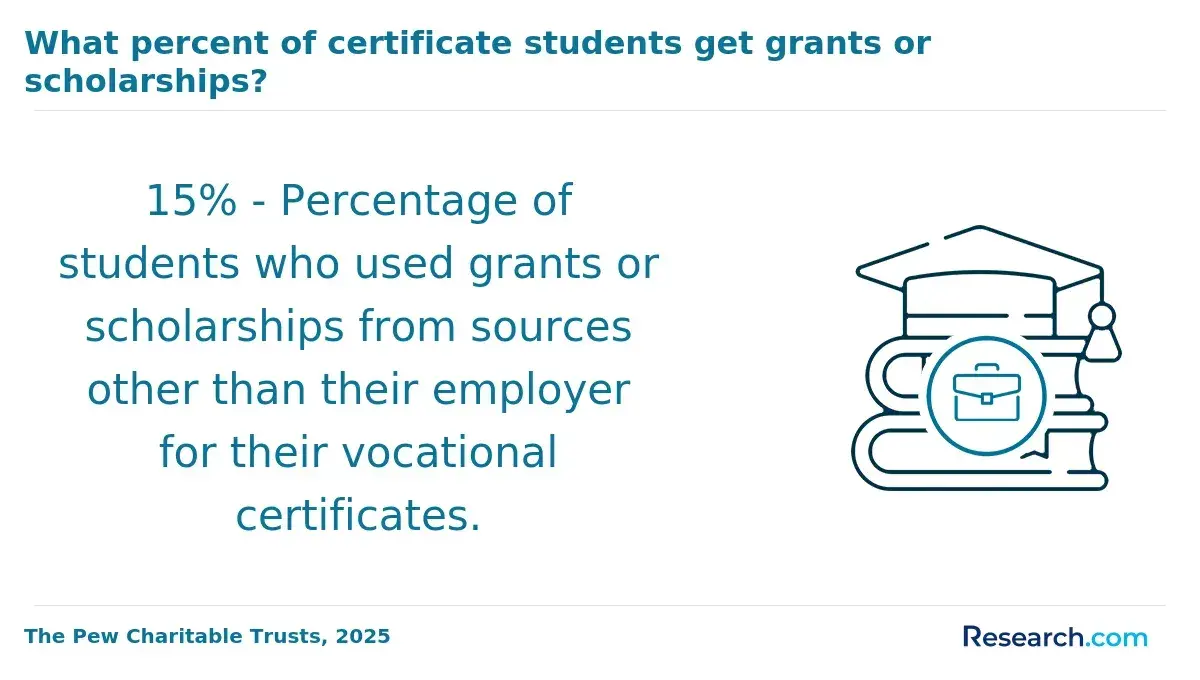
For 2024-25, the maximum Federal Pell Grant is $7,395. For a student who qualifies for the full amount, that can offset a meaningful portion of annual tuition at many public online programs, but it may not cover fees, books, software, labs, or living expenses.
To estimate your likely net cost, use this order of operations:
- Start with the number of credits you still need after transfer, not the full catalog credit requirement.
- Multiply remaining credits by the online tuition rate that applies to your residency or student category.
- Add mandatory fees, course fees, books, software, exam proctoring, lab kits, and any required campus visits.
- Subtract grants, scholarships, employer tuition assistance, military benefits, and tuition waivers.
- Treat federal loans as financing, not discounts, and estimate total repayment before enrolling.
Which Affordable Online Engineering Technology Degree Programs Offer the Best Value?
The best value is not simply the cheapest tuition. It is the program that gives you the strongest combination of low net cost, recognized accreditation, transfer efficiency, flexible scheduling, relevant technical coursework, and credible career outcomes.
The strongest affordable programs usually share these value indicators:
- They provide a written degree plan showing exactly how many credits you must complete.
- They publish online tuition and fees clearly instead of requiring a sales call for basic pricing.
- They accept relevant associate degree, military, industry, or prior learning credits without forcing unnecessary repeats.
- They offer engineering technology courses online in a predictable rotation so students can finish without long delays.
- They disclose institutional accreditation and, when applicable, ABET programmatic accreditation or candidacy status.
- They provide career services, internship guidance, employer partnerships, or capstone projects connected to technical work.
A more expensive program can be worth choosing if it has stronger transfer acceptance, better schedule reliability, required courses that match your industry, or ABET accreditation that matters to your target employer. A cheaper program may be the better value if your goal is promotion in a workplace that mainly requires an accredited bachelor's degree and applied technical knowledge.
Are the Cheapest Online Engineering Technology Degree Programs Properly Accredited?
Accreditation is the main safeguard against choosing a low-cost program that employers, graduate schools, or federal aid systems may not recognize. For FAFSA purposes, institutional accreditation and Title IV participation are the minimum checks; for some engineering technology careers, programmatic accreditation can also matter.
There are two accreditation layers to understand:
| Accreditation type | What it verifies | Why it matters |
| Institutional accreditation | The college or university meets broad academic, financial, and administrative standards | Usually required for federal student aid eligibility and transfer recognition |
| Programmatic accreditation | A specific engineering technology program meets field-focused standards, such as ABET ETAC standards when applicable | May matter for employers, technical credibility, graduate admission, or state-specific requirements |
| State authorization | The school is allowed to offer online education to students in your state | Important for online enrollment, complaint processes, and some professional pathways |
Before enrolling, verify accreditation directly rather than relying on marketing language. Use these practical checks:
- Search the school in the U.S. Department of Education accreditation database or the Council for Higher Education Accreditation database.
- Ask the program whether the specific online engineering technology degree has ABET accreditation, if ABET matters for your goal.
- Confirm whether online and campus versions of the program have the same accreditation status.
- Ask whether graduates have faced limitations with licensure, certification, graduate admission, or employer recognition.
- Get answers in writing if accreditation is a deciding factor for your career plan.
The biggest red flag is a school that emphasizes speed and low price while avoiding clear answers about accreditation, federal aid participation, faculty qualifications, or transfer outcomes.
What FAFSA Grants and Federal Aid Can Pay for an Online Engineering Technology Degree?
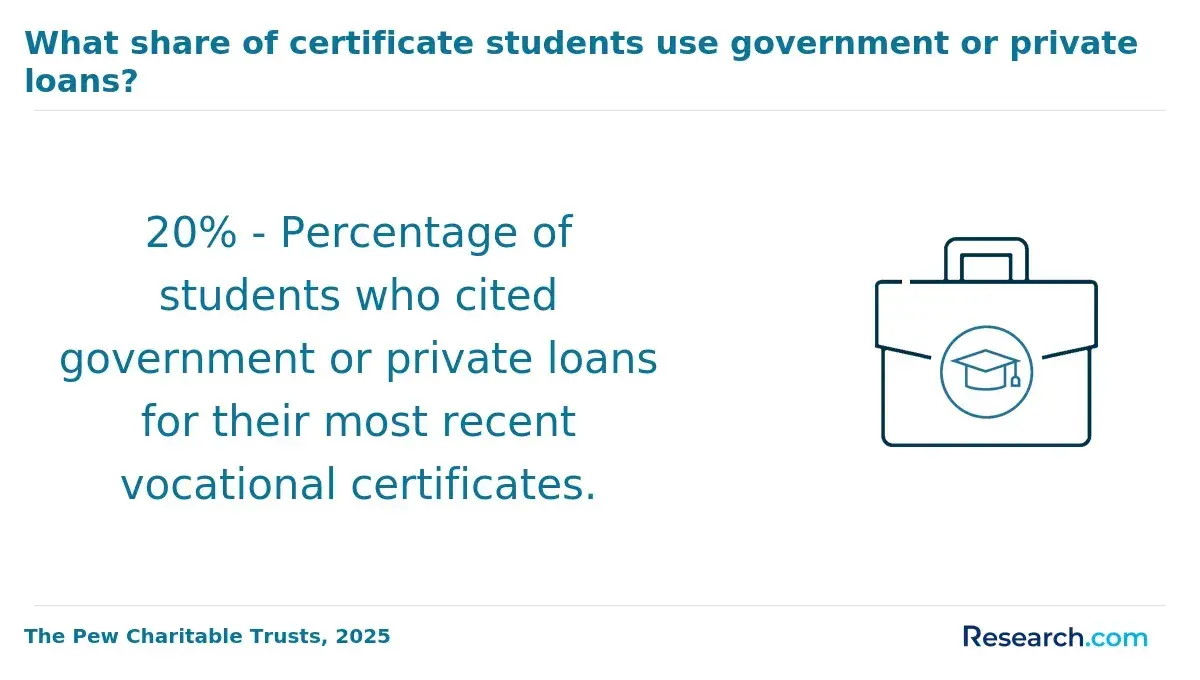
FAFSA can connect eligible online engineering technology students to grants, federal loans, and sometimes work-study, although work-study availability is more limited for fully online learners. The exact package depends on the student's FAFSA results, school cost of attendance, enrollment level, and remaining eligibility.
For undergraduate engineering technology students, the most relevant federal aid categories are:
- Federal Pell Grant: Need-based gift aid for eligible undergraduates that does not usually need to be repaid.
- Federal Supplemental Educational Opportunity Grant: Additional campus-based grant aid for students with exceptional financial need, subject to school funding availability.
- Direct Subsidized Loan: Need-based federal loan for eligible undergraduates where the government pays interest during certain periods.
- Direct Unsubsidized Loan: Federal loan that is not based on financial need and begins accruing interest when disbursed.
- Parent PLUS Loan: Federal loan option for eligible parents of dependent undergraduate students, subject to credit requirements.
Federal aid rules also matter later if you plan to continue beyond the bachelor's degree. Students comparing long-term education costs across fields can look at how affordability is evaluated in guides to the cheapest accredited online doctoral programs, where total borrowing and institutional eligibility become even more important.
Do not borrow the full amount just because it is offered. A safer approach is to accept grants first, then scholarships and employer assistance, and only then use the smallest federal loan amount needed to stay enrolled.
How Do Transfer Credits Lower the Cost of an Online Engineering Technology Degree?
Transfer credits can reduce the cost of an online engineering technology degree more than almost any scholarship because they reduce the number of credits you must buy. This is especially important for engineering technology, where many students already hold an associate degree, technical diploma, military training, or industry coursework.
Transfer value depends on how credits apply, not only how many are accepted. A school may accept credits as electives but still require you to retake major courses, which limits savings.
| Transfer source | Potential value | Question to ask |
| Associate of Applied Science | Can shorten bachelor's completion time if technical credits apply to the major | Will my AAS credits satisfy major requirements or only electives? |
| Community college general education | Can reduce lower-division requirements | Do you have a transfer agreement with my college? |
| Military training | May count toward technical, elective, or leadership credits | How do you evaluate Joint Services Transcript credits? |
| Industry certifications | May qualify for prior learning credit at some adult-focused institutions | Which certifications are preapproved for credit? |
| Prior bachelor's coursework | Can reduce general education or elective requirements | What is the maximum number of credits I can transfer? |
Students who expect to move into management after technical roles should also consider how undergraduate credits and grades may affect later graduate admissions. For example, someone planning to pair engineering technology experience with an MBA no GRE pathway should keep transcripts, syllabi, and course descriptions organized for future evaluations.
Before choosing a school, ask for a written transfer evaluation and a remaining-course list. If a lower-tuition program requires 20 more credits than a slightly higher-tuition competitor, the competitor may be the cheaper completion route.
Which Students Benefit Most From a Low-Cost Online Engineering Technology Degree With FAFSA?
This type of program is usually a strong fit for:
- Working technicians who need a bachelor's degree for advancement but already have hands-on experience.
- Associate degree graduates who can transfer a large block of credits into a degree-completion pathway.
- Students who qualify for Pell Grants or state grants and want to minimize borrowing.
- Veterans or active-duty students combining federal aid with military education benefits.
- Students targeting applied roles in manufacturing, electronics, automation, quality, construction technology, or technical operations.
It may not be the best fit for students who want a traditional engineering role requiring an ABET-accredited engineering degree rather than engineering technology, or for students whose target licensure path has strict degree requirements. Students comparing online professional programs in other fields, such as online SLP master's programs, will notice a similar pattern: online format can improve access, but accreditation and field-specific requirements still control long-term value.
The main decision is whether the degree aligns with the job you actually want. Engineering technology is typically more applied and implementation-focused than engineering, so it fits students who like systems, production, testing, troubleshooting, and technical operations.
How Does the Cost of an Online Engineering Technology Degree Affect Career ROI?
Career ROI depends on how much you pay, how much you borrow, how quickly you finish, and whether the degree helps you reach roles with better pay or stability. The degree can be financially worthwhile when it converts existing technical experience into bachelor's-level eligibility for promotions, management tracks, or specialized technical roles.
BLS May 2024 wage data placed the median annual wage for electrical and electronic engineering technologists and technicians at about $74,180. That figure should not be treated as a guarantee, but it shows why minimizing debt matters: a lower-cost degree gives you more flexibility if your first post-degree role pays near, below, or above the median.
Use these ROI questions before enrolling:
- What job title am I targeting, and does it prefer engineering technology, engineering, industrial technology, or another major?
- How much will I borrow in total if I finish on the schedule I expect?
- Will my employer raise my pay, change my title, or reimburse tuition after degree completion?
- Does the program include coursework in automation, CAD, quality systems, data analysis, controls, project management, or other skills used in my target industry?
- What is my backup plan if I need to pause enrollment or finish part-time?
Students considering graduate education later should add future tuition to the ROI picture. Comparing a technical bachelor's degree with another low-cost online pathway, such as an accelerated masters in psychology, can clarify whether the next credential supports the same career direction or introduces a separate cost commitment.
The safest ROI strategy is to choose the least expensive accredited program that still fits your target role, accepts your transfer credits, offers reliable course availability, and keeps borrowing within a level you can manage on realistic entry or promotion pay.
How Should Students Choose the Cheapest FAFSA-Eligible Online Engineering Technology Degree?
Start with affordability, but do not stop there. The right program is the one that lowers your net cost while still meeting accreditation, scheduling, transfer, and career requirements.
Use this step-by-step checklist to compare schools in a way that protects both your budget and your career options:
- Define your target role first, such as manufacturing supervisor, electronics technologist, quality technician, automation specialist, project coordinator, or technical operations manager.
- Confirm whether that role requires engineering technology, engineering, industrial technology, construction management, or another specific credential.
- Verify institutional accreditation, Title IV federal aid participation, and state authorization for online enrollment.
- Ask whether the specific online program is eligible for FAFSA-based aid.
- Request a transfer-credit evaluation before comparing total price.
- Build a full cost worksheet that includes tuition, fees, books, software, supplies, lab kits, exam fees, and required travel.
- Compare grants and scholarships separately from loans so you can see the true net price.
- Check course rotation to make sure required classes are offered often enough for your intended timeline.
- Ask about ABET accreditation if your employer, graduate school, or state pathway values it.
- Choose the program with the best combination of low net cost, low borrowing, credible accreditation, and direct relevance to your career goal.
Avoid choosing a school based only on a "cheap online degree" claim. The better question is whether the program can get you to graduation with the fewest unnecessary credits, the least avoidable debt, and a credential that employers in your target field understand.
Other Things You Should Know About Engineering Technology
Many do, but the format varies. Some use simulation software, take-home lab kits, local proctoring, workplace-based projects, or short campus sessions. Ask whether lab requirements add extra fees or travel costs before enrolling.
Yes, some programs admit first-time or lower-division students, while others are designed for transfer students with an associate degree or technical credits. If you do not have transfer credits, compare full four-year cost rather than degree-completion cost.
No. Engineering technology is usually more applied and practice-focused, while engineering is typically more math- and theory-intensive. Either can be valuable, but the better choice depends on your target role, employer expectations, and any licensure requirements.
Often yes, but coordination rules vary by school and employer. Tell the financial aid office about employer assistance early because it may affect your aid package, billing schedule, or reimbursement timing.
References
- Financial Aid Eligible Programs | SLCC https://www.slcc.edu/financialaid/eligible-programs.aspx
- 9 Online Schools That Accept FAFSA (and How to Get Financial Aid) https://www.studentloanplanner.com/financial-aid-online-colleges/
- 50+ Scholarships & Grants for Study Abroad in 2025 | Go Overseas https://www.gooverseas.com/blog/study-abroad-scholarships-grants
- International Student Scholarship Search & International Financial Aid https://www.iefa.org/
- 2025 Most Affordable Bachelor's in Engineering Online https://www.onlineu.com/most-affordable-colleges/engineering-degrees
- Accreditation - ABET https://www.abet.org/accreditation/
- ABET Accreditation for Engineering Programs Explained https://engineeringsauthority.com/abet-accreditation-engineering-programs/
- Best Engineering Colleges by Academics and Value https://www.road2college.com/top-engineering-schools/
- The 4 Best Online Colleges that Accept FAFSA https://joinjuno.com/financial-literacy/financial-aid/online-colleges-accept-fafsa
- Graduate Engineering Schools That Award Financial Aid to International Students | WorldTrips Travel Insurance https://www.worldtrips.com/resources/graduate-engineering-financial-aid-to-international-students