2027 Game Design Degree Programs With Rolling Admissions

Co-Founder and Chief Data Scientist
A returning learner weighing the timing of reentry into education often faces rigid deadlines that clash with work or family commitments. Unlike traditional fall or spring admissions, programs with rolling admissions can reduce wait times and accommodate shifting schedules-an advantage particularly relevant in game design, where continuous skill development and project cycles demand enrollment flexibility. According to the National Student Clearinghouse Research Center, nearly 35% of postsecondary enrollments occur outside traditional terms, reflecting growing demand for adaptable start dates. This article explores rolling admissions game design programs, evaluating how their timing, pacing, and enrollment policies align with diverse student strategies and career trajectories.
Key Benefits of Game Design Degree Programs With Rolling Admissions
- Rolling admissions align with project-based curricula by enabling students to join cohorts at varied stages, which fosters diverse skill integrations but may complicate collaborative rhythm essential to game development pipelines.
- Employers increasingly value candidates with adaptive problem-solving shaped by irregular academic pacing, so rolling admissions allow learners to integrate real-time industry trends into portfolios, enhancing employer relevance.
- Extended application periods reduce peak deadline pressure, permitting cost-spreading for tuition but requiring students to proactively manage enrollment timing to avoid delayed entry into competitive internship cycles.
How Do Game Design Degree Programs With Rolling Admissions Work?
Rolling admissions in game design degree programs fundamentally alters how and when students enter these highly project-driven curricula, creating advantages and challenges tied directly to workforce rhythms and program capacity.
- Flexible Start Dates: Students can apply at any time once their portfolio demonstrates readiness, which suits those aiming to pivot careers quickly. This allows immediate immersion in courses aligned with active industry projects rather than waiting for fixed enrollment periods.
- Capacity Constraints: Because admission offers depend on seat availability and proceed on a first-come, first-served basis, late applicants may face closed cohorts despite being qualified. This creates a strategic pressure to balance portfolio development speed against application timing.
- Industry Alignment: Universities adopt this model to reflect the fluctuating hiring patterns within game studios, which commonly recruit around project milestones. Rolling admissions facilitate multiple learner cohorts beginning specialized modules relevant to current industry workflows.
- Planning Complexity: The absence of a centralized deadline can fragment student motivation and complicate coordination with group work or game jams, which often cluster around traditional semester cycles. Applicants must therefore exercise greater discipline in mapping out their academic and creative timelines.
What Are the Admission Requirements for Rolling Admissions Game Design Programs?
Rolling admissions game design programs filter candidates continuously, demanding applicants demonstrate immediate readiness and relevant skills to remain competitive in an iterative review landscape. Delaying submission can mean lost opportunities as seats fill quickly, reflecting real-world industries where timeliness and adaptability often outweigh traditional academic pacing.
- Portfolio Submission: Applicants must present a curated selection of work such as concept art, level designs, prototypes, or scripting samples that convey technical proficiency and a grasp of design iteration fundamental to game development.
- GPA Requirement: While a strong GPA provides evidence of academic discipline, its weight is secondary to creative output; nonetheless, minimum standards often ensure applicants possess foundational knowledge essential for the curriculum.
- Transcripts: These document proficiency in key areas like math, computer science, and storytelling, serving as baseline verification rather than decisive admission criteria.
- Letters of Recommendation: Recommendations that highlight an applicant's communication skills, collaborative mentality, and sustained commitment to the game design profession can positively influence admissions, especially when coupled with demonstrated portfolio strength.
- Personal Statement: A clear narrative about career goals and adaptability provides evaluators with context on motivation and readiness to navigate the shifting demands of the industry.
- English Proficiency: For non-native speakers, demonstration of language skills ensures effective participation in team environments and comprehension of technical material common in game design education.
Applicants balancing work or nontraditional schedules benefit from rolling admissions' flexibility, but must prioritize early, polished submissions to avoid unfavorable timing effects. Program reviewers prioritize evidence of practical skill and iterative learning ability over static credentials, mirroring employer demands in a market where tangible creative contributions and collaborative agility determine hiring and advancement prospects.
When Should You Apply for Rolling Admissions Programs?
Rolling admissions in game design programs operate quite differently from fixed deadline models, shaping applicant outcomes through ongoing, first-come, first-served evaluation. Applications are reviewed continuously, meaning seats fill progressively rather than all at once after a cutoff date. This structure grants an early application advantage by reducing direct competition and maximizing access to financial aid or scholarships typically awarded as funds remain. However, this benefit only materializes if applicants present a strong, polished portfolio; premature submission with incomplete materials often undermines chances more than waiting. Mid-cycle applicants trade some availability for improved preparedness but face tightening competition and diminished financial support, requiring them to weigh quality against reduced options carefully.
As the cycle progresses toward closing, late applicants confront increasingly limited seats or waitlist statuses that introduce uncertainty and possible delays in matriculation. Moreover, late admission can mean missing critical industry partnerships or internships associated with earlier cohorts, potentially impacting employment prospects post-graduation. These timing dynamics force a balancing act between readiness and promptness, with candidates needing to calibrate their application strategy based on portfolio strength, financial needs, and career timing. Furthermore, since rolling admissions can vary across institutions, applicants must research each program's specific cadence and funding approach to tactically position themselves within the cycle.
One applicant recalled hesitating after an early draft portfolio didn't meet their personal standards, choosing to submit mid-cycle instead. While this improved the quality of their work and eventual acceptance, they acknowledged the reduced scholarship opportunities and heightened competition made the process more stressful. Their experience underscored that deciding when to apply extends beyond simple timing-it hinges on evaluating readiness against the practical realities of seat availability and funding that influence outcomes in rolling admissions game design programs.
Are Rolling Admissions Common in Online Programs?
Rolling admissions are notably more prevalent in online game design programs than their on-campus counterparts due to the operational flexibility these formats demand. Online programs cater to geographically dispersed students with varying schedules, making continuous application intake a practical necessity. This model enables institutions to better manage enrollment flows and adjust cohort sizes dynamically, which mitigates delays between application and course start dates. Such adaptability reflects the need to balance demand spikes and fluctuating interest common in digital learning environments. However, this approach requires students to remain vigilant about filling popular cohort spots, as ongoing admissions can increase competition for limited seats in high-demand terms.
Implementation varies across institutions: some online game design degrees fully embrace rolling admissions, while others maintain fixed deadlines or hybrid cycles to preserve curricular cohesion and faculty resource planning. Approximately 45% of online degree programs at public universities employ rolling admissions, underscoring its expanding role in remote education models. For students, this means faster enrollment options that better accommodate work-life unpredictability but also a need for strategic timing when applying. Prospective learners curious about flexible timelines might also consider other programs, such as a 1 year executive MBA online, which similarly employ rolling admissions to align with professional pacing.
Do Rolling Admissions Schools Have Higher Acceptance Rates?
Rolling admissions policies do not inherently result in higher acceptance rates; instead, they represent a procedural approach to handling applications as they arrive rather than batch processing after a fixed deadline. The perception that rolling admissions schools are less selective often stems from the timing advantage early applicants may have in securing limited seats before they fill. However, acceptance depends primarily on factors such as program capacity, the strength of the applicant pool, and institutional priorities rather than the admissions timeline itself. For example, a highly competitive game design program with limited enrollment will maintain rigorous standards regardless of the admission model, as employers and industry expectations demand consistent graduate quality.
The timing of an application under rolling admissions can affect chances indirectly through seat availability, with earlier submissions facing less congestion compared to those sent later in the cycle. Yet, this is an operational nuance rather than a relaxation of academic or portfolio benchmarks. The variability in acceptance rates observed across programs often reflects differences in demand, resources, and institutional reputation within the field of Game Design. Prospective students should weigh these structural dynamics carefully rather than assume rolling admissions offer easier entry or better alignment with career outcomes, recognizing that selectivity and program rigor remain central drivers influencing employability and educational return on investment.
How Much Do Rolling Admissions Game Design Programs Cost?
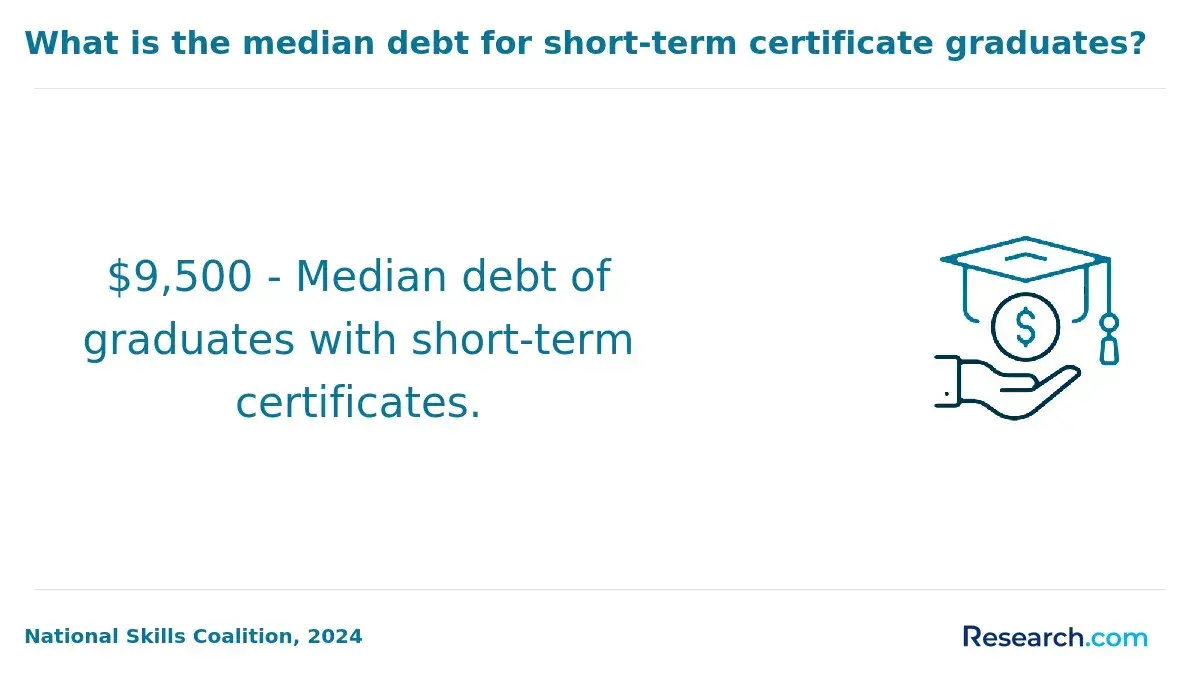
Tuition pricing in rolling admissions game design programs is often structured around credit hours or per-term enrollment rather than fixed semesters, allowing students multiple start points annually without changing the inherent tuition cost. This means a learner paying $300 to $700 per credit hour will see similar tuition totals regardless of when they enroll, but payment schedules may be staggered or paced differently. Additional costs-such as technology fees, institutional charges, and required course materials, which can range from several hundred to over a thousand dollars annually-add to the financial commitment and must be factored into budgeting. For example, a student combining part-time work with study might appreciate the flexible start dates aligning with pay cycles or tuition reimbursement timelines, yet should recognize that spreading enrollment does not reduce the overall per-credit expense, a key factor in managing cumulative debt. These financial dynamics influence the cost comparison of rolling admissions game design degrees and how students effectively plan their education investment.
Program delivery format critically shapes how costs accumulate over time. Online or hybrid programs commonly reduce campus-based fees and can enable learners to accelerate completion, potentially lowering total costs, while accelerated or cohort-based tracks might demand higher upfront payments but shorten time to degree-impacting income timing post-graduation. Total costs for rolling admissions game design programs generally fall between $15,000 and $40,000, depending on credit requirements and additional fees. Understanding these pricing models is essential, especially when evaluating against alternatives like competency-based or subscription-style options that offer flat-rate access for defined periods. Prospective students researching this field should also consider related advice found in psychology degree online cheap resources, which, while from a different discipline, underline common affordability principles useful for making informed tuition decisions.
Are Career Outcomes Different for Rolling Admissions Students?
Choosing a program with rolling admissions in game design does not, by itself, influence long-term career outcomes or job placement success. Rolling admissions primarily offer flexibility in when applicants submit materials and receive decisions, but this enrollment feature neither enhances nor diminishes academic quality, curriculum depth, or industry recognition. Instead, professional prospects hinge on a program's accreditation, specialized training-such as narrative design or software engineering-and the availability of internships and industry partnerships that build tangible skills and networking opportunities. Labor market dynamics also play a crucial role; for instance, over 65% of employers in the gaming sector emphasize proven portfolio work and real experience rather than admissions timing, reflecting a preference for demonstrated capability over procedural particulars (Entertainment Software Association data).
That said, there can be an indirect benefit to rolling admissions through earlier enrollment and potentially expedited graduation, which may allow some students to enter a rapidly evolving job market ahead of peers who wait for fixed deadlines. This timing advantage matters in game design, where staying updated with current tools and trends directly affects employability. However, this benefit relies on consistent student engagement and pace, not just admission timing. Institutional quality varies widely: some schools with rolling admissions uphold rigorous standards and maintain robust industry ties, while others may not, so students must evaluate program outcomes and resources carefully rather than assume enrollment flexibility correlates with opportunity.
One graduate recalled that applying early during the rolling admissions cycle allowed her to start sooner than initially planned, but she hesitated initially due to incomplete portfolio pieces. She finally submitted a stronger application later in the cycle, accepting that waiting a bit would strengthen her candidacy. Though this delay pushed back her start date, it gave her more confidence and preparedness for program demands. In hindsight, she understood that the timing of admission was less impactful than the quality of her portfolio and readiness to engage fully with coursework and industry projects once enrolled.
Can Rolling Admissions Programs Lead to High-Paying Careers?
Salary potential in game design careers is influenced by multiple substantive factors that go far beyond the timing or format of admission. Rolling admissions, which offer flexible enrollment windows, function primarily as an administrative convenience rather than a driver of income levels or access to lucrative positions. Key determinants such as the specific game design specialization, the institution's accreditation and reputation, and robust internship or experiential learning opportunities weigh far more heavily on employability and salary outcomes. For example, a graduate who entered a program via rolling admissions but secured a well-regarded internship, built industry connections, and developed sought-after technical skills is positioned more favorably than someone admitted under a traditional cycle without these advantages.
Here is the text with your keyword integrated:
While rolling admissions may enable earlier enrollment and potentially lead to quicker graduation, the correlation with higher salary is indirect and inconsistent. Entry-level game design roles often start around $50,000 annually, with seasoned professionals or specialists—including those graduating from an AI degree online or advanced interactive media tracks—reaching six figures depending on niche demand and individual growth. These variations reflect market dynamics, geographic employment differences, and the graduate's network and portfolio rather than enrollment method. Consequently, candidates should prioritize program quality, hands-on experience, and career-relevant skills over the appeal of flexible admissions timelines when aiming for high-paying game design careers.
What Are the Disadvantages of Rolling Admissions Programs?
Rolling admissions in game design degree programs may seem to offer flexibility but introduce complex practical drawbacks that affect student outcomes and decision-making. The continuous enrollment structure diminishes the cohesive, collaborative learning environments critical to developing both technical and creative capacities. In this way, applicants face real tradeoffs beyond scheduling convenience.
- Fragmented peer network and collaborative challenges: Since cohorts are not fixed, the opportunity to engage deeply in team-based projects and peer feedback-core to portfolio development and skill acquisition-is reduced, weakening essential experiential learning.
- Enrollment timing uncertainty: About 60% of programs with rolling admissions observe peak enrollments early in their cycles, which can prompt a rush that pressures applicants to apply hastily or risk missing open slots, often resulting in lower-quality submissions.
- Financial and logistical instability: The lack of set deadlines complicates planning for financial aid, housing, and part-time employment, creating additional stress and unpredictability during critical academic phases.
- Limited access to structured internships and workshops: Employers frequently favor applicants who graduate from programs with synchronized internships or cohort workshops, which are often unavailable or misaligned in rolling admissions frameworks, potentially undermining graduate employability.
- Resource strain and reduced individualized support: Faculty and advising staff must adapt to fluctuating enrollments and diverse student needs, which can dilute personalized guidance and timely feedback, essential for mastering complex game design skills.
These challenges make rolling admissions less suitable for applicants prioritizing integrated learning experiences and stable academic planning. Prospective students should weigh these disadvantages carefully against the flexibility offered, especially if they seek to optimize outcomes in a competitive field. For those balancing finances, work, or other commitments, exploring options like an online MBA under 30k may offer a more predictable pathway with structured timelines.
Understanding the disadvantages of rolling admissions in game design degree programs is vital for informed decision-making amid the evolving demands of the industry and workforce.
How Do You Choose the Best Game Design Program With Rolling Admissions?
Evaluating game design degree programs with rolling admissions requires more than noting flexible application timelines. Prospective students must analyze how variable start dates interact with curriculum currency, student support, and career readiness. The choice can significantly affect time to degree completion and job market competitiveness, especially when balancing work or family obligations alongside studies.
- Curriculum relevance: Programs should emphasize proficiency in current tools such as Unity or Unreal Engine and integrate emerging fields like virtual reality. A rolling admissions program that frequently updates coursework ensures graduates possess skills valued by employers.
- Graduation outcomes: Since rolling admissions often attract nontraditional students, scrutinize graduation rates and average time-to-degree. High completion rates reflect strong academic advising and manageable pacing, vital for students balancing external commitments.
- Internship access and industry ties: Consistent opportunities for internships despite asynchronous start dates are critical. Internship placements correlate directly with professional networking and job prospects in this competitive sector.
- Faculty expertise and digital resources: Faculty actively engaged in industry practices enrich learning through real-world insights. Additionally, robust online platforms support effective coursework engagement regardless of admission timing.
- Post-graduation employment data: Transparent reporting of career outcomes offers tangible evidence of program effectiveness in placing graduates within the game design field.
Students seeking the best game design degree programs with rolling admissions must weigh these factors pragmatically. For those navigating nontraditional enrollment, the balance between schedule flexibility and educational rigor determines long-term professional advantage. While rolling admissions facilitate access, they require careful assessment of program quality to avoid extended time-to-degree or diminished employability. For a broader context on valuable graduate pathways, consider consulting the most valuable masters degrees resource to understand how specialized credentials align with employer demand.
What Graduates Say About Game Design Degree Programs With Rolling Admissions
- Paxton: "Coming from a tight budget and juggling a part-time job, I opted for a game design program with rolling admissions because it allowed me to start right away without waiting for semesters to begin. The flexible schedule helped me build a solid portfolio, which proved more critical than traditional certifications when applying for internships. Although I struggled with some of the intense workload alongside work, the practical projects directly led to my first junior designer role."
- Ameer: "I made the decision to pursue game design after a career pivot from marketing, prioritizing programs with rolling admissions to speed up my entry into the industry. The challenge was balancing my limited time to learn new technical skills while still applying past experience creatively. While I landed a remote internship that boosted my resume, I noticed many employers valued hands-on experience more than formal degrees, so I continue building freelance projects to stay competitive."
- Nathan: "With a full-time job and family commitments, the rolling admissions for my game design degree meant I could start courses without delay, but managing workload was tough. Choosing this path was strategic to gain design fundamentals quickly and improve my portfolio, since I knew salary growth in this field can plateau without specialized certifications. After graduation, I secured a position at a mid-sized studio, but I'm aware that advancement will require ongoing learning and adapting to rapidly evolving technology."
Other Things You Should Know About Game Design Degrees
Game design programs with rolling admissions in 2027 typically require a portfolio showcasing a range of skills, including proficiency in software like Unity or Unreal Engine. Applicants may need to submit game prototypes, artwork, or code samples to demonstrate their practical experience and creativity.
Employers in game design often expect students to follow conventional academic calendars, aligning internship availability and project completions accordingly. Those entering mid-cycle might emerge for recruitment outside peak hiring windows or miss portfolio showcase events tied to semester timelines. Students should anticipate possible timing mismatches and proactively seek programs offering robust career services that accommodate rolling cohorts, ensuring smoother transitions into internships and employment.
Game design degree programs with rolling admissions in 2027 typically require proficiency in software like Unity, Unreal Engine, and Adobe Creative Suite. Familiarity with programming languages such as C# or C++ is also often expected to meet course requirements effectively.
References
- What to Look for in a Game Design Program https://www.princetonreview.com/college-advice/game-design/researching-game-design-programs
- Colleges with Admit Rates of 20-59%: Schools You’ve Liked and Why (NO REPLIES) https://talk.collegeconfidential.com/t/colleges-with-admit-rates-of-20-59-schools-you-ve-liked-and-why-no-replies/3680857
- edmov https://edmov.com/blog/game-design-and-development-a
- Top Undergraduate Game Design Programs | SoFi https://www.sofi.com/learn/content/top-schools-for-game-gaming/
- Checklist for Choosing Between Game Design Schools in Canada https://www.vanarts.com/news-article/checklist-for-choosing-between-game-design-schools-in-canada/
- Game Development - studia I stopnia - Collegium Da Vinci Poznań https://cdv.pl/en/first-cycle-degree/creative-media-and-art/game-development-2/
- APPLICATION PROCESS https://colognegamelab.de/study-programs/post-graduate-programs/game-development-research-ma/application/
- Game Design Requirements: Skills, Portfolio & Entry Guide | BSBI https://www.berlinsbi.com/blog/game-design-requirements-what-you-need-to-know-before-you-apply
- Is Game Programming a Good Career Path? Opportunities, Salary, Outlook - Champlain College https://www.champlain.edu/blog/stories/game-programming-career-path/
- Game Design & Development BAS Information https://www.lwtech.edu/academics/school-of-design/game-design/bas-information.aspx