2027 Online Sport Management Degrees for Community Sports Careers

Co-Founder and Chief Data Scientist
Mid-career professionals aiming to transition into community-focused roles in sport management often face a dilemma: balancing the urgent need for relevant credentials with inflexible work and family commitments. Despite a 27% surge in adult enrollment in online degree programs reported by the National Center for Education Statistics in 2024, many find that course selection, scheduling, and program formatting still inadequately address real-world constraints, causing delays or dropouts.
This disconnect challenges candidates to identify programs that legitimately accommodate hands-on career shifts without sacrificing educational rigor or employability. This article outlines the current landscape of online sport management degrees tailored to community sports, guiding readers toward strategic choices that optimize access, timing, and practical outcomes.
Key Things You Should Know
- Online sport management degrees averaging $15,000-$30,000 reveal a cost-access tradeoff: accelerated 12-month tracks lower tuition yet restrict deep networking critical for securing community sports roles, per NCES 2024 data.
- Employers increasingly demand candidates with practical certification and internship experience; 62% of surveyed U.S. sports organizations prioritize applied skills over academic pedigree, complicating purely online degree leverage.
- Completion timing impacts market entry: programs delaying hands-on exposure reduce immediate employability in community sports, where 40% of entry roles require active project portfolios within 6 months of graduation.
What is an online sport management degree and how does it prepare you for community sports careers?
An online sport management degree programs for community sports develop specific competencies in navigating operational challenges unique to grassroots organizations, including nonprofits and municipal leagues. Unlike broad business curricula, these programs train students in sports law, ethics, volunteer management, and community engagement-skills essential for designing inclusive youth leagues and efficient volunteer initiatives. For example, a graduate might implement strategies that increase volunteer retention and improve event delivery, addressing real-world demands of local sports administration.
The practical reality is that online sport management degree programs for community sports require active pursuit of hands-on experience through internships or practicum placements, as virtual learning alone seldom suffices for mastering facility operations or regulatory compliance. Demand for these skills is reflected in the 23.7% increase in U.S. Sport & Fitness Management degrees awarded between 2013 and 2023, signaling expanding job opportunities but also tighter employer expectations for applied expertise and field readiness.
Prospective students should critically evaluate program rigor and alignment with local community needs, focusing on curricula that integrate grant writing, safety protocols, and stakeholder communication. This strategic approach maximizes career relevancy while navigating the tradeoffs of online formats.
Those interested in advanced administrative roles may examine pathways like the online PhD in healthcare management, which offers deeper expertise in organizational leadership applicable to sports healthcare and wellness programs.
Are online sport management degrees respected and properly accredited for U.S. community sports roles?
Accreditation is the decisive factor distinguishing credible online sport management degrees from those that fail to meet workforce standards, particularly for community sports roles. Students pursuing online sport management degree accreditation in the U.S. must prioritize programs recognized by bodies such as the Council for Higher Education Accreditation or regional accreditors. Without this, graduates risk being shortlisted only for entry-level or unrelated positions due to the absence of practical skills employers require.
Community sports careers demand more than theoretical knowledge-integrated internships, fieldwork, or capstone projects embedded in reputable online programs are essential for developing applicable competencies. Consider a graduate organizing youth leagues in a mid-sized city: success depends on both policy understanding and event logistics experience, which unaccredited or purely coursework-based programs often neglect.
Hiring managers in parks and recreation or nonprofit sports organizations consistently favor candidates from accredited online sport management degrees for community sports careers who also demonstrate hands-on experience. The U.S. Bureau of Labor Statistics expects over 106,000 new sports and entertainment jobs annually through 2032, intensifying the need for professionals with verifiable expertise capable of managing growing community sports initiatives.
Prospective students must assess program accreditation, faculty qualifications, and experiential learning offerings closely. Time management for hands-on experiences beyond online classes is critical to avoid underpreparedness in roles that blend event coordination and athletic program development. Those considering leadership paths should also explore what degree do you need to be an athletic director, underscoring the importance of strategic credential choices aligned with career goals.
How do online sport management programs compare to campus-based options for community sports careers?
Community sports employers value practical leadership and demonstrated local engagement, areas where campus-based programs retain a clear advantage compared to online sport management degree benefits for community sports careers. Campus programs typically embed internships and in-person collaborations that build trust and professional connections essential for facility management roles with median wages near $73,460 annually, according to the U.S. Bureau of Labor Statistics cited by University of Kansas Online Sport Management. This hands-on involvement bolsters employability in a field where proven teamwork and event execution outweigh theoretical knowledge alone.
Conversely, online sport management programs emphasize flexible delivery suited for working professionals, relying on virtual simulations and remote projects that may not fully replicate the nuances of live event coordination or facility operations. To bridge this gap, students should prioritize programs with strong internship placement services or hybrid models incorporating occasional on-site experiences. Online learners must also proactively develop networks through local volunteering and industry associations.
The decision between campus-based vs online sport management programs for community sports hinges on balancing immersive experiential learning with personal logistical constraints. Prospective students should also verify accreditation and employer reputation to match hiring expectations. For those comparing educational pathways in this space, exploring related fields such as online construction management may present additional avenues for career diversification or advancement.
What community sports career paths can you pursue with an online sport management degree?
Career opportunities in community sports that follow an online sport management degree emphasize operational proficiency over high-profile marketing acumen. For instance, a youth recreation coordinator must adeptly manage sports leagues while navigating volunteer recruitment and local government policies, which shapes the role more toward practical administration than elite sports promotion. This reflects a clear tradeoff in skill requirements compared with professional sports careers.
Community sports professionals looking to expand participation through tailored programs require data-driven decision-making and grant writing skills, given the frequent dependence on external funding. Facility managers face similar operational demands, including scheduling, maintenance, safety, and contract negotiation, highlighting the need for strong logistical capabilities within community contexts.
Entry-level salaries in metropolitan U.S. areas generally range from $40,000 to $50,000, with upward mobility to director roles typically contingent on five or more years of experience combined with academic credentials. Employers expect hands-on experience, often gained through internships or local sports agency involvement, which aligns with realistic hiring criteria in this sector.
The 2024 tuition rate of $495 per credit hour for Lindenwood University's fully online bachelor's degree provides a competitive option for those pursuing online sport management degree paths for community sports professionals balancing work and personal obligations. This cost structure notably contrasts with more expensive or campus-dependent programs. Prospective students seeking accelerated options in related fields may also consider exploring accelerated MHA programs online that offer alternative routes for career pivots with a practical orientation.
What courses and specializations are typically included in online sport management programs focused on community sports?
Choosing an online sport management program with a community sports focus requires balancing operational know-how against social impact competencies. Core coursework typically covers sports marketing, event management, and nonprofit administration, but practical effectiveness hinges on mastering budget oversight, legal compliance, and volunteer coordination-elements critical for sustaining grassroots sports organizations.
For instance, a graduate managing a city-run recreation program faces the challenge of navigating scarce resources while adhering to liability standards, demanding expertise in risk management and contract negotiation. This real-world application spotlights the advantage of programs that integrate advanced analytics training, enabling leaders to assess program performance and participant engagement accurately, influencing funding and community support.
Employers consistently prefer candidates with hands-on experience; thus, programs offering internships or practicums with local sports organizations significantly improve employability. Data shows the Isenberg MS in sport management has a 92% full-time industry placement rate within three months post-graduation, with an average starting salary of $48,000, reflecting strong alignment with labor market expectations.
Students should also weigh program flexibility-tracks emphasizing business fundamentals pave the way for executive roles, while those centered on social policy gear candidates for nonprofit or public sector positions. Differentiated employer demands mean prospective students must assess if curricular focus matches their targeted sector's operational and strategic priorities.
What admission requirements and prior experience do online sport management programs usually expect?
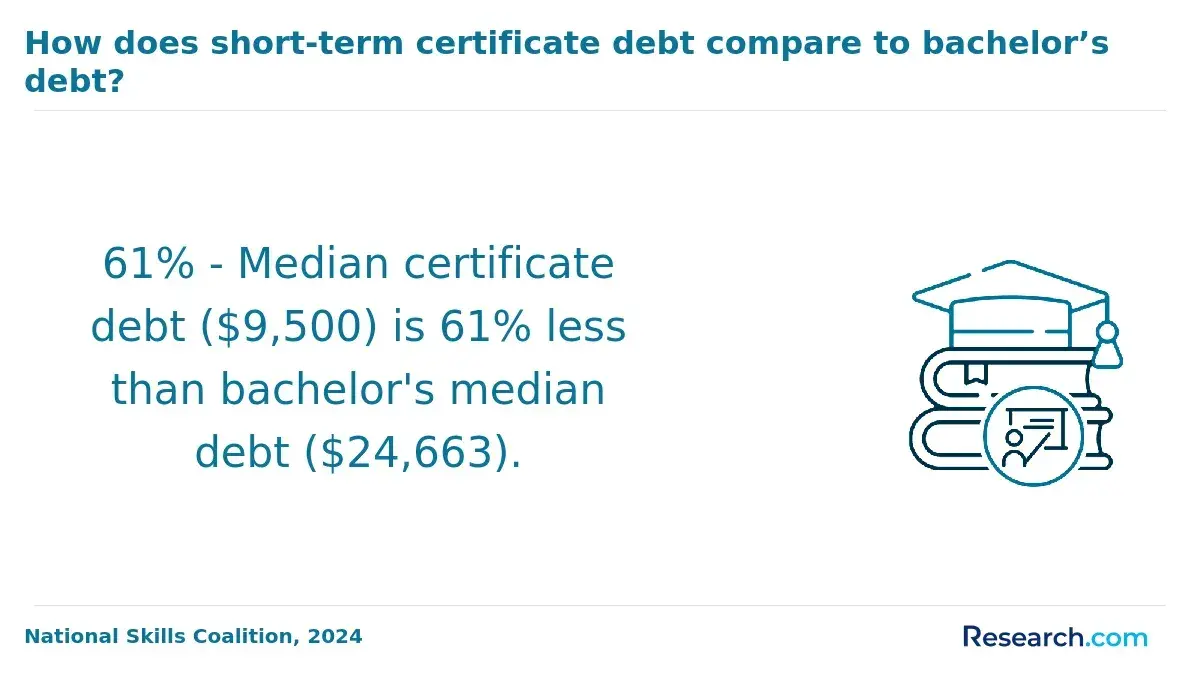
Admission into online sport management programs often hinges on educational background combined with relevant experience, which directly affects student success and job market readiness. While a high school diploma or equivalent suffices for entry-level associate or bachelor's programs, candidates demonstrating some college credits or associate degrees typically encounter smoother transitions into applied coursework. Graduate programs commonly require a related bachelor's degree plus 1-3 years of professional experience, reflecting employer demand for leadership potential and operational aptitude.
The hiring landscape values quantitative skills-such as business or economics coursework-given the financial and organizational responsibilities in sports organizations. Candidates lacking this foundation may face prerequisite coursework, delaying progress and increasing costs. Admissions committees frequently request statements of purpose that emphasize tangible coaching, recreational, or volunteer experience, signaling alignment with community-focused sport management roles.
Internships or practicum components embedded in curricula substantially enhance graduate employability, resonating with projections of steady job growth in sport, recreation, and entertainment sectors through 2034. For professionals pivoting careers, programs with flexible admissions but requiring proven managerial or organizational experience minimize onboarding friction and expedite workforce integration. Conversely, applicants without such background risk extended learning curves and unpaid fieldwork, affecting time and finances.
How long do online sport management degrees take and what do they cost for community-focused students?
Choosing between associate, bachelor's, and master's degrees in sport management requires weighing program length against real-world employment timelines and costs. Associate degrees typically span about 2 years, while bachelor's degrees demand 3 to 4 years full-time-with many students opting for part-time or accelerated tracks that can compress this to under 3 years. Master's degrees generally take 1 to 2 years.
Costs vary widely: associate programs may total $6,000 to $15,000, bachelor's programs range from $20,000 to $60,000 depending on institution and residency, and master's programs cost between $15,000 and $40,000. For professionals balancing work and family, the median wage of $45,910 for coaches and scouts signals the importance of managing educational investments carefully.
Students must consider how part-time study or incorporating internships affects their ability to enter the workforce promptly. For example, a part-time bachelor's candidate finishing in 3.5 years might delay earning salary, whereas a full-time student completing in 4 years but embedding relevant internships may achieve better employment outcomes.
Additional expenses-such as certification preparation-and program features like practicum placements within community sports organizations can significantly influence job prospects. Accessibility to financial aid, employer tuition assistance, and credit transfers further affect decision viability.
What salaries and advancement opportunities can graduates in community sport management expect?
The trajectory for graduates in community sport management varies significantly based on event scale, employer type, and geographic location. Starting salaries often range between $45,000 and $60,000 for entry-level positions tied to smaller community events, with an average annual compensation near $113,470 for roles managing professional sports or large-scale tournaments, according to U.S. Bureau of Labor Statistics data cited by Lindenwood University Online.
Practical advancement hinges on mastering project management, marketing, and stakeholder engagement within nonprofit or municipal contexts. Employers consistently prioritize candidates who combine relevant academic credentials with hands-on internships and robust industry connections in key markets. Managing multi-million-dollar event budgets or securing substantial sponsorships noticeably enhances earning potential above the median.
Tradeoffs arise when choosing between public or nonprofit roles versus private sector enterprises; the former typically offers stability and modest pay, while the latter may yield performance-linked bonuses but with higher income volatility. Geographic factors also shape compensation: metropolitan hubs such as Denver, Dallas, or Atlanta report 20-30% higher wages compared to rural communities.
Continuous skill development, particularly certifications in event management or digital marketing, is essential to progress into positions with greater financial impact and responsibility. Graduates seeking six-figure salaries should focus on strategic roles involving large-scale events and sponsor relations rather than generalist community sport management jobs.
Do community sports management roles require licenses or certifications beyond an online degree?
Licensing and certifications in community sports management vary significantly by role and context, impacting employability and career trajectory. While many positions accept an online degree alone, roles that involve youth coaching, athletic training, or facility oversight often require additional credentials such as CPR/AED certification or coaching licenses issued by governing sport bodies.
Operational and administrative roles prioritize demonstrated management expertise more than formal licensure, but advancement into specialized or higher-compensation areas-such as sports agents or business managers-necessitates legal proficiency and recognized certifications due to complex regulatory environments. According to data cited by Lindenwood University Online from the U.S. Bureau of Labor Statistics, agents and business managers earned a median annual wage of $84,900, underscoring the value of credentials beyond a degree for entry to these roles.
Prospective candidates must consider practical requirements, including state-specific mandates and employer expectations for background checks, safeguarding, and continuing education related to risk management and diversity compliance. Without relevant certifications-such as the Certified Athletic Administrator (CAA) or licenses from the National Alliance for Youth Sports-applicants may face restricted job access or limited progression, especially when working with vulnerable populations or in positions demanding stringent legal accountability.
Balancing an online sport management degree with targeted certifications aligns with market realities and employer priorities, enabling greater access to roles that require both operational expertise and legal or safety competencies.
How can you evaluate and choose a reputable online sport management program for community sports work?
A credible online sport management program must be evaluated primarily through tangible graduate outcomes and alignment with your targeted employment market, not just institutional claims. Regional accreditation verified by the U.S. Department of Education or CHEA ensures your degree's recognition and employer credibility. Community sports roles often have localized hiring patterns; therefore, programs connected to hotspots like Gainesville, FL, Columbia, SC, or New York, NY yield better local networking and employment opportunities based on Data USA employment concentrations.
Curriculum should focus on applicable competencies such as youth sports program development, nonprofit sports administration, grant writing, and engagement with community organizations rather than abstract or purely business-oriented topics. Equally important is the availability of internships and practicums coordinated by the school within your local area, offering essential hands-on experience required to bridge the gap between theory and practice in community sports settings.
Delivery format decisions reflect tradeoffs: smaller cohorts facilitate tailored mentorship and stronger peer connections crucial for local job placement, while accelerated programs risk graduating students lacking adequate practical exposure. Carefully weigh tuition and extra fees against realistic regional employment returns, especially if your goal involves working within municipal parks, youth leagues, or nonprofits that value direct experience and established employer relationships.
Employer partnerships and active alumni networks that maintain ties with community sport agencies enhance hiring prospects significantly, underscoring the need to verify these connections before committing to a program.
Other Things You Should Know About Sport Management
Yes, practical experience is essential because many employers prioritize hands-on skills and demonstrated ability over academic credentials alone. Online degrees often lack in-person internships or networking opportunities, so students should actively seek local volunteer roles or part-time positions in community sports to build relevant experience. This real-world exposure complements online coursework and significantly improves employability in a competitive field.
Managing a study schedule alongside personal commitments is a common challenge for 2027 online sport management students. Balancing asynchronous coursework with deadlines can require strong organizational skills and discipline to ensure timely completion of assignments.
No, employer perception varies based on program reputation, accreditation status, and alumni outcomes. Degrees from regionally accredited institutions with strong ties to community sports organizations tend to offer better access to internships and job placements. Candidates should prioritize programs that provide direct community sports engagement and documented graduate success rather than selecting solely on cost or flexibility.
Prioritizing programs with a clear focus on community sport management provides targeted training relevant to local sports administration and outreach roles. Generic sport management degrees may cover professional or commercial sectors but lack depth in navigating community-specific challenges such as volunteer coordination and nonprofit governance. Candidates aiming to work in community sports should choose specialized curricula to maximize role readiness and career advancement.
References
- Lang School of Business and Economics Launches First Online Sport Management Program https://news.uoguelph.ca/2025/02/lang-school-of-business-and-economics-launches-first-online-sport-management-program/
- Sports Job Training & Certification Courses | Sports Management Worldwide https://www.sportsmanagementworldwide.com/courses
- How to find a sports management program? Sports jobs | Sport Management Sportidealisten https://sportidealisten.se/how-to-find-a-sports-management-program/
- Sports Management: A Comprehensive Guide to Careers in Sports Leadership - AISTS INDIA https://aists.org/aistsindia/sports-management-a-comprehensive-guide-to-careers-in-sports-leadership/
- What are the career options after a master's degree in sports management? - INSEEC https://www.inseec.com/en/guides/career-path-guide/what-are-the-career-options-after-a-masters-degree-in-sports-management/
- What is a Sports Management Degree? | University of Bridgeport https://www.bridgeport.edu/news/what-is-a-sports-management-degree/
- Career Paths In Sport Management https://www.ycp.edu/news/career-paths-sport-management
- Embarking on a Career in Sports Management: What You Need to Know - eta https://etacollege.com/embarking-on-a-career-in-sports-management-what-you-need-to-know/
- Types of Sports Management Degrees https://www.allbusinessschools.com/sports-management/degrees/
- MBA in Sports Management Online: Find a Program https://www.onlinemastersdegrees.org/best-programs/mba-programs/sports-management/