2027 Sport Management Roles Growing Fastest in Sponsorship and Events

Co-Founder and Chief Data Scientist
Professionals targeting fast-growth roles in sponsorship and events face a bottleneck where traditional Sport Management credentials may lag behind rapidly evolving employer demands. According to the National Center for Education Statistics, a 12% increase in adult learner enrollment in flexible, hybrid programs since 2023 reveals growing demand for adaptable education pathways that align with dynamic career timelines. This matters because rigid on-campus programs often impede timely upskilling crucial for capturing opportunities in sponsorship deal-making and event logistics.
This article scrutinizes the fastest-growing roles within sponsorship and events, emphasizing educational strategies and labor market realities that enable prospective candidates to make targeted, efficient decisions for accelerated entry or advancement.
Key Things You Should Know
- Growth in sponsorship and events roles outpaces the 9% overall sport management sector expansion, driven by a 22% rise in corporate partnership spending-the tradeoff is intense pressure to deliver measurable ROI within tight fiscal cycles.
- Employers prioritize candidates with hybrid skills in digital analytics and negotiation, creating a workforce gap where 65% of entry applicants lack event tech proficiency, demanding targeted credentialing investments.
- Programs requiring internships or certifications add 6 to 12 months and $6,000+ in direct costs, limiting access for career changers despite clear evidence that practical experience accelerates placement in premium sponsorship roles.
Which sport management roles in sponsorship and events are growing the fastest today?
Sports sponsorship sales executives, sponsorship activation managers, and event marketing directors represent the fastest growing sport management sponsorship and event coordinator roles in North America, each demanding distinct expertise that impacts hiring and educational choices. For instance, sports sponsorship sales executives command an average U.S. salary of $190,851, a figure driven by their proficiency in negotiating complex, multi-year deals with high-profile leagues such as the NFL or NBA. These executives translate partnership values into tangible revenue, directly affecting organizational budgets and community initiatives.
Sponsorship activation managers navigate the operational challenges of delivering sponsored content across converging teams, particularly as digital integration at live events increases. Their fluency in technology platforms and data analysis is essential to meeting sponsor visibility and fan engagement goals. Event marketing directors, by contrast, must manage event lifecycles with a focus on embedding sponsorship assets while balancing budgets and stakeholder expectations-skills crucial for orchestrating large-scale events like collegiate championships or international tournaments.
Choosing between specialized sales expertise and broader event management experience requires assessing one's career objectives and market demand. Programs emphasizing data-driven sponsorship strategies and digital marketing tools can position graduates more competitively for these roles where measurable ROI guides employment decisions. For professionals targeting growth in this sector, an online sports management degree can offer practical education aligned with the evolving landscape of sports sponsorship and event coordination.
What education or sport management degree do you need for sponsorship and event careers?
A bachelor's degree in sport management or a related field such as marketing or business administration remains a primary credential for sponsorship and event careers, but the path is far from straightforward. Employers increasingly require candidates to demonstrate practical skills in contract negotiation, brand partnership strategy, and data analytics to measure sponsorship ROI-competencies often underrepresented in standard curricula. This gap means many hopefuls either endure longer entry periods or rely heavily on internships and targeted certificate programs to gain competitive proficiency.
For instance, a candidate at a midsize sports event company must grasp legal and financial sponsorship facets alongside digital marketing tactics to amplify partner outreach. The best education paths for sport management event jobs thus combine foundational degrees with hands-on exposure to real partnership dynamics and sponsorship sales. Moreover, programs offering instruction on industry-standard software and event-management platforms yield a clear advantage, addressing logistical complexities tied to multi-tiered sponsorship hierarchies.
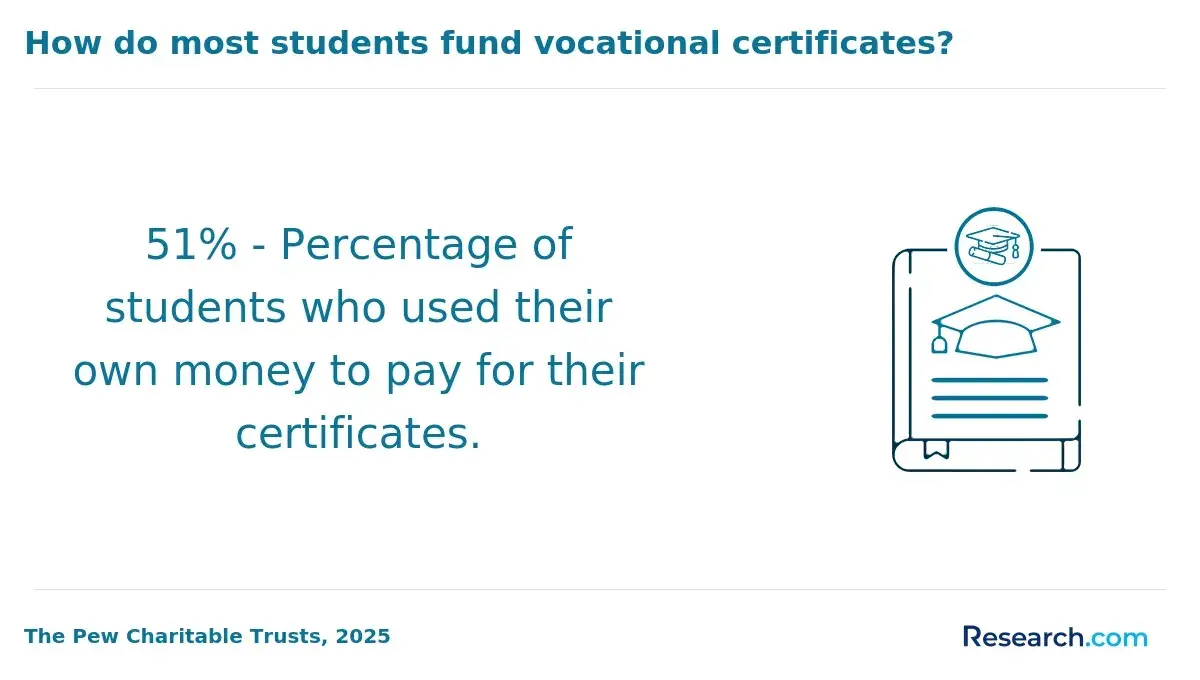
Graduate degrees further differentiate candidates by deepening expertise in sponsorship valuation models and stakeholder engagement, an edge increasingly necessary given projections that the global sports sponsorship market will surpass $160 billion by 2030. This environment prioritizes those with analytical skills and practical project experience over purely theoretical knowledge.
Prospective students should also consider accelerated formats-those exploring the fastest online project management degree options can reduce time-to-employment, especially when supplementing a sport management degree with certifications or internships focused on sponsorship activation.
How do salaries and earning potential compare across sponsorship and event management roles?
Sponsorship roles in sport management offer higher salaries than event management due to their direct influence on revenue and strategic partnerships. Sponsorship managers typically earn between $75,000 and $110,000 annually, while those in tech-driven positions within the sports industry can exceed $130,000. This is propelled by a projected 21.9% CAGR growth in sports technology from 2025 to 2030, increasing demand for professionals adept in data analytics, CRM platforms, and immersive sponsorship technologies. This context makes understanding average salaries in sport management sponsorship roles critical for candidates targeting revenue-impacting positions.
In contrast, event management careers in North America generally show earning potential ranging from $50,000 to $85,000. The operational focus and deadline-intense workload of event managers limit salary scalability compared to sponsorship roles, despite the essential nature of their work. However, event specialists with advanced certifications or experience in managing large international sports events may approach the higher end of this scale.
A typical mid-career professional shifting from event coordination to sponsorship activation within a major sports franchise faces a learning curve involving tech literacy and strategic sales but can anticipate a 20-30% salary increase within three years. Employers increasingly value candidates who combine sponsorship relationship skills with technological fluency, responding to a shift toward data-driven fan engagement.
Prospective students assessing sport management pathways should weigh these salary differentials alongside their personal negotiation aptitude and tech skills. Selecting appropriate educational programs often requires balancing such trade-offs while considering practical career outcomes. For those exploring degree options, health information management online programs present examples of targeted, affordable paths that align with workforce demand.
What does a typical day look like in key sponsorship and event management positions?
Key responsibilities in sponsorship and event management frequently involve navigating competing priorities that directly influence brand value and contract longevity. For example, a sponsorship manager may analyze audience engagement metrics from digital platforms to optimize sponsor activations within a $521 billion industry context, a task illustrating the daily tasks of sponsorship and event coordinators focused on measurable ROI.
Event managers must juggle on-site logistics such as site inspections, vendor coordination, and security protocols while ensuring audiovisual setups align with sponsor requirements-challenges that affect crowd experience and sponsor satisfaction. These operational realities demand sustained cross-department communication, particularly with marketing and finance teams overseeing performance data and budget adherence.
Time-blocking is critical, with mornings typically dedicated to stakeholder calls and afternoons to real-time event logistics or contingency planning. The ability to balance budget constraints with the delivery of premium fan experiences exemplifies the tradeoffs professionals routinely negotiate.
Employers increasingly expect hybrid skills spanning project management software proficiency, negotiation, and data analytics rather than purely creative or administrative abilities. This shift elevates the value of specialized education in sponsorship strategy and event logistics, equipping those entering these roles to manage rising complexity within the global sports market.
Prospective students aiming to pivot into this field should consider practical program attributes that address these nuanced demands; for instance, exploring pathways such as the fastest PMHNP program demonstrates the importance of aligning education with workforce realities and timely completion.
How do online sport management programs compare to campus options for these career paths?
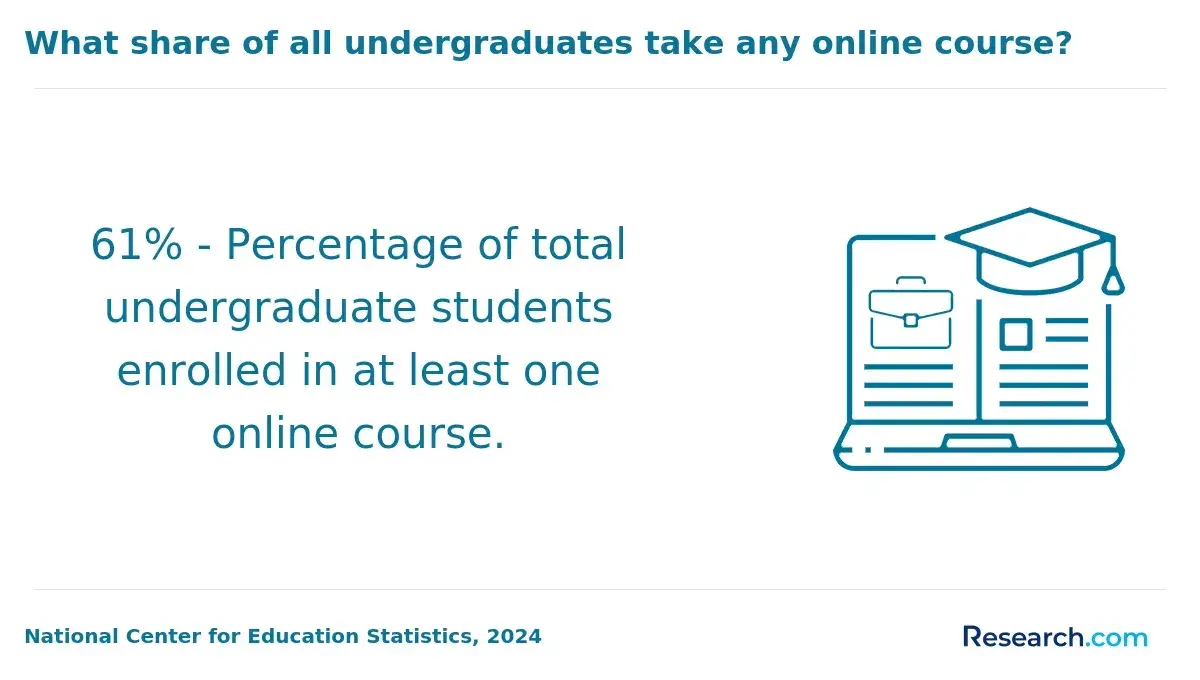
Practical experience remains a decisive factor in sponsorship and event promotion roles, yet fully online sport management programs often fail to deliver this critical component. The University of Kansas projects a 6% growth for promotions and marketing managers, emphasizing the need for hands-on skills tied directly to event sponsorship campaigns. Campus-based programs retain a significant edge by integrating internships, on-site networking, and live event participation-elements essential for forging direct industry connections and mastering event logistics in real time.
Consider a professional transitioning from retail management into sports sponsorship: without campus resources, gaining relevant experience can stall progress. Online students must independently pursue local internships or virtual projects, which programs rarely facilitate. This gap in experiential learning translates into greater employer scrutiny for online graduates, who may lack demonstrable campaign management credentials. The absence of embedded industry partnerships often delays access to sponsorship deal-making networks.
Online formats do offer flexibility for those unable to relocate or attend full time, but come with higher demands for self-direction. The critical tradeoff lies in immediate accessibility against immersive career integration.
- Campus programs provide structured, often exclusive, opportunities that align closely with market needs
- Online options require proactive effort to supplement theoretical knowledge with practical exposure
- Employers favor candidates demonstrating real-world involvement rather than solely academic credentials
Those intent on roles emphasizing event execution and sponsorship strategy should weigh these factors carefully and assess hybrid programs that combine the best of both worlds.
Which sport management courses best prepare students for sponsorship and event roles?
Programs that overlook integrating digital marketing, data analytics, and the expanding women's sports sector often constrain graduates to slower-growing, traditional sponsorship roles. Employers increasingly prioritize candidates capable of leveraging real-time data and social media insights to demonstrate quantifiable sponsorship ROI.
In practice, a sport management professional managing sponsorships in women's leagues must navigate multiple digital platforms and justify investments through advanced metrics. Without hands-on experience in digital content strategy or sponsorship valuation, graduates face difficulty adapting to evolving market demands and delivering dynamic sponsorship activations across channels.
Key practical curriculum elements include classes and internships focused on:
- Social media analytics informing targeted campaigns
- Data-driven sponsorship performance measurement
- Partnerships with women's sports organizations offering applied learning
These experiential components sharpen skills in audience segmentation and media convergence, which are critical for measurable impact in sponsorship roles. Choosing programs that merge analytics with sport marketing, rather than solely theoretical frameworks, can enhance employability in an industry where digital sponsorship and social media-triggered hiring are growing rapidly. Neglecting digital modules or emerging market knowledge limits career scalability and network opportunities essential for securing and optimizing sponsorship deals.
What admission requirements and prerequisites do sport management programs usually have?
Admission into sport management programs involves more than just meeting baseline criteria; the real challenge lies in balancing foundational knowledge, practical experience, and quantifiable skills that align with evolving workforce needs. Undergraduate entry generally requires a high school diploma or equivalent, often paired with SAT or ACT scores, although test-optional policies are increasingly common. Graduate candidates must present a bachelor's degree and ideally support their application with quantitative coursework or measurable work experience.
Critical prerequisites include courses in business, marketing, and especially quantitative fields such as economics or data analytics. Given the growing demand for expertise in sponsorship analytics and ROI evaluation-as highlighted by the KU report-applicants without such a background face a competitive disadvantage unless they pursue additional certifications. Practical experience-internships, part-time positions, or volunteer roles in sports organizations-provides essential exposure to event coordination and digital marketing, skills sought after by employers implementing data-driven sponsorship strategies.
Prospective students must weigh program delivery formats carefully: full-time in-person programs enhance networking but reduce flexibility, while online or hybrid options better serve working professionals but require significant self-discipline. Choosing programs with robust industry connections and mentorship opportunities mitigates challenges related to hands-on learning, an indispensable factor given the competitive emphasis on sponsorship and event strategy in hiring.
How long do sport management degrees take, and what do they cost in the U.S.?
Pursuing a bachelor's degree in sport management often means balancing time, cost, and return on investment. Traditional programs require four years full-time, but accelerated tracks can reduce this to three by increasing course loads or adding summer terms. Public in-state tuition ranges from $25,000 to $50,000 annually, while private institutions charge $40,000 to $70,000 per year. Part-time or online options offer scheduling flexibility but typically extend completion time and vary widely in cost depending on the provider.
Master's programs typically last 18 to 24 months and cost between $20,000 and $40,000, with elite schools exceeding $50,000. These graduate degrees often position candidates for strategic roles in sponsorship, event management, and, notably, the expanding sectors of sports tourism and hospitality. Industry expectations emphasize practical skills in event coordination and partnership development over theory alone.
Choosing a program requires weighing tradeoffs such as curriculum depth versus accelerated certificates or bootcamps focusing on sponsorship or event specialization for faster labor market entry. Internships and industry connections are significant differentiators affecting employability. For this field, understanding that cost savings in education can lead to diminished networking and experiential opportunities is crucial when planning a career pivot or advancement.
Are there certifications or professional associations that benefit sponsorship and event specialists?
Certifications such as the Certified Sports Event Executive (CSEE) and the Certified Sponsorship Professional (CSP) provide concrete workplace advantages by signaling verified competence in contract negotiation, sponsor activation, and event logistics. Employers prioritize these credentials because they correlate with measurable outcomes: CSP holders are about 30% more likely to manage multimillion-dollar brand partnerships, while professionals with CSEE certification report a 25% boost in operational efficiency at large venues. This distinction is crucial, given the mounting complexity of hybrid sports events requiring precise budgeting and risk management.
Engagement with professional associations like the International Event and Sports Council (IESC) or Sports Marketing Association (SMA) extends beyond credentials by granting access to current research and specialized training-especially relevant with the rapid growth of esports management. Practitioners informed by these organizations handle digital-event contracts and sponsorships more adeptly than peers lacking formal affiliation.
However, candidates must weigh certification costs against realistic employability gains. Continuing education demands can strain those balancing full-time roles, and while many employers prefer or mandate these qualifications due to evolving legal and technological pressures, the return on investment varies. Decisions to pursue certifications should consider these operational tradeoffs and be aligned with targeted career moves, not simply credential accumulation.
How can students evaluate accredited, reputable sport management schools for these careers?
Successful entry into sponsorship and event roles within sport management depends heavily on programs that demonstrate clear industry integration and measurable graduate outcomes. Accreditation by entities like the Commission on Sport Management Accreditation (COSMA) ensures curricula align with employer demands, but beyond accreditation, direct partnerships with leagues, event organizers, or sponsors that facilitate internships in major events are vital. The expanding sports sector, projected to grow significantly by 2026, intensifies demand for graduates who can immediately contribute to event logistics and sponsorship activations.
Employment data focused solely on sponsorship and event roles provides a sharper lens than generic placement statistics. Programs yielding 70% or greater placement within six months illustrate strong employer alignment. Graduates must master skills such as digital sponsorship analytics, multi-channel activation management, contract negotiation, and stakeholder coordination-areas where employers expect minimal onboarding latency.
Tradeoffs between program formats matter: part-time or hybrid options accommodate working professionals with immediate networking opportunities through evening internships, while full-time campus programs may offer access to elite events but require greater upfront time and financial investment.
Finally, verifying alumni success through independent platforms and direct recent graduate engagement offers practical insights into mentorship quality and job market navigation, avoiding programs that fail to deliver on realistic career preparation.
Other Things You Should Know About Sport Management
Specialization in sponsorship or event management can provide a competitive edge by developing targeted skills valued by employers, such as contract negotiation or event logistics. However, too narrow a focus risks limiting future career flexibility due to the fast-changing nature of the industry. A balanced program combining core sport management competencies with elective specialization offers better long-term career adaptability, enabling professionals to pivot between sponsorship, event production, and other related functions as market demands evolve.
While program rankings offer some insight into academic quality, in sport management, alumni networks often translate to critical industry connections, internships, and job placements. Prioritizing programs with engaged, active alumni in sponsorship and events can accelerate early career progress by opening doors to exclusive opportunities and mentorship. Prospective students must weigh this practical benefit higher than abstract prestige because employer hiring in this sector heavily favors personal recommendations and proven networks.
Employers increasingly expect sport management candidates to handle digital marketing tools, social media analytics, and sponsorship ROI measurement with proficiency. Programs focused on traditional management topics without integrating digital analytics risk leaving graduates less competitive. Students should prioritize curricula that embed data-driven decision-making and digital skill development to align with employer demands for quantifiable impact assessment in sponsorship deals and event outcomes.
References
- Top Project Management Roles in Sports Industry You Must Know | BSBI https://www.berlinsbi.com/blog/top-project-management-roles-in-the-sports-industry-you-didnt-know-about
- Career in Sports Management: Top Opportunities for Graduates in South Africa | eta College https://etacollege.com/top-career-opportunities-for-sports-management-graduates-in-south-africa/
- Want a Career in Event Management? - Event Academy https://eventacademy.com/careers-in-event-management/
- 11 Best Event Planning Certifications | Remo https://remo.co/blog/event-planning-certification
- Online Bachelor's in Sports Management https://www.monroeu.edu/academics/undergraduate-programs/monroe-online/school-business-and-accounting/online-bachelors-sports-management
- A career in Events https://sponsorship.org/a-career-in-events/
- 73 Jobs You Can Get With a Sports Management Degree: A Guide https://www.salemu.edu/blog/sports-recreation-management-careers/
- 3 Certifications That Help Elevate Event Planning Careers - Whova https://whova.com/blog/event-planning-certificate/
- Types of Sports Management Degrees https://www.allbusinessschools.com/sports-management/degrees/
- Sports Management: A Comprehensive Guide to Careers in Sports Leadership - AISTS INDIA https://aists.org/aistsindia/sports-management-a-comprehensive-guide-to-careers-in-sports-leadership/