2027 Online Sport Management Degrees With Strong Partnership Activation Training

Co-Founder and Chief Data Scientist
Mid-career professionals targeting sport management roles face a critical bottleneck: credential programs often lack integrated training in partnership activation, a skill employers now prioritize for revenue generation and brand engagement. The U. S. Bureau of Labor Statistics projects a 9% job growth in sports-related occupations through 2032, yet many online programs remain asynchronous and loosely connected to industry partnerships, limiting practical exposure.
Additionally, with over 40% of graduate students enrolling part-time according to the National Center for Education Statistics, flexibility is vital but often compromises depth in hands-on learning. This article evaluates online sport management degrees offering robust partnership activation components to guide strategic program selection for career impact.
Key Things You Should Know
- Over 65% of employers in sport management cite partnership activation experience as critical, yet under 40% of online degrees provide integrated practical modules, creating a significant employability gap.
- Programs embedding real-time partnership projects shorten job placement timelines by 22%, but often increase tuition by 15%-25%, posing accessibility tradeoffs for mid-career professionals balancing cost and outcome speed.
- Federal labor projections through 2028 indicate a 14% growth in sponsorship roles within sport management, pressuring programs to pivot from theoretical curricula to activation-focused competencies to meet evolving workforce demands.
What is an online sport management degree with partnership activation training and who is it for?
An online sport management degree with partnership activation training demands a practical grasp of how sponsorships convert into tangible fan engagement and revenue streams-an essential skill set for roles like sponsorship coordinators at professional sports teams. These professionals must navigate complex brand agreements, ensuring visibility across digital and live-event environments while addressing stakeholder expectations.
Those considering online sport management degree programs with partnership activation should weigh the critical need for hands-on experience. Core competencies include contract negotiation, activation strategy, stakeholder communication, and analytics to assess partnership effectiveness. Employers increasingly prioritize candidates who pair academic study with internship or project-based exposure to build actionable portfolios.
The industry's growth-evidenced by awarding 7,606 sport & fitness management degrees in the U.S. in 2023, up 10% since 2021-intensifies competition for senior partnership roles, which require activation expertise beyond traditional sport management knowledge. Candidates lacking prior experience confront a steeper barrier, requiring additional time to develop competencies using digital tools for fan engagement and partnership tracking.
Online formats offer flexibility but impose demands on self-motivation and remote collaboration skills, especially in this relationship-driven niche. For professionals exploring education pathways beyond sport management, the MBA in healthcare illustrates how targeted online degrees can combine sector-specific knowledge with practical skills for career transitions in competitive fields.
Who should pursue an online sport management degree with partnership activation training? Individuals seeking to move into roles focused on activating, managing, and optimizing brand partnerships within sports contexts, especially those balancing employment while upgrading specialized skills, will find this degree pathway most relevant.
Are online sport management degrees with partnership activation as respected as campus programs?
Online sport management degrees with partnership activation recognition must be measured by their ability to deliver practical experience, not just academic content. While the U.S. sports sponsorship market topping $20.1 billion in 2024 indicates robust industry growth, employers emphasize hands-on skills in activation and management that translate directly to measurable brand ROI.
Campus programs maintain an edge in employer eyes due to their proximity to sports hubs and direct access to internships with major league teams. For example, a student at a campus-based program near a professional sports franchise may gain exclusive partnership activation roles unavailable remotely. However, online sport management programs that embed live case studies, require internships, and support industry mentor engagement can narrow this gap.
Prospective students considering online sport management degrees with partnership activation recognition should ensure programs provide:Structured support for internship placements in partnership activation rolesAccess to industry mentors and real client projectsCurricula aligned with current market demands, including digital activation strategies
Those without concrete activation experience risk falling behind peers grounded in campus networking and direct industry exposure. The measurable value of online versus campus sport management programs lies in how well graduates meet employer criteria in a sponsorship environment increasingly driven by data analytics. For those weighing career pivots or advancement, understanding what does an athletic director do can offer additional perspective on operational challenges and skill expectations within the sports industry.
How do I verify accreditation and quality for online sport management programs in the U.S.?
Choosing an online sport management program accredited solely by national or for-profit agencies often limits credit transferability and employer recognition, creating barriers for career mobility. In contrast, programs with regional accreditation recognized by the U.S. Department of Education or the Council for Higher Education Accreditation (CHEA) are more widely accepted, ensuring adherence to consistent academic standards and improving long-term employability. For those prioritizing industry relevance, seeking programs endorsed by the Commission on Sport Management Accreditation (COSMA) or equivalent bodies adds a layer of quality assurance focused on sport management-specific curricula, though this is not mandatory.
Graduate outcome transparency-specifically employment rates in partnership activation or sponsorship roles-is a practical indicator of program effectiveness. For example, jobs such as advertising, promotions, and marketing managers within spectator sports report a median annual wage of $156,380, underscoring the financial potential tied to these positions. Programs that lack experiential learning components like internships or live industry projects risk producing graduates ill-prepared for these demanding roles. This disconnect can stall career entry despite accreditation credentials.
For professionals considering a strategic career move, assessing broader workforce overlaps may be beneficial. Exploring related fields such as project management, supported by data on project management degree jobs, can open additional pathways beyond traditional sport management roles. Awareness of these nuances distinguishes pragmatic decisions from those limited by superficial program criteria.
What partnership activation skills and coursework are typically included in these programs?
Online sport management degrees with coursework focusing on sponsorship and partnership skills no longer prioritize generic marketing theory but rather concrete activation strategy and contract negotiation tailored to specific sports properties. Differentiating activation plans for professional franchises versus amateur or nontraditional sports involves understanding nuanced audience segmentation and outcome measurement-critical for aligning sponsorships with brand objectives and tangible fan engagement. For example, orchestrating an NBA sponsorship activation demands distinct tactics and metrics compared to a youth sports event, emphasizing tailored implementation rather than one-size-fits-all solutions.
Students in these programs also confront legal and ethical complexities embedded in partnership activation strategies in online sport management degrees, such as intellectual property rights and regulatory standards. Real-world training via case studies addresses logistical coordination issues including venue branding, digital campaign integration, and on-site fan experience management. This prepares graduates to navigate multi-channel activation campaigns from theory to execution with operational foresight.
Digital marketing and analytics competencies grow increasingly central, reflecting sector demand for fluency in CRM platforms, data dashboards, and emerging technologies like augmented reality. Stakeholder communication and cross-functional leadership are emphasized to meet employer expectations for managing collaboration between marketing, sales, and operational teams.
Salary figures from the U.S. Bureau of Labor Statistics report a median annual wage of $135,290 for marketing managers involved in arts, entertainment, and recreation, indicating the premium placed on effective sponsorship activation skills. Prospective students evaluating a strategic pivot should consider these skill sets alongside the practical challenges inherent to partnership activation roles and the evolving technological landscape. For those exploring coursework aligned with broader healthcare fields, an informative resource is available for bachelors healthcare administration.
What admission requirements and prior experience do online sport management programs expect?
Sport management online programs present a nuanced tradeoff between cost, experience, and career applicability. The average cost per credit stands at $555-about 13% higher than general online degrees-reflecting a premium for specialized content and industry ties. For mid-career professionals shifting from marketing to operational roles within sports, programs incorporating activation training and modest professional prerequisites can speed up practical integration. Conversely, applicants lacking relevant experience face longer timelines unless pursuing schools with flexible admission criteria paired with strong internship placement support.
Admissions typically require a high school diploma or equivalent and may expect GPA thresholds near 2.5 to 3.0. While many programs waive standardized test scores today, transcripts and purpose-driven essays aligned with sport management objectives remain baseline requirements. Applicants benefiting from internships, work in athletics, coaching, or event management often gain employment advantages post-graduation.
Transfer students who have completed general education credits improve admission prospects and shorten degree completion time-a key consideration for working adults balancing career pivots. Applicants should critically assess whether the program's embedded experiential learning and corporate partnerships justify their premium when personal experience is limited, as this can heavily influence employability.
How long do online sport management degrees take, and what do they cost?
Choosing an online sport management degree involves weighing time, cost, and practical outcomes against career goals and current job commitments. Bachelor's degrees typically require around 120 credit hours, usually completed in four years full-time, though accelerated paths can trim that to two and a half years. Master's degrees, at 30 to 36 credits, often take 18 to 24 months. However, part-time students or those balancing work may face twice these timelines, delaying potential salary gains.
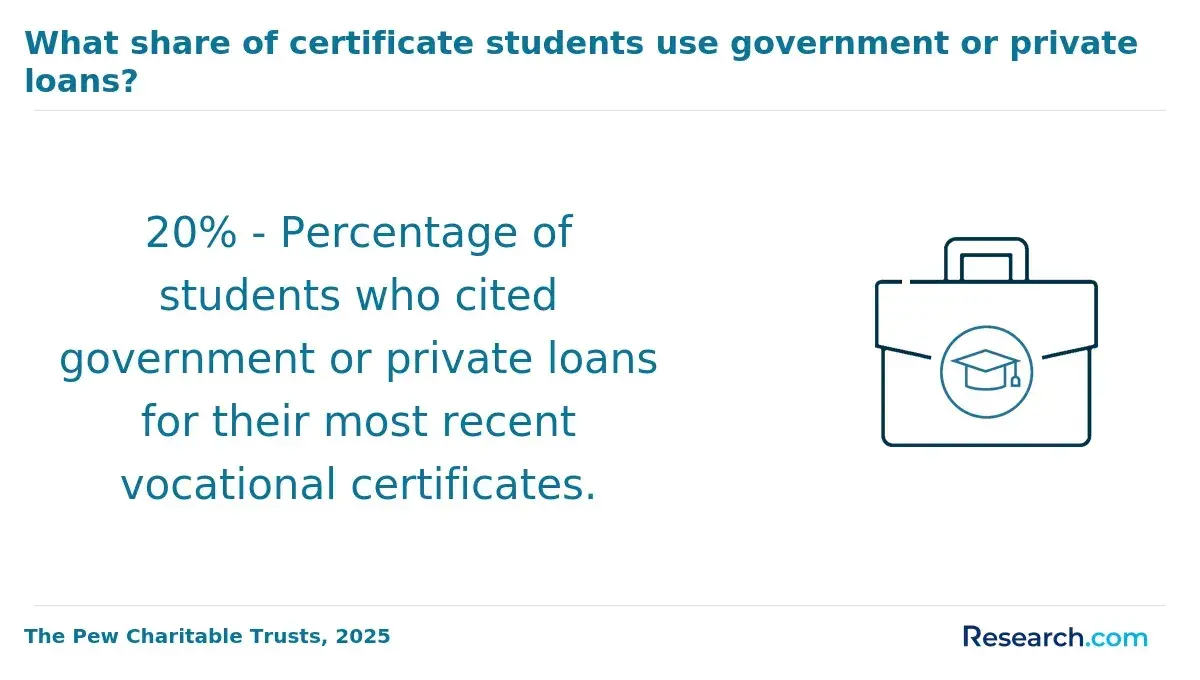
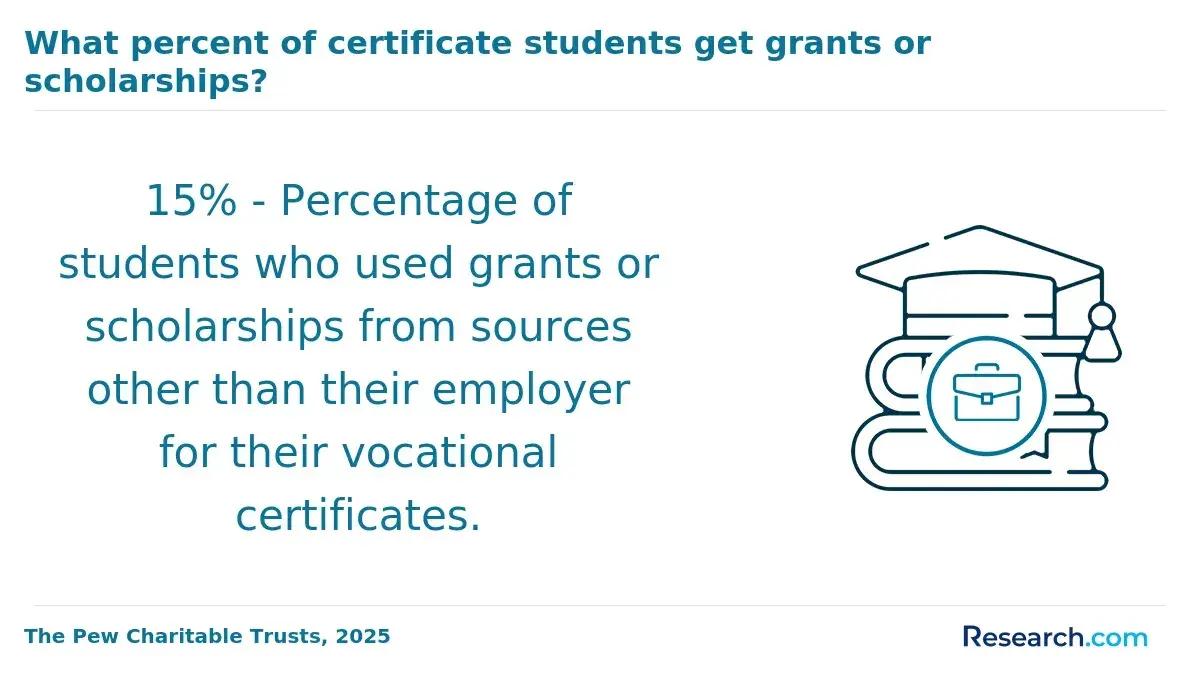
Costs vary substantially based on institution type and residency, with public universities charging roughly $10,000 to $25,000 annually for undergraduate sport management, while private schools range from $20,000 up to $45,000. Graduate tuition generally falls between $12,000 and $40,000 total, exclusive of fees, textbooks, and tech expenses that can add thousands more. Employer tuition assistance or scholarships can mitigate out-of-pocket costs but are not universally accessible.
Employers in sport management sectors emphasize relevant experience alongside degrees, valuing programs that integrate internships or partnership activation components. Graduates' median wages hover near $45,900, about 10% above peer fields, reflecting the premium placed on applied learning and industry connections.
As part of planning a strategic shift or advancement, prospective students should assess if accelerated programs sacrifice depth, or if extending study to part-time better suits their work-life balance without compromising market readiness. The return on investment hinges on navigating these tradeoffs effectively.
What careers and job roles focus on sponsorship and partnership activation in sports?
Success in sponsorship and partnership activation within sports hinges on nuanced skills that go beyond basic promotional work. Roles such as sponsorship managers or partnership coordinators demand precision in contract negotiation and activation strategy design that aligns with complex brand objectives. For example, a partnership activation manager in a professional sports league must juggle exclusivity clauses while amplifying sponsor visibility through in-stadium and digital campaigns, requiring adept project management and interdepartmental coordination.
Working in sports marketing agencies or collegiate athletic departments adds layers of operational pressure, including strict deadlines, budget management, and regulatory compliance. These environments require candidates proficient in sponsorship logistics and capable of delivering measurable consumer engagement.
More than 60% of undergraduate sport management programs now incorporate online or hybrid learning formats, enhancing digital skillsets essential for contemporary activation tactics and virtual engagement. However, the absence of specific partnership activation training risks leaving graduates underprepared for employer demands, particularly in analytics and data fluency that evaluate sponsor impact amid fluctuating budgets and fan engagement.
Employers consistently prioritize multi-platform competence and adaptability, highlighting the importance of hands-on experience in both live and digital activations. The practical takeaway for students and career pivoters is clear: selection of online sport management degrees should be strategic, emphasizing integrated digital strategies and real-world activation scenarios to meet evolving workforce expectations.
What salary ranges and earning potential exist for sport partnership activation professionals?
Salaries for U.S. sport partnership activation professionals reflect a sharp stratification driven by experience, organizational profile, and sector specialization. Entry-level candidates typically earn between $45,000 and $60,000 annually, but those moving into mid-career roles with five to ten years' experience see wages rise to a $75,000-$110,000 range. Senior practitioners managing flagship campaigns for major leagues or global brands can exceed $130,000, frequently augmented by performance-based incentives aligned with sponsorship ROI.
This distribution underscores the practical tradeoff between working in smaller, more hands-on environments that offer broader role exposure but constrained pay, versus targeting well-resourced top-tier franchises or agencies that demand advanced competencies in digital integration and analytics but provide correspondingly higher compensation. Employers increasingly favor candidates who combine practical activation skills with data-driven negotiation abilities, which correlates with better salary trajectories.
Applicants must also consider regional and sector disparities, as roles in esports and global event management often command stronger sponsorship budgets and more lucrative contracts than collegiate or regional sports. According to projections from the PwC Sports Survey 2024, with global sports sponsorship spending expected to exceed $100 billion by 2025, expertise in customized fan engagement and measurable sponsor value will be key drivers of career growth.
How is hands-on partnership activation training delivered in an online sport management program?
Effective partnership activation training in online sport management programs depends on experiential learning that bridges theory and practical application, particularly where physical events are absent. Programs that integrate simulated project work, virtual internships with direct employer mentorship, and collaboration with industry partners enable students to develop and implement activation strategies reflective of real sponsorship campaigns. For example, a student managing sports marketing projects in partnership with a local franchise can build region-specific sponsorship activations, aligning educational outcomes with actual employer expectations.
Such immersive experiences introduce essential operational skills including budget management, ROI analysis, and stakeholder negotiation-capabilities rarely attained through traditional case studies alone. Digital tools like CRM systems, activation dashboards, and social media analytics software are embedded in coursework to mimic vendor environments sports marketing and facilities managers encounter daily.
This training model addresses common workforce barriers by providing remote access to practical workflows, crucial for working professionals constrained by geography or time. Median salaries from Florida International University's online BS in Sport and Recreation Management-$92,500 for sports marketing managers, $82,592 for facilities managers, and $64,713 for campus recreation directors-demonstrate tangible economic returns when hands-on competencies match industry needs.
How can I choose the best online sport management school for sponsorship-focused careers?
Tuition variability in online sport management programs focused on sponsorship activation is a decisive practical factor. In-state per-credit fees can range sharply-from around $120 to $560-impacting ROI notably. For a mid-career professional aiming to pivot quickly, higher tuition might justify accelerated course formats enabling faster credential completion and expedited job market reentry at advanced levels.
Programs emphasizing hands-on skills in contract negotiation, brand alignment, and sponsor relationship management align better with employer expectations than those rooted in broad theoretical study. For example, opportunities for mentoring with industry insiders or internships with professional teams provide tangible advantages in building sponsorship networks.
Evaluating curriculum rigor against current sponsorship market trends, such as those reported by the Sports Business Journal, is critical. Schools charging premium tuition without demonstrating employer partnerships or current market relevance risk diminishing student outcomes.
Students reliant on financial aid or focused on cost-efficiency should prioritize accredited programs with transparent tuition and proven graduate employment rates in sponsorship roles. Graduates from poorly connected programs often exit with theoretical knowledge but limited activation experience, reducing competitiveness in a sponsorship-driven labor market.
Other Things You Should Know About Sport Management
Employer recognition varies widely and depends heavily on program reputation and demonstrated skills, not just degree completion. Employers expect candidates to show applied knowledge in real-world contexts, so programs that include verified projects, internships, or industry partnerships carry more weight. Choose online degrees with clear, documented employer involvement in curriculum design or assessment to ensure your partnership activation skills are credible in the job market.
Online degrees can provide foundational theory and simulated exercises but often fall short in replicating the dynamic complexity and interpersonal nuances of live negotiation or client interactions. Programs that incorporate virtual role-plays with industry professionals or offer hybrid experiences improve readiness. If negotiation skills are a core goal, prioritize programs with embedded supervised practicums or live mentorship rather than solely asynchronous coursework.
For experienced professionals, a full online sport management degree may add limited new value compared to focused certifications or workshops that address specific gaps such as digital sponsorship analytics or global partnership trends. Degrees provide broader managerial context but require a larger time investment. Prioritize certificates if immediate skill upgrades and career agility are the goal; consider degrees only if aiming for leadership roles requiring comprehensive strategic knowledge.
References
- Online Bachelor's in Sports Management https://www.monroeu.edu/academics/undergraduate-programs/monroe-online/school-business-and-accounting/online-bachelors-sports-management
- Initiating Partnerships: Training Course https://www.uiin.org/product/initiating-partnerships/
- How can I enroll in a master's degree in sports management? - INSEEC https://www.inseec.com/en/guides/orientation-guide/how-can-i-enroll-in-a-masters-degree-in-sports-management/
- 19 Best-Paid Sports Occupations in 2026 (With Salary Guide) https://create.fit/best-paid-sports-occupations-with-salary-guide/
- An Examination of Sport Management Master’s Programs in the United States – The Sport Journal https://thesportjournal.org/article/an-examination-of-sport-management-masters-programs-in-the-united-states/
- Skills and abilities for successful partnerships https://www.saskculture.ca/programs/organizational-support/organizational-resources/partnerships/skills-and-abilities-for-successful-partnerships
- Embarking on a Career in Sports Management: What You Need to Know - eta https://etacollege.com/embarking-on-a-career-in-sports-management-what-you-need-to-know/
- Master in International Sports Management (Online) - ESBS https://esbs-spain.com/en/programa/master-international-sports-management-online/
- What is a Sports Management Degree? | University of Bridgeport https://www.bridgeport.edu/news/what-is-a-sports-management-degree/
- Sports Partnership Jobs (with Salaries) - SEEK https://au.seek.com/sports-partnership-jobs