2027 Best Online Sport Management Programs for Professionals Seeking Fan Engagement Careers

Co-Founder and Chief Data Scientist
Mid-career professionals seeking to shift into fan engagement roles often confront a critical bottleneck: acquiring targeted expertise without sacrificing current job responsibilities. The National Center for Education Statistics recently reported a 12% surge in adult enrollment in fully online degree programs, revealing a broader shift toward flexible learning that accommodates complex schedules. This trend signals the growing necessity for Sport Management programs to offer modular curricula and asynchronous options that align with the unpredictable rhythms of sports industries and stakeholder demands.
This article evaluates the best online Sport Management programs designed to equip professionals with advanced fan engagement skills while balancing accessibility and career momentum.
Key Things You Should Know
- Programs emphasizing digital fan engagement technologies see 27% higher employer preference, yet require steep learning curves in emerging VR/AR platforms, delaying immediate workforce entry according to the National Sports Analytics Consortium 2025.
- Employers prioritize candidates with integrated data analytics and fan behavior coursework, reflecting a 35% performance gain in targeted marketing outcomes reported by the Sports Industry Employers Association in 2024.
- The median tuition increase of 12% since 2023 places advanced certifications out of reach for 38% of working professionals, forcing strategic tradeoffs between credential acquisition timing and career advancement speed per the Education Finance Forum 2024.
What is sport management and how do online degrees prepare you for fan engagement careers?
Effectively managing fan engagement in sports demands a hybrid skill set that integrates applied business techniques with industry-specific knowledge, a balance that online sport management degrees for fan engagement careers aim to deliver. Unlike conventional programs, these online degrees target professionals balancing work schedules by emphasizing real-world application, such as social media campaigns and ticket sales optimization, directly in live environments.
Handling fan data to tailor marketing efforts requires fluency in customer relationship management (CRM) systems combined with quantitative analysis. Graduates who demonstrate proficiency in these tools meet employer expectations for positively affecting ticket revenue and brand loyalty, which are often critical metrics in hiring decisions.
Demand for skilled sports managers with measurable impact on fan engagement remains stable, with salaries averaging $77,001 in 2026, yet success hinges on integrating practical experience through internships or project-based coursework. This practical grounding also shapes candidates' competitive advantage over peers with purely theoretical backgrounds.
Prospective students evaluating how online sport management prepares professionals for fan engagement must prioritize programs offering strong industry ties, curriculum aligned with emerging digital tools, and direct internship support. Those seeking a strategic pivot should review broader options as well, including an online MBA programs comparison that covers operational and managerial competencies relevant to sports contexts.
Which online sport management programs offer the strongest fan engagement and marketing focus?
Specialized online sport management programs with a fan engagement focus prioritize hands-on training in digital strategy and data analytics tailored specifically for sports audiences. This technical expertise in CRM, social media analytics, and fan engagement technologies addresses a growing market projected to reach $15.8 billion by 2030. Professionals are increasingly expected to master digital content personalization, community management, and sponsorship activation to remain competitive.
Programs that integrate partnerships with professional sports franchises or esports leagues provide situational learning that traditional marketing tracks often omit. For instance, students creating dynamic digital campaigns based on live-event data gain skills directly applicable to ticket sales, fan loyalty apps, and interactive broadcasting roles. Graduates with these focused competencies command higher employability in areas such as merchandise marketing and digital fan engagement analytics, where fluency in tools like Tableau and Salesforce is vital.
Prospective students must weigh this specialization against broader sport management degrees that cover governance, facility management, or athlete representation, which while less specialized, offer more expansive career options. Working professionals benefit from asynchronous online modules with embedded industry cases that enable immediate application of new skills without interrupting their current roles.
Those comparing pathways may also consider related fields; for example, exploring the best construction management schools if facility oversight is a priority.
Choosing the best online sport management degrees for sports marketing careers requires balancing immediate technical relevance with long-term career flexibility.
How do online sport management programs compare to campus-based options for working professionals?
Online sport management programs for working professionals enable learners to balance employment and education without geographic or schedule disruption, a significant advantage amid employer demands for skills in fan analytics, data-driven marketing, and digital communication. For example, a mid-career ticket sales specialist can apply new competencies in fan engagement campaigns using analytics tools directly on the job, avoiding the logistical challenges traditional campus-based schedules impose.
The differences between online and campus-based sport management degrees hinge on access to experiential learning and networking. Campus environments offer direct interaction with industry events, internships, and peer collaboration, which benefit entry-level candidates or those seeking deep connections in college sports infrastructure. Conversely, online programs maintain curriculum quality-often with faculty overlap-and add digital portfolio development but require students to be proactive about securing practical experience outside the virtual classroom.
Professionals pursuing strategic pivots appreciate asynchronous learning's flexibility to absorb complex subjects such as fan behavior models, aligning with rapid digital transformation in the sports sector. However, both pathways demand discipline; online students must supplement hands-on exposure through local engagements or internships.
When assessing pathways, consider that academics alone won't suffice for fan engagement roles prioritizing immediate workplace application. To explore related fields or to compare curricula affordability, see offerings for a project management degree online.
What accreditation should you look for in online sport management degrees?
Regional accreditation recognized by the U.S. Department of Education and the Council for Higher Education Accreditation remains the most reliable benchmark for online sport management degrees. This accreditation directly affects credit transferability and employer acceptance in fields such as digital fan experience and sports marketing analytics. A program lacking this accreditation risks limiting career mobility, as many employers prioritize applicants from regionally accredited institutions.
Another critical accreditation is the industry-specific Commission on Sport Management Accreditation (COSMA), which ensures curricula address the evolving technical and practical demands of fan engagement roles. Employers collaborating with major sports franchises or international leagues often recognize COSMA as a quality indicator, reinforcing a program's real-world relevance.
Consider these operational points that distinguish credible online sport management programs:
- Compliance with accreditation standards for online sport management programs ensures academic rigor and workforce alignment.
- Programs that combine regional accreditation with COSMA endorsement better prepare students for specialized certifications and competitive internships.
- Robust career services linked to industry partners enhance employability through networking and skills development relevant to digital content management and engagement analytics.
Working professionals aiming to pivot or advance should also compare these accreditations against program delivery methods and support structures. The BestColleges 2026 analysis highlights that only a small portion of nonprofit accredited schools meet these criteria simultaneously.
For those exploring parallel health-related fields, an example of specialized online offerings is the fastest Psych NP program, illustrating the diversity in accredited online pathways beyond sport management.
What courses and specializations are common in online sport management fan engagement tracks?
Choosing an online sport management fan engagement program requires balancing cost against clear, measurable career benefits. While some U.S.-based courses may charge $1,500 to $3,000 per module promising extensive networking, this does not always translate into tangible employment or skill gains. In contrast, the Johan Cruyff Institute's online Fan Engagement course, priced at €673 for 2025-26, provides a more defined investment benchmark for candidates focused on quantifiable returns.
Programs focus on practical skills like digital marketing analytics, fan behavior psychology, social media strategy, and event management aimed at optimizing fan retention and revenue generation. Employers prioritize graduates who can apply fan analytics to real-world marketing strategies, especially when working under budget constraints where ticket and merchandise sales are critical.
Student success often depends on selecting courses with applied projects-such as building fan personas or managing live campaigns-rather than purely theoretical curricula. Specializations in areas like community outreach and sponsorship relationship management develop the ability to align fan engagement with organizational goals in varied market contexts.
- Core coursework includes data-driven communication techniques and measurable engagement metrics like click-through rates and sentiment analysis.
- Emerging tech topics include augmented reality (AR) and virtual reality (VR) to enhance fan experiences.
- Legal and ethical considerations focus on digital content and fan data privacy.
Decision-makers should weigh program expenses against realistic employment trajectories, understanding that a precise ROI assessment requires analyzing post-course application of fan engagement analytics in live environments.
What are typical admission requirements for online sport management bachelor's and master's programs?
The admissions pathways for bachelor's and master's online sport management programs reveal critical tradeoffs tied to applicant readiness and long-term employability. Bachelor's candidates generally need a high school diploma with GPA benchmarks often between 2.5 and 3.0. Optional standardized testing reflects shifting admissions policies but applicants must compensate with compelling essays and recommendations that signal practical interest in sports business and fan engagement. Lack of work experience at this level does not disqualify but weakens contextual understanding valued by hiring managers.
At the master's level, a completed bachelor's with a minimum 3.0 GPA serves as baseline, yet professional experience becomes a decisive factor-often requiring 1-3 years in relevant roles such as event management or sports marketing. This prerequisite aligns with employer demand for demonstrated leadership and operational skills rather than purely academic mastery. Standard admissions materials include transcripts, statements of purpose, and letters highlighting career potential. GRE requirements are diminishing, replaced by an emphasis on applicable experience and adaptable learning structures.
Some programs, like the LSBA's Advanced Certificate, offer compressed formats (1 to 2 months), catering to professionals balancing work commitments without sacrificing credential value. Crucially, prospective students must assess credit transfers, internship mandates, and experiential learning integration since these influence program duration and market readiness.
- Admissions require alignment between educational credentials and demonstrable sports industry engagement.
- Professional experience at the graduate level significantly enhances employability in fan engagement, event, or sports business management.
- Flexibility in program delivery accommodates working professionals but necessitates strategic planning regarding credit and internship policies.
How long do online sport management programs take and what do they cost?
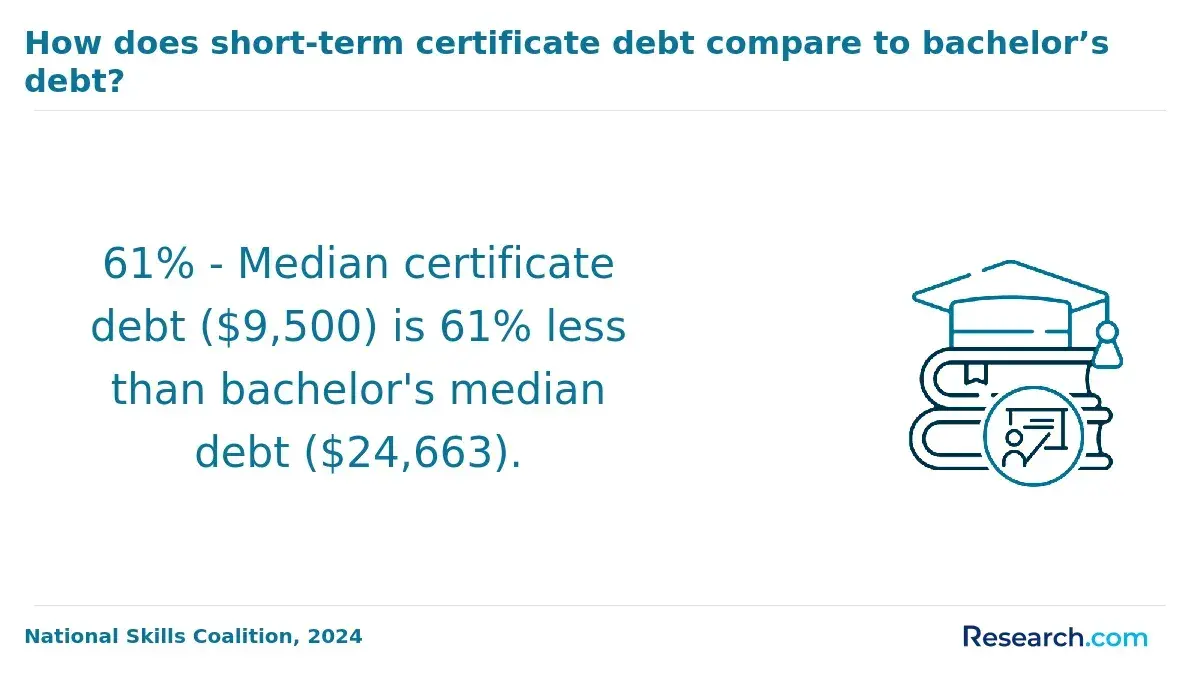
Choosing an online sport management program means balancing time, cost, and market relevance against career goals. Master's degrees usually require 12 to 24 months, while bachelor's programs span 3 to 4 years. For professionals seeking quicker entry, certificates lasting weeks to six months offer targeted skill-building but sacrifice breadth. Tuition varies significantly: bachelor's programs generally cost between $15,000 and $40,000, master's programs range from $20,000 to $50,000, and certificate options fall between $1,000 and $5,000.
Beyond tuition, students must consider the evolving employer expectations favoring digital competencies, especially in fan engagement and monetization strategies. Direct-to-fan platforms like Patreon illustrate a shift toward membership and digital product monetization, signaling that sport management programs embedding these digital skills yield better job placement.
For mid-career marketers transitioning into sport management, a practical approach combines short certificates with workshops in data analytics and digital content management to reduce downtime and financial burden. In contrast, those pursuing comprehensive degrees trade immediate workforce entry for broader credentials and potentially greater long-term employability.
Key decision factors include:
- Program length and its alignment with career urgency.
- Cost versus credential depth and employer acceptance.
- Curriculum's incorporation of emerging digital monetization techniques.
- Flexibility in pacing and modular learning options.
What careers can online sport management graduates pursue in fan engagement and sports marketing?
Online sport management graduates pursuing fan engagement and sports marketing roles navigate a landscape shaped by data-driven decision-making and digital fluency. Positions like sponsorship managers or social media strategists demand both analytical skill and stakeholder communication, directly influencing significant revenue partnerships. For example, a sponsorship manager working with a mid-tier professional team must leverage audience data to optimize multi-million-dollar renewals, combining marketing savvy with operational insight acquired through accredited online programs.
Employment trends reveal a decisive shift: nearly half of sports marketing positions now prioritize candidates with verifiable digital competencies linked to online curricula. A National Association of Collegiate Directors of Athletics (NACDA) report highlights the growing acceptance of online sport administration degrees, especially from institutions such as the University of Miami, reflecting evolving employer standards in remote credential recognition.
Practical challenges include deploying consistent fan engagement campaigns across platforms while adapting to evolving behavior-tracking tools and CRM software-skills increasingly embedded in contemporary syllabi. Graduates lacking these technical capabilities face heightened risk of marginalization in competitive markets dominated by nuanced, data-backed marketing strategies.
Those targeting esports or international markets must also manage diverse fan engagement metrics and cultural nuances, often requiring supplemental certification and scenario-based training tailored to digital-first audiences. This specialization addresses industry fragmentation that a generic sport management degree may not cover.
What salary ranges and job outlook can sport management professionals expect in fan engagement roles?
Salary prospects for professionals in sport management concentrating on fan engagement reflect notable variation based on organizational scale, region, and role complexity. Entry-level salaries typically start around $45,000 annually, but specialists at major league franchises can command six-figure compensation due to intricacies in audience segmentation and cross-platform coordination. Conversely, positions at smaller clubs or collegiate programs may offer salaries between $50,000 and $90,000 but afford wider operational experience essential for growth.
The U.S. Bureau of Labor Statistics projects an 8% growth rate for marketing and promotions managers-roles closely aligned with fan engagement professionals-through 2032. This growth stems from increasing demand for personalized digital content and interactive fan experiences, which require advanced analytics prowess and community-building abilities.
Employers prioritize practical skills in data-driven insights and social media strategy. Candidates with internship experience or portfolios demonstrating analytics and engagement campaigns have a competitive advantage. Geographical market choices affect earning potential significantly; metropolitan hubs with multiple franchises like New York or Los Angeles offer higher pay yet markedly more competition.
Professionals focused solely on grassroots fan initiatives might accept lower initial salaries but gain upward mobility toward roles in community relations or digital marketing. Advancement hinges on mastering emerging technologies such as AI-powered fan interaction platforms, emphasizing continuous skill refinement aligned with evolving industry expectations.
How can you evaluate and choose a reputable online sport management program?
Effective preparation for fan engagement roles in sport management depends heavily on programs that prioritize digital-first skills directly aligned with market demands. Key competencies include fan engagement, data analytics, and sponsor relations-areas identified by SportXP as foundational for delivering measurable value to franchises and brands. Graduates from programs lacking rigorous coursework or hands-on application in these domains often face challenges meeting employer expectations.
Regional accreditation and faculty with verifiable industry experience or research credentials are critical indicators of program quality and affect employability outcomes. Analysis of graduation rates and job placement data from trusted sources like the National Center for Education Statistics can reveal how well a program sustains student success. A high dropout rate or weak employment figures within six months signals gaps in curriculum relevance or institutional support.
Learning formats and experiential opportunities shape the real-world readiness of students. For professionals pivoting careers-such as those moving from digital marketing-programs offering internships, industry collaborations, or projects focused on CRM platforms and fan analytics provide more actionable skills than those centered on facility operations.
- Verify accreditation and faculty expertise before enrollment
- Focus on programs emphasizing fan engagement, analytics, and sponsorship skills
- Evaluate outcome data from authoritative sources
- Select programs with embedded practical projects or internships
- Align curriculum with your existing skills and career shift goals
- Weigh costs against demonstrated salary uplift potential
Other Things You Should Know About Sport Management
Leading online sport management programs in 2027 for those interested in fan engagement include the University of Florida's Master of Science in Sport Management and Ohio University's online Master of Athletic Administration, both offering courses focused on sports marketing and digital engagement strategies.
Internships remain critical in sport management for gaining real-world industry connections and applied skills. Online programs vary widely in their internship support; those with established partnerships and structured placements elevate employability significantly. When choosing a program, prioritize one that either mandates or facilitates high-quality internships, as theory alone cannot compensate for the lack of practical experience employers expect in fan engagement roles.
Balancing coursework with job responsibilities is the primary challenge, especially given the workload of advanced classes in marketing analytics, digital media, and sports law. Time management and proactive communication with instructors are essential. Additionally, some programs use synchronous sessions that may conflict with full-time work; choose programs offering flexible, asynchronous coursework to maintain employment without compromise.
Employers value accredited degrees but place higher emphasis on the reputation of the institution and evidence of relevant experience. Online degrees from recognized programs are accepted if accompanied by demonstrable skills like digital marketing, data analysis, and content creation. Hybrid or campus-based graduates may have a slight edge due to networking opportunities, but candidates with comprehensive portfolios and internships will compete effectively regardless of delivery format.
References
- Admission Requirements - Sports Management https://www.vsu.edu/gradstudies/masters-degree-programs/sport-management/admission-requirements.php
- Postgraduate Course Rankings 2025 https://postgraduaterankings.com/
- Sport Marketing & Management | UNOH https://www.unoh.edu/academics/college-of-occupational-professions/sport-marketing-management.html
- Sports Job Training & Certification Courses | Sports Management Worldwide https://www.sportsmanagementworldwide.com/courses
- Salary Trends in Sports Management – United States Sports University https://restore-ussa-edu.mystagingwebsite.com/news/salary-trends-in-sports-management/
- How can I enroll in a master's degree in sports management? - INSEEC https://www.inseec.com/en/guides/orientation-guide/how-can-i-enroll-in-a-masters-degree-in-sports-management/
- Sports Management Digital https://www.euruni.edu/en/Bachelor-s/Sports-Management-Digital.html
- 10 Of The Best New Sports Management Programmes To Look For - Bluesky Thinking https://bluesky-thinking.com/7-of-the-best-new-sports-management-programmes-to-look-for/
- BA (Hons) Sports Management (Distance with attendance) - UCFB https://www.ucfb.ac.uk/your-degree/undergraduate-degrees/ba-hons-sports-management-distance-with-attendance/
- How Professionals from Other Industries Can Build a Career in Sport Management - AISTS https://aists.org/how-professionals-from-other-industries-can-build-a-career-in-sport-management/