2027 Online Sport Management Degrees With Promotion-Ready Leadership Alignment

Co-Founder and Chief Data Scientist
Professionals seeking leadership roles in sport management often confront a bottleneck: how to access high-quality, flexible education that aligns with promotion criteria while juggling full-time work and existing commitments. Enrollment data from the National Center for Education Statistics indicates a 30% rise in adult learners pursuing online degrees since 2024, revealing a clear shift toward programs accommodating work-life balance.
Yet, many candidates find that standard curricula lack the targeted leadership development required for mid-career advancement, prompting costly credential gaps. This article evaluates current online sport management degrees emphasizing leadership alignment, guiding readers to programs that directly support career mobility and strategic promotion readiness.
Key Things You Should Know
- Graduate salary growth in sport management roles stagnates after five years without leadership training, per 2024 U.S. Bureau of Labor statistics, forcing strategic tradeoffs between early work experience and formal promotion readiness.
- Employers increasingly demand hybrid proficiency in data analytics and traditional sport management skills; 62% of hiring managers in 2024 emphasized analytics ability as decisive in leadership candidate selection.
- Median online program costs surged 18% since 2022, extending time-to-promotion by 6 months on average due to debt burden, according to National Center for Education Statistics, challenging cost-benefit assumptions for midcareer professionals.
What is an online sport management degree and how does it prepare leaders?
Leadership readiness in sport management hinges on the integration of strategic, financial, and human resource skills with industry-specific challenges. Online sport management degree programs for leadership development emphasize this by blending operational know-how with a broad perspective on sports-related environments such as professional franchises and event coordination firms.
An alumnus in a collegiate athletics department exemplifies how data analytics and nuanced stakeholder communication-skills typically honed in these programs-directly impact event attendance and budget control. This real-world application illustrates how such degrees prepare promotion-ready leaders capable of balancing strategic vision with daily operational demands.
The pathway is not without tradeoffs: while the degree offers flexible formats suitable for working professionals, limited face-to-face networking and the imperative of disciplined time management present ongoing challenges. Graduates often need to complement their education with internships or certifications to align with employer expectations that prioritize demonstrated experience alongside academic credentials.
Current labor market data shows that meeting, convention, and event planners-a common role for sport management graduates-will see 18% growth through 2033, reflecting increased demand for skilled leadership in sports event coordination. Programs that incorporate real-world projects and mentorship tend to better support the transition into higher leadership roles.
Prospective students should also consider related fields; comparing pathways like an online masters healthcare management program reveals differing sector demands and leadership competencies. These distinctions matter when aligning educational investments with long-term occupational goals.
How do online sport management programs compare to campus-based options for career advancement?
Career advancement opportunities in online sport management degree programs often hinge on networking and experiential learning-areas where campus-based programs maintain an advantage. Employers prioritize candidates with direct, hands-on experience such as internships and in-person mentorship, which campus formats more readily facilitate through access to local industry connections and live events. For instance, a student aiming for leadership within a professional sports team typically benefits from campus access to live-game operations internships that online learners find harder to secure.
Yet, online programs provide scheduling flexibility valuable to working professionals seeking immediate role changes or promotions without pausing their careers. This allows the real-time application of leadership strategies, compensating partially for fewer face-to-face industry interactions and expanding options for those balancing employment. Choosing between formats requires weighing these tradeoffs carefully.
The median annual wage for entertainment and sports occupations is $54,870, underscoring that leadership readiness directly affects promotion and earnings. Graduates from campus-based sport management leadership benefits often include greater access to career fairs and alumni networks, which correlate with stronger long-term job placement and salary growth.
Practical guidance for prospective students involves assessing personal circumstances: those needing accelerated entry or juggling work commitments should explore an online option while seeking targeted local internships. Individuals transitioning careers or entering the market may find enhanced industry immersion and employer engagement through campus attendance. Additionally, exploring a 2 year construction management degree online may offer a comparative perspective on accelerated degree models.
Which accredited online sport management degrees best align with leadership promotion goals?
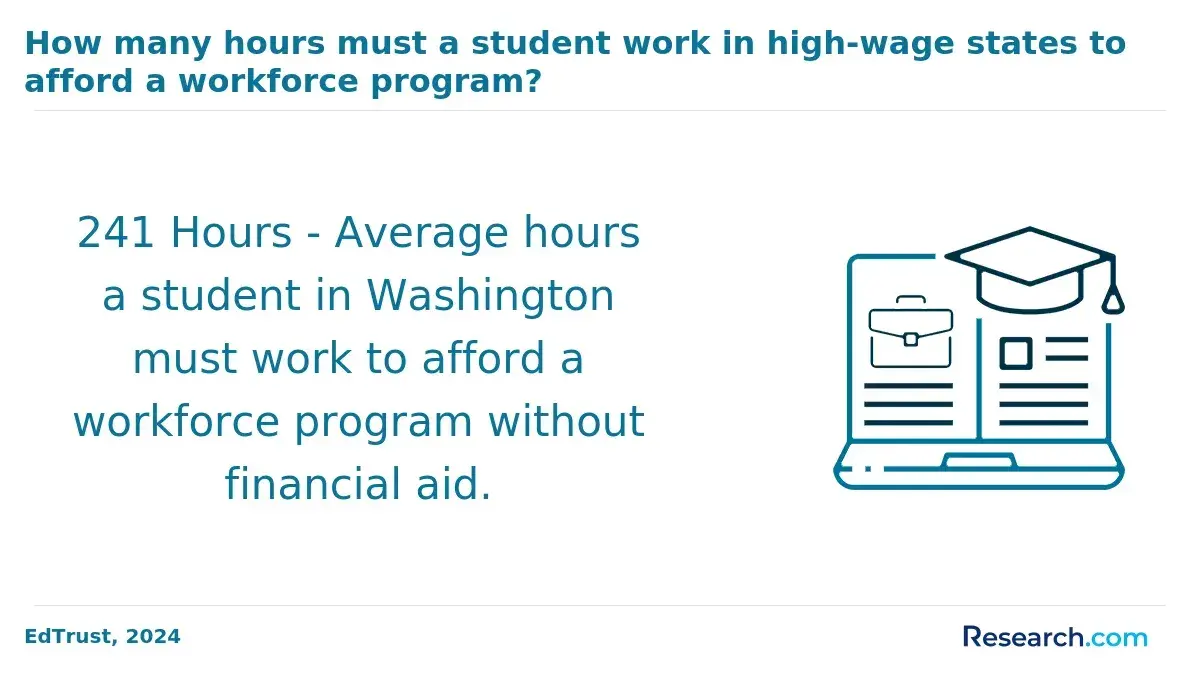
Leadership roles in sports organizations demand candidates who combine governance expertise, financial oversight, and operational strategy-skills emphasized by accredited online sport management degrees for leadership promotion. The University of Alabama at Birmingham's program, at $292 per credit, exemplifies a tuition benchmark for students prioritizing cost against mid- to upper-level leadership readiness. Its curriculum focusing on financial management and operational leadership aligns tightly with employer expectations to quickly advance managers.
Candidates seeking promotion within collegiate athletics especially benefit from programs embedding practical experience through internships and projects that integrate NCAA compliance and sports marketing strategy. Employers in professional sports leagues continue to prioritize credentials that demonstrate direct budget control and management of staff, reflecting a workforce expectation beyond generic business degrees. Such applied skill sets distinguish graduates in competitive leadership pipelines.
Flexibility in scheduling and delivery remains a critical consideration for working professionals pursuing online sport management programs aligned with career advancement goals, ensuring employment continuity while acquiring highly relevant competencies. Programs that quantify value via per-credit costs linked to median post-graduation salaries from sources like the National Center for Education Statistics provide clearer ROI insights. Degrees that combine nonprofit management with sports frameworks open promotion avenues in community and nonprofit sports sectors frequently bypassed by traditional business programs.
The embedded networking opportunities, mentorship by industry veterans, and targeted career placement services significantly impact promotion outcomes. Prospective students should weigh these qualitative advantages alongside tuition to avoid delaying leadership attainment. For detailed comparisons, consider reviewing an online construction management degree as a reference point for managing educational investments.
Employer Confidence in Online vs. In-Person Degree Skills, Global 2024

What admission requirements and prior experience do online sport management programs expect?
Admission criteria for online sport management program admission criteria shape candidate profiles in ways that extend beyond academic records to influence workforce readiness. Bachelor's level entry demands a high school diploma or equivalent with a cumulative GPA typically between 2.5 and 3.0. Increasing reliance on test-optional policies eases access but shifts evaluative weight toward transcripts verifying core competencies in English and mathematics.
Required prior experience for sport management degrees often includes internships or work in athletics departments, sports marketing, or event coordination, which substantiate leadership potential. For instance, candidates with two years of collegiate athletic administration experience are advantaged in programs emphasizing practical leadership skills. Graduate admission adds expectations for a relevant bachelor's degree-often in sport management or business-and a minimum GPA around 3.0, alongside statements of purpose and professional recommendations targeting managerial aptitude.
International and nontraditional students face additional layers such as credential evaluations and English proficiency tests like TOEFL or IELTS, while asynchronous course formats mitigate conflicts with ongoing employment. Technical familiarity with online learning platforms is essential given the fully digital delivery environment.
Employment outcomes often validate these admission standards: the University of Iowa's online bachelor's in sport and recreation management graduates command median salaries near $65,473 four years post-completion, illustrating the market premium for verified academic and experiential rigor. Such insights align with the practical tradeoffs students encounter when selecting between programs with different admission flexibility and experiential prerequisites.
Those evaluating pathways may also consider connections to related fields, including the bachelor of science in healthcare administration, which shares overlapping organizational leadership and administrative competencies relevant in sports contexts.
What core courses and leadership-focused curriculum are included in online sport management degrees?
Leadership and operational agility in sport management demand specialized skills beyond generic business principles. For example, managing contracts and crisis situations in a mid-size sports venue involves applied knowledge that integrates finance, marketing, ethics, and facility operations with nuanced human resource management and strategic decision-making.
Programs embedding such competencies also emphasize professional branding and career development strategies tailored to sports environments. A 2024 study by the National Association for Sport and Physical Education found that 85.7% of students viewed LinkedIn as essential, illustrating the tangible need for digital networking proficiency alongside resume enhancement and industry-specific marketing approaches.
Practical challenges include managing remote collaboration while maintaining team cohesion in pandemic-affected contexts, as well as navigating compliance issues unique to sports organizations. This necessitates adaptability in leadership style and multi-stakeholder project management, skills that directly affect promotion potential and workplace effectiveness.
Prospective students should critically assess how programs balance theoretical knowledge with applied leadership skills that address the realities of sport ecosystems, ensuring that educational investment translates into operational competence and long-term professional mobility within the industry.
How long do online sport management degrees take and what do they cost?
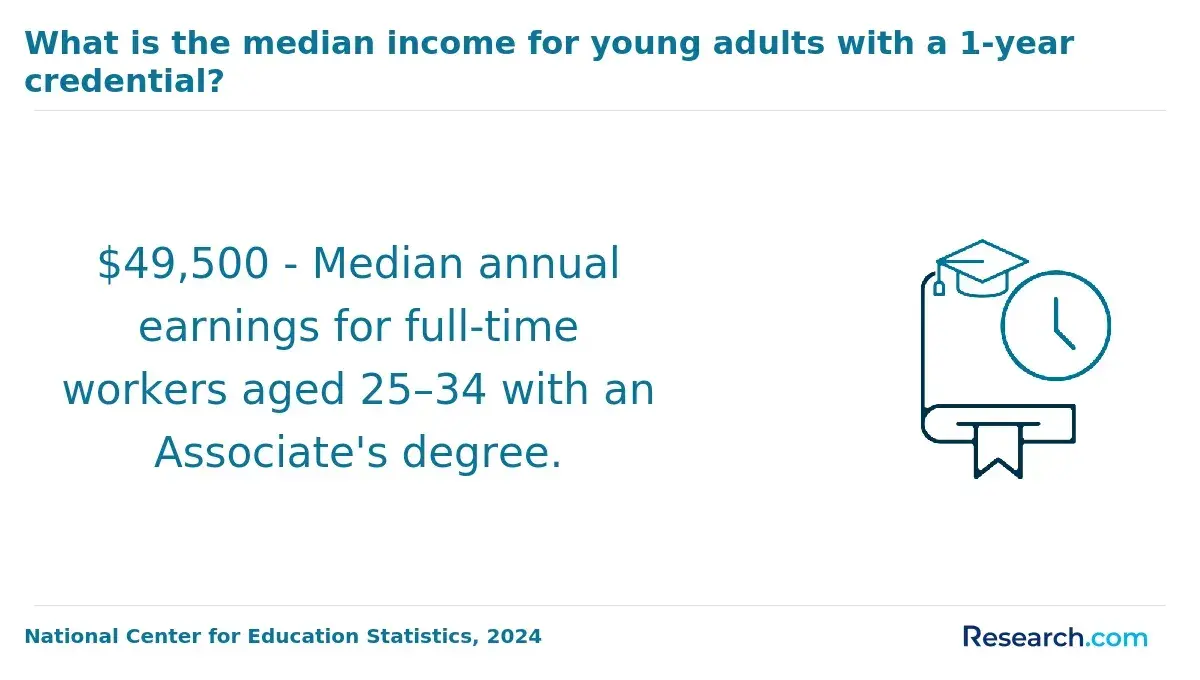
Choosing an online sport management degree requires balancing time-to-completion with professional and financial realities. Master's programs often demand two years full-time but can extend to three or more years part-time, which may delay workforce advancement for employed students. Bachelor's degrees typically span four years full-time, with flexible pacing impacting both total cost and career entry timing.
Cost disparities are significant: public bachelor's programs range roughly from $10,000 to $40,000 annually, while private institutions can exceed $50,000 per year. Master's degrees at public universities usually total $15,000 to $35,000, whereas private options often surpass $50,000. Hidden expenses such as technology fees or residency requirements can substantially affect the overall investment.
Employers generally expect candidates to possess either a relevant master's degree or considerable professional experience, especially for leadership roles within sport management. This expectation means investing in a degree is both a financial and strategic decision linked closely to hiring capability. Ultimately, professionals must evaluate how program choices align with their workload, financial tolerance, and timing for career shifts, rather than view online sport management degrees as mere stepping stones.
What sport management careers and leadership roles can graduates pursue?
Choosing an online sport management degree shapes career opportunities that vary markedly based on sector and employer scale. Graduates often move into roles such as athletic directors overseeing compliance, budgets, and staff at scholastic levels, or marketing managers handling sponsorships and fan engagement-all demanding nuanced project management and operational expertise amid real-time challenges.
Leadership roles, including team operations managers, require aligning athlete performance with organizational missions, blending knowledge of contract negotiation and regulatory environments. In professional sports settings, advancement to director positions centers on measurable business development outcomes like revenue growth and brand visibility.
Key operational realities include balancing multiple departments under financial and legal pressures while adapting to sector-specific demands-collegiate athletics differs significantly from professional franchises or marketing agencies in complexity and expectations. Graduates equipped only with theoretical knowledge risk underperformance without practical experience that demonstrates leadership impact.
Remote program delivery, exemplified by Southern New Hampshire University Online's enrollment figures, reflects strong market demand and employer acceptance of online credentials when supplemented by internships or applied project work.
Practical preparation involves mastering industry-specific platforms, such as ticketing or CRM software, alongside strategic networking to secure positions where success metrics extend beyond team wins to organizational performance.
What salary ranges and earning potential exist for sport management leaders with online degrees?
Salary outcomes in sport management vary significantly based on role, experience, and sector specialization, with mid- to upper-level leadership positions demanding both strategic acumen and applied management skills. Annual pay for senior promoters in professional sports can reach around $113,470, a level comparable to leadership roles requiring financial oversight, stakeholder negotiation, and regulatory compliance demonstrated through targeted online degree programs.
Those managing collegiate or community sports typically earn between $65,000 and $85,000, though this depends on market size and organizational budget. Entry-level coordinators or assistant positions often start at $45,000 to $55,000, requiring additional certifications or practical experience for accelerated progression.
Tradeoffs between specialization in areas like sports marketing or facility management influence salary trajectories and job stability, underscoring the importance of choosing educational pathways that align with one's targeted niche. Integrating internships and networking within online programs can pivot early career prospects by facilitating direct industry access.
Long-term growth depends on continuous skill development and measurable results in revenue generation or audience engagement, which employers prioritize when considering candidates for advancement. Practical readiness from an online sport management program differentiates applicants competing for six-figure salaries in a job market driven by demonstrated leadership, not just academic credentials.
What certifications, professional associations, or licenses support advancement in sport management?
Certification beyond academic degrees acts as a decisive factor for senior roles in sport management, where leadership in complex environments such as stadium operations demands demonstrated expertise. For example, a stadium operations manager holding the Certified Sports Event Executive (CSEE) credential gains a tangible advantage in securing roles responsible for multi-million-dollar events by proving capabilities in risk mitigation, logistics, and stakeholder coordination.
Membership in professional bodies like the National Association of Sports Officials (NASO), the Sport Management Association of Australia and New Zealand (SMAANZ), and the North American Society for Sport Management (NASSM) provides more than networking; it grants targeted access to research and leadership training that align credentialing with employer needs.
Licenses related to facility or venue management and event security are critical checkpoints driven by regulatory and liability requirements. Managers working in NCAA or professional sports environments must obtain specific event safety licenses to comply with legal standards, directly influencing insurance and operational risks.
Compensation data from the U.S. Bureau of Labor Statistics underscores a median annual wage of $49,470 for event planners, a benchmark illustrating how certifications and association memberships elevate candidates beyond typical entry compensation, positioning them for supervisory and strategic roles.
Effective career progression requires strategically selecting certifications, licenses, and associations that reflect targeted subfield demands and employer expectations. This tailored credential mix is essential to surpass competitive bottlenecks at mid- to senior-level sport management positions.
How can students evaluate and choose a reputable online sport management program?
Choosing an online sport management program requires prioritizing accreditation and curriculum alignment with employer demands, especially for leadership roles that yield substantial salary growth. Regional or national accreditation confirms institutional legitimacy and access to federal aid, while a curriculum emphasizing strategic planning, facility operations, and marketing analytics better prepares students for positions such as marketing directors earning $161K or facilities managers earning $105K, as projected by the University of New Haven.
Evaluating alumni employment outcomes offers insight beyond academic reputation; programs with strong placement in management-track roles indicate practical value. For instance, candidates seeking facility management should verify that internships or capstone projects deliver meaningful hands-on experience rather than theory alone.
Faculty expertise matters significantly-faculty with current industry leadership or direct sports experience can bridge classroom learning and workforce expectations more effectively. Flexibility in scheduling must be balanced with opportunities for synchronous interaction to maintain collaborative skills essential for leadership development.
Cost analysis must consider brand recognition and return on investment since lower tuition may come with reduced employer recognition. Verifying whether programs integrate recognized industry certificates or professional licensing pathways can mitigate common hiring barriers and enhance career mobility.
Other Things You Should Know About Sport Management
Fully asynchronous programs offer flexibility but often lack interactive leadership simulations and real-time problem-solving workshops that build critical decision-making skills. Conversely, hybrid or cohort-based online formats facilitate peer collaboration and real-world scenario exercises, which are essential for leadership readiness in sport management. Choose a program structure that balances convenience with opportunities for active leadership practice to maximize promotion potential.
Employer recognition depends primarily on program accreditation and curriculum rigor rather than delivery mode. Accredited online degrees from established institutions hold equal value if they emphasize leadership competencies, strategic thinking, and industry-standard tools. However, candidates from less-known programs may face skepticism, so prioritizing regionally accredited universities with strong sport management faculty enhances credibility and promotion prospects.
Programs deeply focused on executive leadership often require more intense workloads, including strategic projects, case studies, and leadership practicums, which can be challenging to balance with full-time work. While these demands increase promotion readiness, they reduce flexibility and extend completion times compared to general sport management degrees. Prospective students must evaluate their current job responsibilities and career timelines before committing to leadership-centric curricula.
References
- Sports Management Digital https://www.euruni.edu/en/Bachelor-s/Sports-Management-Digital.html
- Best Degree For Sports Management | University of Bridgeport https://www.bridgeport.edu/news/best-degree-for-sports-management/
- How Professionals from Other Industries Can Build a Career in Sport Management - AISTS https://aists.org/how-professionals-from-other-industries-can-build-a-career-in-sport-management/
- Top 5 Careers You Can Launch with a Sports Management Diploma - eta https://etacollege.com/top-5-careers-you-can-launch-with-a-sports-management-diploma/
- Certified Sports Manager (CSM) https://gaqm.org/certifications/sports-management/csm_10
- What Can I Do with an MBA in Sports Management? https://go.tiffin.edu/blog/what-can-i-do-with-a-masters-in-sports-management/
- Salary Trends in Sports Management – United States Sports University https://restore-ussa-edu.mystagingwebsite.com/news/salary-trends-in-sports-management/
- Online Bachelor's in Sports Management https://www.monroeu.edu/academics/undergraduate-programs/monroe-online/school-business-and-accounting/online-bachelors-sports-management
- Lang School of Business and Economics Launches First Online Sport Management Program https://news.uoguelph.ca/2025/02/lang-school-of-business-and-economics-launches-first-online-sport-management-program/
- Best Degrees in Sports Management Online 2025 https://www.onlineu.com/degrees/sports-management