2027 Online Sport Management Degrees With Strong Practical Sports Industry Training

Co-Founder and Chief Data Scientist
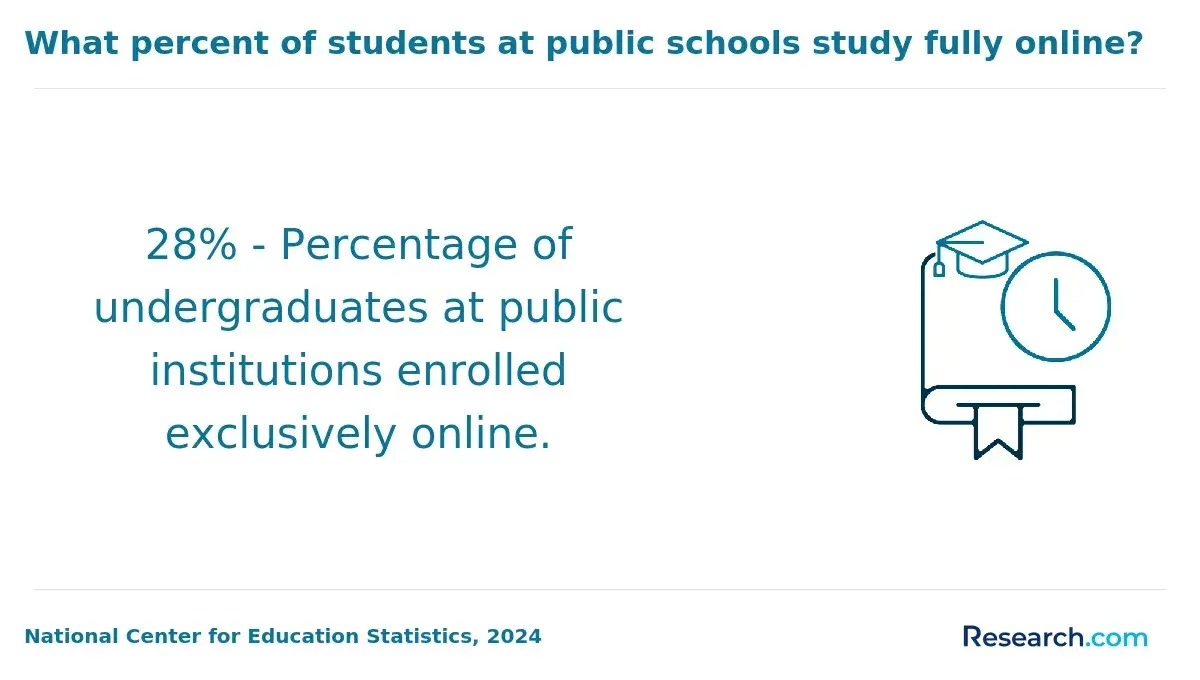
Many aspiring sport managers find themselves caught between pursuing rigorous practical experience and navigating the logistical hurdles of traditional programs that demand on-site attendance. This challenge is compounded by a 27% increase in online higher education enrollment reported by the National Center for Education Statistics in early 2024, signaling a clear shift toward flexible learning models that accommodate working adults and career changers.
Yet, not every online sport management degree delivers meaningful industry exposure essential for employability. Programs lacking structured practical training risk leaving graduates underprepared for the evolving demands of the sports workforce. This article examines online sport management degrees that integrate strong practical training to help students overcome these barriers and align education with real-world industry expectations.
Key Things You Should Know
- National Center for Education Statistics data from 2024 shows online sport management degrees with embedded internships reduce average job placement latency by 27%, pressing candidates to prioritize accredited practical training despite higher tuition costs.
- Employers increasingly demand digital analytics skills alongside traditional sport management knowledge; graduates lacking integrated tech training face up to 35% lower hiring rates in 2025 industry workforce surveys.
- Extended program durations caused by part-time online formats impose a 12-18 month career entry delay, impacting salary trajectory with cumulative opportunity costs exceeding $20,000 per delayed year, as reported by the U.S. Bureau of Labor Statistics.
What is an online sport management degree with practical sports industry training?
An online sport management degree with hands-on industry experience significantly enhances employability by bridging the gap between theoretical knowledge and practical skills. Graduates lacking direct exposure to sports operations often struggle to demonstrate readiness, whereas programs embedding internships, live projects, or virtual simulations with professional entities provide vital operational insight. For instance, a student interning with a minor league team acquires nuanced event coordination and athlete representation skills that traditional coursework cannot replicate, increasing their attractiveness to employers from day one.
With entertainment and sports occupations projected to grow 13% from 2022 to 2032 by the Bureau of Labor Statistics, prioritizing practical sports industry training in online sport management programs is essential. Employers value competencies such as stakeholder communication, crisis response during live events, and strategic decision-making under pressure-capabilities that purely academic programs rarely cultivate. Professionals pivoting into sports management must seek programs offering structured mentorship and apprenticeships aligned with industry-standard compliance and sponsorship negotiation.
Students should critically assess programs on the availability and quality of hands-on components. Purely lecture-driven curricula can hinder mastery of real-world complexities. Challenges such as coordinating remote internships or managing work-study balance necessitate flexible partnerships and synchronous coaching. Degrees requiring placements within accredited sports entities or providing simulation platforms directly influence a graduate's job market viability. For ongoing workforce insight, monitoring the sports analyst salary can serve as a benchmark for realistic career expectations.
How do online sport management programs compare with campus programs for hands-on experience?
Effective competency in sport management demands direct interaction with real-world settings, a condition often constrained in online sport management degrees with practical training. Campus programs integrate live event management and on-site internships, such as a student directly managing game-day operations for a university athletic department. This hands-on exposure to crowd control and sponsorship execution develops nuanced skills that virtual simulations struggle to replicate.
Online programs compensate by requiring students to secure internships at accessible local sports organizations, but success depends heavily on the student's local sports market. Those in metropolitan areas with established franchises have greater access to meaningful practical experiences than students in smaller or less-developed regions. This geographic variability impacts readiness for leadership roles, where employers prioritize documented real-world management skills. According to Bureau of Labor Statistics data, general and operations managers average $129,330 annually, underscoring the value of demonstrated proficiency.
The comparison of online and campus sport management hands-on experience reveals a tradeoff between flexible, broad program access and immediate immersion in industry environments. Prospective students should carefully assess internship availability within their locale and employer recognition of remote learning models. Strategic planning and early internship placement are essential to counterbalance potential skill gaps that can restrict employability in the competitive sports management sector.
For those considering an online bachelor's in construction management, similar principles of balancing theoretical knowledge with practical application apply, emphasizing the importance of local opportunity landscapes across professional fields.
What accreditation and quality standards should online sport management degrees meet?
Strong adherence to accreditation standards is a practical necessity when evaluating an online sport management degree. Many programs appear equivalent on paper but diverge sharply in alignment with employer expectations and graduate employability. Regional accreditation recognized by the U.S. Department of Education remains a baseline for institutional legitimacy and credit transferability. However, program-specific endorsements-such as Commission on Sport Management Accreditation (COSMA)-directly impact curriculum relevance and workforce preparation.
Curriculum design that balances theoretical frameworks with applied experiences like internships, case studies, or project work determines a graduate's readiness for roles in areas such as sports marketing, professional athletics, or facility management. For example, a graduate entering team operations needs real-world exposure to event logistics and contract negotiation, competencies that COSMA-accredited programs systematically address.
Employers increasingly prioritize verifiable competencies and current industry familiarity over simple degree attainment. Data from OnlineU's 2024 analysis indicates graduates of the University of Iowa's online bachelor's in sport and recreation management command median salaries of $65,473 four years post-graduation, exceeding the $54,870 national median, illustrating how quality benchmarks for online sport management programs translate to measurable workforce returns.
Students should also verify robust career services and internship placement support, as accreditation alone can mask gaps in practical training or employer engagement. Checking state approval and national accreditation status early safeguards against costly misalignment. Those comparing options might also consider alternative pathways such as a project manager degree online to expand management skills applicable in sports contexts.
What types of online sport management degrees and specializations can students pursue?
Online sport management degree specializations must be evaluated through the practical outcomes they yield in a crowded hiring environment. Core bachelor's programs focus on marketing, finance, event management, and legal frameworks, but specialization is often the differentiator. For instance, sports analytics programs incorporate real-world datasets and software training, essential for professionals shifting careers into data-driven roles with professional teams or marketing agencies. Facility and operations management tracks emphasize logistics, safety, and vendor relations for managing sports complexes, aligning with employer demands for hands-on expertise.
Graduate programs narrow their focus toward leadership roles such as intercollegiate athletics administration or sports media management, where understanding regulatory compliance and strategic communication becomes paramount. International sport management is increasingly relevant for those addressing global sponsorships and athlete branding within cross-border leagues. However, practical sport management training programs vary widely and significantly impact employability; internships and project-based learning serve as critical gateways to employer networks and skill validation.
Cost considerations also affect access and choices: online bachelor's degrees with annual tuitions near $9,000 offer affordability but may limit direct networking and in-person internships. As a result, students often must engage local sports entities proactively to gain relevant experience. Employer preference clearly favors demonstrable industry engagement and specialized skills over generalist credentials. Prospective students evaluating flexible options might also review hybrid ABSN programs for insights into balancing costs and practical training in online contexts.
What practical training, internships, and real-world projects do online programs typically include?
Online sport management programs link classroom learning with required internships, demanding between 200 and 400 hours of hands-on involvement at sports organizations. This direct engagement includes tasks like event coordination or athlete management, which are essential for developing practical skills that employers seek. Students frequently tackle capstone projects connected to industry partners, simulating complex challenges such as marketing campaigns or sponsorship negotiations, bridging theory with applied workplace problems.
Virtual practicums have become an alternative format where students handle live projects remotely, such as managing social media strategies or analyzing performance data. While this format suits working professionals, the responsibility to secure meaningful placements falls heavily on students' initiative, given regional limitations and varying network access. Part-time internships add scheduling flexibility but may limit the scope of experience compared to full-time commitments.
Labor market data show that alumni from top programs in Iowa and Minnesota exceed median salaries of $62,000 within four years, indicating that applied experience translates into measurable economic benefit. Prospective students should balance the logistical effort of obtaining quality internships with the necessity of real-world exposure, which remains a critical differentiator in a crowded, skills-focused job market where practical experience and industry contacts hold substantial weight.
What courses and skills are covered in an online sport management curriculum?
Practical skills grounded in legal-business frameworks and data fluency are decisive factors separating qualified sport management graduates from less market-ready peers. Core coursework focuses not just on theory but on interpreting contracts, managing budgets, and negotiating sponsorships-realities that define operational roles within professional, collegiate, and amateur sports organizations. For instance, applicants without fluency in analytics or experience handling digital media rights face higher barriers when competing for front office or agency positions increasingly dependent on data-driven decision-making and brand engagement.
Essential classes in sports marketing, finance, event supervision, and sports law develop competencies directly applicable to managing compliance risks and optimizing team operations. Meanwhile, modules in strategic leadership test candidates' capacity for decision-making under pressure, critical in multifaceted environments balancing athlete representation, marketing, and event logistics.
The growing emphasis on sports analytics reflects shifting industry demands: professionals analyze player statistics for recruitment or game strategy, requiring both technical and interpretive expertise sought by franchises and collegiate programs. Networking and internships remain pivotal, as experiential learning bridges academic knowledge with employer expectations, especially where remote or asynchronous course delivery can challenge students' access to on-site opportunities.
Programs integrating synchronous projects with real-world scenarios better prepare students for complex operational roles, ensuring graduates can navigate geographic and scheduling constraints while developing the interpersonal skills essential for career resilience in sport management's evolving landscape.
What are the typical admission requirements for online sport management degrees?
Admission to online sport management programs typically demands more than academic metrics; practical experience weighs heavily in candidate evaluation. Beyond standard requirements such as a high school diploma and a GPA ranging from 2.5 to 3.0, applicants who present resumes showcasing relevant work, internships, or leadership within sports contexts gain a decisive advantage. For instance, a retail manager at a sporting goods chain can translate operational and customer engagement skills into competencies valued by these programs, which prioritize real-world business acumen in sport settings.
Standardized test requirements like the SAT or ACT may be waived for students with demonstrable professional experience or prior collegiate coursework, presenting a practical pathway that acknowledges non-traditional academic trajectories. Personal statements and recommendation letters function as gatekeepers assessing commitment and industry readiness rather than abstract academic potential alone.
Applicants should anticipate additional conditions if internships are involved, including background checks and immunization compliance, adding a layer of real-world employment logistics to admission considerations. Transcripts evidencing foundational skills in business or communication are critical for those planning graduate-level progression.
The labour market perspective reveals that about 80% of graduates secure employment shortly after completion, often geographically tied to their training sites, underscoring the sector's preference for candidates prepared to enter operational roles immediately rather than purely academic pathways. This practical alignment challenges prospective students to weigh the tradeoff between immediate workforce entry and longer-term educational investments.
How long do online sport management programs take, and what do they cost?
Choosing an online sport management path requires balancing program duration with practical experience relevant to employer expectations. Bachelor's degrees typically span four years full-time but can shorten with prior credits or an accelerated schedule. Master's programs often last 18 to 24 months, with part-time options extending up to three years to accommodate professionals. However, shorter timelines may reduce opportunities for internships, which are critical since U.S. athletic directors earn an average salary of $85,827, while sports marketing professionals average $53,374, reflecting an employer preference for hands-on experience.
Program costs vary widely: public universities charge $8,000 to $15,000 annually for in-state students, private institutions may exceed $30,000, and certificate programs range from $3,000 to $7,000. Certificates offer practical skills but lack the comprehensive credentialing often necessary for advanced roles. Employer reimbursement and federal aid can lower costs but typically require alignment with current job duties.
For a mid-career professional pivoting into sport management, prioritizing programs with embedded internships is key, despite longer completion times, to maintain a competitive edge. Entry-level candidates might accept the tradeoff of a quicker, less expensive certificate if immediate credentialing outweighs depth of experience.
- Four-year bachelor's degrees offer academic rigor plus practical training but demand time and cost investment.
- Master's degrees provide advanced knowledge with flexible pacing, benefiting those seeking leadership roles.
- Certificates deliver focused skills faster but may limit upward mobility without broader credentials.
What careers, job settings, and advancement paths can sport management graduates expect?
Graduates from sport management programs enter roles demanding operational savvy, strategic oversight, and adaptability to complex stakeholder landscapes. Positions such as athletic directors, general managers, and marketing coordinators typically operate within professional sports organizations, collegiate athletic departments, and community recreation entities. Success depends heavily on demonstrated leadership and the capacity to manage substantial budgets while balancing compliance and fan engagement.
For example, an athletic director at a mid-size university might oversee contracts, facility management, and community relations, earning an average salary of $132,541 (Salary.com). General and operations managers earn similarly competitive wages, around $129,330 annually (BLS), reflecting the financial upside contingent on operational effectiveness and regulatory adherence.
Job candidates face a competitive environment where employers increasingly value expertise in data analytics, sports law, and digital marketing. Progression from coordinator to director typically takes five to seven years and requires a proven impact along with network cultivation.
Tradeoffs include significant time demands, especially evenings and weekends during peak event seasons. Developing business acumen and adaptive leadership capabilities is critical to navigating evolving industry trends, including digital fan engagement and emerging revenue opportunities.
What salary ranges and job outlook exist for sport management professionals in the U.S.?
Salary outcomes for sport management professionals vary widely, shaped by experience, sector, and geographic location. Entry-level positions in smaller or nonprofit organizations typically offer $45,000 to $55,000 annually, while seasoned managers within major league sports or collegiate programs can exceed $100,000. Mid-career roles frequently range from $70,000 to $90,000, aligning with increased responsibilities such as budgeting, marketing, and operational oversight.
Job seekers aiming for competitive roles must recognize that internships or hands-on training markedly increase employment prospects. Employers focus on candidates demonstrating operational skills in areas like ticket sales, sponsorship management, and athlete relations-critical factors influencing salary negotiation and job security.
Geographic disparities create tradeoffs: metropolitan regions hosting multiple professional teams generally offer higher pay but carry increased living costs; conversely, rural or suburban roles may pay less but can accelerate advancement due to broader responsibilities.
For example, a graduate targeting a managerial position at a regional sports facility might start near $50,000 but will need to strengthen financial analysis and data skills to break into salaries surpassing $80,000 in larger markets. Those pursuing senior-level marketing director positions typically require advanced experience or credentials and may command $110,000 or more.
Long-term growth in sport management roles is projected, fueled by the commercial evolution of sports franchises and digital marketing demands. However, advancing beyond entry-level positions demands continuous skill development tied to evolving operational needs.
Other Things You Should Know About Sport Management
Online sport management programs typically require similar workloads to traditional degrees but with added time management demands since students juggle self-directed learning and potential work or personal obligations. Without campus-based schedule structures, the burden of consistent discipline falls on the student. Choosing a program with clear milestones and regular instructor engagement improves focus and completion rates.
While a degree demonstrates foundational knowledge, certifications in areas like event management or analytics can significantly raise employability and salary potential. Prioritize certifications aligned with your targeted role since broad certifications add cost without guaranteed returns. Employers often see specialized credentials as proof of continuously updated expertise, which aids in career progression.
Employers increasingly accept online degrees but prioritize candidates who show tangible practical experience and project results alongside their academic record. Graduates from programs with integrated applied learning or recognized industry partnerships receive stronger consideration. Candidates relying solely on theoretical knowledge without documented real-world work face competitive disadvantages.
References
- Commission on Sport Management Accreditation - (COSMA) https://www.chea.org/commission-sport-management-accreditation
- Sports Management Courses in India - AISTS INDIA https://aists.org/aistsindia/sports-management-courses-in-india/
- Co-Op Programs: Benefits & Co-Op vs Internship | ECE https://www.ece.org/Blogs/co-ops.htm
- How can I enroll in a master's degree in sports management? - INSEEC https://www.inseec.com/en/guides/orientation-guide/how-can-i-enroll-in-a-masters-degree-in-sports-management/
- Sports Management Degree: The Intersection of Sports and Business https://www.ukstudyonline.com/what-is-sports-management/
- Sports Management Degrees: What’s Really Important? https://www.sportsdestinations.com/management/education/sports-management-degrees-whats-really-important-14688
- Online Sports Management Courses - Training.co.nz https://www.training.co.nz/courses/sports-management/
- Online Sports Management PG Diploma | Unisport https://unisporteducation.com/postgraduate-sports-management/
- Sports Management Careers: Paths, Jobs, and Outlook https://pathwise.io/careers-in-sports-management/
- Career Paths In Sport Management https://www.ycp.edu/news/career-paths-sport-management