2027 Sports Event Roles You Can Target With a Sport Management Degree

Co-Founder and Chief Data Scientist
Facing a competitive job market, many aspiring sports professionals struggle to identify how a sport management degree translates into concrete roles beyond the usual assumptions. The Bureau of Labor Statistics projects a 12% growth for sports-related occupations over the next decade, signaling expanding opportunities but also intensifying employer expectations for versatile skills.
Meanwhile, recent National Center for Education Statistics data shows a 35% rise in enrollment among adult learners in flexible online programs, emphasizing a shift toward nontraditional education paths that impact timing and career mobility. Understanding which positions align with these evolving trends can sharpen a student's strategy. This article outlines distinct sport management roles to target, clarifying actionable pathways within this complex landscape.
Key Things You Should Know
- Graduate shortage in sport management roles rose 18% since 2022, creating hiring bottlenecks; this elevates competition but offers candidates leverage in contract negotiability and role specialization.
- Employers prioritize candidates with integrated analytics and digital marketing skills, a shift confirmed by a 2025 Nielsen Sports report showing 72% of hiring managers favor hybrid expertise over pure sports knowledge.
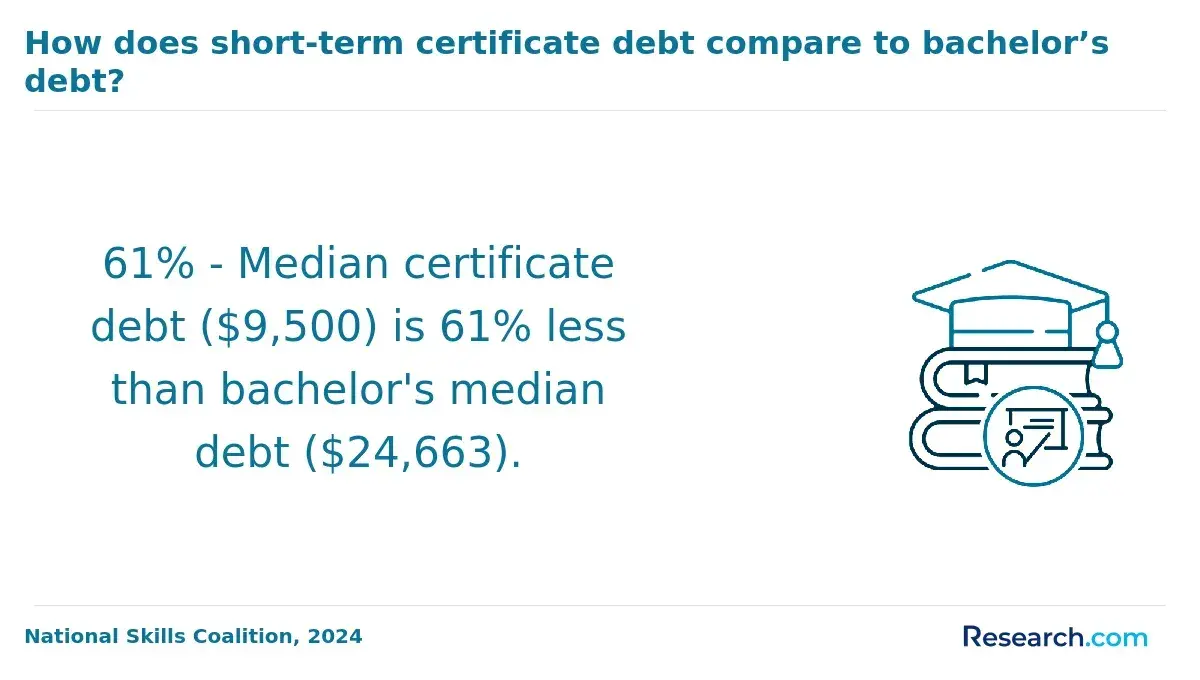
- Average program costs increased 9% post-pandemic, prolonging return on investment to over 5 years per NCES data, pressuring candidates to weigh accelerated certifications against traditional degrees.
What can you do with a sport management degree in major sports events?
Securing operational roles at major sports events frequently requires navigating complex logistical challenges that extend beyond academic knowledge. Positions such as game day or event coordinator, with a 2024 average U.S. salary of $54,400, demand managing vendor relationships, staff scheduling, safety compliance, and rapid problem-solving under pressure. This practical intensity often shapes hiring priorities, where employers favor candidates with internships or directly relevant event experience demonstrating adaptability and multitasking skills.
Sport management career opportunities at major sports events also include facility management, marketing coordination, ticketing operations, and athlete services-each requiring specialized expertise gained through targeted studies and hands-on exposure. Facility managers, for example, must align event setups with league standards while maintaining safety and operational flow. Ticketing roles hinge on integrating digital sales platforms with effective crowd control strategies to optimize attendance and revenue maximization.
In a real-world scenario, a marketing coordinator adjusts promotional campaigns based on live attendance data and demographic shifts, negotiating vendor contracts and adhering to tight budgets. These roles illustrate that success hinges on blending textbook theory with dynamic, on-the-ground decision-making.
Given the irregular hours and high-stress environment typical in this sector, candidates should weigh the tradeoff between potential growth and demanding work conditions. Pursuing a sport management degree through sports management online programs can enhance practical readiness, especially when paired with targeted internships. Understanding roles in sports event management with a sport management degree prepares graduates for a workforce that values both technical proficiency and real-world agility.
Which sports event roles are best suited to sport management graduates?
Positions suited for sport management graduates by 2026 predominantly involve operational leadership in sports organizations, event coordination, and governance, where decision-making authority interacts with financial and compliance oversight. For instance, athletics directors at colleges must navigate budget constraints, regulatory standards, and stakeholder interests to sustain viable athletic programs; according to Salary.com data referenced by Florida International University Business, their median annual salary was $119,592 in 2024. This highlights the tangible market value of such roles.
Graduates entering sports event management careers for sport management graduates often assume responsibilities requiring adeptness in logistics, vendor negotiation, and budget control. Coordinating a multi-day regional tournament exemplifies the complexity, involving revenue balancing and strict adherence to league regulations. These roles demand both technical skill and practical judgment under pressure.
Additional pathways include marketing management focusing on fan engagement, leveraging audience analytics and sponsorship relationships to drive franchise revenue. Compliance officers also play a vital part, managing risk and enforcing league integrity through a legal and ethical framework cultivated in sport management curricula. Employers prioritize candidates who demonstrate real-world leadership and data analysis capabilities, often acquired through internships.
Job seekers should consider regional saturation for roles such as facility managers or sports agents, which are highly competitive and network-dependent. For those interested in administration, understanding how to become an athletic director clarifies necessary career steps linking qualifications with market realities.
How does a sport management degree prepare you for event operations and logistics?
Expertise in event operations and logistics careers with a sport management degree hinges on navigating complex operational variables across diverse competitive levels. Managing a collegiate championship exemplifies the logistical challenge: coordinating travel schedules, accommodation, venue readiness, and emergency protocols while balancing budget and timing constraints. These responsibilities differ from pro-level sports, where increased regulatory scrutiny and heightened stakeholder demands require advanced negotiation and communication skills cultivated through targeted coursework and internships.
Skills gained from a sport management degree in event planning and logistics extend to proficient use of project management and data analysis software, essential for translating live event data into preventive action against operational disruptions. Additional competencies include venue management, media coordination, and crowd control to mitigate bottlenecks during high-pressure scenarios.
Hiring managers prioritize candidates who combine this practical and theoretical foundation to minimize errors and cost overruns. Consequently, graduates are well-positioned for roles such as sports marketing managers, with an average salary of $125,650 annually in spectator sports, reflecting demand for professionals who integrate marketing strategies throughout the event lifecycle. For those balancing cost concerns while advancing in event logistics, exploring the cheapest online construction management degree options can offer transferable project management tools relevant to large-scale sports operations.
What education and skills are required for sports event marketing and fan experience jobs?
The pathway to roles in sports event marketing and fan experience hinges on a bachelor's degree in sport management or related disciplines, but degrees alone no longer suffice. Employers increasingly demand applied competencies reflecting real-time market shifts, highlighting the significance of coursework aligned with digital marketing, consumer analytics, and event planning. For professionals focused on sports event marketing education requirements, integrating hands-on skills in CRM platforms and social media management avoids the pitfall of theoretical-only preparation.
Practically, candidates who can juggle vendor coordination, sponsorship logistics, and crisis response under tight deadlines stand out. For instance, managing both ticket sales optimization and on-site safety protocols remains a rare but critical dual skill in major event agencies. The skills needed for fan experience roles in sport management extend beyond foundational knowledge to include project management and operational agility.
Advanced roles call for fluency in analytics tools like Tableau or Power BI to quantify fan segmentation and ROI, steering strategies through data-centric metrics. While a master's degree increases leadership prospects, comparable influence may come from relevant certifications and demonstrated technology adeptness. The average annual wage of $132,810 for agents and managers in intersecting industries signals tangible earning gains when blending marketing savvy with negotiation and stakeholder oversight.
Lastly, adaptability to digital transformation and multicultural marketing is essential given evolving fan demographics. Educational programs must embed emerging market case studies and ethical considerations. Those evaluating adjustments via accelerated pathways might find links to 12-month accelerated nursing programs online illustrative of compressed degree options in other fields, highlighting the broader conversation on balancing depth and speed in career pivots.
How can a sport management degree lead to roles in ticketing, sales, and sponsorships?
A degree in sport management targets revenue generation through expertise in ticket sales, sponsorship acquisition, and customer relationship management. Graduates are expected to leverage digital ticketing platforms and CRM tools to enhance multi-channel sales systems, ensuring ticket pricing strategies effectively balance maximizing attendance with profitability. Practical application of data analytics and consumer behavior insights remains essential to navigate competitive market challenges.
In sponsorship negotiations, professionals must align partner brands with sports entities through targeted market research and clear ROI-focused proposals. For example, a minor league team's negotiation of layered sponsorship levels illustrates the tradeoff between brand visibility and the limited budget capacity of small businesses, a common real-world constraint in this sector.
The median salary for sports facility managers in the U.S. is $68,936, with top salaries around $106,000, indicating a moderate but specialized earnings potential tied to operational and sales competencies. This hybrid role demands fluency in both event management and revenue optimization.
Challenges facing sport management graduates include managing fluctuating demand, coordinating complex sales channels, and continuously adapting sponsorship models to evolving market dynamics. Analytical skills to forecast sales and build flexible agreements directly impact organizational revenue retention and partnership stability.
What sport management careers exist in venue and facility management for live events?
Facility management roles in live sports events demand more than operational oversight; they require balancing competing priorities under pressure. For example, facility managers must decide whether to allocate budget toward upgrading technology or maintaining sufficient staffing, often with little margin for error during event days. This balancing act impacts everything from security efficiency to fan experience in venues spanning arenas to multipurpose complexes.
Sports event planners focus heavily on logistics, with median U.S. annual salaries around $63,335 reflecting responsibilities such as vendor negotiations and crowd control, according to ZipRecruiter data noted by Abilene Christian University. Success in these roles hinges on crisis management skills capable of addressing sudden challenges like adverse weather or equipment failures, while steering cross-functional teams involving ticketing, concessions, and security.
Employers increasingly prefer candidates versed in data-driven scheduling and sustainability practices, especially those knowledgeable in energy management or crowd-flow analytics. These skills affect operational efficiency and long-term venue viability. The work environment often requires irregular, extended hours and a solid grasp of contract law and risk mitigation, integrating practical elements of sport management education with real-world demands.
How do online sport management programs compare with campus options for event-focused careers?
Online and campus sport management programs each present distinct tradeoffs, especially for those targeting event-centered roles like sports public relations or promotions management. While online formats offer critical scheduling flexibility for working professionals, they often fall short on immersive, hands-on experiences. Campus programs typically integrate direct internships and real-time networking with teams and sponsors, elements that sharpen quick decision-making-a skill essential for event roles demanding on-the-spot media interactions and logistics coordination.
Employers heavily weigh tangible, real-world event experience alongside demonstrated industry relationships. Campus students generally access structured internships through program partnerships, creating more immediate pipelines to employment. By contrast, online students must proactively secure comparable hands-on opportunities independently, which can delay entry into the workforce and reduce early employability.
Curricula in both settings cover strategic communication, event coordination, and revenue management, but online programs tend to emphasize theoretical knowledge over applied practice. This gap in practical immersion can impact readiness for the high-pressure environment of live event execution, where public relations managers in sports earned an average of $83,626 annually, according to ZipRecruiter data reported by Abilene Christian University.
Deciding between online and campus formats depends on personal circumstance and market access. For example, a student near major sports venues benefits from campus-based experiential learning, while a remote learner balancing employment might choose online flexibility but should plan strategically to gain comparable internships or volunteer roles.
What should you look for in an accredited sport management program focused on events?
Choosing a sport management program without verifying accreditation from bodies like the Commission on Sport Management Accreditation (COSMA) risks investing in outdated or irrelevant curricula. Effective programs focus on operational realities such as large-scale event logistics, vendor negotiation, risk management, and real-time technology applications for ticketing and crowd control. For instance, coordinating emergency evacuation procedures or multi-vendor contracts during a national tournament can prevent costly failures and reputational damage.
Given the average U.S. salary for directors of operations in sport management roles stands at $138,000 annually, per Lightcast data from the University of Florida, selecting a program with a strong network of alumni in executive roles is strategic for job placement. Coursework should address regulatory compliance, facility oversight, and advanced data analytics, reflecting how venues increasingly depend on integrated operational models.
Practicum opportunities in high-pressure environments like professional sports franchises or Olympic committee events are vital. They provide exposure to diverse team coordination and immediate problem solving under public scrutiny. Programs emphasizing theory at the expense of applied skills limit graduates' ability to manage unpredictable operational variables effectively.
Trade-offs between program length and specialization depth matter: shorter, applied degrees may better meet employer expectations for immediate productivity. Additionally, support for professional certification preparation, such as the Certified Sport Event Executive (CSEE), contributes measurable credibility and advancement potential in event operations management.
What are the typical salaries and job outlook for sports event management roles?
Salary trajectories in sports event management demonstrate that specialized skills, particularly in analytics, significantly elevate earning potential compared to entry-level coordination roles. For instance, a sports data analyst in the U.S. earns an average of $90,109 annually, with top-tier professionals surpassing $100,000. In contrast, entry-level event coordinators often start between $45,000 and $55,000, highlighting a considerable pay gap tied to role specialization and market size. Senior managers in major leagues can exceed $80,000, illustrating advancement possibilities tempered by fierce competition.
The occupational outlook is shaped by expanding commercial sports investments and growing digital audiences requiring sophisticated event and data expertise. The U.S. Bureau of Labor Statistics forecasts a 10% growth for event planners from 2022 to 2032, faster than average, yet candidates face intense rivalry, especially for premier positions within top-tier franchises.
Practical constraints include demanding schedules tied to live events and the necessity to continuously acquire advanced technological competencies. Employers expect proficiency in industry-specific software and analytics, along with demonstrated experience managing complex, pressure-driven events. Graduates focusing on analytics or business facets rather than generalist tracks improve their marketability and salary potential.
Start-up salaries are modest but can quickly exceed $75,000 within five years if strategic networking, internships with professional teams, and certifications in project management or analytics are pursued. These practical steps are critical for navigating the bottleneck in mid-level roles.
How can internships and certifications help you break into sports event management?
Internships paired with certifications shape the critical foundation for careers in sport management by directly addressing employer expectations for proven capability and specialized knowledge. Practical experience through internships extends beyond theoretical study by involving candidates in event logistics, stakeholder coordination, and real-time issue resolution. For example, assisting at a regional sports tournament demands skills in vendor negotiation, scheduling amid uncertainties, and emergency response-capabilities that are indispensable in corporate partnerships roles where multitasking under pressure is routine.
Certifications focus on niche competencies such as risk management, contract negotiation, and sports marketing that employers increasingly require to minimize training costs and verify professional readiness. Their value becomes particularly evident in competitive sectors like professional sports leagues and university athletic departments where certifications effectively differentiate applicants with similar academic backgrounds.
The combined strategy of targeted internships and aligned certifications helps overcome common barriers faced by newcomers: the need to demonstrate tangible contributions to event outcomes and to hold employer-recognized credentials. Candidates should prioritize internships with reputable organizations that allow measurable impact and select certifications relevant to their intended subfields within sport management to optimize hiring potential and career progression.
In roles such as corporate partnerships, where 2024 average salaries exceed $145,000 annually according to ZipRecruiter data compiled by Abilene Christian University, practical experience grounded in real-world event dynamics and credentialed expertise with legal and financial frameworks is essential.
Other Things You Should Know About Sport Management
A sport management degree is not always required but increasingly preferred by employers, especially for mid- and upper-level positions in sports event planning and administration. Practical experience through internships or entry-level roles can sometimes substitute formal education early in a career, but lack of a degree may limit long-term advancement and access to leadership opportunities. Prioritize degree programs that integrate hands-on projects and industry connections to maximize your employability.
Specialization in areas such as marketing, event operations, or venue management can improve job prospects but limits flexibility if you decide to change roles later. A well-rounded sport management program offering core business, legal, and communication skills alongside electives in event specialties provides better long-term returns. Focus on programs with balanced curricula that allow you to tailor your learning while maintaining a broad skillset to meet diverse employer expectations.
Certifications in project management, digital marketing, or specific event software can differentiate candidates but only complement, not replace, a sport management degree. Employers value certifications when they demonstrate applicable skills for the role, especially in niche areas like ticketing systems or sponsorship analytics. Prioritize certifications aligned with your target job function and that have recognized industry value to enhance your resume effectively.
References
- Sports Management Careers: Paths, Jobs, and Outlook https://pathwise.io/careers-in-sports-management/
- Types of Sports Management Degrees https://www.allbusinessschools.com/sports-management/degrees/
- How to Build a Career in Sports Event Management | Global Sports https://www.globalsportsjobs.com/careershub/how-to-build-a-career-in-sports-event-management
- Sports Events Organiser: missions, skills, training, salary and career development | EM Normandie https://en.em-normandie.com/em-normandie-experience/immerse-yourself-professional-world/professions-after-business-school/sports-events-organiser
- Sports Management: A Comprehensive Guide to Careers in Sports Leadership - AISTS INDIA https://aists.org/aistsindia/sports-management-a-comprehensive-guide-to-careers-in-sports-leadership/
- European Bachelor in Sports Marketing and Event Management - ESBS https://esbs-spain.com/en/programa/european-bachelor-in-sports-marketing/
- Event management internships: gaining hands-on experience in the industry https://lesroches.edu/blog/event-management-internships/
- Out of Service Area | WorkInSports https://www.workinsports.com/resourcecenter/jobseeker/pages/sports-marketing-jobs-the-skills-you-need
- Why work in sports marketing? - INSEEC https://www.inseec.com/en/guides/career-path-guide/why-work-in-sports-marketing/
- What can I do with a Sport Management degree? https://www.coloradomesa.edu/iris/explore-majors/what-can-i-do-with-a-sport-management-degree.html