2027 Best Online Sport Management Programs for Professionals Seeking Venue and Facility Careers

Co-Founder and Chief Data Scientist
Professionals aiming to advance in venue and facility management often confront rigid program schedules that clash with demanding work hours, limiting access to specialized training. This challenge matters as employers increasingly prioritize candidates with up-to-date expertise who can navigate complex logistics and stakeholder relations in dynamic sports environments.
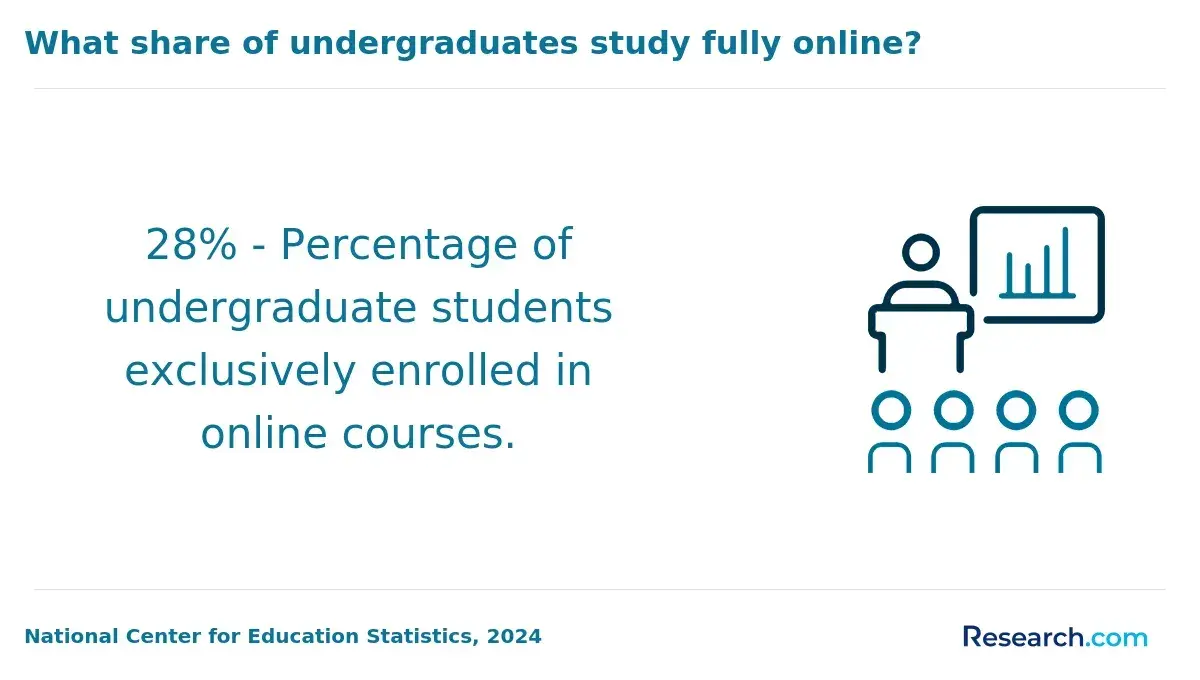
Recent Department of Education data reveals a 12% yearly increase in adult enrollment in fully online programs, signaling a shift toward flexible learning but also intensifying competition for spots in high-quality offerings. Selecting the right program requires balancing schedule adaptation, curriculum relevance, and recognized outcomes.
This article evaluates top online sport management programs designed specifically to help professionals overcome these obstacles and secure career growth in venue and facility roles.
Key Things You Should Know
- Employers prioritize candidates with specialized venue operations skills, reflected in a 22% higher hiring rate for graduates from programs emphasizing facility management per the 2024 National Sports Workforce Report, shifting talent demand sharply.
- Programs averaging under two years reduce time-to-hire but often limit exposure to revenue analytics and compliance, forcing tradeoffs between speed and depth that shape mid-career advancement potential.
- The 18% tuition growth in online sport management courses since 2023 constrains access for working professionals, heightening the need for pragmatic ROI assessments against salary uplift data from the Bureau of Labor Statistics.
What is an online sport management degree focused on venue and facility careers?
Professionals pursuing an online sport management degree for venue professionals should recognize that operational complexity is a defining challenge in facility roles. Skillful management demands balancing the logistics of event scheduling, safety regulations, and staffing fluctuations, all while maximizing revenue across multiple streams like ticket sales, concessions, and facility rentals. Facility management programs in sport management must therefore equip students with targeted budgeting and contract negotiation abilities, coupled with emergency response planning and technology integration for access and crowd control systems.
This specialization requires hands-on experience, as purely virtual learning often leaves gaps in understanding dynamic venue environments. Students and working professionals should anticipate the necessity of internships or practical placements to meet employer expectations for facility operations alongside digital event management proficiency.
The U.S. Bureau of Labor Statistics forecasts an 8% job growth from 2022 to 2032 for entertainment and recreation managers, including those focused on facilities. Growth is notably tied to multipurpose venues hosting sports, concerts, and community events, which intensify demands for sustainability initiatives and adaptable operational strategies.
Those evaluating this pathway should weigh flexible online study against the critical need to demonstrate practical capabilities in venue management. For those considering broader management education aligned with healthcare sectors, reviewing related programs such as an MBA healthcare management may offer complementary skills for complex organizational contexts.
Which online sport management programs offer the best training for venue and facility roles?
Employers in venue and facility roles expect candidates to demonstrate practical skills that extend beyond theory, including budget oversight, crowd management, and vendor coordination. Online sport management programs focused on venue and facility careers must balance applied coursework with real-world project experience, such as internships or simulation exercises, to prepare students for the operational complexity of venues ranging from arenas to convention centers.
Programs lacking robust training in contract negotiation, facility maintenance, and risk management often produce graduates who struggle in fast-paced, multi-stakeholder environments. Candidates should prioritize offerings that embed quantitative methods and technology integration, reflecting workforce demand for data-driven decision-making and software fluency in scheduling, ticketing, and budgeting platforms. For working professionals, programs with flexible scheduling and practicum options provide essential access without sacrificing comprehensive training, a frequent shortcoming of accelerated certificates.
The median wage for entertainment and recreation managers was $76,980 in 2023, with the top 10% earning more than $130,000, highlighting the premium on advanced competence in this sector. Choosing the best online sport management training for venue and facility roles in the US directly impacts one's readiness to navigate this salary landscape and achieve leadership positions over time.
For those considering program length relative to career goals, the balance between expedited credentials and in-depth experience earned through hands-on learning is critical. Some students may explore the best 2 year construction management degree online options as a comparative model for efficiently gaining management skills applicable in venue operations.
How do online sport management programs compare to campus-based options for facility careers?
Choosing between online sport management programs for facility careers and campus-based degrees requires weighing how education delivery impacts practical readiness and network development. Graduates from the University of Iowa's online sport and recreation management bachelor's program report median earnings of $65,473 within four years, signaling strong market acceptance of well-structured online credentials.
Employers prioritize applied experience and relevant credentials whether the program is online or campus-based. Online programs often embed virtual internships, applied projects, and partnerships with local sports organizations, allowing working professionals to maintain jobs while gaining credentials and practical insights. This tradeoff typically benefits those advancing regionally or balancing employment with study.
Campus-based sport management degrees versus online options generally offer more face-to-face mentorship, on-site internships, and immediate access to elite sports venues-advantages critical for candidates aiming at high-contact roles such as major league facility directors. Physical immersion provides contextual understanding and influential industry connections not as readily replicated online.
Students should assess how well each format supports experiential learning and local industry engagement relative to their career stage and preferred learning style. For those considering specialized credentials outside sport management, examining construction management programs may also reveal relevant crossover opportunities within facility operations.
What accreditation should online sport management programs have for venue and facility work?
Accreditation in an online sport management program is a critical filter that directly impacts employability and practical readiness in venue careers. Without validation from regional bodies or specialized agencies like the Commission on Sport Management Accreditation (COSMA), credentials may falter in competitive job markets, especially within municipal or professional sports facilities where operational expertise and compliance are closely scrutinized. For example, a stadium operations coordinator expanding their qualifications must engage with a curriculum that rigorously covers event risk management, facility maintenance, and regulatory compliance.
Choosing accredited sport management degrees for facility management aligns with both employer expectations and real-world skill demands. Programs lacking COSMA or equivalent status frequently fall short on delivering updated industry standards or applied experiences, creating readiness gaps. Below are key accreditation implications to consider:
- Ensures curriculum rigor and transferability of credits recognized by employers.
- Provides exposure to critical competencies such as contract negotiation and stakeholder communication.
- Reduces the risk of investing time and money into non-recognized programs that delay professional progress.
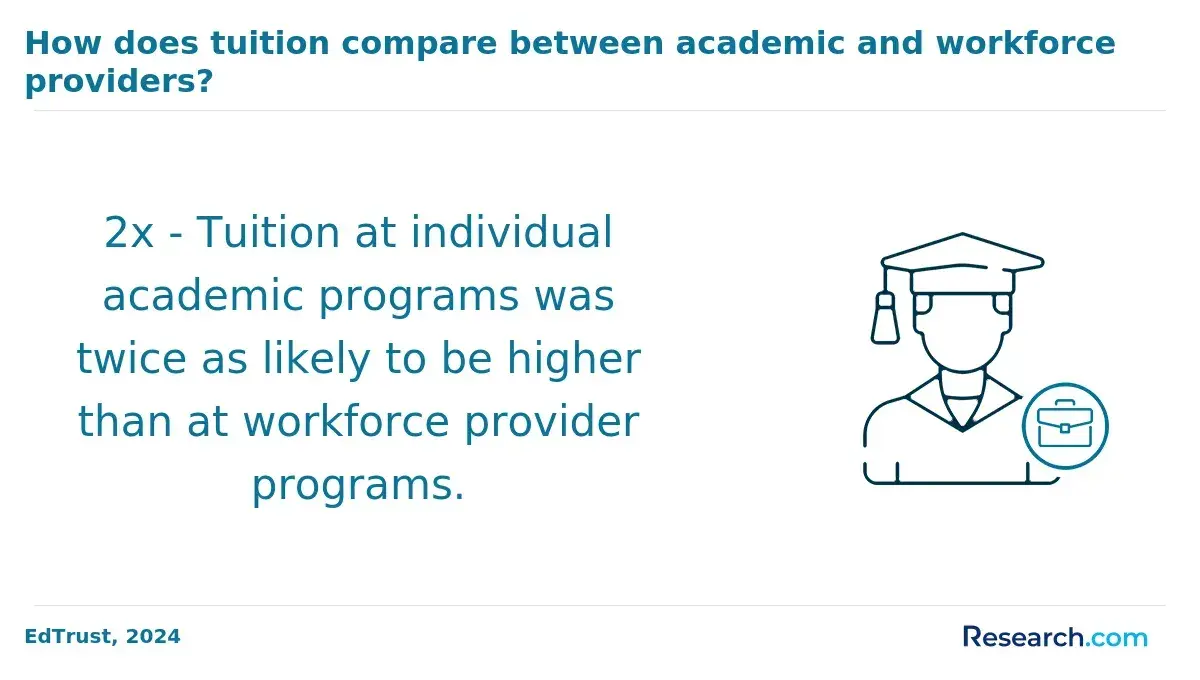
Cost efficiency is another factor influencing decisions for working professionals. Online sport management programs typically range from $8,000 to $15,000 annually, a significant saving compared to private campus alternatives. This balance between fiscal prudence and accreditation quality supports strategic credentialing efforts, as outlined in the College Affordability Guide's 2025 review. Those evaluating pathways should also consider related fields, such as an online hospitality degree, for complementary skills and broader operational roles.
What courses and skills do online sport management students need for facility management?
Facility management within sport management demands a curriculum rooted in operational control, regulatory compliance, and strategic vendor oversight. Students must navigate the nuances of safety standards and Americans with Disabilities Act compliance while mastering technology systems like ticketing platforms and facility software. This expertise directly influences everyday functions and long-term maintenance planning.
Managing a municipal sports complex differs fundamentally from overseeing a professional stadium. The former prioritizes community accessibility and budget limitations, whereas the latter requires coordinating large-scale events, emergency responses, and corporate partnerships, all under intensive maintenance scrutiny. Programs incorporating these distinct contexts better prepare students for varied employer expectations.
Key competencies include:
- Project management for renovations and temporary installations
- Leadership skills for directing diverse facility teams
- Marketing fundamentals to enhance venue visibility and utilization
- Budgeting and quantitative analysis to optimize resources and profitability
Employers increasingly seek graduates who combine technical facility proficiency with managerial acumen. For example, Louisiana State University's online sport administration program, with 159 graduates in a single year, signals expanding market demand for targeted expertise. This trend suggests that students investing in comprehensive facility management skills gain a measurable advantage in navigating the complexities and evolving standards of sport management roles.
What admission requirements do online sport management programs typically have for professionals?
Admission for online sport management programs often balances academic records with relevant work experience, creating a nuanced filter that goes beyond traditional credentials. Candidates usually need a bachelor's degree or comparable credits, but conditional admission is common for professionals demonstrating substantial industry exposure despite gaps in formal education. Employers increasingly demand graduates with proven practical skills, so programs prioritize applicants with backgrounds in facility operations, event coordination, or sports marketing.
Mid-career professionals switching from unrelated fields like hospitality or project management encounter an additional layer of scrutiny. Bridge or prerequisite courses may be required to close knowledge gaps in business or sports-specific operations, adding both time and expense-factors critical to consider before enrollment.
For those weighing admission rigor against earnings potential, data shows programs with strict criteria tend to produce graduates earning between $50,000 and $65,000 a few years post-graduation. This tradeoff underlines a broader employer preference for candidates combining academic rigor with demonstrable sector-relevant experience.
Key admission requirements typically include:
- Official transcripts verifying prior education
- Professional resumes highlighting roles in sports or venue management
- Personal statements aligning career goals with program outcomes
The shift away from standardized tests like the SAT or ACT reflects a growing emphasis on real-world competencies over theoretical measures. Prospective students must critically assess their professional background relative to program demands to avoid extended time-to-degree or unexpected costs.
How long do online sport management programs take, and what do they cost?
Choosing between certificates, bachelor's, and master's degrees in sport management involves critical tradeoffs in time, cost, and career positioning. Certificates may take under 12 months but provide limited depth, often insufficient for leadership roles in complex venue or facility management. Bachelor's degrees generally require 2 to 3 years part-time, offering broader foundational knowledge, while master's degrees demand 18 to 24 months full-time, or longer if balancing employment, and deliver advanced skills with stronger industry credibility.
Tuition costs range widely from about $8,000 to over $30,000, influencing return on investment especially for mid-career professionals. For example, a working manager aiming for a senior operations role might find that programs with recognized industry partnerships-though more expensive-significantly boost employability and salary potential. Conversely, professionals unable to pause full-time work face elongated completion times or increased stress if programs require synchronous attendance or internships. Asynchronous formats offer flexibility but may delay momentum.
Employers typically expect at least a bachelor's degree combined with hands-on experience, steering many toward comprehensive degrees rather than short certificates. Opting for a certificate might suit those targeting entry-level roles or niche skill upgrades but often limits long-term advancement. Assessing program format, time commitment, cost, and alignment with employer expectations is essential to avoid friction and ensure the educational pathway supports the intended sport management career trajectory.
What sport facility and venue management jobs can graduates pursue with this degree?
Facility operations managers in sport facility and venue management must constantly navigate the challenge of balancing maintenance demands with fluctuating event schedules. For instance, coordinating preventative upkeep around high-attendance professional games requires real-time problem-solving to avoid operational downtime and revenue loss. These roles extend beyond logistics to encompass staff management, regulatory compliance, and vendor relations critical to sustaining venue profitability under pressure.
Industry hiring trends show that over 70% of employers prioritize candidates with specialized sport management education, particularly for positions managing event operations and facilities. This preference raises barriers for those lacking formal credentials, as the complexity of managing multifunctional venues demands knowledge in budgeting, stakeholder communication, and integrated risk management protocols.
Entry-level jobs typically focus on event logistics support, including scheduling software proficiency and basic contract oversight. Progressing to mid- and senior roles requires leadership in sustainability initiatives, emergency response planning, and revenue optimization tactics such as concessions and sponsorship deals. Practical mastery of crowd control and safety regulation application is essential to regulatory compliance and operational success.
Professionals pivoting into this field should anticipate a work environment where priorities shift rapidly and require flexible communication and decision-making skills. The tradeoff involves dedicating time to learn nuanced regulatory frameworks and operational technologies uncommon outside specialized sport management programs, which directly impacts employability and career trajectory.
What are the salary ranges and job outlook in sport facility and venue management?
Salary trajectories in sport facility and venue management diverge sharply based on specialization and regulatory expertise rather than solely experience. Entry-level roles start near $50,000 annually, while seasoned directors at major venues surpass $120,000, illustrating a premium on demonstrated capacity in compliance and operational complexity.
Consider facility managers at collegiate stadiums: those proficient in navigating NCAA compliance and Name, Image, and Likeness (NIL) regulations consistently command higher compensation and access to leadership roles in athletic administration or commercial operations. Conversely, professionals without focused skills often encounter stagnated wages and limited upward mobility due to stringent industry regulations and competitive pressures.
Key competencies employers emphasize include contract negotiation, digital venue technology integration, and cost control within a shifting economic landscape affected by pandemic-related challenges. Mid-career salaries typically range from $70,000 to $90,000 where such skills are evident.
Educational pathways with distinct tracks-such as those offered by the University of Florida, which launched online specializations in Sport Law and NIL-align closely with employer demands, providing better positioning in a labor market expecting 8% growth through 2032. Job seekers should weigh program relevance to these specialized skills, considering that absence of such focus may limit career advancement opportunities.
- Salary progression favors those mastering sport-specific legal and operational nuances.
- Targeted graduate programs enhance adaptability amid evolving regulatory frameworks.
- Financial acumen and vendor management remain critical under economic volatility.
How can students evaluate and choose a reputable online sport management program?
Employers seeking candidates for venue and facility management prioritize tangible skills and verified outcomes over broad academic credentials. Accreditation matters because regional or national recognition signals that a program meets rigorous academic and industry standards, directly influencing hiring decisions in competitive labor markets. For example, a program offering internships at major sports venues fosters essential industry contacts and practical experience, critical when transitioning into operational roles managing event logistics or risk mitigation.
Students should critically assess curriculum focus: does it emphasize vendor coordination, facility operations, and on-site risk management, or does it linger on general sport marketing theory? Those targeting stadium management roles gain little from programs without applied learning tied to real venue challenges. Online platforms providing interactive and networking tools also offer superior ROI compared to passive video lectures, enhancing skill retention and professional connections.
Cost must be weighed against demonstrated graduate outcomes, including job placement rates supported by employer networks and alumni success stories. Midcareer professionals pivoting to facility roles often justify higher tuition if it means access to specialized training and robust field experience.
Among the 50+ programs ranked in Online vs On-Campus Program Rankings in Sport Management Niche's 2026 list, students should prioritize those explicitly aligned with venue and facility management over generalized sport management degrees to match market realities and operational demands.
Other Things You Should Know About Sport Management
Programs with structured internships or capstone projects provide more direct, hands-on experience, which employers prioritize for venue and facility roles. These practical elements bridge classroom theory and real-world facility management challenges, making graduates more job-ready. If your priority is immediate employability, favor programs that integrate supervised internships in professional venues or comprehensive capstone projects focused on operational problems.
Shorter programs might speed up entry into the workforce but often require heavier course loads and less flexibility, which can overwhelm working professionals. Longer programs generally allow for more part-time pacing and deeper mastery of complex topics essential for venue and facility leadership. For professionals balancing work and study, programs with flexible, asynchronous delivery and moderate weekly workloads better support sustained career development without burnout.
Specializing in venue and facility management narrows your expertise, which helps secure roles strictly tied to physical event spaces but can limit lateral movement into other areas like sports marketing or athlete management. This focus is beneficial if your goal is facility operations leadership or facility-related compliance roles but restricts versatility for broader sport management leadership tracks. Choose a specialization only if you are certain the venue and facility sector matches your long-term career ambitions.
In 2027, top online sport management programs with a focus on venue and facility management include programs from institutions like University of Florida, Ohio University, and Southern New Hampshire University. These programs offer comprehensive curricula tailored to professionals aiming for administrative roles in sports venues and facilities.
References
- Sports Management Careers https://www.torrens.edu.au/studying-with-us/employability/career-advice/business/sports-management
- How can I enroll in a master's degree in sports management? - INSEEC https://www.inseec.com/en/guides/orientation-guide/how-can-i-enroll-in-a-masters-degree-in-sports-management/
- Corporate Sports and Wellness Facility Management - Africa Institute of Technology and Management (AFRITAM) https://afritam.org/training-courses/corporate-sports-and-wellness-facility-management/
- Unlock Exciting Careers with a Sports Management Degree https://www.icms.edu.au/degree-discovery/career-opportunities-sports-management-degree/
- Online Bachelor's In Sports Management: Degree Guide https://ny.norbi.no/norbi-news/online-bachelors-in-sports-management-degree-guide-1767647158
- Career Options with a Sport Management Degree https://www.dean.edu/news-events/dean-college-blog/story/career-options-sport-management-degree/
- Want to Pick a Sport Management Program? Here's What to Look For https://www.sportsdestinations.com/management/education/want-pick-sport-management-program-heres-what-look-16287
- Embarking on a Career in Sports Management: What You Need to Know - eta https://etacollege.com/embarking-on-a-career-in-sports-management-what-you-need-to-know/
- Online Sports Management Courses - Training.co.nz https://www.training.co.nz/courses/sports-management/
- Sports Management Careers: Paths, Jobs, and Outlook https://pathwise.io/careers-in-sports-management/