2027 Online Sport Management Degrees With Revenue-Generating Sports Role Alignment

Co-Founder and Chief Data Scientist
Mid-career professionals targeting leadership roles in sport management often confront the dilemma of acquiring specialized credentials without sacrificing current employment or income. With over 70% of adult learners prioritizing flexible scheduling according to the National Center for Education Statistics, rigid on-campus programs create significant barriers to timely career pivots. This mismatch between traditional program formats and workforce demands disproportionately affects those seeking roles tied directly to revenue generation in sports organizations, where market responsiveness and business acumen matter most.
The evolving enrollment patterns emphasize accessibility alongside applied expertise in candidate evaluation. This article examines online sport management degrees aligned with revenue-generating roles to guide strategic enrollment and career outcomes.
Key Things You Should Know
- Annual postgraduation median salary in sport management-related roles hovers near $56K, yet degrees emphasizing revenue-generating segments like sponsorship or digital marketing yield 18% higher employer interest per 2024 National Sporting Goods Association data.
- Programs with direct alignment to commercial sports operations see 22% greater job placement within 6 months, but often require unpaid internships averaging 400 hours, restricting access for candidates without financial buffers, per recent NCAA workforce studies.
- Degree duration variance-from 24 to 36 months-correlates with a 14% difference in tuition costs and delays revenue role eligibility, compelling candidates to weigh accelerated pathways against long-term career specialization outcomes reported by the U.S. Department of Education.
What is an online sport management degree and how does it prepare for revenue-focused roles?
Online sport management degree programs for revenue generation target practical skills linked to critical income streams such as sponsorship sales, event coordination, and digital marketing within sports organizations. These programs combine foundational business knowledge-finance, contract negotiation, marketing analytics-with specialized applications relevant to teams, leagues, and venues. Graduates are therefore positioned to influence measurable business outcomes like revenue optimization and fan engagement metrics.
This specialization contrasts with broader business degrees by emphasizing operational levers specific to sport enterprises, including proprietary software use and regulatory frameworks. For example, a student might analyze ticket sales data to enhance game-day revenue or design media rights strategies aligned with league expansion goals. Employers prioritize candidates from programs that demonstrate these applied competencies as they directly relate to monetization and financial growth.
Employment data from ZipRecruiter shows an average annual salary of $50,654 for sport management professionals, with top U.S. markets like San Jose, CA reaching close to $60,000. Variability in earnings reflects geographic location and the level of revenue responsibility, with roles managing sponsorship portfolios or digital content commanding higher pay.
However, those pursuing remote online sport management degrees face tradeoffs such as accessing internships and building networks without on-campus resources. Programs that incorporate virtual placements and project-based evaluations help mitigate these barriers. Selecting curricula that balance academic rigor with experiential learning is vital to turning credentials into revenue-impact careers.
For a comparative perspective on interdisciplinary online degrees in management, including alternatives such as a masters degree in healthcare management may provide additional context for evaluating program fit and career objectives.
How do online sport management programs compare to campus-based options for career outcomes?
Employers in revenue-generating sports roles focus more on practical skills, internships, and industry networking than whether a sport management degree was earned online or on campus. Campus-based programs can facilitate in-person connections and local internships that often speed entry into team operations or event management positions-advantages less accessible to remote learners.
However, quality online sport management career outcomes comparison shows that well-designed online degrees offset these gaps through virtual internships, live industry projects, and flexible scheduling for mid-career professionals. This flexibility is critical for those balancing full-time jobs or living far from major sports hubs, where campus programs may be impractical or cost-prohibitive.
Industry data reveals a clear financial premium tied to advanced sport management credentials. Athletic directors with a master's degree earn an average 23% higher salary than those without one, highlighting the importance of degree attainment for career prospects for campus and online sport management degrees alike.
Students must carefully evaluate programs on curriculum relevance to actual sport revenue streams, internship support, and alumni outcomes. Programs lacking these features, even online ones, risk weak workforce alignment. Many find a hybrid approach that combines digital coursework with localized hands-on experiences optimal for sustaining career momentum and accessing top compensation tiers.
For credential pathways requiring accreditation rigor, exploring an accredited online health information management degree CAHIIM offers a model for balancing distance delivery with recognized quality standards.
Which revenue-generating sports careers align best with sport management degrees?
Revenue-generating roles in North American sport management programs prioritize proficiency across finance, marketing, and compliance-skills often unevenly emphasized in curricula. Athletic administration, for example, demands managing complex revenue streams from ticket sales, sponsorship, and broadcasting rights, requiring graduates to navigate regulatory frameworks alongside fiscal responsibilities. For those eyeing sports marketing careers aligned with sport management degrees, success hinges on leveraging brand strategies and sponsorship acquisition within highly competitive markets, applying analytics and communication acumen developed through rigorous study.
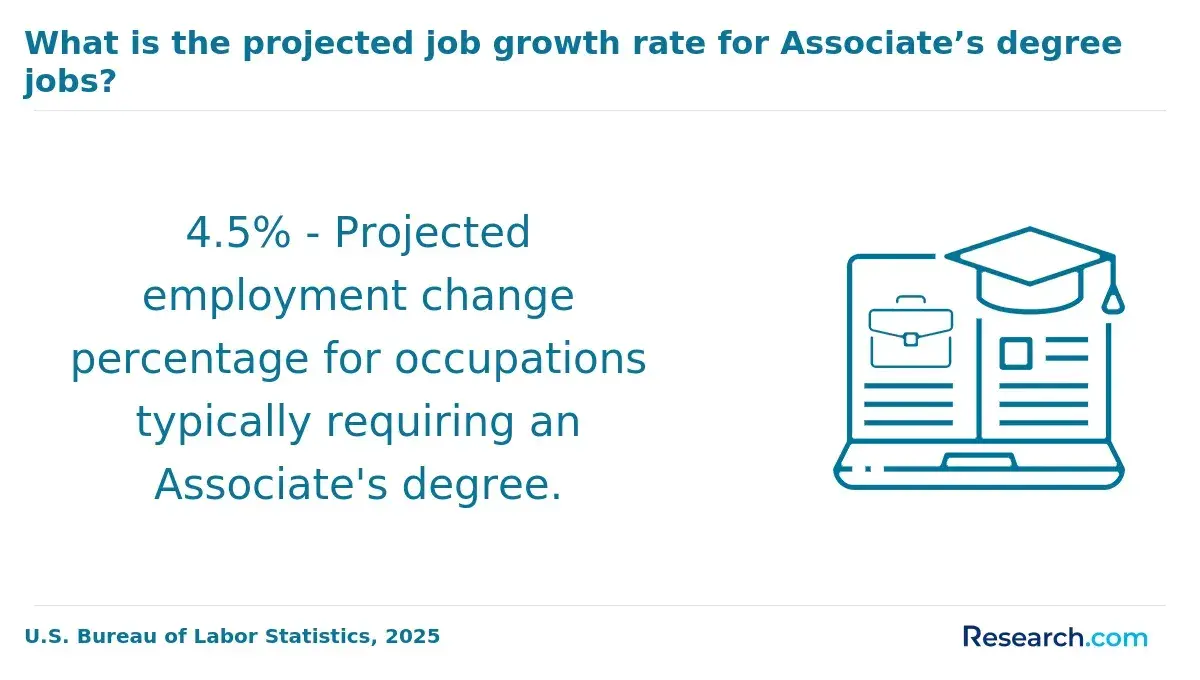
Event and facility management careers emphasize operational execution with direct financial impact, balancing venue optimization and fan engagement under pressure. Meanwhile, sports media rights coordinators engage in contract negotiations and data interpretation, a role increasingly critical as digital distribution reshapes the sector. The U.S. Bureau of Labor Statistics projects rapid growth-over 106,000 new jobs annually in sports and entertainment through 2032-highlighting the demand for versatile professionals who can integrate cross-functional expertise.
Students must critically assess programs for depth in finance and legal training and prioritize experiential learning like internships with revenue-focused teams. Deficiencies in practical finance often slow career progression in revenue-critical roles.
Pragmatic curriculum choices, including consideration of construction management courses, may provide complementary skills applicable to facility operations and event logistics.
What accreditation should online sport management programs have for U.S. sports business roles?
U.S. employers filling sport business roles that average $104,448 annually favor candidates from programs accredited by both regional bodies recognized by CHEA or the USDE and the Commission on Sport Management Accreditation (COSMA). COSMA's specialized standards target sport business education outcomes and industry relevance, which regional accreditation alone does not guarantee. For instance, a stadium revenue operations manager from a program lacking COSMA endorsement may miss vital real-world financial, contract law, and analytics coursework, limiting their readiness for revenue-driving roles.
Prospective students evaluating accreditation standards for online sport management programs in the US should consider:
- Regional accreditation ensuring academic legitimacy and federal aid eligibility.
- COSMA accreditation reflecting rigorous sport-specific curriculum and employer expectations.
- Experiential learning components that mirror revenue-generating sport business functions.
Ignoring programmatic accreditation risks longer promotion timelines and lower starting salaries due to critical skill gaps. Selecting a best accredited online sport management degree for US sports business careers means verifying both accreditations upfront to align coursework and practical outcomes with market demands.
For those exploring adjacent fields, combining sport management with credentials like an online health administration degree may broaden career options but also requires careful attention to specific accreditation relevance.
What courses and specializations focus on revenue generation in sport management curricula?
Revenue generation expertise within sport management programs directly ties into measurable income streams and operational efficiency-essential qualifications in a competitive job market. Students specializing in financial analytics, sponsorship management, and sports marketing must master budget forecasting, profit-loss analysis, and multi-year sponsorship negotiation to meet employer expectations. For example, a sports marketing director's ability to activate sponsorship deals can impact team revenues by millions annually, making these skills indispensable.
Programs often integrate case studies simulating real-world contract negotiations and market trend analysis, preparing graduates for roles that demand both strategic insight and practical execution. Specializations involving sports analytics and media rights distribution emphasize how data supports revenue maximization through targeted advertising and dynamic pricing, crucial for both professional leagues and collegiate athletics.
Facility and event management courses address the complexities of venue operations, including premium seating sales and hospitality services, positioning students to improve profitability in stadium or arena contexts where operational costs and revenue generation must be tightly balanced.
Key workforce implications include the necessity to translate theoretical management frameworks into actionable revenue strategies that withstand fluctuating market conditions.
Ohio University reports that professionals with a master's degree in sports administration earn an average $123,000 per year, with a range between $92,000 and $172,000. This range reflects variances tied to specific roles, geographic markets, and the scope of revenue responsibilities, informing decisions about investing in specialized coursework.
What are typical admission requirements for online bachelor's and master's sport management programs?
Admission criteria for online bachelor's sport management programs balance accessibility with foundational academic standards, typically requiring a high school diploma, official transcripts, and GPA benchmarks near 2.5 to 3.0. Test scores such as the SAT or ACT are increasingly optional, reflecting shifts in admissions strategies. Programs commonly request recommendation letters and personal statements that emphasize leadership potential and organizational aptitude aligned with revenue-focused sports roles. While prior experience in sports settings can enhance applications, it is rarely mandatory at the undergraduate level.
Master's-level online sport management programs impose stricter entry requirements, mandating a completed bachelor's degree with a GPA generally between 3.0 and 3.5. Applicants must present detailed resumes showcasing leadership or managerial experience, transcripts confirming prerequisite coursework in relevant disciplines, and polished personal statements. Demonstrable work experience in sports administration strongly influences admission prospects, mirroring employer demand for practical expertise. GRE submissions remain mostly optional.
Moving from a bachelor's to a master's degree can yield a salary uplift nearing 20%, with master's graduates earning twice as much as those without a high school diploma, based on data cited by the University of Kansas from Indeed. For professionals switching from coaching to executive sports business roles, the admission rigor of master's programs reflects the higher skill thresholds required and correlates with greater financial return.
Applicants should also prepare for technological challenges-reliable internet access and digital literacy are non-negotiable. Practical considerations such as work-study balance often make asynchronous classes and flexible start dates decisive factors in program selection.
How long do online sport management degrees take, and what do they typically cost?
Choosing an online sport management degree requires balancing program length, cost, and career impact against actual workforce demands. Bachelor's degrees typically span 18 to 24 months, while master's programs range from 12 to 18 months, with accelerated options demanding full-time focus that may limit working professionals' flexibility.
Tuition costs vary widely: public bachelor's programs average $15,000 to $30,000, private ones $30,000 to $60,000, and graduate degrees generally fall between $20,000 and $50,000. Students must consider these investments in relation to potential salary outcomes. For instance, marketing managers in sports, who drive digital revenue efforts, report a median annual salary of $161,030 according to 2024 BLS data from Digital and Data-Driven Revenue Roles in Modern Sports Organizations.
Practical decision-making involves:
- Mid-career professionals should prioritize 12-month master's programs to minimize income interruptions.
- Recent undergraduates may benefit from longer bachelor's degrees with internships to facilitate quicker entry into the labor market.
- Financial aid and employer tuition reimbursements can mitigate costs but require early planning.
Faster-paced programs with strong digital revenue management content support rapid salary growth but require rigorous time management and higher upfront costs. Slower, less expensive alternatives may delay earning potential and necessitate additional hands-on experience to keep pace with market expectations. Aligning program features with specific role requirements and career timing is key to realistic, strategic education investment.
What is the salary outlook for sport management graduates in revenue-generating positions?
Salary outcomes for sport management graduates in revenue-generating roles vary widely and hinge on sector, experience, and job responsibilities. Entry-level roles such as ticket sales or event coordination generally start between $40,000 and $60,000, requiring foundational relationship-building and operational skills. Progressing into mid-career positions within corporate partnerships or brand management can result in substantial income growth; for instance, vice presidents of corporate partnerships across sports sectors average about $170,000 annually, often supplemented with performance bonuses tied to sponsorship revenue.
The emphasis on quantifiable impact means candidates must develop expertise in financial modeling, contract negotiation, and analytics to accelerate salary advancement. Without these, wage increases may stagnate. A practical tradeoff exists between specialization and versatility: professionals focused narrowly on corporate partnerships typically achieve higher salaries but face limited role mobility, while those cultivating diverse skills in broadcasting rights, merchandise licensing, and digital media access broader opportunities albeit with moderate pay ceilings.
Positioning for six-figure salaries involves targeted internships in revenue units, mastering CRM platforms, and gaining fluency in contract and rights management. Employers prioritize demonstrated revenue influence over academic credentials alone, making real-world sponsorship activation projects especially valuable.
How strong is the job market for sport management roles in professional and collegiate sports?
The employment landscape for sport management professionals is shaped by operational expertise in event, facility, and game-day logistics that directly impact revenue generation. For example, U.S. sports facilities managers typically earn around $65,000 annually, reflecting the financial importance of their role in revenue centers such as ticket sales, sponsorships, and fan engagement.
Employers prioritize candidates with proven skills coordinating complex events and navigating compliance and safety standards. Collegiate athletic departments seek professionals who balance operational duties with academic support, differing from professional sports leagues that focus predominantly on profit-driven event execution.
Entry into this competitive field commonly requires internships or entry-level operations experience demonstrating coordination across multiple stakeholders-vendors, athletes, marketing teams-skills often missing in graduates with purely theoretical backgrounds.
Prospective students must weigh the tradeoff between specializing narrowly in event or facility management versus acquiring comprehensive sport administration knowledge. A narrow focus may limit swift advancement in commercial settings, while candidates who demonstrate measurable impact on revenue-enhancing activities often secure better starting salaries and leadership opportunities.
- Practical experience in large-scale logistics is more valued than academic credentials alone.
- Internships serve as critical gateways to full-time employment.
- Broader skill sets generally offer more flexibility in career progression.
How can students evaluate and choose a reputable online sport management program?
Choosing an online sport management program demands scrutiny beyond accreditation. Regional accreditation indicates adherence to academic standards valued by employers, but curriculum relevance to practical challenges in facility operations, sports marketing, and data analytics ultimately shapes job preparedness. For instance, a program emphasizing theory over hands-on skills can leave graduates ill-equipped for operational roles like facilities management.
Employment outcomes matter: facilities managers-often rising from sport management education-earn a median salary around $104,690, with their job market expanding faster than average through 2031, according to All Business Schools. Programs that facilitate internship placements within professional sports organizations enhance employability by bridging academic learning with industry expectations.
Students must weigh the tradeoff between synchronous interaction and flexible scheduling. Live sessions and networking foster industry connections crucial for leadership, though they may require higher costs or rigid timetables. Conversely, fully asynchronous formats suit working professionals seeking autonomy but may hinder mentorship and immediate industry engagement.
Faculty expertise and ongoing industry involvement directly influence curriculum relevance and applied learning opportunities. Robust student support-career services and technology access-addresses practical hurdles many online learners face. Such elements shape whether the program is a viable strategic pivot or a pathway to upward mobility for busy professionals.
Other Things You Should Know About Sport Management
Yes, 2027 online sport management degrees often incorporate virtual simulations, internships, and collaborations with sports organizations to provide hands-on experience. These experiential learning opportunities are designed to meet employer expectations and bridge the gap between academic knowledge and practical skills.
Online sport management degrees vary in flexibility, but most require consistent weekly engagement comparable to traditional programs. Students balancing full-time work must assess program pacing options and demand for live sessions or group projects. Prioritizing asynchronous courses with flexible deadlines will ease scheduling conflicts, though self-discipline is essential to prevent delays that reduce momentum and increase time to graduation.
Reputation is critical because recognized programs often have stronger industry networks and alumni placement in revenue-focused roles. Employers rely on familiar institutions as proxies for candidate quality due to lack of standardized certification in sport management. Candidates should prioritize schools with demonstrated employer connections over lower-ranked but more affordable options, as reputation directly impacts opportunities in competitive sports markets.
Specializations in areas like sports marketing, sponsorship, or analytics significantly enhance job prospects by providing targeted skills aligned with revenue streams. Graduate students without clear specialization risk positioning themselves as generalists, which is less attractive for roles tied to direct revenue outcomes. Prioritize graduate programs that offer in-demand specializations, as these narrow skill sets influence hiring decisions and salary potential.
References
- Sports Management Digital https://www.euruni.edu/en/Bachelor-s/Sports-Management-Digital.html
- Types of Sports Management Degrees https://www.allbusinessschools.com/sports-management/degrees/
- Salary Trends in Sports Management – United States Sports University https://restore-ussa-edu.mystagingwebsite.com/news/salary-trends-in-sports-management/
- eta College: Sports Management Courses in South Africa https://etacollege.com/sports-management-courses/
- Job Profile: Sports Revenue Management - Sports Management Degree Guide https://www.sports-management-degrees.com/job-profiles/sports-revenue-management/
- Admission Requirements - Sports Management https://www.vsu.edu/gradstudies/masters-degree-programs/sport-management/admission-requirements.php
- Career Paths In Sport Management https://www.ycp.edu/news/career-paths-sport-management
- Sports Management Bachelors | Sports Management Worldwide https://www.sportsmanagementworldwide.com/sports-management-bachelors-degree
- What Can I Do With a Sport Management Degree? https://www.origym.co.uk/blog/sports-management-degree-jobs/
- Best Online Schools with Sports Management Degrees in the U.S. | Animation Career Review https://beta.animationcareerreview.com/articles/best-online-schools-sports-management-degrees-us