2027 Best Online Sport Management Programs for Professionals Seeking Collegiate Athletics Careers

Co-Founder and Chief Data Scientist
Professionals targeting collegiate athletics careers face a high-stakes barrier: balancing rigorous work schedules with comprehensive education that matches evolving industry demands. Nearly 60% of adult learners in U. S. higher education now prioritize flexible, online formats, according to the National Center for Education Statistics 2024 report-signaling a clear shift toward accessible, career-compatible learning.
This trend matters because Sport management roles increasingly require specialized knowledge without sacrificing workplace commitments, yet not all online programs offer the practical depth or employer recognition essential for meaningful career advancement. This article evaluates the best online sport management programs designed to overcome these challenges by aligning curriculum, flexibility, and professional outcomes for ambitious professionals.
Key Things You Should Know
- Graduates of online sport management programs face a 12% wage premium only if accredited by COSMA, making program selection critical; lesser-known accreditors yield weaker employer recognition, limiting entry to NCAA roles.
- Employer surveys show 68% of Division I athletic departments prioritize internships over degree pedigree, pressuring candidates to balance online studies with unpaid field experience, impacting time-to-hire.
- Average total cost for top-tier online sport management degrees exceeds $45,000 per year per NCES data, necessitating financial planning against a 9% sector job growth rate that lags other sports careers.
What is an online sport management degree and how does it prepare you for collegiate athletics careers?
Professionals pursuing an online sport management degree benefit from a curriculum tailored to meet specific demands of collegiate athletics administration, including compliance, finance, marketing, and facility operations. Candidates with this background are positioned to navigate responsibilities such as managing budgets, enforcing NCAA rules, and coordinating multifaceted team logistics-skills essential to securing roles within college sports careers. For example, a graduate responsible for a university's athletics program must simultaneously handle eligibility compliance and cost control while enhancing the student-athlete experience.
Employers expect applicants to demonstrate expertise in sport-specific administrative structures and adaptability in remote or on-site environments. The benefit of online sport management degree programs lies in their incorporation of case studies and simulations that prepare students for these operational realities.
Industry projections show a 14% growth in athletic trainer and related sports management roles through 2034, underscoring the practical value of targeted skills over generic credentials. Without a specialized program, professionals risk falling behind peers who possess regulatory knowledge and operational competencies demanded by collegiate sports organizations.
Online formats also accommodate working professionals balancing current roles while acquiring credentials fundamental to career progression or pivots within the sports sector. Choosing programs with robust internship and networking options remains a critical factor influencing employability. Those evaluating related educational pathways may also consider an affordable online MBA healthcare management as part of broader strategic career planning in sports or health administration fields.
Which online sport management programs are best for launching careers in collegiate athletics?
Employment outcomes in collegiate athletics increasingly demand a balance of practical skills and business acumen, which not all online degrees deliver effectively. For instance, the University of Iowa's online BA in Sport and Recreation Management shows a clear advantage with median earnings of $65,473 four years post-graduation, outperforming most peers in top online sport management degrees for professionals in college sports. Such programs integrate rigorous business principles with applied sport administration, preparing students for critical roles in compliance, event coordination, and operations within NCAA environments.
Students focusing on advancement should prioritize programs that embed substantive practicum or internship components with online coursework. Employers consistently require demonstrated competence in managing compliance and athlete services rather than purely theoretical knowledge-a factor often missing in less specialized options. For example, a midlevel athletics coordinator seeking upward mobility requires education that extends beyond entry-level topics to include challenges like booster relations and multi-sport facility management; without this, ramp-up times increase and salary growth lags.
Additionally, evaluating faculty expertise and alumni connectivity is essential since institutions tethered to prominent collegiate athletics departments offer superior networks for mentorship and job placement. Working professionals must also weigh program affordability and duration against ongoing career and family responsibilities.
In this context, those assessing the best online sport management programs for collegiate athletics careers should consider practical skill application alongside expected employer competencies to minimize career disruption. For professionals vetting options for specialized health-related degrees with accreditation considerations, research on CAHIIM accredited HIM degree online programs offers a comparable methodology for balancing accreditation, outcomes, and workforce relevance.
How does an online sport management program compare to an on-campus program for aspiring athletics professionals?
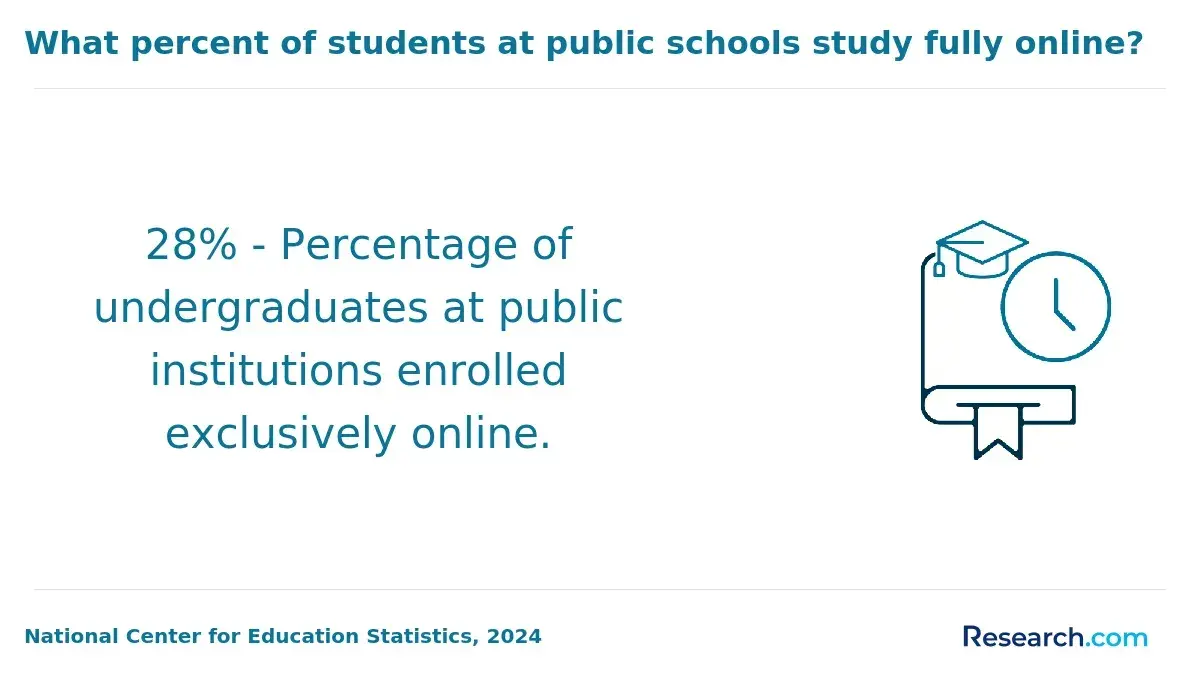
The choice between online sport management programs versus on-campus programs for athletics careers hinges primarily on experiential access rather than mere tuition savings. While online bachelor's degrees at public institutions average around $9,500 annually, private online programs reach nearly $17,000, showing a clear cost premium for private education. However, the financial benefit of online learning often comes at the expense of direct industry immersion.
On-campus options remain superior for cultivating hands-on experience through internships, face-to-face mentorships, and networking within athletic departments or sports agencies, which employers consistently prioritize. This makes on-campus learning essential for recent graduates or those pivoting careers without existing professional connections. Conversely, the benefits of online sport management education for collegiate athletics professionals who are mid-career and already embedded in the sports world lie in theoretical updates and flexible credentialing without interrupting current employment.
Regional industry dynamics further influence outcomes. Athletic roles, particularly in major conferences, give weight to alumni networks and recruiter visibility more accessible through in-person attendance. Online programs necessitate proactive efforts to replicate these advantages via localized internships or virtual engagement. This practical balance becomes critical for those evaluating how best to position themselves in a competitive labor market. Those exploring advanced credentials in related fields may also consider online masters programs in human resource management to complement their sport management expertise.
What accreditation should online sport management programs have for collegiate athletics career advancement?
Regional accreditation paired with approval from specialist bodies like the Commission on Sport Management Accreditation (COSMA) is essential for online sport management program accreditation for collegiate athletics. Employers, especially within Division I and NCAA-governed programs, prioritize candidates holding credentials from COSMA-accredited or regionally accredited institutions, as unaccredited degrees often limit eligibility for roles involving compliance, athlete services, or regulatory oversight.
Choosing accredited online sport management degrees for career advancement directly affects workforce outcomes. CollegeAffordabilityGuide's 2025 data shows graduates from top accredited programs earn 23-27% more in the early stages of their careers than non-accredited counterparts. This gap reflects not only curriculum rigor but access to verified internships and network partnerships within collegiate athletics.
Prospective students must confirm continuous accreditation status and review transparent outcomes, or risk graduating with credentials insufficient for governance-heavy NCAA or NAIA positions. Programs without such endorsements may appear cheaper or faster but can hinder trajectory towards compliance-sensitive administration roles.
Understanding these tradeoffs: accredited programs offer long-term reductions in credential devaluation risk and smoother access to critical athletics administration roles. For those exploring related fields, comparable diligence is warranted-for example, individuals researching pathways in healthcare might consult resources like healthcare administration degree online.
What degrees and training pathways lead from online sport management programs into collegiate athletics roles?
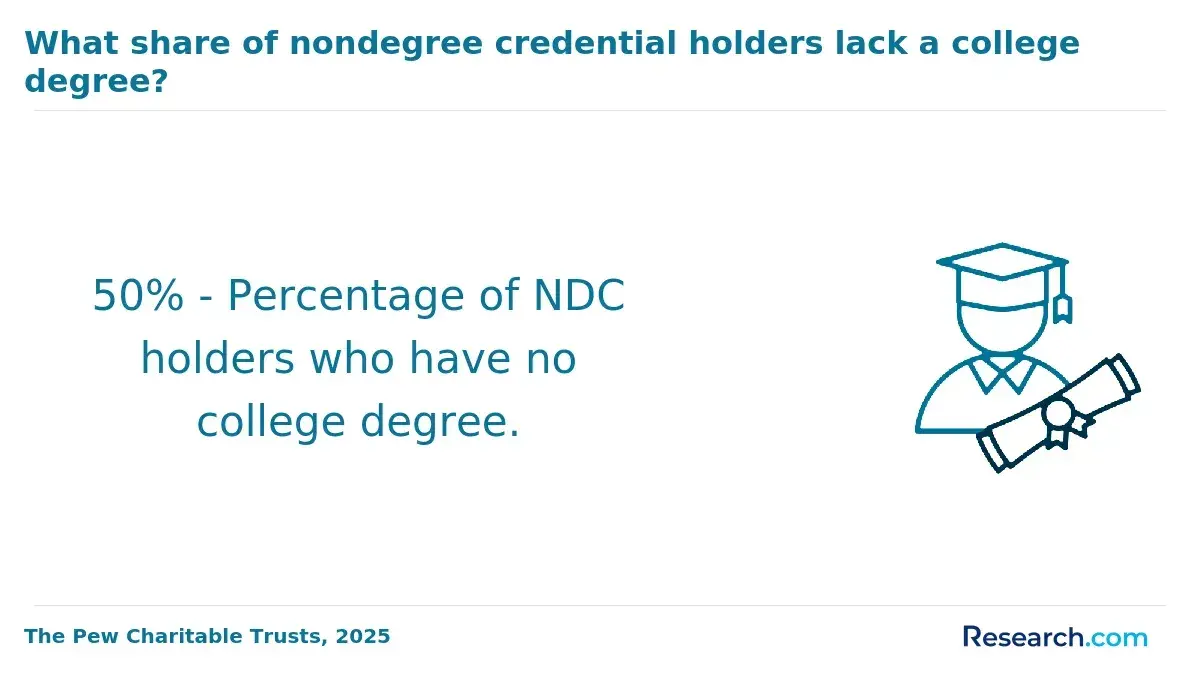
Over 60% of leading online sport management master's programs now emphasize specialized tracks such as collegiate athletics administration, NIL compliance, and sport law, reflecting a deliberate shift toward employer-driven competencies rather than broad, generalist curricula. This evolution targets roles demanding precise knowledge of NCAA regulations, compliance strategies, and athlete management-areas where employers prioritize candidates with demonstrable expertise.
For example, compliance officers require rigorous legal and policy training, while athletic directors benefit from skills in leadership and financial oversight. Graduates focusing on NIL administration occupy a niche that aligns with universities' growing needs to navigate athlete marketing revenue with regulatory clarity. Without such focus, students risk entering a crowded job market with insufficiently tailored qualifications.
Online programs that integrate internships or practicum placements better position graduates to manage real-world NCAA frameworks and operational duties. Conversely, programs lacking applied components often produce candidates facing extended job searches or limited entry-level opportunities. Working professionals must critically assess whether programs offer authentic experiential learning and adequate accreditation linked to NCAA or athletics association certification pathways.
Potential students should be wary of programs with poorly aligned curricula, which can delay progression and reduce employer appeal. Balancing synchronous course demands with current employment also requires careful planning to avoid logistical pitfalls. Ultimately, precise specialization and practical experience remain the most effective levers to advance within collegiate sport management roles.
What core courses and specializations do online sport management programs typically include?
Managing finances and compliance within collegiate athletics requires specialized knowledge rarely covered outside targeted sport management programs. With NCAA Division I revenues surpassing $19 billion, administrators must master budgeting and regulatory navigation amid rapidly rising operating costs. Core courses in athletic administration, sports marketing, financial management, and sports law equip students to handle complex fiscal and governance challenges directly linked to institutional priorities.
Specializations significantly affect employability by aligning skills with distinct employer demands. For instance, focusing on compliance prepares graduates to interpret NCAA regulations under intensified regulatory oversight, while a concentration in sports marketing develops capabilities in digital campaigns and sponsorship acquisition, responding to growing brand partnership investments. This differentiation matters in hiring contexts where programs favor candidates demonstrating both practical application and technical expertise.
Students frequently balance academic requirements with internships or networking efforts essential for navigating competitive hiring landscapes. Choosing a program emphasizing experiential learning through case studies and financial analytics versus solely theoretical coursework is a critical tradeoff impacting readiness for duties such as contract negotiation or facility management.
The evolving athletics ecosystem prizes candidates versed in financial forecasting, labor relations, and operational management. Prospective students must weigh programs on how well they integrate these hard skills with regulatory knowledge to fit expanding roles across compliance, event management, and sports operations.
What are typical admission requirements and application materials for online sport management programs?
Admission to online sport management programs hinges on demonstrable readiness in both academic and professional domains, a necessary filter given the sector's focus on leadership and operational competence rather than purely theoretical knowledge. Over 40% of top-rated programs report predominantly online delivery, catering mostly to working adults aged 25+, which implies that programs often prioritize relevant experience alongside or even in lieu of strict academic thresholds. Candidates typically must present transcripts showing a cumulative GPA near 2.5 to 3.0, with coursework weighted toward business, communication, or allied disciplines.
Essential components submitted in applications often include:
- Completed forms detailing personal and educational history
- Academic transcripts from all prior postsecondary institutions
- A professional resume or CV emphasizing sports-related administration or operational roles
- Personal statements addressing specific career goals within collegiate athletics
- Two or three recommendation letters from academics or supervisors familiar with leadership abilities
- GRE or GMAT scores, which may be optional or waived depending on professional experience and program competitiveness
Professionals pivoting into sport management should emphasize verifiable leadership and practical know-how gathered within athletics or related fields, as this directly influences post-graduation employment prospects. Overlooking program prerequisites or incomplete application submissions commonly results in admission delays or additional remedial coursework, inflating both time and financial investment. Early, nuanced communication with admissions advisors aids in identifying waivers for standardized tests or course prerequisites based on relevant work experience, smoothing the admissions process and aligning applicant credentials with employer expectations.
How long do online sport management programs take, and what tuition and fees should students expect?
Choosing an online sport management degree requires balancing time commitment, cost, and career objectives-especially for working professionals. While bachelor's degrees typically require four years of full-time study, accelerated or associate options can cut this to two years. Many part-time students stretch completion to accommodate ongoing employment, which impacts both tuition cost and program duration.
Cost considerations are pivotal. Public universities usually charge between $6,000 and $15,000 annually for in-state online enrollment, whereas private institutions often exceed $15,000, reaching up to $30,000. Beyond tuition, expect an additional 10-15% for fees, books, and technology. Median student debt for graduates in ranked online sport management bachelor's programs hovers near $23,000, a figure that requires scrutiny relative to anticipated earnings and employer support.
Pragmatically, professionals such as an assistant athletic director aiming for a senior collegiate role must weigh accelerated completion against maintaining income. The typical median salary exceeding $55,000 within four years post-graduation signals a positive earnings-to-debt ratio but demands careful financial planning to avoid debt strain. Prior credit transfer and flexible pacing options are critical levers to streamline degree completion without sacrificing career momentum.
What jobs, salary ranges, and promotion opportunities are available to graduates in collegiate athletics?
Starting salaries in collegiate sport management typically range from $45,000 to $55,000 in entry-level roles such as compliance coordinators or marketing specialists, reflecting a tradeoff between compensation and gaining essential hands-on experience. Established positions, including event managers or academic advisors, command $60,000 to $95,000 annually, while director-level roles can exceed $100,000, though reaching these levels generally requires developing niche expertise, particularly in compliance or fundraising. For example, a compliance coordinator at a mid-major university who masters NCAA regulations and fosters institutional relationships could move into senior compliance or associate athletic director roles within five years.
Employers consistently prioritize candidates with demonstrated practical experience in compliance, event logistics, and athlete support. This emphasis places internships and part-time work as critical stepping stones to avoid stagnation despite modest starting pay. Additionally, ongoing skill development in data analytics and digital marketing aligns with evolving collegiate engagement and revenue generation demands.
Online programs tailored for working professionals reflect real-world feasibility; over 70% of enrollees in the University of Florida's online master's in sport management work full-time, with more than 90% maintaining or shifting into sports-sector roles post-graduation. This indicates viable pathways for those seeking to pivot or advance without pausing their careers but requires rigorous time management and employer support to balance responsibilities effectively.
How can students evaluate and choose a reputable online sport management program focused on collegiate athletics?
Programs in online sport management focused on collegiate athletics must demonstrate clear, verifiable employment outcomes within a competitive and regionally concentrated job market. CollegeRaptor's 2024 evaluation shows that leading master's programs maintain placement or continuing education rates above 90% within six months of graduation, reflecting how institutional reputation and network access directly influence job prospects.
Consider a mid-career professional aiming to become a compliance coordinator: programs with targeted compliance coursework and proven NCAA placement support are necessary, as generic sport marketing studies do not align with this path. Conversely, aspiring athletic directors should prioritize programs that emphasize leadership, legal knowledge, and financial oversight with mentorships involving active directors.
Accreditation and regional career network relevance further distinguish programs; short-term job placement claims without local recognition or credible credentials risk undermining long-term employability. Effective program selection rests on measurable outcomes, curriculum alignment with specific career trajectories, and integration into the collegiate athletics professional ecosystem to ensure realistic industry entry.
Other Things You Should Know About Sport Management
Online sport management programs can limit in-person networking with industry professionals, which is critical in collegiate athletics hiring. Students should prioritize programs that include live interactions, mentorship, or internships with athletic departments to mitigate this gap. Choosing a program with strong industry connections and facilitated experiential components provides a practical advantage over purely asynchronous courses.
Online sport management curricula often demand consistent weekly engagement, with group projects and case studies requiring strict time management. Professionals must realistically assess their available hours since underestimating workload can lead to delayed graduation or burnout. Selecting programs with flexible deadlines or part-time options can help sustain career continuity while completing the degree.
In 2027, top programs for collegiate athletics careers include Ohio University's Master of Sports Administration, University of Florida's Sport Management program, and Southern New Hampshire University's online MBA in Sport Management. These programs balance theory with practical applications, aligning well with industry demands.
Programs centered on business fundamentals provide transferable skills useful in broader management roles but may lack depth in sport-specific operational knowledge demanded by collegiate athletics. By contrast, highly specialized sport management programs enhance domain expertise but risk narrowing future career flexibility. Prospective students should prioritize sport-specific training if their goal is direct entry or advancement within athletic departments and seek a balance if they plan broader leadership roles.
References
- Online Associate in Sports Management https://www.monroeu.edu/academics/undergraduate-programs/monroe-online/school-business-and-accounting/online-associate-1
- Sports Management: A Comprehensive Guide to Careers in Sports Leadership - AISTS INDIA https://aists.org/aistsindia/sports-management-a-comprehensive-guide-to-careers-in-sports-leadership/
- Sport Management | Culver-Stockton College https://culver.edu/sport-management-online/
- Best Degree For Sports Management | University of Bridgeport https://www.bridgeport.edu/news/best-degree-for-sports-management/
- Online Bachelor's In Sports Management: Degree Guide https://ny.norbi.no/norbi-news/online-bachelors-in-sports-management-degree-guide-1767647158
- eta College: Sports Management Courses in South Africa https://etacollege.com/sports-management-courses/
- An Examination of Sport Management Master’s Programs in the United States – The Sport Journal https://thesportjournal.org/article/an-examination-of-sport-management-masters-programs-in-the-united-states/
- Online Master’s in Sports Management Degree Programs - OnlineEducation.com https://www.onlineeducation.com/business/masters-in-sports-management-programs
- Sport Management (B.S.) https://www.esu.edu/academics/undergraduate-programs/bs-sport-management.php
- CollegeSports.jobs - National Collegiate Athletic Association NCAA Market https://collegesports.jobs/