2027 Best Online Bachelor's in Sport Management With Client, Partnership, and Presentation Training

Co-Founder and Chief Data Scientist
Mid-career professionals in sport management often confront the urgent challenge of mastering client relations, strategic partnerships, and polished presentations under tight timelines, yet find few programs that integrate these practical skills with flexible learning models. The National Center for Education Statistics reports a 12% surge in online bachelor's enrollment among adults balancing jobs and families, revealing a distinct shift toward accessible, career-aligned education. This trend signals growing demand for program formats that minimize disruption while maximizing applied competencies essential for advancing in competitive sport management roles.
This article evaluates the best online bachelor's programs that combine sport management theory with client, partnership, and presentation training to guide informed decisions on strategic career advancement.
Key Things You Should Know
- Graduates with integrated client, partnership, and presentation training secure 15% higher starting salaries per National Association of Colleges and Employers 2024 data, emphasizing cross-functional skills over technical specialization.
- Employers report 40% faster onboarding for candidates with direct experiential partnership projects, shifting recruitment emphasis from academics alone to applied stakeholder engagement.
- Programs adding intensive professional training increase time-to-degree by an average of 0.75 semesters, presenting cost-access tradeoffs that may impact working professionals balancing income and education pace.
What is an online bachelor's in sport management with client, partnership, and presentation training?
An online bachelor's in sport management with client relations training offers more than theoretical knowledge by embedding practical communication skills essential to navigating the industry's complex stakeholder environment. This specialization equips graduates to manage athlete representation, negotiate sponsorships, and deliver targeted presentations-capabilities that directly influence organizational revenue and visibility.
Students pursuing a sport management degree with partnership and presentation skills should anticipate balancing asynchronous coursework with live simulations to develop real-world competencies. Not all programs provide equal depth in client, partnership, and presentation training, which can limit readiness for roles demanding integrated expertise. For instance, working at a community recreation center requires combining sponsorship negotiations with persuasive presentations to municipal boards, illustrating how these skill sets intersect operationally.
The U.S. Bureau of Labor Statistics estimates around 39,300 annual openings in sports entertainment and recreation roles, but these positions increasingly favor applicants demonstrating interpersonal effectiveness paired with industry insight. Graduates without experience managing client relations or creating impactful presentations may struggle to differentiate themselves.
Understanding tradeoffs between program content and experiential learning opportunities is vital. Emphasis on project-based assessments or virtual internships strengthens employability, answering employer expectations for data-informed communication and partnership development. For a nuanced look at expected compensation in this field, consult how much do sports analysts make.
How does an online sport management bachelor's compare to a campus-based program?
Choosing an online sport management bachelor's program versus a campus-based degree involves critical tradeoffs in practical experience and networking that affect employability. While online programs offer equivalent core academic content, they lack the embedded, in-person opportunities for live event internships, direct mentorship, and collaborative client interaction that campus environments provide. These elements are vital for building presentation skills and client-facing competencies, which employers prioritize-especially for roles like meeting, convention, and event planning, where the median annual wage was $56,920 in May 2025.
For example, a student targeting a position managing sponsorship deals for a sports franchise benefits significantly from on-campus access to active professionals and industry partnerships, which are not easily replicated online. Online sport management bachelor's program benefits primarily center on flexibility, making them attractive for working adults balancing employment and study. However, this format demands stronger self-discipline and initiative to secure local internships or client projects to develop comparable hands-on experience.
Employers increasingly require evidence of client-facing experience and effective presentation skills. Therefore, students in online formats must proactively seek out virtual simulations or external professional opportunities. Selecting a program hinges on individual goals, existing industry access, and the ability to self-manage practical experience acquisition.
Those exploring alternative accelerated pathways can also consider options like an online project management degree accelerated program, which may offer relevant skills transferable to sports operations or event coordination.
What admission requirements and prerequisites do online sport management bachelor's programs have?
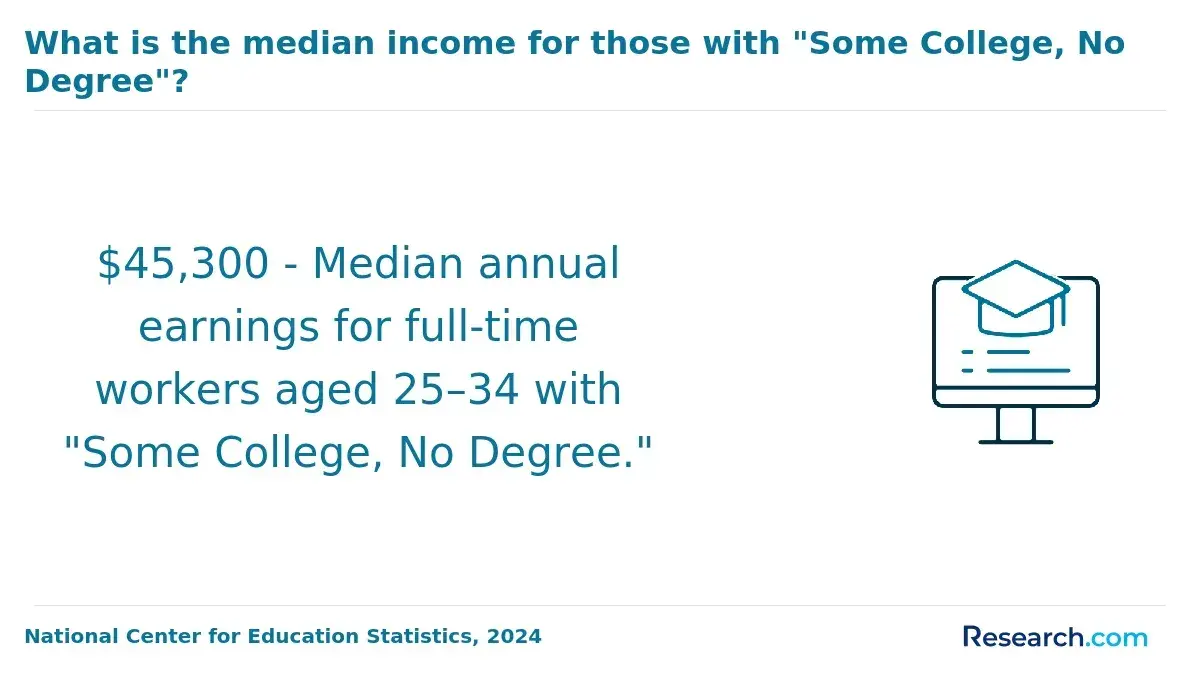
Online bachelor's in sport management admission criteria often reflect the tension between accessibility and employer expectations for relevant competencies. Most programs mandate a high school diploma or equivalent, typically with a GPA around 2.5 to 3.0. For applicants progressing directly from high school, submission of SAT or ACT scores remains common, although prior college experience can waive standardized testing and enable entry as juniors. This pathway shortens degree completion time but hinges on smooth transfer credit evaluations, which vary widely and can delay graduation if prerequisites are misaligned.
Programs regularly require demonstration of English proficiency and sometimes prerequisite courses in foundational areas like business or statistics to ensure students grasp quantitative and communication skills critical for sports industry roles. For those returning after a gap or lacking traditional academic history, additional documents such as personal statements, recommendation letters, or portfolios become decisive. These materials allow programs to assess leadership potential and client-facing experience, directly linked to workforce demands in partnership development and stakeholder relations.
Cost is a pragmatic consideration: among reviewed programs, in-state tuition starts around $15,500, an important figure when balancing financial investment against career outcomes. Candidates should also be mindful of articulation agreements between previous institutions and online programs to prevent credit loss impacting time to credentialing. For those weighing alternative fields, a comparative resource is available for a project management bachelor degree online, which may offer distinct career trajectories and skillsets relevant in sports and event coordination contexts.
What sport management, client relations, partnership, and presentation courses are typically included?
Choosing an online bachelor's program with focused sport management client relations training courses involves understanding the operational demands beyond simply managing events. Employers expect graduates to navigate complex stakeholder communications, negotiation scenarios, and tailored customer service challenges unique to sports organizations. Core coursework typically combines event and facility management with sport marketing and legal frameworks, aligning curriculum with real-world compliance and logistics.
Partnership and presentation classes within sport management stress the importance of negotiating contracts and sustaining sponsorships, while incorporating data analytics to measure partnership outcomes. Presentation training hones persuasive multimedia storytelling and public speaking skills, critical for securing funding or engaging boards and fan bases.
Practical assignments such as live case studies and digital portfolio development bridge academic theory with industry needs. For example, a student may apply partnership negotiation techniques to obtain local sponsors for a new sports league and then communicate the campaign's impact clearly to stakeholders. The University of Iowa's online sport and recreation management bachelor's shows median earnings of $65,473 four years post-graduation, indicating this practical approach can translate into measurable workforce advantage.
Students contemplating a pivot within sports fields might also consider accelerated PMHNP programs to diversify career options beyond management and marketing, which can be explored further at accelerated PMHNP programs.
How long does an online sport management bachelor's take and how is it structured?
Choosing an online sport management bachelor's degree requires balancing program length, curricular focus, and real-world application to align with distinct career paths. Full-time study typically spans four years, but accelerated options shorten this to two or three years by recognizing prior credits or military service. Conversely, part-time options extend beyond five years and demand adept juggling of professional and personal commitments.
The curriculum merges foundational business principles with specialized skills in sport client relations, partnership development, and presentation delivery. Practical components like internships or applied projects are critical; they simulate negotiating sponsorship deals and managing stakeholder communications, areas where employers expect graduates to excel.
For instance, a student working in collegiate athletics might pursue part-time enrollment with a focus on events and partnerships to maintain employment while gaining tactical expertise. In contrast, a recent high school graduate targeting sports marketing may prioritize accelerated courses in digital media and client engagement to enter the workforce sooner.
From a cost perspective, 37 online programs under $56,000 identified by GetEducated's 2025 ranking signal the availability of affordable options, but students must weigh tuition against pacing flexibility and hands-on opportunities. The program choice directly influences employability and the ability to apply nuanced client and partnership skills amid a competitive sports industry landscape.
How much do online bachelor's degrees in sport management cost, and what aid is available?
Tuition for online bachelor's degrees in sport management varies widely, from about $15,000 to over $40,000, heavily influenced by residency, institutional reputation, and credit transfer policies. Public universities typically charge $300 to $500 per credit for in-state students, whereas out-of-state or private options can demand over $700 per credit. This cost discrepancy affects return on investment, forcing applicants to weigh affordability against program credibility and employer recognition.
Financial aid is essential, but access hinges on meeting academic standards. For instance, the University of Louisville requires a minimum 2.25 GPA for transfer students with 24+ credits to qualify for aid and progression, illustrating common eligibility thresholds. Employer tuition reimbursement can offset costs but depends on continued employment and degree relevance, potentially restricting flexibility.
Consider a working professional with 60 transfer credits aiming to complete this degree online: confirming that credits apply and maintaining a GPA above 2.25 are critical to preserve federal aid eligibility. Failing to meet these standards risks out-of-pocket expenses rising sharply. Applicants should also budget for application fees, required technology, and exam proctoring to avoid unforeseen charges.
Evaluating overall expense includes understanding credit acceptance, GPA requirements for aid, and supplemental funding like targeted scholarships. These financial and academic variables directly shape a student's ability to sustain their education and position themselves effectively within the sport management workforce.
How can students verify accreditation and program quality for online sport management degrees?
Choosing an online sport management degree without verifying its accreditation risks diminished employer recognition and limited professional value. Regional accreditation from bodies recognized by the U.S. Department of Education or the Council for Higher Education Accreditation provides assurance of academic rigor and operational standards, while specialized endorsements-such as from the Commission on Sport Management Accreditation-signal stronger alignment with industry-specific competencies.
Consider a graduate aiming to enter sports marketing: a program emphasizing client management, sponsorship acquisition, and presentation skills, alongside software training or live-client projects, equips them better for practical demands. Conversely, a program lacking those real-world connections can weaken placement success and networking potential.
Key factors in program quality include measurable outcomes like graduation rates, internship agreements with recognized sports entities, and alumni job placements in relevant roles such as event planning or athletic administration. These data points reflect a program's ability to prepare students for a marketplace where employment for event planners is growing faster than average.
Students should prioritize programs offering direct industry collaboration via internships or capstones with sports organizations, which translate academic knowledge into employability advantages. Without these, students face a real-world gap between credentials and actionable career readiness.
What careers, job roles, and industry sectors can this sport management degree lead to?
Graduates with a bachelor's degree in sport management face distinct workforce demands depending on their targeted roles, where specific skill sets shape employability and job function. For instance, sports agents require expertise in contract negotiation and legal frameworks to manage athlete branding effectively, while event coordinators rely heavily on client relations and logistical communication. These nuanced requirements mean that practical experience in partnership-building or client management often determines access to senior or managerial positions.
Coaching and scouting roles highlight a notable salary entry point, with a median annual wage of $45,120 as of May 2025, per U.S. Bureau of Labor Statistics data. Yet, possessing sport management acumen can materially enhance career trajectory by layering knowledge of compliance, athlete development, and contract negotiation beyond physical training proficiencies alone.
The field spans professional teams, collegiate athletics, nonprofit organizations, sports media, and merchandise sales, each with distinct operational expectations. Sector-switching demands adaptability; for example, nonprofit roles emphasize fundraising and community engagement, contrasting with the negotiation and media relations central to professional sports management.
Employers prioritize candidates able to manage intricate sponsorship deals and present confidently under pressure. Graduates lacking grounded experience in these areas may struggle in competitive hiring markets. Therefore, integrating hands-on client and partnership training aligned with specific sector demands creates a practical advantage for sport management students navigating complex, real-world employment conditions.
What are typical salary ranges and earning potential for sport management graduates?
Entry-level salaries for sport management graduates in 2026 generally start between $40,000 and $55,000, varying significantly by sector and role. Mid-career professionals often see compensation ranging from $65,000 to $90,000, while top-tier positions in major leagues or collegiate athletic departments may exceed $100,000 annually. However, those focusing on community recreation or smaller organizations confront much lower salary ceilings, emphasizing the importance of targeted career decisions.
Graduates entering client-facing jobs in sports marketing or partnership management at larger firms typically begin near $50,000, with earning potential tied closely to negotiation skills, business development, and sponsor relations. Bonuses and commissions linked to performance outcomes substantially enhance total income, underscoring the value of strong interpersonal and presentation abilities.
Financial investments in education require careful evaluation. For instance, Nova Southeastern University's online sport management program costs around $138,380, surpassing the median lifetime earnings of many early-career professionals. This gap signals caution, especially for students without clear pathways to high-engagement roles that accelerate salary growth.
Practical experience, such as internships or certifications emphasizing client relations, outperforms institutional prestige in hastening salary progression. Career trajectories in corporate partnerships, event coordination, or digital sports media illustrate how applied skills drive compensation more decisively than academic rankings.
How can students build partnerships, client experience, and presentation skills during the program?
Effective sport management programs prioritize immersive, project-based coursework combined with internships that replicate real-world industry dynamics. Rather than abstract theory, students engage directly with organizations-drafting contracts, developing sponsorship proposals, or orchestrating events-building client management skills essential for navigating stakeholder expectations and professional communication under pressure.
Internships are particularly pivotal, placing students in roles like community outreach or vendor relations for sports teams or fitness organizations. These experiences develop problem-solving and networking capabilities critical for client acquisition and retention, allowing students to handle budgeting or marketing tasks that are often overlooked in classroom settings.
Presentation skills receive deliberate cultivation through structured exercises such as pitching sponsorships to feasibility panels or delivering event outcomes to clients. These real-world scenarios hone public speaking and persuasion, competencies increasingly demanded by employers. Data from OnlineU showing the University of Iowa's median graduate earning at $65,473 contextualizes the market value added by integrating client-facing competencies.
Program formats that blend synchronous workshops with asynchronous assignments offer flexibility for remote learners without sacrificing professional rigor. Prospective students should weigh the presence of formalized mentorship and industry connections-factors that significantly enhance resume differentiation and practical job readiness in a competitive employment landscape.
Other Things You Should Know About Sport Management
Not every online sport management degree program in 2027 includes client and partnership training. While these components are integral to some programs, offerings vary depending on the institution's focus. Prospective students should review program curriculums carefully to ensure they meet their educational and career objectives.
Training focused on client engagement and partnership-building is often project-based and may demand consistent interaction outside of standard coursework, increasing weekly time commitments. These experiential tasks require proactive scheduling and communication skills, adding complexity compared to purely lecture-based courses. Prospective students should assess their ability to manage these demands alongside work or personal commitments, as client-facing exercises are central for developing employable skills in sport management.
Focusing heavily on client relations and presentation can strengthen skill sets favored in sales, sponsorship, and event management roles but may narrow opportunities in operations, analytics, or facility management. Choosing a program that balances these soft skills with a solid foundation in business and sport-specific strategy enables greater flexibility in the job market. For those uncertain about a narrow path, a well-rounded curriculum is recommended over hyper-specialization to keep multiple career trajectories open.
Employers increasingly expect sport management graduates to demonstrate practical partnership experience, reflecting the importance of collaboration with sponsors, vendors, and community organizations. Candidates without documented, verifiable partnership projects or internships face tougher competition. Graduates from programs that provide structured opportunities to engage with real clients or simulate partnership negotiations meet employer standards more consistently and secure initial roles faster.
References
- Online Bachelor's in Sports Management https://www.monroeu.edu/academics/undergraduate-programs/monroe-online/school-business-and-accounting/online-bachelors-sports-management
- What is Sports Management? | LaLiga Business School https://business-school.laliga.com/en/news/students-of-the-mba-of-laliga-develop-skills-to-play-a-crucial-role-and-evolve-as-future-leaders-in-sports-management
- How can I enroll in a master's degree in sports management? - INSEEC https://www.inseec.com/en/guides/orientation-guide/how-can-i-enroll-in-a-masters-degree-in-sports-management/
- Is Your Online Degree Legitimate? How to Verify Private University Approval https://matchtocollege.com/blog/verify-private-university-online-degree-approval
- Enhancing Presentation Skills https://www.impactfactory.com/clients/london-partners-presentation-skills/
- How Students Can Improve Presentation Skills at Exalt World School - 08 Tips https://exaltworldschool.com/how-students-can-improve-presentation-skills/
- BA (Hons) Sports Management (Distance with attendance) - UCFB https://www.ucfb.ac.uk/your-degree/undergraduate-degrees/ba-hons-sports-management-distance-with-attendance/
- What are the salaries after studying sports management? https://www.monaco.edu/en/faq-all-the-answers-to-your-questions-3/what-are-the-salaries-after-studying-sports-management/
- Salary Trends in Sports Management – United States Sports University https://restore-ussa-edu.mystagingwebsite.com/news/salary-trends-in-sports-management/
- Sport Management Universities abroad I AMOS https://www.amos-business-school.eu/en/sport-management-partner-universities/