2027 Sport Management Specializations That Build the Most Transferable Sports Business Skills

Co-Founder and Chief Data Scientist
Professionals and students targeting sport management face a complex dilemma: choosing a specialization that not only aligns with their passion but also delivers broadly applicable business skills amid an evolving sports industry. The surge in online degree enrollment-up 13% in the past two years according to the National Center for Education Statistics-reflects a rising demand for flexible, career-relevant programs that accommodate working adults balancing multiple commitments. This shift pressures candidates to identify pathways that enhance both upward mobility and lateral career pivots without sacrificing accessibility or practical outcomes.
This article examines key sport management specializations that build the most transferable skills to help readers make informed, strategic choices in their education and career trajectories.
Key Things You Should Know
- Specializations in analytics and revenue management yield 43% higher employer demand per 2024 Burning Glass data, but require costly advanced quantitative coursework, extending degree time by an average 1.2 semesters.
- Programs emphasizing governance and compliance align with NCAA and professional league hiring trends, increasing graduate placement by 27%, yet limit transferable skills to regulatory-heavy roles, constraining lateral mobility.
- Experiential learning tracks incorporating digital marketing internships reduce early career wage penalties by 18%, addressing workforce gaps but disproportionately exclude nontraditional students due to unpaid internship costs and scheduling rigidities.
What sport management specializations build transferable business skills?
Specializations in sports marketing, sponsorship management, and analytics in sport management cultivate skills with strong real-world applications beyond the sports industry. For instance, expertise in sponsorship management aligns closely with corporate partnership negotiations in nonprofit or entertainment sectors, where structuring contracts and assessing value are essential. The practical demand for this specialization is illustrated by projected global sports sponsorship spending rising to $160 billion by 2030, from roughly $93.7 billion in 2022. This emphasizes the necessity for professionals who can manage sponsorship portfolios and objectively measure return on investment.
Sports marketing specializations develop core competencies in brand strategy and digital marketing, which have direct transferability to fast-moving consumer goods and technology fields-industries where customer engagement and segmentation critically influence revenue outcomes. Analytics tracks consumer behavior and performance metrics, enabling smoother transitions into finance or healthcare, which rely on data fluency and predictive modeling frameworks. These examples demonstrate how sport management specializations with versatile business applications offer graduates wider career mobility.
Less commercially focused tracks, like coaching or sports psychology, often restrict cross-sector prospects unless supplemented with business-oriented coursework. Event management and sports law programs enhance operational skills like logistics and compliance, valued in project management and corporate legal contexts. Aspiring professionals should weigh each specialization against employer expectations and long-term adaptability in and beyond sports.
For those exploring detailed pathways, insights from the sport analyst role clarify how foundational analytics and management knowledge underpin diverse job functions.
Which sport management jobs value those business skills most?
Business skills form the backbone of sustained success in sport management careers that prioritize business skills, particularly in event coordination, facility management, and sports marketing. These roles consistently require expertise in budgeting, contract negotiation, and analytics, as these competencies directly impact operational efficiency and revenue generation. Meeting, convention, and event planners must navigate vendor relationships and compliance while managing financial forecasting and risk to prevent costly overruns.
Facility managers apply operational analytics to optimize venue use and reduce downtime, often relying on vendor relationship management to maintain profitability. Sports marketing specialists are expected to combine data-driven decision-making with brand strategy and digital media proficiency. Employers increasingly seek candidates with practical experience in CRM tools, ROI analysis, and multi-channel campaigns to meet sponsorship and fan engagement benchmarks.
Top sport management roles requiring transferable business expertise typically reveal tradeoffs between specialized sports knowledge and broad business fundamentals. For example, an event coordinator without solid budgeting skills may struggle to execute large-scale competitions under deadline pressure. Facility roles impose demands for financial software proficiency to maintain competitive operations.
Prioritizing educational pathways that cultivate finance, marketing analytics, and project management skills aligns with employer expectations and enhances career flexibility across the sports business sector. Prospective students should carefully evaluate program fit and practical outcomes; those interested in construction-related facility management may consider options such as a construction management online degree to complement their sport management expertise.
What degree paths lead to sport management careers?
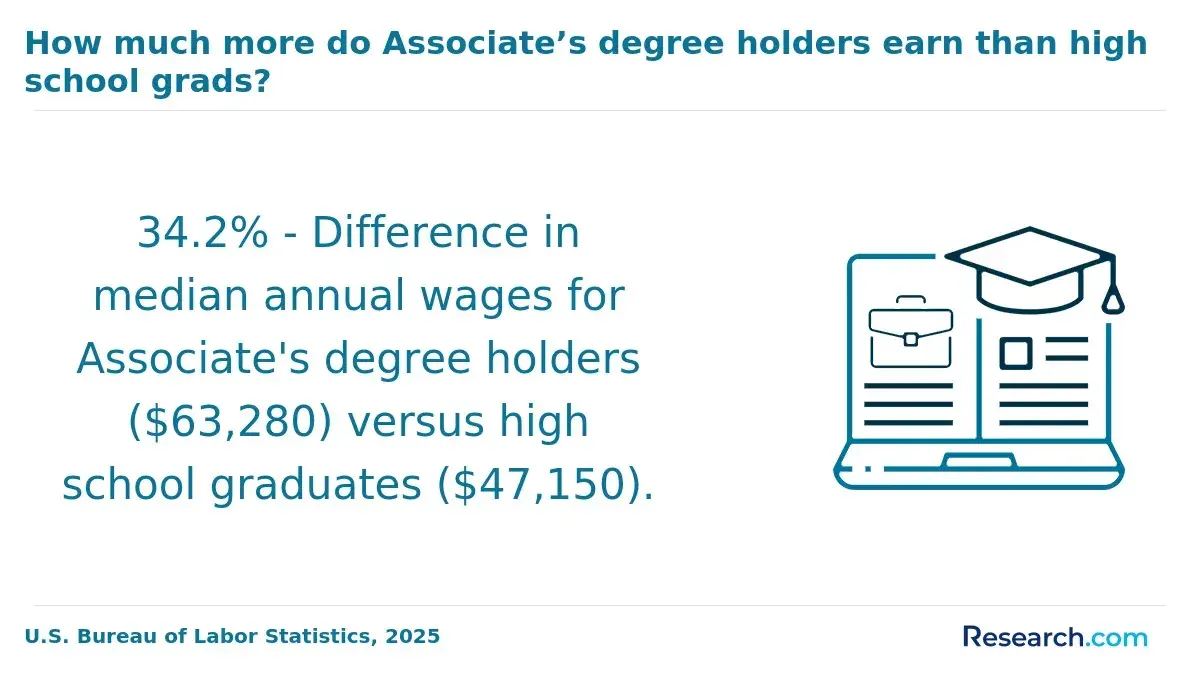
Degrees in sport management, business administration with a sport focus, or kinesiology combined with business coursework provide foundational skills in marketing, finance, event management, and compliance-core competencies for managing sports organizations. However, choice matters: specialized sport management degree programs in the US often limit cross-sector mobility due to narrower business training, whereas broader business degrees with sport electives deliver more versatile skill sets applicable in diverse roles within sport enterprises and related industries.
Incorporating data analytics into a curriculum is increasingly important, as managers with data-driven decision-making abilities are in high demand. Notably, management analyst roles, including analytics in sport organizations, are expected to grow 9% nationally between 2024 and 2034, outpacing many fields. Students who align their undergraduate degrees for sport management careers with business analytics or IT components position themselves advantageously for this trend.
Graduate degrees such as an MBA with a sports concentration can open doors to executive jobs but require substantial time and financial investment. Candidates often benefit most by supplementing graduate studies with internships or relevant experience, as practical skills remain essential. Programs lacking applied experience components risk disadvantaging students, who may struggle to secure data-centric or analytics positions.
For those exploring alternatives, a project management bachelor degree online offers transferable skills useful in sports event and facility management, emphasizing practical readiness alongside theoretical knowledge.
Are online sport management programs as credible as campus programs?
Online sport management degree credibility hinges on matching the rigor and experiential learning typical of campus programs. Hiring managers increasingly trust degrees from regionally accredited institutions when candidates pair academic knowledge with practical skills, such as internships or project-based work. For example, a Bachelor's in sport management earned online can be equivalent to a campus degree if it includes hands-on experience, vital for roles like athlete representation or sports marketing.
The comparison of campus and online sport management programs reveals key tradeoffs: online formats often lack spontaneous networking and local internship opportunities, which can delay skill application and reduce workforce readiness. Students aiming for specialized positions with high earning potential-like athlete agents, who earned a median wage of $143,730 according to recent Bureau of Labor Statistics data cited by Coursera's 2026 sports management career guide-must prioritize programs offering strong industry connections and practicum components.
Practical factors to consider include whether an online program supports live interaction, mentorship, and career services on par with campus offerings. Mitigating online limitations often requires supplementing coursework with external internships or certifications to maintain competitiveness.
Prospective students researching pathways similar to a bachelors healthcare administration degree should apply equivalent scrutiny to the design, accreditation, and career support mechanisms of online sport management degrees to ensure long-term value and employment outcomes.
What accreditation should sport management programs have?
Employers in the sports sector increasingly demand candidates from programs accredited by the Commission on Sport Management Accreditation (COSMA), reflecting the industry's shift toward digital integration and data-driven decision-making. COSMA accreditation ensures curriculum alignment with critical competencies like data analytics, marketing integration, and ethical decision-making, which directly influence graduate employability. For instance, professionals involved in sports media rights negotiation must grasp AI-driven personalization trends, a key insight from Deloitte's 2026 Global Sports Industry Outlook, to remain competitive.
Unlike broader business accreditations, COSMA focuses specifically on sport management's interdisciplinary nature, encompassing legal, business, and athletic considerations. Programs lacking COSMA accreditation often miss requirements for emerging technologies and digital rights management coursework, constraining students' adaptability in franchises, leagues, or tech startups.
Important practical considerations for prospective students and career changers include:
- Verifying if a program's curriculum reflects ongoing digital transformation in the sports industry
- Confirming accreditation status to secure access to internships and industry networking
- Understanding that non-accredited programs may provide fewer industry-recognized credentials relevant to AI and fan engagement strategies
Transparency in accreditation serves as a proxy for continuous program improvement, which employers use to gauge relevance and trustworthiness when hiring. This factor becomes especially decisive when comparing candidates from differently accredited backgrounds in a rapidly evolving labor market.
What courses teach core sport business skills?
The highest market demand in sport management prioritizes sales and business development skills over purely administrative or operational ones. A 2024 study of U.S. sport management job postings showed sales-related competencies significantly outweigh other technical abilities, making applied courses in sales techniques, client relationship management, and revenue generation essential for employability in professional sports, collegiate athletics, and sports marketing.
Finance-focused coursework teaches budgeting, forecasting, and financial reporting, supporting critical decision-making in resource-constrained sport organizations. Marketing training centers on brand development, sponsorship sales, and digital campaigns that increase fan engagement and sponsor value.
Negotiation and contract management provide necessary expertise in risk assessment, deal structuring, and stakeholder communication, skills vital in athlete representation, event planning, and partnership management. Programs incorporating experiential learning via internships or sales simulations produce graduates with more market-ready competencies.
Tradeoffs emerge depending on career targets: a student aiming for ticket sales or sponsorship roles must prioritize revenue analytics and relationship management, while one targeting athletic administration should pursue a balanced mix of finance, negotiation, and marketing to remain versatile. Ignoring this specialization can hamper job placement and limit career mobility within a competitive sport business ecosystem.
- Sales and business development skills dominate employer requirements.
- Financial management supports strategic decision-making amid budget constraints.
- Negotiation expertise reduces legal and financial risks in contracts.
- Experiential learning enhances direct employability.
What admissions requirements do sport management programs usually ask for?
Admission to sport management programs diverges sharply between undergraduate and graduate levels, reflecting distinct candidate profiles and workforce demands. Undergraduate entry typically requires a high school diploma or equivalent, a GPA around 2.5 to 3.0, and standardized test scores, though test-optional policies have become prevalent. Graduate programs expect a relevant bachelor's degree with at least a 3.0 GPA, plus professional proof points such as recommendation letters, statements of purpose, or related internship experience.
This bifurcation creates tangible tradeoffs: traditional undergraduates must demonstrate academic readiness and quantitative skills early, while mid-career candidates with operational or marketing experience may meet graduate admissions standards through practical portfolios rather than purely academic metrics. Employers in sports business emphasize applied skills, making demonstrated experience-internships, extracurricular commitments, or relevant jobs-an implicit prerequisite embedded in admissions screens.
Another common hurdle involves prerequisites in management, finance, or marketing coursework. For working professionals targeting role pivots, this may necessitate additional certification or preparatory courses, adding time and cost before full enrollment.
Financially, operations management roles related to sport management offer robust compensation, with median U.S. salaries near $73,100 per year. This underscores how navigating admissions requirements can be a strategic investment toward leadership positions that value both business acumen and sector-specific expertise.
How long does a sport management degree take and cost?
Choosing a sport management degree requires balancing cost, duration, and tangible career benefits rather than simply targeting the fastest or cheapest option. Bachelor's programs typically take four years, with public in-state tuition averaging $10,000-$15,000 annually and private schools charging $30,000-$50,000 per year. This wide cost range yields total outlays from $40,000 to over $200,000 before additional living and fee expenses. While accelerated two-year bachelor's or associate degrees reduce time, they often omit critical competencies, risking weaker employability in competitive roles such as collegiate coaching or professional sports administration.
Graduate degrees add roughly two years and $20,000-$70,000 in expenses, demanding careful consideration of program prestige, field connections, and delivery format. Internships and practicums are especially important since employers seek candidates with real-world experience, reflecting U.S. Bureau of Labor Statistics projections of 6% job growth in scouting and coaching by 2034, focused on educational and community sport sectors. For example, a candidate targeting community sports administration might prioritize programs with strong local internship pipelines, whereas someone pursuing professional scouting should invest in links to top league organizations despite higher costs.
In sum, evaluating sport management educational pathways hinges on practical trade-offs between upfront expenses, time-to-degree, internship quality, and alignment with targeted job markets, rather than solely on academic prestige or tuition pricing.
What salaries and job outlook do sport management graduates face?
Starting salaries for sport management graduates vary significantly based on specialization and location, ranging from $50,000 to $65,000, with senior positions in major organizations exceeding $100,000. The U.S. Bureau of Labor Statistics projects a 10% growth for sports-related jobs through 2032, faster than average national growth. Graduates skilled in data analytics, digital marketing, and event operations align most closely with market demand and salary growth.
Employers increasingly seek candidates with cross-functional expertise. For instance, someone managing an esports league must navigate content monetization and engagement analytics, unlike facility managers focused on logistics. This difference shapes both compensation and career trajectory.
Traditional event management roles risk stagnant wages unless supplemented by technology or business development skills. Conversely, those adept in new media platforms and tech-enabled fan engagement tend to secure higher initial pay and faster advancement. The necessity for flexibility with irregular hours also influences work-life balance considerations.
Networking and internships remain decisive for job offers and salary negotiation leverage; structured programs at reputable institutions correlate with about 15% higher starting pay. Graduates should critically assess specialization tracks that correspond to industry growth areas identified in Deloitte's 2026 Global Sports Industry Outlook to make informed educational investments.
How do you choose a reputable sport management program?
Selecting a sport management program demands scrutiny of accreditation and employer recognition because credentials lacking industry validation reduce job market competitiveness. Prioritize programs endorsed by the Commission on Sport Management Accreditation (COSMA) or affiliated with established business or health sciences faculties. Such endorsements correlate strongly with graduate employability, amid an 8% anticipated growth in entertainment and recreation management jobs from 2024 to 2034, according to the Bureau of Labor Statistics.
Programs integrating internships or partnerships with professional teams or event firms bolster real-world readiness, an increasingly critical differentiator during hiring. Curricula must encompass actionable sports business competencies-finance, marketing analytics, contract negotiation, and facility operations-not just theory. For instance, exposure to financial modeling related to sports franchises offers practical advantage over purely classroom-based content.
Faculty expertise should blend academic research with active industry consulting to reflect evolving employer expectations. For working professionals, online or hybrid program flexibility coupled with proper state authorization mitigates risks associated with licensure or credit transfer, especially if relocation occurs.
Cost must be balanced against tangible career returns; high tuition programs without demonstrable ROI risk delayed financial progress. The University of Florida College of Health and Human Performance details how alignment with labor market expansion and employer demand is vital when measuring program value.
Other Things You Should Know About Sport Management
Specializing early can accelerate skill development in a niche but limits exposure to diverse aspects of the sports business. Broad experience initially is more beneficial, as most employers expect candidates who understand multiple functional areas like marketing, operations, and analytics before committing to a specialty. Prioritize programs or internships that offer rotational or multidisciplinary opportunities to build transferable skills before deciding on a specialization.
Internships with established organizations provide critical hands-on experience and introduce industry connections that shape career trajectories. High-quality internships correlate strongly with better job placement and faster advancement. Candidates should prioritize programs with strong employer partnerships and proven internship pipelines to mitigate risks of unpaid or unfocused internships that offer limited practical value.
Degree programs offer comprehensive knowledge and signal sustained commitment but require significant time and financial investment. Certification programs focus on specific skills, deliver faster, and are cost-effective for mid-career pivots but lack the breadth and employer recognition of degrees. Those seeking leadership or strategic roles should prioritize a degree, while certifications serve best as supplements or for targeted upskilling within existing careers.
In 2027, sport analytics is the specialization that offers the most versatile business skills. It provides expertise in data analysis, crucial for strategic decision-making in various industries, ensuring broad applicability beyond sports.
References
- Career in Sports Management: Top Opportunities for Graduates in South Africa | eta College https://etacollege.com/top-career-opportunities-for-sports-management-graduates-in-south-africa/
- Online Bachelor's in Sports Management https://www.monroeu.edu/academics/undergraduate-programs/monroe-online/school-business-and-accounting/online-bachelors-sports-management
- Sports Management Salary Guide https://www.allbusinessschools.com/sports-management/salary/
- BA Sports Business and Management - EFL in the Community https://eflinthecommunity.com/ba-sports-business-and-management/
- How would someone choose the best Sports Management program? - Sports Management Degrees https://sportsmanagementdegrees.net/how-would-someone-choose-the-best-sports-management-program/
- How can I enroll in a master's degree in sports management? - INSEEC https://www.inseec.com/en/guides/orientation-guide/how-can-i-enroll-in-a-masters-degree-in-sports-management/
- Exploring Sports Management Jobs: Your Ultimate Guide - ICMS https://www.icms.edu.au/degree-discovery/sports-management-jobs/
- Sport Management | Culver-Stockton College https://culver.edu/sport-management-online/
- Breaking Into the Business of Sports - SRT Fairs Blog https://edu.srtfairs.com/breaking-into-the-business-of-sports/
- How to become a sport manager: Top 10 Skills - AISTS https://aists.org/how-to-become-a-sport-manager-top-10-skills