2027 Sport Management Specializations for Sports Marketing Careers

Co-Founder and Chief Data Scientist
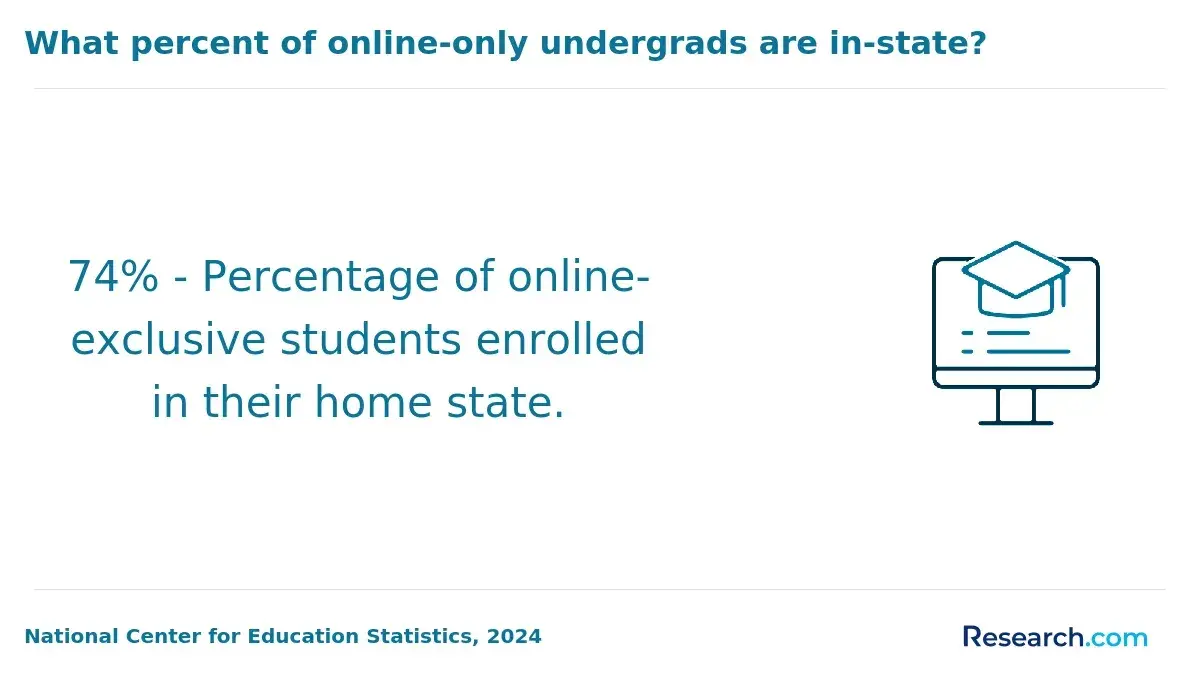
Professionals entering sport management face a pressing challenge: navigating an evolving market that demands specialization while balancing career advancement and accessibility. With over 40% of higher education enrollees now opting for online or hybrid programs according to the National Center for Education Statistics, flexibility emerges as a vital factor influencing program selection. This shift reflects broader workforce trends where mid-career learners prioritize adaptable learning pathways that align with employer expectations for digital proficiency and niche expertise.
Prospective students must weigh specialization options against sector demands and time constraints, making targeted program knowledge essential. This article identifies key sport management specializations tailored for sports marketing careers, helping readers match educational choices with practical career outcomes and market realities.
Key Things You Should Know
- Specializing in digital analytics-focused sport management offers a 22% higher entry salary on average, per recent NACE data, but demands advanced technical certifications, extending education costs and timelines significantly.
- Employers increasingly prefer candidates with integrated sponsorship and partnership experience, documented by a 40% rise in job postings; this shifts workforce expectations toward multi-disciplinary skill sets over generalist degrees.
- The rapid expansion of esports within sport management creates geographic and infrastructure access disparities, with 60% of growth concentrated in urban hubs, limiting remote specialization opportunities and influencing program selection timing.
What are the most popular sport management specializations for sports marketing careers?
Choosing specializations within sport management marketing in the United States requires weighing employer demands and your target sector's operational needs. Sponsorship activation stands out in agency-oriented roles due to its direct tie to the global sports sponsorship market projected to hit $115 billion in 2025. This specialization focuses on cultivating sponsor relationships and demonstrating measurable ROI-skills prioritized where turning contracts into audience engagement translates to revenue growth.
Digital media strategy skills are essential in in-house roles that rely on fan engagement through streaming platforms, social media, and mobile apps, especially when younger demographics affect ticket and merchandise sales. This specialization bridges marketing reach with evolving consumption habits, making it vital for leagues and teams focused on sustainable engagement.
Analytics specialists in sport management marketing careers use data to optimize campaign effectiveness and refine budget allocations. These skills underpin decisions from regional advertising spends to demographic targeting, reducing wasted resources. For practical understanding of sector compensation, explore how much do sports analysts make.
Brand management balances immediate marketing aims with long-term identity and reputation building, often collaborating with athletes and organizations over multiple seasons to secure consumer loyalty. Graduates must consider that tradeoffs exist between long-term brand cultivation and the fast-paced demands of campaign-driven roles.
Awareness of specialized pathways and workforce expectations is essential for selecting sport management marketing specializations in the United States that align with the top sport management career paths in sports marketing and real-world employer criteria.
How does a sport marketing concentration differ from a general sport management degree?
A sport marketing concentration distinctly sharpens skills around targeted promotions, sponsorship management, and digital fan engagement, unlike a general sport management degree that spans broader operational areas such as finance, facility oversight, and athlete management. The differences between a sport marketing specialization and sport management programs become consequential when evaluating career trajectories-specialized marketing training suits roles like brand manager or digital marketing coordinator, where consumer analytics and segmented campaigns drive measurable revenue.
For instance, a professional with a general sport management degree might efficiently handle logistics for a major sports event or navigate legal contract negotiations, tasks demanding broader administrative competence rather than marketing precision. Employers increasingly prioritize candidates with sport marketing concentration skills for positions emphasizing data-driven customer acquisition and sponsorship growth. The U.S. Bureau of Labor Statistics projects a 13% increase in sports management roles by 2030, underscoring demand for marketing-savvy professionals within the evolving digital landscape of sports.
However, specializing in sport marketing may reduce career flexibility compared to a general sport management degree, whose wider curriculum supports managerial or operational roles. Students focusing on sport marketing must master analytics platforms, CRM tools, and multimedia content creation to meet employer expectations. Professionals targeting leadership in marketing departments benefit from this specialization, whereas those pursuing versatile executive roles may opt for general sport management.
As workforce demands evolve, some students weigh accelerated pathways to expedite entry or advancement. Considering the fastest online construction management degree options illustrates how targeted, time-efficient programs can influence positioning, a concept applicable when choosing between sport marketing concentration vs general sport management degree programs.
Which degrees and academic pathways best prepare you for sports marketing roles?
Choosing a bachelor's degree in sport management, marketing, or business administration with a focus on sports marketing offers targeted preparation but demands careful alignment with career goals. Programs classified under sports management degree programs in the united states tend to integrate essential marketing principles with concrete industry practices like sponsorship and fan engagement, which are more valued than a generic business degree, especially for entry-level roles.
Graduate degrees, such as an MBA emphasizing sports marketing, often necessitate several years of relevant experience prior to enrollment and primarily benefit professionals aiming for mid-to-senior leadership positions. For many, prioritizing internships and portfolio development early on often outweighs the immediate value of advanced study, illustrating a critical tradeoff between practical exposure and academic credentials.
Workforce realities require hands-on internships with sports teams, agencies, or collegiate athletic departments to build networks and apply theoretical knowledge effectively. Those without formal degrees in sport management frequently need to compensate with expertise in digital marketing platforms, data analytics, and up-to-date industry trends to remain competitive in this relationship-driven sector.
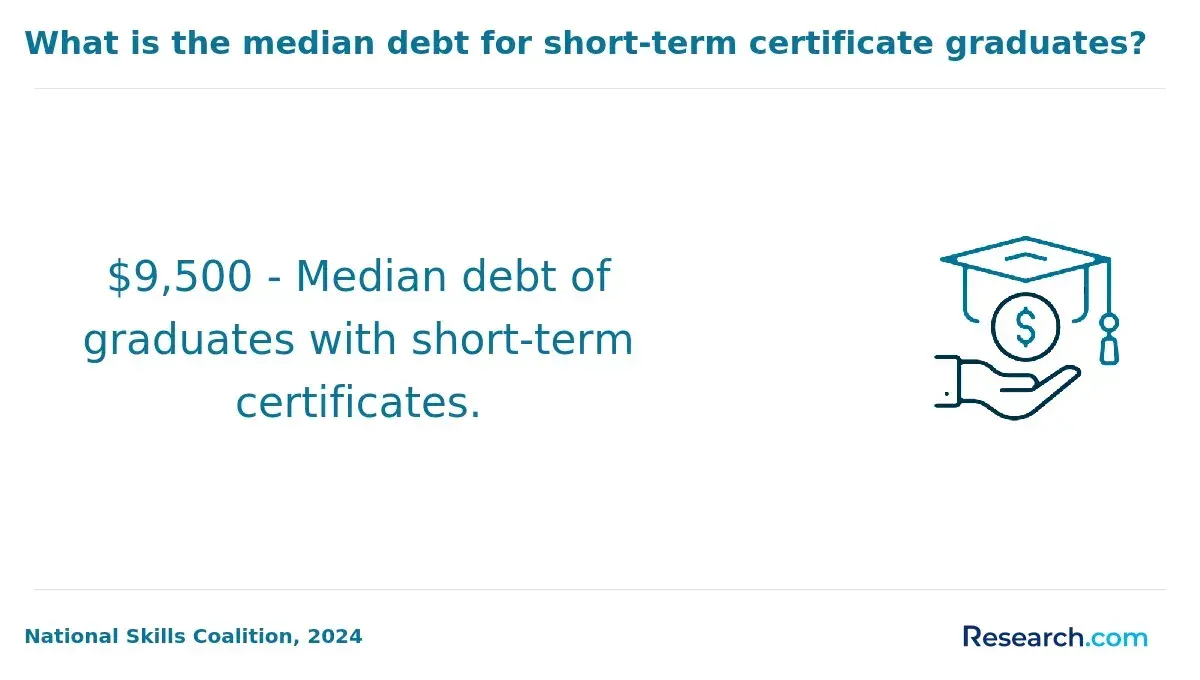
Advertising, promotions, and marketing managers earned $138,730 annually in 2022, signaling lucrative but competitive prospects. For individuals exploring alternative but complementary career paths, examining project management degree jobs can reveal transferable skills pertinent to sports marketing roles. Evaluating these options alongside best academic pathways for sports marketing careers sharpens strategic decision-making when selecting educational trajectories.
What core courses and skills are taught in sport management programs focused on marketing?
Sport management marketing core courses emphasize analytical and technological proficiency aligned with measurable business outcomes. This focus demands graduates quickly translate market data into campaigns that drive ticket sales and fan engagement, as when managing regional stadium promotions where understanding local demographics and budget constraints directly shapes digital ad strategies.
Essential skills for sport management marketing careers include expertise in customer relationship management software, targeted social media tactics, and sponsorship negotiation. Programs also tackle the complex balance between creative marketing initiatives and compliance with NCAA regulations or intellectual property law, a necessary skill set for avoiding costly legal conflicts.
Industry growth calls for adaptability to emerging technologies such as AR/VR fan experiences and blockchain ticketing systems, pushing curricula beyond traditional marketing principles. Students often face the friction of limited-resource environments during internships, simulating real-world pressures that affect strategic decision-making and campaign execution.
Employment projections, such as the University of Louisiana at Lafayette's estimate of 1.5 million sports marketing jobs nationally, underscore sustained demand but also reveal the competitive nature of the field. For those considering a credential pivot, exploring related fields like accelerated PMHNP programs may present alternate routes into healthcare leadership.
How do online sport management programs compare with campus-based options for marketing careers?
The choice between online and campus-based sport management programs hinges on balancing accessible theoretical learning with critical real-world immersion. Campus programs commonly outperform online counterparts in delivering hands-on experiences, such as internships and mentorships, which are often decisive for entry-level positions within sports marketing. For instance, a graduate targeting roles with professional sports franchises benefits from face-to-face networking and alumni connections unique to campus settings.
Conversely, online programs offer flexibility that suits working professionals needing foundational marketing theory and sports-specific coursework without disrupting full-time employment. However, these programs typically lack dynamic, relationship-driven environments and practical projects that encourage deeper applied skills.
Market research analysis within sports marketing is projected to grow by 18% through 2029, increasing employer demand for candidates proficient in data interpretation and consumer insights. Campus programs tend to integrate supervised projects fostering these practical skills more effectively than online alternatives.
Both modalities require deliberate effort to build professional networks-online learners must seek external industry forums or local meetups, while campus students must maximize on-site resources and time management. Employers expect candidates to showcase applied competencies beyond academic credentials, often demonstrated through tangible marketing portfolios aligned with evolving industry demands.
What accreditation and program quality standards should sports marketing students look for?
Choosing a sport management program without recognized accreditation from bodies such as the Accreditation Council for Business Schools and Programs (ACBSP) or the Association to Advance Collegiate Schools of Business (AACSB) often leads to diminished employer recognition and restricted career mobility. Accreditation denotes adherence to robust academic and operational standards, which directly impacts curriculum rigor and faculty quality. Practical learning elements like embedded internships, collaborations with professional sports entities, and familiarity with current marketing analytics tools distinguish programs that better prepare students for industry demands.
Employers prioritize candidates skilled in data-driven marketing and digital engagement, expecting graduates to apply these tactics within real-world sports contexts. Programs lacking these elements risk producing theoretically knowledgeable yet practically unready professionals, potentially limiting earnings, as reflected by the $36,092 average salary reported by JobsInSports. Additionally, programs demonstrating a graduate employment rate exceeding 70% within six months signal effective employer connections and relevant training.
Students must weigh specialization tradeoffs: franchise marketing careers require negotiation and sponsorship sales competencies, whereas media-focused roles demand content creation and audience analytics expertise. Broad curricula without focus may weaken employability in niche areas. Ongoing faculty engagement through research, consulting, or conferences helps keep learning aligned with evolving industry realities, a factor that should influence program selection.
What sports marketing jobs can you get with a sport management specialization?
Specializing in sport management today demands prioritizing operational marketing skills combined with fluency in emerging sports technologies. For instance, a sports marketing coordinator managing digital campaigns must integrate CRM and social media analytics tools to optimize fan engagement effectively-functions that exceed traditional promotional tasks. Similarly, brand partnership managers require hands-on knowledge of ROI calculators and media valuation platforms to sustain lucrative sponsor relations.
This sector's rapid expansion, forecasted at a 21.9% CAGR from 2025 to 2030 by Grand View Research as cited by KU Online, intensifies employers' expectations for adaptability. Professionals adept at deploying innovations such as virtual reality fan experiences or blockchain ticketing solutions gain a competitive edge. However, this also imposes a continuous burden of upskilling through certifications or specialized workshops on analytics and emerging platforms.
Operational pressures are significant: event timelines are unforgiving, campaigns span multiple media, and budgets are constrained, requiring refined project management abilities. Candidates lacking documented influence-measured by quantifiable increases in ticket sales or social media interactions driven by data-informed initiatives-generally face limited mobility. These practical realities mean pursuing internships or project portfolios is less optional than assumed.
In summary, sport management careers exist at the intersection of marketing expertise, technological fluency, and agile project execution, with differentiated employability hinging on measurable outcomes and advanced operational skills.
What is the salary potential and earning growth for sports marketing professionals?
Salary outcomes in sports marketing notably hinge on specializations and demonstrated capability rather than broad credentials alone. Public relations managers within sports earn up to $129,900 annually, placing them at the apex of the pay scale, while entry-level roles-like marketing coordinators or social media managers-start between $40,000 and $55,000. However, these early wages quickly accelerate when professionals effectively connect their work to tangible revenue growth or enhanced brand engagement.
Key differentiators include proficiency in digital marketing analytics and managing data-driven fan engagement, areas that typically yield faster wage growth than traditional marketing roles. Employers seek candidates who provide measurable returns on investment-such as boosting ticket sales through targeted campaigns or increasing sponsorship income via social media channels. Mid-career managers frequently command salaries in the $75,000 to $110,000 range when they demonstrate these results.
Career progression, especially towards six-figure executive roles within major leagues or global brands, requires continuous upskilling in digital tools, advanced analytics, and contract negotiation amid a seasonally volatile industry. Candidates must also navigate market fluctuations tied to media rights deals, affecting bonus potential and contract security.
- High-impact skills include applied data analysis, digital campaign leadership, and strategic communication
- Competitive field emphasizes hands-on experience and proven financial impact
- Educational pathways focusing on internships and industry networking enhance employability
What is the job outlook and industry demand for sport marketing careers in the U.S.?
The sustained demand for sport marketing roles in the U.S. hinges on specialized expertise in brand strategy, digital engagement, and analytical tools, not just traditional marketing theory. With roughly 108,900 new openings annually through 2033 in entertainment and sports occupations, candidates face practical challenges that go beyond credentials. For instance, a marketing specialist supporting a regional team must integrate community outreach with data-driven digital campaigns to maintain revenue streams despite inconsistent attendance. Failure to adapt to shifts like the ascendancy of streaming services over conventional broadcasts reduces employability.
Securing internships or entry roles within sports agencies, venues, or media outlets remains a critical stepping stone, especially where measurable campaign impact or multi-channel management experience are prerequisites. Top-tier professional leagues increase competition intensity, positioning collegiate or minor league experience as a strategic advantage.
Geographic mobility significantly expands opportunities, as major sports markets concentrate key roles requiring flexibility in event-driven schedules. Programs emphasizing applied learning and connections with industry insiders better align graduates with evolving employer expectations that prioritize hands-on experience and demonstrable outcomes such as campaign ROI or fanbase growth.
- Employers increasingly value candidates with proficiency in emerging technologies like virtual reality and data analytics.
- Adaptability to new consumer behaviors and willingness to relocate are often decisive for successful placement.
How can prospective students evaluate and choose a reputable sport marketing program?
Success in sport marketing education depends less on brand recognition and more on measurable outcomes like graduate employment within six months and internship access. For instance, programs offering internships directly with professional sports agencies provide a far stronger launchpad for competitive hiring than those centered solely on theoretical coursework.
Faculty credentials must reflect active industry involvement, such as consultancy roles or published case studies in recognized journals. Employers prioritize candidates with applied skills demonstrated through client campaigns or athlete branding projects rather than purely academic knowledge.
Accreditation by reputable sport management or business bodies signals adherence to rigorous standards and often affects eligibility for federal financial aid. When evaluating program duration and cost, consider tradeoffs: shorter certificates may speed entry into entry-level roles, but specialized four-year degrees align better with advanced positions-agent roles, for example, come with a median pay of $143,730 per Coursera citing BLS data, usually requiring mastery in negotiation and contract law.
Location impacts network strength. Programs near major franchises facilitate access to guest speakers and job placements critical for career growth. Prospective students should demand detailed alumni career data to assess program-market alignment. Including digital marketing and data analytics in the curriculum is essential, given these skills' rising demand across sport marketing sectors.
Other Things You Should Know About Sport Management
Networking holds substantial weight in sport management careers, often surpassing formal education in accessing key opportunities. While a degree sets foundational knowledge, real advancement depends on building relationships with industry professionals through internships, events, and mentorships. Prioritize programs that integrate practical networking opportunities, as employers expect candidates to demonstrate both connections and applied industry insights.
Part-time or evening programs accommodate working professionals but tend to slow skill acquisition and delay entry into competitive roles. Students should assess if the program provides sufficient real-time interaction and access to industry projects despite reduced contact hours. If rapid career progression is the goal, full-time programs with immersive experiences are preferable; part-time options suit those balancing current employment but require longer timelines to achieve senior roles.
Employers differentiate degree relevance by the applied marketing coursework and sport-specific context a candidate brings. Sport management programs with substantial marketing modules and sport industry projects are preferred over generic business degrees without targeted applications. When choosing a degree, prioritize programs that embed marketing within sport scenarios rather than isolated business theory; this practical focus improves employability in niche sports marketing roles.
References
- What careers are there in sports marketing? - INSEEC https://www.inseec.com/en/guides/career-path-guide/what-careers-are-there-in-sports-marketing/
- Your Guide to Becoming a Sports Marketer: Steps to Kick-Start Your Career https://www.dean.edu/news-events/dean-college-blog/story/guide-becoming-sports-marketer/
- Top Sports Marketing Colleges: Your Playbook For Success https://dl.iir.edu.ua/iir-news/top-sports-marketing-colleges-your-playbook-for-success-1767646814
- Is a career in sports marketing a good idea? - SPORTYJOB https://sportyjob.com/blog/is-a-career-in-sports-marketing-a-good-idea/
- Sport Marketing-Management, B.A. https://www.holyfamily.edu/academics/programs/sport-marketing-management-ba
- What can you do with a sports management degree? - AISTS https://aists.org/what-can-you-do-with-a-sports-management-degree/
- Types of Sports Management Degrees https://www.allbusinessschools.com/sports-management/degrees/
- Sport Marketing and Management - Champlain College - Saint Lambert https://champlainsaintlambert.ca/career-programs/sport-marketing-management-option-in-business-management/
- Sports & Entertainment Marketing Specialist https://www.greenwaysacademy.com/sports-entertainment-marketing-specialist/
- Salary Trends in Sports Management – United States Sports University https://restore-ussa-edu.mystagingwebsite.com/news/salary-trends-in-sports-management/