2027 Online Sport Management Degrees With Strong Sponsorship Sales Training

Co-Founder and Chief Data Scientist
Professionals chasing leadership roles in sport management frequently confront the daunting challenge of mastering sponsorship sales amid relentless industry competition and shifting consumer engagement. With nearly 45% of U.S. adult learners prioritizing flexible online programs, as reported by the National Center for Education Statistics, accessibility and schedule adaptability have become decisive factors for career pivoters balancing work commitments. Yet many online sport management degrees fall short on providing rigorous, hands-on sponsorship sales training crucial to securing partnerships and driving revenue. This gap creates a vulnerability for candidates entering the market without proven, practical negotiation and sales skills.
This article evaluates online sport management degrees emphasizing strong sponsorship sales curricula to guide candidates toward functional, employment-ready education that aligns with real-world employer expectations.
Key Things You Should Know
- Programs emphasizing sponsorship sales report 22% higher employer preference for graduates with direct revenue-generation skills, reshaping hiring toward candidates who deliver measurable partnership ROI, restricting options for broader theoretical expertise.
- Data from the U.S. Bureau of Labor Statistics shows sport management roles requiring sponsorship sales competencies grow 15% faster, pushing professionals to acquire sales training early to remain competitive amid evolving team and event monetization.
- Online degrees integrating sponsorship sales training reduce average completion time by 25% versus traditional formats, but impose intense workload compression, demanding frontline selling experience concurrently to maximize career returns.
What is an online sport management degree with a focus on sponsorship sales?
Online sport management degree programs with sponsorship sales training provide more than foundational industry knowledge; they cultivate specific skills in contract negotiation, marketing analytics, brand alignment, and stakeholder relationship management essential for driving sponsorship revenue. This specialization reflects employer demand for graduates who can convert market research insights into actionable sales strategies, especially within digital and face-to-face marketing contexts.
A practical example involves tailoring sponsorship proposals using demographic data, increasing the likelihood of deal closures in professional sports leagues or collegiate athletic programs. The curriculum's integration of real-world case studies offsets the lack of in-person interaction common in online courses, preparing students for hybrid communication modes prevalent in sponsorship negotiations. Choosing programs offering remote internships or capstone projects enhances applied learning vital for employability.
Workforce projections from the U.S. Bureau of Labor Statistics indicate an 8% employment growth for market research analysts and marketing specialists from 2024 to 2034. This rate outstrips many fields, signaling robust demand for expertise in sponsorship sales within sport management. However, graduates must navigate intense competition for sponsorship dollars and continuously update digital marketing competencies to remain relevant.
Prospective students evaluating online sport management courses focused on sponsorship sales strategies should carefully weigh program accreditation, network access, and practical project opportunities. Balancing asynchronous content with synchronous collaboration develops adaptable communication skills critical in real-world scenarios.
For professionals considering a faster transition, reviewing programs like the fastest online master's in healthcare administration can offer insights into streamlined degree pathways, although the specific demands and outcomes differ markedly from those in sport management.
How do online sport management programs teach sponsorship sales skills and strategies?
Specialized training in sponsorship sales remains scarce in sport management curricula, with only 22% of undergraduate programs offering dedicated courses. This shortfall compels students and professionals seeking proficiency in online sport management sponsorship sales training methods to rely heavily on integrated coursework that meshes theory with applied projects and digital simulations. Such methods aim to close gaps by immersing learners in practical scenarios where sales strategies-including prospecting, client relationship management, and contract negotiation-are practiced through case studies tailored to diverse stakeholders, from local nonprofits to major global sports brands.
Training often involves:
- Role-playing exercises that mimic negotiation dynamics both in-person and virtually, with timely feedback reflecting real-world pressures.
- Data-driven assignments related to sponsorship ROI and audience analytics, critical for strategizing in digital and live sport contexts.
- Collaborations with local sports entities, providing hands-on sponsorship package development and pitching opportunities aligned with industry expectations.
Despite these targeted methods, many programs must supplement formal courses with virtual internships, live expert webinars, and portfolio-building activities to counteract limited networking and experiential learning. For professionals pivoting into sponsorship sales, balancing foundational marketing principles with sector-specific tactics is crucial, as employers prioritize verifiable outcomes in client acquisition and retention over general sales knowledge.
Given the limited availability of specialized coursework, graduates are often advised to pursue additional certifications or real-world projects to meet competitive employment standards. Selecting programs that strategically address these skill gaps is essential to securing roles in a sponsorship sales field characterized by complexity and intense competition. Students also should consider alternative pathways such as an accelerated construction management degree to diversify marketable skills alongside sport-specific sales training.
Are online sport management degrees with sponsorship sales concentrations respected by employers?
Employers prioritize candidates from online sport management degrees with sponsorship sales focus that equate to measurable sales tactics, contract negotiation, and relationship management skills critical for sponsorship acquisition and retention. In practical hiring contexts, those who demonstrate expertise in leveraging CRM tools and designing customized sponsorship packages are often favored over applicants with a purely general sport management background.
Programs emphasizing applied sales training, data analytics, and live projects or internships better align with employer expectations since sponsorship sales roles require both analytical and interpersonal competencies. However, purely theoretical curricula, lacking experiential learning, risk producing graduates unable to perform in practical revenue generation or sponsor relationship maintenance scenarios. Geographic flexibility inherent in online formats suits working professionals but demands disciplined time management to complete crucial hands-on components.
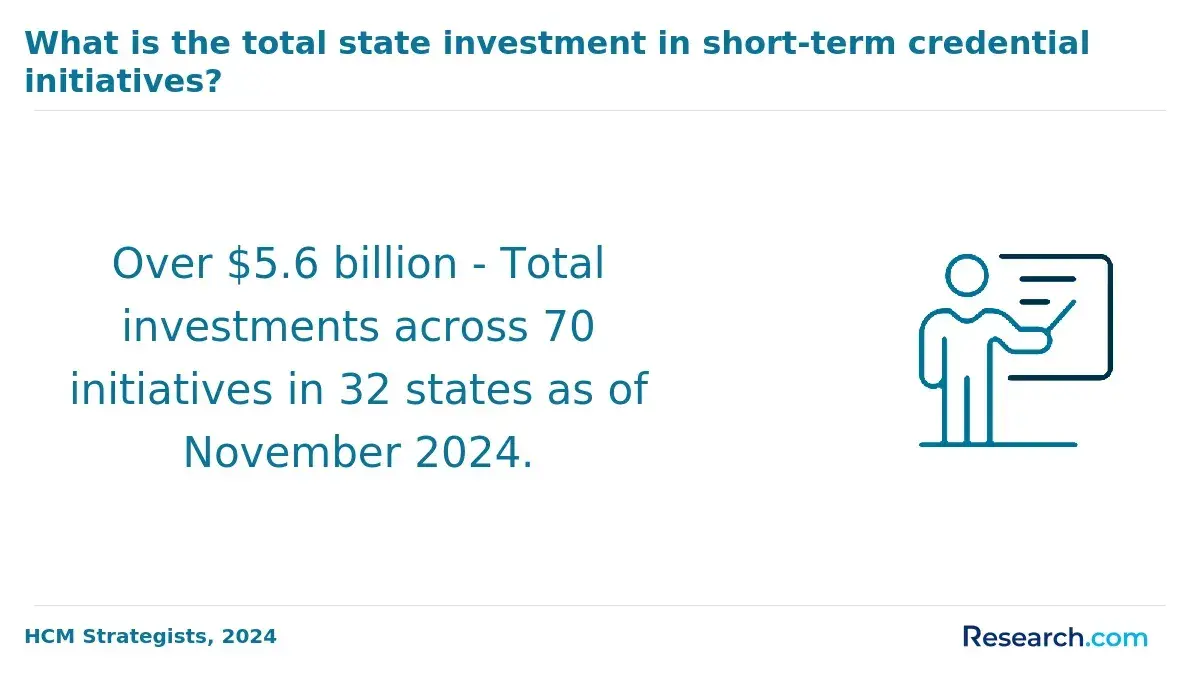
Scholarship-backed programs or those connected with major sports leagues typically enhance graduate employment prospects by providing valuable industry networks. Graduates pursuing a sport management sponsorship sales concentration should consider if their program clearly links to career outcomes, such as the median annual wage surpassing $150,000 for marketing managers in related roles.
Prospective students evaluating employer recognition of online sport management sponsorship training must weigh the tradeoffs between curriculum focus and program delivery, recognizing that specialized sales skills greatly affect competitive advantage.
For those simultaneously exploring alternative disciplines, comparing pathways such as a construction management degree online can reveal differences in practical demand and employer engagement strategies.
What accreditation and quality standards should online sport management programs meet?
Graduates entering sponsorship sales roles face immediate pressure to demonstrate competence in contract negotiation and ethical sales practices, making program accreditation more than a formality. Online sport management program accreditation standards that include validation from bodies like the Commission on Sport Management Accreditation (COSMA) signal curricula aligned with industry expectations, especially in sponsorship sales training. Employers prioritize candidates whose education reflects up-to-date sales strategy, analytics, and client management skills.
Programs lacking robust experiential learning-such as internships or applied capstone projects on sponsorship acquisition-often produce graduates ill-prepared for real-world challenges. For instance, a candidate from a fully accredited curriculum with embedded sales practicums is better equipped to generate immediate ROI by engaging sponsors effectively. These quality assurance criteria for sport management degrees underline the importance of hands-on components to bridge academic theory and workforce readiness.
Cost transparency is essential for students balancing investment and outcomes. Arkansas State University's online B.S. in sport management, charging a flat $292 per credit hour for U.S. residents, offers a clear pricing model enabling informed budgeting decisions. Prospective students should weigh pricing against program outcomes, avoiding costly, low-return options. Additionally, students exploring a pathway to pivot into sport management would benefit from reviewing data on the best schools for healthcare administration online for comparative insights on accelerated online programs' rigor and cost efficiency.
Ultimately, selecting a program that integrates strong accreditation, applied sponsorship coursework, and transparent pricing shapes graduates capable of meeting complex sector demands and long-term career sustainability.
How do online and on-campus sport management degrees compare for sponsorship career preparation?
Programs offering sport management degrees online and on campus differ sharply in their ability to integrate experiential learning tied to sponsorship sales roles. While on-campus options consistently provide access to client-based projects and networking with industry figures, this face-to-face interaction remains difficult to replicate online. For sponsorship sales positions, employers demand real-time negotiation acumen and relationship-building experience, which often arise from direct client engagement rather than simulations.
A 2024 study of 36 sales courses found 58.3% included client-based experiential projects across both delivery formats, signaling increased opportunities for practical learning online. However, the spontaneous mentorship and local internship access typical of campus programs remain less accessible for online students. For example, on-campus students may secure internships via department events or local sports organizations, gaining client communications experience crucial for sponsorship sales preparedness.
Prospective students and working professionals should critically assess whether online sport management degrees offer substantial live projects with external sports clients or sponsors rather than simulated scenarios. Employers emphasize validated sales outcomes and measurable client impact over theoretical knowledge. Time zone coordination and access to regional sports business networks for mentorship are additional considerations influencing readiness for sponsorship sales careers.
What courses and projects will you take in a sponsorship-focused sport management program?
Sponsorship-focused sport management programs demand more than theoretical knowledge: students must master deal structuring and market valuation within tightly competitive funding environments. For example, designing a tiered sponsorship package for a regional professional team requires nuanced awareness of local fan engagement metrics and economic factors impacting brand activation success.
Core coursework includes Sponsorship Marketing, emphasizing data-driven partner targeting, and Contract Negotiations, where simulated deal closures build practical skills. Asset Valuation trains students to assign monetary worth to sponsorship opportunities across collegiate sports, professional leagues, and eSports, each presenting distinct challenges for quantifying value.
Applicants should anticipate significant workload intensity, as illustrated by The University of Mississippi's 30-credit, roughly 12-month online track. This accelerated timeframe suits motivated professionals but leaves little room for pacing or simultaneous full-time employment. The program's digital marketing training, including social media analytics and influencer partnership strategies, aligns with the sector's shift towards omnichannel engagement, while dedicated units on risk and ethics prepare students for reputation and compliance risks common in sponsorship contracts.
Practical implications for workforce entrants include the necessity to translate analytical forecasts of sponsor returns into measurable client value, a key factor in sponsor retention and campaign scaling. Those balancing career pivots in sponsorship sales should weigh the tradeoff between rapid credentialing and the pressure of condensed, application-heavy curricula.
What are the typical admission requirements for online sport management degrees?
Admissions for online sport management degrees signal clear employer priorities: candidates must demonstrate foundational academic competence paired with relevant, verifiable experience. While a minimum GPA around 2.5 to 3.0 remains a base requirement, actual acceptance often hinges on contextual factors like completed coursework in business or marketing subjects, which directly impact preparedness for sponsorship sales roles.
Standardized tests such as the SAT or ACT are inconsistently required, with many programs opting to waive them when applicants show proven work experience in sports-related contexts. Employers and programs alike weigh practical experience-such as internships or event coordination-more heavily, as these reveal an applicant's ability to handle the complexities of sponsorship relationship management.
Letters of recommendation and personal essays serve as evaluative tools for communication skills and strategic thinking relevant to high-pressure sponsorship environments. Some programs expect portfolios showcasing negotiation or campaign work, responding to labor market data indicating median salaries near $130,000 for roles like public relations specialists and fundraising managers. This reflects a gatekeeping function to maintain graduate caliber aligned with real-world demands.
Digital literacy proficiency is mandatory given online delivery platforms, ensuring candidates can navigate virtual collaboration and learning systems effectively. The fragmented requirements balance academic baseline with tactical workforce readiness, highlighting the tradeoff between pedigree emphasis and skill acquisition in admission decisions.
How long do online sport management programs take and what do they cost?
Bachelor's degrees in sport management typically require 36 to 48 months of full-time study, aligning with employer expectations for sponsorship sales roles where nuanced contract negotiation and relationship management are essential. While associate degrees or certificates accelerate entry within 12 to 24 months, they frequently lack the depth employers seek, limiting graduates' readiness for complex sales environments.
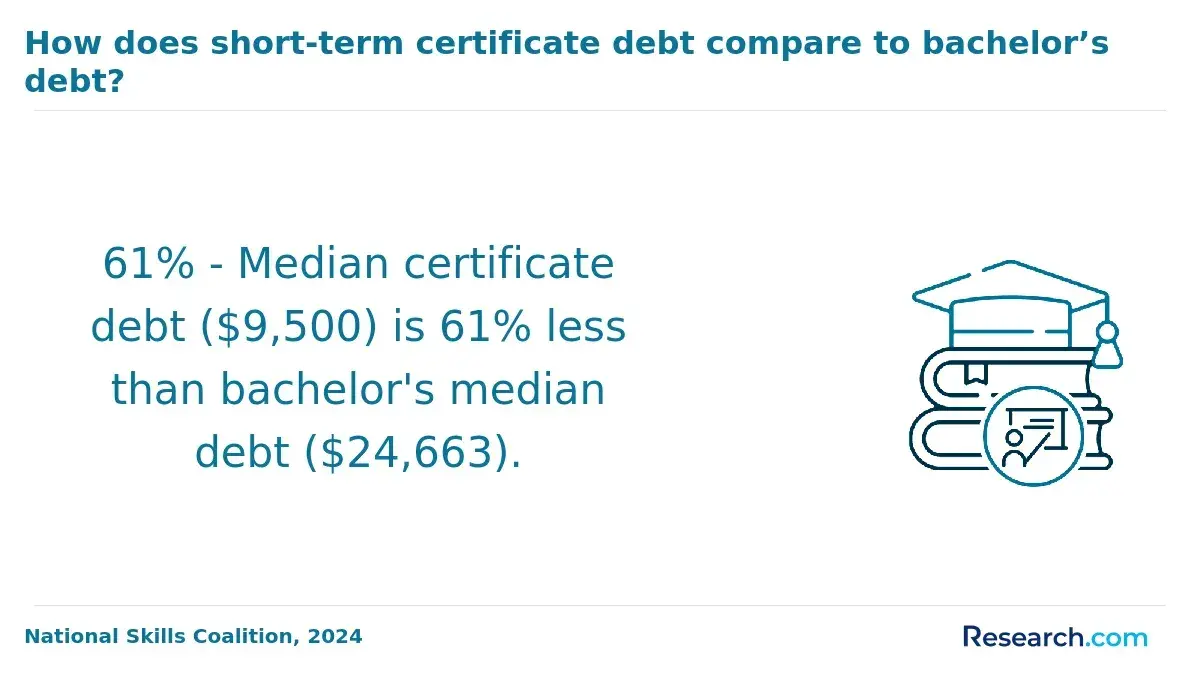
Cost considerations vary widely: public universities charge roughly $7,000 to $15,000 annually for in-state online students, whereas private institutions can range from $15,000 to $30,000 per year. Additional expenses such as technology fees, course materials, and occasional travel for internships or networking further increase total investment. Accelerated or competency-based programs may reduce time and cost but demand significant self-discipline and sacrifice of comprehensive hands-on experience.
Graduates who access programs incorporating real-world case studies and internship opportunities in sports marketing enter sponsorship sales with stronger practical skills and professional networks. Conversely, candidates who prioritize speed and lower tuition often forfeit these advantages, resulting in weaker career foundations and constrained earning potential.
Key tradeoffs to consider include:
- Duration versus depth of sponsorship sales expertise
- Total cost including hidden fees and experiential learning opportunities
- Program quality impact on immediate employability and long-term career trajectory
Choosing a program with transparent costs, embedded internship experience, and a realistic timeline supports a sustainable career pivot in sport management's sponsorship sales sector.
What jobs, salaries, and career paths can sponsorship-focused sport management graduates expect?
Graduates in sponsorship-focused sport management often enter roles such as sponsorship coordinators, partnership managers, and sports marketing analysts, with starting salaries between $50,000 and $65,000. Within five years, professionals demonstrating measurable return on investment (ROI) in sponsorship deals can earn $85,000 to $120,000, though actual compensation depends strongly on employer size and market segment. For instance, roles in major leagues or large agencies command higher pay, while collegiate or minor league positions typically offer less.
Success in this field demands expertise beyond sales-negotiation skills, data analytics, and the ability to navigate legal frameworks are essential. A sponsorship manager juggling multiple contracts under tight deadlines illustrates the need for advanced, data-driven proposal development and cross-functional collaboration. Climbers in this profession who excel may advance to senior roles in global partnership strategy or marketing leadership, earning over $150,000 annually.
The landscape also varies by industry focus. Emerging sports and esports prioritize rapid audience engagement metrics, requiring proficiency in digital measurement tools and offering skill diversification, even if salary growth is slower initially. Geographic location further influences job availability and compensation, with U.S. students in large team markets accessing more lucrative opportunities.
The Johan Cruyff Institute's online postgraduate diploma in sport marketing and sponsorship costs €4,730, representing a moderate benchmark relative to starting salaries and career outlook. Programs integrating practical negotiation experience gain stronger employer endorsement than purely theoretical credentials-and candidates should prioritize such outcomes when evaluating program value.
How can you evaluate and choose the best online sport management program for sponsorship sales?
Evaluating online sport management programs through the lens of sponsorship sales reveals stark differences in career readiness. Programs focused on specialized curriculum-covering sponsorship acquisition, partnership activation, contract negotiation, and digital sales-offer clear advantage over broad sport business degrees that dilute this skill set.
Employers prioritize candidates experienced with industry platforms such as CRM tools, sponsorship ROI analytics, and social media integration. Practical exposure through internships, client projects, or mentorship with active sponsorship sales professionals significantly boosts employability by providing market-relevant experience.
Graduate employment data is pivotal: programs demonstrating strong placement in sponsorship sales or marketing roles align more closely with U.S. labor market trends predicting 6% growth for marketing managers between 2024 and 2034. Candidates should avoid options lacking transparent, up-to-date employment outcomes tied to sponsorship-focused careers.
Logistics matter too. For mid-career pivots, asynchronous or evening classes combined with robust career services enhance flexibility and networking potential within the sports industry. However, prioritizing specialized sponsorship training means accepting a narrower academic focus versus broader sport management degrees, which may delay job readiness.
- Seek programs with targeted sponsorship sales coursework rather than generic sport business classes.
- Confirm integration with CRM and analytics tools essential to sponsorship roles.
- Evaluate tangible graduate employment outcomes tied to sponsorship sales.
- Balance program flexibility with hands-on sales experience and employer connections.
These tradeoffs are critical for professionals aiming to transition effectively into sponsorship sales, where practical skills and direct employer relevance outweigh broad theoretical knowledge.
Other Things You Should Know About Sport Management
In 2027, online sport management degrees often incorporate comprehensive sponsorship sales training that is on par with in-person programs. Digital platforms offer interactive modules and virtual workshops, enabling students to engage deeply with the material. However, real-world networking opportunities might be fewer online, necessitating proactive involvement in virtual events.
Hands-on experience is essential; programs that incorporate internships, live projects, or partnerships with sports organizations provide measurable advantage in the job market. Purely academic coursework without applied sales activities risks leaving graduates underprepared for employer demands in negotiation, client relations, and campaign execution. Prospective students should prioritize degrees that require documented sponsorship sales experience or capstone projects demonstrating tangible results to enhance employability.
Shorter programs offer faster completion and lower opportunity costs but often sacrifice depth in sponsor relationship management and strategic sales skills. Longer, more comprehensive programs usually provide broader industry exposure, networking opportunities, and deeper applied learning but require greater time and financial investment. Choose shorter programs only if you already have practical sales experience or strong industry contacts; otherwise, the comprehensive route better supports long-term career growth in sponsorship sales.
Employers prioritize candidates who can leverage digital marketing tools and analyze sponsorship data to measure return on investment and audience engagement. Graduates who lack competency in CRM software, social media analytics, or sponsorship activation metrics face hiring disadvantages. Programs should emphasize these technical skills alongside traditional sales training; candidates must verify the curriculum includes up-to-date digital analytics and client management technologies relevant to current industry practices.
References
- A Must-Read Guide to Careers in Sports Management https://www.workinsports.com/resourcecenter/jobseeker/pages/a-must-read-guide-to-careers-in-sports-management
- Sports Management Digital https://www.euruni.edu/en/Bachelor-s/Sports-Management-Digital.html
- Online Master’s Degrees in Sports Management: Find the Right School https://www.onlinemastersdegrees.org/best-programs/business/sports-management/
- An Examination of Sport Management Master’s Programs in the United States – The Sport Journal https://thesportjournal.org/article/an-examination-of-sport-management-masters-programs-in-the-united-states/
- How can I enroll in a master's degree in sports management? - INSEEC https://www.inseec.com/en/guides/orientation-guide/how-can-i-enroll-in-a-masters-degree-in-sports-management/
- Types of Sports Management Degrees https://www.allbusinessschools.com/sports-management/degrees/
- BA (Hons) Sports Management (Distance with attendance) - UCFB https://www.ucfb.ac.uk/your-degree/undergraduate-degrees/ba-hons-sports-management-distance-with-attendance/
- Commission on Sport Management Accreditation - (COSMA) https://www.chea.org/commission-sport-management-accreditation
- Sport Management | Culver-Stockton College https://culver.edu/sport-management-online/
- Online Bachelor's In Sports Management: Degree Guide https://ny.norbi.no/norbi-news/online-bachelors-in-sports-management-degree-guide-1767647158