2027 Sport Management Specializations for Event Management Careers

Co-Founder and Chief Data Scientist
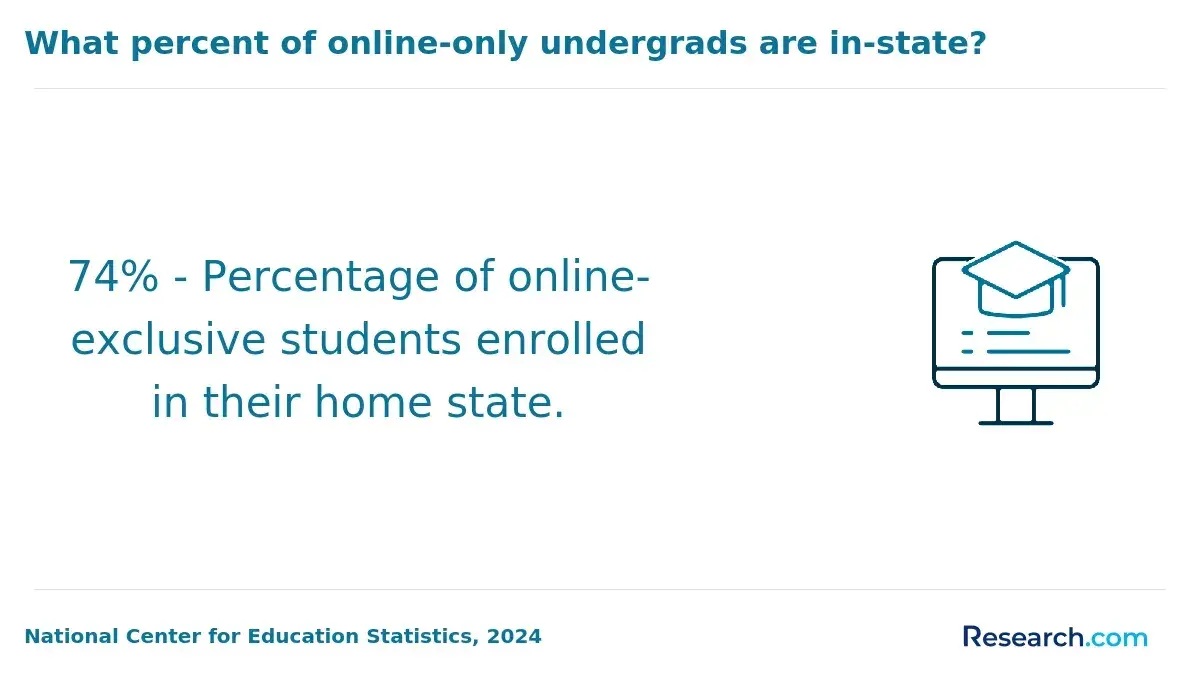
Securing a specialized role in event management within sport management demands navigating increasingly complex employer expectations and shifting educational delivery models. With nearly 60% of U.S. adult learners favoring part-time or fully online study options according to the National Center for Education Statistics in 2024, timing and format flexibility now heavily influence program selection. However, not all specializations equally align with these modalities, affecting how quickly and effectively candidates can upskill or pivot careers.
Understanding which sport management specializations offer accessible pathways without sacrificing market relevance directly impacts employment prospects and long-term advancement. This article will examine current specialization options tailored to event management careers, providing practical guidance to optimize educational investment and career trajectory.
Key Things You Should Know
- Event-focused sport management specializations show a 17% wage premium in venue and event coordination roles yet require two additional years of targeted internships, delaying average career entry age to 25 compared to generalist peers.
- Employers increasingly prioritize candidates with experiential learning in digital fan engagement metrics, raising the bar for event management graduates lacking integrated analytics skills, per 2024 industry hiring data from the National Association of Collegiate Directors of Athletics.
- Specialized event pathways demand higher upfront tuition for certificate programs focused on sponsorship negotiation and risk management, creating a financial barrier that narrows access despite a projected 12% job growth in live sports event planning through 2030 by the U.S. Bureau of Labor Statistics.
What are the most common sport management specializations for event management careers?
Event management careers within sport management demand a blend of operational expertise and strategic insight, with specializations that sharply influence employability and long-term trajectory. Core tracks include event operations, marketing and sponsorship, facility and venue management, and risk management, each requiring distinct skill sets aligned with industry realities.
For instance, a coordinator navigating a multi-day sports tournament must tightly manage logistics—including schedules, vendor relationships, and regulatory compliance—demonstrating the nuanced coordination that distinguishes advanced event operations roles.
Marketing and sponsorship roles extend beyond relationship building to involve targeted campaign development that balances sponsor expectations with fan engagement metrics.
Proficiency in negotiation is essential, reflecting employer preference for candidates who can strategically maximize financial backing. Facility and venue management roles emphasize the economic and regulatory elements of managing physical event spaces, integrating ongoing maintenance and crowd flow considerations.
Risk management professionals focus on preempting safety, legal, and financial liabilities, a practical necessity given the complex insurance landscapes of sports events. Mastery of digital event technologies—like ticketing platforms and live-streaming tools—has become integral, supporting accessibility and data analysis for continuous improvement across all specializations.
The U.S. Bureau of Labor Statistics projects an 8% growth for event planning roles tied to sport management, with about 15,700 openings annually. Employers increasingly favor candidates who marry operational precision with digital literacy and strategic sponsorship management, underscoring the importance of adaptable expertise in common sport management career tracks in event management.
For those evaluating educational pathways, understanding these functional distinctions and workforce demands is critical. Combining practical skills with market-relevant specializations can shape viable career pivots or advancement strategies within sport management event planning specializations. Aspiring professionals may also benefit from resources designed for related roles such as a sports analyst.
How does a sport management degree prepare students for sports event management roles?
Sport management degree programs train students in essential operational, financial, and marketing skills tightly aligned with employer expectations for event management roles. Practical training in sport management for event careers often involves managing complex sponsor relationships, negotiating contracts, and executing strategic event planning under pressure—skills that classroom theory alone rarely instills.
For example, running a mid-size regional tournament demands multitasking vendor contracts, ensuring legal compliance, and performing crisis logistics, all of which rigorous simulations replicate to build workforce readiness.
With global sports sponsorship spending rising to $126 billion in 2024, up from $108 billion in 2022, the demand for graduates versed in budgeting, analytics, and sponsor activations is acute. Companies seek candidates who can measure return on investment for sponsors while managing live event dynamics and fan engagement metrics—areas where blending sport management event planning skills development with emerging digital marketing and data analysis capabilities provides a competitive edge.
The degree also introduces legal frameworks, including labor law and union negotiations, crucial for navigating complex stakeholder environments in professional leagues and international events. However, securing roles that involve real-time media relations, athlete transportation, and security protocols often requires experience beyond academic credentials, emphasizing internships and hands-on learning.
Prospective candidates evaluating this pathway should consider program emphasis on practical training and analytics as well as internships that mirror real-world challenges. For those balancing career shifts, exploring options like the best accelerated project management degree programs online may offer efficiency in acquiring cross-functional event management skills.
What sport management courses and skills are essential for managing major sporting events?
Effective management of major sporting events hinges on mastering operational complexities that few general event programs cover adequately. Sport management courses for major sporting event planning emphasize logistics coordination, such as venue setup, security, and vendor oversight, which are essential to prevent costly delays and maintain safety compliance under tight deadlines and budgets.
For instance, failure to anticipate crowd control challenges can lead to reputational damage and costly operational disruptions.
Essential skills for sport management professionals in event coordination increasingly include real-time data analytics and digital fan engagement. A 2024 Deloitte sports fan survey highlighted that 77% of Gen Z fans favor interactive digital features, making proficiency in tools that track fan engagement indispensable to adapting marketing strategies and boosting attendance during events. This data-driven marketing approach directly impacts revenue streams and fan experience quality.
Financial acumen in budgeting and negotiating contracts is critical due to complex revenue-sharing and sponsorship dynamics. Practical simulations in contract negotiation build communication skills required to mitigate legal risks and settle disputes effectively.
Additionally, crisis and risk management training, centered on emergency response and scenario-based exercises, develops the agility necessary for high-pressure decision-making.
Global events demand compliance with multiple governing bodies and sensitive cross-cultural coordination, including managing international media rights and multilingual teams—skills often overlooked but vital at the Olympic or World Cup level.
Individuals evaluating a bachelor's in project management may find overlapping competencies beneficial, particularly in managing complex timelines and stakeholder communications inherent in sport management event coordination.
Which types of U.S. sport management programs offer focused event management tracks?
U.S. sport management programs with event management specialization predominantly embed their event-focused tracks within broader undergraduate and graduate degree frameworks, requiring students to weigh the depth of specialization against program structure.
For instance, top university sport management - event management tracks in the US frequently appear in public universities with established faculties and private institutions connected to professional sports entities.
These programs vary from offering a bachelor of science in healthcare administration-style BS degree with core event logistics and risk management courses, to M.S. degrees emphasizing sponsorship activation and large-scale event coordination. Employers often prioritize candidates who demonstrate applied competencies in crowd control, vendor coordination, and contract negotiation, reflecting real workforce demands.
The practical workload and employability outcomes hinge on how much direct event management content is integrated into the curriculum versus offered as electives. Students targeting event operations coordinator or stadium event planner roles will find programs with embedded event management tracks expedite their readiness, whereas more generic sport management degrees may require supplemental certifications or extended internships to close skill gaps.
Experience-based internships with pro sports franchises or NCAA stadiums remain a decisive factor due to the industry's growing venue market—forecast to reach approximately $320 billion by 2030 with a compound annual growth rate of about 12%—underscoring the need for venue management and technology fluency.
Prospective students should also explore cross-disciplinary degrees; for example, a bachelor of science in healthcare administration offers transferable operational insights applicable in event risk management within sports venues, presenting a strategic alternative pathway to enhance career flexibility.
How do online sport management programs for event management compare to campus-based options?
Employers in sport management event coordination consistently prioritize candidates with hands-on experience, which campus-based programs are more equipped to provide through internships and live event participation. While online programs offer critical flexibility appealing to working professionals, their reliance on virtual simulations often falls short of replicating the high-pressure decision-making scenarios vital in large-scale sports events.
For example, a student aiming for stadium operations roles needs exposure to live-event workflows that campus programs can directly facilitate, unlike most fully online counterparts.
The global growth of sports tourism—estimated to drive 10-12% of global tourism spending with a 17% annual increase through 2030—intensifies demand for professionals proficient in practical event logistics. This market reality underscores that graduates with embedded internship experiences and regional sports network connections gain a competitive advantage in recruitment.
Options that blend online education with short residencies or practicum weeks can mitigate typical online limitations by combining flexibility with immersive learning. Students focused on digital marketing or sponsorship coordination may adapt well to fully online study because these areas require less direct event-site experience.
Recruiters emphasize demonstrated event coordination competence, favoring graduates who navigate complex real-world environments. Prospective students should scrutinize programs for embedded experiential components rather than selecting primarily based on convenience or format alone.
What accreditation should sport management event management programs have in the United States?
Accreditation choice directly shapes employability for graduates targeting sport management event roles, where industry-specific skills are non-negotiable. The Commission on Sport Management Accreditation (COSMA) serves as the primary specialized accreditor, validating programs that meet precise standards in curriculum, faculty, and continuous improvement—elements regional accreditation alone cannot guarantee.
For employers vetting candidates in sectors like esports—which is forecasted to expand from $1.7 billion in 2024 to $4.3 billion by 2027—COSMA accreditation signals proven competencies in logistics, marketing, finance, and risk management critical to managing complex digital and live event environments.
Choosing a COSMA-accredited program impacts more than credentials: it influences access to internship placements, professional networks, and partnerships with leagues and venues—key factors for breaking into or pivoting within rapidly evolving sport event markets.
Non-accredited program graduates often encounter skill gaps employers actively avoid, which limits not only initial job prospects but also long-term career mobility and profitability.
What are typical admission requirements for sport management degrees with event management specializations?
Admission criteria for sport management degrees with event management specializations prioritize academic consistency and practical capability, directly influencing workforce readiness. Applicants encounter minimum GPA thresholds—commonly 2.5 to 3.0 for undergraduate programs and above 3.0 for graduate studies—paired with requirements for standardized test scores, though exceptions exist for candidates with substantial experience.
Operational proficiency is critical: programs often insist on internships or documented hands-on involvement to verify skills beyond theoretical knowledge. Recommendations from industry professionals serve as critical indicators of a candidate's preparedness for negotiation and logistical challenges in real-world sports event coordination.
A strategic edge arises from understanding evolving sustainability expectations within event ecosystems. For example, IBM Institute for Business Value research reveals that 84% of sports fans factor venue sustainability into attendance decisions, while 71% accept premium pricing for greener events. Candidates who integrate environmental responsibility into their application narratives can better align with employer and stakeholder priorities.
International applicants face added dimensions like language proficiency testing (TOEFL/IELTS) and visa verification, affecting their admission trajectory. Those transitioning from unrelated careers must also weigh the limits of post-baccalaureate certificates against the need for expansive industry networking to increase employability in a competitive market.
How long do sport management event management programs take, and what do they cost?
Choosing a sport management event management program requires balancing time, cost, and outcomes against clearly defined career objectives. Associate degrees offer a two-year path costing roughly $6,000 to $15,000 at public community colleges, suitable for entry-level roles demanding foundational knowledge.
Bachelor's degrees extend over four years with tuition between $20,000 and $60,000, providing broader strategic and operational insights valuable for leadership positions in multifaceted sporting venues.
Shorter certificate programs, lasting 6 to 12 months and costing $3,000 to $8,000, cater to professionals seeking a targeted pivot, such as entry or mid-level stadium event logistics roles. These often include focused practical training but may lack extensive management theory.
Master's degrees, spanning 18 to 24 months and priced from $25,000 to $50,000, typically integrate analytics and technology applications, enhancing competitiveness as the sports analytics market expands rapidly, projected to grow from $4.5 billion in 2023 to $22.1 billion by 2030.
Employers prioritize candidates with demonstrated practical skills, especially those gained through internships or real-world event operations experience. Hidden costs—technology fees, licensing, travel, and opportunity cost—must also factor into budgeting decisions. Online or part-time formats can stretch program length but ease financial strain.
What sport event management jobs, salaries, and career paths can graduates pursue?
Starting salaries for graduates specializing in sport management with a focus on event management typically fall between $45,000 and $70,000 but vary by organizational scale and market size. Mid-career roles, particularly within major leagues or international events, command between $75,000 and $120,000.
A notable growth area lies in stadium security management, fueled by projected spending exceeding $20 billion annually by 2027 on advanced security technologies, from surveillance systems to biometric access controls, requiring specialized technical knowledge.
The industry's fragmentation means career trajectories diverge notably:
- Collegiate athletics emphasize compliance and academic coordination.
- Professional sports stress vendor negotiation and rapid crisis response.
- Security positions demand integration with law enforcement and mastery of regulatory frameworks.
Employers prioritize candidates with tangible experience in event technology, risk assessment, and logistics management under pressure. Internships combining sport management with cybersecurity or operations research enhance marketability but come with lifestyle tradeoffs like extended work hours during event seasons and navigating unionized labor environments in professional leagues.
Leadership roles now require a hybrid of event management, business analytics, and security protocol expertise to address complex, evolving security demands across event scales. Adapting to digital ticketing platforms and biometric innovations is essential for sustaining relevance.
How can students choose a reputable sport management school for event management careers?
Selecting a sport management program for event management careers requires scrutinizing tangible graduate outcomes over promotional claims. Graduate employment data in event roles, preferably confirmed by recent workforce statistics or industry reports, is a key indicator because the median U.S. sports event manager salary hovers around $93,443 annually, with senior positions surpassing $120,000, as per ZipRecruiter, referenced in a 2024 Les Roches sports and event management overview.
Programs emphasizing practical skills—such as real-world event planning, sponsorship negotiations, and crisis management—offer a measurable advantage compared to theory-heavy curricula. Internships with professional sports leagues or event companies correlate strongly with higher placement rates and salary entry points. The active industry involvement of faculty is another critical criterion that can improve current knowledge transfer and networking access.
Location logistics matter: programs embedded near metropolitan sports hubs provide better internship and job opportunities than isolated campuses lacking solid local connections, which impose hurdles for students relocating cross-country. Furthermore, accreditation and flexibility for working students deserve consideration.
The curriculum's responsiveness to emerging sectors like esports or hybrid events is a practical necessity. A program that resists updating risks producing graduates ill-prepared for evolving market demands, ultimately limiting employability and earning potential.
Other Things You Should Know About Sport Management
Employers in sport management event roles prioritize hands-on experience due to the fast-paced, unpredictable nature of the work. While academic credentials validate theoretical knowledge, internships, cooperative education, and real event participation directly impact employability and career progression. Programs that integrate substantial practical components or partnerships with industry organizations provide candidates with a clear advantage over those focused mainly on classroom learning.
In 2027, current sports industry trends like digital transformation and sustainability are driving changes in sport management curricula. Programs now emphasize competencies in digital tools and eco-friendly practices, ensuring graduates are prepared for emerging roles in event management that require these modern skills.
Choosing a program with robust local industry connections allows immediate access to internships and regional job markets, which benefits early career entry. However, nationally known programs may offer broader networking opportunities and brand recognition that can open doors beyond the local scene. When targeting specific markets or teams, local relevance should take precedence; for wider career mobility, program reputation and alumni networks carry more weight.
References
- Sports Event Management: A Short Guide | SafetyCulture https://safetyculture.com/topics/event-management/sports-event-management
- Sports, Culture & Event Management https://www.fh-kufstein.ac.at/en/master/sports-culture-event-management-pt
- Top Reasons to Choose a Bachelor in Sports Management at EU... https://www.euruni.edu/blog/top-reasons-to-choose-a-bachelor-in-sports-management-at-eu-business-school-barcelona/
- An Examination of Sport Management Master’s Programs in the United States – The Sport Journal https://thesportjournal.org/article/an-examination-of-sport-management-masters-programs-in-the-united-states/
- Online Sports Management Degree Database | Compare Schools https://sportsmanagementdegrees.net/
- Sports Event Manager | AMOS | Sports Event Project Manager https://www.amos-business-school.eu/en/job/sports-event-manager/
- Course leader Q&A: Click or commute? Online or in-person sports management courses https://www.sportbusiness.com/2025/09/course-leader-qa-click-or-commute-online-or-in-person-sports-management-courses/
- Sports Management Careers https://www.torrens.edu.au/studying-with-us/employability/career-advice/business/sports-management
- The Institute for Event Management https://www.theinstituteforeventmanagement.com/us/en/accreditations
- Top 30 Bachelor's Degree Programs in Sport Management for 2018 https://www.sports-management-degrees.com/best-bachelors/