2027 First Sports Business Roles for Revenue-Oriented Professionals

Co-Founder and Chief Data Scientist
Emerging professionals seeking their initial roles in sport management face an acute challenge: balancing the demand for revenue-driven expertise with limited entry-level openings that simultaneously require proven business impact. Data from the National Center for Education Statistics reveals a 17% surge in adult enrollment in flexible, online business programs since 2023, reflecting shifting candidate priorities toward adaptable learning that supports immediate workforce entry.
This growth highlights a broader friction-traditional degree paths often delay practical experience critical for revenue roles, while accelerated alternatives risk insufficient industry immersion. This article examines actionable pathways and hiring realities, equipping readers to navigate their first sport business roles with strategic clarity.
Key Things You Should Know
- Federal Labor Statistics show sport management roles with a revenue focus grew 12% from 2022-2025, pressuring entrants to pursue costly specialized credentials, delaying workforce entry by an average of 18 months.
- Employer surveys reveal 68% prioritize candidates with analytics and digital marketing proficiencies over general management degrees, forcing students to weigh niche skill acquisition versus broader business foundations.
- The median salary difference between candidates with direct sport management revenue experience and those without is $15K annually, creating a tradeoff between early hands-on roles and longer academic pathways.
What are the first revenue-focused sports business roles?
Revenue-focused entry-level sports business roles demand a technical fluency that transcends traditional sales capabilities. Ticket sales representatives must now optimize pipelines using CRM tools and data analytics, mirroring how top revenue-focused positions in sports management increasingly emphasize measurable fan engagement converted to income.
Sponsorship coordinators carry the dual responsibility of negotiating brand contracts and leveraging market data to align sponsor goals with event demographics, a critical competence in environments where brand visibility drives budget decisions. Partnership managers in larger organizations integrate sponsorship, media rights, and merchandising, revealing how revenue roles require an expansive understanding of multi-channel collaborations beyond basic ticketing.
As consumer trends shift, digital marketing analysts specializing in content monetization and premium memberships illustrate how revenue diversification demands continuous skill adaptation. For instance, teams experimenting with augmented reality experiences rely on professionals who can translate tech deployment into monetization strategies.
Those assessing these roles must consider educational tradeoffs: specialized certifications in ticketing systems expedite entry but limit scope, while broader business credentials underpin advancement potential. Strategic internships at major league venues-where real-world stakeholder negotiations and dynamic revenue cycles are routine-enhance employability more than classroom theory alone. Prospective students exploring an online sports management bachelor's degree should weigh these operational realities carefully when targeting entry-level sports business roles for revenue growth.
What education do sports business employers prefer?
Employers hiring for sports business roles in 2026 prioritize candidates holding a bachelor's degree in sport management, business administration, marketing, or finance to meet complex industry demands. With global sports sponsorship spending expected to reach $138 billion in 2024 and growing annually by 6.7%, a deep understanding of commercial partnerships and digital media monetization is essential.
Those lacking formal education in these areas face significant challenges in navigating industry-specific terminology and technical skills, which are prerequisites for revenue-oriented positions. Preferred qualifications for sports business employers in the US increasingly emphasize proficiency in data analytics and financial modeling.
For instance, a sports marketing analyst at a major league team relies on interpreting sponsorship data with advanced Excel or CRM tools to optimize contract renewals and maximize ROI. While certifications and short courses offer some value, they rarely replace a relevant four-year degree when targeting initial revenue-focused roles.
Employers further seek candidates with internships or cooperative education experiences within sport-related business environments, providing hands-on exposure to revenue streams and partnership management. This educational focus creates barriers for professionals pivoting from unrelated fields, who must often balance part-time study and find programs offering industry-specific practicum placements.
Securing such applied experience is critical, as employers weigh demonstrated practical learning more heavily than theoretical knowledge alone. Those evaluating this pathway should consider the operational demands and workforce realities embedded in sports business degree requirements in North America, weighing the tradeoffs between credentialing routes and practical opportunities. For alternative accelerated education options relevant to complex business fields, prospective students might consult resources like the best online construction management degree.
How do you choose an accredited sport management program?
Choosing accredited sport management programs in the United States requires a sharp focus on industry alignment rather than reputation alone. A program's accreditation by bodies like the Commission on Sport Management Accreditation (COSMA) ensures baseline quality, but employer recognition hinges on how well curricula integrate practical experiences such as internships with leagues, sports franchises, or commercial gaming firms.
With U.S. commercial sports betting revenue forecast to rise 44.5% to $14.7 billion, programs that embed specialized knowledge in regulated sports betting compliance and analytics provide distinct advantages for revenue-focused careers. For example, a professional targeting agency or operational roles in esports and betting must prioritize programs with direct industry partnerships rather than those emphasizing solely collegiate athletics.
Employers increasingly seek candidates with competencies in data analytics, legal frameworks, and media relations-especially where these skills translate to measurable revenue outcomes. Graduates benefit from transparent programs that publish employment rates and salary data, enabling informed decisions about long-term ROI.
Program structure matters: full-time students gain from campus networking, while working professionals need flexible, hybrid, or online tracks with focused certifications. Caution is warranted against programs with excessive general education delaying critical upskilling for fast-moving sectors.
Students evaluating such pathways should also explore related fields; for instance, exploring a health information management degree online can offer complementary expertise depending on career goals. In sum, selecting top sport management degrees for revenue-focused careers demands careful alignment between curriculum, market demand, and one's professional context to avoid investing in credentials with limited access to emerging commercial roles.
Should you choose online, hybrid, or campus sport management?
Choosing between campus, hybrid, or online sport management programs requires weighing tradeoffs in employer expectations, practical exposure, and personal circumstances. Campus programs remain the benchmark for roles tied to substantial media rights revenue-$32.4 billion in 2023-as they provide direct networking, internships, and face-to-face collaboration with leagues and agencies.
Graduates from these programs often enter revenue-centric roles equipped with critical industry connections and applied skills. Hybrid programs represent a strategic middle ground, blending online learning flexibility with scheduled in-person experiences that support networking and real-world project engagement.
Such programs are well suited for professionals pursuing hybrid versus campus sport management programs comparison, especially those balancing current employment while aiming for career shifts. Success here demands disciplined time management to integrate both online and offline components effectively.
Fully online formats offer accessibility but typically lack the immersive environments valued by employers in top-tier sports industries negotiating complex media deals and events. Candidates pursuing an online sport management degree benefits for revenue professionals working in digital marketing or smaller firms can succeed if they supplement coursework with external internships and local industry engagement.
For example, a professional targeting a media rights analyst position in a major league should prioritize campus or hybrid programs, which facilitate mentor access and live projects. Working professionals interested in specialized roles might explore online alternatives, ideally paired with internship opportunities.
Consider practical factors such as commuting, current work obligations, and internship placement success rates when evaluating programs. Prioritize programs demonstrating outcomes linked to live client engagements that go beyond academic theory. Additionally, exploring related fields like online PMHNP programs can provide insight into modern online professional education models combining flexibility and focused skill acquisition.
What courses are common in sport management degrees?
The practical value of sport management coursework lies in its alignment with distinct workforce roles that demand specialized competencies rather than generalist knowledge. For example, students targeting sports data analyst careers must master advanced statistical methods and database management, reflecting the sector's rapid data monetization and a projected market increase from $4.6 billion in 2023 to $22.1 billion by 2030, per Fortune Business Insights.
In contrast, those aiming for facility director roles benefit more from operational logistics and contract law expertise, highlighting the necessity of tailoring course selection to specific job functions. Core classes typically include sports analytics-teaching predictive modeling and data visualization for evidence-driven decision-making-and financial management focused on budgeting, revenue optimization, sponsorship valuation, and ROI under fluctuating market conditions.
Legal and ethical issues courses underscore contract negotiation, compliance, and labor relations, minimizing risks from regulatory pitfalls employers rigorously scrutinize. Marketing and fan engagement emphasize brand strategy and consumer behavior analytics, essential for revenue growth through ticket and merchandise sales.
Facility and event management cover logistics coordination and vendor relations, critical for maximizing venue profitability amidst changing audience demands. Governance courses address organizational frameworks and stakeholder management, vital for interface roles with leagues and sponsors. Students should critically evaluate curricula: gaps in hands-on data or leadership training can sharply reduce employability in a data-intensive industry where practical skillsets outweigh theoretical breadth.
What admission requirements do sport management programs ask for?
Admission into sport management programs involves a precise balance of academic credentials and demonstrable industry-relevant experience, heavily influencing post-graduate employability within a sector forecasted to expand to $3.7 trillion by 2030. Bachelor's applicants typically must present a high school diploma or GED with a minimum GPA near 2.5 to 3.0 and relevant coursework in business, economics, or kinesiology to align with employer expectations.
Graduate programs demand a related undergraduate degree, at least a 3.0 GPA, and often GMAT or GRE scores to assess quantitative aptitude, particularly for MBA tracks focused on sport business. Employers favor candidates with verifiable experience in sports revenue generation, marketing, or event coordination.
Practical exposure, such as documented internships, carries significant weight compared to purely academic records. For instance, professionals pivoting mid-career who lack direct sport industry experience need to convincingly connect their management skills in adjacent sectors like hospitality to sports revenue ecosystems, demonstrating transferable value.
Early application submission is pivotal, as late entries reduce access to fellowships and networking opportunities that are often competitive gateways to higher-level roles. Part-time and online program candidates must supply employer support letters to evidence commitment and realistic workload management.
Candidates should compile nuanced evidence of both academic readiness and applied revenue-management expertise to navigate increasingly selective admissions landscapes. Admission criteria reflect a strategic emphasis on managing the evolving operational demands of a $2.3 trillion global sports economy, requiring skills in data analysis, negotiation, and strategic planning aligned with practical revenue outcomes.
How long does a sport management degree take and cost?
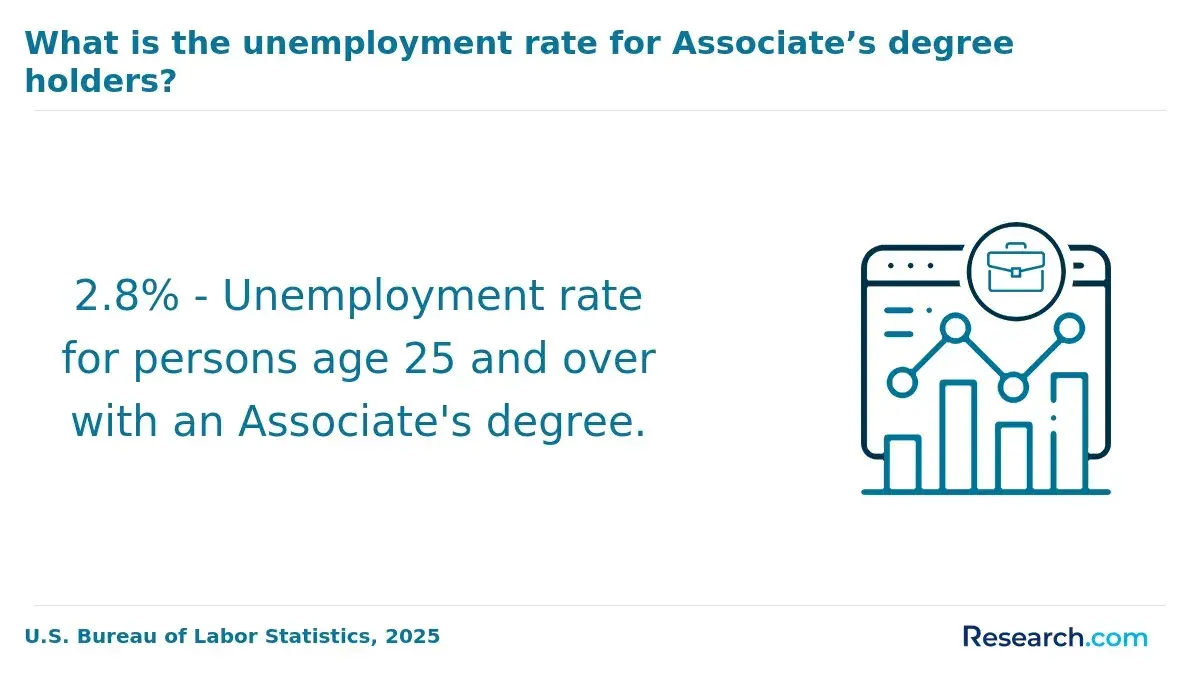
Completing a bachelor's degree in sport management typically requires four years and costs between $20,000 and $80,000, depending on residency and institution type. Associate degrees or certificates shorten study time but limit access to mid-level roles that emphasize revenue management.
Graduate programs add two years and can exceed $50,000, raising the financial and time investment significantly. A critical consideration is how these academic pathways align with employer expectations in revenue-driven sectors, especially given the rapid growth of esports, where revenues jumped from $1.1 billion in 2019 to a projected $4.3 billion by 2024.
This demands graduates who understand digital sponsorships and media rights, illustrating why hands-on experience and network access often weigh equally with formal education. Prospective students should evaluate opportunities for internships or entry-level roles concurrent with study to demonstrate operational knowledge to employers.
Programs embedding experiential learning or industry partnerships provide tangible advantages but vary widely in cost and quality. Additionally, the opportunity cost of full-time study versus accelerated or part-time credentials must be factored into decision-making. Career switchers must critically assess how specialized sport management coursework compares to broader business education for managing sponsorships, ticket sales, and emerging revenue channels in a shifting marketplace.
What sports business jobs lead to revenue growth?
Revenue growth within sport management most directly hinges on roles that convert strategic insights into measurable income, notably sales management, corporate partnerships, digital marketing, and media rights negotiation. Sales managers who handle ticketing and sponsorships generate immediate income by translating marketing initiatives into tangible financial returns.
Corporate partnerships focus on long-term brand alignment to stabilize revenue, a critical skill as women's sports earnings are predicted to rise sharply to $2.35 billion by 2025, intensifying demand for sponsorship expertise tailored to emerging audience segments. Digital marketing specialists drive fan engagement through data analytics, which influences merchandise and advertising revenue streams.
Media rights negotiators secure broadcast deals that can increase league income by double digits annually, particularly in mid-sized markets where multi-platform proficiency multiplies value. Key workforce challenges include mastering contract law nuances, CRM software fluency, and digital audience metric interpretation.
Practical learning methods-internships and project-based coursework emphasizing deal structuring and ROI-better prepare candidates to meet employer expectations. These factors significantly influence career pathways and hiring decisions in a competitive sponsorship environment evolving alongside shifting economic priorities in sports business.
What salary and job outlook do sports business roles offer?
Entry-level roles in sports business in 2026 typically offer salaries between $45,000 and $65,000 annually, but this range varies significantly by region, employer type, and specialization. Positions focused on marketing and Name, Image, and Likeness (NIL) management tend to command higher starting pay due to the swiftly expanding athlete NIL market, which saw compensation rise from $1.17 billion to an estimated $1.67 billion within one academic year.
This growth creates heightened demand for professionals adept at contract negotiation, digital marketing, compliance, and athlete branding. Employers now weigh practical experience and direct involvement with digital rights and endorsement deals more heavily than academic qualifications alone.
For example, a candidate in collegiate sports marketing must engage with complex compliance frameworks and coordinate with legal teams and brand managers to structure effective deals, making hands-on internships and NIL-informed sport management programs vital. Key competencies that distinguish candidates include quantitative analysis, relationship building, and vendor negotiation skills.
Salaries in professional team operations or sports agencies can surpass $75,000 within five years when supported by proven NIL expertise and measurable revenue impact. However, volatility in endorsement markets and a limited number of full-time positions demand flexibility and ongoing skill enhancement.
What certifications help sports business professionals advance?
Certification in sport management often demands a nuanced balance between industry-specific expertise and practical business acumen, with credentials targeting distinct functions like event management or financial analytics. For example, the Certified Sports Event Executive (CSEE) and Certified Sports Marketing Professional (CSMP) emphasize skills impacting fan engagement and ticket sales-critical in international markets where top global leagues generated $7.9 billion in revenue in 2023, accounting for nearly 10% of their total income.
Professionals seeking roles in sports finance or sponsorship must often pursue less prevalent but specialized certifications like the Chartered Financial Analyst (CFA) or Certified Revenue Management Executive (CRME). These credentials enable candidates to apply data-driven pricing strategies and optimize contract negotiations, which become vital as teams expand internationally.
One practical challenge is that sport management graduates without supplemental business credentials may struggle to enter elite revenue-focused roles, while general business professionals need sports-specific certifications to be competitive. Employers expect measurable return on investment from certifications, valuing curriculum relevance and alumni success over mere accreditation.
Effective credential choices align closely with the dynamics of a global sports economy projected at $80.6 billion, emphasizing roles that enhance revenue streams and market expansion. This means candidates must evaluate how certifications address both operational realities and strategic market shifts, rather than treating them as interchangeable badges.
Other Things You Should Know About Sport Management
Employers prioritize practical skills like negotiation, data analysis, and digital marketing over theoretical knowledge alone. Strong networking abilities and experience with CRM or ticketing software directly impact revenue growth and client relations. Candidates who demonstrate measurable project results and real-world sales or sponsorship experience outperform those with purely academic backgrounds.
Entry-level roles often require long hours, including nights and weekends, especially during event seasons or contract negotiations. The workload is cyclical but intense, demanding flexibility and resilience. Prospective professionals should prepare for tasks spanning client engagement, operational logistics, and data reporting simultaneously, which requires strong time management and prioritization skills.
Practical experience carries greater weight with most employers than GPA, particularly internships involving revenue generation, sponsorships, or ticket sales. Selecting programs with strong industry partnerships that facilitate internships or project work will provide a competitive advantage. Prioritize opportunities that develop business acumen and client-facing skills to accelerate transition into revenue-focused roles.
In 2027, top sports business roles for revenue-focused professionals include Sales Strategist, Partnership Development Manager, and Data Analytics Specialist. These roles emphasize generating revenue through strategic sales approaches, building and maintaining corporate partnerships, and leveraging data analytics to drive decision-making and increase profitability.
References
- Sports Management Bachelors | Sports Management Worldwide https://www.sportsmanagementworldwide.com/sports-management-bachelors-degree
- Online Sports Management Degree Database | Compare Schools https://sportsmanagementdegrees.net/
- Sports Management Careers: Paths, Jobs, and Outlook https://pathwise.io/careers-in-sports-management/
- Why a Sports Management Degree Will Separate you from the Crowd https://www.workinsports.com/resourcecenter/jobseeker/pages/why-a-sports-management-degree-will-separate-you-from-the-competition
- Sports Management Certifications https://gaqm.org/certification/sports-management
- Insights https://www.iworkinsport.com/insights/5-new-types-of-jobs-in-sports
- The history of Sport Business | Global Sports https://www.globalsportsjobs.com/careershub/the-history-of-sport-business
- Sports Management Salary Guide https://www.allbusinessschools.com/sports-management/salary/
- 73 Jobs You Can Get With a Sports Management Degree: A Guide https://www.salemu.edu/blog/sports-recreation-management-careers/
- Sport Management Universities abroad I AMOS https://www.amos-business-school.eu/en/sport-management-partner-universities/