2027 Online Sport Management Degrees With Ticketing and Revenue Career Alignment

Co-Founder and Chief Data Scientist
Professionals aiming to enter or advance within sport management face a persistent challenge: aligning educational investments with the rapidly evolving demands of ticketing and revenue generation roles. With over 40% of adult learners now enrolling in online programs according to the National Center for Education Statistics, flexibility in education schedules has become indispensable for those balancing work and study.
Yet, not all sport management degrees integrate specialized training in revenue operations, creating a gap between academic credentials and practical, employer-valued skills. This article examines online sport management degrees that directly address ticketing and revenue career pathways, helping prospective students identify programs that optimize career outcomes without unnecessary detours.
Key Things You Should Know
- Ticketing and revenue integration in sport management degrees lifts median entry salaries by 15%, yet adds 20% more coursework hours, creating a cost-time tradeoff impacting part-time learners disproportionately, data from the National Center for Education Statistics shows.
- Employers in pro sports prioritize candidates with hands-on ticketing software experience over broad sport management credentials; a 2024 Sports Business Journal report links such skills to 30% higher promotion rates within three years.
- Programs including advanced revenue analytics certifications compress upskill timelines by 25%, but limit elective flexibility, pressuring students balancing career pivots and full-time jobs, per the Department of Labor's 2024 workforce trend analysis.
What is an online sport management degree with a focus on ticketing and revenue?
An online sport management degree with ticketing specialization targets the nuanced intersection of event monetization and operational strategy, an area where graduates must balance maximizing revenue with maintaining fan accessibility. With the global sports market poised to grow from $512 billion to $623 billion by 2027, professionals equipped with skills in dynamic pricing and secondary market analytics will find roles shaped by real-time decision-making rather than static business models.
This specialization demands strong quantitative capabilities, such as revenue forecasting and CRM-based sales tactics, embedded within sport management programs focused on event revenue and ticket sales. For instance, a major league team analyst adjusts ticket prices dynamically during high-demand games, navigating revenue goals alongside fan engagement priorities. Conversely, venue managers integrate ticketing systems with sponsorships and promotional campaigns, highlighting the operational tradeoffs between analytics depth and marketing breadth.
Students must weigh program offerings based on access to industry-standard platforms like Ticketmaster, internship opportunities within revenue-focused business units, and the rigor of data analysis training. Employers expect fluency in financial modeling combined with practical software proficiency. This pathway involves demanding workloads tied to consumer behavior analytics and cross-department collaboration, prerequisites for ascending to leadership roles as the sector's financial landscape expands.
For individuals considering further specialization or a broader healthcare focus within management education, exploring options such as a PhD in healthcare management can provide complementary leadership skills applicable across complex organizational environments.
How do online sport management programs compare to campus options for ticketing careers?
Choosing between campus and online sport management degree programs for ticketing careers hinges largely on how students acquire practical experience. Online programs offer unmatched flexibility, which suits professionals balancing job demands, yet they rarely embed internships or live event exposure essential for real-world ticketing expertise. In contrast, campus options provide direct access to event operations and networking opportunities, critical because employers-especially in major leagues and entertainment venues-favor candidates with proven hands-on skills managing point-of-sale systems and stakeholder relations.
For example, campus students often secure internships at local stadiums, gaining supervised experience in crowd and revenue management, while online students must seek external fieldwork actively to offset the lack of embedded practical components. This gap challenges online learners to independently cultivate negotiation and communication abilities typically developed through on-site collaboration.
Employment projections for entertainment and sports occupations anticipate a 6% growth from 2024 to 2034, adding roughly 108,900 annual openings, many tied to data-driven revenue management roles. This growth intensifies competition for entry-level positions, which demand proficiency in real-time event coordination and revenue optimization.
Online sport management degree programs for ticketing careers must integrate advanced analytics, simulations, and industry software training to build relevant competencies. Prospective students might also explore resources like an online bachelor's in construction management to broaden project management skills applicable across event settings.
What accredited online sport management degrees prepare graduates for ticketing and revenue roles?
Accredited online sport management degrees that target ticketing careers must go beyond general theory to integrate applied skills in sales strategies, sponsorship negotiations, and data-driven revenue optimization. Programs from regionally accredited institutions often embed coursework in event marketing, CRM software, and analytics, aligning directly with employer demands for candidates adept at managing ticketing operations, dynamic pricing, and partnership activations. Graduates entering ticketing roles face real-world pressures to maximize attendance and revenue within volatile market conditions, making technical proficiency in digital ticketing platforms and sales forecasting essential.
Hands-on experience remains a differentiator: programs that incorporate internships or project work with sports franchises and entertainment venues better prepare students for the revenue cycle management responsibilities encountered in professional settings. Candidates frequently must analyze sales data daily to adjust pricing strategies or forecast revenue impact, skills sometimes taught through advanced electives or embedded certificates.
Sales managers working in ticketing and sponsorship roles earned a median annual wage of $138,060 in 2024, reflecting the tangible economic value of outcome-oriented education focused on sponsor activation and contract management. For prospective students weighing accredited sport management programs focused on revenue generation roles, a critical evaluation factor is the curriculum's integration of both revenue analytics and ticketing technology alongside applied learning opportunities and industry networking.
Such rigor is especially important for those seeking strategic pivots or advancement into sales leadership, where the immediate demand for technical competence and strategic revenue insights can outpace what a generic program delivers. In assessing career options, candidates should also consider related pathways-the question of what jobs can you get with a project management degree offers perspective on transferable skills and alternatives to purely sport-focused degrees.
What courses and skills in sport management degrees lead to ticketing and revenue jobs?
Ticketing and revenue roles within sport management degrees demand specific applied financial skills, including dynamic pricing algorithms and sales strategies tailored to real-world attendance fluctuations. Programs focused on sport management degrees with ticketing and revenue focus in the United States often train students in advanced revenue forecasting and integrated CRM systems that employers prioritize for operational efficiency in high-demand and secondary markets.
Hiring managers emphasize practical proficiency in financial reporting and sales data interpretation, supported by case studies and internships, as these skills directly influence pricing strategies for playoff games or major event dates. Candidates must balance quantitative analysis with negotiation and communication abilities, enabling cross-department collaboration in marketing, finance, and operations.
A common scenario involves metropolitan teams using sales velocity metrics and competitor pricing through dynamic software to optimize both profitability and fan experience. Graduates with specialized training in ticket sales and revenue generation are positioned to leverage their expertise amid market complexities spanning large stadiums to smaller venues.
Within this spectrum, coursework that integrates sponsorship valuation and marketing analytics equips candidates for nuanced tradeoffs affecting revenue streams. Data from the University of Kansas suggests earnings grow by about 20% from bachelor's to master's levels, while those holding a master's degree earn more than double individuals without a high school diploma.
For professionals exploring further credential options, programs such as online BSN programs for non nurses illustrate the varied pathways available for career pivots beyond traditional tracks.
What are the admission requirements for online sport management programs in the United States?
Admission standards for online sport management programs reflect practical workforce demands and vary significantly by institution. Bachelor's programs universally require a high school diploma or GED, while master's-level entry mandates a completed undergraduate degree.
Transcripts must verify completion of prerequisite coursework like business fundamentals or marketing, with many programs enforcing a minimum GPA around 2.5 to 3.0. Standardized tests like the SAT or ACT are increasingly optional, though some competitive graduate programs still weigh GRE scores to assess analytical and quantitative abilities.
Professional experience tied to revenue management, ticketing, or sports operations can substitute or strengthen applications, especially for mid-career candidates seeking relevance in a digital-driven sports sponsorship market expected to hit $160 billion globally by 2030. Letters of recommendation and personal statements remain key components for evaluating candidate motivation and industry alignment.
Yet, digital literacy and technology access have become essential prerequisites, given the reliance on complex ticketing and revenue management software in curricula. Candidates without direct revenue or ticketing experience often face mandatory bridge courses, extending time and cost to degree completion.
Programs may also screen applicants' time-management skills through questionnaires or interviews, anticipating that asynchronous learning demands disciplined self-direction. Those weighing this educational path should balance immediate professional experience gaps against market-driven credential requirements and the operational realities of integrated digital platforms.
How long do online sport management degrees take and what do they cost?
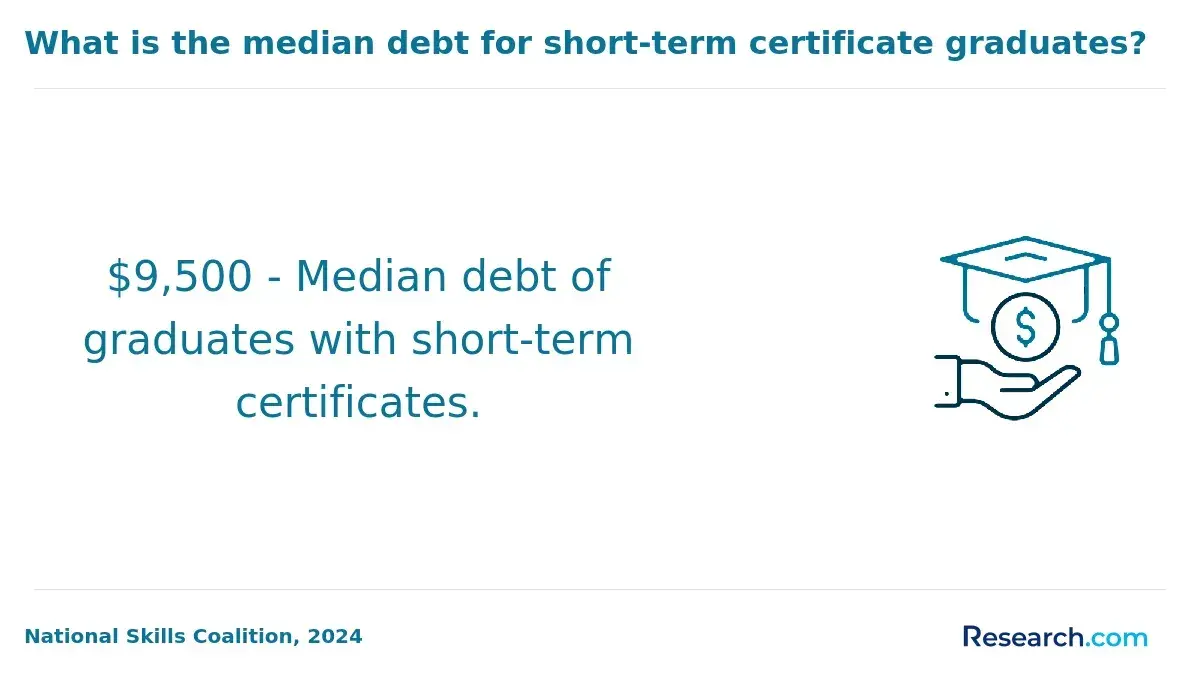
Choosing the right sport management degree requires balancing time investment against market relevance and cost. Associate degrees take about two years, enabling quicker entry but often limiting advancement without further study. Bachelor's degrees require around four years and considerable tuition costs, ranging from $20,000 to $60,000, with private institutions typically at the higher end.
Master's programs, lasting 18 to 24 months, target advanced roles but can cost $15,000 to $40,000. Working professionals frequently opt for part-time study, which stretches completion to 3-5 years, risking delayed income growth and interrupted career momentum.
Financial aid and employer tuition reimbursement mitigate upfront costs but involve complex eligibility hurdles. Employers increasingly demand hands-on skills in ticketing and revenue management, areas reflecting over 80% curriculum expansion according to recent research.
Graduates emerging without focused expertise in these topics may struggle compared to peers, highlighting the importance of program selection aligned with evolving workforce needs. For practical guidance on navigating program costs and curriculum fit, see the Sport Sales Education insights that reflect these workforce shifts and educational trends.
What ticketing, sales, and revenue management careers can sport management graduates pursue?
Graduates entering sport management roles focused on ticketing and revenue face a complex balancing act: maximizing event income without eroding fan loyalty through aggressive pricing. For instance, a ticket sales manager at a mid-size franchise integrates data analytics to segment customers, balancing season ticket bundles against dynamic single-game offers to avoid underutilized venues or lost revenue.
This requires continuous calibration informed by fluctuating market demand and fan engagement metrics. Revenue management in sport demands fluency with CRM platforms and real-time pricing software adapted from sectors like airlines and hospitality but adjusted for seasonal and competitive event schedules.
These roles demand collaboration across marketing, finance, and operations-often a challenge for graduates navigating interdepartmental priorities while optimizing sales activation and customer experience. Over 40% of U.S. higher education students took online courses in 2024, illustrating the growing emphasis on digital proficiency crucial for mastering ticketing platforms remotely.
This shift necessitates disciplined self-direction and advanced technical skills to maintain competitiveness. Employers prioritize candidates capable of data-driven decision making, interpreting fan demographics and purchasing trends to develop dynamic pricing and ticket bundle strategies. Essential tools include Salesforce, Tessitura, and Archtics, paired with financial acumen to sustain profitable event cycles without alienating customers.
What salary ranges and earning potential exist in sport ticketing and revenue management?
In sport ticketing and revenue management, compensation varies widely based on role complexity and market size, with entry-level salaries around $50,000 and senior positions exceeding $120,000 annually. Facilities managers, who oversee venue operations and are closely related to this field, reported a median wage of $106,880 in 2024, providing a useful benchmark for top-tier earnings.
Early-career roles like ticket sales or revenue coordination typically offer $45,000 to $65,000. Moving into managerial positions requires proficiency in dynamic pricing models, data analytics, and client relationship management, which can increase salaries into the $75,000-$90,000 range. At NFL or NBA venues, revenue managers often surpass $100,000 due to the complexity and impact of managing multiple revenue streams such as sponsorships and concessions.
The critical tradeoff in this sector lies between mastering technical ticketing and revenue optimization tools and exercising strategic oversight over diverse income sources. Employers prioritize candidates who combine operational acumen with analytical rigor, as lacking either skill can limit professional growth and earning potential.
From an educational perspective, online sport management programs emphasizing hands-on revenue management techniques-especially those incorporating internships or active project work with ticketing platforms-offer a strategic advantage. Practical experience significantly enhances employability and salary negotiation leverage beyond theoretical study alone.
What is the job outlook for sport ticketing, analytics, and revenue optimization roles?
Employers in ticketing, analytics, and revenue optimization within sports increasingly prioritize candidates who combine sport management fundamentals with data science and business analytics skills. For example, major league teams expect ticketing analysts to develop dynamic pricing models adjusting seat costs by opponent strength, weather, and attendance patterns.
Without the ability to deliver actionable data insights, organizations risk significant revenue losses. The job market rewards professionals who can navigate advanced analytics platforms and integrate customer segmentation with real-time inventory management.
Graduates lacking hands-on experience with revenue optimization software often face entry barriers, as employers emphasize measurable outcomes rather than theoretical knowledge. This creates a clear divide between generalist sport management graduates and specialists adept at cross-functional collaboration with marketing, finance, and operations teams-skills essential for maximizing per-ticket and sponsorship revenue.
Students pursuing these roles should focus on internships exposing them to CRM systems, pricing algorithms, and market research techniques to meet employer expectations from day one. Without this practical exposure, career progression tends to stagnate despite foundational knowledge.
The annual salary range for sports marketing directors and sales managers in these positions lies between $126,640 and $144,579, according to data from Tallo, reflecting the premium placed on technical expertise combined with sport management insight.
How can students evaluate and choose a reputable online sport management program?
Selecting a sport management program demands scrutiny beyond accreditation status; students must confirm recognition by authoritative bodies such as the Council for Higher Education Accreditation or the U.S. Department of Education to ensure transferability and legitimacy.
More critical is curriculum depth-students pursuing roles in ticketing or revenue management should prioritize programs with strong analytics and real-world applications. For instance, a professional aiming to transition into a mid-sized ticketing firm will find limited value in purely theoretical content; hands-on experience with actual ticket revenue systems is essential.
Job placement data specifically tied to revenue management roles provides indispensable insight. Programs reporting under 60% placement suggest a poor fit between academic training and employer needs. Faculty expertise also matters significantly-candidates should seek instructors with active or recent industry experience in sports analytics or ticketing technology.
Flexibility remains a practical consideration for working adults, balancing asynchronous course access with networking opportunities from live interactions. Cost analysis must be realistic; tuition expenses should be measured against market salary benchmarks, such as the $90,109 average annual pay of sports data analysts reported by ZipRecruiter and summarized by Abilene Christian University, factoring in how credentialing influences access to specialized revenue roles.
Finally, students must evaluate career services rigorously. Robust internship pipelines and strong employer ties frequently tip the scales in favor of programs that enhance immediate employability in a rapidly evolving sports management labor market.
Other Things You Should Know About Sport Management
Internships are critical for practical experience and networking in sport management, especially in ticketing and revenue roles where industry relationships directly impact career prospects. Programs without strong internship components risk graduates lacking hands-on familiarity with ticketing platforms and revenue tools, which employers prioritize. Students should select programs with established internship pipelines to enhance employability and learn real-world processes.
By 2026, online sport management degrees are highly relevant for building a career in ticketing and revenue. These programs provide comprehensive training in analytics and technology, essential for modern ticketing and revenue roles. The flexible nature also suits those needing to balance work and study.
Many online sport management degrees provide foundational business and marketing skills but vary significantly in advanced technical training like ticketing software and data analytics integration. Employers now expect proficiency in CRM tools, dynamic pricing models, and basic predictive analytics. Prospective students should prioritize programs that explicitly include up-to-date technology training and offer access to industry-used platforms rather than general management curricula.
While advanced degrees open managerial opportunities, specific certifications in ticketing systems and revenue optimization tools provide faster, targeted skill validation for promotion within existing organizations. Professionals already employed in sport management should evaluate if a certification offers immediate technical upskilling that aligns directly with job requirements before committing to the expense and time of a full degree. New entrants benefit more from degrees that cover strategic and operational breadth confidently.
References
- Postgraduate Course Rankings 2025 https://postgraduaterankings.com/
- Your Dream Job in Sports: Explore Sports Management Careers! https://matchtocollege.com/blog/sports-management-career-opportunities
- An Examination of Sport Management Master’s Programs in the United States – The Sport Journal https://thesportjournal.org/article/an-examination-of-sport-management-masters-programs-in-the-united-states/
- Maximizing Revenues in Sports and Events: The Power of Effective Revenue Management https://www.eventori.io/de/en/blog/eventori-maximizing-revenues-in-sports-and-events-the-power-of-effective-revenue-management
- Sports and event management: career paths, salary expectations and future trends https://lesroches.edu/blog/sports-and-event-management-career-paths-salary/
- B.S. in Sports Management https://www.pointpark.edu/academics/schools/business/undergraduateprogram/bs-sports-management
- Salary Trends in Sports Management – United States Sports University https://restore-ussa-edu.mystagingwebsite.com/news/salary-trends-in-sports-management/
- Sports Management Digital https://www.euruni.edu/en/Bachelor-s/Sports-Management-Digital.html
- Online Bachelor's in Sports Management https://www.monroeu.edu/academics/undergraduate-programs/monroe-online/school-business-and-accounting/online-bachelors-sports-management
- What can you do with a sports management degree? - AISTS https://aists.org/what-can-you-do-with-a-sports-management-degree/