2027 Online Sport Management Degrees With Fan Engagement Career Alignment

Co-Founder and Chief Data Scientist
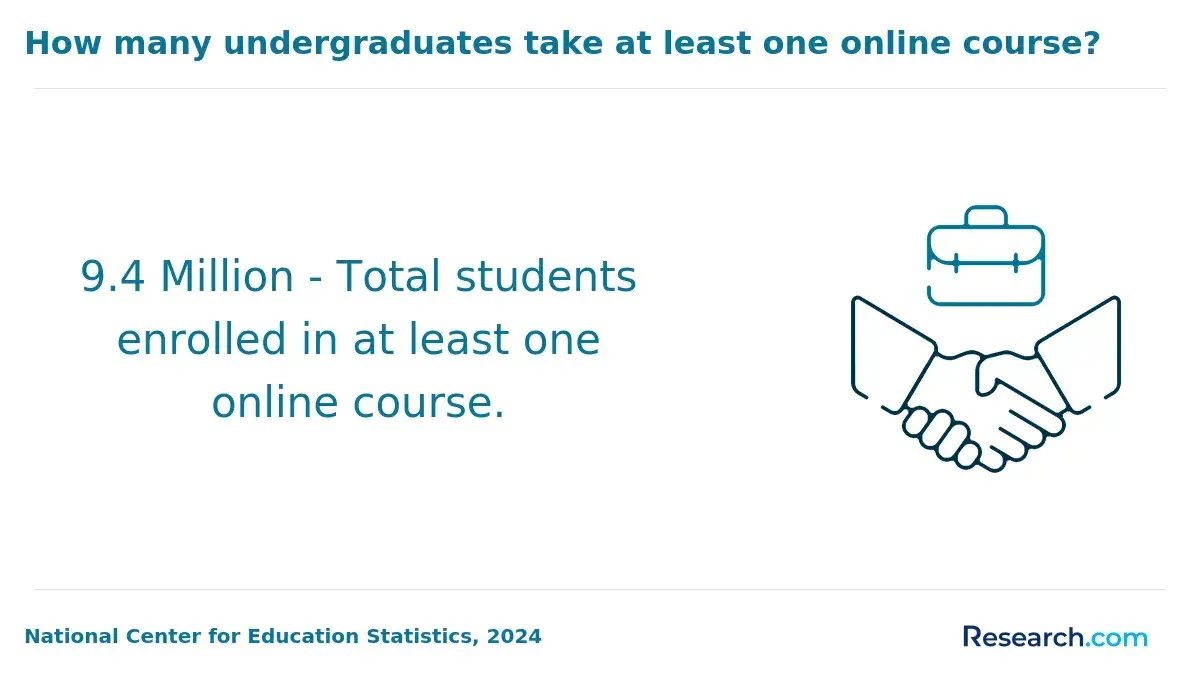
Professionals aiming to pivot into fan engagement roles within sport management often confront scheduling conflicts and geographic constraints that traditional on-campus programs exacerbate. The National Center for Education Statistics reported in 2024 that 45% of undergraduate online enrollments are adult learners balancing work and family, underscoring a growing demand for flexible formats.
This shift reveals that accessibility and adaptable pacing are no longer perks but requisites for career advancement, especially in niche areas like fan engagement where real-time industry connections matter.
This article evaluates the top online sport management degrees aligned with fan engagement careers, focusing on program flexibility, curriculum relevance, and workforce applicability to guide strategic educational choices.
Key Things You Should Know
- Online sport management degrees increasingly integrate fan engagement analytics, yet programs with deep data science modules require 25% longer completion times, impacting career pivot speed and total educational cost, per National Center for Education Statistics 2024.
- Employers emphasize cross-functional skills connecting fan behavior insights with digital marketing, leading to 40% higher hiring preference for graduates from hybrid curricula including social media strategy, according to a 2024 Sports Industry Labor Report.
- Access to accredited online sport management degrees remains uneven, with rural and lower-income students facing a 15% lower graduation rate due to limited broadband, highlighting an unaddressed equity gap in workforce pipeline development, per FCC broadband data 2024.
What is an online sport management degree with a fan engagement focus?
A key employer demand shaping sport management programs focused on fan engagement strategies is the ability to translate advanced fan data into monetizable outcomes. Deloitte's recent analytics report reveals 71% of sports executives now see this skill as critical for securing sponsorships and enduring partnerships, a substantial rise from 55% five years prior.
This shift reflects a landscape where technical fluency with CRM tools and social media analytics must be paired with strategic marketing to activate diverse fan bases.
For example, professionals in this field might range from a minor league baseball fan engagement manager applying predictive analytics to tailor in-person promotions to a digital strategist for a global franchise optimizing revenue from streaming and interactive content. These distinctions highlight the importance of curriculum that balances quantitative data proficiency with qualitative fan sentiment analysis and real-time feedback integration.
Practical learning components such as internships and project work are especially crucial; employment outcomes correlate strongly with applied competencies rather than theoretical knowledge alone. Students evaluating online sport management degrees with fan engagement specialization should scrutinize these experiential elements carefully.
Finally, this specialization often requires navigating evolving technologies and balancing data insights with authentic fan connections to avoid alienation. Its graduates are expected to drive precise fan segmentation, partnership development, and measurable engagement growth within highly competitive sports markets.
Prospective students seeking a strategic pathway may also consider affordability and online format options, such as those highlighted in the affordable online MBA healthcare management programs.
How do online sport management programs compare to campus options for fan engagement careers?
Choosing between campus and online sport management degree programs for fan engagement careers hinges on balancing immediate professional constraints with industry demands. Online formats deliver comparable digital competencies, emphasizing skills like social media analytics and fan data segmentation, which align with roles such as social media strategist or CRM analyst.
However, these programs require students to proactively pursue real-world experience since networking and internships-core components of campus programs-remain favored by employers in sports marketing.
Campus education provides immersive internships and live event exposure that facilitate direct interaction with industry insiders, enhancing mentorship and job placement prospects. Such embedded experiences often lead to stronger local networks critical for employment, especially in high-touch roles.
Conversely, online sport management degree programs for fan engagement offer flexibility for working professionals and reduce geographic barriers, but students must compensate for fewer face-to-face connections.
Employers expect applied knowledge in digital fan engagement platforms, content strategy, and campaign execution. Accredited online programs increasingly address this through virtual simulations and project-based learning. Graduates in advertising and promotions management can anticipate a median salary of $159,660, with 6% job growth projected through 2032 (U.S. Bureau of Labor Statistics, 2024).
For those weighing accelerated pathways within this field, exploring an accelerated online project management degree may complement sport management expertise, facilitating faster transitions into operational roles requiring agile project execution alongside fan engagement strategies.
Which accredited schools offer online sport management degrees aligned with fan engagement roles?
Choosing an online sport management degree focused on fan engagement careers requires prioritizing programs with measurable outcomes and industry-relevant digital skill development, not just broad credentials. Ohio University's emphasis on capstone projects with real fan engagement campaigns illustrates the practical edge needed to meet employer demands for quantifiable growth in fan interaction.
The University of Massachusetts Amherst's MS program integrates data-driven tactics for audience retention and digital fan loyalty programs, addressing the increasing need for personalized fan experiences within sports organizations.
Accredited schools offering sport management programs with fan engagement specialization often face the challenge of securing internships or projects that provide hands-on experience with CRM systems, social media analytics, and virtual event platforms. Programs connected to professional teams or marketing firms provide students with these crucial exposures, significantly improving employability by aligning academic learning with operational realities common in mid-level fan engagement roles.
The sector remains competitive: more than 17,000 U.S. graduates in sport and fitness administration/management were reported in the 2023-24 period, making differentiation vital. Working professionals benefit most from flexible pacing and strong career services to navigate this dense talent pool effectively. For those considering cross-industry shifts, examining options like a construction management degree online may offer alternative pathways aligned with evolving market demands.
What admission requirements and prior experience are needed for online sport management programs?
Admission to online sport management programs in 2026 frequently relies on more than academic qualifications, revealing a clear workforce reality: practical experience significantly impacts acceptance and future employability.
While completing a high school diploma or GED is the baseline for entry-level tracks, programs that prioritize prior experience requirements for sport management degrees often favor applicants bringing some form of applied knowledge-whether internships, volunteer roles, or part-time jobs related to athletics administration, event coordination, or marketing.
For students pursuing graduate-level study, holding an undergraduate degree remains mandatory, with many programs looking for relevant backgrounds in sports, business, or communications. Career changers should recognize that beyond transcripts, detailed documentation of leadership or project management within fan engagement or sports settings heavily influences admission decisions, especially in competitive sports markets.
Those lacking direct experience may face the tradeoff of pursuing additional credentials-certificates in areas like digital marketing, analytics, or sponsorship management-to remain competitive.
Online delivery itself imposes a practical requirement: demonstrating sufficient technological proficiency and reliable internet access. According to BestColleges, 84% of students in sports management at top public universities engage fully online, illustrating a broad shift in delivery and student expectations. Programs also typically require a personal statement articulating career goals and illustrating how the online format fits the applicant's current responsibilities.
Applicants weighing their options should also consider how program requirements align with workforce demands and personal circumstances. Exploring pathways like accelerated healthcare programs can offer comparative insights into accelerated online degree dynamics when evaluating sport management program admission criteria.
What courses and specializations in sport management support fan engagement career pathways?
Fan engagement roles in sport management require a hybrid skill set combining digital marketing, data analytics, and event coordination, yet not all educational pathways adequately prepare students for these practical demands. For example, coursework incorporating live campaign analytics develops capabilities to design targeted content that drives measurable audience interaction, an increasingly valued competence in hiring.
Conversely, programs lacking integrated internships risk delaying a graduate's workforce entry; only about 40% of sport management graduates secure full-time roles promptly, per recent employment data.
Core competencies revolve around:
- Social media strategy and consumer behavior analysis essential for crafting enduring fan relationships
- Event and venue management skills that facilitate smooth logistics and sponsorship activation during live sports
- Utilization of CRM and predictive analytics tools to personalize fan engagement and optimize marketing ROI
Workforce trends indicate a strong employer preference for graduates who blend theory with real-world experience, such as internships in fan engagement campaigns yielding demonstrable business outcomes. Approximately 58.6% of sport management graduates find employment in sports and entertainment sectors, highlighting a niche where analytical acumen paired with consumer psychology knowledge enhances fan loyalty and revenue generation.
Prospective students should weigh program offerings critically, prioritizing those that integrate practical training alongside digital and analytical skill-building to meet industry expectations effectively.
How long do online sport management degrees take, and what do they cost?
Choosing an online sport management degree involves balancing time investment, cost, and practical outcomes in a competitive labor market. Bachelor's programs typically require around 120 credit hours, often taking four years full-time, though accelerated tracks or credit transfers can shorten this to two or three years. Master's degrees usually span 18 to 24 months, with part-time options providing flexibility for working professionals at the expense of longer completion times.
Cost structures diverge sharply based on institutional type and residency status. Public universities often price bachelor's degrees between $15,000 and $40,000, while private institutions may charge $30,000 to $60,000. Master's programs range mostly from $20,000 to $45,000. Additional expenses such as textbooks, software, and equipment must be accounted for, as they can add several hundred to a few thousand dollars beyond tuition.
From an employability perspective, sports marketing managers with sport management backgrounds earn a median salary over $160,000 annually, placing them well above average marketing roles in other sectors. This highlights a key tradeoff: investing in reputable, higher-cost programs with strong industry connections can accelerate access to senior roles, whereas lower-cost degrees without clear career support may delay returns or limit opportunities.
What jobs can graduates get in sport management and fan engagement, and in which settings?
Career roles emerging from sport management and fan engagement degrees reflect a clear employer preference for actionable, data-driven expertise. Positions such as fan experience coordinators and sponsorship analysts require deep familiarity with fan behavior analytics, content strategy, and targeted partnership development.
For instance, a sponsorship analyst at a regional sports franchise leverages advanced segmentation tools to customize sponsorship offerings, directly impacting revenue outcomes.
The evolving job market shows that integrating analytical skills with sport management knowledge is more than advantageous-it's increasingly essential. According to Deloitte's 2024 analysis, sports organizations that apply advanced fan analytics demonstrate growth in sponsorship revenue at a rate 2.2 times higher than peers relying on traditional demographic data, reinforcing employer expectations for measurable analytics competencies.
Graduates find themselves in diverse environments, from sports media companies managing audience engagement metrics to event firms orchestrating fan-centric initiatives. Navigating these roles demands an understanding of sport-specific markets, emerging digital platforms, and methods to maximize revenue under often tight financial constraints.
Key challenges include aligning fan engagement with strategic goals while adapting to rapidly shifting consumer preferences and integrating clear ROI measures. Progression to leadership requires demonstrated, data-backed impact on sponsorship growth and fan retention, making continuous upskilling in analytics vital for sustained professional success.
What salary ranges and earning potential exist in sport management and fan engagement careers?
Entry-level salaries in sport management and fan engagement typically range from $40,000 to $55,000, with digital content or social media roles clustering near the higher end.
Mid-career professionals overseeing fan engagement strategies or community outreach generally earn between $65,000 and $85,000, reflecting both specialized skills and employer expectations. Senior positions such as directors of fan engagement or digital marketing managers in prominent sports organizations often surpass $100,000, with salaries exceeding $130,000 in large-market franchises or major collegiate athletic departments.
This salary distribution demonstrates the wage premium tied to digital competencies. Over 80% of student fans engage weekly with collegiate athletics content on platforms like Instagram and TikTok, which elevates demand for professionals skilled in social media analytics, content strategy, and fan behavior analysis.
Candidates focusing solely on traditional, event-based sport management roles risk lower wages and slower career growth compared to those integrating digital fan engagement expertise.
Employers now measure success through quantitative outcomes such as real-time interaction tracking and content optimization. Career advancement increasingly favors those who invest in data analysis and digital marketing certification to maintain competitive salaries. Targeting organizations with sophisticated digital platforms and fan data technologies yields higher compensation and faster progression than positions in smaller programs with minimal digital infrastructure.
- Entry-level: $40,000-$55,000
- Mid-career: $65,000-$85,000
- Senior-level: $100,000+
What certifications, professional memberships, or tools are important in fan engagement roles?
Proficiency in digital marketing analytics, CRM platforms, and social media strategy directly impacts fan engagement roles, reflecting practical employer priorities. Certifications in tools like Salesforce, HubSpot, Google Analytics, and Hootsuite validate skills needed to convert data insights into actionable marketing tactics.
For instance, a professional supporting a major league baseball team must interpret social media metrics to boost both game attendance and merchandise revenue, a critical function given research linking over 40% of purchase and attendance decisions to social network engagement (Journal of Global Sport Management).
Membership in specialized industry organizations such as the Sports Marketing Association or the Fan Engagement Professionals Consortium offers more than networking: these affiliations provide access to evolving best practices and direct connections to hiring managers who value domain-specific expertise and continuous professional growth.
Technical competence in CMS and data visualization tools like Tableau and Power BI is increasingly expected, but this demands an ongoing investment in learning due to rapid platform changes. For example, an NBA digital engagement specialist recalibrating an online community platform must balance creative storytelling with complex data analysis.
This tradeoff-between mastering evolving technologies and delivering strategic content-necessitates time management and employer-supported training, especially in mid-level sport management roles.
How can students evaluate and choose a reputable online sport management program?
Choosing an online sport management program must go beyond convenience to emphasize accreditation and proven industry integration. Regional accreditation recognized by the U.S. Department of Education or the Council for Higher Education Accreditation is a baseline for academic legitimacy.
Specialized accreditation in sport management or business signals alignment with industry standards, which directly influences employer perceptions and hiring preferences. Programs linked to professional sport organizations through internships, advisory boards, or alumni employment yield tangible career advantages.
Curriculum relevancy is paramount, especially for roles centered on fan engagement, which demands proficiency in data analytics, event coordination, digital marketing, and fan behavior analysis. The 2023 University of Bath study's six fan engagement dimensions-fan resource integration, learning, knowledge feedback, ritualistic behavior, management cooperation, and flow experience-offer a robust framework many programs overlook.
Without such coverage, graduates risk skill gaps in evolving sport industry roles.
Flexibility in delivery matters, especially for working professionals requiring asynchronous learning paired with networking and career mentorship. Programs that maintain strong alumni relations and direct mentorship from sport management practitioners enhance transition to the workforce.
Federal data tools like the College Scorecard and IPEDS provide essential insights into graduate outcomes. For instance, candidates aiming at Major League Sports fan engagement roles should prioritize programs with strong placement records and applied analytics training.
Lower tuition costs often entail less comprehensive curricula or weaker industry connections. Investing in programs that embed validated fan engagement frameworks and experiential learning can decisively impact career trajectories where fan co-creation expertise is critical.
Other Things You Should Know About Sport Management
Programs with rigid curricula limit students' ability to specialize in emerging areas like data-driven fan engagement or esports management. Those offering electives or customizable tracks enable students to focus on in-demand skills, improving job market alignment. Prioritize programs that balance foundational sport management courses with flexible options addressing contemporary fan engagement tools and platforms.
Managing both commitments challenges time for deep learning and networking critical in sport management careers. Students working full-time should select programs with asynchronous coursework and manageable weekly workloads to avoid compromising competency development. Sacrificing critical thinking or applied learning in favor of convenience risks underpreparing graduates for competitive fan engagement roles.
Acceptance varies by employer and depends heavily on program reputation, accreditation, and demonstrated skills. Graduates from well-established online programs with clear fan engagement components tend to face fewer barriers. However, some employers may still prefer traditional degrees for leadership roles, making additional certifications or a robust portfolio essential to offset perception gaps.
References
- What are the career options after a master's degree in sports management? - INSEEC https://www.inseec.com/en/guides/career-path-guide/what-are-the-career-options-after-a-masters-degree-in-sports-management/
- Embarking on a Career in Sports Management: What You Need to Know - eta https://etacollege.com/embarking-on-a-career-in-sports-management-what-you-need-to-know/
- What Makes Sports Management an Attractive Career Path? - Paris School of Management (PSM) https://www.psm-paris.fr/en/what-makes-sports-management-an-attractive-career-path/
- Your Dream Job in Sports: Explore Sports Management Careers! https://matchtocollege.com/blog/sports-management-career-opportunities
- 19 Best-Paid Sports Occupations in 2026 (With Salary Guide) https://create.fit/best-paid-sports-occupations-with-salary-guide/
- Types of Sports Management Degrees https://www.allbusinessschools.com/sports-management/degrees/
- Sports Management Degree: The Intersection of Sports and Business https://www.ukstudyonline.com/what-is-sports-management/
- Sports Agent Salaries | Sports Management Worldwide https://www.sportsmanagementworldwide.com/program/salaries
- What are the salaries after studying sports management? https://www.monaco.edu/en/faq-all-the-answers-to-your-questions-3/what-are-the-salaries-after-studying-sports-management/
- What can you do with a sports management degree? - AISTS https://aists.org/what-can-you-do-with-a-sports-management-degree/