2027 Online Sport Management Degrees With Strong Team Business Operations Training

Co-Founder and Chief Data Scientist
Mid-career professionals in sport management frequently encounter the pressing challenge of mastering team business operations amid evolving industry standards and digital transformation. With 45% of adult learners turning to online programs for the accessibility and flexibility they provide, according to the National Center for Education Statistics, this shift reflects a critical move away from traditional, campus-bound degrees that often fail to accommodate working schedules or geographic constraints.
Consequentially, aspiring leaders must strategically navigate program offerings that blend theoretical frameworks with applied business skills essential for managing sports teams efficiently and sustainably. This article examines online sport management degrees emphasizing robust team business operations training, guiding readers to identify programs that balance practical workforce demands with enrollment flexibility and career relevance.
Key Things You Should Know
- Online sport management degrees with strong team business operations training face higher costs-up to 15% above general programs per NCES 2024-due to specialized faculty and tech, constraining affordability for midcareer pivoters.
- Employers prioritize candidates showing integrated business and team dynamics proficiency; 68% of sports organizations in the 2024 Sports Industry Labor Report favor graduates versed in real-time operations analytics over traditional management knowledge.
- Programs condensing internships and simulations into accelerated timelines boost market-ready readiness by 40%, but risk diluting hands-on exposure, challenging students' effective transition into competitive sport business roles.
What is an online sport management degree with a focus on team business operations?
Successful navigation of team operations in sports demands specialized expertise beyond general management theories. Online sport management degrees with team business focus target this niche by addressing critical competencies in contractual negotiation, sponsorship alignment, budgeting, and regulatory compliance specific to team dynamics.
Graduates must balance revenue streams from ticketing, merchandise, and media rights while coordinating operations with constrained resources-skills increasingly prioritized by employers in professional and collegiate sports. For instance, a professional overseeing a minor league baseball team faces continuous tradeoffs between securing local sponsorships, engaging the community, and maintaining fiscal discipline.
This operational rigor is key to sustaining franchise value and fan loyalty over time, distinguishing these programs from broader distance learning sport management programs for team operations that may lack direct financial and legal training components. Curricula typically include sports finance, contract law, leadership, and event management, combined with analytics software and CRM tool skills.
Decision-makers need to evaluate investment choices such as player acquisitions versus marketing efforts, influencing both immediate competitiveness and long-term franchise stability. Growth in fully online master's degrees, rising 35% between 2020 and 2025, aligns with professionals seeking flexible routes into these specialized roles. Those evaluating educational pathways would benefit from resources like the best MBA in operations management to understand operational frameworks applicable across sectors.
How do online sport management programs compare to on-campus options for team operations training?
Choosing between on-campus and online sport management degree programs with team operations focus requires weighing access to practical experience against flexibility. On-campus options generally embed internships and local networking, which cultivate live problem-solving and direct industry connections essential for roles in team business.
This face-to-face exposure often translates into better preparedness given employer expectations for applied skills in real-world settings. Online sport management training for team business caters primarily to working professionals needing flexibility, relying more on virtual simulations and case-based learning.
While this model accelerates entry for mid-career shifts, it can lack embedded field experience critical for front-office roles, such as working with an NBA franchise, where practical internships foster indispensable industry insight. Employment in management roles in spectator sports is projected to grow 16.9% from 2022 to 2032, highlighting the value of tangible skills and networks.
Hybrid programs that combine online coursework with mandatory local internships offer a strategic middle ground by integrating theory with experiential learning and relationship-building. To assess these options, prospective students should focus on program elements like employer partnerships, alumni networks, and placement opportunities rather than just delivery mode. For those evaluating alternatives, additional insights can be found in resources detailing the best accelerated project management degree programs online, which share parallels in balancing practical training with flexible schedules.
What types of online sport management degrees are available for careers in team business operations?
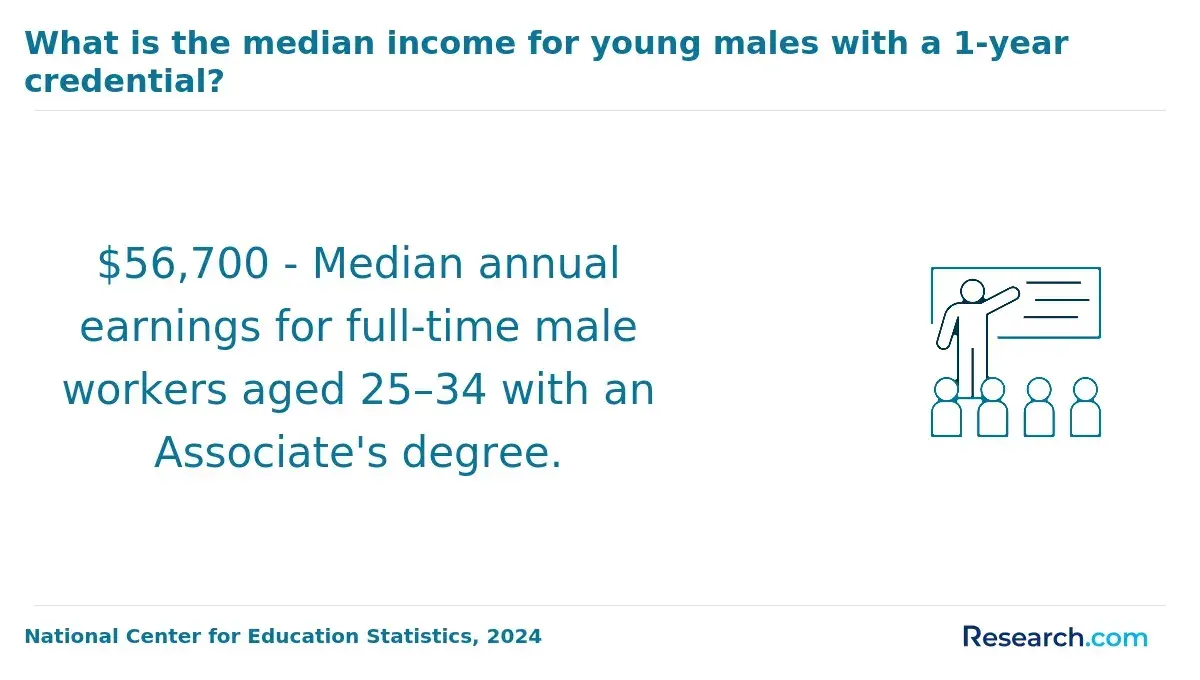
Online sport management degree programs for team business operations are most valuable when they align closely with realistic workforce roles and industry expectations. Bachelor's degrees provide foundational knowledge in business, sports law, and team administration but often limit advancement beyond entry-level positions such as assistant team managers or operations coordinators.
In contrast, master's degrees incorporate more advanced domains like sports finance, contract negotiations, and leadership, equipping students for higher-stakes roles such as agents or business managers, where the median annual wage in 2024 is $98,920, with the top 10% exceeding $207,000. Employers expect candidates to merge practical business skills with sport-specific insight.
For instance, managing player contracts for a Major League Baseball team demands navigating salary caps while meeting marketing objectives. Certificates serve professionals aiming to upskill in focused areas like sponsorship acquisition or analytics but should complement existing expertise.
Students should weigh program curriculum depth, faculty experience, and actual employment outcomes, especially in hybrid programs or those offering internships, as theory alone falls short in the competitive sports labor market. Moreover, complementing degrees with certifications ensures ongoing relevance amid evolving negotiation and marketing practices. Prospective learners also benefit from consulting resources on affordability and program quality, such as this health information management degree analysis, to better navigate educational investments within related fields.
What accreditation and quality standards should online sport management programs meet?
Accreditation standards for online sport management degrees directly affect graduate employability by signaling to employers that candidates possess validated practical competencies. Employers, such as those hiring for professional sports franchises, favor graduates from programs with regional accreditation (e.g., Southern Association of Colleges and Schools Commission on Colleges) and specialized accreditation like the Commission on Sport Management Accreditation (COSMA).
This dual assurance reduces onboarding risk by confirming expertise in essential areas like finance, marketing, sponsorship, and facility management. Comparing program costs reveals substantial disparities impacting return on investment and debt.
For instance, Southern New Hampshire University charges $354 per undergraduate credit totaling $42,480 for 120 credits, while Campbellsville University charges $455 per credit, totaling $54,600-a 28% tuition difference for comparable credentials. Candid evaluation is needed to balance affordability with accreditation and faculty quality, or graduates risk slower career growth.
Quality assurance criteria in online sport management programs also include experiential learning and industry connectivity. Without these, students may graduate underprepared for fast-evolving team business operations and digital media sectors, limiting their competitive edge and salary potential.
Prospective students seeking accelerated pathways might consider programs indexed for accelerated healthcare administration degree online, which often incorporate cross-disciplinary project-based elements relevant to sport management operations. Comprehensive evaluation should weigh curriculum relevance, accreditation, and total cost to inform strategic career pivots.
What coursework and specializations emphasize team business, analytics, and operations in these programs?
Degrees in sport management that focus on team business, analytics, and operations prioritize integrating quantitative analysis with strategic decision-making frameworks. Core courses often require proficiency in sports finance, organizational behavior, data analytics, and marketing, equipping graduates to manage budgets, evaluate performance metrics, and optimize resource allocation effectively.
Specializations in sports analytics sharpen skills in predictive modeling and software tools like R or Python, which directly impact coaching strategies and player recruitment decisions. Operational management training addresses venue logistics, event coordination, and supply chain challenges-critical for managing scheduling conflicts, travel arrangements, and merchandise sales.
For instance, front office staff might leverage these competencies to improve ticket sales forecasting and stadium workforce coordination, which directly influences revenue and fan engagement. Business elements such as contract negotiation, sponsorship valuation, and revenue management require an understanding of league-specific rules and labor relations.
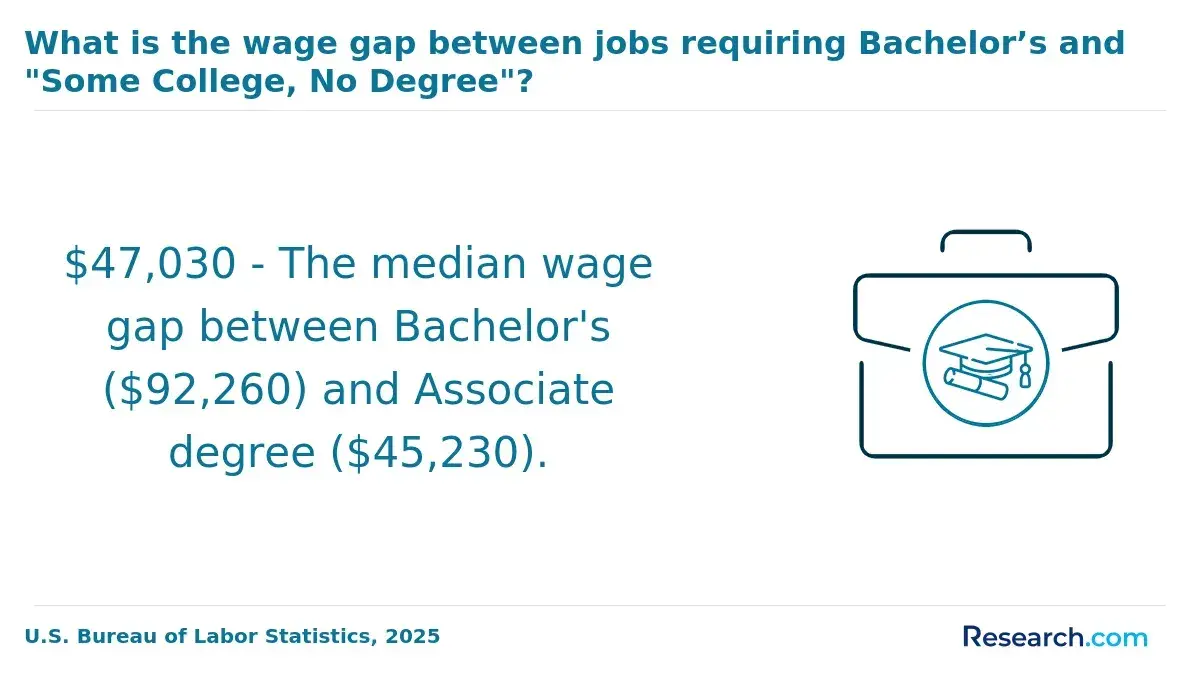
Navigating these complexities is essential for optimizing salary caps and corporate partnerships without destabilizing team operations. According to the U.S. Census Bureau's Current Population Survey, bachelor's degree holders in entertainment and sports management earn a median $16,900 more annually than high school graduates. This income differential highlights the tangible value employers place on professionals who combine business acumen with data interpretation to enhance organizational efficiency and competitive positioning.
What are the typical admission requirements for online sport management degrees in the U.S.?
Admission to online sport management programs prioritizes candidates who can prove both academic readiness and tangible business-oriented skills tailored to sports operations. The baseline undergraduate entry typically requires a high school diploma and a GPA near 2.5-3.0, with many schools adjusting test score requirements post-2022, reflecting shifting evaluation standards.
Employers in sport-related industries increasingly favor candidates demonstrating internship experience, relevant employment, or extracurricular involvement that parallels the applied nature of team business functions. Letters of recommendation and personal statements are not mere formalities; they provide critical evidence of leadership and project management-traits indispensable in competitive admission processes and vital in operational roles.
The University of Iowa's reported 40% surge in online Bachelor of Science enrollments from 2019 to 2024 signals heightened market demand for programs that balance flexibility with practical application. However, applicants must navigate logistical complexities such as coordinating multiple transcripts and meeting strict deadlines, risks often underestimated by candidates focused solely on academics.
Graduate admission further elevates professional experience as a key criterion, sometimes requiring prerequisite business or statistics coursework and GRE results. The opportunity cost of lacking direct sports operations exposure is significant; it diminishes employability in a sector where recruiters prioritize contextual and proven business competencies.
How long do online sport management degrees take and what do they typically cost?
Choosing a sport management credential requires weighing program length, cost, and curriculum depth against immediate workforce demands. While bachelor's degrees typically span four years, accelerated online or part-time formats can accommodate working professionals.
Master's degrees often condense to 18-24 months but vary in practical emphasis and total credits. Costs range substantially-from roughly $15,000 to over $40,000 for master's programs-reflecting institutional differences and residency. Employer expectations favor graduates who can manage the operational complexities of sports organizations without delay.
For instance, a master's program dedicating a third of its credits to sport business management, venue operations, finance, and sponsorship notably aligns with industry demand for operational competencies. Less comprehensive or shorter programs may reduce upfront investment but can defer readiness for leadership roles in business operations.
Tradeoffs unfold as candidates balance these factors:
- Longer, costlier programs with strong operational content typically enable earlier advancement into team business roles.
- More affordable, shorter certificates or degrees offer quicker entry but risk skill gaps critical for complex management tasks.
In the competitive sport management hiring landscape, measurable business acumen in team contexts drives both job access and salary trajectory, making curriculum focus a key determinant beyond price or duration alone.
What careers in team business operations can graduates pursue with an online sport management degree?
Online sport management degrees offer tangible gateways into operational roles demanding financial and strategic acumen rather than purely athletic knowledge. Positions such as ticketing directors or team operations managers require proficiency in managing diverse revenue sources, including ticket sales and sponsorships, combined with skills in contract negotiation and budget oversight.
For instance, an NBA ticketing director applies advanced software tools to project attendance and coordinate marketing efforts for maximum revenue generation-showcasing the operational focus employers expect. Cost and program accessibility significantly influence career feasibility.
Utah Tech University's online MS sport management program charges $417 per credit, totaling $12,510, approximately 30-40% less than typical on-campus tuition exceeding $20,000 annually. This pricing structure can enable mid-career professionals to pivot or advance without incurring substantial debt.
The online format's flexibility supports working professionals balancing part-time or seasonal roles, allowing skill application concurrent with study-critical for building competitive resumes featuring operational experience. However, employers emphasize demonstrated competence through internships or real-world projects, especially for executive front office tracks. Graduates must supplement coursework in finance, data analytics, and strategic management with tangible experience to meet the demand for candidates who boost revenue and operational efficiency.
What salary ranges and job outlook can sport management graduates expect in team operations roles?
Starting salaries for sport management graduates focusing on team operations typically range from $50,000 to $70,000 annually, influenced heavily by market size and organizational complexity. Mid-career professionals can expect increases to between $85,000 and $110,000, while senior or director-level roles in major leagues or high-revenue franchises often exceed $130,000.
The demand for these roles is directly linked to expanding global sports revenues, projected to grow from $512 billion in 2023 to $640 billion by 2027, creating specialized opportunities in commercial operations, sponsorship management, and media rights sales. The real-world employment landscape varies sharply: a small-market minor league team may require multitasking across logistics, marketing, and player relations, offering broader experience but limited pay growth.
Contrastingly, large national franchises expect demonstrated expertise in stakeholder engagement and contract negotiation, rewarding proven performance with higher salaries. Key skills such as commercial sales, data analytics, and contract negotiation markedly influence career trajectory and income potential. Professionals lacking business or analytical competencies face slower advancement. Continuous skill enhancement aligned with evolving sports technology and monetization models is essential to maintain upward mobility and job security.
How can prospective students choose a reputable online sport management program for team operations?
Employers in professional sports increasingly demand graduates equipped with technology and analytics expertise tailored to operational workflows. Deloitte's 2024 industry outlook reports that 72% of sport organizations plan to expand investment in data analytics and technology, with 61% focusing on operational and revenue optimization.
This signals a critical need for sport management programs to move beyond theoretical frameworks and center instruction on analytics platforms, financial oversight, and real-time operational decision-making. Programs that omit applied skill development in areas like sports data analysis or revenue management risk producing graduates unprepared for roles where data-driven strategy is the norm.
Accreditation and faculty actively engaged with current sport operations add necessary relevance and ensure curriculum alignment with industry requirements. Working professionals, especially those pursuing careers as a sports analyst, should prioritize programs offering asynchronous coursework combined with case studies that simulate actual operational environments.
For instance, an aspiring NBA operations professional must master revenue analytics tools and workflow software specific to team business functions rather than general management concepts. Applicants must also consider job placement metrics focused on operational roles; programs with under 60% placement in these functions suggest misalignment with market realities. Financial transparency and career outcome data remain essential evaluative criteria.
Other Things You Should Know About Sport Management
Work experience can significantly impact the value of an online sport management degree, especially for team business operations roles. Programs that expect or require relevant prior experience often offer more advanced, practical content geared toward leadership and decision-making. If you lack experience, prioritize programs with built-in internships or practicum components to gain on-the-job exposure; otherwise, your learning may remain theoretical and less attractive to employers demanding demonstrated operational competence.
Most online sport management programs are designed to be flexible, allowing students to complete degrees part-time while working. However, full-time commitment can expedite completion, typically within 1-2 years, and might be more suitable for those focusing on intensive team business operations training.
Yes, prioritizing programs with a strong focus on analytics and data skills is essential for team business operations, where performance evaluation, market analysis, and financial decision-making rely heavily on data interpretation. Employers increasingly expect graduates to manipulate and apply analytic tools to optimize team operations. Avoid programs that focus narrowly on administrative theory without integrating data-driven decision-making, as this limits your ability to contribute to evidence-based strategies and reduces competitiveness in the job market.
While a sport management degree provides foundational knowledge, professional certifications such as project management or analytics qualifications can enhance your employability in team business operations roles. Certifications demonstrate specialized skills that employers value and can set you apart from candidates with degree-only backgrounds. Consider investing in these credentials, especially if your online program lacks experiential components or industry partnerships that facilitate skill validation beyond academic coursework.
References
- Sports Job Training & Certification Courses | Sports Management Worldwide https://www.sportsmanagementworldwide.com/courses
- Admission Requirements - Sports Management https://www.vsu.edu/gradstudies/masters-degree-programs/sport-management/admission-requirements.php
- Online MBA Programs with an Analytics Specialization / Concentration https://www.onlineeducation.com/business/mba-analytics-programs
- What are the career options after a master's degree in sports management? - INSEEC https://www.inseec.com/en/guides/career-path-guide/what-are-the-career-options-after-a-masters-degree-in-sports-management/
- MBA in Sports Management Online: Find a Program https://www.onlinemastersdegrees.org/best-programs/mba-programs/sports-management/
- Sports Management Salary Guide https://www.allbusinessschools.com/sports-management/salary/
- Online Bachelor's in Sports Management https://www.monroeu.edu/academics/undergraduate-programs/monroe-online/school-business-and-accounting/online-bachelors-sports-management
- EBS Universität launches a new specialisation in ‘Business Analytics and AI’ as part of its Bachelor’s degree in Business Studies https://www.ebs.edu/en/ebs-universitaet-launches-a-new-specialisation-in-business-analytics-and-ai-as-part-of-its-bachelors-degree-in-business-studies
- 73 Jobs You Can Get With a Sports Management Degree: A Guide https://www.salemu.edu/blog/sports-recreation-management-careers/