2027 Best Online Sport Management Programs for Working Adults Building Sports Business Skills

Co-Founder and Chief Data Scientist
Midcareer professionals in sport management confront a critical bottleneck: balancing demanding schedules while acquiring specialized business skills to qualify for leadership roles. Many cannot pursue traditional degree programs due to inflexible class times and geographic constraints.
The National Center for Education Statistics reports a 39% surge in adult enrollment in online degree programs since 2024, reflecting a fundamental shift toward accessible, asynchronous learning. This trend signals the necessity of flexible course delivery that accommodates ongoing work commitments without sacrificing rigorous skill development. This article evaluates the best online sport management programs designed specifically for working adults seeking practical business expertise and career advancement.
Key Things You Should Know
- Programs emphasizing data analytics and digital marketing command 40% higher employer demand in sports business roles, but often require 12-18 months of intensive study, challenging working adults' time resources.
- Employers prioritize applied internship experience over purely academic credentials; 62% of surveyed hiring managers in 2024 prefer candidates with direct industry project work embedded in their curriculum.
- Lower tuition online programs reduce financial barriers but correlate with a 25% lower job placement rate within one year post-graduation, signaling a tradeoff between upfront cost and career momentum.
What is an online sport management degree and how does it prepare working adults for sports business?
Working adults pursuing an online sport management degree must weigh the distinct advantage of practical skill acquisition against the time demands inherent in balancing employment. This degree builds sports business skills by focusing on industry-specific competencies such as contract negotiation, sponsorship acquisition, and facility management, which differ significantly from general business education.
For example, a marketing professional enrolled in such a program can immediately apply campaign analytics to improve ticket sales and fan engagement without disrupting their current job. With 43% of U.S. undergraduates partially or fully online, flexible scheduling is a critical feature, enabling working professionals to integrate learning with existing responsibilities and overcome geographic constraints.
Programs leverage experiential learning methods tailored to real-world sport business challenges, allowing finance professionals to efficiently transition by gaining niche knowledge that traditional MBA programs overlook. This operational relevance enhances the degree's value for mid-career pivots or advancement.
Employers typically expect graduates to manage complex stakeholder relationships and demonstrate specialized knowledge suited to commercial sports, nonprofits, or educational sectors. Career services accommodating non-traditional schedules and networking adapted to working adults further facilitate job market integration.
Professionals evaluating this pathway should also consider programs like the accelerated healthcare management degree online as a comparative model of workforce-aligned, flexible graduate education. The practical effect of an online sport management degree benefits working adults by equipping them with targeted skills and a strategic perspective essential for competitive mobility within the sports business landscape.
How do online sport management programs compare to campus-based options for flexibility and learning quality?
Online sport management programs flexibility for working adults extends beyond mere scheduling convenience; it critically supports sustained employment while pursuing credentials. For instance, a mid-career sports marketer juggling project deadlines leverages asynchronous coursework and extended enrollment windows to study outside typical class hours without compromising job performance.
However, learning quality differences between online and campus-based sport management courses hinge on instructional design. Leading online options incorporate interactive simulations, live case studies, and virtual collaboration to closely mimic real-world sports business contexts, whereas campus programs emphasize face-to-face mentorship and direct networking with industry professionals, offering more immediate career-link advantages but requiring fixed attendance and commuting.
Employment growth in sports-related occupations is steady at 6% annually through 2032, creating 95,500 openings each year according to the U.S. Bureau of Labor Statistics. This trend favors candidates with demonstrable practical skills and adaptability, qualities often accelerated by modular updates in online programs over longer curriculum revision cycles typical on campus. Credential portability and digital badges from aligned programs increasingly matter in virtual hiring screens across sports organizations.
Students considering these pathways must weigh psychosocial and logistical tradeoffs: online learners face risks of isolation and must self-motivate to network proactively, while campus students encounter geographic and scheduling limits that can delay opportunity capture. Prospective students exploring credential options can also review online health information management programs CAHIIM accredited as a model for program quality validation within online education.
Which types of sport management degrees can be earned fully online in the United States?
Career progress in sport management increasingly hinges on selecting the right credential for one's specific role and timeline. Fully online sport management degree programs in the United States offer varied entry points, from associate to master's and specialized certificates, each addressing different operational and leadership demands in sports organizations.
For example, associate degrees tend to prepare candidates for support positions in sports marketing or venue coordination but rarely suffice for managerial advancement without further study. Bachelor's degrees remain the most common credential, delivering foundational knowledge in business, marketing, event management, and sports law, crucial for entry-level roles in athletic departments, agencies, or facility management.
Moving beyond the undergraduate level, fully online sport management bachelor's and master's degrees US programs emphasize strategic leadership, analytics, and advanced financial acumen needed for executive or agency management roles. This aligns with workforce data showing median annual wages for agents and business managers in the sector at $82,220, with top earners exceeding $164,490, underscoring a clear financial incentive to pursue advanced qualifications.
Specialized certificates provide targeted expertise in niche areas such as sports analytics or merchandising but rarely replace comprehensive degrees when competing for high-level positions. Prospective students must screen programs for rigorous accreditation, faculty with industry experience, and opportunities for experiential learning to bridge gaps inherent in remote study formats. Many professionals rely on asynchronous coursework to fit education around demanding schedules typical of sports careers.
When evaluating alternatives, comparing sport-related fields is prudent. For instance, insights into cost-effective pathways can be informed by researching other online options like online construction management degrees, which also address operational challenges within their sectors.
What accreditation should online sport management programs have to be recognized by employers?
Employers in the sports sector consistently prioritize regional accreditation combined with specialized recognition such as the Commission on Sport Management Accreditation (COSMA) when evaluating candidates from online programs. This dual accreditation framework protects hiring managers from inconsistencies in program quality and ensures candidates possess both academic rigor and practical expertise.
For example, a major league sports franchise may dismiss applicants from unaffiliated programs due to uncertainty about curriculum standards and skill verification. Prospective working adults pursuing accredited online sport management degrees recognized by employers should verify both the school's regional status and COSMA or equivalent endorsements, as these directly affect credit transferability and employer acceptance.
Specialized accreditations indicate contemporary coursework covering essential areas like sports marketing, event management, analytics, and compliance, which relate directly to jobs in leagues, NCAA compliance, or sports marketing agencies. Cost considerations remain vital: public institutions average $10,940 annually for in-state online tuition, compared to $29,180 at private nonprofits.
Prioritizing accredited offerings within reasonable price ranges mitigates credential devaluation risks in competitive hiring environments. Demanding transparent accreditation proof during selection avoids costly missteps and eases transitions into meaningful employment paths. Candidates balancing these aspects may also find value in exploring healthcare administration programs for alternative or complementary career pivots within management fields.
What courses and specializations are typically included in online sport management curricula?
The design of online sport management curricula aligns with employer demands for specialized, operational skills necessary in a competitive industry. Coursework centers on functional areas such as sports marketing, financial oversight, legal frameworks, facility and event coordination, and data analytics.
Rather than general exposure, students gain targeted competencies like contract negotiation or budget modeling, which directly apply to franchise or league contexts. Specializations in athlete management, entrepreneurship, and media provide differentiated career pathways but also require learners to weigh tradeoffs between niche focus and broader managerial adaptability.
For instance, a student pursuing sports entrepreneurship should anticipate responsibilities in launching startups that call for both business acumen and innovation capacity beyond typical management routines. Practical experience remains critical.
Programs integrating internships or applied projects often produce graduates preferred by employers, who prioritize candidates blending theory with logistical and operational familiarity. Without such exposure, even well-rounded academic preparation risks leaving graduates at a disadvantage amid peers demonstrating workplace readiness.
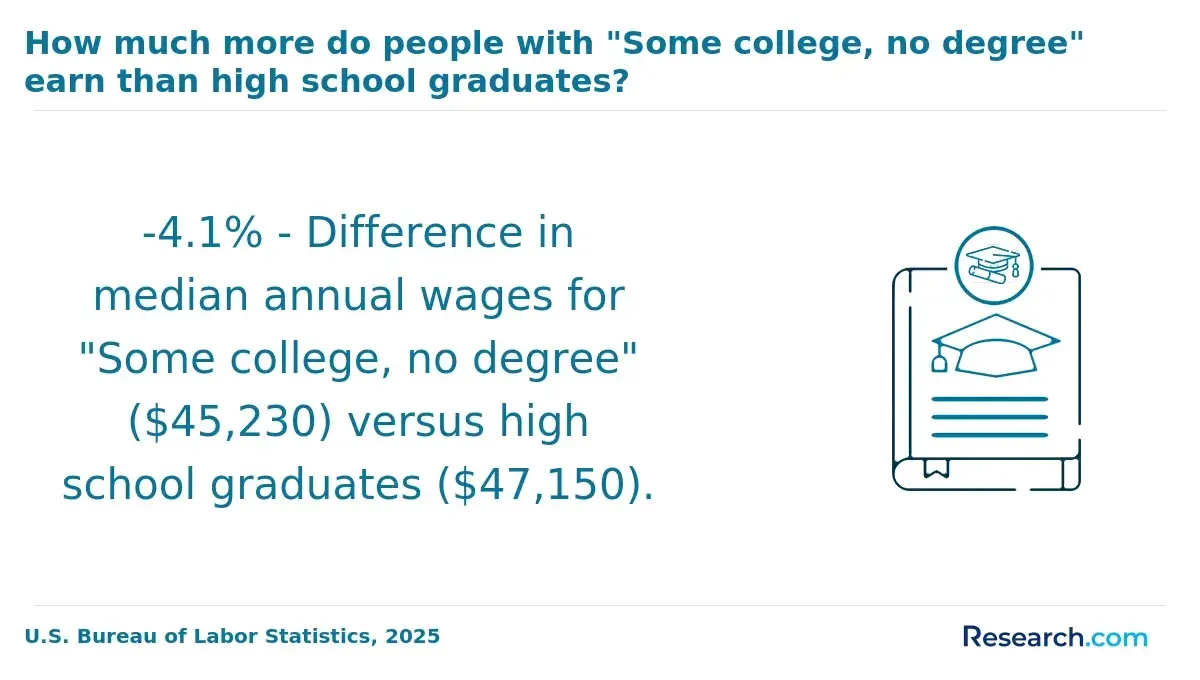
Income data indicate that those holding bachelor's degrees in business-related fields earn a median salary significantly above high school graduates, reinforcing the economic rationale for specialized study despite its upfront time and resource costs. Choosing courses that accommodate working professionals' schedules while delivering measurable skills improves the potential for career pivots and advancement within sport management's evolving labor market.
What admission requirements do online sport management programs have for adult and nontraditional students?
Online sport management programs place significant emphasis on aligning prior work experience with academic credentials, especially for nontraditional students seeking career pivots. While a bachelor's degree from an accredited institution remains the standard baseline, programs frequently accept applicants with five or more years of relevant professional experience in lieu of formal coursework.
This approach reflects an industry reality where leadership and operational skills often outweigh purely academic qualifications. Applicants should expect to provide official transcripts, a resume showcasing leadership or operational roles related to sports, and a statement of purpose connecting experience to sport management goals.
For instance, a mid-career professional overseeing municipal recreational programs can leverage tangible management and program coordination skills crucial to many sports business roles. Standardized tests such as the GRE or GMAT are commonly waived for working adults, recognizing that such scores rarely predict practical management effectiveness.
Instead, programs assess technological aptitude and time-management skills-key for handling asynchronous online coursework-often through interviews or writing evaluations. The global sports market's projected growth-from $512 billion in 2023 to $689 billion by 2028 per MarketsandMarkets' 2024 analysis-raises the bar for candidates who demonstrate measurable leadership and adaptability. Admissions focus on selecting students prepared to navigate complex, evolving operational demands rather than those who simply meet minimal academic criteria.
How long do online sport management degrees take and what do they cost for working adults?
Degree timelines in online sport management vary widely, with most working adults completing programs in two to four years depending on credit transfer and course scheduling. Choosing accelerated formats can shorten this period but typically demands higher weekly workloads, which may disrupt ongoing employment responsibilities.
For example, a mid-level manager in a local sports entity often benefits from a more extended program that supports work-life balance, whereas those targeting rapid progression in competitive markets might accept the intensity of faster options despite the stress. Tuition costs present a significant variable, heavily influenced by the institution type and residency.
Public universities usually charge between $150 and $400 per credit, totaling roughly $18,000 to $48,000 for a 120-credit bachelor's degree. Private institutions increase this to $400-$800 per credit, potentially doubling the overall expense.
Evaluating these figures requires attention to financial aid, employer tuition reimbursement, and expected salary uplift in sport business roles. Such tradeoffs affect return on investment and long-term career sustainability.
An approximate 40% growth in U.S. online bachelor's sport management programs from 2019 to 2024 reflects increased accessibility and competition. Employers now prioritize candidates with up-to-date digital capabilities and verified practical experience, making integrated internships or projects essential components.
Graduates are therefore pressed to balance academic achievement with demonstrable field competence to maintain relevance amid evolving industry demands.
- Program length versus workload impacts employability continuity
- Cost-benefit analysis hinges on institution type and aid access
- Professional projects enhance market readiness amid expanding graduate pools
What careers can graduates of online sport management programs pursue in the sports industry?
Online sport management degrees equip students for diverse roles, yet their market value hinges on balancing academic credentials with practical experience. Employers routinely demand skills in budgeting, compliance, sponsorship negotiation, and strategic planning.
For instance, NCAA athletic directors juggle regulatory adherence with fundraising and personnel management, whereas sports marketing specialists concentrate on digital engagement and brand partnerships. Schedules for online learners, especially working adults, must be flexible.
Research indicates 76% of online students work while studying, with 63% valuing the ability to coordinate education alongside employment. This flexibility enables many to hold current roles in entry or mid-level sport organizations while preparing for leadership transitions.
However, degree completion alone rarely fast-tracks advancement; internships or entry-level experience remain essential due to the sector's emphasis on industry connections and hands-on competence. Graduates lacking networks must actively seek volunteer or part-time opportunities during their studies.
Career progression differs by niche: roles in sports analytics require technical acumen, contrasting with community recreation positions that prioritize program development and public engagement. Success depends on integrating online study with targeted networking and practical skills tailored to the specific segment of the sports industry.
What salary ranges and job outlook can sport management graduates expect in U.S. sports business?
Salary outcomes for sport management graduates vary widely, influenced by role, location, and specialization. Entry-level jobs like event coordinators or marketing assistants generally start between $45,000 and $60,000, while mid-level positions-such as sports marketing managers or analytics coordinators-command $65,000 to $85,000.
Senior roles focused on analytics or business development can surpass $90,000, reflecting the premium placed on specialized skill sets. Employers increasingly prioritize candidates who combine traditional sport management knowledge with data analytics, digital marketing, and NIL brand management expertise. F
or example, a professional transitioning into sport marketing with analytics skills often secures higher salaries and accelerates progression compared to peers without such technical competencies. Market conditions are not uniform: large metropolitan areas with multiple professional teams offer higher pay but come with tougher competition and cost-of-living tradeoffs.
Smaller markets provide more accessible entry points but slower financial growth. Graduates should weigh these factors carefully against their skill development and geographic preferences.
Job postings requiring sports analytics skills grew by 25% in 2024 versus the previous year, per LinkedIn's 2024 Workforce Insights. This shift spotlights the strategic role analytics now plays in performance evaluation and fan engagement, underscoring a tangible divide between those with and without these in-demand capabilities.
How can prospective students evaluate and choose a reputable online sport management program?
Accreditation remains the most pivotal factor shaping the real-world value of online sport management degrees. Employers rely heavily on recognized regional or national accreditation to gauge curriculum rigor and to justify hiring candidates with online credentials.
For instance, 71% of U.S. hiring managers consider accredited online business and management degrees equivalent to traditional ones, directly influencing a graduate's competitiveness. Beyond accreditation, prospective students must scrutinize measurable outcomes such as graduation rates, job placement statistics, and alumni career progression within sport management specifically.
Programs incorporating internships or partnerships with sports organizations provide experiential learning that translates directly into workplace skills. A working parent targeting a collegiate athletic department managerial role, for example, should verify accessible local or virtual internships and flexible course schedules to balance job responsibilities.
Operational factors like program length, synchronous session requirements, and technology platforms affect a student's ability to maintain full-time employment during study. Asynchronous models with targeted academic advising are more compatible with adult learners' complex schedules.
Cost considerations must be assessed alongside expected salary gains; analyzing tuition per credit in tandem with alumni earnings can reveal if the investment justifies itself. Programs engaged in direct employer collaboration or governed by industry advisory boards signal stronger alignment with labor market demands, thereby increasing networking and hiring prospects.
Other Things You Should Know About Sport Management
Online sport management programs often assume students can devote significant weekly hours outside of lectures to readings, assignments, and group projects. For working adults, this means balancing program demands with job responsibilities can be challenging, especially if the program relies heavily on synchronous classes. Programs with asynchronous content and flexible deadlines are better suited for working professionals aiming to manage workload without compromising either work or study quality.
Employers in sports business increasingly accept online sport management degrees when the institution has recognized accreditation and proven industry connections. However, the reputation of the program and the presence of internship or networking opportunities influence employer perception more than the delivery format alone. Prioritize programs that provide verifiable employer engagement to improve employment outcomes.
Choosing a specialization should align with your targeted career path because some areas, like sports marketing or analytics, demand specific expertise that generalist programs may not adequately cover. If your goal involves entering niche sports business roles, selecting a program with relevant concentrations can accelerate your competitiveness. Conversely, if you seek broad managerial roles, a program with comprehensive core coursework may offer more value.
References
- Lang School of Business and Economics Launches First Online Sport Management Program https://news.uoguelph.ca/2025/02/lang-school-of-business-and-economics-launches-first-online-sport-management-program/
- Why study for a Sports Management degree https://brive.com/blog/studies/sports-management-degree/
- How can I enroll in a master's degree in sports management? - INSEEC https://www.inseec.com/en/guides/orientation-guide/how-can-i-enroll-in-a-masters-degree-in-sports-management/
- Salary Trends in Sports Management – United States Sports University https://restore-ussa-edu.mystagingwebsite.com/news/salary-trends-in-sports-management/
- MBA in Sports Management Online: Find a Program https://www.onlinemastersdegrees.org/best-programs/mba-programs/sports-management/
- Online Master’s in Sports Management Degree Programs - OnlineEducation.com https://www.onlineeducation.com/business/masters-in-sports-management-programs
- Online Sports Management PG Diploma | Unisport https://unisporteducation.com/postgraduate-sports-management/
- Top 5 Careers You Can Launch with a Sports Management Diploma - eta https://etacollege.com/top-5-careers-you-can-launch-with-a-sports-management-diploma/
- Top 10 Best Universities for Sports Management in Europe in 2026 | Study.eu https://www.study.eu/article/top-10-best-universities-for-sports-management-in-europe
- Types of Sports Management Degrees https://www.allbusinessschools.com/sports-management/degrees/