2027 Online Sport Management Degrees for Sports Media Business Careers

Co-Founder and Chief Data Scientist
Balancing a demanding job with the desire to break into the sports media business often stalls prospects who need flexible education options without sacrificing academic rigor or employer credibility. With the U. S. Department of Education reporting a 12% surge in enrollment for fully online bachelor's programs since 2023, more working adults pursue digital pathways that allow learning alongside ongoing careers. This shift reflects a critical pivot toward accessibility and accelerated upskilling in dynamic industries like sport management, where timing and networking are as vital as formal credentials.
This article evaluates leading online sport management degree formats designed specifically to optimize career mobility within sports media enterprises.
Key Things You Should Know
- Graduates with online sport management degrees face a 22% hiring premium in sports media roles when combined with digital marketing certifications, yet this dual focus delays degree completion by an average of six months, impacting opportunity costs.
- Employers prioritize candidates demonstrating applied analytics skills, with 67% of job postings since 2024 requiring data-driven decision-making experience, challenging traditional curricula focused narrowly on administrative competencies.
- Federal education data reveal that online sport management programs priced above $25,000 annually see a 15% enrollment decline, signaling a critical price sensitivity linked to uncertain ROI in evolving sports media markets.
What is an online sport management degree for sports media and business careers?
An online sport management degree for sports media careers demands more than fundamental knowledge; it requires students to develop skills directly aligned with fluctuating industry demands such as digital media tech, analytics, and sponsorship strategy. Graduates often face a critical gap between theoretical coursework and gaining essential internship experience or industry certifications needed by employers. For example, students aiming for sports media broadcasting roles should prioritize programs offering partnerships with media outlets or live-project collaborations, enabling practical content production exposure.
The 2026 Sports Management Degree Guide by College Factual notes that U.S. colleges awarded 16,971 sports management degrees in 2020-2021, ranking the field 48th nationally in popularity, indicating a crowded market. To stand out, candidates must secure hands-on experience and marketable expertise, particularly in media rights management and contract negotiation. Those considering online sport management programs for business and media should weigh the flexibility of fully online formats against hybrid models that facilitate face-to-face mentorship and networking-critical elements in this relationship-driven sector.
Employment outcomes hinge on adaptability across multiple sports sectors and fluency in compliance protocols. Employers also value familiarity with advanced marketing tools and data analytics platforms. Prospective students targeting roles akin to those of a sport analyst should scrutinize curriculum depth in these domains to ensure alignment with current job market needs.
How do online sport management programs compare to campus-based degrees?
Online sport management degree programs vs campus-based degrees reveal a fundamental tradeoff in how practical experience and networking opportunities shape employability. Employers in sports media business careers often prioritize internships and direct industry contacts, advantages more accessible within campus environments that embed local partnerships. However, online students can bridge this gap by actively seeking internships locally and engaging with virtual networking tools.
The differences between online and traditional sport management education extend beyond networking. Campus-based programs offer immersive, real-time exposure to game-day operations and event management, while online curricula substitute these through simulations and case studies. This makes it essential for online learners to pursue local mentorship or regional events to gain hands-on insights critical for competitive roles.
Resource access also differs: campus students benefit from on-site career services and alumni networks, while online cohorts depend on digital platforms that vary in quality. Decision-makers should weigh their self-motivation, geographic flexibility, and career stage. For instance, a mid-career sports journalist aiming to pivot might find online programs more flexible, whereas recent graduates targeting agency roles generally gain more from campus settings.
Labor projections from College Factual forecast 11.3% growth in sports management careers through 2026, with roles like coaches and scouts expanding 12.9% to 311,700 jobs, underscoring the competitive landscape where experiential learning influences hiring.
For those focused on advancing to leadership positions such as athletic director, the choice of program format may affect early career traction and the network necessary for progression.
What careers in sports media and business can an online sport management degree lead to?
Online sport management degrees open direct pathways into roles requiring both industry insight and communication expertise, such as sports marketing coordinator, event manager, and media relations specialist. Employers increasingly expect candidates to combine formal education with practical experience; thus, many online curricula now incorporate internships and project-driven components. Graduates aiming for careers in sports media businesses must recognize that this blend is critical to meeting employer demands.
Typical entry-level positions often involve production coordination that demands strong organizational skills to handle live broadcasts or digital content, especially in smaller markets or collegiate athletics where graduates may juggle responsibilities like ticket sales and public relations. This creates a necessity for a comprehensive business and communication foundation rather than narrow specialization.
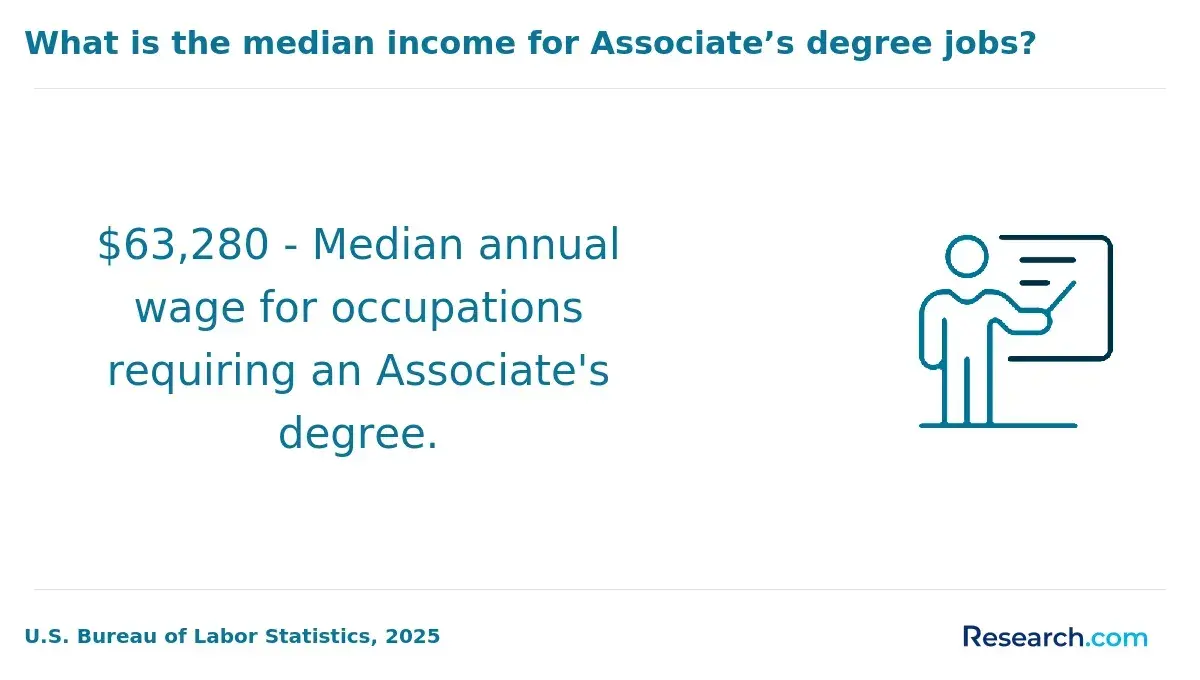
Financially, investing in such programs yields median early-career salaries near $37,000 and mid-career averages around $72,000, accompanied by low unemployment rates (about 4.3%), indicating stable labor market conditions. However, candidates with additional expertise in digital media analytics, contract negotiation, or sponsorship sales hold a distinct edge; lacking these can limit career progression.
For those weighing comparable online programs, it's important to assess not only curriculum quality but also how well they integrate applied learning components that enhance employability. Prospective students exploring health information management online programs might find parallels in how practical experience is prioritized alongside academics.
How can students verify that an online sport management program is properly accredited?
Accreditation is a critical factor that directly impacts the value and employability of an online sport management degree. Programs lacking recognized regional accreditation often fail to meet employer expectations, limiting graduates' access to roles in sports media business and advanced certifications. Prospective students should prioritize accredited online sport management programs in the United States verified through the U.S. Department of Education's or the Council for Higher Education Accreditation's (CHEA) databases.
For instance, attending a non-accredited program can obstruct credit transfers and disqualify candidates from federal financial aid, a costly disadvantage given that BestColleges' analysis reveals a 13% price premium for online sports management bachelor's programs-averaging $555 per credit hour compared to $490 for general bachelor's degrees. This cost disparity demands rigorous upfront assessment of accreditation to ensure a worthwhile investment.
Key verification steps include:
Ignoring proper accreditation risks wasted resources and diminished career trajectories, especially in competitive sectors tied to professional reputation. Those questioning accreditation can also explore related fields, such as bachelors healthcare administration, for comparative insights on program legitimacy and outcomes.
What courses and specializations are common in online sport management programs?
Employers in professional sports agencies and media companies prioritize candidates with practical skills in sports marketing, contract negotiation, and media rights management-competencies central to the core curriculum of many online sport management programs. Students must evaluate how specializations like sports media communications or analytics translate into workplace value, especially when deciding between broad versus focused study tracks.
For example, concentrating on sports media communications equips learners with digital content creation and fan engagement abilities that align closely with emerging demands in sports brand management. Conversely, sports analytics focuses on quantitative insights that support operational decisions in teams or leagues, offering a different career trajectory.
Beyond theory, programs that incorporate virtual internships or simulations of real-world sponsorship and contract scenarios better prepare candidates to meet employers' expectations for workforce readiness.
Cost considerations are significant: tuition for online bachelor's degrees typically ranges from $36,000 to $57,000, whereas master's programs cost between $14,000 and $22,000. This gap forces prospective students to weigh the breadth of undergraduate education against the faster specialization and potentially greater return on investment of graduate credentials.
Additionally, flexibility in course selection and proficiency with digital tools increasingly determine employability in broadcast and fan engagement roles. Neglecting these factors risks longer job searches and underused qualifications.
What admission requirements do online sport management degrees typically have?
Admissions criteria for online sport management degrees reveal a nuanced cost-benefit dynamic that prospective students must navigate carefully. While a bachelor's degree with a minimum 2.5 to 3.0 GPA from an accredited institution is typically required, many programs emphasize related coursework in business, communications, or sport fields to establish foundational competence demanded by employers.
Real-world applicants often face decisions based on career context. For example, a mid-level marketing professional pivoting into sport media business benefits from highlighting transferable leadership and industry-relevant experience, sometimes offsetting the need for GRE scores, which many accredited online programs now waive to increase accessibility.
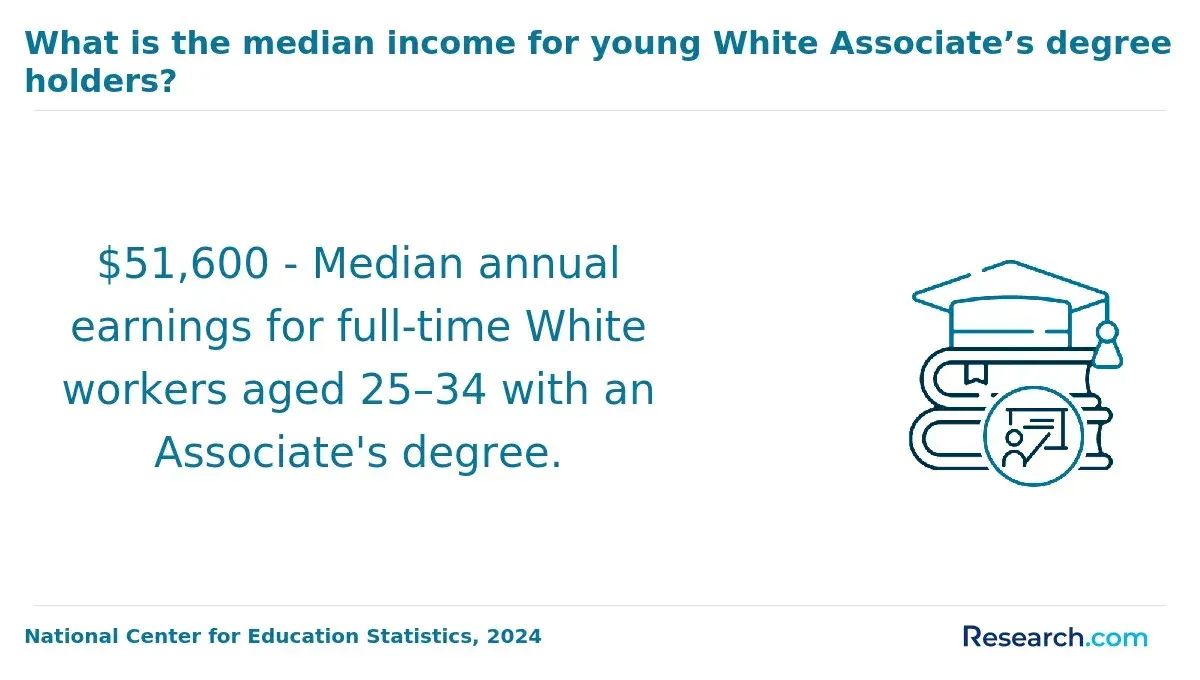
Technical readiness-including stable internet and digital communication skills-becomes a practical gatekeeper given the remote format. Financial tradeoffs also weigh heavily: Midwestern State University offers the lowest annual tuition at $4,257, but graduates from American Public University System report significantly higher median earnings around $65,913, illustrating how lower upfront costs do not always translate to better career outcomes.
Applicants should align admission requirements with their career strategy by considering these factors:
- Academic prerequisites versus professional experience
- Standardized test policies and waivers
- Program cost in relation to realistic salary expectations
- Technical demands and readiness for online study
This grounded approach helps differentiate options more likely to support genuine progression within the sport media business sector rather than simply providing credential attainment.
How long do online sport management degrees take and what do they cost?
Choosing an online sport management degree requires balancing program duration with career timelines and financial impact. Bachelor's degrees typically take about four years full-time, but part-time or accelerated options can compress or extend this. A two-year completion notably shortens time away from the workforce, influencing long-term earnings through earlier employment. Master's degrees usually require 1.5 to 2 years, with some flexibility for professionals who must juggle work and study.
Costs vary sharply: annual tuition ranges between $8,000 and $25,000, making total bachelor's expenses $30,000 to $80,000 and master's between $20,000 and $50,000. These figures exclude additional fees like technology and textbooks, and potential residencies that some programs impose. Prospective students must weigh these costs against expected salary advancements and industry demands.
Industry data from DataUSA highlights a median annual wage of $49,100 for sport and fitness management graduates, slightly above the national median near $46,000. This wage differential reflects that employers prioritize candidates who have completed their credentials and accrued relevant experience. Candidates seeking to pivot or advance must consider program length, cost, and how credentials translate into tangible opportunities within the competitive sports business sectors. Efficient completion often means quicker access to roles that value practical expertise alongside academic qualifications.
What salary ranges and earning potential exist in sports media and sport business roles?
Salary ranges in sports media and sport business heavily depend on role type, experience, and location, reflecting a broad spectrum of opportunities and financial outcomes. Entry-level positions in marketing or media coordination typically earn between $35,000 and $50,000 annually, while mid-career roles such as sports agents or brand managers see compensation in the $60,000 to $90,000 range. Senior executives often exceed $120,000, with top earners pushing past $200,000 in major markets.
Specialized roles like media rights negotiators or digital sports content managers command higher starting salaries ($80,000 to $130,000) due to complex skill demands and industry scarcity, but advancement depends more on demonstrable business impact than credentials alone.
Examining degree investment, per-credit tuition swings dramatically-from roughly $129 to $599-making total costs range widely based on program choice. For example, completing 120 credits at $599 per credit results in tuition exceeding $71,000, which may not be quickly offset by entry-level pay. Conversely, affordable programs emphasizing internships and practical exposure often offer better immediate workforce integration.
Students should weigh:
- Employer preference for measurable experience over academic prestige
- The balance between upfront educational expense and realistic salary growth
- Market segment and local demand affecting compensation
Understanding these tradeoffs is critical for effective planning in sport management careers.
What is the job outlook for sport management, sports media, and sport business careers?
The employment outlook for sport management and related fields grows at about 8% through 2031, slightly above average, driven by expanding digital content, sponsorship, and youth sports programs. However, competition is fierce, particularly in professional leagues and major media companies, where employers seek candidates who blend business skills with expertise in emerging broadcast technologies and data analytics.
Practical career progression often demands geographic flexibility and willingness to accept unpaid internships to build crucial industry connections. This creates a tension for candidates balancing the often lower tuition of online sport management programs, such as Franklin University's undergraduate tuition of $12,338 for 31 credits-which is roughly 67% less than the $38,070 national average for private nonprofits-against potential gaps in employer recognition or alumni networking strength.
Students should consider these tradeoffs carefully:
- Lower-cost programs can free resources to obtain internships or certifications that enhance employability.
- Hands-on digital media experience and sponsorship management skills carry more weight than degree prestige alone in hiring decisions.
- Fragmented job markets reward proactive networking and ongoing skill updates more than traditional academic accolades.
Choosing a program with industry relevance in emerging technologies and direct ties to sports businesses is often a more decisive factor than price or delivery format alone.
How can prospective students choose a reputable online sport management program?
Program accreditation and graduate outcomes must guide selection of online sport management programs, as these factors strongly affect employability in the competitive sports media business. Accreditation by bodies like the Commission on Sport Management Accreditation (COSMA) signals rigorous curriculum and industry recognition, which can influence hiring decisions.
Cost disparities between public and private institutions create tangible tradeoffs. According to data from the National Center for Education Statistics cited by Intelligent.com, average undergraduate tuition is $7,998 annually at public universities versus $34,923 at private ones; graduate tuition averages $12,596 at public and $28,017 at private. Students targeting entry-level management roles may prioritize accredited public programs to reduce debt and access hands-on opportunities, while those aiming for senior roles must evaluate whether higher costs correlate with superior industry networks or internships.
Program structure matters, especially the inclusion of synchronous classes, practicum placements, and live sports media projects, which better replicate workplace demands than fully asynchronous formats. Geographic licensing requirements should also play into decisions for those managing sports entities in regulated states.
- Assess faculty expertise and connections specific to sports media business
- Ensure available career services cater to sports sector employers
- Evaluate technology platforms for collaboration and internship tracking
- Balance geographic flexibility with employer location expectations
Lack of thorough vetting risks overpaying for programs that delay workforce entry or fail to provide key industry access, hampering long-term prospects in this specialized field.
Other Things You Should Know About Sport Management
Balancing a full-time job with an online sport management degree demands strong time-management skills and a realistic workload assessment. Many programs require synchronous participation for key sessions or group projects, which can conflict with standard work hours. Prioritizing programs with asynchronous coursework and flexible deadlines is critical for working professionals to avoid burnout and maintain steady progress toward graduation.
Internships remain decisive for employability in sport management, regardless of program delivery format. Online degrees often rely on students to secure local or virtual internships independently, which can create disparities in experience quality and networking opportunities. Prospective students should prioritize programs that either facilitate strong internship placements or integrate experiential learning components that mirror industry conditions.
Employer acceptance of online sport management degrees depends on factors such as program reputation, accreditation, and graduate outcomes rather than mode of delivery alone. However, graduates from well-established online programs with verified internship experience typically face no disadvantage. Candidates should focus on demonstrating applied skills and industry connections to overcome any lingering employer biases toward online education.
A 2027 online sport management degree opens up a variety of career opportunities in the sports media business. Graduates can pursue positions in sports marketing, media relations, sports journalism, and digital content creation. The degree equips students with skills in business strategy, communication, and digital media essential for succeeding in sports media roles.
References
- Sports Management Salary Guide https://www.allbusinessschools.com/sports-management/salary/
- The Best Online Master's in Sports Management Programs https://www.onlinecolleges.net/rankings/best-online-masters-sports-management-degree-programs/
- 9.2: Business Careers - Sports Management, Marketing, Media, and Journalism https://med.libretexts.org/Bookshelves/Sports_and_Exercise/Intro_to_KIN/09%3A_Unexpected_Partnerships_-_Interdisciplinary_Career_Opportunities/9.02%3A_Business_Careers_-_Sports_Management_Marketing_Media_and_Journalism
- Salary Trends in Sports Management – United States Sports University https://restore-ussa-edu.mystagingwebsite.com/news/salary-trends-in-sports-management/
- Commission on Sport Management Accreditation - (COSMA) https://www.chea.org/commission-sport-management-accreditation
- Why study for a Sports Management degree https://brive.com/blog/studies/sports-management-degree/
- BA (Hons) Sports Management (Distance with attendance) - UCFB https://www.ucfb.ac.uk/your-degree/undergraduate-degrees/ba-hons-sports-management-distance-with-attendance/
- 19 Best-Paid Sports Occupations in 2026 (With Salary Guide) https://create.fit/best-paid-sports-occupations-with-salary-guide/
- Jobs in Sports https://www.sportsmanagementworldwide.com/jobs-sports
- Sport Management | Culver-Stockton College https://culver.edu/sport-management-online/