2027 Online Sport Management Degrees With Applied Sports Business Projects

Co-Founder and Chief Data Scientist
Professionals pursuing advancement in sport management often confront the challenge of gaining hands-on business experience without sacrificing current job responsibilities. With 43% of graduate students in the U. S. now opting for online programs due to their flexibility, according to National Center for Education Statistics data from 2024, the demand for practical yet accessible curriculum models is reshaping enrollment strategies.
This shift represents a critical recalibration in how working adults balance immersive learning with career obligations, directly influencing their ability to pivot or climb in competitive sports business environments. This article evaluates online sport management degrees featuring applied sports business projects, guiding readers on selecting programs that integrate real-world experience effectively to meet these professional challenges.
Key Things You Should Know
- Applied projects in 2026 sport management degrees improve practical skills, yet 42% of hiring managers flag graduates' limited industry networking, revealing a critical gap employers seek to address through work-integrated learning.
- Data from the U.S. Bureau of Labor Statistics shows sport management roles growing 15% by 2032; programs emphasizing business analytics within applied projects align better with evolving employer demands, creating competitive advantage.
- Degree costs averaged $18,000 in 2025 for online sport management, with extended completion times reducing ROI; programs integrating applied projects within standard terms mitigate financial strain but may limit elective breadth.
What is an online sport management degree with applied sports business projects?
Applied sports business projects within online sport management degree programs shift the focus from theoretical content to the development of functional skills that directly align with employer needs. For instance, students tasked with crafting a marketing plan for a minor league team or negotiating simulated vendor contracts gain hands-on experience that transcends typical coursework. This kind of practical business experience is essential because many hiring managers expect graduates to immediately contribute to operational aspects such as sponsorship management, marketing execution, and facility coordination.
The value of these applied projects is evident when comparing workforce readiness metrics: programs emphasizing applied learning often reduce the postgraduation skills gap that plagues more theory-heavy counterparts. However, students must navigate challenges such as virtual collaboration demands and reliable digital infrastructure, which require self-discipline and proactive communication.
Prospective students evaluating online sport management degree programs with practical business experience should also consider the depth and authenticity of industry involvement embedded in project assignments. Superficial tasks risk leaving candidates underprepared for roles requiring strategic planning and stakeholder communication. Programs that incorporate rigorous real-world scenarios provide clearer pathways for individuals seeking a strategic pivot or advancement. Additionally, for those considering broader management education, resources like the operations management MBA online highlight pathways integrating operational leadership skills complementary to sports business competencies.
How do online sport management programs compare to campus-based options?
Choosing between an online sport management degree program benefits and campus-based options involves assessing how each format aligns with career realities and professional development needs. Online programs effectively replicate curriculum rigor but often require students to independently secure local internships or project sites to gain essential hands-on experience and networking opportunities routinely embedded in campus-based learning environments. Such in-person engagement is crucial in a relationship-driven industry where direct access to team operations and facility management can lead to job offers.
Working professionals benefit from the schedule flexibility and cost savings of online study, yet employers increasingly value candidates with face-to-face collaborative skills honed through onsite program participation. A comparative view of campus-based vs online sport management education comparison highlights that campus students receive more immediate mentorship and iterative feedback in practical settings like sports marketing campaigns or event coordination.
The sports and entertainment management field is projected to grow 12% from 2024 to 2034, with median salaries around $68,000, reflecting strong job market incentives. Evaluating program options should consider how each modality supports applied learning and professional networking, critical for meeting employer expectations in operational and crisis management roles. For a comprehensive understanding of earning potential in sports-related roles, reviewing data on athletic director salary can illustrate long-term career implications within the industry.
Are online sport management degrees respected and properly accredited in the U.S.?
Accreditation and applied learning are decisive factors in the value of online sport management degrees with U.S. accreditation. Regional accreditation recognized by the Council for Higher Education Accreditation or the U.S. Department of Education is essential but insufficient alone; programs must integrate real-world projects or internships to meet industry standards and employer expectations. Graduates who have completed applied tasks involving event management, marketing analytics, or operational logistics are positioned more competitively for mid- to senior-level roles in sports organizations.
Recognition of online sport management programs in the United States hinges on these practical components, as employers increasingly scrutinize program rigor and relevance alongside institutional credentials. Programs lacking experiential elements risk producing graduates with weaker employability despite formal accreditation.
Cost and flexibility remain significant with online options. For example, Southern New Hampshire University's online BS in Sport Management at $354 per credit offers financial advantages, especially for students leveraging transfer credits to reduce tuition by up to $31,860. This model supports working professionals balancing income with education in a field where many internships offer limited financial compensation.
Prospective students should carefully vet both accreditation and program content against current sport business competencies to ensure their degree advances tangible career goals. Those exploring related fields might also consider a health information management degree as a strategic alternative in healthcare administration where online formats similarly emphasize flexibility and industry relevance.
What key courses and applied sports business projects do these programs include?
Online sport management degree courses with applied projects prioritize real-world skill application over theory, aligning with employer demand for candidates who navigate complex operational challenges. For instance, managing ticket sales campaigns involves balancing pricing strategies with consumer data, simulating pressures seen in professional sports organizations. These applied sports business projects in sport management programs engage students in activities like sponsorship acquisition, event coordination, and compliance with league rules, sharpening communication and project management acumen critical for agency or athletic department roles.
NYU SPS data indicates that 93% of sport management graduates secure employment or pursue graduate studies, reinforcing that such hands-on projects translate to workforce readiness by demonstrating outcome-driven experience rather than abstract academic knowledge. However, these projects require significant time investment, potentially extending program duration, which professionals considering a pivot must weigh against the advantage of a portfolio evidencing relevant competencies.
This curriculum's emphasis on financial analysis, legal issues, sports marketing, and data analytics fosters skills ready for immediate employer application. Students often encounter trade-offs between accelerated coursework completion and depth of practical experience. Individuals evaluating this path should consider these operational realities carefully to ensure their educational choices align with career goals and industry expectations.
For professionals exploring transferable degrees, comparing options including accelerated BSN programs for non nurses california may also offer strategic pathways in related health and sports fields. More information is available on accelerated BSN programs for non nurses california.
What admission requirements and prerequisites do online sport management programs have?
Pursuing an online sport management degree requires navigating admission criteria and prerequisite demands that directly affect employability prospects in a specialized industry with robust earning potential. Undergraduate applicants must submit official transcripts showing at least a high school diploma or GED, and often meet GPA thresholds between 2.5 and 3.0. Graduate programs require a bachelor's degree from an accredited institution, frequently requesting GRE scores unless waived for substantial professional experience.
Prerequisites typically emphasize foundational business knowledge-such as marketing, finance, and economics-either through prior coursework or concurrent completion. Without an undergraduate degree in sport management, leveling courses in organizational theory or sport law are commonly mandated. Candidates with relevant work experience may receive exemptions, aligning academic requirements with practical skills to maintain program rigor without redundancy.
Applicants should also demonstrate applied sport business experience, often through portfolios or documented internships. This requirement reflects employers' focus on operational readiness, signaling an ability to engage with real-world challenges beyond theory.
Such requirements bear meaningful consequences: The U.S. Bureau of Labor Statistics notes that median annual wages for athlete agents and sport business managers stand at $90,580, with the top 10% exceeding $209,000. Failing to meet prerequisites or gain practical experience risks marginalizing candidates against competitive peers who exhibit both academic foundation and applied know-how essential for high-stakes roles.
How long do online sport management degrees take and what do they cost?
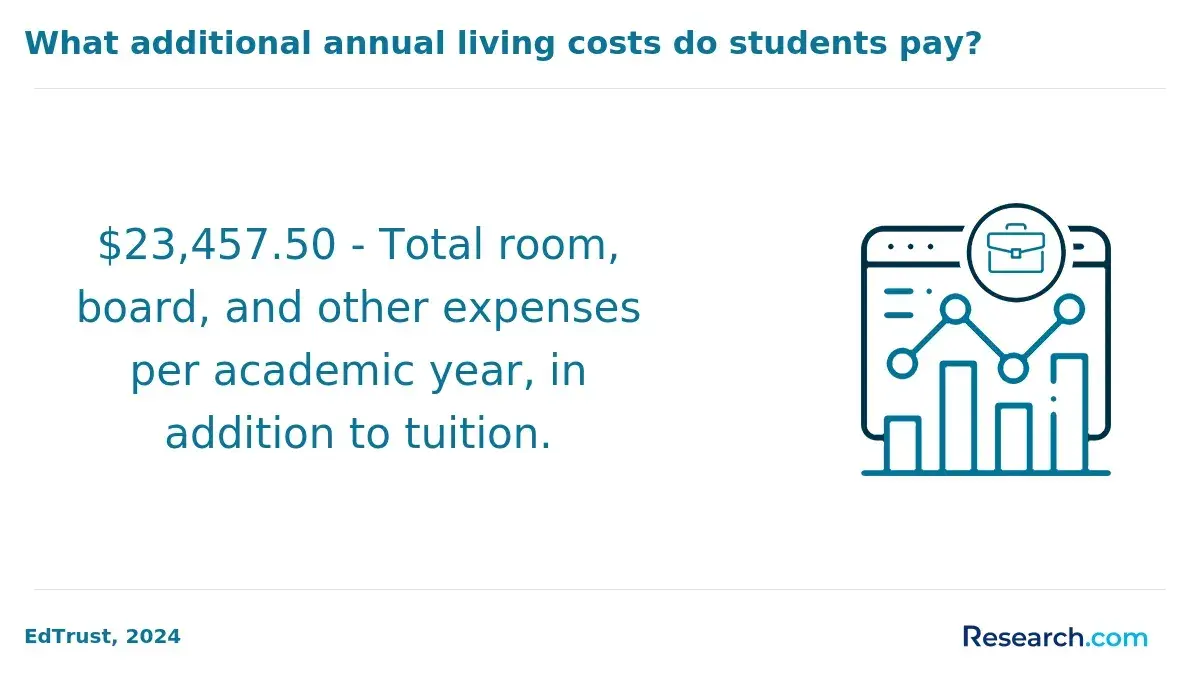
Completing an online sport management degree requires balancing program length, cost, and employment impact to make a strategic educational investment. Undergraduate degrees generally span 2 to 4 years full-time, with accelerated tracks reducing this to about 2 years for those with prior credits. Master's programs typically last 1 to 2 years depending on enrollment status. These timelines directly affect how quickly working professionals can reenter or advance in the workforce while managing income flow.
Cost differentials are significant: public institutions may charge between $7,000 and $15,000 annually for undergraduate study in-state, whereas private programs often exceed $25,000 per year. Master's degrees range from $15,000 to $40,000 total, with tuition variations tied to institutional ranking and whether the program emphasizes applied sports business projects-these projects can materially improve job readiness in areas like sports marketing or facility management.
Consider a mid-level athletic director opting for part-time master's study over two years; the tradeoff may be manageable tuition but a delayed salary increase due to limited time for professional growth during study. Conversely, a full-time student without work obligations might pay more upfront but enter the job market faster. With over 90 distance-learning sport business programs available globally, evaluating program rigor and return on investment is essential to avoid costly misalignment with career goals.
What sports industry careers can graduates of these programs pursue?
Choosing an online sport management degree requires weighing practical skill development against financial and career outcomes. Graduates equipped with applied sports business projects tend to outperform peers in roles like sports marketing, facilities management, and athlete representation, where real-world competencies such as contract negotiation and digital marketing analytics are critical. For instance, crafting targeted campaigns for professional or collegiate teams demands nuanced understanding of brand partnerships and fan engagement metrics, skills sharpened through project-based coursework.
Operational roles, including stadium logistics and event coordination, emphasize budgeting, risk management, and stakeholder communication-elements best learned through applied scenarios rather than theory alone. Positions in athlete management further necessitate networking and legal insight, reinforced by case studies and role-play exercises integrated into some programs.
Financial considerations heavily influence the return on investment. Tuition varies dramatically; Liberty University charges approximately $390 per credit full-time, whereas NYU charges about $2,002 per credit. This disparity, combined with median entry-level salaries between $40,000 and $60,000, means prospective students must carefully evaluate debt impact versus practical experience gained.
To enhance employability, especially in specialized areas like sports analytics, graduates should supplement study with technical skills such as data visualization or coding. Aligning project work with targeted career roles mitigates opportunity costs and meets employer preference for candidates demonstrating applied expertise.
What salary ranges and earning potential exist in sport management roles?
Salary bands in sport management reflect significant variation tied to role specificity, location, and sector, ranging from around $45,000 in entry-level event planning to $150,000 or more for senior executives in major professional organizations. For instance, an assistant coordinator typically earns $45,000 to $60,000, whereas athletic directors or general managers often surpass the $100,000 mark, with top earners benefitting from organizational scale and revenue diversity. These figures, derived from authoritative sources like the U.S. Bureau of Labor Statistics and 2024 industry surveys, underscore the financial premium placed on leadership and operational oversight.
Part-time enrollment in an online sports business master's program-such as a 34-credit curriculum allowing 6-9 credits per term-enables candidates to work full time while progressing academically. This structure preserves steady income but demands disciplined time management and employer flexibility, especially as professional responsibilities expand, potentially restricting opportunities for overtime or supplemental projects.
The sector's bifurcation between collegiate and professional contexts influences pay and work intensity: collegiate positions typically offer $50,000 to $75,000 with progressive advancement through experience, while roles in sports marketing and pro franchises move faster toward higher compensation but require heavier time investments.
Decision-makers contemplating education paths must balance ongoing earnings against the accelerated career impact of full-time study, factoring in how applied project experience strongly affects employability. A part-time, career-compatible degree often represents a pragmatic midpoint for mid-career pivots.
How is the job outlook for sport management and sports business professionals?
Growth in the global sports market-from $487 billion in 2022 to a projected $623 billion by 2027-is amplifying demand for sport management professionals with specialized skills in contract negotiation, digital sponsorship, and media rights valuation. However, job opportunities are unevenly distributed: advanced roles in sports media rights and digital marketing require analytical and technological proficiency far beyond that of traditional event management positions.
For professionals pursuing online sport management degrees, integrating applied projects focused on digital fan engagement, contract management simulations, and sponsorship analytics is essential to meet employer expectations. Practical experience such as internships remains a critical differentiator, as many organizations favor candidates demonstrating real-world business acumen over purely theoretical study.
Geographic concentration of jobs in major sports hubs like New York and Los Angeles further complicates career planning, often necessitating relocation or strategic networking through programs with strong industry ties.
Graduates ignoring the growing emphasis on quantifying return on investment in sponsorship and media rights risk stagnating within an increasingly automated and consolidated event operations landscape. Prioritizing media rights management and sponsorship valuation expertise aligns more closely with employer needs and better supports long-term career resilience.
How can students choose a reputable online sport management program?
Programs that lack verified, industry-integrated experiences place graduates at a distinct disadvantage in sport management. For instance, NYU SPS reports that 70% of its students complete at least one internship, a practical exposure employers expect to navigate athlete representation, event management, or sports marketing. Without hands-on experience, candidates often find it difficult to stand out in a saturated job market.
Prospective students must critically assess how programs cultivate relationships with sports industry employers through alumni networks, internship pipelines, and applied projects. Those lacking these direct industry connections tend to show weaker job placement and limited professional networking opportunities. Accreditation alone is insufficient without evidence of practical skill development and employment outcomes.
Flexibility is crucial for working professionals balancing employment and study. Programs offering evening, part-time, or adjustable internship options address these constraints better than rigid schedules. Location also influences access to opportunities; programs near major sports hubs provide richer networking but may focus on specialized market segments. Graduates targeting roles like sports agents or business managers benefit from programs with strong emphasis on legal, financial, and contract negotiation skills rather than administrative focuses.
Finally, curriculum breadth including industry-relevant tools, data analytics, compliance, and business fundamentals is essential. Career support services-resume coaching, interview preparation, and direct recruiter engagement-have measurable impact on early career progression. This holistic evaluation ensures alignment between program offerings and the student's career goals and life circumstances.
Other Things You Should Know About Sport Management
Applied projects in online sport management programs often demand significant time beyond typical coursework due to their scope and real-world complexity. Students must manage project planning, data analysis, and stakeholder engagement remotely, which requires self-discipline and strong time management skills. Those without flexible schedules or prior experience juggling multiple responsibilities may find the workload overwhelming and should prioritize programs offering structured milestones and faculty support.
Employers prioritize candidates with demonstrable practical experience because it reduces onboarding time and signals readiness for real-world challenges. Graduates from online sport management programs that embed applied sports business projects significantly improve their attractiveness in hiring pools, especially for mid-level roles requiring project execution capabilities. Candidates lacking this applied experience often face longer ramp-up periods, making program choice critical for meaningful career advancement.
Shorter online sport management degrees often reduce depth and scope of applied projects to fit compressed timelines, limiting opportunities for hands-on experience and comprehensive skill development. Conversely, longer programs typically integrate more extensive applied sports business projects, resulting in stronger portfolios but requiring greater time and financial investment. Students must weigh immediate career entry against building robust experience, selecting programs that match their professional timeline and employer expectations.
References
- Lang School of Business and Economics Launches First Online Sport Management Program https://news.uoguelph.ca/2025/02/lang-school-of-business-and-economics-launches-first-online-sport-management-program/
- What are the salaries after studying sports management? https://www.monaco.edu/en/faq-all-the-answers-to-your-questions-3/what-are-the-salaries-after-studying-sports-management/
- 73 Jobs You Can Get With a Sports Management Degree: A Guide https://www.salemu.edu/blog/sports-recreation-management-careers/
- Master's degree qualifies for careers in Sports Management I CBS https://www.cbs.de/en/blog/masters-degree-qualifies-for-career-in-sports-management
- Types of Sports Management Degrees https://www.allbusinessschools.com/sports-management/degrees/
- 10 Of The Best New Sports Management Programmes To Look For - Bluesky Thinking https://bluesky-thinking.com/7-of-the-best-new-sports-management-programmes-to-look-for/
- Why study sports management? - INSEEC https://www.inseec.com/en/guides/orientation-guide/why-study-sports-management/
- Commission on Sport Management Accreditation - (COSMA) https://www.chea.org/commission-sport-management-accreditation
- Course leader Q&A: How are sport management courses preparing for the future? | SportBusiness https://www.sportbusiness.com/2025/09/course-leader-qa-how-are-sport-management-courses-preparing-for-the-future/
- Online Bachelor's in Sports Management https://www.monroeu.edu/academics/undergraduate-programs/monroe-online/school-business-and-accounting/online-bachelors-sports-management