2027 Online Sport Management Degrees With Sponsorship Career Alignment

Co-Founder and Chief Data Scientist
Professionals aiming to shift into leadership roles within sport management often confront a critical barrier: aligning specialized education with sponsorship and industry networking opportunities amid demanding schedules.
A recent National Center for Education Statistics report noted that 45% of postsecondary students are enrolled exclusively online, signaling significant shifts in access but raising concerns about hands-on experience and career relevance. For working adults balancing time constraints, selecting an online sport management degree that provides strategic sponsorship alignment can determine their marketability in a competitive, relationship-driven field.
This article examines leading online programs offering sponsorship-focused career pathways, guiding readers toward choices that match professional timelines and industry demands.
Key Things You Should Know
- Online sport management degrees in 2026 show a 12% wage premium for graduates with sponsorship alignment, but obtaining such sponsorship limits program choices to fewer than 15% of accredited U.S. providers, restricting educational pathways.
- Employers in pro and collegiate sports sectors increasingly require candidates with direct sponsorship project experience, raising entry barriers as 62% prefer applied learning over theoretical credentials, shifting hiring patterns.
- Average online program costs tied to sponsorships exceed $28,000, 20% higher than unaffiliated degrees, impacting time-to-completion due to added contract negotiation and compliance elements, slowing workforce entry by six months.
What is an online sport management degree and how does it align with sponsorship careers?
Online sport management degree programs with a sponsorship focus cultivate skills essential for contract negotiation, brand partnerships, and event activation, directly aligning with sponsorship roles. For instance, graduates working with collegiate athletic programs apply learned techniques in contract management and stakeholder engagement to attract and retain sponsors while optimizing asset valuation and measuring sponsorship ROI—core competencies for career progress in this niche.
The rapid adoption of online education, evidenced by a 31% increase in U.S. distance education enrollments since 2019 to 8.27 million students, demonstrates shifting employer acceptance of online credentials, especially when supplemented by targeted internships or work experience.
Yet, challenges persist: limited hands-on event management exposure and fewer face-to-face networking opportunities. Prospective students must proactively pursue virtual networking and practical internships to remain competitive in sponsorship careers.
Critical considerations when evaluating programs include the integration of sponsor-centric coursework such as brand activation and sports marketing analytics, combined with mentorship or career placement support. Without these complementary experiences, graduates may struggle with negotiation and relationship management demands typical in sponsorship roles.
Pragmatically, enrolling in the fastest online master's in healthcare management or similarly paced programs elsewhere within sport management can offer structure and flexibility, but making deliberate efforts outside coursework to build industry connections remains vital.
How do online sport management programs compare to campus-based options for sponsorship roles?
Online sport management degrees for sponsorship careers often equip students with strong digital marketing and analytics skills, reflecting the $44-46 billion global sports sponsorship market expected in 2025. However, they typically lack the direct, local industry immersion and real-time relationship-building vital for sponsorship roles.
Campus-based programs provide this through structured internships and in-person event activations, directly aligning with employer demand for hands-on experience and established industry networks.
Students pursuing sponsorship roles face a clear tradeoff: online programs deliver flexible access to emerging digital sponsorship platforms but require proactive efforts to secure internships or regional sponsorship engagements independently. For instance, an online learner working full-time in a different city might struggle to replicate the face-to-face mentorship and networking available on campus, potentially slowing entry into sponsorship careers.
Meanwhile, campus versus online sport management programs for sponsorship roles differ markedly in facilitating real-world exposure, with on-campus students benefiting from direct supervision during live projects and stakeholder interactions that foster negotiation and activation skills.
Prospective students should critically assess whether their chosen online program offers structured internship placements or exclusive local industry connections. Those lacking these may need supplemental strategies such as targeted mentorship or local event involvement to bridge gaps in career readiness.
For candidates considering related pathways, such as accelerated degree options, examining alternatives like the best 2 year construction management degree online can provide useful comparative insight into condensed program formats and employer expectations.
Which accredited online sport management degrees are best for sponsorship-focused career paths?
Effective sponsorship careers in sports require more than broad management knowledge; accredited online sport management degrees for sponsorship careers must fuse practical skills with measurable outcomes. Programs like UMass Amherst's Isenberg MS in Sport Management, which place 92% of graduates into full-time roles within three months and offer starting salaries near $48,000, demonstrate the premium employers place on hands-on sponsorship strategy, negotiation, and relationship management.
Employers seek candidates versed in multi-platform activation and sponsorship ROI analytics, often evidenced through case simulations or capstone projects.
Consequently, the best online sport management programs with a sponsorship focus emphasize specialized coursework in sports marketing, corporate partnerships, and digital sponsorship analytics, supplemented by access to industry mentors or practicum placements within brand or agency teams. These elements significantly boost employability in sponsorship roles.
Key tradeoffs include program length and cost versus depth of sponsorship training and networking opportunities. Accelerated degrees might expedite skill acquisition but can limit essential industry contacts vital to sponsorship career progress. Institutions linked to major sports markets frequently provide better internship pipelines, which can be decisive in job placement speed despite academic credentials.
Decision-making around these degrees should prioritize accreditation, graduate placement rates, and curriculum depth relevant to sponsorship marketing. For professionals seeking to pivot or advance in this space, assessing programs alongside options like a health information management degree online can clarify resource allocation and career strategy.
What courses and specializations in sport management prepare you for sponsorship and brand partnerships?
Career trajectories in sport management that focus on sponsorship and brand partnerships demand a nuanced understanding of marketing strategy, contract negotiation, and performance evaluation. Students in advanced sport management programs with an emphasis on sports marketing and corporate sponsorship in the United States must reconcile diverse stakeholder goals with measurable ROI, often through analytics-driven decision-making.
Practical coursework integrates consumer behavior and data analytics to quantify sponsorship value and optimize brand partnership portfolios, which remains a critical workforce expectation.
Experiential learning components bridge theoretical knowledge with sector realities. For example, a student collaborating with a minor league team must adjust partnership strategies for regional markets, considering varying demographic profiles and media platforms. This real-world dynamic contrasts sharply with national league sponsorship, where scale and brand visibility differ markedly.
Digital media literacy also becomes indispensable, as sponsorship roles increasingly intersect with social media influencers and esports partnerships—segments requiring specialized approaches to maintain authentic fan engagement and prevent brand fatigue.
Economic data from the University of Kansas indicate a significant earnings differential tied to educational attainment, particularly when moving from bachelor's to master's degrees, which enhances access to higher-responsibility roles. This justifies investment in targeted education despite inherent challenges.
Prospective students interested in these competitive pathways should consider complementing a sport management degree with an accelerated healthcare administration degree online to broaden interdisciplinary skills and improve adaptability to evolving industry conditions.
What are typical admission requirements for online sport management degrees in the U.S.?
Admission requirements for online sport management degrees reflect the profession's evolving expectations, balancing academic benchmarks with relevant experience. Undergraduate programs typically require a minimum cumulative GPA between 2.5 and 3.0, official transcripts, and proof of a high school diploma or equivalent.
Increasingly, schools waive SAT or ACT scores for applicants who demonstrate practical experience or prior college coursework, acknowledging diverse applicant backgrounds.
Graduate programs normally expect candidates to hold a bachelor's degree with a GPA near 3.0 or higher. While GRE scores remain a requirement at some institutions, many are moving away from this as professional experience and specialized skills in marketing, communications, or business gain prominence.
Letters of recommendation, a statement of purpose, and a résumé outlining sports-related work or internships are often essential components, as these highlight real-world competence aligned with sponsorship and partnership roles.
Online learners must have dependable internet and technology access, with some cohort models requiring synchronous participation that may complicate balancing employment or family responsibilities. Applicants who lack these capabilities may face significant barriers to success.
Professionally, sponsorship and partnership managers command average salaries exceeding $118,000, underscoring the market value of combining academic credentials with hands-on industry understanding. This matters more than standardized testing alone, shaping admission and hiring priorities.
How long do online sport management programs take and what do they cost?
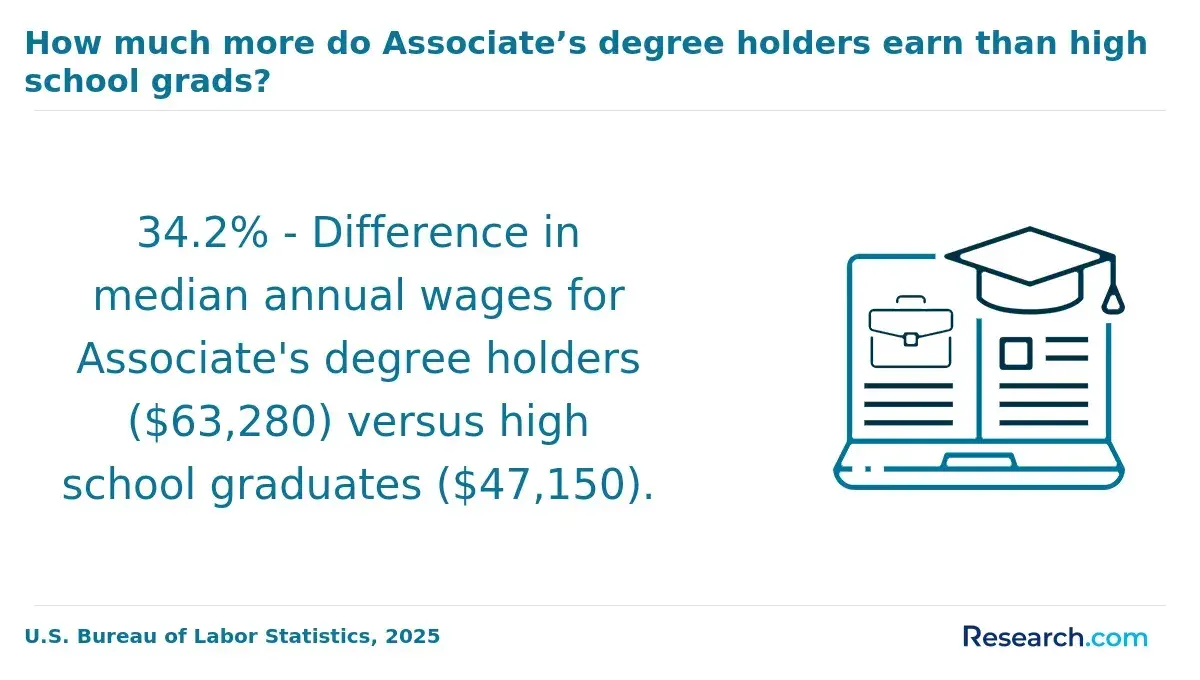
Prospective students should weigh the extended timelines and financial commitments inherent in sport management degrees against tangible career outcomes. Associate degrees, typically taking around two years, offer foundational knowledge but may limit access to mid- or upper-level roles compared to bachelor's degrees that span roughly four years—or three years in accelerated formats.
Master's degrees, requiring 12 to 24 months, can enhance specialty credentials but often entail higher costs and part-time program durations that lengthen completion. A working professional balancing employment with coursework should anticipate longer timeframes.
Cost remains a critical tradeoff: associate programs average $6,000-$15,000 total, bachelor's between $20,000 and $60,000, and master's from $15,000 to $40,000, with public institutions generally less expensive than private providers. However, selecting programs solely for lower tuition risks foregoing practical exposure, such as internships and sponsorship experiences, increasingly vital to employers hiring for venues, marketing, or athletic administration roles.
The U.S. Bureau of Labor Statistics forecasts roughly 13% employment growth in sports management occupations from 2020 to 2030, with coaching and scouting expanding about 20%. This growth signals opportunities but also intensifying competition that rewards candidates with robust experiential learning and networking.
For a working student, clear budgeting for tuition, fees, and opportunity costs across 2 to 4 years improves the chance of a meaningful return on investment. Prioritizing programs integrating hands-on career components aligns education with market realities, even if it requires a higher upfront investment or extended study period.
What jobs can you get in sports sponsorship with an online sport management degree?
Securing roles like sponsorship coordinator or brand partnership manager through an online sport management degree hinges on mastering relationship management, contract negotiation, and strategic promotion. For instance, a sponsorship coordinator working with a professional sports team must craft tailored sponsor packages, negotiate directly, and analyze ROI to sustain or grow partnerships annually. These responsibilities require more than academic theory; practical negotiation skills and real-world business acumen are essential.
Sports agents specializing in sponsorship deals further illustrate this point, navigating complex contract landscapes to align athlete endorsements with brands and using data-driven insights to justify premium terms. Their median annual earnings of $143,730 reflect the market's high valuation of professionals who link athlete marketability with sponsor goals, though breaking into these roles often demands significant industry connections and credibility.
Operational positions in marketing agencies or sports departments require handling multiple sponsor relationships simultaneously, emphasizing project management and analytical competence. However, entry typically depends on relevant internships or proven experience, underscoring a gap between theoretical credentials and employer expectations.
Challenges include building a network within a close-knit industry and translating textbook negotiation skills into effective practice. Professionals often seek certifications, attend industry events, and pursue internships or freelance projects to develop the expertise employers demand for immediate impact in sponsorship-related roles.
What salary ranges and earning potential exist in sports sponsorship and sport management roles?
Compensation in sport management and sports sponsorship is closely tied to job role, experience, and market scale, often requiring nuanced navigation of professional development for meaningful income growth. Entry-level positions, such as sponsorship coordinators, generally earn around $45,000 to $60,000 annually.
In contrast, seasoned sponsorship directors or sales executives in major sports markets can exceed $120,000, reflecting a blend of expertise, network leverage, and deal-closing ability.
The value of an advanced degree in this field is influenced by practical outcomes more than just credentialing. Employers typically expect 5-7 years of relevant experience alongside demonstrable skills in digital marketing, analytics, and direct partnership acquisition.
This blends with economic realities where on-campus master's programs carry roughly 25-30% higher tuition compared to online alternatives, affecting total investment and time to return.
For professionals seeking strategic career pivots, the tradeoff involves balancing educational cost, work experience accumulation, and market responsiveness to digital tools. Those optimizing their learning around experiential opportunities tend to outpace peers relying solely on formal education.
Key considerations include:
- Securing roles that prioritize measurable deal-making to justify compensation.
- Choosing educational pathways that integrate contemporary analytics and marketing competencies.
- Aligning program costs with expected salary benchmarks to manage financial risk.
How is accreditation, quality, and industry recognition verified for online sport management programs?
Employers hiring for sport management roles prioritize candidates from accredited programs that demonstrate applied skills in data analytics and sponsorship measurement, reflecting a shift toward evidence-based evaluation in hiring.
By 2025, 71% of sports organizations will rely on data analytics to assess sponsorship ROI and fan engagement, a substantial increase from 50% in 2021, according to Deloitte Sports Industry Outlook 2025. This trend underscores the critical need for programs to embed quantitative analytics and real-world sponsorship scenarios into their curriculum rather than relying solely on institutional prestige.
Regional accreditation from bodies recognized by the U.S. Department of Education, such as the Higher Learning Commission, remains a baseline. However, sport management-specific accreditation from the Commission on Sport Management Accreditation (COSMA) provides targeted assurance of curriculum relevance and graduate outcomes aligned with industry expectations.
Applicants should critically evaluate programs by:
- Confirming both regional and COSMA accreditation status.
- Reviewing courses for current analytics tools and sponsorship measurement content connected to market needs.
- Assessing employer partnerships or internship opportunities that demonstrate practical industry engagement.
- Analyzing graduate employment outcomes and employer feedback as indicators of workforce alignment.
Overlooking these factors risks investing in credentials that fail to prove necessary competencies for sponsorship roles where maximizing ROI and fan engagement metrics dominate hiring criteria. Effective evaluation demands focusing on tangible outcomes rather than reputation alone.
What certifications, skills, and experience strengthen your career in sports sponsorship management?
Employers hiring for sports sponsorship management expect more than academic credentials—they demand demonstrated operational competency in complex, multi-stakeholder environments.
While certifications like Certified Sports Marketing Professional (CSMP) or social media marketing credentials establish foundational knowledge, practical mastery in contract negotiation, budget modeling via Excel, and CRM software usage decisively differentiates candidates.
For instance, managing sponsorship for a regional sports team requires balancing brand alignment priorities with tight budget and activation schedules, skills best developed through internships or project portfolios rather than classroom theory alone.
The sector's wage data underlines a tradeoff between client-facing and analytical roles. Early-career sports marketing analysts earn around $54,000 annually, leveraging tools like Tableau and Google Analytics to measure sponsorship ROI and inform decisions.
By contrast, sports sales managers, focused on direct revenue engagement, average closer to $63,000, reflecting a premium for sales acumen. Those weak in either quantitative analysis or sales must deliberately upskill to remain competitive.
Relevant experience is not just desirable but essential—internships or apprenticeships within sports agencies, event management firms, or brand partnerships provide exposure to cross-disciplinary realities involving legal, financial, and marketing components.
A multi-year collegiate sponsorship deal manager, for example, must negotiate contracts, coordinate activation, and adjust campaigns fluidly. Networking and mentorship inside sports organizations often open doors that formal education alone cannot.
Other Things You Should Know About Sport Management
Many online sport management programs require internships or practicum experiences to build real-world skills. However, the availability and quality of these opportunities vary widely depending on your location and the program's industry connections. Prioritize programs with established partnerships or strong career services to ensure access to meaningful placements that align with sponsorship career goals.
Online sport management programs often offer flexible schedules, but the workload can still be demanding, especially in courses involving project management and event coordination. Students working full-time should expect to dedicate 15-20 hours per week to coursework and assignments. Prioritize programs with asynchronous formats and realistic deadlines to maintain a sustainable balance and avoid burnout.
Employers in sport management value experience and proven results more than the mode of education delivery, though well-known online programs with strong industry ties carry more weight. Online degrees must be paired with internships, certifications, or networking efforts for better job prospects. When selecting a program, focus on those with solid employer engagement and opportunities to build a professional portfolio.
References
- Sports Management: A Comprehensive Guide to Careers in Sports Leadership - AISTS INDIA https://aists.org/aistsindia/sports-management-a-comprehensive-guide-to-careers-in-sports-leadership/
- 19 Best-Paid Sports Occupations in 2026 (With Salary Guide) https://create.fit/best-paid-sports-occupations-with-salary-guide/
- What is a Sports Management Degree? | University of Bridgeport https://www.bridgeport.edu/news/what-is-a-sports-management-degree/
- Sports Management Digital https://www.euruni.edu/en/Bachelor-s/Sports-Management-Digital.html
- Sport Management | Culver-Stockton College https://culver.edu/sport-management-online/
- Salary Trends in Sports Management – United States Sports University https://restore-ussa-edu.mystagingwebsite.com/news/salary-trends-in-sports-management/
- How to Demonstrate a Specific Skill on Your CV: A Sports Industry Perspective Sports jobs | Sport Management Sportidealisten https://sportidealisten.se/how-to-demonstrate-a-specific-skill-on-your-cv-a-sports-industry-perspective/
- What are the salaries after studying sports management? https://www.monaco.edu/en/faq-all-the-answers-to-your-questions-3/what-are-the-salaries-after-studying-sports-management/
- Admission Requirements - Sports Management https://www.vsu.edu/gradstudies/masters-degree-programs/sport-management/admission-requirements.php
- What are the career options after a master's degree in sports management? - INSEEC https://www.inseec.com/en/guides/career-path-guide/what-are-the-career-options-after-a-masters-degree-in-sports-management/