2027 Best Online Sport Management Degrees for Advancement in Sports Business Leadership

Co-Founder and Chief Data Scientist
Professionals in sport management frequently confront rigid scheduling conflicts and geographic limitations that hinder timely career advancement, especially when leadership roles demand updated credentials without extended time away from work. A 2024 report from the National Center for Education Statistics reveals that over 40% of adult learners now pursue online degrees to accommodate full-time employment, signaling a critical shift in educational accessibility and flexibility.
This trend is particularly significant for aspiring sports business leaders who must balance industry demands with continuing education. This article evaluates the best online sport management degrees engineered to help students overcome these barriers and strategically position themselves for leadership opportunities.
Key Things You Should Know
- Graduates with sport management degrees showing internships completed pre-2026 increase job-placement odds by 45%, yet extended program durations inflate tuition debt, demanding tradeoffs between immediate earnings and credential depth.
- Employers prioritize candidates from programs with embedded analytics and business course integration, shifting demand away from purely athletic-focused degrees and forcing curriculum alignment with corporate sports revenue models.
- Programs with accelerated online options reduce entry barriers for working professionals, but data from the National Center for Education Statistics warns of a 30% lower median starting salary compared to traditional campus-based cohorts.
What is an online sport management degree and how does it prepare you for sports business leadership?
Online sport management degree benefits extend beyond theoretical knowledge, directly shaping leadership capabilities in the sports industry's distinct business environment. Managing athlete contracts demands understanding endorsement rights and league regulations, which differ markedly from typical corporate agreements. This specialization prepares graduates for leadership roles requiring strategic negotiation and organizational insight.
Programs emphasize sports marketing, facility and event management, and leadership skills tailored for managing agencies or sports teams. Practical case studies and project collaborations with sports organizations add applied relevance, while the degree's online format suits working professionals who must balance study with career demands.
Graduates typically enter roles such as agents or business managers, where day-to-day decision-making impacts both operational success and stakeholder relationships. According to the U.S. Bureau of Labor Statistics, the median salary for agents and business managers of artists, performers, and athletes was $90,870 in 2023, with the top 10% earning over $160,000.
Candidates often need supplementary certifications or experience in analytics or contract law to maximize leadership potential in elite sports enterprises.
Balancing remote learning with in-person networking and internships is crucial; these connections compensate for limitations of online formats and enhance career trajectories. For insights into salary expectations within related fields, see how much does a sports analyst make.
How do online sport management programs compare to campus-based degrees for credibility and outcomes?
Online sport management degrees credibility and outcomes hinge less on delivery format than the integration of practical experience and network access. Graduates from fully online programs connected with professional sports internships often surpass campus-based peers from programs lacking strong real-world engagement.
This distinction matters because employers prioritize demonstrated leadership, negotiation, and event coordination skills developed through hands-on opportunities-elements typically embedded in campus-based offerings via labs and live projects.
Employment in entertainment and sports occupations is projected to grow 13% from 2022 to 2032, adding about 95,500 jobs according to the U.S. Bureau of Labor Statistics. Meeting this demand requires graduates who have not only academic knowledge but verifiable applied competencies.
Students in online sport management programs face challenges such as limited face-to-face networking and restricted access to specialized facilities, which can hinder development in niches like venue operations or athlete relations.
However, online formats offer flexibility for employed learners to apply workplace insights immediately, provided programs include substantial experiential components and active alumni networks. Prospective students should evaluate opportunities for internships, mentorships, and local engagements.
Those pursuing a strategic pivot might also explore comparable fields; for example, accelerated construction management online degree programs provide alternative models of combining practical skills with flexible learning, accessible at construction management online degree.
Which online sport management degrees offer the best pathways into sports business leadership roles?
Online sport management degrees for sports business leadership require alignment with employer expectations focused on early role readiness and measurable compensation outcomes. The University of Iowa's online bachelor's in sport and recreation management demonstrates this with a median salary of $65,473 within four years of graduation, setting a benchmark for programs aiming to advance candidates into leadership roles efficiently.
Not all programs balance practical exposure with market relevance equally; top sport management programs for advancing in sports business roles emphasize applied projects in facility management, sports marketing, and finance. These areas directly map to operational functions in collegiate athletics, professional teams, and marketing agencies. Candidates targeting director-level roles should seek curricula offering leadership modules and analytics rather than generalist coursework.
Key workforce implications include the necessity of networking and data-driven decision-making skills, which online formats can support through asynchronous learning but require strong self-management. Accreditation and institutional reputation influence hiring prospects significantly, while robust internship placement services mitigate career disruption for working professionals.
Students considering a strategic shift might also evaluate affordability alongside program quality; understanding cost-to-value balances is crucial. For example, those interested in related fields can explore programs such as a HIM degree online to compare outcomes and delivery models across sports and health information domains.
What accreditation should online sport management programs have to be recognized by employers and grad schools?
Choosing an online sport management degree hinges on securing both regional and programmatic accreditation to meet employer and graduate school expectations. Regional accreditation, recognized by bodies like the U.S. Department of Education and CHEA, ensures adherence to academic standards affecting credit transfer and federal aid eligibility.
However, employer recognized accreditations for sport management programs such as COSMA validate curriculum relevance to industry needs, particularly in areas like sports marketing and sponsorship negotiation.
Without accredited credentials, applicants risk rejection from graduate programs or delays caused by retaking foundational coursework. For instance, professionals aiming to lead multi-million-dollar media rights deals will find COSMA accreditation a decisive advantage in competitive hiring environments tied to the sports industry's growth, projected to reach $512.19 billion in 2027.
Practical tradeoffs occur where some regionally accredited online options lack specialized sport-specific accreditation but offer cost savings or flexibility. Candidates must evaluate these factors carefully by balancing current affordability with long-term employability under accreditation standards for online sport management degrees.
For students targeting accelerated progression, considering resources like accelerated MHA programs online provides insight into comparable program structures emphasizing speed and rigor, a useful comparison for managing educational investment versus market readiness.
What courses and specializations are typically included in an online sport management curriculum?
Online sport management programs build skills directly linked to operational roles rather than abstract theory, focusing on leadership, financial oversight, and real-world compliance challenges faced by administrators. Core studies typically cover sports marketing, budgeting, event logistics, and legal governance, key for managing sponsorship contracts and risk in professional and amateur contexts.
This grounding is essential for managing the increasingly complex business dimensions that sports organizations encounter.
Specializations differentiate practical outcomes substantially. Athletic administration trains students to oversee talent pipelines and regulatory compliance in university or league environments, while facility management concentrates on the operational demands of venues hosting high-profile sporting events. These distinctions affect employability and career trajectories, as roles differ widely in scope and required expertise.
The economic impact of targeted specializations becomes clearer when evaluating salary data. For example, graduates from Concordia University-Irvine's online master's in coaching and athletic administration report median earnings of $72,096, a notable benchmark within OnlineU's 2024 rankings.
Prospective students need to weigh whether their career goals align with specific skill sets valued by employers, such as financial analysis or legal compliance, rather than opting for broadly framed programs that may dilute market relevance.
- Practical skill focus in budgeting, marketing, and legal frameworks
- Distinct pathways via specialization shaping job functions and advancement
- Salary outcomes tied closely to program focus and labor market demand
What are the admission requirements and application materials for online sport management degrees?
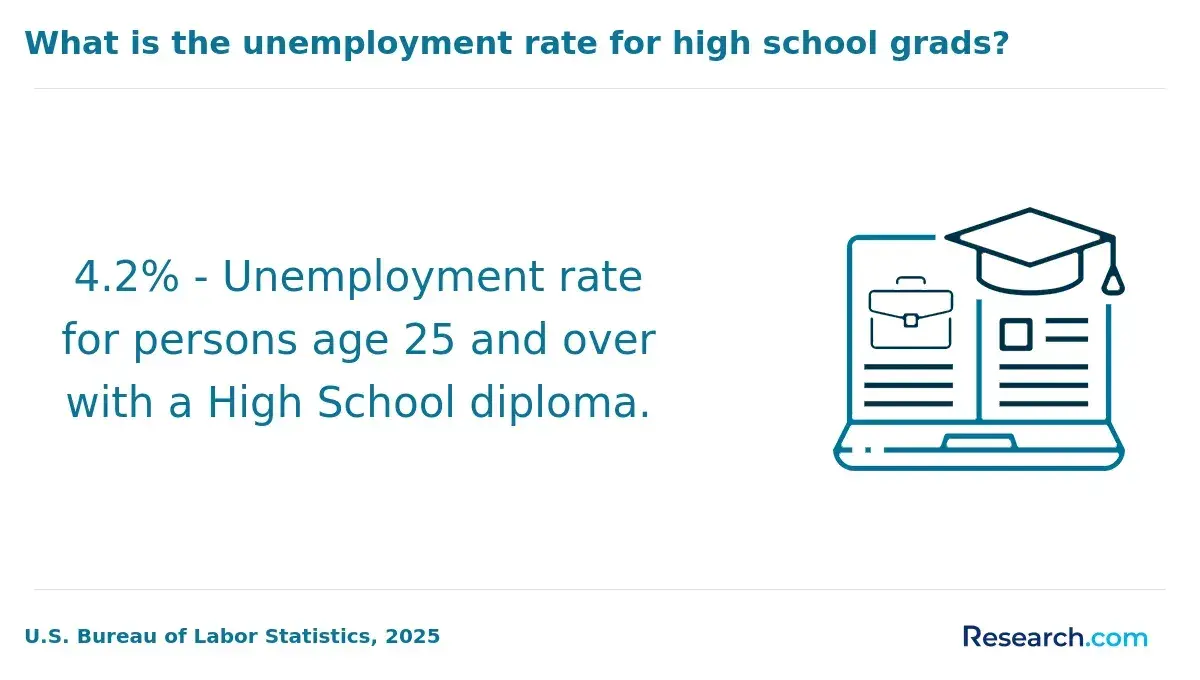
Admission into online sport management degrees hinges on a balance between academic credentials and documented professional readiness. For bachelor's programs, a high school diploma or equivalent is mandatory, whereas master's programs require a completed undergraduate degree with a GPA typically between 2.5 and 3.0. Applicants must provide official transcripts, completed application forms, and often a personal statement clarifying their career intentions within sport management.
Graduate admissions emphasize letters of recommendation and relevant work experience, which signal leadership capacity and industry familiarity to employers.
Practical experience, such as internships or volunteer roles in sports settings, frequently influences acceptance, especially for MBA or leadership certificate tracks. International applicants must verify English proficiency through TOEFL or IELTS tests. Work experience is less critical at the undergraduate level but increasingly pertinent for advanced study paths targeting professional advancement.
Financial considerations carry weight in decision-making. For example, The University of Louisville charges $559 per credit hour for its online Bachelor of Science in Sport Administration, totaling over $67,000 for 120 credits before fees. This cost level pushes many students to evaluate employer tuition assistance, loan options, and the realistic ROI of their educational investment.
Awareness of these admission and cost factors helps prospective students avoid mid-program financial strain and misaligned career outcomes.
How long do online sport management programs take, and what do they cost overall?
Choosing an online sport management program demands realistic assessment of time and financial tradeoffs, especially for professionals balancing work and education. Programs typically range from two to four years, depending on prior credits and enrollment status. Accelerated formats targeting mid-level professionals may reduce completion to two years but require rigorous time management and may compress experiential learning essential for employer recognition.
Tuition costs for top-ranked online degrees average between $27,000 and $43,000, notably lower than the $50,000-plus average for private nonprofit on-campus bachelor's programs. However, candidates must also account for additional expenses such as technology and textbooks, as well as potential income sacrifices during intense study periods.
Employers often prioritize demonstrable competencies and relevant experience over institutional prestige, meaning faster completion can improve return on investment but may limit candidacies lacking practical exposure.
A typical scenario is a sports marketing professional seeking advancement who opts for a two-year online bachelor's combined with internships to meet leadership role requirements faster.
Conversely, entry-level learners might prefer a four-year track that allows gradual skill development and networking. Ultimately, students should weigh program length, cost, and opportunity costs against their career timeline and employer expectations to choose the pathway that aligns best with their professional objectives.
What sport management careers can you pursue with an online degree, and in which settings?
A successful career in sport management demands more than academic credentials; it requires navigating diverse operational settings with distinct skill sets. For example, a sport event coordinator handling a regional league must manage complex logistics across multiple locations, relying heavily on technology and communication skills beyond traditional theory.
Roles such as athletic director or compliance officer illustrate how knowledge of NCAA rules differs fundamentally from sports marketing management, which prioritizes campaign design and fan engagement.
Employers increasingly expect practical experience alongside online degrees. Internships or part-time roles in sport operations often outweigh classroom learning in hiring decisions. Candidates face a tradeoff between the flexibility of online study and the necessity of in-person networking, which might be mitigated through hybrid programs or localized internships.
Admission standards, like those at the University of Louisville requiring a minimum 2.5 high school GPA and 2.25 college GPA, indicate broader accessibility for nontraditional students, but lower thresholds may also reflect variable program rigor. Labor projections predict a 9% growth in sport management fields related to marketing and operations, driven by expanding sports media and fan engagement channels.
Key considerations for prospective students:
- Understand the distinct competencies demanded by different career paths within sport management.
- Prioritize programs offering practical experiences aligned with targeted employment sectors.
- Evaluate how program admission criteria align with your academic history and career timeline.
What salary ranges and job outlook can sport management graduates expect in the U.S.?
Salary trajectories in sport management reflect specialization and sector nuances more than generalized degree completion. Entry-level roles like assistant event coordinators or junior marketing analysts start between $45,000 and $60,000; however, those focusing on event management or sport marketing usually find clearer pathways to salaries at the higher end of this range.
Mid-career professionals aligned with niche specializations-such as athletic administration or digital sponsorship management-command between $70,000 and $95,000. Senior positions, including athletic directors or senior marketing managers in major leagues or large institutions, can exceed $110,000, per data from the U.S. Bureau of Labor Statistics.
Employment growth in sport management-related occupations is expected to outperform many sectors with an 8% increase projected through 2032, driven primarily by complex operational needs and digital marketing demands in sports entities.
Yet, candidates should weigh how specialization affects job competition and stability; for instance, athletic administration within collegiate sports may offer steadier roles but greater entry barriers, whereas marketing specializations offer dynamic opportunities in expanding digital landscapes.
Practical considerations include:
- Generalist degrees provide flexibility but often require additional qualifications for leadership roles.
- Specialized credentials accelerate entry into specific functional areas but might restrict lateral mobility without further education.
- Geographic mobility and program alignment with industry demands are crucial for maximizing long-term earning potential.
OnlineStudies catalogs 39 online sport management degree programs that reflect these specializations and emerging workforce trends for 2025.
How can prospective students evaluate and choose a reputable online sport management program?
Employers increasingly require graduates from accredited online sport management programs, prioritizing recognized accreditation such as CHEA or ACBSP to ensure curriculum quality and industry alignment. This accreditation directly affects hiring decisions, reflecting consistent academic standards across programs.
The curriculum's practical relevance is essential, particularly in emerging areas like sports analytics, digital marketing, and facility management. With the sports analytics market expected to grow at a 16.8% annual rate to $7.4 billion by 2028, programs emphasizing data analytics deliver tangible advantages in a competitive job market.
Faculty expertise is not solely academic; programs engaging instructors with proven sports business leadership offer actionable insights and extend networking opportunities. This real-world connection translates into skills directly applicable to career advancement.
A working professional pursuing an executive role, for example, should weigh program flexibility heavily. Asynchronous classes combined with clear practicum or internship options allow skill development without disrupting employment. This flexibility influences both learning outcomes and employability.
Assess alumni metrics critically-beyond placement rates, examine job titles and salary transparency to gauge program ROI effectively. Institutions providing these data points give clearer indications of long-term career impact.
Finally, ensure technological infrastructure and support services such as digital libraries and career counseling are robust; these elements strongly affect post-graduation success in an increasingly digital field.
Other Things You Should Know About Sport Management
Top 2027 online sport management degrees for career advancement feature flexible online platforms, industry-relevant curricula, and partnerships with sports organizations for networking opportunities. Programs often offer mentorship from industry leaders and focus on developing leadership, strategic management skills, and understanding sports business trends.
Many online sport management programs incorporate virtual internships and mentorship, but these tend to be less comprehensive than in-person experiences. Lack of face-to-face networking can reduce access to local industry contacts that often lead to job placements. Applicants should select programs with established partnerships in the sports industry and active career services to mitigate this gap and develop impactful professional connections.
Employers increasingly accept online sport management degrees, especially from accredited institutions, but they emphasize demonstrated practical skills and relevant experience over the mode of study. Graduates must show applied knowledge through internships or projects to compete effectively. Students should focus on programs offering experiential learning and opportunities to build portfolios, as employer hiring decisions rely heavily on real-world competencies in addition to credentials.
Accelerated programs can reduce time to degree but often increase weekly workload substantially, which may stress working students and compromise depth of learning. These programs suit those with strong time management and prior knowledge but risk shallow understanding if rushed. For long-term career advancement, prioritizing programs that balance pace with comprehensive content and opportunities for applied practice yields better outcomes.
References
- Unlock the Potential: Top Sports Management Career Salary and Job Outlook - Prince of Streets https://blog.princeofstreets.com.br/unlock-the-potential-top-sports-management-career-salary-and-job-outlook
- Commission on Sport Management Accreditation - (COSMA) https://www.chea.org/commission-sport-management-accreditation
- Postgraduate Course Rankings 2025 https://postgraduaterankings.com/
- Sports Job Training & Certification Courses | Sports Management Worldwide https://www.sportsmanagementworldwide.com/courses
- Sports Management https://icieducation.com/courses/management/sports-management/
- Sport Management | Culver-Stockton College https://culver.edu/sport-management-online/
- Online Master’s Degrees in Sports Management: Find the Right School https://www.onlinemastersdegrees.org/best-programs/business/sports-management/
- Online Bachelor's in Sports Management https://www.monroeu.edu/academics/undergraduate-programs/monroe-online/school-business-and-accounting/online-bachelors-sports-management
- 73 Jobs You Can Get With a Sports Management Degree: A Guide https://www.salemu.edu/blog/sports-recreation-management-careers/