2027 Best Online Bachelor's in Sport Management for Community Sports Careers

Co-Founder and Chief Data Scientist
Professionals aiming to transition into community sports leadership frequently confront scheduling conflicts and geographic barriers that standard campus programs exacerbate. With over 40% of higher education enrollees now adults balancing work and family, data from the National Center for Education Statistics reveals a clear demand for flexible online bachelor's programs that accommodate such competing priorities.
This signals a growing imperative for programs offering asynchronous coursework, real-world applicability, and streamlined pathways that do not sacrifice workforce readiness. Evaluating online options for sport management requires weighing accreditation, practical internship opportunities, and curriculum relevance to community sports administration.
This article identifies the best online bachelor's in sport management tailored to community sports careers, guiding prospective students through critical criteria to optimize timing, accessibility, and career impact.
Key Things You Should Know
- Graduates from online bachelor's in sport management see a 12% wage premium over non-degree holders but face a 14-month median delay in gaining full-time roles per the National Center for Education Statistics, reflecting a tradeoff between accessibility and immediate market entry.
- Employers prioritize candidates with internships and experiential learning 3x more than GPA alone, indicating curricula lacking applied internships reduce hireability in community sports roles amid workforce tightening.
- Programs charging over $30K average total cost yield 7% lower 5-year return on investment versus sub-$20K options, revealing critical cost-efficiency tensions when targeting local government or nonprofit sports organizations constrained by budget cycles.
What is an online bachelor's in sport management and how does it prepare you for community sports careers?
An online bachelor's in sport management programs for community sports careers equips students with specialized skills critical for leading local sports initiatives. Candidates emerge prepared to navigate administrative complexities, from budget limitations to multi-stakeholder coordination involving coaches, volunteers, and municipal partners.
For instance, managing youth sports leagues requires balancing facility use, volunteer schedules, and compliance with safety standards under tight timelines, reflecting real-world operational demands.
The curriculum emphasizes applied knowledge in event planning, marketing, legal compliance, and resource management essential to sustaining community programs. Graduates gain practical insights into conflict resolution and strategic allocation of constrained resources, addressing challenges that arise in local sports leadership roles.
Employers particularly seek expertise in grant writing, community outreach, and adherence to evolving federal and state regulations, skills that distinguish candidates in competitive job markets.
Labor projections from the U.S. Bureau of Labor Statistics indicate a 5% growth in recreation worker employment through 2032, generating around 64,800 annual openings. This growth underscores persistent demand for professionals trained to expand program reach amid increasing public engagement in wellness and organized activities. Strong program connections with local agencies and remote internships substantially enhance readiness for these roles.
Prospective students should critically assess program rigor and real-world applicability since insufficient practical exposure undermines employability. Those interested in leadership pathways may also explore advanced credentials such as an MBA healthcare management to complement foundational sport management expertise and broaden career versatility.
How do online sport management programs differ from campus-based options for community sports roles?
Online sport management degrees vs. campus programs for community sports centers involve a fundamental tradeoff between accessibility and field immersion. While online programs offer critical flexibility through asynchronous coursework—beneficial for working professionals or students in remote areas—these formats often lack embedded hands-on opportunities crucial for community sports roles, such as in-person internships or live event coordination.
This forces online learners to independently pursue practical experience and networking, unlike campus programs where cohort-based connections and direct access to local sports organizations are more readily facilitated.
Employers in community sports increasingly prioritize demonstrated applied skills in program planning, facility management, and stakeholder communication. Online programs tend to emphasize theoretical frameworks and digital case studies, so graduates must proactively seek part-time roles or volunteer positions to build competitive resumes. This requires a higher level of self-direction and planning from online students to match the practical immersion campus counterparts receive.
The University of Iowa's online sport and recreation management bachelor's degree reports median earnings of $65,473 just four years post-graduation, reflecting strong career outcomes when curricula align with market demands and students cultivate experiential learning.
Prospective candidates should closely assess how each program supports real-world opportunities to balance flexible learning with skill acquisition.
Those evaluating pathways toward roles like athletic directors must consider operational realities and workforce implications; for specific guidance on career progression and average compensation, see the data on athletic director salary.
Which accreditation and institutional quality standards matter most for online sport management degrees?
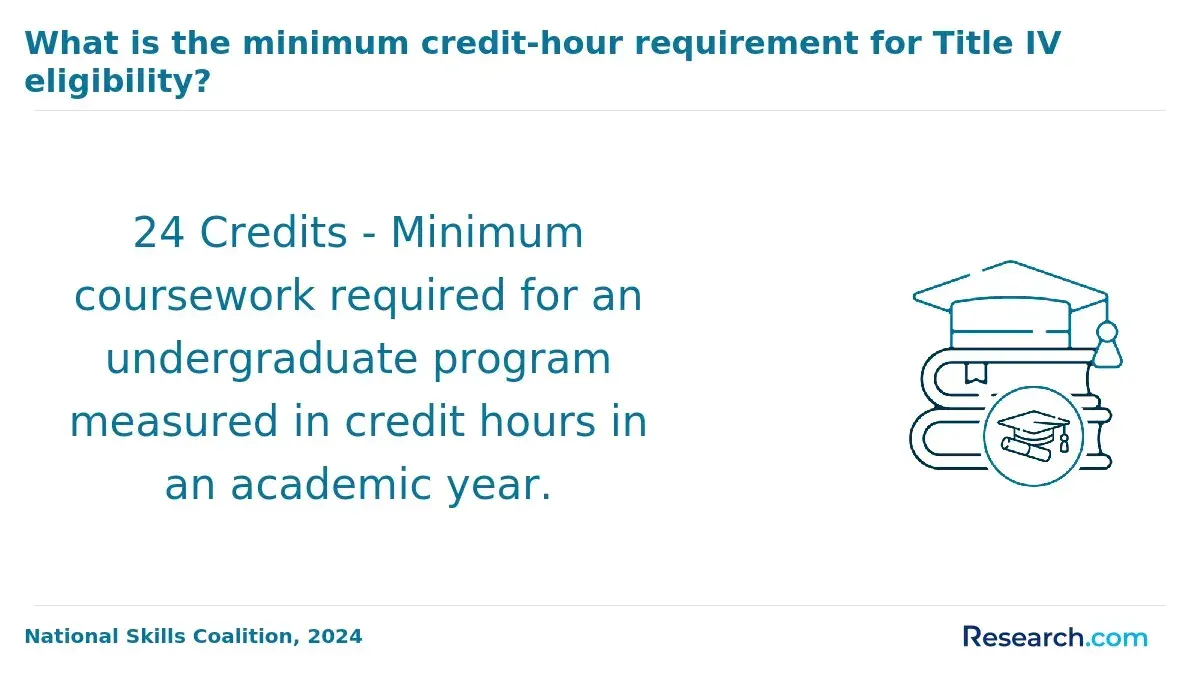
Regional accreditation combined with program-specific recognition such as the Commission on Sport Management Accreditation (COSMA) defines credible online sport management degree accreditation standards in the US. Without both, graduates may face limited credit transfer options, restricted financial aid, and diminished employer recognition—real drawbacks for working professionals balancing education with career demands.
Quality assurance for sport management programs in the US hinges on more than institutional reputation. Practical integration with the sport industry matters: programs embedding internships and real-world projects cultivate familiarity with local sports organizations, regulatory compliance, and event management.
For example, Louisiana State University's online sport administration bachelor's demonstrates a balance of academic rigor and applied learning, with graduates earning a median salary of $57,216 and a 92% alumni recommendation rate.
Students aiming for community sports leadership should evaluate how programs align with recognized frameworks emphasizing competencies relevant to amateur, youth, and nonprofit sectors. Logistical components such as program flexibility, credit transfer policies, and robust student support networks also materially influence outcomes. Programs lacking solid accreditation often leave students disenfranchised from federal aid and with credentials less respected by employers.
Given these factors, it is prudent to compare sport management options against proven benchmarks for quality and return on investment, similar to considerations in an online project management degree search.
What courses and concentrations in sport management best support work in community and youth sports?
Effective pathways in sport management courses for community sports careers demand integrating administrative skills with youth-focused expertise, reflecting the multifaceted nature of local and grassroots programs.
Core subjects like sport program planning, event management, and facility operations directly shape the ability to deliver functional community sports experiences. Concentrations centered on youth sport psychology and coaching education foster a nuanced understanding of developmental and motivational dynamics vital for working with children and adolescents.
Practical challenges frequently arise around funding and human resources in nonprofit and community-based sports programs. Coursework in nonprofit management and community leadership addresses real-world constraints such as budget limitations and volunteer coordination.
Proficiency in grant writing and community stakeholder engagement is often a deciding factor in sustaining these initiatives, as fiscal stability remains volatile in youth leagues supported predominantly by fluctuating local contributions.
The spectrum of tuition costs—from $33,120 at Arkansas State University to $90,960 at DePaul University—reflects substantial variability in program offerings. Higher price tags do not necessarily translate to superior preparation for community sports roles.
Employers increasingly value applied experience, making internships or practicum placements in community settings indispensable components of a credible degree. Concentrations covering risk management and legal compliance equip students to manage liability and safety, frequent challenges in youth sports operations.
Students evaluating sport management courses focused on youth and community programs should weigh programs on practical engagement requirements alongside curricular depth. Those seeking cost-effective yet intensive options might also explore online ABSN programs as a comparative example of accelerated, budget-conscious educational pathways.
What are typical admission requirements for an online bachelor's in sport management?
Admission criteria for online bachelor's in sport management degrees prioritize demonstrable academic readiness over niche experience, reflecting the practical demands of roles in community sports administration. Most programs mandate a high school diploma or GED along with official transcripts confirming completion of foundational coursework—typically 16-18 credits in English, math, and social studies. This baseline ensures candidates possess essential skills before advancing to specialized topics.
Standardized tests such as the SAT or ACT are increasingly optional or waived across major programs, a policy adaptation aimed at broadening access for working adults and non-traditional students. For example, Southern New Hampshire University, home to one of the largest online sport management programs, routinely admits students without requiring test scores, focusing instead on prior education and relevant career goals.
Applicants generally submit a personal statement outlining their motivation, which serves as a critical differentiation tool in large applicant pools. Letters of recommendation, while less common, can reinforce claims of leadership or teamwork skills valued by employers. Some curricula require completion of core business or communication classes to prepare students for the operational realities of sport management roles.
Transfer and non-traditional students must provide official college transcripts and maintain minimum GPAs, often around 2.0 to 2.5. For professionals transitioning into community sports careers, programs that recognize prior learning or certifications offer necessary flexibility, aligning educational attainment with workforce expectations and career pragmatism.
How long does an online sport management bachelor's take and what does it typically cost?
Online bachelor's degrees in sport management often mirror traditional programs in requiring 120 to 130 credit hours, generally completed in four years by full-time students. However, choosing accelerated or part-time paths impacts the timeline substantially, with completion stretching from three to six years. This flexibility directly influences when graduates can enter the community sports workforce, balancing ongoing employment against educational milestones.
Tuition costs present a critical variable. For example, full-time tuition at Liberty University runs about $390 per credit—approximately $46,800 total—while military students benefit from a 36% discount at $250 per credit, lowering costs to roughly $30,000. These differentiated rates affect learner debt and accessibility, especially for veterans or active-duty personnel considering cost-efficiency alongside degree relevance.
Additional fees—covering technology, course materials, and capstone projects—add several thousand dollars beyond tuition. Working professionals must therefore weigh sustained income during longer programs against the delay in obtaining qualifications. Employer tuition reimbursement or military benefits often play important roles in mitigating these expenses.
Employers increasingly seek candidates who pair academic credentials with tangible experience. As such, prospective students should evaluate programs based not only on costs and duration but also on internship availability and networking opportunities, which significantly impact employability in the competitive community sports sector.
What community sports jobs can you get with an online sport management bachelor's degree?
Graduates with an online bachelor's degree in sport management often confront the challenge of balancing educational investment with a competitive job market where entry-level salaries typically range from $35,000 to $45,000. Positions such as athletic directors, facility managers, program coordinators, or event organizers require not only a foundational understanding of operations and budgeting but also practical experience, often gained through internships or volunteering.
For instance, a facility manager in a municipal sports complex must juggle daily scheduling, oversee maintenance contracts, and ensure compliance with local regulations—tasks demanding both theoretical knowledge and hands-on problem-solving skills.
Financially, programs like Arkansas State University's online B.S. in Sport Management illustrate how transferring credits can substantially reduce overall tuition costs, dropping from $35,040 to around $8,760. This cost containment can ease the burden of modest nonprofit or community-sector salaries, but it requires students to strategically navigate degree requirements and minimize loan dependency.
To improve employability, candidates should develop expertise in budgeting, community partnership cultivation, and event management logistics. Additional certifications in areas such as first aid, coaching, or grant writing often tip the balance in favor of candidates when nonprofit and municipal employers prioritize operational efficiency and resourcefulness.
What salaries and advancement opportunities can community sport management graduates realistically expect?
Starting salaries for community sport management graduates typically range from $40,000 to $55,000, with entry-level roles like program coordinators near the lower end and facility management positions approaching mid-$50,000s within three to five years.
Progression beyond initial roles is contingent on accumulating relevant experience, certifications, and developing local network ties, as employers expect demonstrable leadership through internships or volunteer roles rather than online credentials alone.
Advancement to director-level or specialized positions generally requires an online bachelor's degree paired with 5+ years of applied management or marketing experience. According to the National Association of Sports Commissions, such experience can translate into salary increases of up to 25% over entry-level pay, reflecting incremental rather than rapid growth typical in this field.
A pertinent example involves a military veteran pursuing an online program like the University of Louisville's B.S. in Sport Administration, which offers a reduced tuition rate of $250 per credit hour for active-duty personnel, cutting costs by 55%. This reduction lowers the financial barrier and supports faster degree completion, crucial for roles predominantly found in public or nonprofit sectors with stable but modest wages.
Key planning considerations include recognizing salary plateaus without diversified skill development, the slower pace of advancement compared to professional sports administration, and the necessity of strategic pivots toward grant writing, event planning, and stakeholder engagement to enhance leadership prospects.
How is the job outlook for community and recreational sports management professionals nationwide?
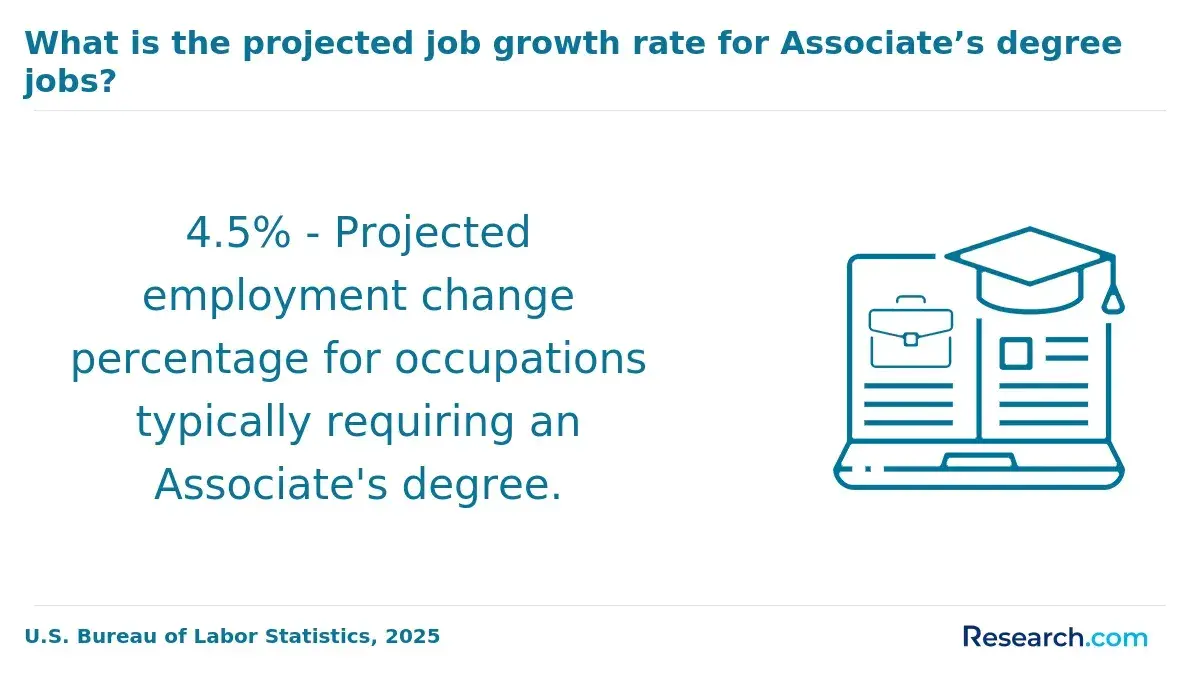
The job market for community and recreational sports management professionals remains stable yet distinctly competitive, with growth rates falling slightly below the national average for all occupations. Positions in municipal parks, nonprofit organizations, and youth leagues are common but heavily influenced by budget limitations and shifting public funding priorities.
For instance, professionals in large urban parks departments often encounter higher salaries and more advancement prospects compared to those in smaller, rural agencies.
Graduates should expect to develop a diverse skill set beyond traditional management, including event coordination, digital program delivery, and community engagement, all increasingly required by employers adapting to hybrid service models. The absence of practical experience or applied projects can hinder entry, making internships and concrete community partnerships critical for employability.
Reliance on part-time or contractual roles is frequent due to economic and political funding cycles, which can complicate career stability. Success in this environment often depends on acquiring transferable skills such as sports marketing, grant writing, and data analytics to navigate non-linear career paths effectively.
Salary data from BestColleges' 2024 report indicates median earnings for online sport management graduates range roughly between $47,900 and $65,500 four years post-graduation, varying by employer type and geographic location. This underscores the importance of contextualizing program outcomes within local labor market characteristics and individual career objectives.
How can prospective students compare and choose the best online sport management program for community sports careers?
Choosing an online sport management program requires scrutinizing outcomes beyond surface-level rankings. Alumni recommendation rates exceeding 90%—such as Louisiana State University's 92% and the University of Iowa's 94%—indicate programs with proven effectiveness in preparing graduates for community sports roles. Such metrics suggest graduates are more likely to secure relevant positions and positively impact local sports organizations.
Curriculum content directly affects employability. Programs emphasizing community engagement, nonprofit management, youth sports administration, and local policy equip students with skills employers demand, including understanding regulatory frameworks, grant writing, and volunteer coordination. Lack of these components can limit access to positions in municipal recreation departments or nonprofit agencies.
Flexibility is often essential for working professionals. Fully asynchronous formats allow immediate skill application without disrupting employment, while hybrid models may enhance engagement but require managing live attendance. The tradeoff between convenience and interaction influences long-term success.
Degree outcomes should be analyzed through actual employability rates and internship opportunities, especially with established community sports partners facilitating direct pipelines. Graduates landing sport management jobs within 6-12 months reflect stronger program-market alignment.
Accreditation and faculty expertise remain non-negotiable indicators of program reliability. Regional accreditation and instructors with practical community sports backgrounds correlate with better instruction quality and employer recognition, reducing the risk of limited career return on investment.
Other Things You Should Know About Sport Management
When selecting an online program for sport management, consider accreditation, curriculum content focused on community sports, networking opportunities, and internship or practicum availability. These elements ensure comprehensive exposure to both theoretical knowledge and practical experience, preparing students for effective careers in community sports organizations.
Programs heavily focused on business coursework may produce graduates with broad management knowledge but weaker understanding of community sports contexts and culture. Conversely, sport-specific curricula emphasize sector-relevant challenges but may lack core leadership and financial skills valued by employers. Selecting a program that balances these areas appropriately to the intended community sports niche improves job readiness and adaptability.
Employer perception varies widely based on program reputation and graduate outcomes rather than modality alone. Some community sports employers prioritize demonstrated skills and internships over the degree's delivery method. However, programs with low engagement or limited experiential learning components risk skepticism and can create barriers during hiring, especially in competitive local markets.
Yes, students working full-time should carefully evaluate program structure and workload before enrolling. Accelerated or cohort-based online formats often require synchronous sessions or fixed deadlines that may conflict with job schedules. Programs offering flexible pacing and asynchronous coursework help balance employment but may extend graduation time and delay entry into new roles.
References
- Sport Management Degree Jobs (Skills, Duties & Salaries) https://activecareers.org.uk/articles/sport-management-degree-jobs
- 73 Jobs You Can Get With a Sports Management Degree: A Guide https://www.salemu.edu/blog/sports-recreation-management-careers/
- Why study sports management? - INSEEC https://www.inseec.com/en/guides/orientation-guide/why-study-sports-management/
- Quality Standards and Accreditation of Distance Education Programs in a Pandemic - OJDLA https://ojdla.com/articles/quality-standards-and-accreditation-of-distance-education-programs-in-a-pandemic
- Sports Management Digital https://www.euruni.edu/en/Bachelor-s/Sports-Management-Digital.html
- Sports Management Careers: Paths, Jobs, and Outlook https://pathwise.io/careers-in-sports-management/
- Sports & Recreation https://explorecareers.co.uk/industry/sports-recreation/
- What can I do with a Sport Management degree? https://www.coloradomesa.edu/iris/explore-majors/what-can-i-do-with-a-sport-management-degree.html
- Types of Sports Management Degrees https://www.allbusinessschools.com/sports-management/degrees/
- Sports Management: A Comprehensive Guide to Careers in Sports Leadership - AISTS INDIA https://aists.org/aistsindia/sports-management-a-comprehensive-guide-to-careers-in-sports-leadership/