2027 Best States for Sport Management Career Growth

Co-Founder and Chief Data Scientist
Graduates and career changers eyeing sport management increasingly face a fragmented landscape where program quality, local industry demand, and flexibility vary drastically by state. With the National Center for Education Statistics reporting a 40% spike in adult learner enrollment since 2020, accessibility to relevant programs aligning with job market realities has become a decisive factor.
Many must navigate tradeoffs between in-person networking opportunities and growing online program availability, impacting timing and career mobility. Identifying states offering robust sport management career pathways with practical educational access thus shapes long-term employability and advancement strategies. This article evaluates the best states for sport management career growth, providing data-driven guidance to optimize educational and career decisions.
Key Things You Should Know
- States with top NCAA sport management programs report 18% higher local employer demand, but graduates face wage penalties averaging 12% versus business majors, revealing a key ROI tradeoff for location-based study decisions.
- Regions hosting professional leagues show 35% greater internship-to-hire conversion rates, signaling elevated workforce pipeline efficiencies but necessitating strategic proximity over broader network access.
- High-cost states average $45K annual program costs, delaying career entry by 10 months on average due to debt servicing, impacting early-career mobility and income growth in a volatile sports market.
Which states currently offer the strongest career growth opportunities in sport management?
Career growth in sport management is most pronounced in California, New York, and Texas as of 2026, driven by market scale, salary potential, and dense ecosystems of sports entities. California's average salaries near $60,000 in metros like San Jose correspond to a heightened demand for skills in tech-integrated sports analytics, esports, and professional franchises.
This creates a high barrier for entry requiring advanced data analysis and digital content expertise that impacts candidate selection and long-term earnings trajectories.
New York's sport management landscape centers on a dense cluster of professional teams, collegiate programs, and sports media firms, offering specialization in marketing and event coordination but also intense competition for limited roles.
Texas presents a contrasting profile with accessible entry-level positions fueled by population growth and investments in sports infrastructure, making it appealing for those prioritizing hands-on experience in facility operations and community programming over immediate salary gains.
The variable cost of living and networking access across these states influence workforce planning significantly. Professionals must consider proximity to major teams or leagues due to limited remote opportunities and focus on programs with strong placement ties in these hubs. For those contemplating advanced education pathways within healthcare and sports administration, exploring doctorate in health administration programs can offer strategic leverage and broaden career options.
These top states for advancing a career in sport management illustrate how strategic geographic and skill investment decisions directly affect long-term employability and compensation outcomes.
How do cost of living and salary levels compare across top sport management states?
Salary levels and living expenses across sport management hubs reveal stark tradeoffs that affect long-term financial outcomes for professionals. In California and New York, median wages for entertainment and recreation managers frequently meet or surpass the national median of $77,180, with top executives earning as much as $239,200, according to the University of Kansas Online Sport Management program's 2026 salary data.
However, these states come with some of the highest living costs-including housing, transportation, and taxes-that significantly reduce net income despite high nominal salaries.
Conversely, states like Texas and Florida offer a more balanced cost of living vs salary in top sport management states. Salaries may be modestly lower, but substantially cheaper housing markets and lower tax burdens improve disposable income.
For example, living costs in Dallas or Houston are typically 20-40% less than in New York City, creating greater financial stability for entry to mid-level managers. This dynamic increases demand for versatile professionals able to navigate community or collegiate sports organizations rather than exclusive luxury-brand franchises, which cluster in higher-cost states.
Prospective professionals must factor in state-specific salary structures and living expenses when making decisions about education and employment. Choosing educational pathways, including online health information management degree programs CAHIIM-accredited, can influence career trajectory and financial resilience. Employers in lower-cost regions may offer fewer premium roles but higher job availability in adaptable sport management positions.
These cost and salary variances underscore the importance of localized, practical analyses over generic advisories when planning a sport management career pivot or advancement.
What types of sport management jobs are most in demand in different states?
Demand for sport management career opportunities by state reveals distinct clusters driven by regional economies and institutional priorities. For example, states with established professional teams like California and Texas prioritize roles in event management and corporate partnerships, valuing expertise in digital fan engagement to maximize revenue.
In contrast, states such as Florida and North Carolina, where collegiate sports dominate, show significant openings in athletic administration emphasizing NCAA compliance and student-athlete welfare, creating a skillset gap for candidates without regulatory experience.
Emerging markets illustrate different operational focuses: Colorado and Oregon's expanding recreational sectors seek specialists in community recreation with strengths in grant writing and government relations, which may limit prospects for professionals solely targeting professional sports roles.
Smaller states like Nevada are growing sports tourism-related positions focused on hospitality coordination and logistical agility, offering advantages to candidates with multidisciplinary experience across sectors.
These regional variations directly impact the applicability and return on investment of specialized degrees. For prospective students aiming for a sport management career pivot, aligning program skill outcomes with specific state job markets determines employability. Data from the U.S. Bureau of Labor Statistics, cited by Missouri Southern State University, projects an 8% growth in sport and recreation management occupations through 2034, exceeding average job growth rates.
Given these trends, professionals should consider practical expertise tailored to localized demand and may also evaluate complementary credentials, such as a project manager degree, to enhance operational capabilities in event and facility management roles.
How do state economies and pro/college sports markets impact sport management careers?
State economies with active professional and college sports markets significantly influence sport management job growth and earning potential. For instance, athletic directors holding a master's degree in sport management earn an average of $92,655 annually in New York, surpassing the national average of $87,858. This premium wage reflects the economic realities in large markets driven by higher team revenues, extensive scouting, and substantial sponsorship budgets.
Conversely, smaller or economically weaker states offer fewer openings and generally lower salaries, creating a direct tradeoff between cost of living and income prospects.
Applicants must evaluate the practical impact of local sports ecosystems on their career trajectories. Employers in prosperous hubs increasingly require graduate degrees combined with specialized skills in analytics or marketing due to the complexity of media rights and contract negotiations.
For example, a mid-career professional in Texas with only a bachelor's degree may encounter limited advancement opportunities. In this context, investing two additional years for a graduate degree might unlock director-level roles with salaries exceeding $85,000.
Considering such dynamics within state economies affecting sport management job growth is crucial for strategizing education paths. Prospective students should critically assess their geographic options against degree ROI and market demand. For those weighing educational pathways, comprehensive resources on related fields like online accelerated nursing programs for non nurses can illustrate comparable investment-to-outcome scenarios in specialized professions.
Employers clearly favor candidates who align educational qualifications with the demands of pro and college sports markets to maximize operational impact and upward mobility.
Which degrees or majors best support sport management career growth by state?
High-concentration sports agency states like California, New York, and Florida shape the sport management job market, offering average salaries around $104,448 annually, according to the University of Kansas Online Sport Management program's 2026 report. These regions demand candidates who combine core sport management skills with business administration, marketing, or finance to access the best opportunities.
In contrast, states in the Midwest and Mountain West often lack extensive agency networks, translating into lower salaries and fewer entry-level roles. Here, degrees that incorporate secondary skills such as event management, sports analytics, or digital media provide candidates with a competitive edge. For example, a Colorado-based professional blending sport management with data analytics is better positioned for emerging performance-evaluation roles.
Employers in top markets prioritize practical experience and relevant certifications alongside degrees. Programs offering internships or cooperative education near major sports hubs improve networking and increase employability. Professionals relocating to competitive states like Texas or Illinois should supplement education with state-specific licensures or industry networking to navigate local job market challenges.
Choosing a degree path requires weighing geographic market saturation against program quality and practical access. Majors integrating business fundamentals with sport management theory consistently maximize employability across diverse state landscapes by aligning training with local agency presence and job market demands.
How do online sport management programs compare with campus options for state-based careers?
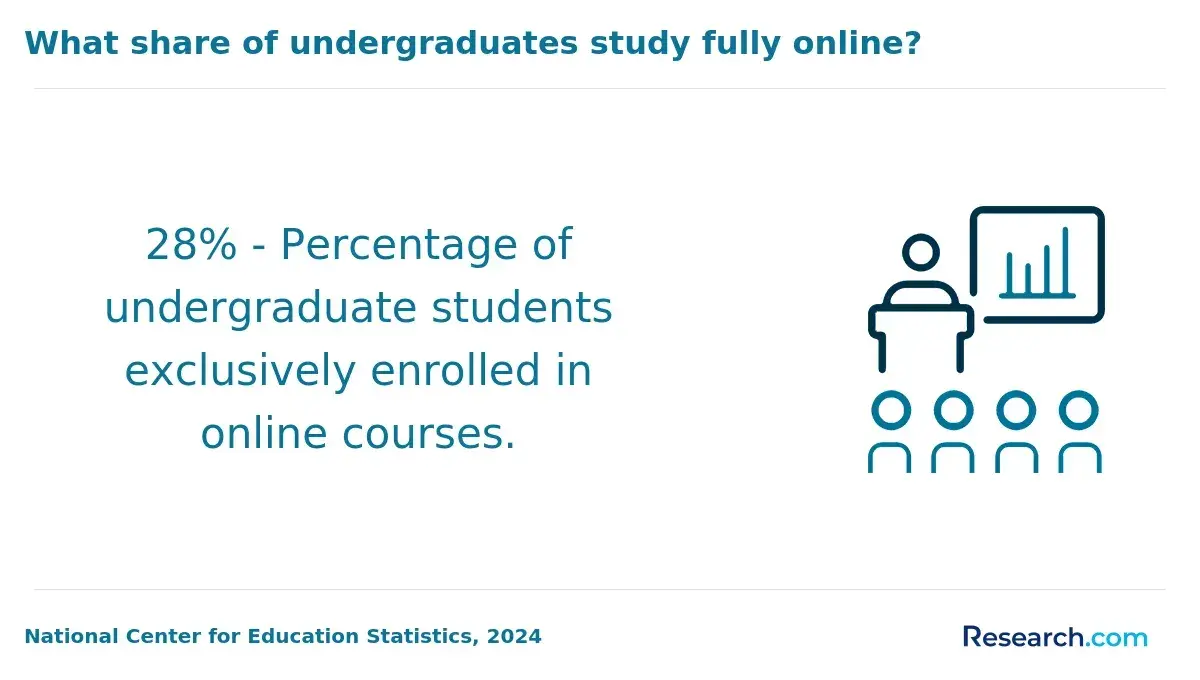
Graduates aiming for athlete manager roles in top-paying states face a clear tradeoff between online and campus-based sport management programs. Despite online offerings matching curriculum and generally costing less, a critical shortfall lies in local industry integration-an area where campus programs excel through mandatory regional internships and established partnerships with sports agencies.
Employers in states where average salaries exceed the national median of $50,654 prioritize candidates with proven local networks and practical experience, often facilitated only by on-site or hybrid formats.
Without proactive local engagement, online learners risk delayed job placement and weaker access to employer referrals, impacting roles tied to athlete representation or event coordination within state sports ecosystems. Hybrid programs or those providing targeted regional career services partially bridge this gap but still may not replicate the immersive, on-the-ground exposure campus settings offer.
Key decision factors include:
- Requirement for local internships integrated into the curriculum versus independently sourced opportunities
- Access to alumni and employer networks rooted in specific geographic markets
- The impact of regional career services on workforce readiness and competitive positioning
Ultimately, securing higher-paying, state-specific sport management positions demands more than academic credentials; it necessitates intentional immersion within local industry nodes, best supported by campus or hybrid program models.
What accreditation and program quality factors matter most when choosing a sport management school?
Employers in sport management prioritize candidates from programs with specialized accreditation like the Commission on Sport Management Accreditation (COSMA), which validates field-specific competencies beyond broad institutional approvals such as CHEA or ACBSP.
This distinction directly influences access to internships and professional networks essential in a sector where 65% of hiring decisions weigh internship experience, according to National Association of Colleges and Employers (NACE) data.
The practical value of a program also hinges on curriculum alignment with local labor market demands, especially in states flagged by My Next Move's 2024 data as having above-average sports competitor employment. In these regions, proficiency in data analytics, athlete development, and facility management is highly sought after, making practical learning with industry collaboration a non-negotiable advantage.
Consider a mid-career professional switching to sport management in one of these states: selecting a program lacking COSMA accreditation or a robust internship pipeline severely restricts job prospects in a competitive market. Key evaluation criteria should include employability rates within 12 months, alumni outcomes, and the strength of industry relationships-metrics reinforced by Bureau of Labor Statistics (BLS) and post-2023 workforce research.
- Regional and specialized accreditation impact federal aid eligibility and employer recognition
- Sector-specific accreditation like COSMA enhances recruitment prospects
- Curricular focus on emerging competencies aligns graduates with evolving state market needs
- Internship opportunities carry significant weight in hiring decisions
- Post-graduation employment metrics remain critical indicators of program effectiveness
How do internship, networking, and alumni connections differ by state for sport management students?
Opportunities in sport management internships and networking are sharply uneven across U.S. states, prompting students to weigh location-based tradeoffs impacting career trajectory. Major markets such as California, New York, and Texas provide numerous internships with professional franchises and agencies, yet these roles tend to be unpaid and fiercely competitive, often restricting access to those with financial backing.
Mid-sized markets like North Carolina and Ohio deliver fewer internships that are more structured, frequently tied to collegiate sports, offering clearer mentorship but limited industry reach.
Networking intensity also varies geographically. States housing multiple league headquarters, including Florida and Illinois, host frequent industry events and direct interactions with hiring managers, speeding connection formation beyond typical campus fairs. Conversely, students in less concentrated markets must rely more heavily on virtual platforms and local sports organizations, which slows career momentum but may offer broader grassroots access.
Alumni networks differ substantially by state, correlating with the size and prestige of university sport management programs. States such as Michigan and Pennsylvania maintain robust regional networks that feed into specialized, higher-paying roles, including sports lawyers earning about $105,000 annually. Emerging programs in smaller states often require graduates to engage in extensive external networking to reach comparable positions, according to the University of Minnesota guide.
What are the typical entry-level requirements and timelines to start a sport management career?
A bachelor's degree in sport management or a related field remains the most direct route to entry-level roles, typically taking around four years and integrating internships crucial for hands-on experience.
Without relevant internships or direct degrees, candidates face delays, often adding two years through certifications or volunteer work before reaching full-time management positions. For instance, an intern with a regional sports team tends to move faster into coordinator roles compared to one without practical exposure.
Employers prioritize skills in event coordination, budgeting, marketing, and sport-related legal knowledge, all commonly covered in bachelor programs. Certifications supplement but rarely substitute these foundational qualifications, mainly serving niche areas like sports marketing or facility management. Geographic relevance in experience also plays a significant role due to the localized nature of sports ecosystems.
The full timeline from enrolling in higher education to securing independent sport management employment generally spans four to six years, factoring in study, internships, and job placement. U.S. labor projections anticipate a 7.7% growth in sports-related recreation management jobs over the next decade, with a median wage near $77,000, reflecting steady market demand that justifies upfront investment in practical education and applied skills.
How can prospective students choose the best state to launch a long-term sport management career?
Choosing a state for sport management education should hinge on long-term career strategy rather than short-term convenience. States like California, Texas, and Florida offer extensive hands-on opportunities through multiple professional leagues, collegiate programs, and sports marketing firms, which are vital for gaining internships and entry-level roles that build career momentum. However, these environments also present intense competition and higher costs of living.
Prospective students must assess the tradeoffs between starting salaries, cost of living, and growth potential. Entry-level salaries average around $47,000 annually, but experienced executives can earn over $239,200, according to the University of Kansas Online Sport Management program's 2026 report.
For example, while Florida may provide quicker employment in its expanding sports marketing sector, wage growth tends to be slower compared to New York, where operational costs push senior salaries higher.
Practical decision-making involves weighing:
- The density of local sports industry networks and the strength of alumni connections.
- Availability of continuing education and professional development.
- Relocation expenses, visa regulations for international students, and state-specific sports business policies.
States with robust frameworks for ongoing skill upgrades and strong federations enable faster advancement into executive positions. Students should consider both immediate market access and sustainable career pathways when selecting programs tied to their sport management ambitions.
Other Things You Should Know About Sport Management
In 2027, states like Florida and Texas show promising sport management career growth without necessarily requiring a master's degree. The thriving sports industries there offer numerous entry-level and mid-level opportunities, enabling professionals to advance through hands-on experience and networking within the sector.
Part-time and flexible programs appeal to working professionals but may result in longer completion times, delaying entry into higher-paying roles. These programs often provide less intensive networking and fewer internship opportunities, which are vital in sport management's relationship-driven job market. Students prioritizing rapid career growth should consider full-time programs in states with robust internship placements to maximize employability upon graduation.
Graduating from programs in smaller states or less prominent metro areas might limit initial access to internships and employer networks integral for sport management careers. However, these locations tend to offer lower tuition and living costs, balancing financial pressure. Graduates must be proactive about remote networking or relocating post-graduation to states with stronger professional sports markets to ensure upward mobility.
Practical experience, such as internships or work placements, consistently outweighs academic credentials alone in sport management hiring, especially within competitive states. Employers prioritize candidates who demonstrate applied skills and industry familiarity. Prospective students should prioritize programs and states offering structured experiential learning opportunities alongside classroom education to improve job placement rates.
References
- What can sport learn from economics and economics from sport? - Economics Observatory https://www.economicsobservatory.com/what-can-sport-learn-from-economics-and-economics-from-sport
- How Professionals from Other Industries Can Build a Career in Sport Management - AISTS https://aists.org/how-professionals-from-other-industries-can-build-a-career-in-sport-management/
- Why study for a Sports Management degree https://brive.com/blog/studies/sports-management-degree/
- Sports Management Salary Guide https://www.allbusinessschools.com/sports-management/salary/
- Career Paths In Sport Management https://www.ycp.edu/news/career-paths-sport-management
- Salary Trends in Sports Management – United States Sports University https://restore-ussa-edu.mystagingwebsite.com/news/salary-trends-in-sports-management/
- Dual study programme in sports management https://www.hs-koblenz.com/wiso/sportmanagement-dual-ba/dual-study-programme-in-sports-management
- Sports Management Careers - Statistics & Facts (2023) https://sportsmanagementdegrees.net/careers/