2027 Sport Management Specializations for Fan Engagement Careers

Co-Founder and Chief Data Scientist
Mid-career professionals aiming to shift into fan engagement roles within sport management face a critical challenge: selecting specializations that align with rapidly evolving digital fan behaviors and fragmented media consumption.
The National Center for Education Statistics reports a 19% rise in online enrollment among adult learners focused on career advancement, revealing a systemic push toward flexible learning tailored to workforce demands. This trend exposes the necessity for programs that deliver timely, specialized skills such as data analytics, social media strategy, or experiential marketing without overburdening professionals juggling work and study.
This article examines sport management specializations expressly designed to help navigate these trade-offs and position learners effectively for fan engagement careers.
Key Things You Should Know
- Fan data analytics specialization commands a 22% salary premium per LinkedIn's 2024 workforce report but demands advanced quantitative skills rarely covered by general sport management curricula, increasing early career training costs.
- Employers prioritize candidates with integrated digital marketing expertise alongside fan engagement knowledge, as 68% of hiring managers in the 2024 Sports Business Journal survey cite cross-disciplinary adaptability as a top success factor.
- Accelerated certificate programs in fan experience design reduce time-to-employment by 30%, yet often omit governance and ethical training, creating a notable long-term risk for regulatory compliance roles within leagues.
What are the most in-demand sport management specializations for fan engagement careers?
Fan engagement career paths in sports management center on specialized roles in digital content strategy, data analytics, and community relations management, each demanding distinct expertise with real operational tradeoffs. Data analytics professionals must combine technical fluency in advanced tools with a thorough understanding of privacy regulations, making the learning curve steep but essential for interpreting live audience metrics.
Meanwhile, digital content strategists face the constant challenge of adapting to shifting social media algorithms to sustain fan loyalty, requiring agility beyond traditional marketing knowledge. Community relations managers address a fragmented fan base by deploying culturally nuanced outreach and event management, which demands strong interpersonal skills aligned with marketing tactics.
Effective candidates demonstrate measurable outcomes affecting fan retention and audience growth rather than abstract theory. Transitioning into these roles from general sport management means prioritizing programs that offer hands-on projects involving data platforms and digital marketing tools, which aligns tightly with employer expectations.
Students and professionals alike must balance the intensity of acquiring technical skills with the necessity of cross-functional abilities spanning analytics, marketing, and communication.
Integrated expertise across quantitative analysis, creative development, and community engagement is the differentiator for success in this field. Prospective learners should weigh such hybrid skill demands when planning educational investments, especially given entry-level roles increasingly require multifaceted competencies.
For those considering allied paths or seeking advanced standing, programs like the MBA in healthcare management provide a potential framework for understanding complex systems and analytics that can complement sports management fan engagement strategies.
What fan engagement jobs can you pursue with a sport management degree?
Fan engagement career opportunities with a sport management degree demand proficiency in digital content delivery, data analysis, and strategic audience interaction. Professionals in roles like digital content manager or fan analytics specialist must integrate technology-driven platforms to optimize live engagement and retention.
For instance, managing real-time content tailored through data insights can markedly increase live viewership for professional sports franchises, reflecting employers' emphasis on hands-on expertise with CRM software, social campaigns, and emerging tech.
The global fan engagement sports technology market, valued at US$215.1 million in 2024 and projected to reach US$943.5 million by 2030, influences the evolution of these roles, with advanced positions requiring coordination across departments and measurable ROI analysis. Geographic context also shifts focus—urban teams prioritize mobile apps, while rural organizations emphasize community-centered events.
Top fan engagement jobs in sport management often hinge on the ability to navigate demographic diversity without alienating core fans, blending marketing with technology fluency. Candidates benefit from evaluating programs for curriculum relevance and industry partnerships that reflect this intersection. Early-career applicants typically improve their prospects through internships and tangible skills in audience segmentation.
Considering alternative education paths, some may find value in the fastest online project management degree to strengthen project coordination capabilities pertinent to fan engagement strategy execution.
How do sport management degrees prepare graduates for digital fan experience roles?
Degrees in sport management that emphasize skills for digital fan engagement are responding to concrete workplace demands rather than abstract theory. Employers now expect graduates to navigate complex, data-driven digital landscapes, applying CRM platforms, social media analytics, and virtual fan environments to deliver personalized experiences. For example, optimizing an interactive app for a minor league team requires balancing budget constraints with fan loyalty goals, differing significantly from approaches used by high-budget NFL franchises.
Preparing sport management graduates for online fan experience roles involves hands-on projects integrating mobile apps, AR/VR, and streaming platforms. These programs help students develop adaptable solutions for challenges like cross-device data integration and fan digital fatigue, which are daily operational realities.
Key competencies also include managing regulatory and ethical issues surrounding fan data privacy and consent. Professionals must advise organizations on tradeoffs between innovation and compliance risks, a critical balance as digital fan experience strategies evolve under industry pressure—83% of sports executives in Deloitte's 2026 Global Sports Industry Outlook report increased demand for such innovation.
This holistic expertise positions graduates as strategic partners rather than just marketing executors, capable of driving ongoing innovation. For those weighing whether a sport management degree is the right investment, considering how these practical skills align with specific career objectives is crucial.
Additional context on the value of specialized credentials can be found through resources addressing if a project management degree worth it is relevant in related fields.
Which sport management specializations focus on social media, content, and fan communities?
Social media strategies for fan engagement in sport management hinge on the ability to unify fragmented fan data and deliver personalized experiences across multiple platforms. Employers now expect candidates who can integrate real-time analytics with content creation aimed at building fan communities and reinforcing identity.
For example, a digital marketing professional must balance the timing and messaging consistency of campaigns, overcoming challenges like shifting fan preferences and algorithm changes, to maintain effective engagement.
Programs focusing on content creation and fan community roles in sport management must emphasize practical skills in social media platform management, data-driven decision-making, and compliance with privacy regulations.
Students are increasingly required to handle large datasets that fuel personalized outreach while navigating the legal and ethical nuances of fan data use, which is critical to avoid costly compliance pitfalls.
This educational path demands a blend of creative and technical proficiencies. Graduates lacking expertise in data integration risk falling behind as fragmented information disrupts the flow of cohesive fan interactions. Consequently, selecting a program with rigorous curriculum that merges data science with content strategy is crucial for workforce readiness.
For those seeking efficient advancement, an accelerated hospitality degree online may complement sport management social media strategies, offering transferable operational insights.
What are the typical admission requirements for sport management fan engagement programs?
Admission for sport management fan engagement programs hinges on more than academic credentials; employers prioritize candidates demonstrating tangible digital proficiency and practical industry experience. Undergraduate entry typically demands a high school diploma with a GPA near 2.5 to 3.0 and often SAT or ACT scores, although test-optional policies are becoming more common.
Graduate applicants must hold a relevant bachelor's degree and ideally show hands-on exposure to digital marketing or sports organizations, as familiarity with multi-platform communication tools aligns with employer expectations for engaging younger, digitally savvy fans.
Applicants often face competitive selection processes where a statement of purpose must clearly articulate an understanding of age-specific digital engagement challenges. Letters of recommendation linked to sports technology or digital campaigns can enhance admission potential.
A portfolio showcasing relevant social media or analytics projects is increasingly essential—candidates lacking this may struggle to meet hiring demands focused on fan segmentation and engagement metrics.
The gap between academic preparation and workforce requirements means candidates should proactively develop proficiency in analytics software and digital tools before applying.
For professionals pivoting to this niche, foundational knowledge in data analytics or business intelligence is often expected due to the field's emphasis on age-tailored, data-driven fan outreach. Aligning application materials and skills with these practical demands significantly affects employability and sustainable career progression.
How does choosing online versus campus-based sport management affect fan engagement careers?
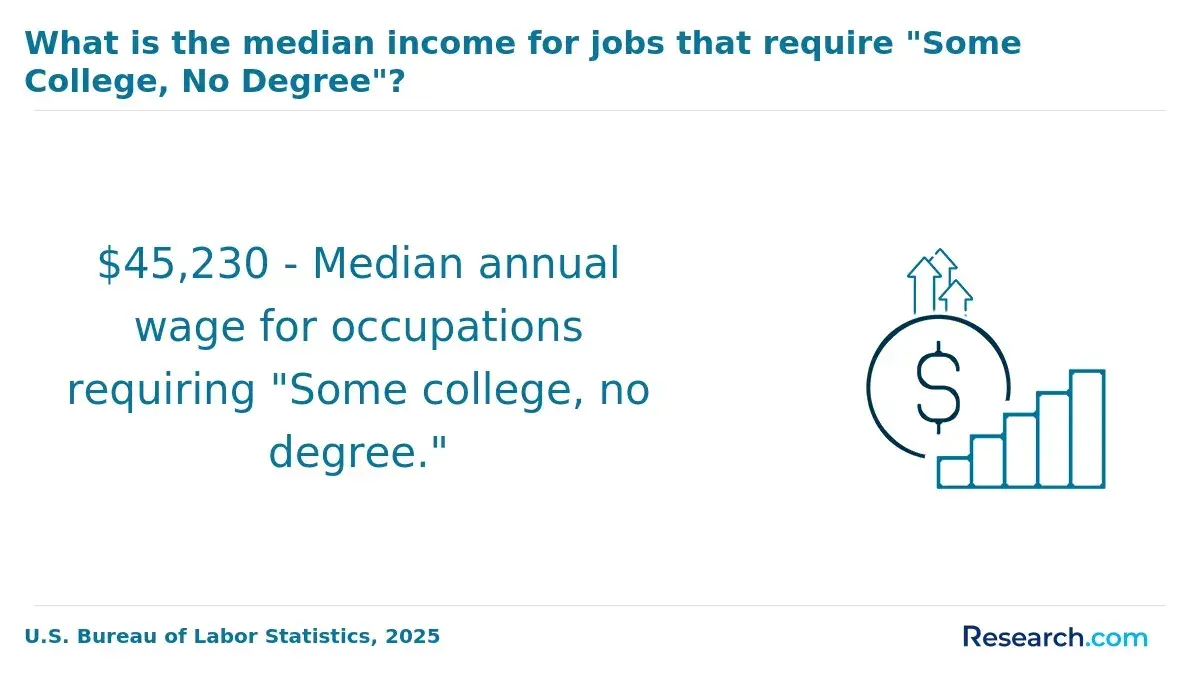
Choosing between online and campus-based sport management programs significantly affects access to practical experience and networking opportunities essential for fan engagement careers. Campus programs embed students within live sports environments, offering internships and on-site interaction with event technology teams—crucial for developing skills aligned with emerging digital fan engagement tools.
For example, participation in augmented reality fan zones at stadiums supports immersive experiences demanded by 67% of sports fans, according to Deloitte's 2024 Immersive Sports Fandom report.
Conversely, online programs provide flexibility and lower costs but typically require students to independently secure local internships or collaborative projects to gain comparable hands-on exposure. This self-directed approach can delay career momentum and limit immediate access to employer networks that prioritize situational awareness and real-time fan interaction skills.
Key tradeoffs include:
- Campus students benefit from direct involvement with evolving fan technologies and data analytics through embedded industry ties.
- Online students save time and expenses but face extra challenges acquiring practical experience pivotal for competitive roles.
- Employers favor candidates with applied knowledge of digital fan platforms, more systematically integrated within campus-based curricula.
Professionals shifting to sport management should prioritize programs that guarantee experiential learning with immersive fan engagement applications to avoid skill deficits in a workforce increasingly reliant on digital interaction proficiency.
What courses and skills are emphasized in fan engagement-focused sport management curricula?
Programs with a focus on fan engagement in sport management demand a skill set that extends beyond typical event-day activities to include sophisticated data analytics and strategic content planning throughout the year. Employers seek graduates able to interpret offseason performance metrics and design personalized outreach, addressing the growing need for sustained fan retention identified by the Sports Marketing Analytics Institute.
Key competencies include social media strategy, mobile app engagement, and event activation techniques that facilitate ongoing interaction between live events. Embedding behavioral economics and psychology enhances the design of fan experiences by leveraging emotional and reward mechanisms, aligning with trends noted in the National Sporting Goods Association's 2024 report, which links these strategies to a measurable 15% increase in retention.
Core coursework often involves practical training with tools like Tableau and Salesforce to prepare students to contribute directly to marketing budget decisions based on fan data.
However, the challenge remains in balancing creative content generation with quantitative analysis—a tension that programs simulating cross-functional collaboration ease, improving graduate employability, according to the 2024 Collegiate Sport Management Workforce Report.
Considerations for prospective students:
- Mastering multi-platform content planning is essential to avoid losing momentum during slow periods.
- Proficiency in integrating sponsorship ROI measurement into fan outreach campaigns is increasingly expected.
- Real-world readiness depends on hands-on labs and collaborative projects reflecting industry workflows.
What are the salary ranges and advancement opportunities in fan engagement roles?
Salary trajectories in fan engagement roles hinge critically on digital fluency and analytics capabilities rather than traditional marketing alone. Entry-level positions typically start near $45,000, but without advanced digital skills, professionals risk stagnating around $50,000 with limited mobility.
Mid-career advancement to titles such as Fan Experience Manager or Chief Engagement Officer commonly includes 15%-30% pay raises, contingent on demonstrated ability to leverage fan data for measurable engagement improvements.
Employers increasingly demand a hybrid skill set merging conventional marketing with mastery of fan data platforms and immersive technology tools. For instance, a social media coordinator who rapidly acquires analytics expertise may progress faster than peers stuck in basic outreach roles—highlighting the real cost of ignoring digital transformation.
Wage variations reflect market size and franchise scale: smaller teams often start salaries near $40,000 but offer hands-on skill development, while top-tier organizations begin above $60,000 with expectations for specialized digital competencies. Bonus schemes frequently tie compensation to fan retention and revenue growth, reinforcing a results-driven environment.
Educationally, prioritizing analytics and digital media training aligns best with employer expectations and long-term employability. Internships or practical experience applying data-driven fan engagement strategies become decisive factors in securing promotions and leadership roles. Without these competencies, practitioners face significant barriers to upward mobility in fan engagement careers.
How can students evaluate accredited sport management programs for fan engagement specialties?
Accreditation by recognized bodies like the Commission on Sport Management Accreditation (COSMA) serves as a baseline for curriculum quality and employer recognition, but it is insufficient alone. Candidates targeting fan engagement roles must scrutinize programs offering specialized coursework in marketing, sponsorship, and communications, since these domains directly feed the skills modern employers demand.
For example, a professional transitioning from event management to digital fan engagement analytics will find limited value in programs lacking data-driven content aligned with current market needs.
Faculty with documented industry experience and research in fan engagement technologies are definitive assets; their involvement often signals active connections to evolving practices and potential internship opportunities. Practical exposure via internships or partnerships with sports organizations is a decisive factor in employability; many employers prioritize applied experience over theory.
Outcomes data should focus on graduate placement specifically within fan engagement, not just broad sport management roles. Certifications embedded in curricula can differentiate candidates but must align tightly with industry standards to hold weight.
Financial and time investments are considerable and should be balanced against networking prospects with teams, sponsors, and media, which are essential for market entry. Finally, geographic considerations matter: fan engagement methods vary between U.S. leagues and international clubs, so programs that offer flexible or dual-focus curricula improve strategic career flexibility.
Are certifications or professional associations important for fan engagement career advancement?
Certification in fan engagement within sport management functions as a practical filter that employers use to verify candidates' ability to produce measurable business results. Data from PwC in 2024 shows that organizations prioritizing enhanced fan experiences consistently achieve revenue growth across ticket sales, media rights, and sponsorship deals.
Consequently, credentials validating expertise in fan experience technologies, analytics, or sponsorship activation serve as direct indicators of a candidate's potential impact.
For professionals transitioning roles—for instance, a mid-career manager moving from ticketing operations to fan loyalty management—these certifications can be pivotal. They act as proof of familiarity with fan journey optimization tools and can reduce hiring lead times by signaling readiness to adopt emerging technologies.
Without formal credentials, it becomes difficult to quantify value during hiring, especially at larger franchises where collaboration with marketing and sales units is essential.
Professional associations supply ongoing educational resources and networking aligned with evolving standards, including compliance with data privacy and consumer profiling regulations. Yet, it is important to weigh the cost and time commitments against expected returns; those aiming for boutique agencies or smaller team roles may see a diminished immediate return on investment.
Ultimately, maintaining recognized certifications and association memberships supports career momentum and reflects an understanding of industry demands, consistent with PwC's findings connecting elevated fan experiences to comprehensive revenue growth.
Other Things You Should Know About Sport Management
Students should prioritize specialized skills in digital analytics, fan data interpretation, and content management early in their studies to align with employer demands. However, broader management competencies such as project planning, stakeholder communication, and budgeting remain essential to advance into leadership roles. A practical approach is layering technical expertise first, then integrating leadership development through targeted electives or work experience.
Full-time study accelerates immersion and skills acquisition but often limits work opportunities needed for relevant experience. Part-time study allows simultaneous professional engagement, enhancing real-world application and resume value, though it prolongs completion time. Prioritize program flexibility and employer connections when choosing part-time pathways to avoid disconnect between academic learning and industry practice.
Smaller programs can offer closer faculty mentorship but may lack diverse expertise and industry connections needed for niche specializations like fan engagement. Larger programs with faculty actively publishing and consulting in digital fan experience topics provide richer curricular content and networking benefits. Prospective students should weigh personalized attention against access to up-to-date practices when selecting programs.
References
- Your Dream Job in Sports: Explore Sports Management Careers! https://matchtocollege.com/blog/sports-management-career-opportunities
- How Professionals from Other Industries Can Build a Career in Sport Management - AISTS https://aists.org/how-professionals-from-other-industries-can-build-a-career-in-sport-management/
- Social media and sports https://www.deloittedigital.com/us/en/insights/perspective/social-media-strategies-sports.html
- What Can I Do With a Sport Management Degree? https://www.origym.co.uk/blog/sports-management-degree-jobs/
- What is a Sports Management Degree? | University of Bridgeport https://www.bridgeport.edu/news/what-is-a-sports-management-degree/
- Social Media in Sports: Driving Fan Engagement | Greenfly https://www.greenfly.com/blog/social-media-in-sports/
- How to Prepare for a Career in Sport Management https://www.dean.edu/news-events/dean-college-blog/story/how-prepare-career-sport-management/
- An Examination of Sport Management Master’s Programs in the United States – The Sport Journal https://thesportjournal.org/article/an-examination-of-sport-management-masters-programs-in-the-united-states/
- How Professional Membership Boosts Career Growth https://www.membershipworld.com/how-professional-membership-boosts-career-growth/
- Brand Engagement in Sports Business: The Role of Sponsorship Effectiveness and Fan Experience with Moderation by Digital Platform Integration https://ijefm.co.in/v8i8/71.php