2027 Sport Management Roles With the Strongest Promotion Potential

Co-Founder and Chief Data Scientist
Sport management professionals often face a critical bottleneck: identifying roles with genuine upward mobility amid a sector increasingly shaped by digital transformation and diversified revenue streams. With the National Center for Education Statistics reporting a 17% growth in enrollment for online business and management degrees since 2023, the surge reflects shifting learner demographics seeking flexible, career-relevant credentials. This trend signals rising competition and an evolving skill set demand, where traditional experience alone is insufficient for advancement.
Navigating this landscape requires pinpointing positions that not only offer promotional pathways but align with current market realities and employer expectations. This article examines the sport management roles with the strongest promotion potential and how to strategically target them for career progression.
Key Things You Should Know
- Data from the U.S. Bureau of Labor Statistics in 2024 shows sport management roles tied to analytics and digital fan engagement grow 15% faster than traditional operations, pressuring candidates to acquire hybrid technical-business skills despite higher credentialing costs.
- Employers prioritize candidates with integrated experience in sponsorship acquisition and data-driven decision making, increasing hiring competition and requiring early strategic specialization within sport management programs to secure advancement.
- Time-to-promotion correlates significantly with employers valuing internships embedded in professional sport organizations; however, limited availability forces many to weigh accelerated certification paths against in-field experiential tradeoffs.
What sport management roles offer the strongest promotion potential?
Senior roles with the highest promotion sport management careers in the United States tend to cluster around general managers, marketing and operations directors, and athletic directors. These positions offer advancement potential because they influence revenue, team outcomes, or organizational strategy-critical metrics employers use to prioritize internal candidates. For instance, a marketing director who secures expanded sponsorship deals might rapidly progress to a vice president role, illustrating how measurable contributions accelerate advancement. In contrast, entry-level roles such as event coordinators typically see limited upward mobility without focused skill-building or strategic networking.
Promotion within sport management favors operational and business development roles where success is quantifiable, such as increasing ticket sales or expanding partnerships. Mid-career professionals who cultivate cross-functional skills integrating analytics, negotiation, and leadership position themselves to access a broader spectrum of top advancing roles in sport management industry sectors. However, candidates must weigh real-world constraints like the scarcity of C-suite roles in smaller organizations and seasonal employment patterns.
The median annual wage for entertainment and sports occupations was $54,870 in May 2024, supported by approximately 99,700 openings projected annually through 2034, reflecting sustained demand yet increasing competition. To navigate this, individuals often pursue certifications-in areas like sports analytics or contract law-to enhance their promotability and compensation prospects, especially in specialized roles such as compliance officers or player personnel directors.
Many professionals also consider educational pathways suited to rapid upskilling, with the fastest online master's in healthcare management programs offering transferable leadership and operational skills applicable in sport management contexts, particularly when pivoting careers or leveling up within the sector.
Which sport management jobs lead to management careers fastest?
The fastest promotion opportunities within sport management careers often arise from roles that combine operational leadership with financial and personnel oversight, such as athletic directors and sports general managers. Athletic directors, with a median salary around $86,490, tend to advance more rapidly when managing complex athletic programs, staffing, and budgetary control. Sports general managers, earning a median of $122,090, gain a career edge by overseeing team operations, strategic planning, and contract negotiations, illustrating a common tradeoff between specialization and breadth of responsibility.
Entry-level positions with a strong emphasis on operational leadership enable quicker ascension compared to roles narrowly focused on marketing or event coordination. For example, a venue operations coordinator actively involved in budgeting and compliance typically moves upward faster than a marketing assistant concentrating solely on fan engagement metrics. Employers evaluating candidates for management prioritize proven achievements in resource allocation, team supervision, and problem-solving.
Those targeting top-tier roles should pursue positions that include supervisory duties in collegiate or professional sports organizations. Maintaining certifications in risk management and NCAA compliance strengthens credentials and relevance. Practical experience in contract negotiations and personnel decisions correlates closely with readiness for senior management roles. This approach aligns with strategic educational choices; prospective students examining degrees like a construction management degree online may find transferable leadership and budgeting skills applicable to sport management careers with fastest promotion opportunities.
Top sport management jobs leading to quick advancement reward candidates who balance specialized fiscal and human resource management with broad operational exposure, shaping a pragmatic pathway to leadership amid competitive hiring landscapes.
What education do sport management employers prefer for advancement?
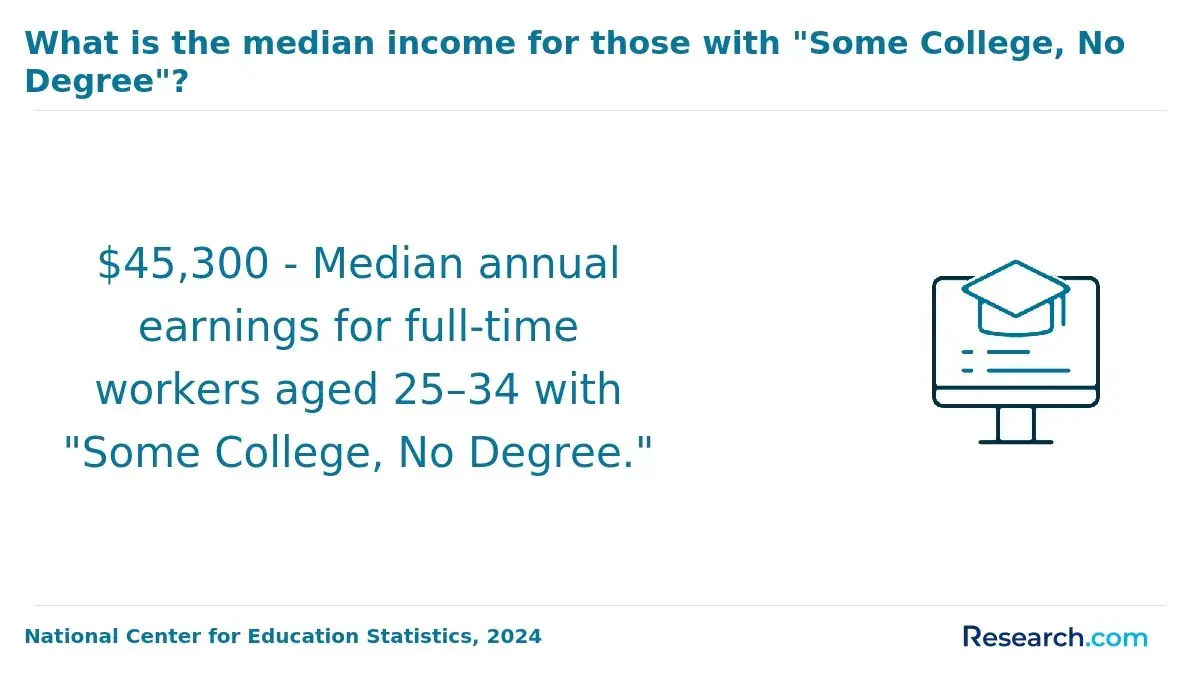
Advancement in sport management increasingly hinges on completing at least a bachelor's degree focused on sport management, business administration, or marketing, forming the baseline for eligibility in most leadership tracks. Employers expect this foundational education to include applied knowledge in finance, event operations, and contract negotiations critical to management roles. Yet, mid-level and senior positions consistently demand more specialized credentials, such as master's degrees or certificates targeting analytics, digital media, or athlete representation, as they drive higher-value competencies.
A sports marketing manager aiming for a director-level role must move beyond generalist skills and demonstrate command of data-driven campaign strategies and stakeholder relationship management. This upward mobility is closely tied to specialized learning that reflects practical industry trends and can realistically be attained through a master's program aligned with 2024 sector requirements. Practical experience remains essential, with formal education integrating internships and project-based opportunities that shorten the gap between theory and applied market challenges. Without this, progression slows, especially in competitive sport management degree requirements for career advancement.
While some roles accept extensive work experience in lieu of formal degrees, this flexibility typically applies only to entry or technical positions, not leadership trajectories where educational background carries more weight. Planning an educational path should cautiously weigh these tradeoffs and the real costs versus benefits of advanced study. Leveraging continuous education and targeted certifications also supports sustained promotional potential.
In terms of immediate action:
- Complete an accredited bachelor's in sport management or related field for essential advancement eligibility.
- Plan a master's degree focused on sports marketing or analytics when targeting executive roles overseeing promotions.
- Leverage internships and project-based learning within these programs to meet employer expectations for applied skills.
- Understand that continuous education, including certifications in digital marketing or sponsorship negotiation, significantly improves promotion odds.
Those evaluating a strategic pivot might also consider the advantages of a project management degree jobs in complementary fields that offer transferable skills relevant to sport management roles requiring operational oversight and coordination.
How do accredited sport management programs support career growth?
Accredited sport management programs shape workforce readiness by blending targeted skills with essential real-world exposure, directly influencing advancement potential in competitive sports careers. Facilities management roles at sports venues demand competencies in event coordination, operational logistics, safety compliance, and team leadership-skill areas deliberately prioritized in accredited curricula to meet employer expectations. Incorporating internships or cooperative education that align closely with either local or national sports markets provides graduates with relevant experience, a critical factor for employer hiring and promotion.
For example, sports facilities managers earn a median annual salary of $106,880 and face a 6% job growth outlook through 2033, reflecting sustained industry demand. Graduates from accredited sport management programs benefit from preparation that emphasizes budgeting, risk management, and stakeholder communication-areas employers identify as pivotal for managing venue operations efficiently. However, working professionals must weigh the availability of flexible scheduling and cross-state credential recognition, as some senior roles prioritize specific certifications or experiential thresholds.
Those leveraging accredited programs to secure internships at major sports complexes or leagues typically experience faster career advancement than peers without such networks. Choosing programs with demonstrable industry partnerships and measurable graduate outcomes is crucial for translating education into tangible promotion pathways.
Prospective students comparing options might also consider alternative accelerated healthcare programs, which can provide complementary skills in administration and leadership within related sectors. More details about these pathways are available through accelerated healthcare programs.
Should you choose an online or campus sport management degree?
Choosing between an online or campus sport management degree hinges on aligning educational format with career trajectory and real-world access. Campus programs excel at embedding students within local professional networks through direct faculty interaction and internships. For example, future coaches leveraging campus ties often secure internships translating to assistant coaching roles, consistent with U.S. Bureau of Labor Statistics data showing a 9% growth in coaching jobs with a median wage of $45,920. This hands-on exposure enables nuanced understanding of team dynamics and talent cultivation in real time.
In contrast, online degrees offer flexibility suitable for mid-career professionals balancing work and family obligations but demand greater personal initiative in networking due to limited spontaneous industry engagement. The absence of routine, in-person mentorship can slow accumulation of practical experience vital for frontline roles in sport management.
Key considerations include:
- Campus study amplifies local industry immersion and relationship-building opportunities critical for roles in coaching and scouting.
- Online study strengthens self-discipline yet requires intentional outreach to offset fewer face-to-face encounters.
- Programs integrating internships and cooperative education-regardless of format-significantly enhance employment outcomes.
Cost and time investment differ markedly: relocating and committing full-time for campus study adds upfront barriers, whereas online study lowers immediate expenses but may defer hands-on experience essential for career progression. These tradeoffs must be factored into strategic decisions about the best pathway to enter or advance within the sport management field.
What courses build skills for sport management leadership roles?
Courses centered on contract negotiation, sports law, and athlete representation directly address practical leadership demands in sport management roles such as sports agents, who earn a median salary of $96,310, according to U.S. Bureau of Labor Statistics data compiled by AllBusinessSchools. Mastering legal frameworks impacts not only compliance and risk management but also equips candidates to navigate complex regulatory environments that influence organizational strategy.
Financial management and accounting instruction are indispensable when managing budgets, sponsorships, and endorsements. For instance, executives handling a mid-tier professional team's seasonal payroll need to apply financial literacy rigor to avoid budget overruns and optimize resource allocation.
Key leadership skills in team dynamics and conflict resolution prepare graduates to manage cross-functional collaboration with coaches, marketing departments, and external partners-critical when coordinating large-scale events or campaigns.
Marketing and communication coursework develops capabilities to promote athletes and entities through brand management, digital strategy, and public relations, enabling data-driven campaign decisions tied to fan engagement analytics.
Technical proficiency in data analytics and sports performance technology supports evidence-based decisions blending player metrics with operational goals, while Excel and project management skills prevent logistical bottlenecks in contract tracking or event scheduling.
What admissions requirements apply to sport management degree programs?
Quantitative skills and applied analytics define the admissions landscape for sport management degree programs, directly influencing graduates' employability in a labor market increasingly driven by data integration. Entry requirements generally include a high school diploma with at least a 2.5 to 3.0 GPA, but competitive applicants must demonstrate proficiency in mathematics, statistics, or economics to access roles like sports analytics, where median earnings range from $99,270 to $103,790 annually, according to the University of Bridgeport and AllBusinessSchools.
While SAT or ACT scores are often optional, submitting them can strengthen applications in selective programs facing capacity constraints. Practical experience through internships in sports, technology, or business environments significantly enhances job prospects, reflecting hiring preferences for candidates with workflow familiarity and real-world insights.
Graduate programs raise the bar with expectations for a bachelor's degree, stronger GPAs near 3.0 or higher, and evidence of relevant professional experience, including internships. Application materials typically require letters of recommendation and a targeted statement of purpose outlining clear career objectives related to sports business or analytics.
Meeting minimum admissions criteria is a necessary but insufficient condition for success. Students must tactically develop quantitative expertise and pursue internships aligned with current workforce demands to avoid graduating with skill gaps in emerging digital and analytic competencies. Programs omitting integrated data analysis risk producing graduates less prepared for priority industry roles, making admission only the initial phase in a strategic career path emphasizing measurable applied learning.
How long does a sport management degree usually take?
Completing a bachelor's degree in sport management typically takes four years full-time, though accelerated tracks can reduce this to about three years at the cost of intense, continuous coursework. Part-time or online formats extend completion beyond five years, a compromise frequently chosen by working professionals balancing steady income against educational progress.
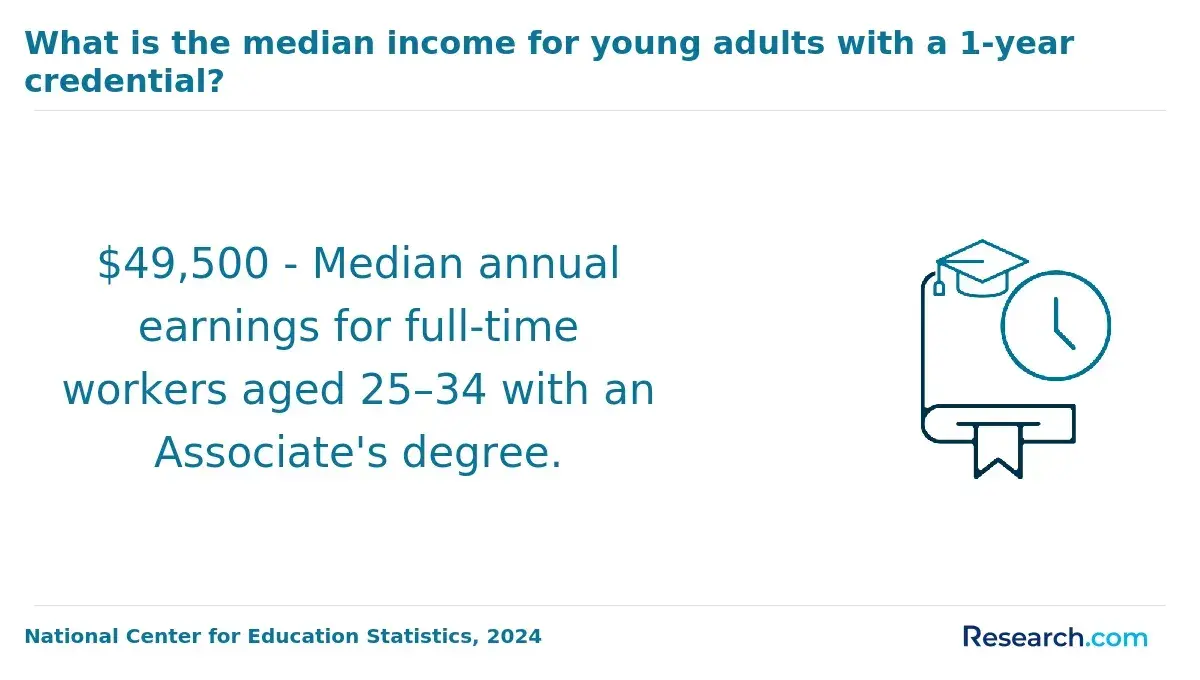
Employers predominantly expect candidates with a bachelor's degree, given the field's integration of business, marketing, event coordination, and legal competencies. Opting for shorter associate degrees may provide access to entry-level roles but limits long-term advancement and earning potential.
Regional wage variations further influence the return on investment for a sport management degree. For example, the University of Bridgeport salary guide notes average earnings of $101,320 in Washington D.C./Northern Virginia, higher than the $97,750 average in New York/New Jersey. This suggests that timely degree completion may be especially impactful where local salary ceilings justify upfront effort.
Programs incorporating internships or cooperative education delay workforce entry, presenting a pragmatic tradeoff between hands-on experience and immediate earning opportunities. Similarly, a master's degree adds around two years but enhances access to senior or specialized positions.
What salaries can sport management graduates expect by role?
Salaries for sport management graduates vary significantly based on role, industry segment, and career stage. Entry-level positions such as event coordinators or recreational managers tend to start between $40,000 and $55,000 annually, reflecting operational responsibilities without substantial executive authority. Those entering sports marketing or promotion, especially within professional leagues or major collegiate programs, often begin between $50,000 and $70,000, driven by revenue-focused demands and brand visibility priorities.
Roles involving athlete representation or sports agency typically start modestly-around $45,000 to $60,000-because of their commission-based, network-dependent nature. However, successful agents with extensive client networks regularly exceed six-figure incomes, illustrating how reputation and relationship management significantly influence earnings beyond formal education.
Administrative and executive positions inside sports organizations generally offer entry salaries above $70,000, with directors and senior managers frequently earning from $85,000 upward, as their responsibilities shift toward strategic leadership and revenue impact. Practical career advancement hinges on measurable contributions to organizational profitability and brand strength rather than credentials alone.
Key considerations include:
- Entry-level roles require acceptance of moderate pay and operational focus.
- Networking and performance metrics are critical for progressing to high-paying positions.
- Internships and direct exposure to business operations shorten the path to better compensation.
- Industry growth of about 1.3% annually indicates steady, but not rapid, expansion in sports-related roles.
Professionals pivoting into sport management should target roles offering clear business outcomes and strategic visibility, which accelerates earning potential and long-term career sustainability.
What certifications improve promotion prospects in sport management?
Promotion in sport management depends heavily on certifications that demonstrate targeted expertise beyond a bachelor's degree. For example, advancing from sports marketing manager to director often demands credentials in digital marketing or sponsorship sales, as firms increasingly prioritize specialized skills over general academic qualifications. Certifications like the Certified Sports Event Executive (CSEE) validate event leadership necessary in collegiate or professional settings where delivering high-stakes projects is standard. Likewise, the Certified Athletic Administrator (CAA) credential is pivotal for administrative roles within educational institutions, emphasizing compliance and personnel management.
Data analytics certifications gain importance in professional team environments, where front offices use performance metrics and fan engagement data to shape decisions. These skills often lead to salaries above the $55,000 average base pay reported for bachelor-level graduates by the University of Bridgeport according to Payscale. Yet, the return on investment is contingent on pairing these credentials with foundational academic knowledge, as employers expect both theoretical understanding and practical certification.
Choosing multiple certifications requires strategic consideration of employer preferences. Grassroots sports roles often favor governing body licenses, while professional operations lean toward business analytics and leadership credentials. This tailored approach addresses promotion barriers rooted in expertise gaps and evolving sector demands, rather than relying solely on broader academic pathways.
Other Things You Should Know About Sport Management
Hands-on experience consistently outweighs theoretical knowledge for promotions in sport management. Employers expect candidates to have direct involvement in event planning, sponsorship negotiations, or facility operations even at early career stages. Programs that integrate internships or cooperative education as mandatory components produce graduates who advance more quickly. Focus on gaining experience in your target subfield rather than broadly appealing but shallow roles to ensure relevance for promotion decisions.
Specializing in areas such as sports analytics, marketing, or athlete representation narrows your promotion pathways but embeds you deeply in growth industries. This can lead to faster advancement within a specialized department but limits cross-functional mobility. A generalist degree provides broader options and adaptability but may result in slower initial promotion as you acquire specific skills on the job. Choose based on your preferred career trajectory: niche specialization accelerates leadership in focused roles, while generalist training supports longer-term flexibility.
Graduate degrees in sport management improve access to senior roles but rarely replace the need for substantial work experience. Employers look for candidates who combine advanced knowledge with proven leadership and operational results. A master's program focused on strategic management or finance can differentiate you if you already possess several years of relevant experience. Prioritize graduate education when aiming for executive-level roles that require complex decision-making and cross-department oversight rather than as an initial entry point.
References
- Pursuing a Career Through Majoring in Sports Management - UNCF https://uncf.org/the-latest/use-sports-management-to-build-a-successful-sports-enterprise
- What are the salaries after studying sports management? https://www.monaco.edu/en/faq-all-the-answers-to-your-questions-3/what-are-the-salaries-after-studying-sports-management/
- How can I enroll in a master's degree in sports management? - INSEEC https://www.inseec.com/en/guides/orientation-guide/how-can-i-enroll-in-a-masters-degree-in-sports-management/
- A Must-Read Guide to Careers in Sports Management https://www.workinsports.com/resourcecenter/jobseeker/pages/a-must-read-guide-to-careers-in-sports-management
- Certification Programs - SFMA https://www.sportsfieldmanagement.org/certification/
- Career Paths In Sport Management https://www.ycp.edu/news/career-paths-sport-management
- Types of Sports Management Degrees https://www.allbusinessschools.com/sports-management/degrees/
- Sports Management Salary Guide 2023 | University of Bridgeport https://www.bridgeport.edu/news/sports-management-salary-information/
- Career in Sports Management: Top Opportunities for Graduates in South Africa | eta College https://etacollege.com/top-career-opportunities-for-sports-management-graduates-in-south-africa/
- Salary Trends in Sports Management – United States Sports University https://restore-ussa-edu.mystagingwebsite.com/news/salary-trends-in-sports-management/