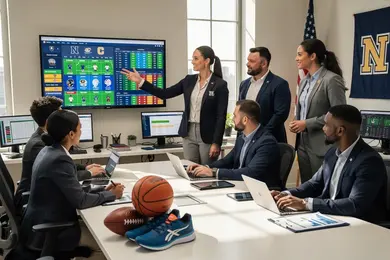
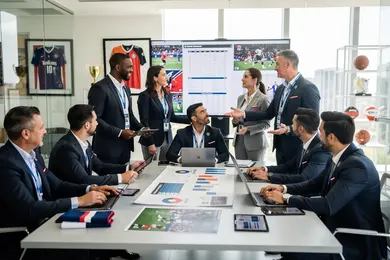
2027 Best Online Bachelor's in Sport Management for Sponsorship and Sales Roles

Co-Founder and Chief Data Scientist
Securing a sponsorship or sales role in sport management demands more than enthusiasm-it requires mastery of negotiation dynamics, brand alignment, and market analytics, skills best cultivated through targeted education. However, balancing career ambitions with work and personal commitments poses a critical barrier, especially since 68% of online bachelor's enrollees are adult learners juggling multiple responsibilities, according to the National Center for Education Statistics.
This trend signals a broader shift toward flexible learning, but not all programs equally address industry-specific challenges or offer the adaptability needed for career pivots. This article evaluates the best online bachelor's programs designed to equip candidates for sponsorship and sales positions, focusing on curriculum relevance, delivery format, and career outcomes to guide strategic enrollment choices.
Key Things You Should Know
- Graduates entering sport management sponsorship and sales roles face a 12% employment growth rate per the U.S. Bureau of Labor Statistics, but industry preference skews toward candidates with 1-3 years of specialized internship experience, complicating direct entry via online degrees.
- Employers prioritize applied data analytics and contract negotiation skills, with 67% of hiring managers citing insufficient practical training as a barrier for online-only graduates, emphasizing blended curriculum models for workforce readiness.
- Online bachelor's programs averaging $35,000-$45,000 total cost can accelerate entry timelines by 6-12 months compared to full-time traditional degrees, yet limited regional accreditation narrows employer recognition in certain pro sports markets.
What is an online bachelor's in sport management?
Online bachelor's degrees in sport management with a focus on sponsorship and sales prioritize practical skills in contract negotiation, brand partnerships, and market analytics tailored specifically for the sports industry. Graduates typically move into roles that require securing sponsorship deals and maximizing sales revenue for sports teams or venues. For example, a professional sports franchise employee may apply digital marketing analytics learned online to develop detailed sponsorship proposals that quantify return on investment for partners.
This specialization demands familiarity with industry-specific software, league rules, and fan engagement trends, differentiating it from generic business degrees. While the use of remote internships or local placements helps offset limitations of online study, candidates must proactively pursue these experiences to remain competitive for sales roles, where employer expectations around digital sales channels and data-driven decisions are increasing. Failure to engage in networking or hands-on industry exposure can impede career progress compared to graduates of on-campus programs with built-in connections.
The U.S. Bureau of Labor Statistics forecasts a 13% growth in advertising, promotions, and marketing managers over the next decade, confirming sustained demand for skills that elevate sports sponsorship revenue through advanced marketing and brand activation strategies. Evaluating programs should include alumni employment in sponsorship and sales roles to gauge real career impact. Those assessing online bachelor's degrees should consider these trade-offs carefully alongside a broad view of the best accredited online programs for sport management careers in sponsorship and sales.
Comparing program outcomes can be aided by resources like the online MBA programs comparison, which provides insights into operational management education that complements sport management competencies.
Are online sport management degrees accredited and reputable?
Accreditation is a critical gatekeeper in the field of online sport management degree accreditation in the US, shaping which graduates gain access to coveted sponsorship and sales roles. Employers, especially within professional sports franchises and large marketing agencies, demand verifiable academic credentials from regionally or nationally accredited programs to assess candidate credibility and skill relevance. Without this, applicants often face diminished opportunities and prolonged job searches.
Programs affiliated with reputable universities and recognized accreditation typically integrate experiential learning and industry-specific coursework. In contrast, less connected or non-accredited options risk producing candidates with insufficiently practical skills, reducing their market readiness and competitiveness. For prospective students targeting sponsorship and sales trajectories, confirming clear accreditation documentation aligns directly with long-term career viability.
Practical outcomes correlate strongly with financial potential. According to the U.S. Bureau of Labor Statistics, marketing managers-a role closely tied to sponsorship and sales pipelines-earned a median wage of $157,620 as of May 2025, emphasizing the economic impact of specialized, accredited training. These realities highlight the importance of selecting reputable online bachelor's in sport management programs that balance theory with real-world application.
Graduates must also evaluate faculty industry experience and documented graduate success in sales roles, factors that underscore the value of a program beyond its credential. For students simultaneously weighing alternative degrees, examining pathways like the best construction management schools may illustrate contrasting program structures and workforce demands.
How do online and campus sport management programs compare?
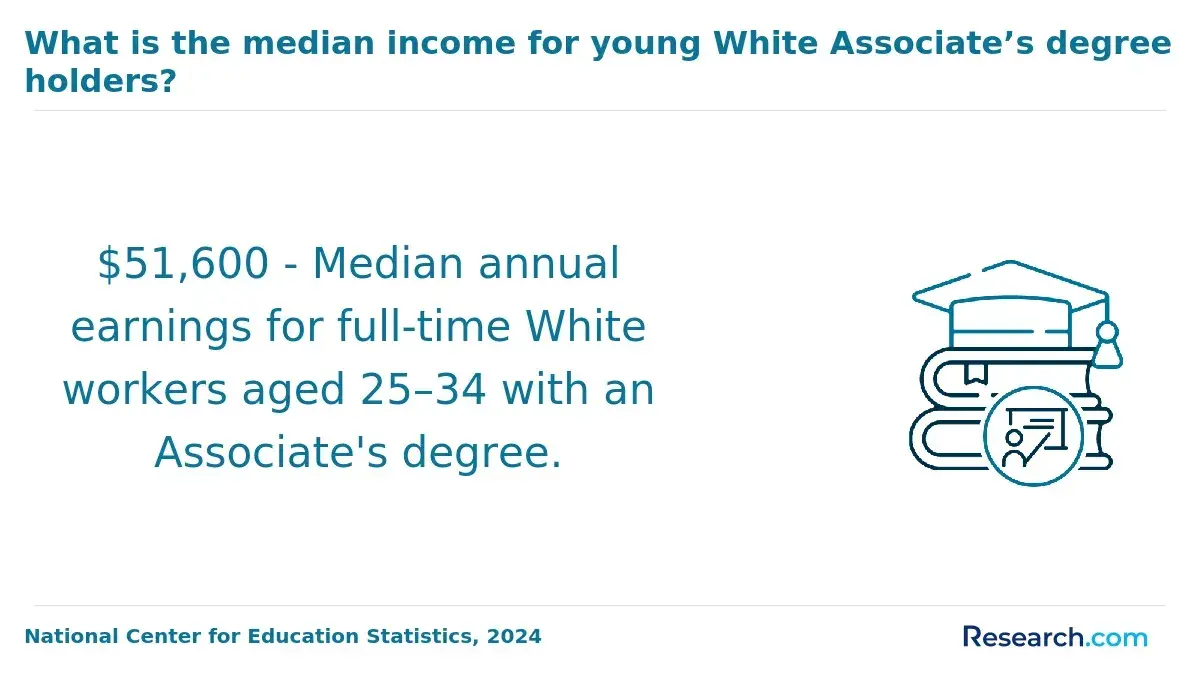
The fundamental tradeoff between online bachelor's in sport management versus campus programs centers on access to experiential learning and professional networks crucial for sponsorship and sales careers. Campus-based programs grant direct opportunities for internships and face-to-face mentorships within local sports markets, which employers value highly for roles requiring negotiation skills, live-event experience, and client interaction. These practical experiences often translate into stronger job placements and trusted employer recognition, especially for entry-level sales representatives earning a median wage of $54,250 annually.
Conversely, online sport management degrees offer essential flexibility for working professionals or those distant from sports hubs but demand deliberate effort to secure local internships to offset reduced informal networking. Students pursuing online pathways must balance rigorous self-discipline with proactive outreach, as overlooking these steps can hinder access to competitive sales environments heavily influenced by professional connections.
Employers typically prioritize candidates who demonstrate both theoretical knowledge and practical application. Deciding between these formats should include evaluating your current work commitments, internship availability, and proximity to sports markets. While campus programs provide structured networking, online options suit those needing schedule adaptability but require compensatory self-driven engagement. For individuals considering multi-disciplinary options, programs like a bachelor of project management online can complement sport management skills and broaden career pathways.
What courses are in a sport management bachelor's degree?
Effective preparation for sponsorship and sales roles within sport management requires a curriculum that integrates business fundamentals with specific operational competencies. Students pursuing sport management bachelor's degrees benefit from courses that go beyond theory, providing skills in sports marketing strategies essential for brand development and sponsor engagement. Financial coursework centered on budgeting and ROI analysis is critical; graduates without this foundation may struggle to evaluate sponsorship value or manage campaign costs.
Top coursework for sport management sponsorship and sales roles also involves negotiation, contract administration, and relationship management, preparing students for direct corporate interactions. Event management classes emphasize real-world logistical coordination that professionals use to execute sponsorship activations and client-centered events. Operations management courses reveal the organizational workflows influencing sales cycles and event success, which is a practical advantage for meeting employer expectations.
Legal instruction in contract law and regulatory compliance is another key component. Overlooking these elements risks leaving graduates unable to navigate complex sponsorship agreements. Additionally, data analytics training provides essential tools to interpret audience metrics and optimize sponsorship placements.
For example, students aiming to become meeting, convention, or event planners within sports benefit from this cross-disciplinary skill set. The U.S. Bureau of Labor Statistics reports a median annual wage of $59,400 for these roles in May 2025, reflecting the economic value of combining event planning with sales acumen. Internships or project-based learning embedded in sport management degree programs further bridge classroom knowledge with employer needs, enhancing job readiness.
Prospective students should carefully evaluate courses offered in a sport management bachelor's degree program to ensure a balance among marketing, sales strategy, financial literacy, and legal frameworks. For professionals considering a pivot to related fields, comparing pathways like available online MSN PMHNP programs may provide alternative specialized career routes beyond traditional sport management roles.
What are the admission requirements for online sport management programs?
Admission criteria for online sport management programs often serve as an early filter impacting both access and eventual employability. While a high school diploma or equivalent is standard, competitive programs typically require a minimum GPA between 2.5 and 3.0. Beyond academics, applicants must submit transcripts evidencing coursework in English and math, crucial for roles centered on sponsorship sales and activation, where communication and quantitative skills are non-negotiable.
A notable workforce implication arises for career changers: many programs demand 1 to 3 years of relevant industry experience in sales, marketing, or sports. This can disproportionately disadvantage early-career applicants, pushing them toward longer foundational tracks without such prerequisites but at the cost of extended study periods and a delayed job market entry.
Practical program elements such as internships or applied projects often require physical attendance or formal approval, adding layers of logistical complexity that prospective students must scrutinize to avoid unforeseen hurdles after admission. Reliable technology and internet access represent another gatekeeping factor that shapes who can realistically engage with these online offerings.
The sponsorship sector, projected to hit $112.4 billion by 2030 per Grand View Research, prioritizes candidates who clearly demonstrate strategic insight into sponsorship and sales dynamics. This is increasingly reflected in admission emphasis on personal statements and recommendation letters that go beyond academic record to exhibit understanding of industry-specific challenges.
How long does an online sport management degree take?
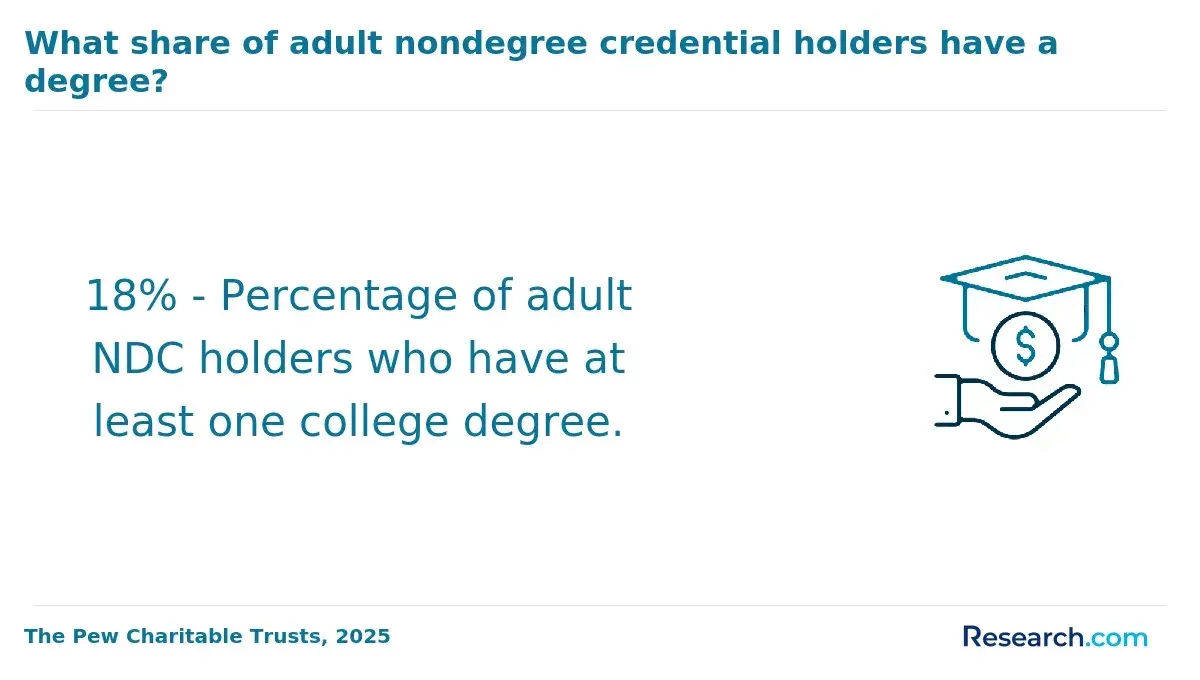
Completing an online bachelor's degree in sport management typically ranges from three to four years full-time, but this timeline carries distinct workforce implications. Accelerated paths shorten study to around two and a half years by intensifying course loads, which can limit flexibility and present challenges for professionals balancing work commitments. Conversely, part-time enrollment can extend duration to five or six years, potentially delaying entry into critical sponsorship or sales roles where timely availability is often a decisive factor.
Employers in sponsorship and sales sectors prioritize candidates who combine relevant knowledge with immediate readiness to engage with a rapidly expanding global sports market projected at $680 billion by 2025. Extended degree completion risks missing key networking windows and practical experiences that often serve as gateways to entry-level roles.
Key factors influencing time to degree include credit transfer policies, cohort scheduling, and program design emphasizing experiential learning. For example, candidates with transferable credits from related disciplines can expedite graduation, while programs requiring substantial hands-on projects may prolong study but bolster practical skills for sales negotiations and sponsorship management.
Applicants should consider how accelerated completion trades off with depth of preparation. Integrating internships during the program often slows timelines yet enhances market readiness. Aligning time-to-degree decisions with career objectives ensures optimal positioning to capitalize on sports industry commercialization.
How much does an online sport management degree cost?
The cost of an online sport management degree often exceeds that of general online bachelor's programs, averaging around $555 per credit hour compared to $490. For a standard 120-credit curriculum, tuition may approach $66,600, reflecting the specialized curriculum and the need for industry-specific resources. However, this price difference demands scrutiny through the lens of actual career impact, particularly for roles in sponsorship and sales where real-world connections and practical experience are critical.
Professionals targeting sponsorship positions should evaluate programs based on their access to networking opportunities and internships rather than tuition alone. A lower-cost degree without substantial employer recognition or meaningful project involvement might reduce immediate expenses but limit practical skills essential for competitive hiring.
Additional expenses such as technology fees, travel for internships or conferences, and potential opportunity costs from extended study periods should factor into budgeting. Transfer credit policies or accelerated programs can mitigate these costs and shorten time to degree completion.
State universities may offer in-state tuition discounts below $400 per credit hour, significantly lowering total costs but often sacrificing sponsorship-specific content or sales-focused career support found in private institutions. Ultimately, candidates must balance tuition against program outcomes, focusing on how the education translates into measurable field experience, networking reach, and salary growth in sport industry roles.
What jobs can you get with a sport management degree?
Graduates with a sport management degree often confront a competitive landscape where the ability to negotiate contracts, secure sponsors, and measure marketing outcomes directly influences job opportunities and salary potential. For example, a sponsorship coordinator at a professional team not only negotiates multi-year deals but also analyzes activation metrics and orchestrates cross-promotional activities, requiring both financial savvy and interpersonal dexterity.
Revenue targets in sales positions emphasize tailored strategies and comparative analyses of sponsorship packages, with an increasing expectation for fluency in digital marketing alongside traditional channels. The practical difference in market segments is significant: candidates working in minor league or collegiate sports must deliver cost-efficient sponsorship proposals amid tighter budgets, while those in major league or international arenas handle multimillion-dollar brand management.
Tuition cost is a substantial factor in weighing educational returns. An example like Franklin University's model, charging $398 per credit leading to roughly $12,338 annually for 31 credits, illustrates the need for students to balance upfront expenses against employment prospects and employer recognition. Data from 2024 indicate that candidates who combine relevant internships with a sport management degree see a 15%-20% boost in hiring rates within sponsorship and sales roles, emphasizing the necessity of hands-on experience alongside academic credentials.
How much do sponsorship and sales roles pay in sports?
Sponsorship and sales salaries in sports fluctuate significantly based on experience, employer scale, and geography. Entry-level roles typically offer between $45,000 and $60,000 annually, while professionals aligned with major league or national organizations often exceed $90,000. Regional franchises and local agencies skew toward the lower range, making location a pivotal consideration for candidates.
Success in these roles hinges on mastering negotiation, client relationship management, and leveraging digital marketing tools. Employers seek measurable ROI tied to data analytics, meaning continuous skill development beyond degree completion is essential. Candidates who deliver consistent sales results and foster durable partnerships experience noticeable salary growth.
Choosing a sport management program that integrates sponsorship acquisition and sales metrics with tangible employer connections greatly enhances job prospects. For instance, a graduate entering a mid-size firm in the Midwest might start near $50,000 but needs to prove sales impact within two to three years to reach median earning levels. Conversely, positions at global agencies often begin with higher base pay and performance-linked bonuses. These realities reinforce the importance of selecting educational pathways that align tightly with the practical demands of sponsorship and sales roles in sport management.
What certifications help in sponsorship and sales careers?
Certification in sponsorship and sales within sport management serves as a critical differentiator in a competitive job market. The Certified Sponsorship Professional (CSP) targets expertise in contract negotiation, activation strategy, and relationship management, while the Sports Sales Certified Professional (SSCP) centers on sales strategy, prospecting, and client management. Employers in professional sports and collegiate athletics often favor candidates holding these credentials, as they affirm practical capabilities beyond academic knowledge.
Consider a mid-level sports marketing agency: a sales executive without certification may find it difficult to contend against CSP or SSCP holders when negotiating multimillion-dollar contracts or managing intricate sponsor agreements. This real-world competitive edge directly impacts employability and income potential.
Obtaining these certifications demands not only financial investment-preparatory courses and exams ranging roughly from $1,000 to $1,500-but also continued professional development to maintain credentials. Neglecting recertification can lead to skill obsolescence, particularly as sport management increasingly relies on data analytics and technology for sponsorship and sales tracking.
Financial aid availability, like that reported by Sports Management Degree Hub for Southern New Hampshire University students in 2015-16, may offset upfront costs, but students should verify current aid options. The decision to pursue certification involves weighing these logistical and financial barriers against the advantage of meeting employer expectations for demonstrated competence in complex sales environments.
Other Things You Should Know About Sport Management
Online sport management programs often require significant self-discipline due to varied pacing and asynchronous content. Students employed full-time must prioritize programs with clear deadlines and structured modules to avoid falling behind. Programs that integrate real-world projects or internships can increase time demands but also provide essential applied experience, which typically outweighs the workload challenges for career advancement.
When evaluating online bachelor's programs in sport management for careers in sponsorship and sales, consider accreditation, faculty expertise, and course relevancy to the field. Internships, case studies, and real-world projects can also enhance practical knowledge essential for these roles.
Specializations such as sponsorship management, sales strategy, or sports marketing differentiate candidates by signaling focused expertise to employers. Prioritize programs offering targeted electives or certificates specifically aligned with sponsorship and sales to increase job market competitiveness. Generalist sport management degrees may require supplementary training or experience post-graduation to reach equivalent positioning in these roles.
Networking is a core driver in sponsorship and sales careers, as relationships often generate job leads and client acquisition. Online programs that provide live sessions, mentor access, or alumni networks create meaningful connections otherwise missing from virtual formats. Prospective students should weigh program community engagement features heavily, as limited networking can slow career progression despite strong academic content.
References
- 7 Top Certifications for Best Sales Careers https://www.pipedrive.com/en/blog/sales-certification
- Online Bachelor's in Sports Management https://www.monroeu.edu/academics/undergraduate-programs/monroe-online/school-business-and-accounting/online-bachelors-sports-management
- Sales certifications that recruiters actually care about in 2025 - Workers.be https://www.workers.be/en/candidates/sales-certifications-that-recruiters-actually-care-about-in-2025/
- Lang School of Business and Economics Launches First Online Sport Management Program https://news.uoguelph.ca/2025/02/lang-school-of-business-and-economics-launches-first-online-sport-management-program/
- Sales Certification https://sv.academy/article/sales-certification
- What can you do with a sports management degree? - AISTS https://aists.org/what-can-you-do-with-a-sports-management-degree/
- B2B Sales Certification | Online B2B Sales Training Course | ESI https://esihq.com/sales-certification/
- How can I enroll in a master's degree in sports management? - INSEEC https://www.inseec.com/en/guides/orientation-guide/how-can-i-enroll-in-a-masters-degree-in-sports-management/
- Pro Team Jobs - Partnership / Sponsorship / Sales Executive - SportsCareerFinder https://www.sportscareerfinder.com/members/pro-team-jobs/partnership-exec/
- Online Bachelor of Science (BSc) in Sports Management - Swiss School of Business and Management Geneva https://www.ssbm.ch/online-bachelor-sports-management/