2027 Best Online Bachelor's in Sport Management for Team and Event Career Paths

Co-Founder and Chief Data Scientist
Balancing a full-time job with the need to gain specialized credentials in sport management often leaves professionals stuck in limbo, unable to advance toward team or event leadership roles. This challenge intensifies as employers increasingly prioritize candidates with targeted experience and formal education in areas like event logistics, compliance, and athlete relations.
Enrollment data from the National Center for Education Statistics indicates a 12% rise in online bachelor's degree enrollment among adult learners since 2023, revealing a shift toward flexible learning models that accommodate working schedules. Understanding which programs align best with career demands and time constraints becomes critical.
This article evaluates top online bachelor's in sport management specifically tailored for careers in team and event settings, helping readers identify programs that balance accessibility, curriculum relevance, and employer expectations.
Key Things You Should Know
- Despite a projected 10% growth in U.S. sport management roles through 2030 (BLS 2024), many programs underprepare graduates for event-specific operational demands, creating a skill gap employers note as a major hiring barrier.
- Employer preference now favors candidates with hands-on event coordination experience, making internships or cooperative education critical; lack of these often relegates graduates to entry-level marketing or ticketing support roles.
- Programs offering accelerated or hybrid formats can lower total education cost exposure by up to 25% (NCES data), but compressed schedules may reduce time for key networking opportunities essential to breaking into team and event careers.
What is an online bachelor's in sport management and who is it best for?
Positions in sport management require navigating distinct operational demands that merge business skills with athletic sector specifics. An online bachelor's in sport management degree benefits professionals seeking to pivot into roles such as team operations coordinators or sports event planners by emphasizing contract negotiations, athlete management, logistics, and sponsor relations.
Employers often expect candidates to demonstrate practical experience in addition to academic knowledge, posing a challenge for online students who must independently secure internships and networking opportunities.
Programs that balance theory with applied practice enable students to meet these complex expectations, but tradeoffs include limited face-to-face mentorship and reliance on self-directed professional development. For working adults, the flexibility of the online bachelor's in sport management offers immediate application of concepts, yet it demands disciplined time management, especially when pursuing internships remotely.
The Bureau of Labor Statistics projects employment growth for athletes, coaches, and umpires at 13% from 2022 to 2032, adding roughly 16,900 jobs. This data signals a tightening labor market where advanced knowledge of sports operations and event coordination can be a differentiator. Individuals considering further credentials might evaluate options like the doctorate of healthcare administration for broader leadership opportunities beyond sport-specific roles.
How does an online sport management bachelor's compare to a campus-based program?
The choice between an online sport management bachelor degree vs traditional campus programs hinges on balancing flexibility against access to industry immersion. Online formats offer scheduling adaptability ideal for those continuing professional roles or managing personal demands, but they inherently reduce hands-on engagement critical for operational sports roles like event coordination or team leadership.
Employers emphasize practical experience alongside academic credentials, meaning online learners must actively secure internships or local networking to offset fewer face-to-face opportunities. For instance, a candidate aiming for team management within a professional sports franchise will likely find campus programs more immediately connected to live projects and direct industry contacts, which expedite workforce entry.
Benefits of online sport management bachelor programs for career advancement include cost efficiency and the ability to integrate study with work, aligning with the projected 10% compound annual growth in the global sports events market. However, the theoretical knowledge gained online requires supplementation with real-world exposure, especially in sponsorship and media rights management.
Students pursuing online pathways should select programs featuring strong career services that facilitate employer connections. Those interested can also explore adjacent fields through an online construction management degree as an alternative for event infrastructure specialization.
Ultimately, the decision depends on individual professional context, learning preferences, and how critical immersive industry engagement is to one's career trajectory.
What accredited online schools offer strong bachelor's degrees in sport management?
Choosing accredited online schools with strong bachelor's degrees in sport management requires a focus on program outcomes and workforce alignment rather than brand name or convenience alone. The University of Iowa's online bachelor's in sport and recreation management offers median earnings of $65,473 four years after graduation, demonstrating tangible employer value and positioning graduates for mid-level roles without extended entry-level periods.
For students balancing work and study, programs that allow asynchronous coursework and credit transfers ease progression but may differ in networking and internship opportunities, which heavily impact long-term placement.
Effective programs strike a balance between theory and hands-on experience, incorporating internships and project-based learning tailored to the realities of roles in team or event management. Students aiming for collegiate team management should vet curriculum depth in sports marketing, compliance, and leadership, while event-focused careers require logistics, facility management, and sponsorship skills.
Schools with accreditation from regional or specialized bodies increase the trust employers place in credentials and may facilitate professional certification pathways.
Employer partnerships and industry connections accelerate hiring but vary widely across institutions. Less intensive online offerings may necessitate additional certification or accepting lower-level roles initially. Those seeking a strategic pivot should weigh these tradeoffs carefully.
For example, linking foundational sport management knowledge with recognized human resources expertise can broaden opportunities in athletic administration or organizational roles. Considering options like a human resource management master's degree online can strategically complement a sport management background.
- best accredited online schools for sport management degrees
- top online bachelor's programs in sport management
What courses and specializations are typically included in online sport management programs?
Online sport management courses and specializations in the United States reflect the sector's demand for versatile professionals who can navigate budgeting, marketing, and operational challenges unique to sports organizations. Core curriculum typically spans marketing fundamentals, finance, event coordination, facility management, and legal issues, creating a practical foundation for managing teams and large-scale events.
Specializations such as sports analytics, athlete development, and recreational management offer targeted preparation aligned with specific roles, helping graduates meet employer expectations for niche competencies. For example, understanding event logistics and contract negotiation is critical for those pursuing event coordination roles in competitive settings.
Course sequencing advances logically-from foundational topics like organizational behavior to advanced subjects such as strategic risk management-mirroring employer priorities for graduates who integrate business acumen with operational insight. This tiered approach supports strategic career pivots and long-term growth.
Students often juggle coursework alongside internships or job placements, making program flexibility crucial. Programs that provide credit for prior professional experience and online scheduling better accommodate working adults, especially when median tuition ranges between $9,000 and $15,000 annually, with some public institutions maintaining total four-year costs below $40,000-significantly more affordable than many residential business degrees.
Selecting an online sport management degree involves weighing curriculum depth against career outcomes in a competitive field. More specialized tracks enhance employability, though practical exposure through internships remains a key differentiator. Prospective students may also consider related fields, such as a hospitality management degree online, which shares operational and customer service competencies relevant to sports event management.
What admission requirements and prior experience do online sport management programs expect?
Admission into online sport management programs hinges primarily on academic readiness rather than prior work experience, opening access to recent graduates and career changers. While a high school diploma or equivalent is the minimum entry requirement, some institutions request college transcripts to assess transfer applicants. Candidates with foundational skills in communication, math, and business principles gain an edge.
Practical experience increases competitiveness, especially for team management roles where internships, volunteer work, or part-time positions with sports organizations provide essential hands-on exposure.
In contrast, event-focused career paths prioritize project management skills and familiarity with event logistics technologies, which are often demonstrated through certifications or prior roles. Applicants lacking direct sport-related experience should highlight transferable skills from customer service, marketing, or administrative jobs, supported by a clear resume and well-articulated career goals tied to sport management competencies.
Cost considerations play a tangible role. For example, Liberty University's online undergraduate tuition increased by less than 5% across a decade, alongside savings of $800 to $2,000 annually through free electronic textbooks. Prospective students must weigh such program costs against the financial benefits of flexible learning formats and lower material expenses, especially when planning long-term ROI and career shifts.
How long does an online sport management bachelor's take and how is it structured?
Completing an online sport management bachelor's degree typically demands a four-year commitment, with programs requiring approximately 120 to 130 credit hours. However, accelerated or part-time formats can condense this timeline to as little as two to three years, a critical consideration for working professionals balancing career demands.
The curriculum integrates business fundamentals with specialized sport management topics and general education, fostering adaptable competencies. Course content diverges based on targeted roles: for instance, event management focuses on contract negotiation and logistics, while team operations emphasize athlete management and legal frameworks. Such differentiation ensures students acquire relevant expertise aligned with their career trajectory.
Key workforce implications include the necessity for experiential learning-internships and projects-that translate theory into practical skills. Programs obligate students to evaluate their capacity for independent study and asynchronous coursework while also weighing the availability of networking and career services, which significantly affect employability post-graduation.
From a cost perspective, Southern New Hampshire University's model, pricing sport management credits at $354 for a total near $42,480, exemplifies the financial investment required. This figure underscores the importance of understanding tuition expenses alongside employer tuition assistance options when assessing return on investment.
- Balancing time, cost, and program interactivity is essential for informed decision-making.
- Specialization tracks within sport management influence career outcomes and skill applicability.
- Experiential components and networking are often decisive for job market success.
What does an online sport management bachelor's cost and what financial aid is available?
The financial gulf between online sport management bachelor's programs is substantial, with total tuition ranging from about $33,120 at Arkansas State University to $90,960 at DePaul University. This disparity exceeds 170%, forcing students to weigh more than just sticker price when projecting debt and post-graduation outcomes. Lower-cost options reduce immediate financial pressure but may limit access to alumni networks or specialized internships critical for roles in team and event management.
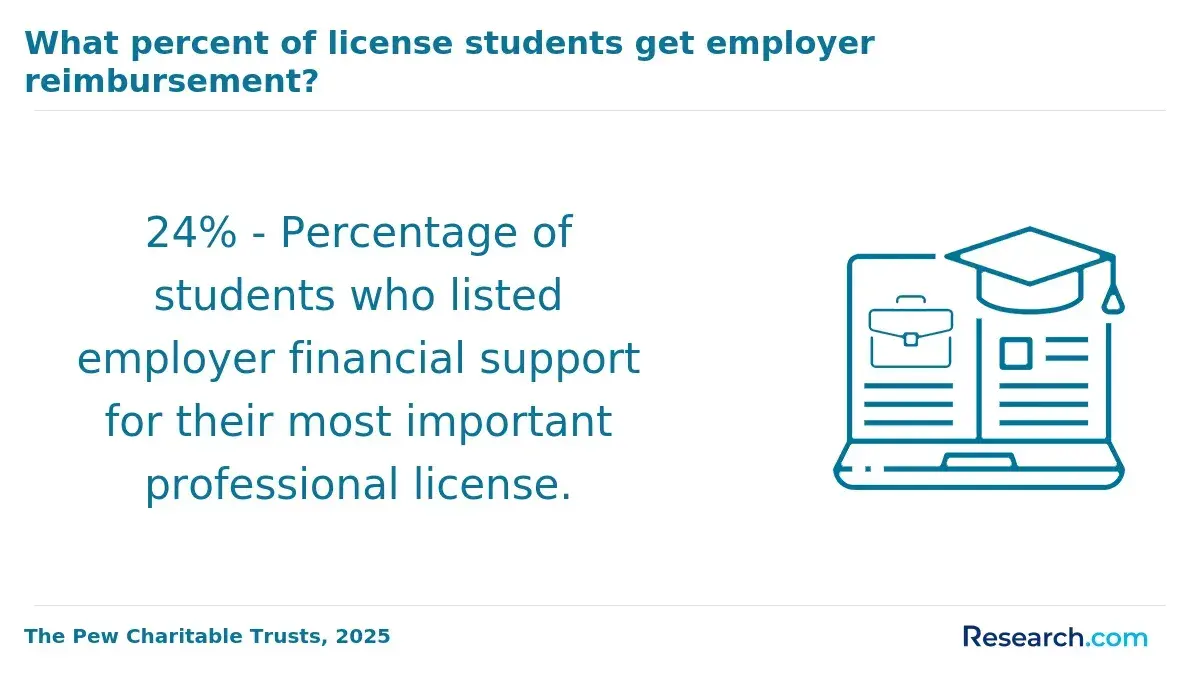
Federal support via FAFSA remains pivotal, offering Pell Grants and subsidized loans tailored to income and need. Employers increasingly provide tuition assistance; professionals should assess how aligning education funding with job duties impacts return on investment. Institutional scholarships vary widely and often require early application, while private scholarships focusing on sport management or event leadership remain competitive, necessitating targeted, experience-backed applications.
Key tradeoffs include program duration and credit transfer policies. Accelerated paths may have higher per-credit costs but facilitate quicker reentry into the workforce, potentially mitigating opportunity costs. Prospective students need to incorporate total program expenses-tuition, fees, and ancillary costs-to avoid financial shortfalls.
- Investigate repayment options like fixed or income-based plans to ease loan burdens, especially in lower-wage entry roles.
- Evaluate how network access and internship opportunities compare across programs relative to their cost.
- Factor employer tuition support as a strategic component in funding education.
What team and event management careers can you pursue with this degree?
A career in sport management demands more than academic knowledge; it requires navigating complex operational challenges in fast-paced environments. Roles such as team operations managers or event coordinators routinely involve balancing resource allocation, vendor negotiations, and strict scheduling under pressure. For instance, a team operations manager in a minor league must synchronize contracts and logistics efficiently to ensure events run smoothly within tight deadlines.
Employers in this field prioritize candidates combining business skills with sport-specific compliance knowledge, often requiring practical experience like internships or part-time positions. Challenges include coordinating with authorities for permits, managing safety protocols, and fulfilling sponsorship agreements, all while accepting irregular hours and travel during event cycles.
Data from OnlineU's analysis of Louisiana State University's online sport administration bachelor's program graduates shows a median salary of $57,216 and a 92% recommendation rate, against an annual tuition of $11,970. This suggests reasonable earnings potential when weighed against education costs, but decision-making should consider the program's return on investment alongside job market demand.
Graduates targeting roles within professional, collegiate, or amateur sports organizations must build portfolios emphasizing hands-on leadership and regulatory understanding to meet evolving employer expectations in an increasingly competitive landscape.
What salary ranges and job outlook can sport management graduates expect?
Salary prospects for sport management graduates entering event coordination or team roles typically range from $40,000 to $75,000 annually, but this varies significantly depending on geography, employer size, and specialization.
For instance, event directors or team operations managers in major metropolitan areas can earn upwards of $85,000. Employers consistently seek candidates who combine business savvy with hands-on experience, often requiring internships or related exposure to reach higher salary brackets.
Career growth is stable with an estimated 5% increase through 2032, though competition remains intense. Professionals focusing narrowly on event logistics often face slower progression compared to those who supplement skills in contract negotiation, sponsorship sales, or analytics platforms. Students need to consider the necessity of cross-functional expertise to stand out within collegiate sports, pro leagues, or community organizations.
Online bachelor's programs have expanded rapidly, offering flexibility but also increasing credential saturation-over 60 distinct options available for 2025/2026. Graduates lacking applied skills frequently encounter delays securing roles above the $50,000 threshold. Targeting urban hubs with major franchises improves salary potential but introduces higher living costs, requiring a careful cost-benefit analysis.
Key practical considerations include:
- Prioritize programs with strong employer connections and experiential learning components.
- Develop complementary skills in marketing and digital engagement to enhance employability.
- Balance program convenience against the reality of local job market competitiveness and cost of living.
How can you evaluate and choose a reputable online sport management program?
The quality of an online sport management program hinges on accreditation, which signals alignment with industry standards and affects employer recognition, especially in global event coordination roles. Programs lacking this risk diminishing graduate marketability.
Curriculum relevance is critical: inclusion of digital media strategy, data analytics, and event logistics must be evident to prepare students for a sports industry growing at 5-6% annually through 2027. Without these, graduates face gaps in skills employers now demand.
Applied learning differentiates viable programs. For example, a student focused on managing international events gains more from global event simulations or partnerships with sports organizations than from purely academic study. Internship opportunities or project-based modules translate theory into workforce readiness.
Employment outcomes provide a vital metric. Institutions documenting at least 70% job placement within six months suggest strong employer ties; poorer metrics warrant caution. Flexibility is another factor-working professionals benefit from asynchronous and part-time options that maintain curricular depth.
Cost considerations must be juxtaposed with outcomes. Higher tuition can be justifiable if it correlates with measurable career benefits and salary increases, as confirmed by workforce data. Faculty expertise anchored in current industry experience adds practical insights often missing from purely academic instructors.
Other Things You Should Know About Sport Management
Balancing an online sport management program with full-time work demands strict time management and prioritization. Many programs offer asynchronous courses, which provide flexible scheduling, but expect consistent weekly study hours equivalent to on-campus classes. Students should evaluate program pacing and credit load carefully-overloading can lead to burnout and lower performance, which may reduce practical learning essential for team and event career readiness.
Internships and hands-on experience are critical and often required components in sport management education. Purely online programs lacking structured internship facilitation can limit students' exposure to real-world scenarios, reducing employability in event and team management roles. When choosing a program, prioritize those with built-in or supported practical placements as they demonstrate employer-readiness and enhance networking opportunities crucial for career advancement.
Choosing a broad sport management program provides wider career options but may dilute deep skill development needed for specialized roles like event planning or team operations.
Specialized programs offer targeted training, increasing readiness and employer appeal in those niches but can limit flexibility if career goals shift. For students certain about their focus, specialized curricula reduce retraining time and improve job fit; others should weigh broader programs to keep multiple pathways open.
References
- Sports Management Digital https://www.euruni.edu/en/Bachelor-s/Sports-Management-Digital.html
- What Career Opportunities Exist in Event Management? | BSBI https://www.berlinsbi.com/blog/what-career-opportunities-exist-in-event-management
- Online Bachelor's In Sports Management: Degree Guide https://ny.norbi.no/norbi-news/online-bachelors-in-sports-management-degree-guide-1767647158
- How can I enroll in a master's degree in sports management? - INSEEC https://www.inseec.com/en/guides/orientation-guide/how-can-i-enroll-in-a-masters-degree-in-sports-management/
- Salary Trends in Sports Management – United States Sports University https://restore-ussa-edu.mystagingwebsite.com/news/salary-trends-in-sports-management/
- Online Master’s Degrees in Sports Management: Find the Right School https://www.onlinemastersdegrees.org/best-programs/business/sports-management/
- How would someone choose the best Sports Management program? - Sports Management Degrees https://sportsmanagementdegrees.net/how-would-someone-choose-the-best-sports-management-program/
- Online Bachelor's in Sports Management https://www.monroeu.edu/academics/undergraduate-programs/monroe-online/school-business-and-accounting/online-bachelors-sports-management
- 73 Jobs You Can Get With a Sports Management Degree: A Guide https://www.salemu.edu/blog/sports-recreation-management-careers/
- What are the salaries after studying sports management? https://www.monaco.edu/en/faq-all-the-answers-to-your-questions-3/what-are-the-salaries-after-studying-sports-management/