2027 Online Sport Management Degrees With Sports Marketing Concentrations

Co-Founder and Chief Data Scientist
Mid-career professionals in sport management often confront the challenge of enhancing their expertise in sports marketing without derailing income or relocating. Nearly 40% of adult learners surveyed by the National Center for Education Statistics in 2024 reported that flexible online programs are pivotal to balancing education with ongoing employment commitments.
This shift reflects a broader market demand for accessible, competency-driven education that accommodates working schedules while delivering industry-relevant skills. Yet, not all online sport management degrees with sports marketing concentrations offer the same depth or practical alignment with employer expectations. This article evaluates key online degree options to guide informed decisions that maximize career mobility and strategic skill acquisition.
Key Things You Should Know
- Post-2024 Department of Labor data shows a 12% annual wage premium for sport management graduates with sports marketing skills, but this advantage declines sharply without 1-3 years of in-field digital analytics experience.
- Employers now prioritize candidates with integrated social media campaign management and data interpretation abilities, creating hiring friction for programs lacking experiential marketing practicum components.
- Median online program costs rose 8% since 2023, disproportionately affecting mid-career students balancing tuition against delayed income gains during 18-24 month degree completion windows.
What is an online sport management degree with a sports marketing concentration?
Choosing an online sport management degree with a sports marketing focus means committing to a niche where marketing expertise intersects with the unique dynamics of the sports industry. Employers expect graduates to navigate specialized markets-from professional teams to collegiate athletics-and to leverage digital marketing and consumer analytics to drive fan engagement and sponsorship revenue.
This creates demand for skills beyond basic marketing, including event promotion and brand partnership management.
Cost considerations are significant: in 2024, average tuition for these online programs reached $555 per credit hour, surpassing the $490 average of all online bachelor's degrees. This premium reflects targeted content but also requires prospective students to critically assess whether the investment aligns with career outcomes in a competitive field.
Distance learning sport management programs with marketing specialization face the practical challenge of cultivating industry connections. Securing internships and networking remotely demands proactive strategies such as tapping into virtual alumni platforms or attending live industry webinars, essential for roles like sponsorship manager or brand strategist where cross-department collaboration and project management are standard.
Students exploring a strategic career pivot should weigh online sport management degrees alongside alternatives, including options like an MBA in healthcare, which can offer broader managerial skills in a growing sector. Ultimately, success hinges on blending marketing proficiency with real-world exposure to the sports business environment.
How do online sport management programs compare to on-campus options for sports marketing?
Choosing between online sport management degrees with sports marketing concentrations and traditional on-campus programs involves weighing practical career impacts beyond curriculum similarities. In-person formats integrate students into local sports markets through internships and live events, fostering essential relationship-building and hands-on experience often preferred by employers seeking candidates with deep regional ties.
Conversely, online programs focus more on digital strategy, data analytics, and remote collaboration skills aligned with a globalized industry landscape. This distinction affects access to employer networks, with online learners potentially facing greater hurdles in securing localized roles critical for direct team or venue marketing positions.
The ongoing expansion of the global sports market from $512.14 billion in 2023 to a projected $623.63 billion by 2027 creates growing demand for expertise in digital marketing. Professionals pursuing sport management and sports marketing online versus traditional classroom settings benefit from learning trends such as influencer partnerships and programmatic advertising while maintaining employment.
However, those targeting roles requiring embedded practicum and on-site event experience should consider hybrid approaches that combine coursework with targeted local internships or freelance projects.
Key decisions hinge on internship logistics, geographic access to sports organizations, and employer expectations for practical experience. Prospective students might explore flexible offerings like 2-year construction management degree pathways as a comparative example of online accelerated programs balancing hands-on learning and convenience.
Ultimately, understanding how programs align with desired market segments-digital-centric versus relationship-driven roles-guides effective planning in sport management education.
Which U.S. schools offer accredited online sport management degrees in sports marketing?
Choosing an online sport management degree with a focus on sports marketing requires weighing program accreditation, curriculum relevance, and industry integration to match career ambitions. Accredited U.S. schools such as the University of Florida, East Carolina University, and the University of Massachusetts Amherst offer regionally accredited programs meeting COSMA standards, which is critical for employer recognition in the competitive sports marketing job market.
The University of Florida's curriculum targets analytics and digital media strategy, equipping students with skills essential for data-driven marketing roles.
East Carolina University integrates internships and professional networking into its program, providing practical connections that often influence hiring decisions in sports marketing. Meanwhile, the University of Massachusetts Amherst emphasizes marketing strategy and sponsorship management, preparing graduates for diverse environments from collegiate to professional sports.
Salary benchmarks from the University of West Alabama's survey reveal sports marketing professionals earn an average of $53,374 annually, contrasted with $85,827 for athletic directors. This disparity signals the importance of selecting a degree aligned with specific career goals, especially when targeting leadership roles that blend marketing expertise with operational management.
Prospective students should critically assess if programs offer not just theoretical marketing content but also validated internship opportunities linked to established sports employer networks.
For those considering broader management paths alongside sports marketing, exploring a master's degree in human resource management online can complement marketing skills with leadership and organizational insights, expanding post-graduation options.
What courses and skills are typically included in a sports marketing concentration?
Sports marketing courses emphasize practical skills beyond theory, focusing on marketing strategy, consumer behavior, digital media, sponsorship management, and tailored event promotion. The sports marketing course curriculum develops competencies like brand management for sports teams or events, data analytics to gauge fan engagement, and communication strategies adapted to various sports audiences.
For instance, crafting differentiated social media campaigns for professional leagues versus grassroots sports reflects the sector's diverse demands.
Essential skills in sports marketing concentration also include contract negotiation and ethical management of partnerships involving athletes, teams, and sponsors. Graduates must be adept at market research tools and revenue generation models to support roles from ticket sales to merchandise marketing. The volatile nature of public attention and sponsorship funding mandates adaptability, alongside crisis communication capabilities, which are vital for long-term resilience in this field.
Employment data reveal nearly 8,000 U.S. employers sought sports-related roles during the mid-2020s, emphasizing demand for integrated marketing and management expertise. Candidates who combine analytics and digital communication skills with strategic planning stand out in roles like sports promotions coordinator or digital content manager, where measurable campaign impact drives budget decisions.
Those evaluating pathways may also consider options like an online hospitality degree to diversify applicable industry knowledge alongside sports marketing acumen.
What admission requirements do online sport management programs usually have?
Admission to online sport management programs often balances academic readiness with practical experience, a critical factor in assessing candidate suitability for this competitive field. Applicants typically need a high school diploma or equivalent with a minimum GPA near 2.5; however, many programs now waive SAT/ACT scores, reflecting shifting admission practices.
Those without foundational coursework in marketing or management frequently must complete prerequisite classes or certificates to improve retention and workforce preparation.
Working professionals switching careers benefit by submitting a resume that highlights relevant sports-oriented roles or marketing experience, offsetting weaker academic credentials. Letters of recommendation generally focus on analytical, communication, and leadership skills, aligning with employer expectations in sport business environments. International candidates may face additional requirements such as background checks or proof of study eligibility tied to regional accreditation.
Financial considerations extend beyond tuition; reported online sport management bachelor's program costs range from $292 to $505 per credit hour, varying widely by institution and impacting debt potential versus program value. Candidates should critically assess how their chosen programs' admissions rigor and costs correlate with actual job placement success, especially since higher price points do not inherently improve employability.
- Applicants must submit official transcripts and a personal statement emphasizing their understanding of sport marketing dynamics.
- Foundational skill gaps are commonly addressed before full admission to mitigate early dropout rates.
- Cost transparency and admissions selectivity should guide choices alongside career fit, ensuring realistic financial and professional returns.
How long do online sport management degrees take and what do they cost?
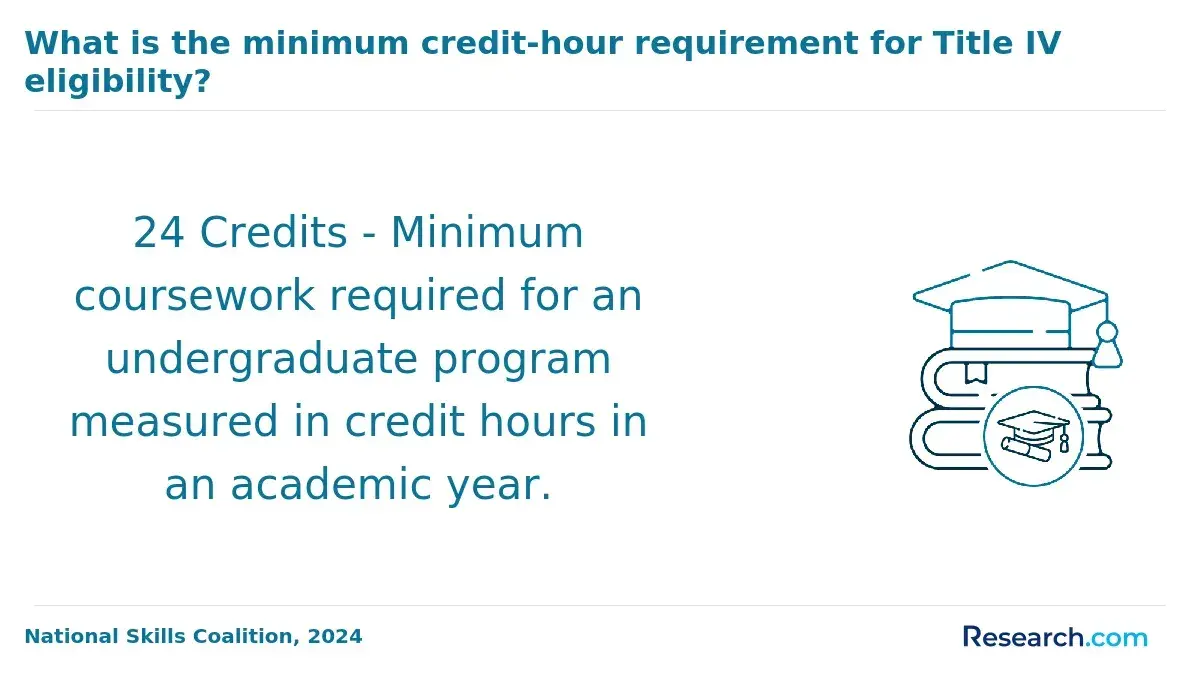
Choosing an online sport management bachelor's degree involves weighing program length, cost per credit, and real-world applicability against professional and financial constraints. Most full-time programs take 3 to 4 years, but part-time options may extend beyond 5 years, reflecting the need for flexibility among working professionals. Transfer credits and internship requirements are critical factors that influence completion speed and the practical value of the degree.
Tuition rates vary significantly; for example, American Public University System offers rates between $250 and $360 per credit hour, substantially below the national average of $490 per credit hour for online bachelor's programs. This difference can critically affect return on investment when paired with job market realities where employers emphasize applied skills demonstrated through internships alongside academic credentials.
Working professionals should evaluate:
- Program flexibility versus accelerated pacing and potential added costs
- Overall credit requirements in light of employer reimbursement policies
- The role of practical experience embedded in coursework to build a portfolio of applicable sports marketing skills
A candidate shifting into sports marketing at a mid-sized organization, for instance, must prioritize programs that foster skill application and networking opportunities, not just degree completion time. Budgeting for materials, technology fees, and unpaid internships remains essential, as these impact affordability and time to gain marketable experience.
What careers can you pursue with an online sport management degree in sports marketing?
The value of an online sport management degree with a sports marketing focus lies primarily in its capacity to develop combined expertise in marketing strategies and sports culture. Employers seek candidates who can translate fan engagement analytics into actionable campaigns-such as a brand manager for a major league baseball team crafting initiatives that align with both local communities and broader markets.
Graduates often start in roles like digital marketing strategist or sponsorship coordinator where proficiency in data-driven platforms and contract negotiation is essential.
While over 80 online programs are projected by 2025, the degree alone rarely opens direct pathways to senior strategic positions. Entry-level salaries tend to be modest, necessitating experience accumulation and networking within sports agencies, franchises, or collegiate programs before significant career mobility occurs. Hiring decisions emphasize demonstrated familiarity with digital tools and fan behavior analysis more than theoretical knowledge.
Professionals shifting from unrelated fields should anticipate a significant learning curve blending sports industry nuances with business demands. Maintaining certifications in evolving digital marketing platforms remains a practical necessity due to ongoing industry transformation. Those pursuing this credential should weigh the foundational benefits against the requirement for critical industry experience to advance beyond initial roles.
What salary ranges and earning potential exist in sports marketing and sport management?
Salary outcomes in sports marketing within sport management hinge heavily on demonstrated expertise and industry alignment rather than mere degree completion. Entry-level roles commonly start between $40,000 and $55,000 annually, but this baseline can stall without targeted specialization.
Mid-career professionals concentrating on sports marketing-and skilled in brand partnerships and digital fan engagement-can command $65,000 to $90,000, particularly within pro sports organizations or collegiate athletic departments.
Obtaining an upper-division B.S. in sport management with a marketing focus requires prerequisite credits, reflecting a tradeoff: extended education timelines versus accelerated access to niche roles where practical skills are prioritized. Graduates without this concentration often experience slower ascent and less exposure to jobs emphasizing sponsorship sales or data-driven marketing.
Employers increasingly require a hybrid of business intelligence and sport-specific marketing competencies. This includes proficiency in digital platforms, fan analytics, and contract negotiation. As a result:
- Practical skills tailored to marketing within sport management greatly improve salary and job prospects.
- Programs demanding prior college credits may delay entry but improve readiness for specialized roles.
- Non-specialized graduates risk limited access to competitive marketing functions and slower wage growth.
Strategic decisions about program selection should weigh these workforce realities and educational hurdles carefully to optimize both employability and earning potential.
What certifications or professional associations support careers in sports marketing?
Certifications like Certified Sports Marketing Professional (CSMP) and Certified Sports Marketing Executive (CSME) serve as concrete measures of expertise in sponsorship, digital engagement, and brand management-skills employers explicitly seek for senior sports marketing roles. For instance, a candidate targeting sponsorship negotiations within a major league gains tangible credibility from these designations that align with the strategic and operational demands of such positions.
However, these credentials are not universal keys. Smaller firms often weigh portfolio and practical achievements more heavily than formal certifications, whereas larger organizations or roles managing multimillion-dollar deals statistically correlate with up to a 35% increase in advancement likelihood, according to labor market analyses from the U.S. Bureau of Labor Statistics and industry data such as PwC Sports Outlook 2024.
Active membership in professional groups like the Sports Marketing Association (SMA) and the American Marketing Association's Sports Marketing Special Interest Group extends beyond credentials by granting ongoing access to sector research, networking, and ethical standards-elements contributing to career mobility in collegiate, media, or esports sectors.
Because credentialing expenses and time commitments can be significant, candidates should consider programs offering tuition predictability, such as those maintaining stable rates for continuous online enrollment. This element is particularly critical for professionals balancing upskilling with employment stability amid market volatility.
How can you evaluate and choose a reputable online sport management program?
Choosing an online sport management program requires prioritizing accreditation and tangible career outcomes over surface features. Accreditation by recognized bodies ensures the credential carries weight with employers and qualifies for federal aid, a non-negotiable baseline for most students targeting meaningful employment.
Programs lacking a clearly defined focus on practical sports marketing skills-such as digital marketing analytics, sponsorship sales, and fan engagement-may leave graduates underprepared for real-world roles.
Consider concrete graduate data: the University of West Alabama's 2024 figures illustrate how specialization shapes salary, with coaching roles starting around $45,910, sports marketing at $53,374, and athletic directors reaching $85,827. Such variation highlights the importance of selecting a program aligned with one's target role and income expectations. Look for programs with established internship pathways in sports marketing, as hands-on experience is often the differentiator in hiring.
Beyond curriculum, assess logistical and institutional support factors. Flexibility to balance work and study, transparent credit transfer policies, and faculty with industry connections play pivotal roles in successful program completion and career networking. Financial investment should be weighed against realistic income uplift, factoring in total costs and support services.
Other Things You Should Know About Sport Management
Online sport management degrees often lack the immersive, face-to-face networking opportunities found in on-campus programs, which can limit spontaneous professional connections vital in sports marketing. Students should prioritize programs that incorporate live virtual events, mentorships, or industry projects to compensate for this. Active engagement in external internships and professional associations becomes essential to offset these gaps and build a competitive network.
Online sport management programs typically require comparable academic rigor to traditional degrees but demand greater self-discipline due to asynchronous learning formats. Students must manage time effectively to meet deadlines without real-time institutional support. Choosing a program that balances flexible schedules with structured cohort activities can help maintain motivation and ensure successful completion without sacrificing learning quality.
Employers in sports marketing often seek candidates who demonstrate up-to-date digital marketing skills, hands-on experience, and clear measurable outcomes from previous projects. Online degrees alone may not distinguish candidates unless coupled with relevant internships, certifications, or portfolio work. Prioritizing programs that emphasize practical assignments and offer career services aligned with employer demands improves post-graduation job prospects significantly.
Specializing in sports marketing within sport management provides students with targeted expertise, allowing them to compete effectively in the niche market of sports marketing. It enhances understanding of consumer behavior in sports, boosts strategic marketing skills, and offers specific insights into digital marketing trends relevant to the sports industry.
References
- Sports Management Degree Requirements | University of Bridgeport https://www.bridgeport.edu/news/sports-management-degree-requirements/
- Sport Management | Culver-Stockton College https://culver.edu/sport-management-online/
- Want to Pick a Sport Management Program? Here's What to Look For https://www.sportsdestinations.com/management/education/want-pick-sport-management-program-heres-what-look-16287
- Online Bachelor's in Sports Management https://www.monroeu.edu/academics/undergraduate-programs/monroe-online/school-business-and-accounting/online-bachelors-sports-management
- What are the career options after a master's degree in sports management? - INSEEC https://www.inseec.com/en/guides/career-path-guide/what-are-the-career-options-after-a-masters-degree-in-sports-management/
- Online MBA in Sports Management | Unisport https://unisporteducation.com/mba-sports-management/
- Lang School of Business and Economics Launches First Online Sport Management Program https://news.uoguelph.ca/2025/02/lang-school-of-business-and-economics-launches-first-online-sport-management-program/
- 10 Of The Best New Sports Management Programmes To Look For - Bluesky Thinking https://bluesky-thinking.com/7-of-the-best-new-sports-management-programmes-to-look-for/
- Emerging Careers In Sports: Job Options, Salaries, & Resources https://www.learnhowtobecome.org/career-resource-center/careers-in-sports/
- Sports Management: A Comprehensive Guide to Careers in Sports Leadership - AISTS INDIA https://aists.org/aistsindia/sports-management-a-comprehensive-guide-to-careers-in-sports-leadership/