2027 Employers Hiring Most Aggressively for Sport Management Talent

Co-Founder and Chief Data Scientist
Landing a role in sport management today demands more than passion; it requires navigating a fiercely competitive market shaped by shifting workforce priorities and evolving employer expectations. With the Bureau of Labor Statistics projecting a 16% growth rate for sports-related professions through 2032, hiring managers are intensifying recruitment efforts to secure candidates who blend practical experience with flexible educational backgrounds.
However, rising enrollment among adult learners-up 8% nationwide according to recent National Student Clearinghouse data-signals a growing preference for programs offering career-relevant flexibility over traditional pathways. This article identifies which employers are aggressively hiring sport management professionals and analyzes how these trends influence timely and strategic career decisions.
Key Things You Should Know
- Sport management roles grew 8.2% from 2023 to 2025 per the U.S. Bureau of Labor Statistics, but employers prioritize candidates with measurable internship outcomes over purely academic credentials, pressuring students to balance costlier experiential programs against faster degree completion.
- Top hiring firms focus on candidates with dual expertise in data analytics and legal compliance, evidence from the 2024 National Sports Industry Report shows, driving a structural skill gap that forces educators and job seekers to integrate interdisciplinary content at accelerated paces.
- The average time-to-job placement extended to 7.5 months in 2025 due to heightened demand for multi-role adaptability, implying increased career entry costs for graduates without specialized networks or targeted certifications in sponsorship or athlete management.
Which industries are hiring the most sport management graduates and early-career professionals?
Professional sports organizations, collegiate athletics, and sports marketing agencies dominate the sport management hiring trends in North America, but each demands distinct competencies and entails different career challenges. Professional sports teams are increasing early-career recruitment, notably tripling internship postings since 2020, focusing on operations, fan engagement, and analytics roles.
This growth benefits graduates with practical experience, yet also means intense competition and a need for targeted internships to enter these environments.
Collegiate athletics departments emphasize compliance, event coordination, and athlete development positions, requiring familiarity with NCAA regulations and academic balancing. These roles present steadier, albeit slower, salary growth along with well-defined career pathways compared to professional sports, making them attractive for candidates valuing structure over rapid advancement.
Sports marketing firms prioritize candidates skilled in digital content and data-driven campaigns rather than solely traditional sports expertise. Without robust digital skills, breaking into this sector is difficult as the demand for brand partnership and sponsorship activation expertise grows.
Other niches-such as sports technology startups and fitness companies-seek hybrid technical and managerial abilities but offer smaller hiring pools. For those exploring this field, aligning internships to specific industry segments is an essential strategy to navigate these complex hiring landscapes and professionalism benchmarks.
Individuals aiming to pivot strategically or upskill might also consider avenues like an accelerated healthcare management degree online as a complementary pathway enhancing crossover opportunities within sports-related wellness sectors.
What sport management roles are in highest demand among U.S. employers right now?
Hiring trends in the U.S. reveal that top sport management jobs center on financial oversight, compliance enforcement, and commercial growth, reflecting a shift in employer demands tied to complex budget dynamics. NCAA Division I athletic departments, with an 11% increase in median total operating expenses from 2022 to 2024, require professionals who can strategically manage revenues alongside escalating cost pressures.
This environment creates strong demand for roles such as athletic department financial analysts and sponsorship sales managers who can navigate high-stakes revenue negotiations and compliance coordinators skilled in regulatory nuance.
These high demand sport management careers in America prioritize candidates who integrate financial expertise with operational leadership. For example, event operations directors must not only execute large-scale sporting events efficiently but also ensure compliance with risk management and safety protocols, often with technology and project management certifications as prerequisites.
For those evaluating educational pathways, selecting programs that emphasize finance, business analytics, compliance law, and negotiation tailored to the sports sector better prepares graduates for this competitive landscape. Without targeted preparation, candidates often struggle to meet employer expectations. Career changers or students exploring a pivot should also consider hybrid skill sets that blend financial strategy with event operations.
The competitive nature of sport management roles parallels other accelerated career tracks, making it worthwhile to explore adjacent areas such as construction management for diversified opportunities. Programs like an online construction management bachelor's degree illustrate alternative accelerated pathways with distinct market demands.
How does the job outlook for sport management careers compare to other business fields?
The job outlook for sport management careers versus other business fields shows distinct advantages, largely driven by targeted growth in global sports marketing and sponsorship investments. Agencies are ramping up budgets with a projected 7.8% increase in spending for 2025, reaching about $78 billion, reflecting a sharper rise than many traditional business sectors.
This comparative growth of sport management jobs in the business sector translates into specialized roles emphasizing brand activation, event management, and digital fan engagement, where expertise beyond general business acumen is crucial.
Unlike broader business fields such as finance or general marketing, sport management requires in-depth understanding of regulatory compliance, sponsorship valuation, and athlete representation. For instance, candidates with a general MBA may find marketing roles across various industries accessible, but breaking into sports sponsorship agencies demands familiarity with niche contract negotiations and valuation models.
This recruiters' preference for practical, industry-specific experience often means internships or certification programs aligned with sports business operations carry higher weight than transferable business skills.
Students and professionals assessing this pathway should weigh the tradeoffs of specialized education versus broader business degrees, particularly given the logistical realities: most sport management jobs cluster in major metropolitan areas and experience pronounced seasonal hiring trends. This contrasts with many traditional business roles, which typically offer steadier, year-round demand and broader geographic distribution.
For those considering a pivot, comparing these sector-specific dynamics against other fields, such as construction management, can aid in strategic planning. Resources for a construction management degree frequently highlight different patterns of job availability and educational prerequisites relevant to career decisions.
What education and sport management degree levels do employers prefer for entry-level hiring?
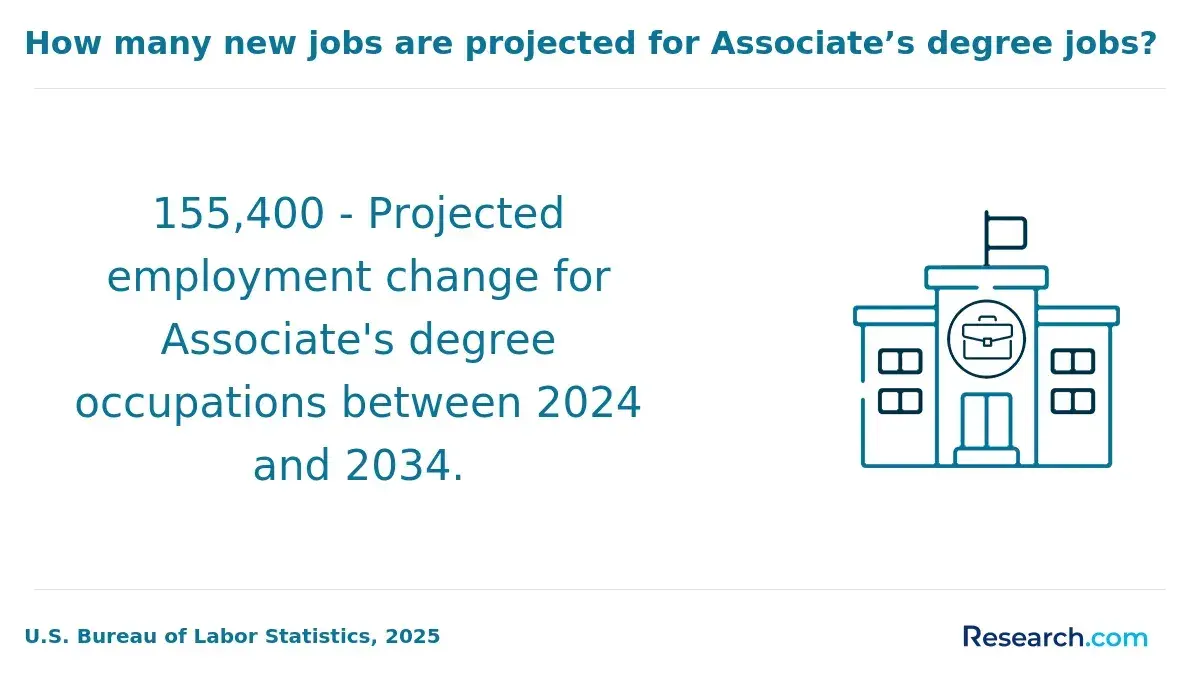
Hiring managers overwhelmingly prioritize candidates for entry-level roles with at least a bachelor's degree due to the complex blend of business, marketing, and analytics skills required in contemporary sport management. Those holding only an associate degree often find themselves limited to administrative roles, lacking the strategic insight and technical fluency demanded by competitive employers.
Real hiring data shows candidates with bachelor's degrees in sport management or related disciplines achieve a 25% higher placement rate in markets like professional sports leagues or collegiate athletics administration, illustrating the tangible impact of educational level on employment outcomes.
Preferred education levels for sport management careers increasingly emphasize supplemental technical skills. By 2026, more than 30% of new technical positions will involve data science, fan engagement technologies, and performance analytics. Candidates who supplement their sport management degree with minors or certificates in computer science, data science, or Internet of Things (IoT) engineering position themselves more competitively, given evolving employer expectations.
Practical experience through internships integrated within bachelor's programs is a critical differentiator. Without applied technical or quantitative training, candidates often struggle to compete for roles tied to analytics teams or digital marketing units.
While master's degrees can open leadership and specialized analytical roles, immediate ROI often favors applied bachelor's curricula with strong industry internships or targeted certificates over graduate study, especially when technical skills are absent.
Those evaluating sport management degree requirements for entry-level jobs should consider tradeoffs carefully:
- Focus on applied bachelor's programs with embedded internships if targeting swift operational roles.
- Integrate cross-disciplinary education when aiming for data-centric or strategic positions.
- Consider targeted certificates and hands-on training before pursuing costly graduate degrees.
For students exploring alternative pathways or complementary fields, an online hospitality degree can offer transferable skills in management and operations within sport and event contexts.
How do salaries and promotion pathways differ across major sport management career tracks?
Salary progression in sport management is highly segmented by career track, with structural and market factors shaping earning potential more than performance alone. Entry salaries in collegiate athletics administration fall between $45,000 and $60,000, but advancement is often slow and influenced by institutional politics rather than merit.
On the other hand, roles in sports media and content start higher, around $55,000 to $75,000, supported by a 9% annual industry growth linked to direct-to-consumer streaming investments through 2026. Digital content creators and rights managers aligned with these trends can experience salary increases exceeding 10% yearly.
Marketing and sponsorship roles show median starting salaries from $60,000 to $85,000, with clearer promotional pathways tied directly to measurable revenue impact and client retention. These positions demand ongoing upskilling in analytics and digital tools to maintain relevance. Event management positions tend to start lower-$40,000 to $55,000-with limited salary growth past middle management, pushing many to seek opportunities in larger organizations or specialized niches.
Executives emerging from any sport management track need broad operational experience and advanced credentials to offset salary plateaus. For instance, transitioning from content production to senior digital rights management may initially stagnate earnings but can outpace peers in traditional administration as streaming services expand. Prospective candidates should strategically target their education and experiences to reflect these realities for optimized career mobility.
Which types of sport management programs and specializations align best with employer needs?
Demand for candidates in sport management increasingly centers on skills linked to sports technology, data analytics, and enhanced fan engagement. Startups focused on technology-driven fan experience solutions contribute over half of new revenue growth in sports organizations, intensifying employer expectations for expertise in product development, UX design, and growth marketing within sports contexts.
Traditional sport management roles tied to facility operations or athlete representation see comparatively limited job openings and slower salary growth.
Programs emphasizing integration of business strategy with digital analytics outperform conventional tracks by preparing graduates to apply CRM data alongside live-event technology to boost fan retention-a capability directly valued by franchises and leagues adapting to rapid technological shifts.
Practical experience using tools like augmented reality, mobile platforms, and AI-powered fan engagement systems is increasingly non-negotiable. This necessitates immersive internships or apprenticeships embedded within actual product environments.
Geographic considerations also shape opportunity access: markets such as Boston, Atlanta, and Silicon Valley host denser sports tech ecosystems, influencing internship availability and long-term employability. Students and professionals targeting strategic entry or advancement should weigh the tradeoff between traditional management pathways and STEM-focused curricula or dual degrees that bridge cross-functional expertise in technology and business.
In sum, prioritizing sports tech and data-driven specializations aligns with 2026 employer demand, but requires deliberate pursuit of hands-on experience and geographic positioning to realize meaningful career outcomes.
How do online sport management degrees compare to campus programs in employer hiring decisions?
Employers place distinctly higher value on sport management degrees earned through campus-based programs due to their embedded, supervised practical experiences. This preference stems from the direct relevance of such hands-on training for operational roles that demand real-time problem solving at venues, facilities, and event sites.
With event and facility jobs forecasted to expand by 15-20% between 2024 and 2026, hiring managers increasingly scrutinize candidates' applied skills over purely theoretical knowledge (Sportyjob 2026 jobs outlook; PathWise sports management careers).
Campus programs commonly require internships, fieldwork, and collaboration with local sports entities, building proficiencies aligned with venue security, access control, and emergency response procedures. By contrast, fully online degrees often lack integrated practicum elements, placing graduates at a disadvantage for frontline roles.
Consider a large multi-use stadium seeking operations staff skilled in managing fan services and security protocols. A candidate with campus-based internships demonstrating these competencies will typically outrank those with online credentials lacking verifiable field experience. This gap is significant given the complexity and stakes in live-event environments.
Professionals aiming to pivot into sport management should weigh programs offering hybrid delivery or embedded experiential components to avoid skill gaps. Without mandated practicum, online learners must proactively pursue external internships or volunteering to remain competitive amid evolving workforce demands.
What accreditations and industry affiliations do employers look for in sport management programs?
Employers in sport management prioritize candidates from programs accredited by the Commission on Sport Management Accreditation (COSMA) and those with robust ties to established industry bodies like Sports Management Worldwide (SMMW) and the National Association of Sports Commissions (NASC).
These credentials serve as tangible indicators that curricula cover vital skills such as contract negotiation, athlete representation, compliance, and sports marketing-areas closely aligned with current employer demands.
For example, graduates from COSMA-accredited programs typically have completed internships and coursework designed to address legal and ethical challenges faced in sports agencies, improving their readiness for roles in athlete representation firms. Employers expect sport agents, who earn median salaries near $96,300 and can top seven figures (according to PathWise), to demonstrate not only theoretical knowledge but validated practical experience.
Programs without formal industry connections impose higher barriers for graduates aiming for elite representation roles. Lack of access to on-the-job learning and industry network integration limits their ability to manage complex contract negotiations and endorsement deals effectively. Choosing lower-cost programs without accreditation or strong affiliations may reduce immediate employment prospects and delay career progression.
Prospective students should emphasize programs incorporating measurable outcomes such as internship placements and skill assessments aligned with licensing or certification standards. This focus significantly increases employer confidence compared to generic business degrees, providing a strategic advantage in competitive hiring landscapes.
How can students build internships and experiential learning that attract sport management recruiters?
Targeting internships in emerging women's sports leagues or private-equity-backed startups aligns more closely with evolving employer demands than traditional major league roles. These positions typically involve expanded senior marketing and revenue responsibilities, offering a rare chance to engage substantively with commercial growth and sponsorship activation in underinvested segments.
For instance, a student working on revenue reporting or partnership negotiations within a growing women's league gains directly applicable experience valued in sport management recruitment.
This focused approach contrasts sharply with generic internships that lack operational scope, which often delay skill acquisition critical for faster career progression. Prioritizing roles providing layered responsibilities and clear project ownership-common in emerging leagues or niche firms-supports immediate contribution to revenue growth and audience expansion.
Candidates should develop measurable skills in commercial strategy and cross-functional collaboration, reflecting real-world applications like launching multi-platform marketing campaigns or new team sponsorships. Proficiency with CRM platforms, analytics tools, and rights management software is increasingly a differentiator in hiring decisions.
In practical terms, students must weigh the tradeoff between conventional internships and emerging market placements, recognizing that experience in the latter signals readiness for sport management roles that shape the future landscape.
Which professional certifications and skills give sport management candidates a hiring advantage?
Sports organizations, particularly in esports and digital events, prioritize candidates with verifiable, industry-aligned credentials that address immediate employer needs. Certifications like Certified Sports Event Executive (CSEE) or digital marketing analytics tied to ROI demonstrate a candidate's ability to impact sponsorship and event operations.
Given the esports sector's projected 9-10% annual growth through 2026, professionals who integrate digital content strategy with project management stand out in hiring pools.
Technical proficiency in CRM platforms and data analytics tailored to fan engagement has become non-negotiable. In roles such as community management, lacking quantifiable skills in these systems undermines a candidate's capacity to retain users and maximize sponsorship value. Conversely, hard skills including contract negotiation and compliance, supported by credentials from recognized sports industry bodies, elevate recruiter confidence but rarely suffice without digital competencies.
For those pivoting into sport management operations within esports, a dual certification approach-combining event management expertise with sports analytics tools-directly addresses workforce demands to optimize event ROI and real-time audience data usage.
- This blend supports navigating volatile market conditions and data-driven decision-making
- Programs with embedded internships or industry partnerships provide tangible hiring pathways
- Cost versus curriculum rigor is a critical consideration to ensure return on investment
In sum, actionable certifications that merge digital analytics with event operations trump generic qualifications, clarifying career readiness amid evolving sport management landscapes.
Other Things You Should Know About Sport Management
A single prominent internship can offer strong networking and brand recognition but may narrow exposure to diverse operational areas. Conversely, several smaller internships provide broader experience across different functions, enhancing adaptability. For those targeting leadership or strategic roles, breadth from multiple placements is more valuable, whereas candidates aiming for specialized roles may benefit more from a high-profile experience.
Sport management roles often demand juggling multiple projects with competing deadlines and stakeholder expectations. Employers favor applicants who demonstrate practical time management and prioritization in high-pressure environments, such as through documented project experiences or agile workflows. Candidates should emphasize concrete examples of managing diverse responsibilities simultaneously rather than relying on theoretical discussions of workload.
Programs with extensive industry links typically facilitate direct access to internships, mentorships, and job placements, which accelerates entry into sport management roles. However, purely academically rigorous programs may lack practical alignment with employer needs. For career-focused individuals aiming to secure aggressive hiring, prioritizing institutions with proven employer relationships is more effective than selecting programs based solely on academic prestige.
References
- Job Search, Career Advice & Hiring Resources | WorkInSports https://www.workinsports.com/
- How Professionals from Other Industries Can Build a Career in Sport Management - AISTS https://aists.org/how-professionals-from-other-industries-can-build-a-career-in-sport-management/
- Can Sport Management Students Find Jobs? https://danmatheson.wixsite.com/sportbusiness/single-post/2017/09/24/can-sport-management-students-find-jobs
- Sports Job Training & Certification Courses | Sports Management Worldwide https://www.sportsmanagementworldwide.com/courses
- Talent Management: Playing to win - SUMS https://sums.ac.uk/info-hub/talent-management-playing-to-win/
- Sports Management Careers: Paths, Jobs, and Outlook https://pathwise.io/careers-in-sports-management/
- Sport Management Recruitment Poland | Find Top Experts https://www.academicjobs.com/pl/discipline-recruitment/technical-and-career/sport-management
- Your Dream Job in Sports: Explore Sports Management Careers! https://matchtocollege.com/blog/sports-management-career-opportunities
- Jobs in Sport Management – Career Paths & Requirements https://etacollege.com/qualification-requirements-for-jobs-in-sport-management-and-related-fields/
- Careers & Recruitment in the Sports Industry | Sportidealisten https://sportidealisten.se/for-employers-and-job-seekers-in-the-sports-industry/