2027 Sport Management Job Market Outlook Through 2030

Co-Founder and Chief Data Scientist
Facing a rapidly evolving job market, aspiring sport management professionals must navigate a complex array of educational formats, employer expectations, and workforce shifts. The surge in adult learners enrolling in flexible online degree programs-now representing over 45% of all nontraditional student enrollments according to the National Center for Education Statistics-signals a broad shift toward accessible, career-aligned education.
Yet this flexibility often comes with trade-offs in networking and experiential opportunities critical to sport management careers. Understanding how these evolving educational trends intersect with forecasted job demands through 2030 is vital for strategically choosing the right pathway.
This article examines workforce projections, educational delivery trends, and employer hiring patterns to guide decision-making for individuals aiming to optimize timing, program structure, and career mobility in sport management.
Key Things You Should Know
- Projected 12% employment growth between 2024 and 2030 for sport management roles, per U.S. Bureau of Labor Statistics, pressures candidates to secure specialized credentials beyond general business degrees, risking longer education timelines.
- Employers prioritize internships and data analytics expertise, with 65% of major league teams valuing measurable ROI skills over traditional academic pedigree, challenging conventional hiring and prompting targeted upskilling.
- Rising tuition inflation outpaces average wage gains in entry-level sport management jobs by 8%, delaying return on investment and forcing candidates to weigh costlier advanced degrees against immediate workforce entry.
What does the sport management job market look like through 2030 in the United States?
Projected job growth trends for sport management professionals in the US indicate approximately 99,700 annual openings in entertainment and sports occupations through 2034, reflecting stable demand but requiring candidates to excel in specialized, measurable skills.
Success hinges less on abstract academic credentials and more on tangible experience such as internships and operational roles that align with employer expectations in fields like collegiate sports administration or professional team operations.
Distinct employer demands include compliance expertise and student-athlete welfare focus for collegiate roles, while professional franchises often seek marketing analysts skilled in data and fan engagement. Entry-level positions entail tradeoffs like flexible schedules and event presence, demanding practical coordination skills. Advancing toward higher wages-near the median annual wage of $54,870-requires leadership and mastery of sports analytics and digital content management.
Those navigating sport management employment projections in the United States must also contend with competition from marketing and media sectors, emphasizing networking and skill differentiation. Long-term viability involves staying current with emergent areas, including esports management and sustainable facility operations.
Selecting programs or certifications incorporating real-world projects strengthens job placement potential, especially when candidates leverage sports degrees online that connect education directly to industry applications.
What sport management careers are in highest demand across professional and collegiate sports?
Demand for analytics, digital media, and sponsorship sales roles is reshaping professional and collegiate sports labor markets through 2030, with the North American sports market projected to reach $117 billion by 2027. This growth is uneven across sectors, favoring candidates who convert complex data into actionable insights, optimize media strategies, and execute multifaceted brand partnerships.
Sports data analysts exemplify this shift, requiring continual technical skill development and effective communication with coaching and executive staff-a gap employers frequently identify. Those targeting sport management career opportunities in professional sports must weigh the benefits of specialization, as these roles command higher salaries but demand ongoing upskilling in advanced analytics.
The rise of digital media managers reflects the importance of multiplatform content strategies tied directly to fan engagement and revenue. Their expertise in audience segmentation and emerging technologies like AR/VR offers distinct advantage as leagues deepen their streaming and social media presence.
Sponsorship sales roles in both professional and collegiate sectors increasingly rely on negotiation acuity and tailored corporate value propositions, aligning with highest demand sport management roles in collegiate athletics that also emphasize versatility in compliance and event operations.
Prospective students should balance focus and flexibility when selecting educational pathways, considering that collegiate positions often provide broader responsibilities within constrained budgets.
Those evaluating options would benefit from programs aligned with quantitative analysis, digital marketing, and stakeholder management, particularly through online health information management programs CAHIIM-accredited, which offer transferable data competencies applicable in sport management environments.
What are typical salaries and earning potential for sport management professionals?
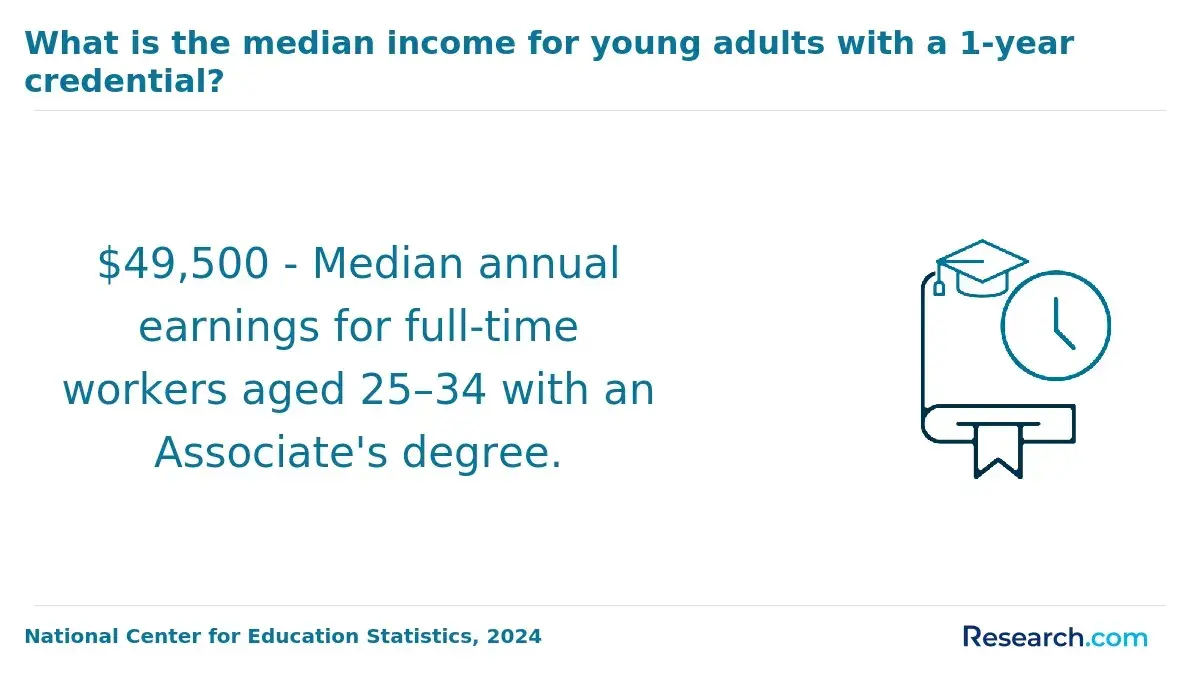
Typical salaries for sport management professionals in the United States vary widely, influenced by market size, role specialization, and organizational scale. Entry-level positions, especially in smaller markets or nonprofit sectors, often start near $40,000, with mid-level managers earning between $70,000 and $85,000.
Senior roles in major leagues or corporate sports organizations can exceed $120,000 annually. This salary distribution reflects how the earning potential for sport management careers in North America is highly segmented, requiring candidates to navigate tradeoffs between early compensation and skill acquisition.
The U.S. Bureau of Labor Statistics projects about 108,900 annual openings from 2023 to 2033 across sports and entertainment management, pointing to steady hiring demand but increasing competition.
Candidates who prioritize specialized expertise-such as analytics, sponsorship sales, or facility management-tend to improve their long-term prospects. For instance, a marketing coordinator for a minor league team may face slower wage growth compared to a director of operations at a professional sports franchise, highlighting the impact of organizational context and professional networks on career trajectories.
Educational attainment remains a critical factor: combining a bachelor's or master's degree with relevant internships boosts upward mobility. Candidates should consider strategic investments in certifications or business acumen, as employers emphasize measurable outcomes over generic qualifications. Those seeking advancement may explore accredited online master's degree in human resource management programs to build applicable skills aligned with industry demands.
What degrees and qualifications are required for entry-level sport management jobs?
Entry-level sport management degrees and certifications must do more than fulfill academic minimums; successful candidates show immediate operational competence, often demonstrated through internships or cooperative education. For example, an applicant without a sport-specific internship but with a general business degree may struggle to secure roles in collegiate athletic departments or community recreation centers where practical familiarity with organizational dynamics is essential.
The necessary qualifications for sport management careers generally include at least a bachelor's degree combining core business skills with industry-specific knowledge such as event planning, sports marketing, facility operations, and sports law. Certifications like the Certified Sports Event Executive (CSEE) or specialized digital marketing credentials complement but do not replace this formal education.
The tight labor market, with nearly equal numbers of job openings and seekers forecasted by Job Bank Canada, favors candidates from programs with applied learning and networking opportunities.
Employers expect entry-level hires to impact budgeting, communication, and stakeholder engagement immediately. Therefore, programs that integrate project-based learning with real-world experience significantly improve employability.
Distinct sector demands mean professional sports emphasize media relations and sponsorships, whereas recreational sports focus on facility management and community programming. Prospective students should weigh these realities carefully to avoid extended job searches or lower-tier positions despite credentials.
For professionals researching alternative education pathways, exploring a fastest PMHNP program exemplifies how program outcomes and practical timelines can shape career pivots beyond sport management.
How do online sport management programs compare to campus-based programs for career outcomes?
Sport management programs delivered online frequently fall short in converting students to full-time careers compared to campus-based alternatives due to weaker integration with the industry and limited access to meaningful internships.
Employers in this sector prioritize candidates with verifiable practical experience and strong networking ties, which university campus programs typically support through structured, locally affiliated internships and direct connections to sports organizations.
For instance, students near professional teams benefit from established internship channels that lead to more consistent job placements, while online learners often face logistical barriers and must independently secure internships, resulting in lower conversion rates to permanent roles.
Data from WifiTalents' 2026 sports careers report indicates that just 20% of sports management internships convert into full-time employment, making embedded experiential learning a vital factor for employability. Online programs may still serve working professionals or geographically constrained students by providing flexible credentialing options, but these students should recognize the tradeoff in slower networking development and fewer direct recruitment pathways.
Prospective students evaluating online sport management programs should confirm the existence of verified partnerships with sports organizations that facilitate internships. They must also assess their own capacity to obtain practical work experience independently. Without this alignment, online credentials risk inflating qualifications without delivering commensurate employment outcomes.
What should students look for in an accredited sport management program?
Selecting a sport management program requires prioritizing accreditation from credible bodies like the Commission on Sport Management Accreditation (COSMA), as such certification verifies stringent industry-aligned standards crucial to employer confidence. Programs must incorporate current technologies, data analytics, and evolving regulatory frameworks to stay relevant amid the sector's accelerating complexity.
Practical experience is indispensable; curricula without mandated internships or cooperative education risk producing graduates ill-prepared for immediate industry demands. For example, those targeting roles in major league operations should seek coursework focused on contract negotiation and media relations, while candidates interested in community sports administration must ensure training includes facility management and compliance with local policies.
According to the U.S. Bureau of Labor Statistics projections, sports-related management roles will grow significantly faster than average by 2031, emphasizing the value of programs offering exposure to professional leagues, collegiate sports, and event management to broaden career flexibility. However, students must weigh tradeoffs between program cost, duration, and specialization depth, balancing these against expected salary entry points and geographic mobility required for optimal placement.
Evaluating a school's alumni success and employer connections is critical, as funding and networking remain decisive for long-term career sustainability. Confirming robust experiential learning opportunities before enrollment can avoid delays in workforce integration and improve practical skill acquisition.
What core courses and specializations are included in sport management degrees?
Sport management degrees serve distinct industry needs by blending organizational fundamentals with specialized tracks that dictate job readiness and sector entry points. Core coursework in budgeting, marketing, legal issues, and facility operations prepares graduates to oversee complex sports entities-from local leagues to major franchises-where financial precision and fan engagement strategies directly affect operational success.
Specializations influence employability paths and should align with targeted roles: data analytics skills support careers in player recruitment or audience metrics, while nonprofit sport administration suits leadership in community programs with different performance metrics. These distinctions matter because professional and community sports demand contrasting skill sets, requiring students to prioritize either financial-media fluency or program development and relational leadership.
Job Bank Canada forecasts significant openings for sports and leisure managers, estimating about 149,300 new positions over the next decade. Employers tend to favor candidates with applied experience acquired through internships or practicums embedded in curricula, reinforcing that theoretical knowledge alone is insufficient for operational responsibilities.
- Core courses develop essential operational, financial, and marketing competencies.
- Choosing a specialization should be strategic, reflecting specific workforce demands.
- Real-world experience within programs is critical for demonstrating readiness.
How long do sport management programs take, and what do they cost to complete?
Choosing the right sport management program requires balancing time, cost, and career impact rather than simply accumulating credentials. A four-year bachelor's degree remains the foundational route for recent graduates, delivering broad business and sports-specific skills needed to enter competitive entry-level roles. Accelerated associate or bachelor's degree options can compress study to about two years, appealing to those seeking quicker workforce entry but potentially limiting depth.
Master's degrees typically span 18 to 24 months and can be structured online or hybrid, accommodating working professionals aiming for leadership roles. However, the investment is substantial, with total tuition ranging widely from $20,000 to $50,000. Public universities offer more affordable yearly tuition ($10,000-$25,000) than private institutions, where costs exceed $40,000 annually, emphasizing the financial tradeoff between prestige and practicality.
Career outcomes hinge on the efficient completion of education paired with applicable business and marketing competencies. For example, a mid-career professional targeting a Director position should prioritize master's programs emphasizing marketing modules to minimize income disruption while maximizing advancement potential.
According to WifiTalents, sports marketing managers average $112,000 annually, underscoring the tangible returns of advanced qualifications combined with leadership capabilities.
- Prospective students must weigh program duration and format against their career timelines and financial constraints.
- Public online programs can offer cost-effective alternatives by eliminating relocation and commuting expenses.
Are there industry certifications or licenses that boost sport management career prospects?
Certifications in sport management function less as guarantees and more as differentiated signals within an increasingly specialized labor market. The field's projected 13% growth through 2030 pushes employers to seek credentials demonstrating practical capability beyond academic degrees. For instance, the Certified Athletic Administrator (CAA) directly ties to compliance expertise and facility operations, essential for university athletic departments that tightly regulate these areas.
Entry-level professionals often face a tradeoff: pursue quick-to-obtain credentials like the Sports Management Worldwide (SMWW) Sports Agent Certification to establish baseline credibility, or invest the time and experience prerequisites required by more recognized certifications such as the Certified Sports Event Executive (CSEE).
The latter may delay immediate employment but yield stronger mid-career positioning, especially in professional franchises that privilege nationally recognized certifications.
Important decision factors include:
- The geographic and niche-specific valuation of certifications, since some credentials hold regional or sector-specific weight
- The feasibility of aligning certification studies with internships or paid work to enhance real-world relevance and return on investment
- Balancing costs, time commitments, and employer expectations to avoid overinvesting in credentials with limited market impact
Consequently, candidates should scrutinize industry demand and credential reputation precisely to ensure credentials function as strategic assets rather than mere formalities.
How can prospective students evaluate and choose a reputable sport management school?
The real value of sport management programs hinges on their ability to translate academic credentials into tangible employment outcomes, especially in a labor market anticipating a 20% rise in coaching and scouting roles over the next decade. Programs partnered with professional teams or talent agencies provide access to internships that simulate high-stakes industry environments, a critical differentiator from rural or isolated schools lacking these embedded networks.
Accreditation from the Commission on Sport Management Accreditation (COSMA) offers assurance of curriculum relevance, but prospective students must scrutinize whether courses incorporate emerging demands like data analytics and athlete performance evaluation, which increasingly drive talent development decisions.
Beyond curriculum, career services that track alumni placement and offer mentorship are essential indicators of a program's practical viability. Students should balance tuition costs against starting salary trajectories to avoid burdensome debt with limited job prospects.
Key evaluation criteria include:
- Requesting precise employment data for roles such as coaching or scouting to verify outcomes
- Assessing the depth and quality of internship opportunities with professional stakeholders
- Confirming curriculum aligns with rapid labor market shifts toward tech-enabled talent evaluation
- Engaging with current students or alumni to gauge the real-world applicability of skills acquired
Choosing sport management education grounded in these operational realities better positions students for success in a sector where employer connections and technological fluency increasingly decide competitive hiring outcomes.
Other Things You Should Know About Sport Management
In sport management, a graduate degree improves access to mid- and upper-level roles more than entry-level positions. Employers often seek candidates with specialized knowledge in areas such as sports marketing, event management, or analytics, which graduate programs tend to emphasize.
However, the decision to pursue a graduate degree should weigh the cost against tangible career benefits; not all roles require it, and relevant work experience combined with professional networks can sometimes yield faster advancement.
Internship experience holds significantly more weight than classroom learning alone in sport management hiring decisions. Practical exposure allows candidates to develop industry connections, understand real-world operational dynamics, and demonstrate adaptability.
Students should prioritize securing internships with recognized organizations, even if it means extending study duration or choosing programs with strong internship placement support, as this hands-on experience often directly correlates with employability and salary prospects.
Specializing in niche areas such as sports analytics or facility management can differentiate candidates but may limit opportunities if demand shifts or sectors contract. Conversely, maintaining a broad skillset increases flexibility across various roles but can reduce depth, potentially affecting competitiveness for specialized positions.
Prospective students targeting stable organizations like collegiate athletics should prioritize breadth, while those focused on emerging or technical sectors may benefit more from focused specialization.
From 2026 to 2030, the sport management job market is expected to grow steadily due to increasing investments in sports and fitness industries. Emerging technologies and a global focus on health and wellness are driving demand, offering robust opportunities for professionals with diverse skill sets in events, marketing, and sports analytics.
References
- Explore Sports Management Jobs | Essential Skills & Opportunities https://etacollege.com/explore-your-opportunities-essential-skills-for-sports-management-jobs/
- Finding a Sports Management College in CT | University of Bridgeport https://www.bridgeport.edu/news/how-to-find-the-right-sports-management-college/
- Sports Management Job Outlook https://online.maryville.edu/online-bachelors-degrees/sport-business-management/careers/sports-management-job-outlook/
- What are the salaries after studying sports management? https://www.monaco.edu/en/faq-all-the-answers-to-your-questions-3/what-are-the-salaries-after-studying-sports-management/
- Sports Management Careers: Pathways to Paid Work - ICMS https://www.icms.edu.au/degree-discovery/sports-management-career-pathways/
- Your Dream Job in Sports: Explore Sports Management Careers! https://matchtocollege.com/blog/sports-management-career-opportunities
- How Professionals from Other Industries Can Build a Career in Sport Management - AISTS https://aists.org/how-professionals-from-other-industries-can-build-a-career-in-sport-management/
- Sports Management Salary Guide https://www.allbusinessschools.com/sports-management/salary/
- Sports Job Training & Certification Courses | Sports Management Worldwide https://www.sportsmanagementworldwide.com/courses
- Want to Pick a Sport Management Program? Here's What to Look For https://www.sportsdestinations.com/management/education/want-pick-sport-management-program-heres-what-look-16287