2027 Best Online Bachelor's in Sport Management for First-Time Sports Business Professionals

Co-Founder and Chief Data Scientist
Securing a foothold in the sports business sector demands specialized knowledge and credentials, yet many first-time professionals struggle with rigid program schedules that clash with existing jobs or life commitments. According to the National Center for Education Statistics, over 40% of undergraduates in 2024 pursued at least some coursework online, signaling growing demand for flexible learning in career-focused fields like sport management.
This shift reflects practical barriers many face in balancing accelerated timelines, employer expectations for relevant skills, and maintaining income streams during study. This article evaluates the best fully online bachelor's in sport management programs tailored to newcomers aiming to navigate these complexities efficiently.
Key Things You Should Know
- Sport management bachelor's graduates face a 15% wage premium within five years versus non-degree peers, yet programs with extensive experiential learning require 30% longer completion times, delaying workforce entry.
- Employers prioritize internships: 72% of hiring managers in professional sports demand verified industry placements, making program-affiliated networks a decisive hiring factor over mere academic credentials.
- Rising tuition inflation averaged 6.5% annually since 2022 increases cost of entry, pressuring candidates to balance program reputation with affordability and potential post-grad income trajectories.
What is an online bachelor's in sport management and who is it best suited for?
Choosing an online bachelor's degree in sport management for beginners requires assessing how well the program aligns with specific career pivots or entry-level roles. This degree is most effective for first-time sports business professionals seeking flexible, industry-focused education without interrupting full-time work or relocating. Graduates gain targeted skills in event management, sports marketing, facility operations, and legal considerations relevant to sports organizations.
For example, a recent graduate targeting a minor league baseball front office position benefits from understanding ticket sales, sponsorship deals, and fan engagement-all valued by employers. Those transitioning from general business roles into sports need a curriculum that bridges gaps in sport-specific governance and seasonal dynamics.
Workforce demands favor candidates with hands-on experience; therefore, selecting programs offering practical internships or live projects significantly enhances employability prospects. Time management is critical since coursework often involves applying business fundamentals to real sport industry challenges.
The U.S. Bureau of Labor Statistics projects an 8% employment growth in sports and entertainment sectors through 2032, emphasizing demand for professionals fluent in business analytics, compliance, and digital marketing within sports contexts. However, prospective students must weigh the costs and benefits carefully-investing in programs integrating robust network access and experiential learning versus basic credentialing.
Those who require accelerated advancement might compare offerings with related fields; for instance, 1 year MHA programs online illustrate the tradeoffs between intensive, short-term graduate-level education and bachelor's-level scope.
Understanding who should pursue an online bachelor's in sport management hinges on evaluating readiness for specialized sport business environments and recognizing the practical demands of this career path.
How does an online sport management bachelor's compare to a campus-based program?
Online sport management bachelor degree benefits manifest predominantly when programs offer rigorous accreditation and align with labor market expectations. For example, the University of Iowa's online bachelor's in sport and recreation management ranks highest in OnlineU's 2024 assessment, reporting median earnings of $65,473 four years post-graduation. This reveals that well-constructed online programs can rival or outperform traditional campus degrees in financial outcomes.
However, the differences between online and campus sport management programs go beyond academics. Campus programs facilitate immediate access to internships, face-to-face mentorship, and localized networking - key for professions tied to regional sports franchises or event operations. In contrast, remote students must navigate the challenge of independently obtaining virtual internships or engaging with local organizations, requiring significant initiative to close this experiential gap.
Employers are increasingly receptive to online credentials, especially if supplemented with verified fieldwork, yet subtle employer biases still persist against exclusively virtual preparation in certain sectors. Prospective students should critically assess programs for embedded experiential learning and career service support tailored to remote learners. Success in online programs depends heavily on time management and digital literacy.
Students exploring what degree do you need to be an athletic director should note that degree relevance, practical experience, and networking remain critical, regardless of delivery method. More detailed information is available at what degree do you need to be an athletic director.
What admission requirements do online sport management bachelor's programs typically have?
Admission to online sport management bachelor's programs hinges on more than just meeting basic academic thresholds-applicants must navigate practical tradeoffs that directly affect time to completion and workforce readiness. Typically, a high school diploma or equivalent with a GPA around 2.5 to 3.0 is expected, alongside official transcripts. While some programs still require standardized tests such as the SAT or ACT, an increasing number waive these for remote students, aligning admissions with shifting educational access realities.
Applicants often benefit from relevant work experience in sports or business fields, which can reinforce applications especially when balancing current employment or career pivots. Programs oriented toward first-time sports business professionals may require personal statements to evaluate alignment with applied learning objectives. Letters of recommendation are optional but may enhance competitiveness in selective or scholarship-applying candidates.
Technical preparedness-stable computer access and digital literacy-is a non-negotiable foundation for online success, underscoring an often underestimated barrier to entry. Financially, students must weigh tuition costs carefully; for example, Southern New Hampshire University charges $354 per credit hour, amounting to $42,480 for a 120-credit degree, a critical factor when assessing return on investment in the sport management field.
Strategic applicants consider programs awarding credit for prior learning or certifications to reduce costs and duration. Admissions offices advise early application to prevent delays from prerequisite verifications and technical setup, which are common hurdles that can disrupt timely enrollment. Those exploring adjacent fields may also examine options like a project management degree for broader career pathways within sports business management.
How can students verify accreditation and quality for online sport management programs?
Employers in sports enterprises and collegiate athletic departments increasingly scrutinize how candidates verify accreditation for online sport management programs. Regional accreditation remains a baseline, ensuring institutions meet standards that directly influence credit transferability and degree acceptance. Without this, students risk investing in a credential with limited employer recognition or graduate school options.
Beyond regional accreditation, program-specific quality standards for accredited sport management degrees play a decisive role. Agencies like the Commission on Sport Management Accreditation (COSMA) assess curriculum alignment with industry needs, faculty qualifications, and graduate outcomes. This focus reflects workforce realities where employers prioritize practical skills and current knowledge in sports analytics, compliance, and internship experience.
Operationally, students should evaluate program transparency in outcomes such as graduation rates and employment statistics. For example, Arkansas State University offers an online sport management program at $292 per credit hour, illustrating that public institutions can provide cost-efficient pathways compared to pricier private options, an essential consideration for return on investment.
Faculty expertise and curriculum flexibility dictate long-term career relevance. Programs lagging in emerging topics or failing to demonstrate clear accreditation proof may deliver outdated instruction, limiting job readiness. Prioritizing programs with transparent performance data reduces this risk and supports strategic career pivots.
Prospective students interested in comprehensive educational pathways should also consider the best schools for healthcare administration online for comparative insights on rigorous accreditation frameworks.
What core courses and specializations are offered in sport management bachelor's curricula?
Sport management bachelor's programs condition graduates to meet the demand for adaptable business knowledge fused with industry-specific skills. Employers expect proficiency in sport marketing, facility and event logistics, finance, and organizational dynamics, yet graduates must navigate the tension between broad managerial frameworks and applied expertise. For example, stakeholders in professional teams or collegiate athletic departments value candidates who understand both governance issues like compliance and leadership challenges tied to organizational culture.
Program specializations steer students toward distinct career trajectories with operational tradeoffs. A sports analytics focus arms learners with data interpretation skills essential for roles in digital media firms or team performance departments where decision-making is increasingly data-driven. Conversely, event management tracks emphasize logistical and vendor negotiation skills aligned with managing large-scale events-a practical fit for careers at venues or sports marketing agencies.
Programs like Louisiana State University's online sport administration, graduating 159 students recently, illustrate the growing pipeline supplying labor market demand. Candidates must weigh specialization alignment carefully since analytics and event management roles diverge substantially in daily responsibilities and required competencies.
How long does an online bachelor's in sport management take and what does it cost?
Choosing an online bachelor's in sport management involves critical decisions about time investment and cost relative to career outcomes. Full-time study typically spans four years, but accelerated programs enable completion in as little as two to three years, a significant factor for those seeking faster workforce entry. Part-time students, often professionals balancing work, usually take over six years, which delays earning potential and practical experience accumulation.
The field's projected 9% job growth between 2022 and 2032 for agents and business managers of artists, performers, and athletes points to rising demand for qualified talent but also increased competition requiring both specialized skills and real-world readiness.
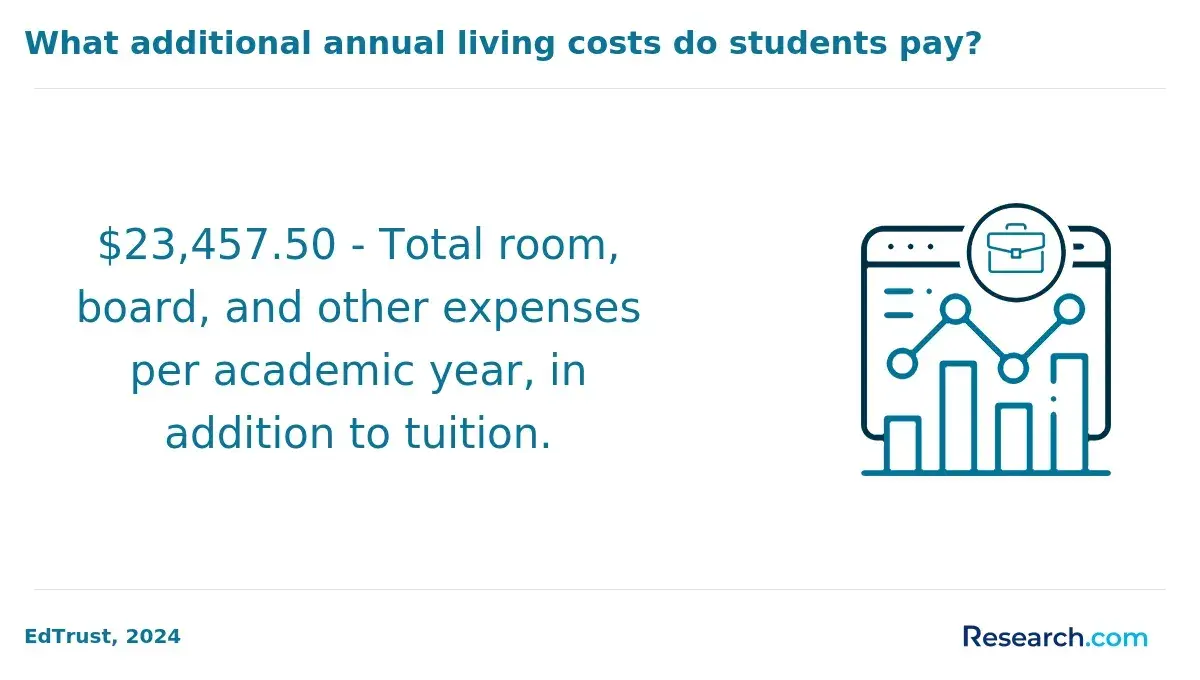
Cost differences are substantial. Public institutions can charge $6,000-$15,000 annually for in-state online students, whereas private schools often exceed $25,000 yearly. Total tuition may range from $24,000 to as much as $160,000 before additional fees-necessitating careful financial planning, especially if relying on loans.
What career paths can graduates pursue with an online sport management degree?
Choosing an online sport management degree involves balancing accelerated entry against critical real-world experience gaps. For example, Monroe University's accelerated bachelor's program-completed in under three years on a three-semester calendar-enables earlier workforce entry compared to traditional four-year tracks. This shorter timeline can reduce opportunity costs and fast-track progression to mid-level roles with salaries ranging from $45,000 to over $90,000 depending on geography and responsibility.
However, faster completion may limit time for internships or cooperative education essential for securing positions in athletic administration or sports marketing. Employers often prioritize candidates demonstrating proven competence in compliance, budgeting, brand partnerships, or campaign analytics, which demand hands-on exposure beyond coursework.
Prospective students should critically assess programs' connections to professional sports organizations, collegiate athletic departments, and event management companies. Entry-level roles like marketing coordinator, event planner, or ticket sales manager can evolve into director or executive positions, but geographic market concentration affects opportunity density. The U.S. Bureau of Labor Statistics projects 15% growth in sports management-related roles from 2022 to 2032, signalling demand yet underscoring the need for strategic networking and experiential learning to differentiate oneself.
What are typical salaries and earning potential in sport management roles?
Entry-level roles in sport management typically offer annual salaries ranging from $40,000 to $55,000, with median pay near $48,000 for general administration. This starting range reflects varying academic admission standards, such as University of Louisville's online sport administration program requiring a 2.5 high school GPA and a 2.25 college GPA, signaling moderate academic thresholds that correlate to these initial salary bands. Advancement beyond entry-level generally demands 4-6 years of experience, moving from assistant coordinator roles (~$42,000) toward managerial positions and specialized functions in facility management, marketing, or analytics, where salaries rise to the $60,000-$85,000 range.
Location and employer type significantly influence compensation. Sport managers affiliated with professional leagues like the MLS, NBA, or NFL in metropolitan areas can earn 20% to 30% more than peers in smaller markets or collegiate athletics. This geographic and organizational premium emphasizes the tradeoff faced by new graduates: lower starting salaries common in nonprofit or government-affiliated sports programs versus higher pay but increased competition and experience requirements in professional franchises.
Practical experience, often gained through internships embedded in online bachelor's degrees, plus networking and credentials, shape long-term earning potential. Job seekers should balance immediate compensation against the realistic timelines needed to access senior roles typically exceeding $100,000, which demand proven leadership and industry acumen. Navigating these dynamics is essential for making informed, strategic decisions in sport management career development.
What is the job outlook and industry demand for sport management professionals?
Growth in sport management careers is uneven, with digital marketing roles expanding faster than traditional administrative jobs. U.S. Bureau of Labor Statistics projects a 10% increase in entertainment and sports roles through 2032, but specialization impacts employability and salary potential significantly. For example, managing sponsorships for mid-sized venues demands contract negotiation skills and local market understanding, while player development roles require strong analytics capabilities.
The supply of online degrees-19 available in 2025/2026 per Educations.com-creates moderate competition at entry level. Students must differentiate through targeted internships or certifications aligned with specific segments like collegiate athletics or youth sports, as practical experience increasingly drives hiring decisions.
Job locations cluster in urban centers hosting major sports franchises, so relocation or remote work flexibility becomes a practical consideration. Wage disparities range from about $40,000 annually in entry-level facility roles to six figures in senior executive positions, emphasizing strategic credentialing and experience-building for long-term earnings.
Applicants ignoring niche skills risk stagnation, while those tailoring studies and networking to specific industry needs stand better chance at meaningful advancement. Navigating this field requires balancing specialization, logistical hurdles, and real employer expectations rather than relying solely on degree completion.
How can prospective students choose the best online sport management bachelor's program?
Employers in sport management increasingly value candidates who demonstrate specialized, applied expertise beyond general credentials. For example, Arkansas State's online program requires 12 credit hours of certificate courses, providing focused skills in areas like sports marketing, analytics, or facility management. This design directly addresses the market's demand for niche competencies that improve hiring competitiveness.
Balancing coursework with existing professional responsibilities remains a critical decision factor. Programs that neglect flexible pacing or asynchronous formats risk excessive delays or dropout, especially for full-time workers. Accreditation and state authorization also influence credit transferability and degree recognition, impacting long-term career mobility.
Connections between academic programs and the sports industry frequently determine placement success. Internship opportunities and mentorships embedded within sports business networks translate into measurable job outcomes. Prospective students should examine alumni employment metrics aligned with curriculum skills and validate these against labor market data from the U.S. Bureau of Labor Statistics.
Other Things You Should Know About Sport Management
Prior experience in sports is not strictly required for admission or success in most online sport management bachelor's programs, but it significantly impacts practical learning and job readiness. Without a sports background, students may need more effort to grasp industry-specific contexts during internships or networking. Candidates lacking relevant experience should prioritize programs with strong internship placement support and connections to local sports organizations to build practical skills and employer relationships while studying.
Online sport management degree programs frequently demand the same academic rigor and credit hours as traditional ones but require more self-discipline due to their self-paced format. Students should expect a comparable volume of assignments, projects, and group work, often with less immediate instructor access. Time management and proactive communication are critical because delays in feedback or participation can disrupt learning, making online programs less suited for students who cannot commit regular, focused study hours.
Online sport management programs inherently limit face-to-face networking opportunities, which play a vital role in the sports industry for securing internships and jobs. While some programs offer virtual networking events, they rarely match the depth or spontaneity of in-person connections. Prospective students should select online programs that offer structured mentorships, alumni connections, and regional internships to offset this drawback, understanding that additional effort outside the curriculum is necessary to develop meaningful industry contacts.
First-time sports business professionals should assess the program's curriculum to ensure it offers a balance of business fundamentals and sports-specific courses. Additionally, consider factors such as accreditation, faculty expertise, internship opportunities, and alumni network to support career growth.
References
- Sports Management Careers: Paths, Jobs, and Outlook https://pathwise.io/careers-in-sports-management/
- 10 Of The Best New Sports Management Programmes To Look For - Bluesky Thinking https://bluesky-thinking.com/7-of-the-best-new-sports-management-programmes-to-look-for/
- Whole Leaders For The Whole World https://oru.edu/academics/online/undergraduate/bs-in-sport-management.php
- Types of Sports Management Degrees https://www.allbusinessschools.com/sports-management/degrees/
- Sports Management Job Outlook https://online.maryville.edu/online-bachelors-degrees/sport-business-management/careers/sports-management-job-outlook/
- Sports Management Degree Requirements | University of Bridgeport https://www.bridgeport.edu/news/sports-management-degree-requirements/
- What are the career options after a master's degree in sports management? - INSEEC https://www.inseec.com/en/guides/career-path-guide/what-are-the-career-options-after-a-masters-degree-in-sports-management/
- Online Bachelor's In Sports Management: Degree Guide https://ny.norbi.no/norbi-news/online-bachelors-in-sports-management-degree-guide-1767647158
- Educations https://www.educations.com
- Salary Trends in Sports Management – United States Sports University https://restore-ussa-edu.mystagingwebsite.com/news/salary-trends-in-sports-management/